22 Most Docile Animals in the World: Gentle & Friendly Species
The most docile animals in the world often captivate our hearts with their gentle demeanor and tranquil presence. These creatures, known as the chillest animals on the planet, can serve as reminders of the beauty in softness and serenity amidst our hectic lives.
In this article, we will explore 22 of the most chill animals, emphasizing their friendly and approachable nature. Readers will discover not only fascinating facts about these docile animals but also insights into their behaviors that make them some of the least intimidating species in the animal kingdom.
What Are Most Docile Animals?
Docile animals are often cherished companions due to their gentle demeanor and manageable nature. Popular examples include the beloved rabbit, which not only thrives in a calm environment but also enjoys human interaction. Similarly, the friendly horse has played a critical role in human culture, serving as both a working partner and a beloved pet.
Yet, what makes these creatures particularly fascinating is their duality. While they are generally non-aggressive, certain conditions can trigger defensive actions. Take, for instance, a mother rabbit whose instinct to protect her young can shift her from docile to defensive in an instant.
Top 22 Most Docile Animals In The World
| Animal | Scientific Name | Class | Diet |
| Cats | Felis catus | Mammalia | Carnivore |
| Dogs | Canis lupus familiaris | Mammalia | Omnivore |
| Rabbits | Oryctolagus cuniculus | Mammalia | Herbivore |
| Cows | Bos taurus | Mammalia | Herbivore |
| Sheep | Ovis aries | Mammalia | Herbivore |
| Llamas | Lama glama | Mammalia | Herbivore |
| Guinea Pigs | Cavia porcellus | Mammalia | Herbivore |
| Manatees | Trichechus spp. | Mammalia | Herbivore |
| Giant Tortoises | Chelonoidis spp. | Reptilia | Herbivore |
| Domestic Goats | Capra hircus | Mammalia | Herbivore |
| Horses | Equus ferus caballus | Mammalia | Herbivore |
| Doves | — | Aves | Herbivore/Granivore |
| Swans | Cygnus spp. | Aves | Herbivore |
| Dolphins | Delphinidae | Mammalia | Carnivore |
| Elephants | Elephantidae | Mammalia | Herbivore |
| Bats | Chiroptera | Mammalia | Species-dependent |
| Bearded Dragons | Pogona vitticeps | Reptilia | Omnivore |
| Capybaras | Hydrochoerus hydrochaeris | Mammalia | Herbivore |
| Quokkas | Setonix brachyurus | Mammalia | Herbivore |
| Deer | Cervidae | Mammalia | Herbivore |
| Sloths | Folivora | Mammalia | Herbivore |
| Gorillas | Gorilla | Mammalia | Herbivore/Omnivore |
Cats
Scientific Name: Felis catus
Class: Mammalia
Habitat: Domestic habitats worldwide
Despite their gentle presence at home, cats are natural hunters that instinctively chase small prey like squirrels when given the chance. If you’re curious which other animals share this predatory habit, check out our guide to animals that eat squirrels.
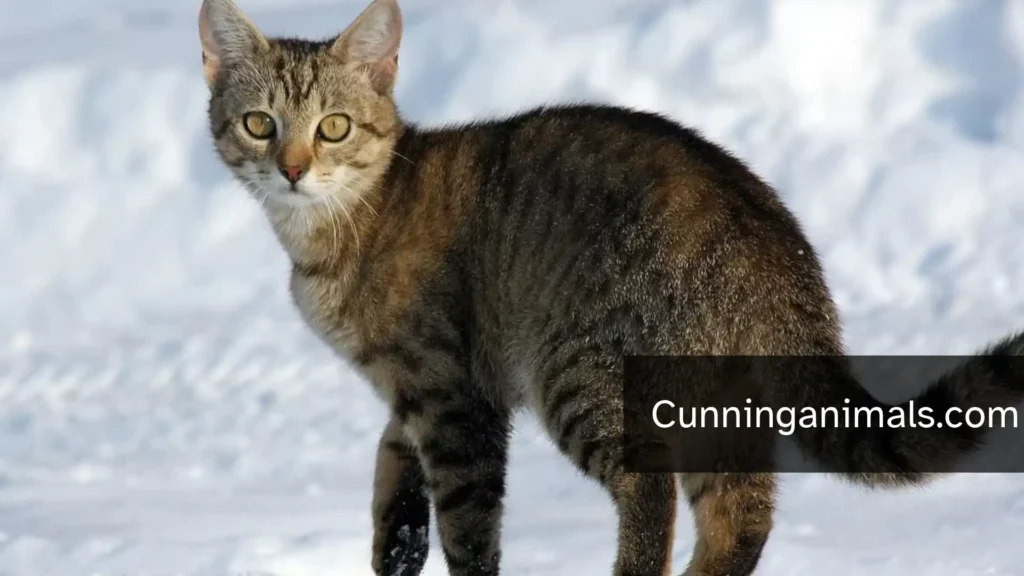
Beyond their playful nature, cats are fascinating creatures with acute senses and agility. They are natural hunters, showcasing their innate abilities through graceful movements and playful behaviors. Each cat we meet carries its unique story, inviting us to celebrate the intricate tapestry of life and the bonds we form with those around us.
Dogs
Scientific Name: Canis lupus familiaris
Class: Mammalia
Habitat: Various, typically domestic environments
Dogs exude loyalty and unconditional love, serving as faithful companions who enhance our lives in countless ways. Their wagging tails and bright eyes remind us of the joy of living fully in the moment. Each interaction with a dog can deepen our understanding of love, showing us that true connection transcends words.
As highly social animals, dogs thrive on companionship and share a powerful bond with their humans that is both enriching and transformative. Whether they’re accompanying us on adventures or simply lounging by our side, their presence can inspire a sense of peace and belonging. Dogs teach us about empathy, loyalty, and the beauty of unconditional love.
Rabbits
Scientific Name: Oryctolagus cuniculus
Class: Mammalia
Habitat: Meadows, forests, and grasslands
Rabbits are delightfully gentle creatures that symbolize peace and fertility, reminding us of the beauty of new beginnings. Their soft fur and rhythmic hops bring a sense of calm to any space they inhabit. Watching a rabbit nibble on fresh greens can inspire us to appreciate the little joys that nature provides.
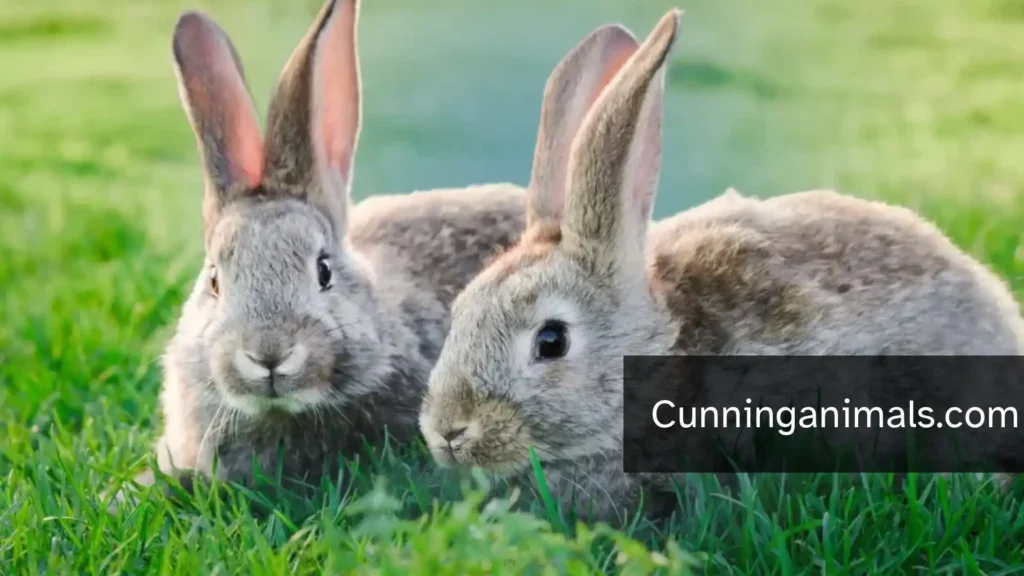
These social animals are often seen in playful interactions within their communities, highlighting the importance of companionship and support. Their subtle expressions of affection encourage us to slow down and take in the world around us, fostering a day filled with gratitude and wonder. In nurturing a rabbit, we also nurture the warmth of kindred connections in our lives.
Cows
Scientific Name: Bos taurus
Class: Mammalia
Habitat: Pastures, farms, and grasslands
Cows symbolize nourishment and community, serving as important figures in both agricultural life and human culture. Their calm demeanor reminds us of the virtues of patience and gentleness, while their presence on farms reconnects us to the simplicity and beauty of earthly life. They help ground us, highlighting the importance of sustainability and care for our environment.
With their social nature, cows thrive in herds, showcasing the beauty of relationships and cooperation. They embody a sense of harmony that resonates deeply within communities, reminding us to cherish the bonds we share. Embracing the spirit of cows encourages us to cultivate compassion and mindfulness in our daily interactions.
Sheep
Scientific Name: Ovis aries
Class: Mammalia
Habitat: Grasslands and pastures
Sheep are gentle souls that symbolize peace and tranquility, gracing pastures with their serene presence. Their soft wool and calm demeanor exude comfort, reminding us of the importance of community and shared experiences. Interactions with these animals can bring about a timeless sense of simplicity and care.
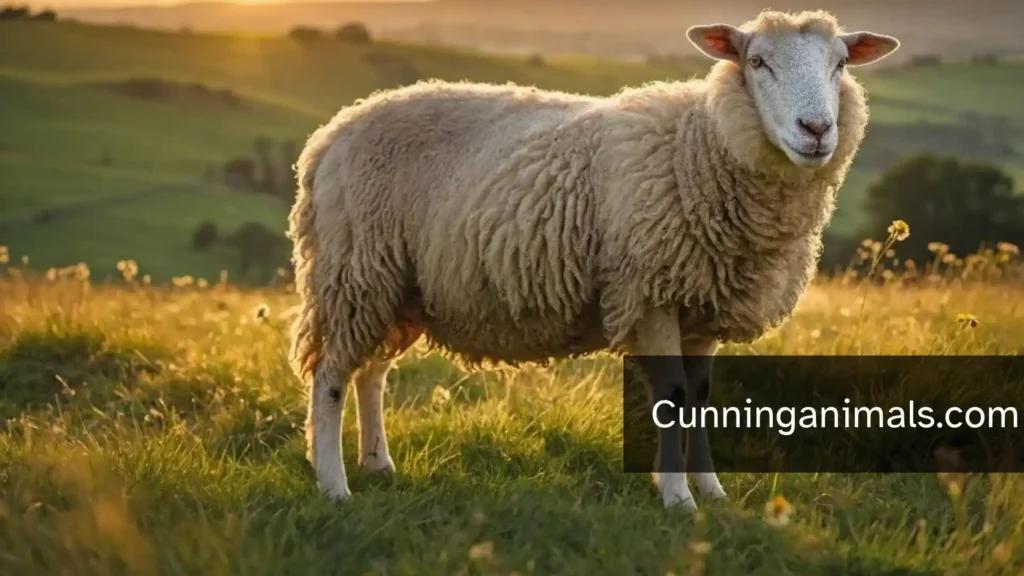
Recognized for their flocking behavior, sheep epitomize the value of companionship and unity. They instinctively rely on each other for safety, teaching us about the strength found in togetherness. In observing their bonds, we’re reminded to nurture our connections, cultivating an atmosphere of love and support.
Llamas
Scientific Name: Lama glama
Class: Mammalia
Habitat: Mountain regions, particularly the Andes
Llamas are unique creatures known for their gentle and curious nature, often bringing smiles to everyone they meet. With their expressive eyes and warm demeanor, they symbolize the joy of exploration and friendship. Interacting with llamas can inspire us to embrace our quirks and find beauty in our differences.
These social animals are known for their strong familial bonds, teaching us about the importance of community support. Their calm presence encourages tranquility and patience, reminding us that life’s journey can be enjoyable when shared with others. Llamas invite us to appreciate the richness of our diversity and the connections we forge along the way.
Guinea Pigs
Scientific Name: Cavia porcellus
Class: Mammalia
Habitat: Grasslands and domestic environments
Guinea pigs are endearing little companions that bring joy and laughter with their playful antics and adorable squeaks. Their gentle disposition makes them wonderful ambassadors for compassion and love, providing comfort to those around them. Spending time with these furry friends teaches us the value of nurturing bonds and creating a warm home.

As social animals, guinea pigs thrive in groups, highlighting the significance of companionship and togetherness. Their relatable personalities encourage us to embrace playfulness in our lives, reminding us that happiness often lies in the simplest of moments. In loving a guinea pig, we discover the profound joys of companionship and the fulfillment of caring for another soul.
Manatees
Scientific Name: Trichechus spp.
Class: Mammalia
Habitat: Shallow coastal waters and rivers
Manatees are gentle giants of the sea, embodying tranquility and grace as they glide through their aquatic homes. Known for their calm demeanor and herbivorous diet, they remind us of the importance of nurturing our environment and living harmoniously with nature. Witnessing a manatee can inspire a deep appreciation for the beauty of marine life.
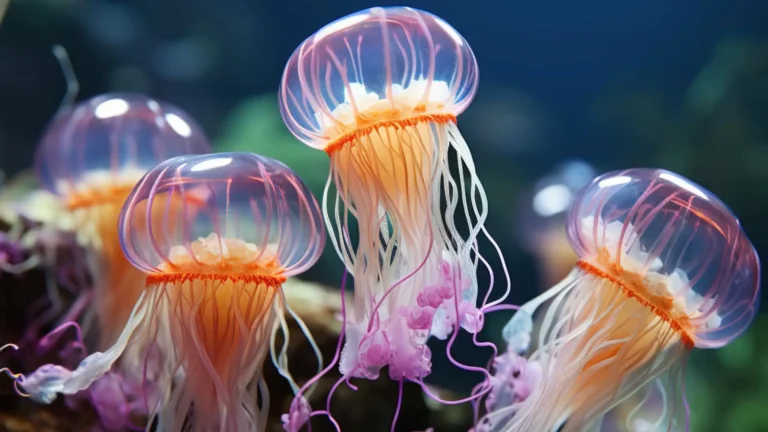
Manatees share their coastal waters with many other fascinating marine creatures, including some of the ocean’s largest invertebrates. To learn more about these giants of the sea, explore our feature on the biggest jellyfish in the world.
Giant Tortoises
Scientific Name: Aldabrachelys gigantea
Class: Reptilia
Habitat: Islands and coastal regions
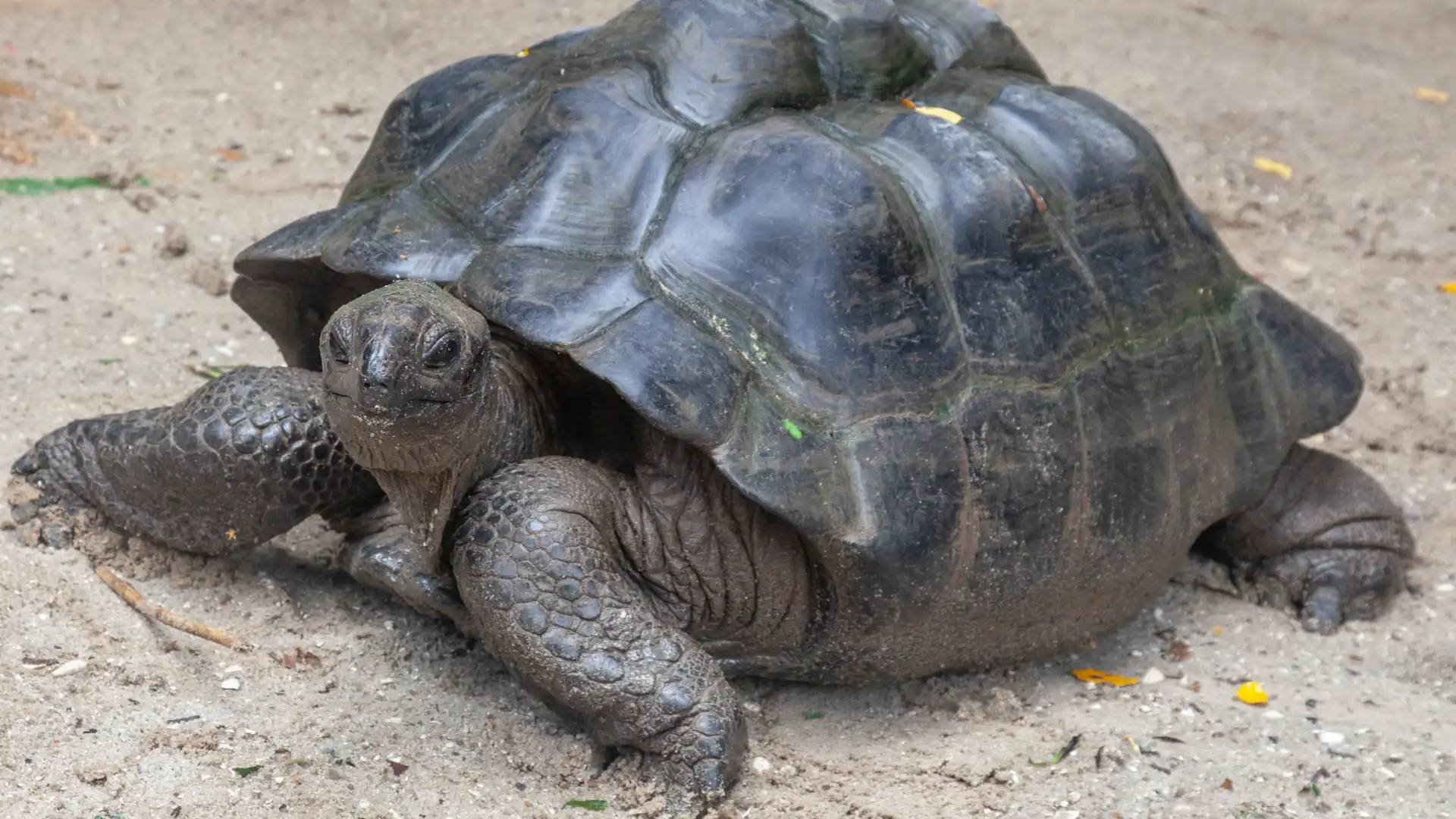
Giant tortoises are living symbols of longevity and wisdom, reminding us to take life’s journey at our own pace. Their slow, steady movements and gentle demeanor highlight the beauty of patience and resilience. Observing a tortoise encourages us to reflect on our own life paths, embracing the lessons learned along the way.
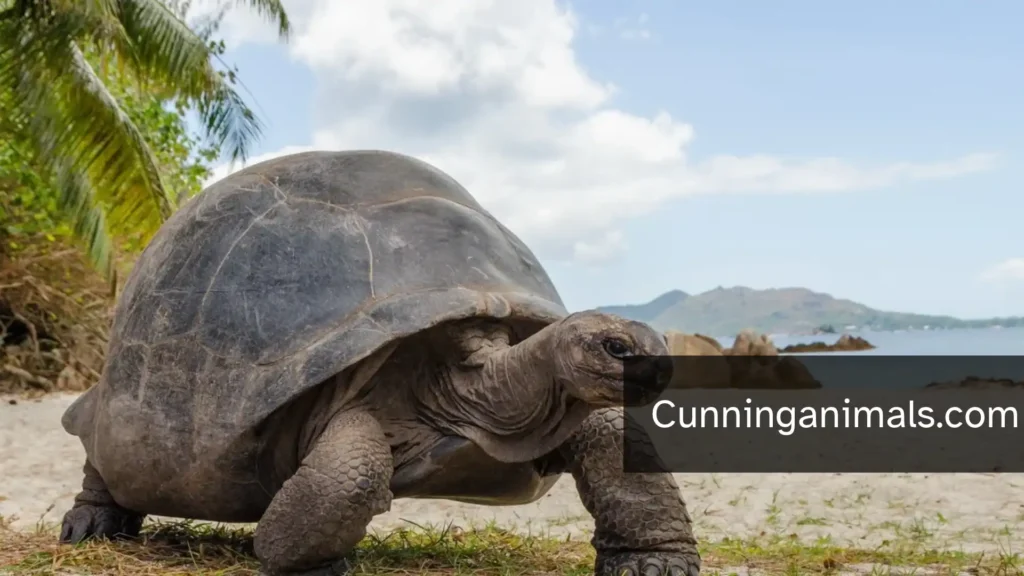
As some of the oldest creatures on the planet, giant tortoises represent the importance of ecological balance and conservation. Their presence reminds us to cherish our natural surroundings and protect the delicate ecosystems that sustain all life. By fostering a deeper appreciation for these magnificent beings, we create a legacy of respect for nature and its wonders.
Domestic Goats
Scientific Name: Capra aegagrus hircus
Class: Mammalia
Habitat: Farms and grasslands
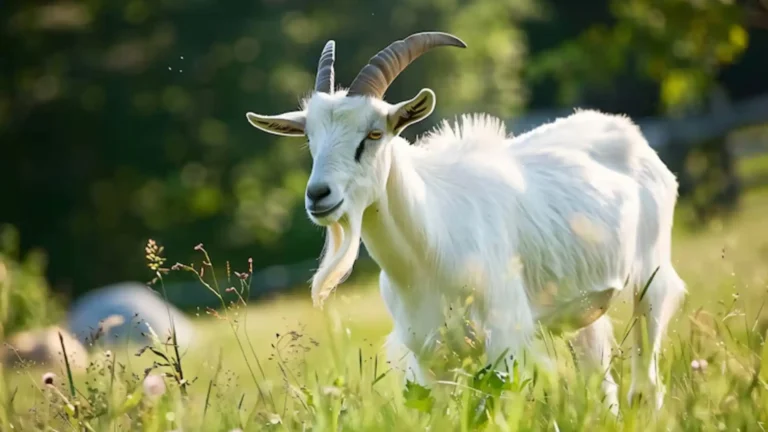
Domestic goats are spirited, curious creatures that embody playfulness and adaptability, often brightening our days with their antics. Known for their inquisitive nature, they invite us to explore the world with wonder and joy. Interacting with goats can evoke a childlike sense of innocence, teaching us the value of curiosity and spontaneity.
These social animals thrive in groups, reinforcing the importance of community and cooperation. Their affectionate behavior and unique personalities inspire a connection to the joys of nurturing and caring for others. Embracing the warmth of goats encourages us to cultivate relationships filled with laughter, love, and shared adventures.
Horses
Scientific Name: Equus ferus caballus
Class: Mammalia
Habitat: Grasslands and open woodlands
Horses are magnificent beings that symbolize freedom and strength, their grace capturing the hearts of many. The bond between humans and horses has been a source of inspiration throughout history, highlighting themes of trust, companionship, and adventure. Riding a horse or simply being near them can fill us with a profound sense of peace and connection to nature.
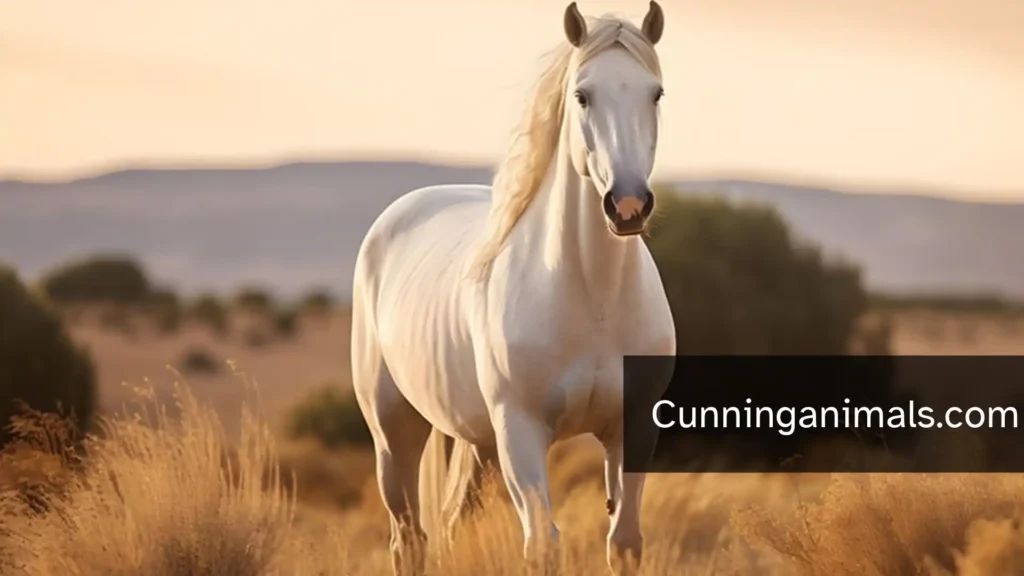
These intelligent animals exhibit impressive emotional awareness, often sensing the feelings of those around them. Horses teach us lessons of teamwork and communication, reminding us of the strength found in unity. Their majestic presence serves as a reminder to cherish the world’s beauty and the friendships we forge throughout our journeys.
Doves
Scientific Name: Columba livia
Class: Aves
Habitat: Urban areas and open forests
Doves are graceful birds that represent peace and hope, often bringing a sense of calm when seen gliding through the sky. Their soft cooing can soothe our minds, reminding us to embrace tranquility in our hectic lives. Doves embody a spirit of love and unity, inspiring us to foster connections with those around us.
These gentle creatures often symbolize new beginnings and renewal, inviting us to reflect on our aspirations and dreams. The sight of doves can ignite feelings of optimism and faith, bridging our hearts to the larger tapestry of life. By welcoming the beauty of doves, we embrace the essence of love and harmony that surrounds us.
Swans
Scientific Name: Cygnus spp.
Class: Aves
Habitat: Lakes and rivers
Swans are elegant birds often associated with beauty and grace, captivating us with their majestic glide across the water’s surface. Their enduring partnerships reflect loyalty and devotion, reminding us of the richness found in lasting relationships. Observing swans can inspire a sense of harmony and balance in our lives.
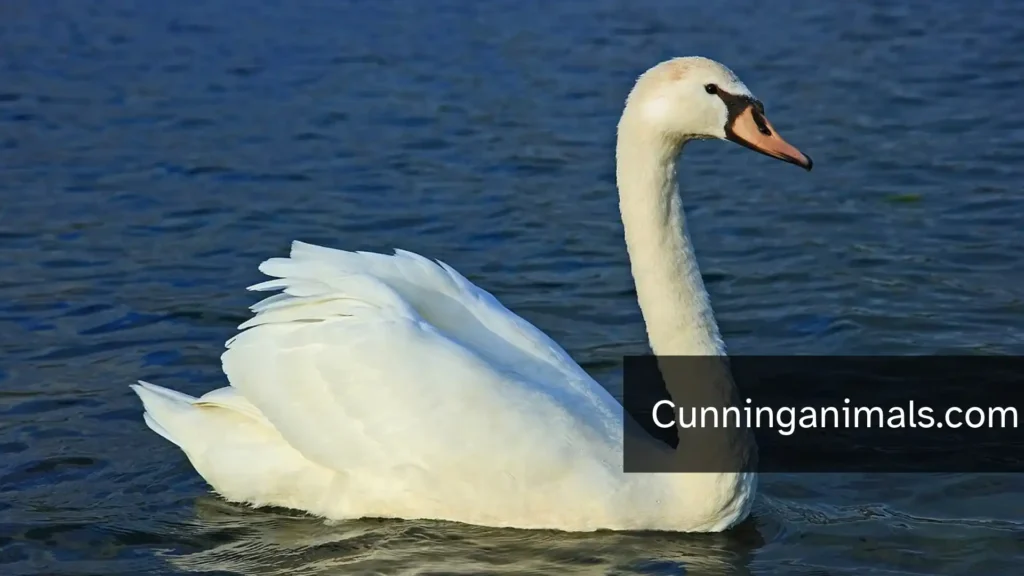
These stunning creatures represent transformation, reminding us that beauty often emerges from challenging journeys. As we watch a swan unfold its delicate wings, we are encouraged to embrace our personal growth and the paths that shape us. Swans invite us to appreciate the artistry of life and the bonds we create along the way.
Dolphins
Scientific Name: Delphinus delphis
Class: Mammalia
Habitat: Oceans and coastal waters
Dolphins are intelligent and playful beings that embody joy and social connection, often captivating us with their acrobatic displays. Their playful nature encourages us to take life lightly, reminding us of the importance of laughter and camaraderie. Engaging with dolphins can evoke feelings of hope and a sense of belonging to the greater oceanic family.
As social creatures, dolphins exhibit strong bonds within their pods, demonstrating the power of friendship and cooperation. Their ability to communicate and interact with one another illustrates the beauty of life’s shared experiences. By connecting with dolphins, we can draw inspiration to cultivate our relationships, infusing them with joy and love.
Elephants
Scientific Name: Elephas maximus
Class: Mammalia
Habitat: Grasslands, forests, and savannas
Elephants are magnificent animals known for their incredible intelligence and emotional depth, often found thriving in tight-knit family groups. Their nurturing behavior illuminates the importance of community and lifelong bonds, reminding us how essential it is to support one another. Encountering these gentle giants can inspire a sense of reverence for life’s interconnectedness.
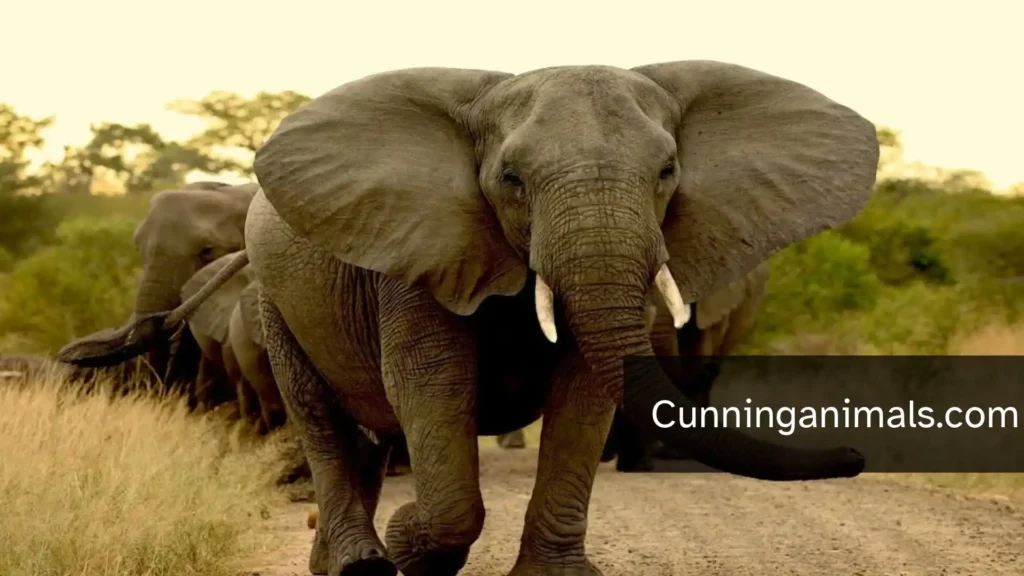
These majestic beings possess formidable strength combined with a gentle soul, symbolizing resilience and compassion in the face of challenges. Watching elephants communicate and care for their young invites us to reflect on our own relationships and the impact we can have on those around us. Embracing the spirit of elephants encourages us to nurture empathy and harmony in our world.
Bats
Scientific Name: Chiroptera
Class: Mammalia
Habitat: Caves, forests, and urban areas
Bats are fascinating creatures often misunderstood, embodying a spirit of adaptability and stewardship for the night. With their unique navigation skills and diverse diets, they remind us of the importance of embracing our uniqueness and contribution to the environment. Observing bats at twilight can awaken a sense of wonder for the hidden wonders of nature.
These social animals thrive in colonies, symbolizing unity and protection. Their critical role in pollination and pest control encourages us to recognize our interconnectedness with all living beings. By appreciating the role of bats, we foster a deeper respect for our ecosystems and the diversity of life that surrounds us.
Bearded Dragons
Scientific Name: Pogona vitticeps
Class: Reptilia
Habitat: Arid forests and scrublands
As omnivores, bearded dragons will occasionally eat small amphibians alongside insects and greens in the wild. For a closer look at other species with frogs on the menu, see our list of animals that eat frogs.
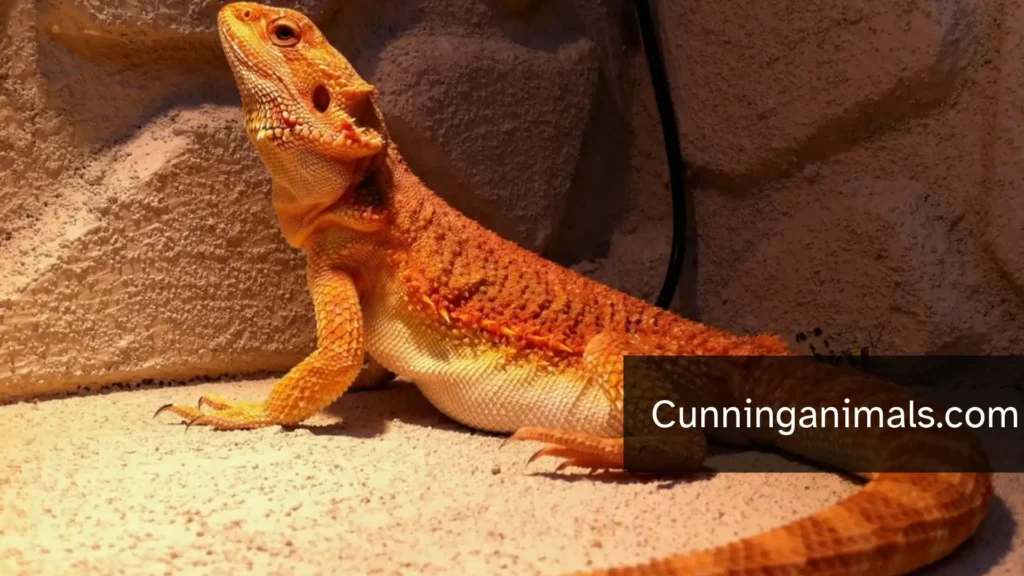
These docile creatures symbolize the importance of patience and calm, often providing comfort and companionship to their owners. By observing their behaviors, we learn about the rhythms of life and the beauty of diverse friendships. Bearded dragons remind us that friendship can come in many forms, revealing the richness of our shared experiences.
Capybaras
Scientific Name: Hydrochoerus hydrochaeris
Class: Mammalia
Habitat: Wetlands and riverbanks
Capybaras are sociable giants of the rodent world, known for their friendly demeanor and remarkable ability to coexist with various species. With their calm presence, they highlight the virtues of community and harmony, often seen lounging together in groups. Spending time with capybaras can inspire a deep appreciation for shared moments and the beauty of togetherness.
These gentle creatures symbolize friendship and tranquility, often inviting other animals to share their space. They teach us that relationships can flourish in the most unexpected ways, reminding us to open our hearts and embrace diversity. By connecting with capybaras, we reinforce the importance of nurturing kinship in our lives.
Quokkas
Scientific Name: Setonix brachyurus
Class: Mammalia
Habitat: Coastal islands and shrublands
Quokkas, often dubbed “the happiest animals on earth,” bring joy and a sense of lightheartedness to those who encounter them. Their cheeky smiles and curious nature remind us of the beauty of enthusiasm and the importance of finding joy in our everyday lives. Interacting with a quokka can leave a lasting impression, evoking genuine happiness and warmth.
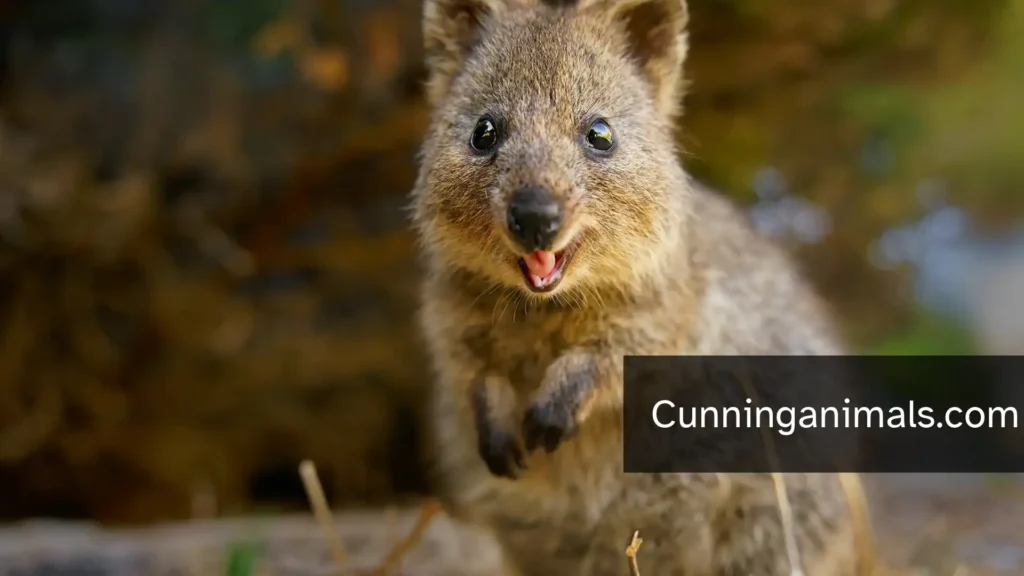
These small marsupials symbolize resilience and adaptability, thriving in their natural habitats despite human encroachment. Their ability to create bonds, not just with their own kind but also with humans, showcases the significance of connection and camaraderie. Embracing the spirit of quokkas encourages us to spread joy and cultivate positivity in our communities.
Deer
Scientific Name: Cervidae
Class: Mammalia
Habitat: Forests and grasslands
Deer are graceful creatures that symbolize gentleness and renewal, often seen as graceful symbols of nature’s beauty. With their quiet existence and watchful eyes, they remind us to respect our surroundings and appreciate life’s tranquil moments. Observing deer in the wild encourages us to find balance and harmony in our own lives.
These social animals thrive in family groups, highlighting the importance of teamwork and protection within their communities. Their presence in forests signifies a vibrant ecosystem at work, reminding us of our interconnected role in nature. Celebrating the beauty of deer encourages us to reflect on our bonds and the nurturing relationships we create.
Sloths
Scientific Name: Bradypodidae
Class: Mammalia
Habitat: Tropical rainforests
Sloths embody the essence of relaxation and mindfulness, inviting us to slow down and often reminding us of the beauty in taking life at our own pace. Their unwavering calmness encourages us to seek moments of peace amidst our busy lives, fostering a deeper appreciation for stillness and serenity. Engaging with the world of sloths can teach us the value of balance and resilience.
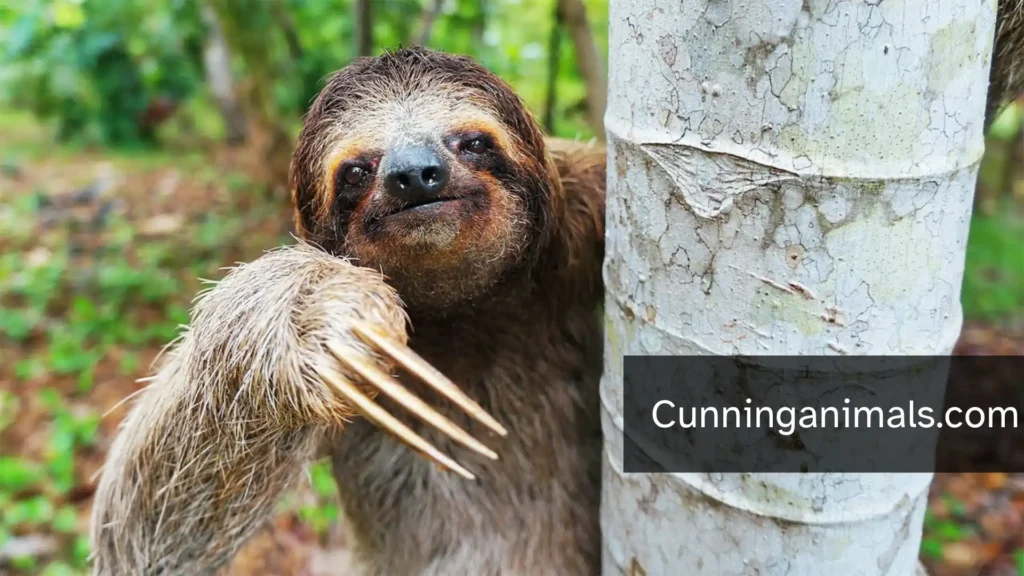
As the ultimate tree dwellers, sloths highlight the importance of conservation and respect for their rainforest habitats. Their unique adaptations and behavioral traits inspire awe for the diversity of life on Earth. By embracing the lessons of sloths, we cultivate a sense of gratitude for the simpler moments and the vitality of nature itself.
Gorillas
Scientific Name: Gorilla spp.
Class: Mammalia
Habitat: Tropical forests and mountains
Gorillas are powerful symbols of strength and intelligence, often captivating us with their complex social structures and emotional depth. Their familial bonds and nurturing behaviors highlight the importance of community, inviting us to reflect on our connections with loved ones. Observing gorillas in their natural habitats can inspire a deep sense of respect for these magnificent creatures and the ecosystems they inhabit.
These gentle giants demonstrate compassion and care, often protecting their young and supporting one another. They remind us that true leadership comes from love and understanding, encouraging us to foster similar qualities in our lives. Embracing the spirit of gorillas encourages us to respect our fellow beings and strive for stronger, more empathetic connections in our own communities.
Interesting Facts About Docile Animals
Docile animals often exhibit fascinating traits that reflect their gentle nature. These creatures not only thrive in human environments but also play integral roles in ecosystems and agricultural settings. Learning about them reveals the intricate dynamics of animal behavior and their connections to human lives.
- Cows recognize significant individuals and can hold onto memories for years.
- Sheep will form strong bonds with each other, often displaying signs of stress when separated.
- Horses have been shown to understand human emotions, responding differently to positive and negative cues.
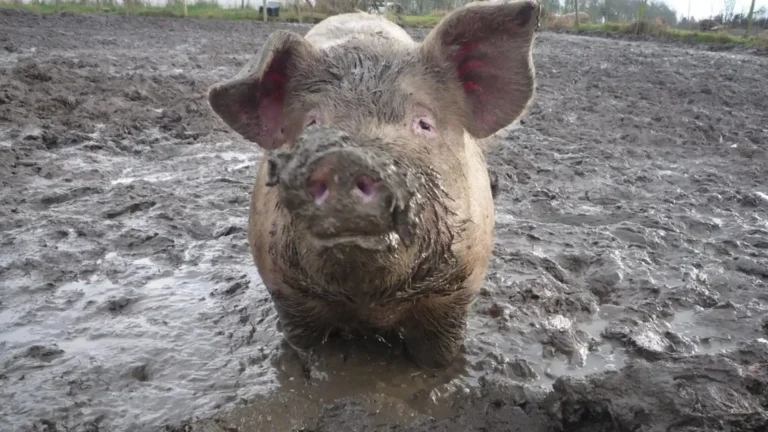
- Pigs are highly intelligent and can learn tricks, similar to dogs, showcasing problem-solving abilities.
- Gentle giants like elephants display empathy, often mourning their dead and comforting grieving companions.
- Manatees, known as “sea cows,” are herbivores that enjoy slow, methodical movements, reflecting their peaceful demeanor.
Conclusion
The journey through the Most Docile Animals in the World unveils a realm filled with tranquility and grace. Highlighting the characteristics of the chillest animals, we see that these species not only coexist peacefully with their environment but also with humans.
Their gentle nature often resonates with us, reminding us of the benefits of remaining calm amid the chaos of everyday life. Among these most chill animals are those that have become beloved companions and symbols of harmony.
FAQS
What Are The Top 10 Friendliest Animals In The World?
Some animals commonly considered very friendly toward humans include dogs, dolphins, horses, capybaras, elephants, rabbits, guinea pigs, cats, penguins, and manatees. Their friendliness can vary by species, individual behavior, and how they are raised or approached.
What Is The Most Peaceful Animal In The World?
The manatee is often described as one of the most peaceful animals. These gentle aquatic mammals are generally slow-moving, herbivorous, and non-aggressive toward humans.
What Animal Is Gentle But Aggressive?
The hippopotamus can appear calm and peaceful but is highly territorial and can become extremely aggressive when threatened. Its behavior is a good example of why a gentle-looking animal should still be treated with caution.
Which Animal Gets Angry Easily?
The honey badger is known for its bold and highly defensive behavior. When threatened, it may react aggressively rather than retreat, even when facing much larger animals.
Which Animal Is The Most Nonchalant?
The capybara is often seen as one of the most nonchalant animals because of its relaxed behavior and ability to remain calm around many other animals. This reputation is especially popular because of photos and videos showing capybaras appearing remarkably unfazed.