15 Quietest Animals In The World (Silent Creatures & Facts)
The Quietest Animals In The World offer a surprising glimpse into the diverse strategies that creatures employ to thrive without making noise. Focused on living in harmony with their surroundings, these quiet animals often rely on silent communication methods such as body language, vibrations, and chemical signals.
While being a quiet animal might suggest a lack of sound production, many of these creatures have developed unique, stealthy behaviors that make them masters of disguise in their natural habitats. By exploring the fascinating world of silent animals, you’ll discover how their strategies for survival can inspire us to appreciate the subtleties of nature in a different light.
What Are The Quietest Animals In The World?
Quiet animals are those that exhibit minimal vocalizations, often relying on alternative forms of communication. While many animals produce sounds that are inaudible to humans, such as low-frequency calls, others have developed strategies to remain largely silent, allowing them to thrive in their environments without drawing attention.
The distinction between silence, low-frequency sounds, and sounds imperceptible to human ears is crucial. Sound plays a very different role for different species, and some animals can’t hear at all. If you’re curious how they get through life without it, read our article on animals that are deaf. Silent animals, like the elusive sloth, primarily communicate through gestures or body language.
In contrast, species such as elephants communicate with low-frequency rumblings, detectable only by those with heightened senses, thus categorizing them among the quietest animals in the world while still being socially interactive through vibration-based signals, chemical cues, or visual displays.
List Of The Quietest Animals In The World
| No. | Animal | Scientific Name | Class |
| 1 | Jellyfish | Chrysaora spp. | Scyphozoa / Cnidaria |
| 2 | Giraffe | Giraffa camelopardalis | Mammalia |
| 3 | Butterfly | Lepidoptera | Insecta |
| 4 | Turtle | Testudines | Reptilia |
| 5 | Sloth | Folivora | Mammalia |
| 6 | Snail | Gastropoda | Gastropoda |
| 7 | Rabbit | Oryctolagus cuniculus | Mammalia |
| 8 | Earthworm | Lumbricina | Clitellata |
| 9 | Shark | Selachimorpha | Chondrichthyes |
| 10 | Spider | Araneae | Arachnida |
| 11 | Crab | Brachyura | Malacostraca |
| 12 | Octopus | Octopus spp. | Cephalopoda |
| 13 | Goldfish | Carassius auratus | Actinopterygii |
| 14 | Frog | Anura | Amphibia |
| 15 | Chameleon | Chamaeleonidae | Reptilia |
Jellyfish
Scientific Name: Aurelia aurita
Class: Scyphozoa
Diet: Plankton, small fish
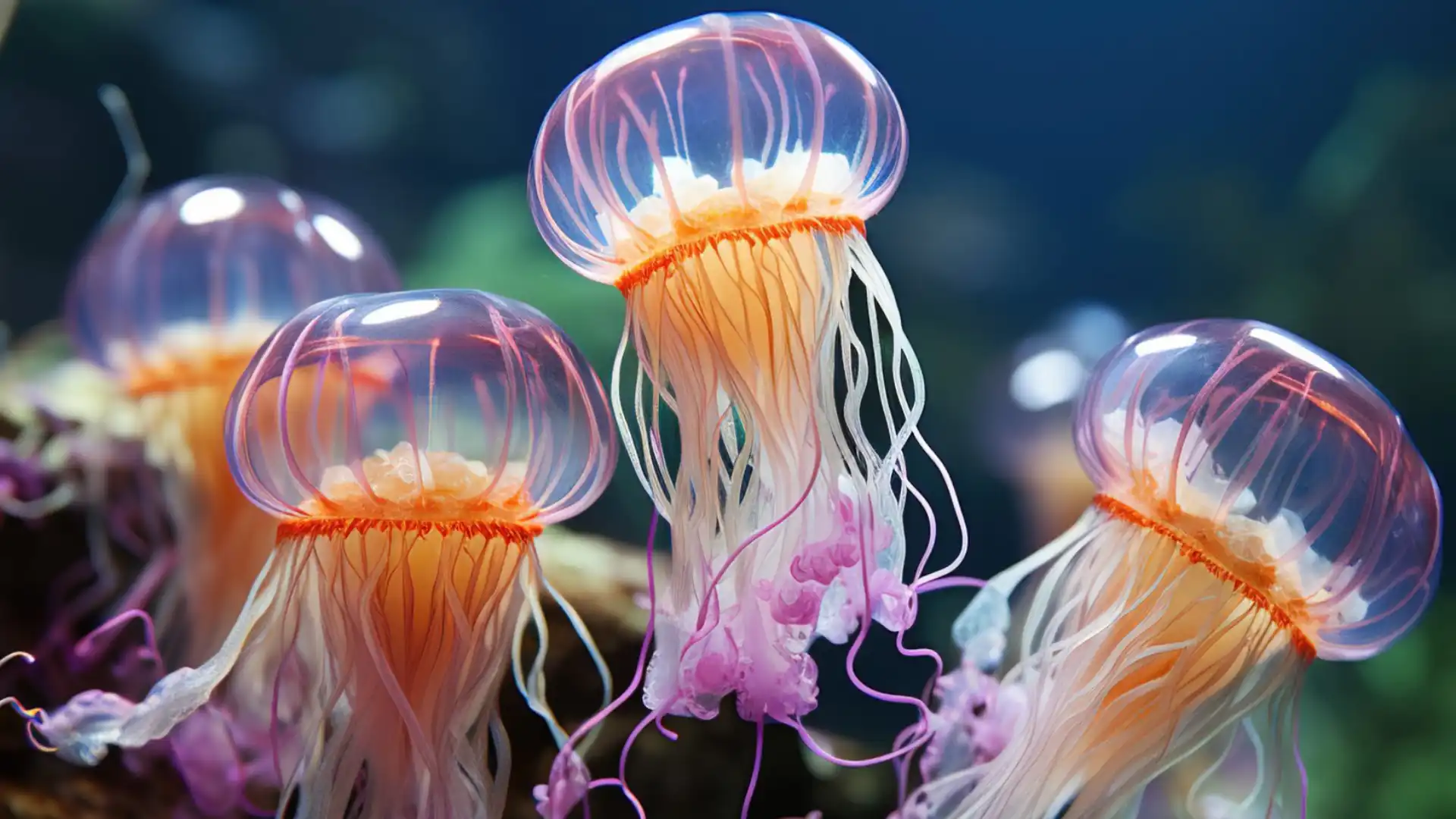
The jellyfish embodies the essence of silence, drifting through the ocean with an almost ethereal grace. Lacking a brain or central nervous system, they rely on the movement of water to glide, making them one of the quietest animals in the world.
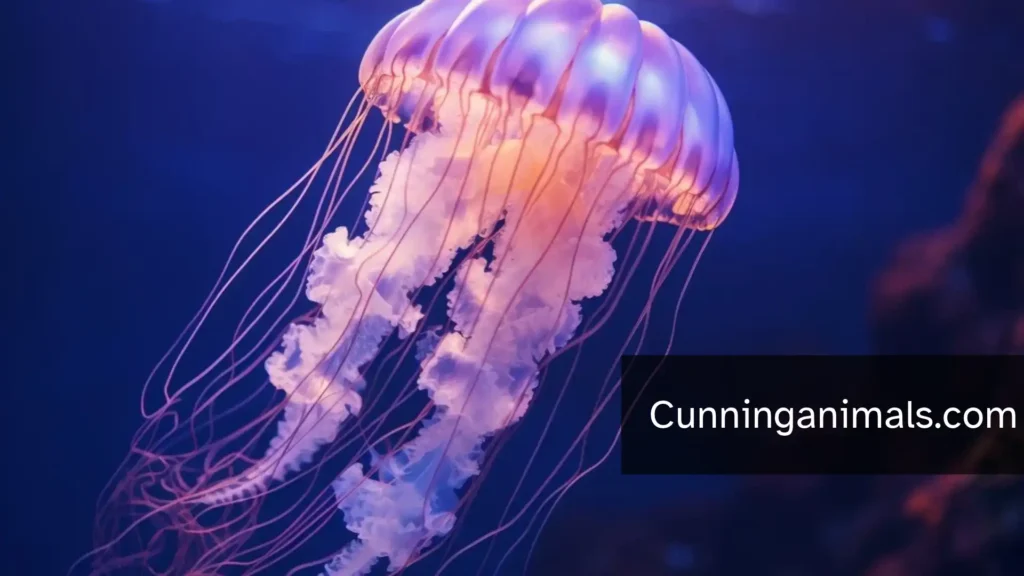
Their gelatinous bodies pulsate rhythmically, creating an enchanting visual without generating any noise. This silent movement not only fascinates onlookers but also aids in their survival, as they evade predators while remaining virtually undetected. Jellyfish come in every size, from tiny drifters to giants that stretch across the ocean. If you want to see just how large these silent swimmers can get, read our guide to the biggest jellyfish in the world.
Giraffe
Scientific Name: Giraffa camelopardalis
Class: Mammalia
Diet: Herbivore (leaves, fruits)
While the towering giraffe is known for its majestic presence, it is surprisingly one of the quietest animals. Often perceived as gentle giants, they communicate through subtle body language rather than vocalizations, making them a serene figure in the savanna.
Their silence is amplified during feeding hours, as they carefully browse treetops, minimizing sound while nourishing themselves. This quiet demeanor plays a crucial role in avoiding detection from predators, allowing them to observe their surroundings without attracting unwanted attention.
Butterfly
Scientific Name: Lepidoptera
Class: Insecta
Diet: Nectar
Butterflies are often celebrated for their vibrant colors, but their quietness is equally remarkable. Flitting gracefully from flower to flower, they move without creating any noise, embodying the beauty of both sight and silence.
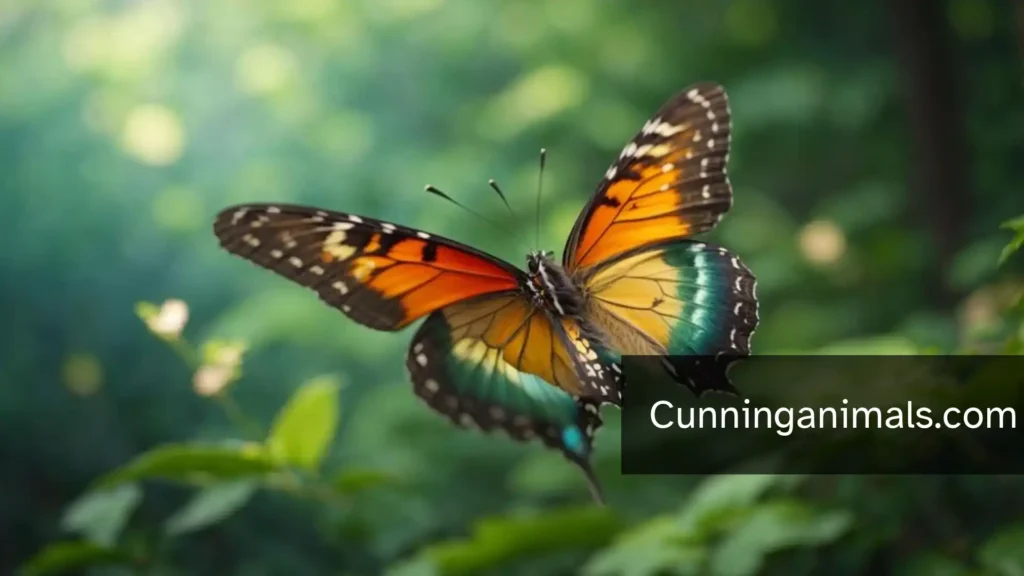
This delicate soundlessness serves a purpose; as they avoid predators while seeking nectar. Their silent flutter adds to the enchantment of gardens and forests, where their presence transforms the atmosphere into a tranquil haven.
Turtle
Scientific Name: Testudines
Class: Reptilia
Diet: Herbivore & carnivore (varies by species)
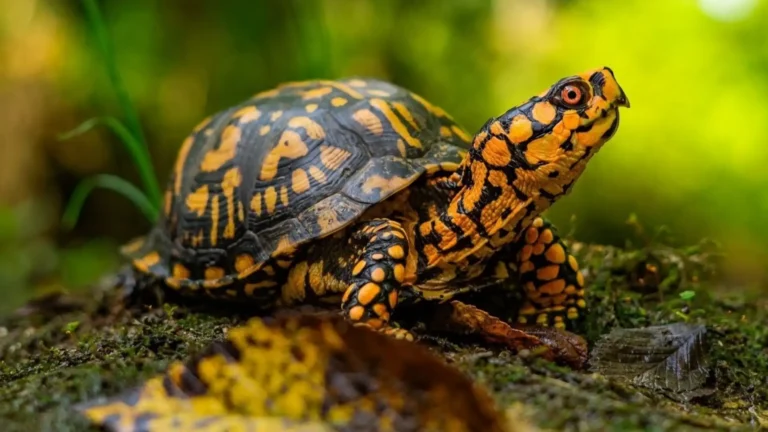
Turtles have mastered the art of quietude, making them one of nature’s most tranquil creatures. Often seen basking on sunny rocks, they communicate through minimal sounds, relying mostly on body language to interact.
Their slow, deliberate movements ensure that they glide through their environments unnoticed, enabling them to navigate both land and water with serene stealth. This silence, often paired with their ancient presence, adds a layer of mystery to these enduring reptiles.
Sloth
Scientific Name: Bradypus
Class: Mammalia
Diet: Herbivore (leaves)
The sloth captivates with its leisurely lifestyle, and its quietness is equally captivating. Known for its slow moves, it produces minimal noise as it navigates the treetops, making them one of the quietest animals in the world.
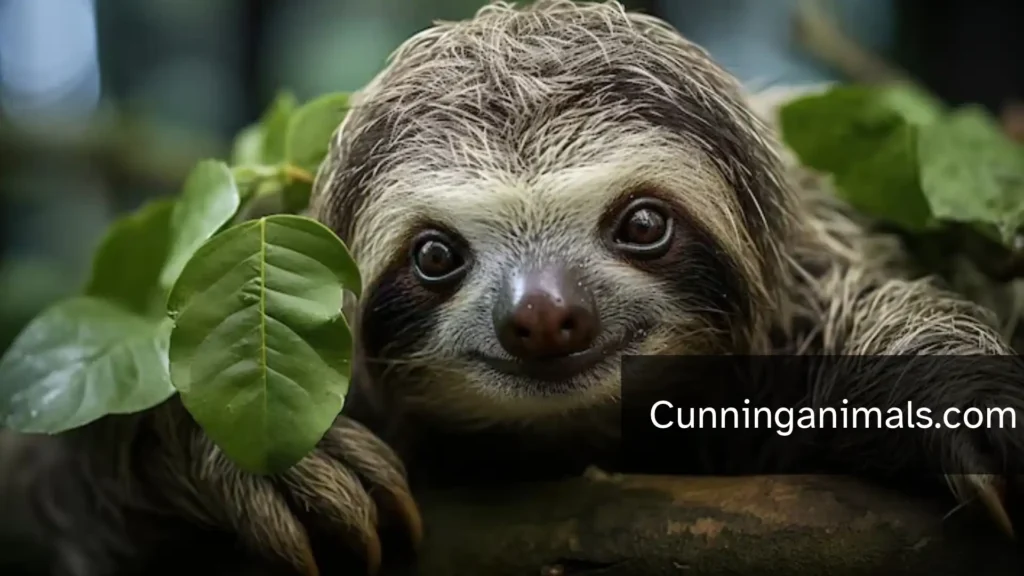
Emphasizing energy conservation, sloths spend most of their time hanging around and munching on leaves with little interaction with the outside world. This silent existence helps them remain hidden from predators in the dense canopies of their rainforest homes. Sloths are famous for their slow pace, but they are far from the only animals that take life at a leisurely speed. Explore our list of slow animals to meet more creatures that move quietly and take their time.
Snail
Scientific Name: Gastropoda
Class: Mollusca
Diet: Herbivore (leaves, fruits)
Snails offer a unique perspective on silence, gliding effortlessly along surfaces with their slimy trail. As one of the quietest animals, they produce no sound, moving at a languid pace that invites curiosity rather than disturbance.
Their soft bodies are designed for subtlety; when threatened, some species can withdraw into their shells for added peace and protection. This silent retreat showcases their ability to navigate a world filled with noise without contributing to it.
Rabbit
Scientific Name: Oryctolagus cuniculus
Class: Mammalia
Diet: Herbivore (grasses, vegetables)
Rabbits may be small, but their quiet nature makes them uniquely fascinating. Known for their soft footfalls and gentle movements, these creatures often navigate fields and forests in silence, enhancing their charm as a quiet animal.
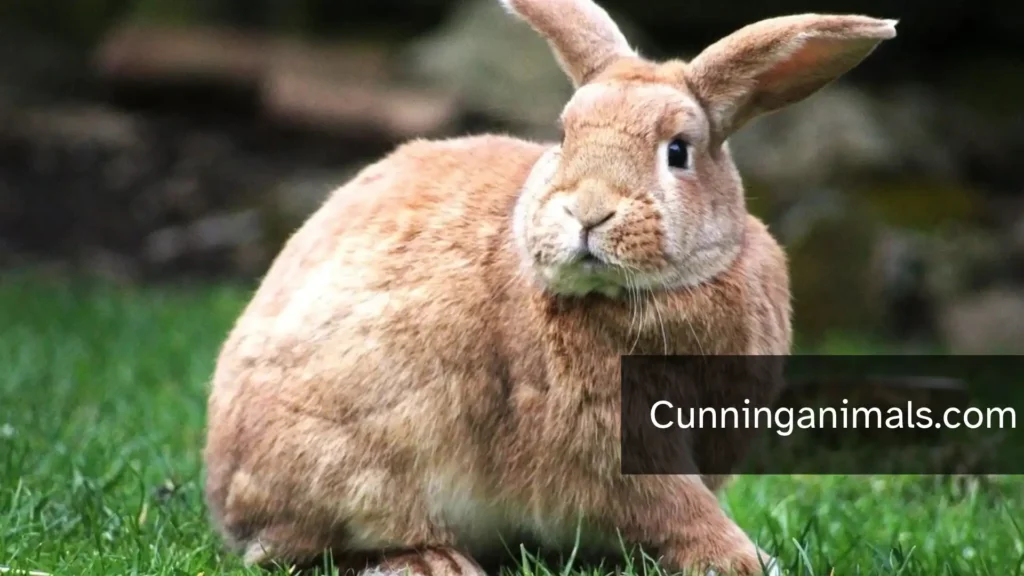
Their ability to remain undetected is a key survival tactic, as they become more aware of potential threats during their silent foraging. This discretion allows them to thrive in a world bustling with noise and activity.
Earthworm
Scientific Name: Lumbricus terrestris
Class: Oligochaeta
Diet: Decaying organic matter
Earthworms might be the most unassuming of the quiet animals, but their ecological role is monumental. Moving silently through the soil, they aerate and enrich the earth without making a sound, serving as nature’s unsung heroes.
Their subterranean existence is marked by a lack of vocalization, which allows them to thrive beneath the surface. This silence not only protects them from predators but also fosters a healthier ecosystem above ground. Earthworms glide through soil without a single leg, and they are not the only ones that manage without them. To discover more creatures that get around this way, check out our article on animals without legs.
Shark
Scientific Name: Selachimorpha
Class: Chondrichthyes
Diet: Carnivore (fish, cephalopods)
Sharks are synonymous with the ocean’s power, yet their approach is often eerily quiet. Known for their stealth, these apex predators glide through the water without producing any sound, using their keen senses to locate prey.
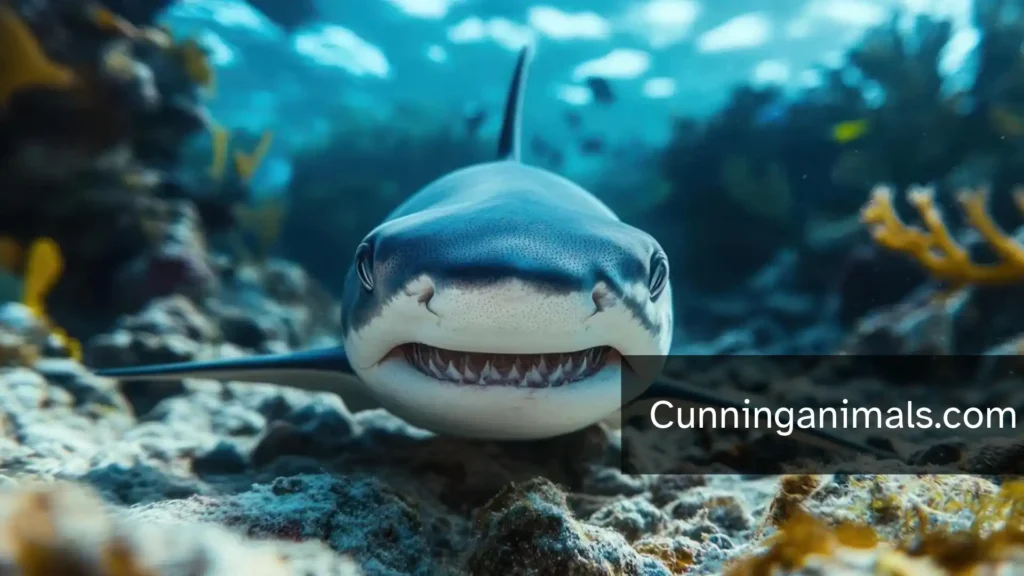
Their silent movements lend them an air of mystery, making them effective hunters. This natural quietness is a critical characteristic that enables them to observe their environment undetected while remaining formidable challengers in the aquatic world.
Spider
Scientific Name: Araneae
Class: Arachnida
Diet: Carnivore (insects, small animals)
Spiders epitomize focused silence, spinning intricate webs with meticulous care, all while making no sound. Often lurking in corners or beneath leaves, these silent hunters use stealth as their greatest ally in capturing unsuspecting prey.
Their minimalistic approach to movement amplifies their presence in nature, allowing them to blend seamlessly into their surroundings. This ability to remain quiet gives them a unique advantage in both hunting and avoiding detection.
Crab
Scientific Name: Brachyura
Class: Crustacea
Diet: Omnivore (algae, mollusks)
Crabs, often found scuttling along sandy shores, are surprisingly stealthy creatures. Their movements create minimal noise, allowing them to forage and escape predators without drawing attention.
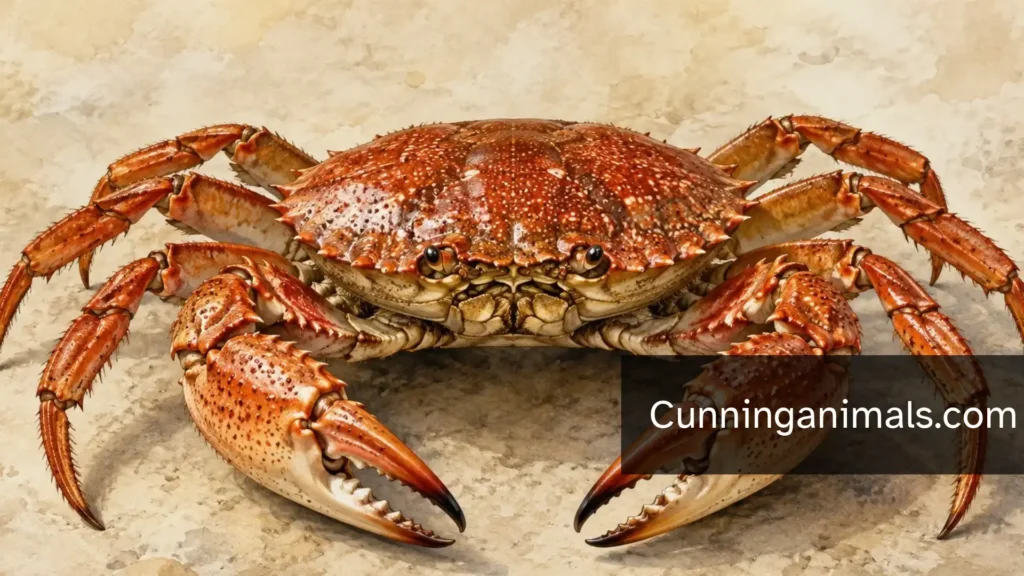
This silence enhances their adaptability to diverse environments, enabling them to thrive in both terrestrial and aquatic settings. Whether hiding in their burrows or navigating tidal pools, crabs epitomize the essence of a quiet animal.
Octopus
Scientific Name: Octopoda
Class: Cephalopoda
Diet: Carnivore (crustaceans, fish)
The octopus fascinates not only with its intelligence but also with its stealthy nature. Known for their ability to blend into surroundings, these silent creatures can escape threats without a sound, relying on their remarkable camouflage.
Their quiet tendencies extend to their hunting strategies, as they can stealthily approach prey, utilizing their agile limbs without a splash or sound. This quiet existence under the waves showcases their adaptability as silent predators of the ocean.
Goldfish
Scientific Name: Carassius auratus
Class: Actinopterygii
Diet: Omnivore (flakes, pellets, plants)
Goldfish might seem playful, but they embody the essence of a quiet animal, gliding through water with ease. Their movements create little to no sound, allowing them to roam their aquatic environments in tranquility.
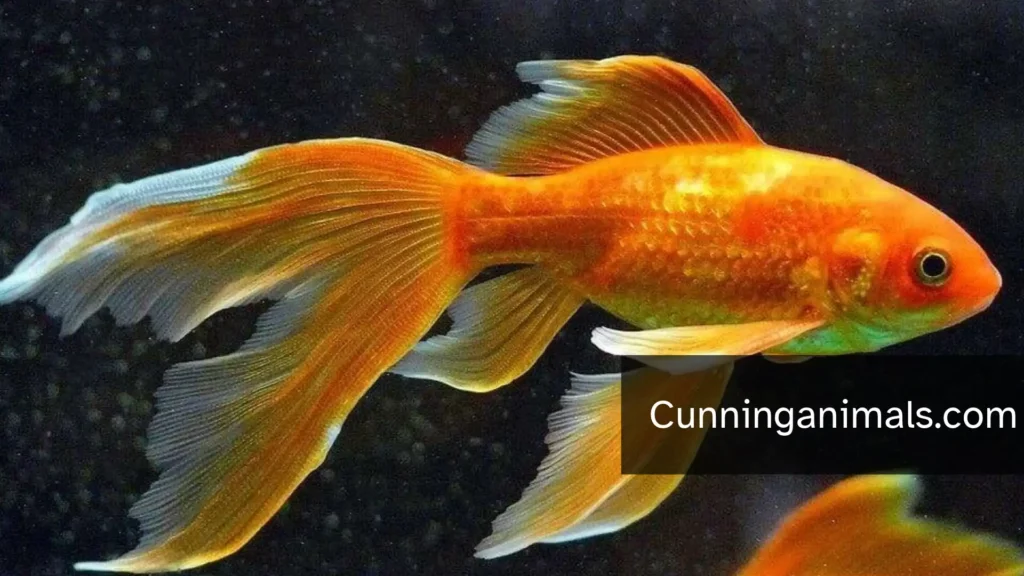
The silence of goldfish reflects their calm nature, which can provide soothing company in homes and aquariums. Their understated elegance serves as a reminder of nature’s quieter inhabitants.
Frog
Scientific Name: Anura
Class: Amphibia
Diet: Carnivore (insects)
Frogs can be both vocal and silent, with many species opting for stealth during daytime hours. Their quiet nature allows them to navigate wetland habitats, hunting for insects while evading predators.
While their nighttime croaks resonate throughout ponds, the stillness of their movements showcases their adaptability. This duality of sound and silence adds richness to their lives as they balance between being active and quietly observant.
Chameleon
Scientific Name: Chamaeleonidae
Class: Reptilia
Diet: Insectivore
The chameleon exemplifies the art of silence; it relies on stealth and camouflage rather than sound. Its slow and deliberate movements prevent it from alarming potential prey and are central to its hunting strategy.
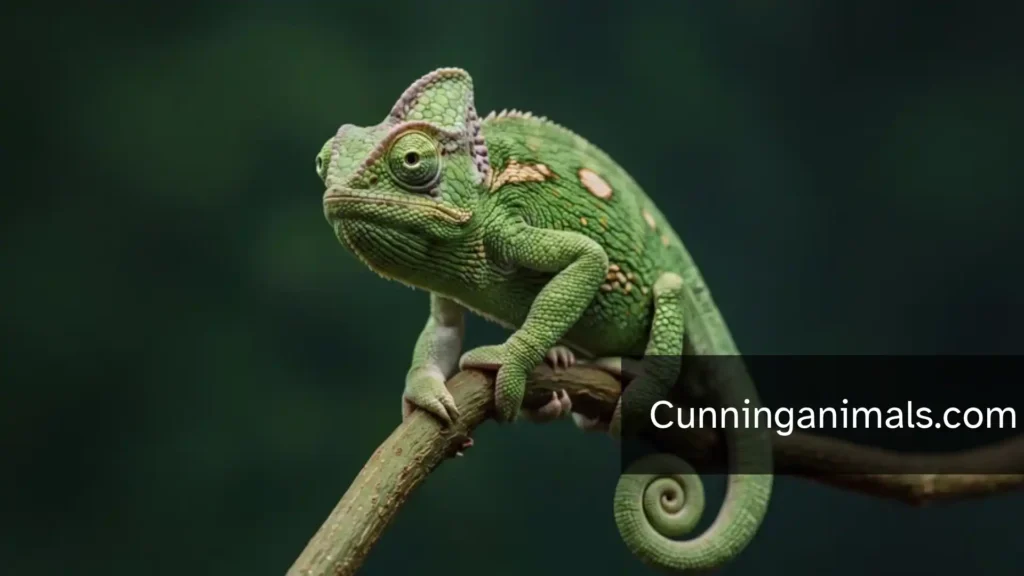
With the capacity to change colors for communication and environmental adaptation, these silent creatures navigate their ecosystems quietly, blending seamlessly into their surroundings. This ability to remain unnoticed highlights their skillful approach to survival in the animal kingdom.
Interesting Facts About Quiet Animals
Quiet animals not only showcase the diversity of adaptation in nature but also highlight the intricate strategies species utilize to thrive in their environments. Their unique methods, from using chemical signals to low-frequency sounds, illustrate the complexity of communication beyond vocalizations.
- Many of the quietest animals in the world, such as sloths and certain species of snakes, rely on camouflage to remain undetected in their environments.
- Some fish utilize body language, subtly changing their coloration or posture to convey emotions or intentions to their peers without making noise.
- Elephants communicate using low-frequency sounds that travel long distances, allowing them to connect with other members of their herd even when they are miles apart.
- The Arctic fox employs stealth in its hunting strategy, moving silently through the snow to catch prey unaware.
- Many quiet animals, including insects like ants, use chemical signals (pheromones) to convey messages about food sources, territory, or danger.
- Tardigrades, often known as water bears, can enter a state of cryptobiosis, reducing their metabolic activity to nearly zero, effectively becoming “silent” until conditions improve.
- Certain species of owls can fly in near silence thanks to specialized feather structures that dampen sound, allowing them to hunt without alerting their prey.
- Mantis shrimp, despite their vibrant appearance, engage in low-energy communication through body movements, thereby reducing the likelihood of detection by predators.
Conclusion
The list of the Quietest Animals In The World reveals just how diverse and remarkable silent creatures can be. These animals that are quiet have adapted to their surroundings in ways that allow them to communicate and navigate without making noise.
From the graceful movements of certain reptiles to the stealthy tactics of specific birds, silent animals offer a unique perspective on nature’s ingenuity. Their existence raises awareness about the need for conservation efforts to ensure their habitats remain undisturbed.