Vultures In Michigan: Pictures, Facts & ID Guide
Vultures In Michigan are a fascinating aspect of the state’s wildlife ecosystem, often misunderstood and unfairly labeled as menacing. Many people are surprised to learn that while Turkey Vultures are common in Michigan, Black Vultures are much rarer.
These scavengers play a critical role in the environment by cleaning up carrion and preventing the spread of disease. Often referred to as “buzzards,” these birds are essential to the natural order, and understanding their habits and characteristics can enhance our appreciation of them.
Are There Vultures In Michigan?
Yes, there are vultures in Michigan, with the Turkey Vulture being the most commonly sighted species. These large, distinct birds can often be spotted soaring gracefully over open countryside, fields, roadsides, and along the edges of forests. Their presence is particularly noticeable in warmer months when they take advantage of the abundant food sources and favorable thermals for gliding.
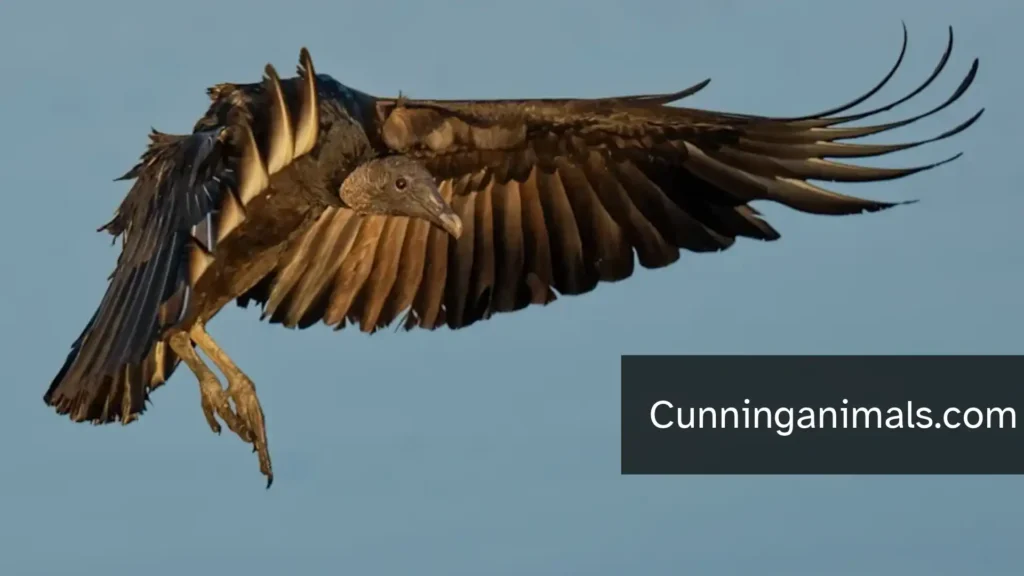
While Turkey Vultures are widely distributed across the state, Black Vultures are less frequently encountered. These birds tend to prefer warmer climates and are typically found in very limited areas of Michigan. Birdwatchers and nature enthusiasts may catch a glimpse of Black Vultures in southern parts of the state, but these sightings are rare.
Types Of Vultures In Michigan
Observing these magnificent birds can be an enriching experience, whether you spot them cruising above a rural landscape or perched in a tree. Embrace the opportunity to learn more about vultures in Michigan, as they contribute significantly to our natural world.
| Feature | Turkey Vulture | Black Vulture |
|---|---|---|
| Scientific Name | Cathartes aura | Coragyps atratus |
| General Appearance | Red head, two-toned wings | Black plumage, white wing patch |
| Relative Occurrence | Commonly observed | Less common, expanding range |
| Key Identification Feature | Two-toned wings | White wing patches |
Turkey Vultures In Michigan
Turkey Vultures in Michigan, scientifically known as Cathartes aura, are easily recognizable by their striking appearance. With a distinctive red, bare head contrasted against dark plumage, these birds possess long wings and tails that enable them to soar gracefully through the skies.
Feeding primarily on carrion, Turkey Vultures have a unique ecological role in the environment as nature’s clean-up crew. What sets them apart from other scavengers is their exceptional sense of smell, allowing them to detect decomposing animals from several miles away.
The Turkey Vulture is the most familiar vulture in Michigan, frequently spotted soaring across rural and suburban areas alike. Their impressive flight skills and essential role in maintaining the balance of local ecosystems make them a fascinating subject of observation.
Black Vultures In Michigan
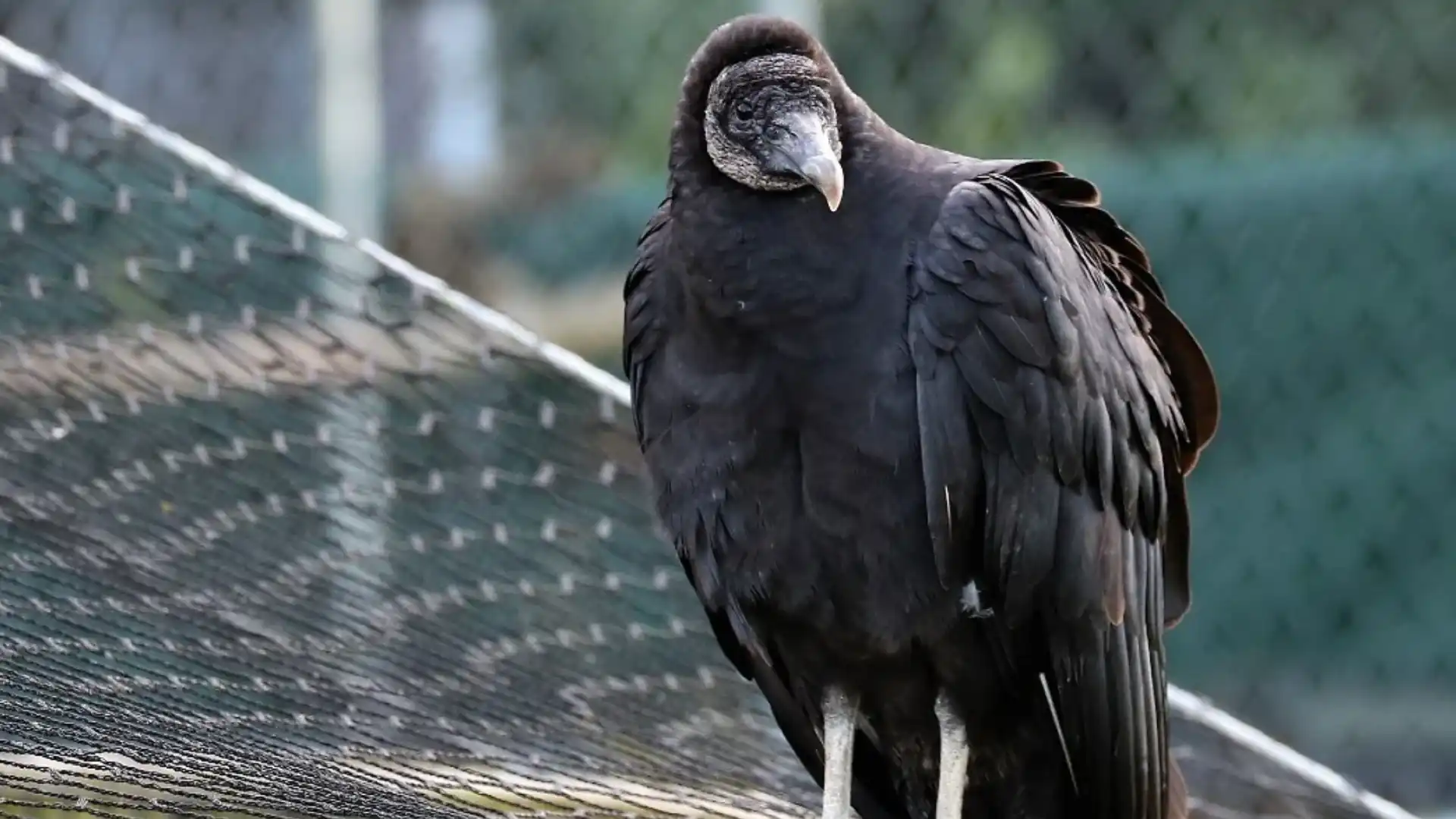
Black vultures (Coragyps atratus) are fascinating scavengers that occasionally grace the skies of Michigan, though they are less common than their more prevalent cousins, the Turkey vultures. Identified by their dark bodies and heads, these birds possess distinctive pale patches near their wingtips and shorter tails, giving them a unique silhouette as they soar.
While not as widely observed in Michigan, their presence is growing, offering birdwatchers a rare opportunity to spot these striking animals. Their reputation as scavengers plays an essential role in maintaining ecological balance by cleaning up carrion that might otherwise spread disease.
Turkey Vulture Vs Black Vulture
To differentiate between Turkey Vultures and Black Vultures in Michigan, start with head color. The Turkey Vulture’s head is a distinct red, making it stand out against the dark feathers of the Black Vulture, which has a dark, bald head.
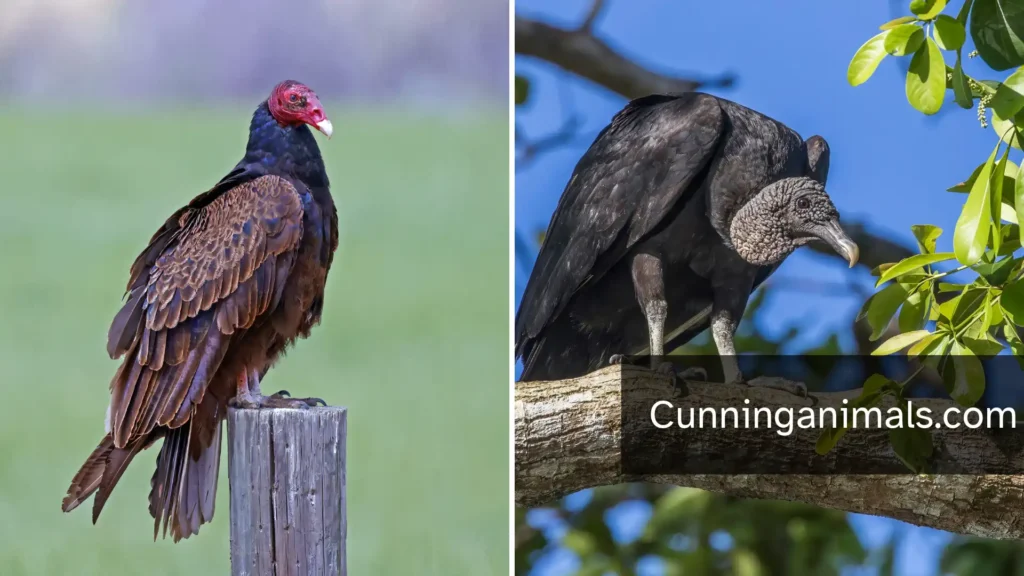
For wing shapes and flight behavior, the Turkey Vulture glides with its wings raised in a V-shape, a hallmark that enhances its soaring efficiency. In contrast, the Black Vulture flaps its wings more frequently and has broader, more rounded wings.
How To Identify Vultures In Michigan
Recognizing these differences can enhance your birdwatching experience in Michigan. Observing the behaviors and characteristics from a distance will lead to clearer identification of these fascinating scavengers.
- Wing Position: Turkey Vultures have long, slender wings that are held in a slight V shape as they soar. In contrast, Black Vultures typically hold their wings flat, giving them a more robust appearance during flight.
- Tail: Turkey Vultures sport long, fan-like tails, which extend significantly beyond the wing tips. Black Vultures possess shorter, more squared-off tails that do not extend as far.
- Underwing Pattern: Observing the underwing can clarify identities; Turkey Vultures display a lighter, mottled pattern with contrasting dark wingtips. Black Vultures, however, have solid dark underwings, lacking this distinct coloration.
- Head: The head of a Turkey Vulture is red and devoid of feathers, which helps with cooling and hygiene. Black Vultures have a dark gray head, sometimes appearing more robust and slightly feathered.
- Flight Pattern: Turkey Vultures are skilled gliders, utilizing thermal updrafts for effortless soaring, which can often be seen spiraling upward. Black Vultures, while also capable of gliding, tend to flap their wings more frequently, demonstrating a steadier flight.
Vultures aren’t the only large, dark birds you’ll see around Michigan, and from a distance they can be mistaken for other species. Cormorants are a common look-alike near lakes and shorelines, so check out our article on cormorants in Michigan to tell them apart.
Why Do Vultures Circle In Michigan?
Vultures circling in Michigan are often seen floating gracefully in the sky, utilizing rising warm air known as thermals. These thermals act like invisible elevators, allowing them to gain altitude without flapping their wings constantly.
As they soar higher, vultures can spot potential food sources from afar. By riding these warm currents, they can effortlessly glide across Michigan’s landscapes, making their search for carrion much easier.
What Do Vultures Eat In Michigan?
Vultures in Michigan primarily feast on carrion, which includes a mix of dead mammals, birds, and roadkill. These scavengers play a crucial role in the ecosystem by helping to decompose and recycle nutrients, thus maintaining a healthy environment. Roadkill, especially from highways, provides a frequent food source, showcasing how vultures contribute to waste reduction.
Turkey Vultures are heavily reliant on carrion, specifically favoring larger animals like deer, while their keen sense of smell helps them locate decaying remains. In contrast, Black Vultures exhibit more opportunistic feeding behaviors, often foraging in groups and taking advantage of whatever food sources are available.
Vultures often feed and roost together, and Black Vultures in particular are known for their group behavior. If you’re curious about other species that rely on numbers to survive, read our list of animals that live in groups.
Where And When Can You See Vultures In Michigan?
Vultures in Michigan can often be spotted soaring gracefully above open fields and farmland. These areas provide ideal hunting grounds during the warmer months, especially from spring through early fall. Keep an eye out along roadsides and forest edges, where these magnificent birds can be seen gliding effortlessly on warm thermals.
Wetlands also serve as prime habitats for vultures, allowing them to scout for food. Sunny days enhance your chances of observing these scavengers in flight, as they take advantage of the rising heat to elevate into the sky. Exploring these diverse landscapes offers a rewarding opportunity to connect with Michigan’s wildlife.
Michigan’s wetlands and open fields are home to many other large birds besides vultures. If you enjoy spotting big birds in these habitats, read our guide to cranes in Michigan to learn where and when you can see them.
Are Vultures Dangerous To People Or Pets?
Vultures in Michigan are primarily scavengers, thriving on a diet of carrion rather than targeting healthy people or pets. Their role in the ecosystem is essential, as they help maintain cleanliness by consuming dead animals, reducing the spread of disease.
While vultures are generally not dangerous, it’s vital to prioritize wildlife safety. Approaching, feeding, or attempting to handle wild vultures can lead to unpleasant encounters, especially with the more opportunistic Black Vultures. Keeping a respectful distance ensures both your safety and their well-being in their natural habitat.
Buzzards In Michigan: Why Are Vultures Called Buzzards?
Buzzards in Michigan typically refer to vultures, a mix-up stemming from regional language and common misconceptions. In North America, the term “buzzard” has evolved to denote these scavenging birds, largely due to their similar habits and appearances, despite “true buzzards” belonging to a distinct group of raptors in the Old World, such as Europe and Asia.
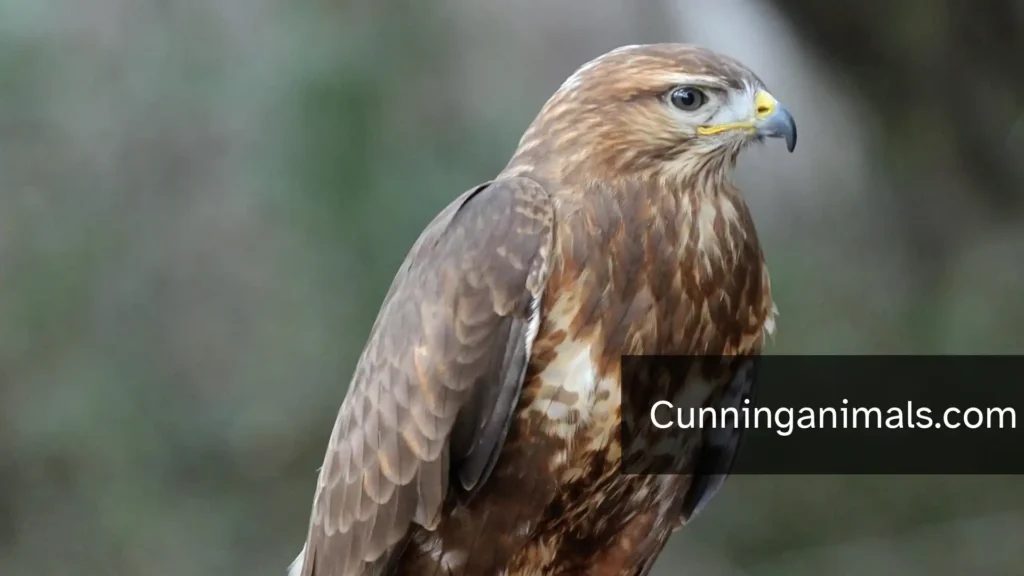
The presence of buzzards in Michigan sparks interest among birdwatchers and nature enthusiasts who seek to understand these vital scavengers. While the North American buzzards, including the turkey vulture and the black vulture, are prevalent in Michigan, the true buzzards found across the ocean exhibit different behaviors and habitats, reflecting the diverse avian life across continents.
Fun Facts About Vultures In Michigan
These Fun Facts About Vultures In Michigan highlight the fascinating behaviors and ecological importance of these often-misunderstood birds, urging us to appreciate their role in the natural world.
- Turkey Vultures have an incredible sense of smell, which allows them to detect carrion up to a mile away, making them efficient scavengers in the Michigan landscape.
- These remarkable birds can soar for hours without flapping their wings, conserving energy while they scan the ground for food.
- They often utilize thermals, or rising columns of warm air, to gain altitude and cover vast distances with minimal effort.
- One distinctive feature of vultures is their bare heads, which help keep them clean while feeding on decomposing animals, preventing bacteria buildup.
- Vultures primarily feed on carrion, making them nature’s clean-up crew and playing a vital role in maintaining the health of Michigan’s ecosystems.
- While Turkey Vultures are common, Black Vultures are a rarer sight in Michigan, adding an element of intrigue for enthusiasts and birdwatchers.
- During certain seasons, vultures can gather in communal roosts, creating impressive spectacles as they socialized and prepared for their nightly rest. Vultures are impressive fliers, but they aren’t the most powerful birds out there. To see which species top the list, explore our guide to the strongest birds in the world.
Conclusion
Understanding Vultures in Michigan is essential to appreciating the unique ecological role these birds play within our environment. Both Turkey and Black Vultures exhibit distinct characteristics that aid in their identification, helping enthusiasts and casual observers alike to appreciate their beauty and importance.
These scavengers contribute significantly to the ecosystem by cleaning up carrion, thereby preventing the spread of disease. By learning to recognize these magnificent birds, you foster a deeper connection with Michigan’s wildlife.
FAQs
What Vultures Are Aggressive?
Black Vultures are generally more assertive than Turkey Vultures, particularly around food and communal roosts. Cornell notes that Black Vultures may aggressively defend roosts and food sources, while Turkey Vultures almost never attack living prey and rely mainly on carrion.
What Did Jesus Say About Vultures?
In Matthew 24:28 and Luke 17:37, Jesus used the image of vultures gathering around a dead body. The saying appears in a discussion about the coming of the Son of Man and conveys the idea that the event would be evident and unmistakable.
What Is the Rarest Bird To See In Michigan?
There is no single official answer for the “rarest bird to see” because rarity can depend on whether a species is rare statewide, a rare migrant, or simply difficult to observe. Michigan DNR identifies several birds as endangered or threatened, including the King Rail, Kirtland’s Warbler, Piping Plover, and Long-eared Owl.
Can Vultures Carry Rabies?
Vultures are not considered common carriers of rabies. Michigan DNR notes that Turkey Vultures rarely carry diseases transmissible to humans, and their highly acidic digestive system destroys many pathogens found in carrion.