22 Most Annoying Animals in the World: Ranked
The world is home to some of the Most Annoying Animals in the World, a title that surprisingly fits a variety of creatures who manage to irk us in the most unexpected ways. From incessant screeching to relentless buzzing, these annoying animals can transform a peaceful day into a frustrating experience.
Understanding what makes these animals so bothersome not only sheds light on our interactions with them but also highlights the quirks of nature. This article ranks 22 of the most annoying animals, providing insights into their behaviors and why we find them so irksome. Prepare to discover the top contenders and see if your personal pet peeves made the list.
What Is The Most Annoying Animal In The World?
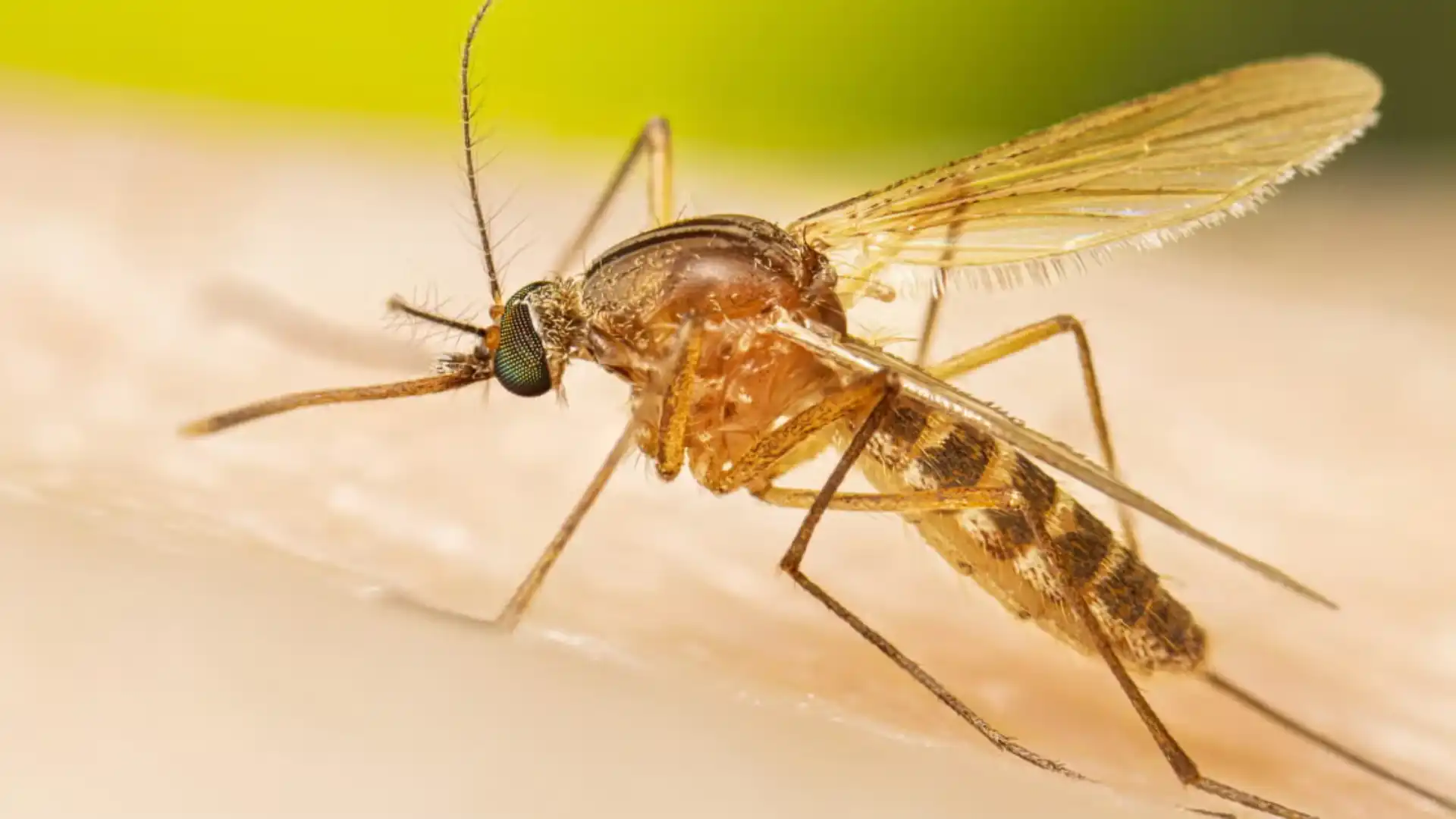
When considering what is the most annoying animal in the world, mosquitoes stand out as a strong contender. With their incessant buzzing and itchy bites, they disrupt our peace, especially in warm months. Unlike house flies, which are more of an irritant in terms of hygiene, mosquitoes cause discomfort and even health risks through diseases like malaria and dengue.
In comparison, cockroaches evoke a visceral fear, but they largely avoid direct interaction with humans. Mosquitoes, however, invade our personal space and are often relentless. Their stealthy nature and ability to breed in tiny water pools make them exceptionally persistent, surpassing the annoyance posed by common household pests.
Top 22 Most Annoying Animals In The World
| Rank | Animal | Scientific Name | Class | Why It’s Annoying |
| 1 | Mosquito | Aedes aegypti | Insecta | Buzzing, bites, disease transmission |
| 2 | House Fly | Musca domestica | Insecta | Food contamination and buzzing |
| 3 | Cockroach | Blattella germanica | Insecta | Home infestations and contamination |
| 4 | Rat | Rattus norvegicus | Mammalia | Property damage and disease risks |
| 5 | Pigeon | Columba livia | Aves | Droppings and noise |
| 6 | Crow | Corvus brachyrhynchos | Aves | Loud calls and scavenging |
| 7 | Seagull | Larus spp. | Aves | Food stealing and noise |
| 8 | Canada Goose | Branta canadensis | Aves | Aggression and droppings |
| 9 | Monkey | Cercopithecidae | Mammalia | Food stealing and disruptive behavior |
| 10 | Raccoon | Procyon lotor | Mammalia | Trash raids and property damage |
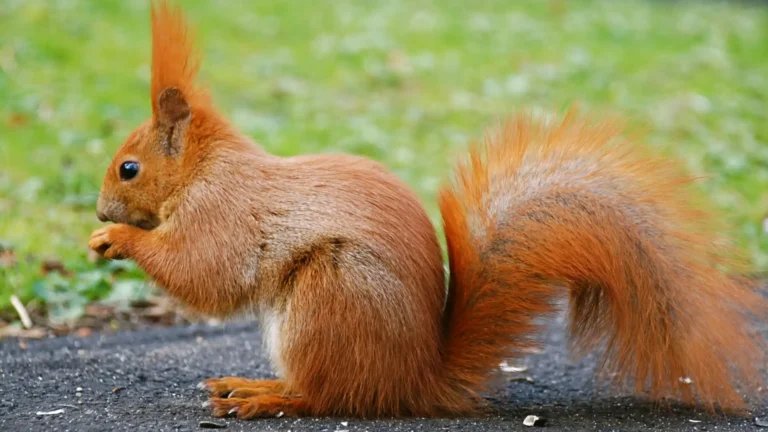
| 11 | Squirrel | Sciuridae | Mammalia | Garden damage and wire chewing |
| 12 | Bed Bug | Cimex lectularius | Insecta | Bites and infestations |
| 13 | Flea | Siphonaptera | Insecta | Bites and pet infestations |
| 14 | Tick | Ixodida | Arachnida | Bites and disease transmission |
| 15 | Wasp | Vespidae | Insecta | Painful stings |
| 16 | Hornet | Vespa spp. | Insecta | Territorial behavior and stings |
| 17 | Termite | Isoptera | Insecta | Structural damage |
| 18 | Locust | Schistocerca gregaria | Insecta | Crop destruction |
| 19 | Brown Marmorated Stink Bug | Halyomorpha halys | Insecta | Foul odor and home invasion |
| 20 | Wild Boar | Sus scrofa | Mammalia | Crop and property damage |
| 21 | Cicada | Cicadoidea | Insecta | Extremely loud calls |
| 22 | Stray Dog | Canis lupus familiaris | Mammalia | Barking and roaming |
Mosquito
Scientific Name: Aedes aegypti
Class: Insecta
Habitat: Tropical and subtropical regions
Mosquitoes, often seen as mere pests, play a surprisingly complex role in our ecosystem. Their presence offers nourishment to various birds and fish, showing that every creature big or small has its place. In their own way, they remind us of the delicate balance of nature and the interdependence that sustains life.
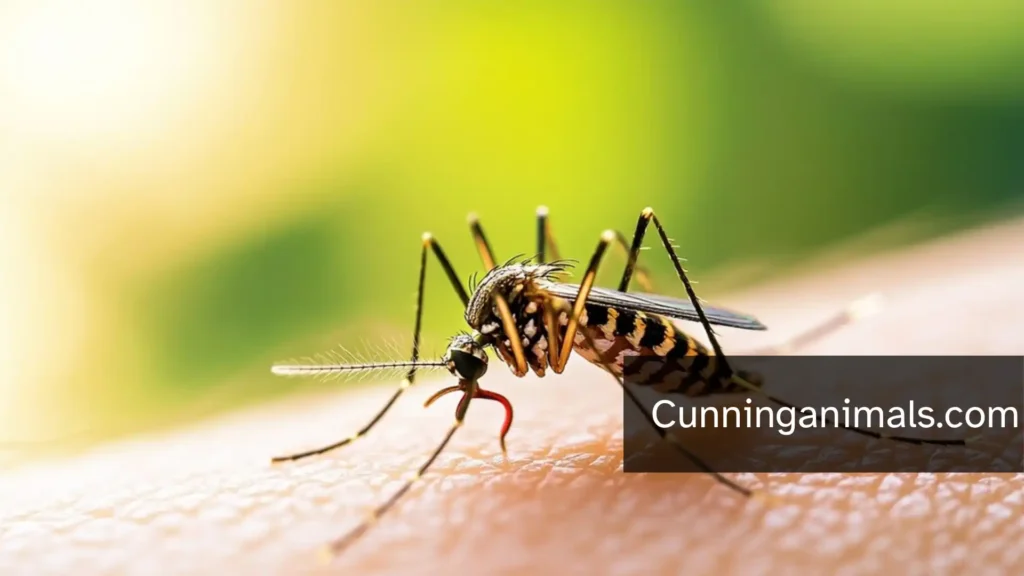
However, mosquitoes are also a vector for diseases, raising awareness about the importance of maintaining healthy environments. Protecting ourselves from these insects fosters not only individual well-being but also a collective responsibility to ensure a safer habitat for all.
House Fly
Scientific Name: Musca domestica
Class: Insecta
Habitat: Human habitats worldwide
House flies, often buzzing around our homes, serve as a reminder of our shared living spaces with nature. Their quick movements can be annoying, but they also play a role in decomposing organic matter, contributing to nutrient cycling. In this way, they teach us to embrace all aspects of our environment, including the unwelcome ones.
Moreover, their adaptability demonstrates the resilience of life forms around us. By understanding their importance, we can shift our perspective from annoyance to appreciation, fostering a harmonious coexistence.
Cockroach
Scientific Name: Blattodea
Class: Insecta
Habitat: Varied environments, often human dwellings
Cockroaches are often seen as unwelcome guests, yet they are survivors of remarkable resilience. These creatures can endure extreme conditions and have existed for millions of years, embodying the spirit of adaptability. Their presence can inspire us to appreciate the tenacity inherent in all living things, even those we may view negatively.
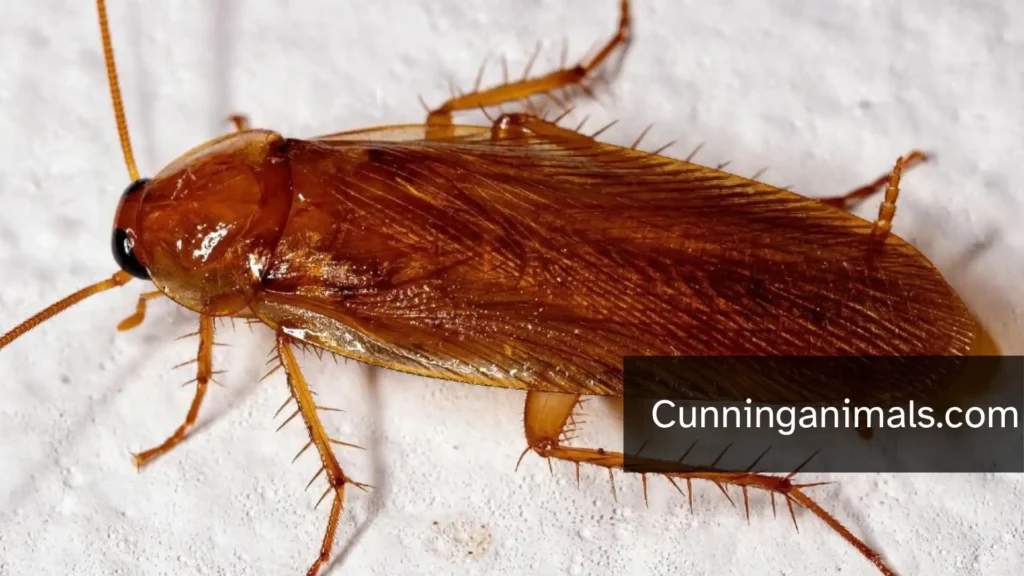
As we learn more about them, we also deepen our understanding of the interconnectedness within ecosystems. Recognizing their role invites us to reflect on our responsibilities to all creatures, no matter how small or seemingly insignificant.
Rat
Scientific Name: Rattus norvegicus
Class: Mammalia
Habitat: Urban areas, fields, and forests
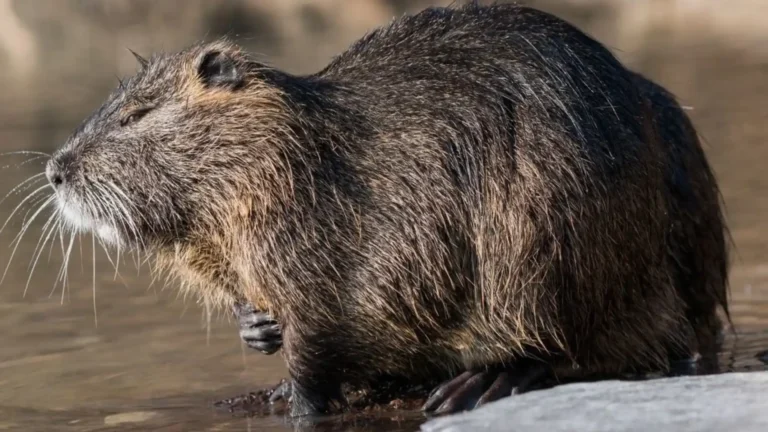
Rats often evoke a sense of aversion, yet they are incredibly intelligent and social animals, showcasing a unique adaptability to diverse environments. Their ability to navigate challenges teaches us about survival and the importance of community. In seeing their wisdom, we could find a lesson about resilience in our own lives.
Moreover, rats in research have significantly contributed to our advancements in medicine and science. Acknowledging their value encourages us to embrace all beings, understanding that even those we see as burdens have something important to teach us.
Pigeon
Scientific Name: Columba livia
Class: Aves
Habitat: Urban and rural areas worldwide
Pigeons, often referred to as “city doves,” grace our urban landscapes with their gentle presence. Their homing ability symbolizes loyalty and perseverance, often celebrated in stories of love and reunion. This connection deepens our appreciation for the simple yet profound relationships we share with the wildlife around us.
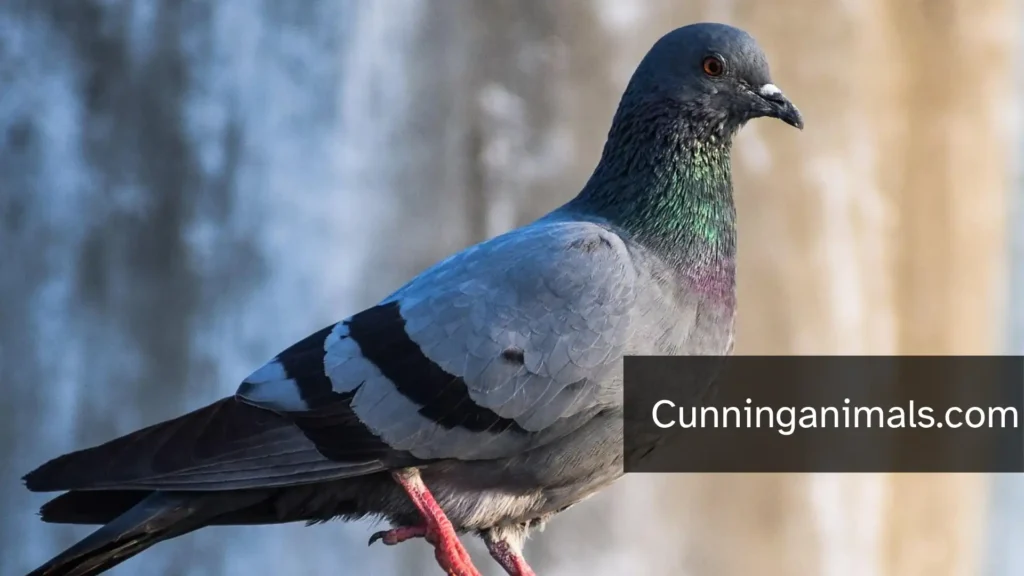
Not only do pigeons convey beauty and grace, but their resilience in adapting to city life reminds us of the power of perseverance. By embracing their presence, we can cultivate a greater sense of harmony with the world around us.
Crow
Scientific Name: Corvus brachyrhynchos
Class: Aves
Habitat: Wide-ranging, from urban to rural settings
Crows are often viewed as harbingers of mystery, showcasing remarkable intelligence and social behavior. Their close-knit communities and problem-solving skills illustrate the beauty of cooperation and empathy in nature. By observing them, we are invited to reflect on the value of connection, both among humans and the creatures we share our world with.
Additionally, crows have a unique relationship with their environment, often teaching us lessons about adaptability and the importance of community. Embracing their presence encourages a spirit of curiosity and understanding, opening our hearts to the wonders of nature.
Seagull
Scientific Name: Larus
Class: Aves
Habitat: Coastal regions and urban areas near water
Seagulls are often seen soaring gracefully along coastlines, embodying the spirit of freedom and adventure. Their calls and playful nature evoke a sense of joy and connection to the natural world. Observing these birds reminds us to embrace our own desires for exploration and spontaneity.
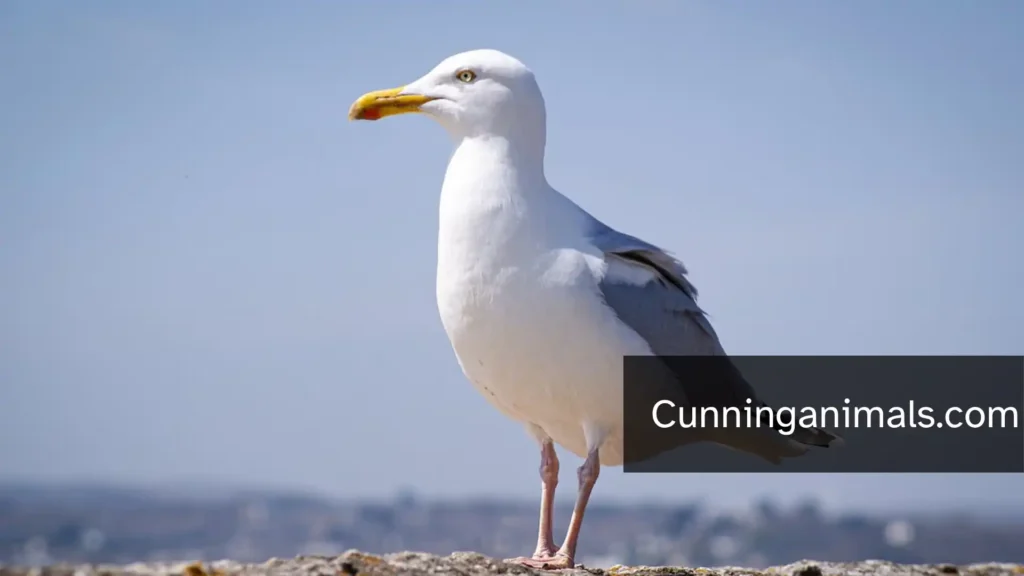
Moreover, seagulls play a vital role in coastal ecosystems by helping to control fish populations and organic waste. Their presence encourages us to appreciate our interdependence with the world around us, fostering a deeper commitment to preservation.
Canada Goose
Scientific Name: Branta canadensis
Class: Aves
Habitat: North America, near water bodies
That kind of endurance and physical resilience isn’t unique to geese several bird species are known for remarkable strength and stamina in the wild. If you’re curious which birds top that list, check out our article on strongest birds. It’s a great companion read for anyone interested in the more powerful side of the avian world.
In addition, Canada geese are skilled navigators, showcasing the beauty of following instinct and tradition. Their journey inspires us to embrace our paths with confidence while appreciating the importance of where we originate from.
Monkey
Scientific Name: Primates (varies by species)
Class: Mammalia
Habitat: Tropical rainforests, savannas, and mountainous regions
Monkeys, with their playful antics and social structures, embody the essence of community life. Their intelligence and ability to communicate reinforce the importance of connection among family and friends. By observing their behavior, we are reminded of the joys and complexities of living harmoniously with those around us.
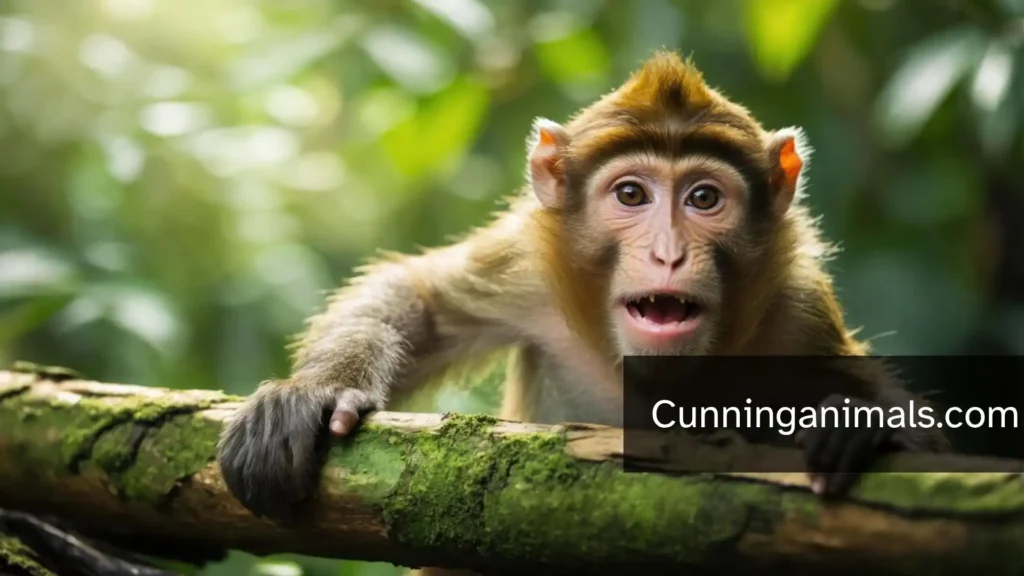
Moreover, monkeys serve as vital components of their ecosystems, helping to disperse seeds and maintain forest health. Recognizing their contributions instills a sense of gratitude for the interwoven fabric of life in our world
Raccoon
Scientific Name: Procyon lotor
Class: Mammalia
Habitat: Forests, urban areas, and wetlands
Raccoons, often regarded as curious scavengers, are masters of adaptability and ingenuity. Their dexterous paws and keen problem-solving skills highlight the beauty of creativity in nature. Inviting us to wonder about their perspective, raccoons remind us to appreciate the unexpected and the resourceful spirit of life.
In their role as omnivores, they help maintain ecological balance by cleaning up waste and dispersing seeds. By acknowledging the raccoon’s contributions, we deepen our understanding of the interconnected web of our ecosystem.
Squirrel
Scientific Name: Sciuridae
Class: Mammalia
Habitat: Forests, urban areas, and gardens
This kind of seasonal preparation is shared by several other small mammals, not just squirrels, especially those that burrow or store food underground. For more examples of animals with similar habits, check out our piece on animals like groundhogs. It’s a fun read for anyone curious about how different rodents get ready for the colder months.
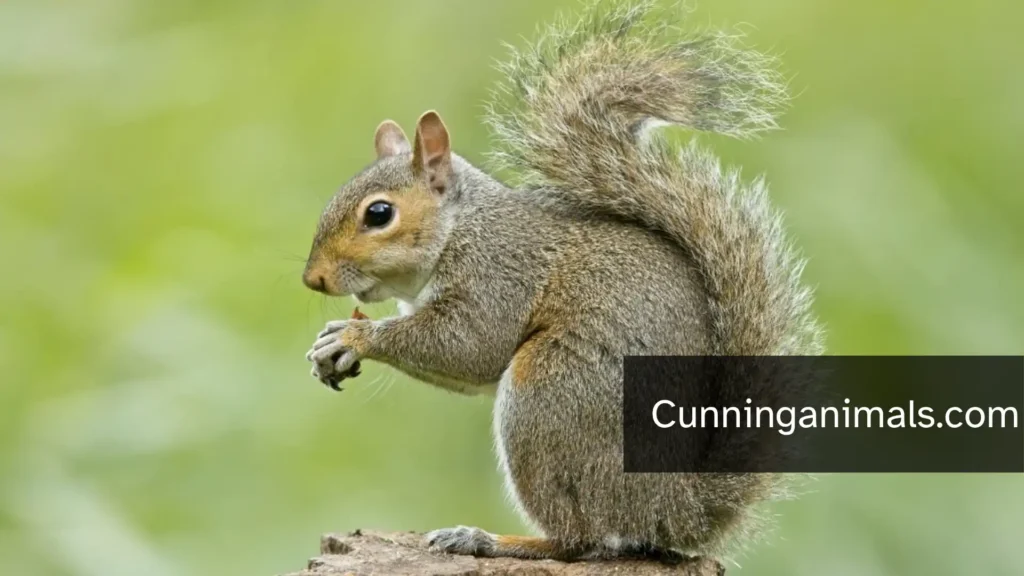
Additionally, squirrels play a crucial role in their habitats by promoting forest growth through their tree-planting activities. This relationship illustrates the profound interconnectedness of life, encouraging us to recognize the importance of every creature in maintaining harmony in nature.
Bed Bug
Scientific Name: Cimex lectularius
Class: Insecta
Habitat: Human dwellings, particularly beds and furniture
Bed bugs, small as they are, can create significant disruptions in our lives and sleep. Their presence teaches us about the importance of cleanliness and vigilance in our environments. In turning our discomfort into opportunity, we may find that these tiny pests inspire us to foster better home practices.
Despite being a nuisance, understanding their life cycle allows us to mitigate their impact effectively. This perspective fosters an appreciation for learning about the creatures around us, ultimately enhancing our living spaces.
Flea
Scientific Name: Ctenocephalides felis
Class: Insecta
Habitat: Animal host and human settings
Fleas, though often seen as annoying parasites, carry unique life lessons about resilience and survival. Their tenacity in finding hosts for nourishment is a testament to life’s relentless need to adapt. Acknowledging their role in the animal kingdom prompts us to consider the balance of life forms that share our world.
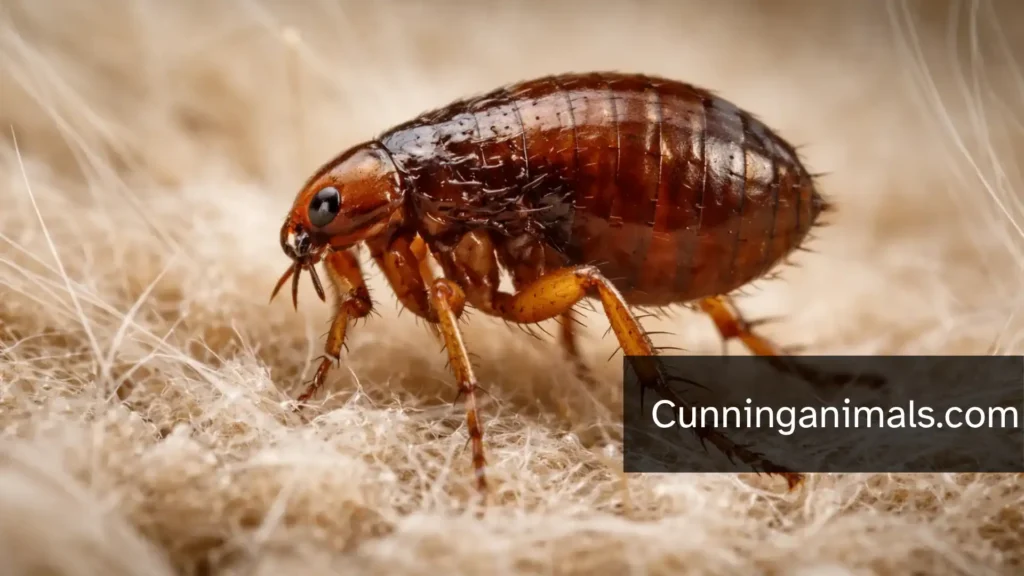
Their presence also emphasizes the importance of keeping our environments clean and our pets healthy. By embracing this knowledge, we foster a deeper understanding of our relationship with all living beings.
Tick
Scientific Name: Ixodes scapularis
Class: Arachnida
Habitat: Wooded, grassy areas
Ticks, despite their diminutive size, have a significant impact on wildlife and human health. Their role as vectors for various diseases reminds us of the importance of vigilance and education in nature. This awareness can inspire proactive measures to protect ourselves and our loved ones from potential health risks.
Additionally, ticks serve as a reminder of the interconnectedness of ecosystems, influencing the health of both predators and prey. Acknowledging their place in nature fosters an understanding of balance, reminding us to protect our environments responsibly.
Wasp
Scientific Name: Vespidae
Class: Insecta
Habitat: Varied environments, including forests and urban areas
Wasps are often misunderstood, seen primarily as stingers. Their role in pollination and pest control highlights their importance in maintaining ecological balance. By appreciating these industrious insects, we can cultivate an awareness of the benefits of biodiversity in our everyday lives.
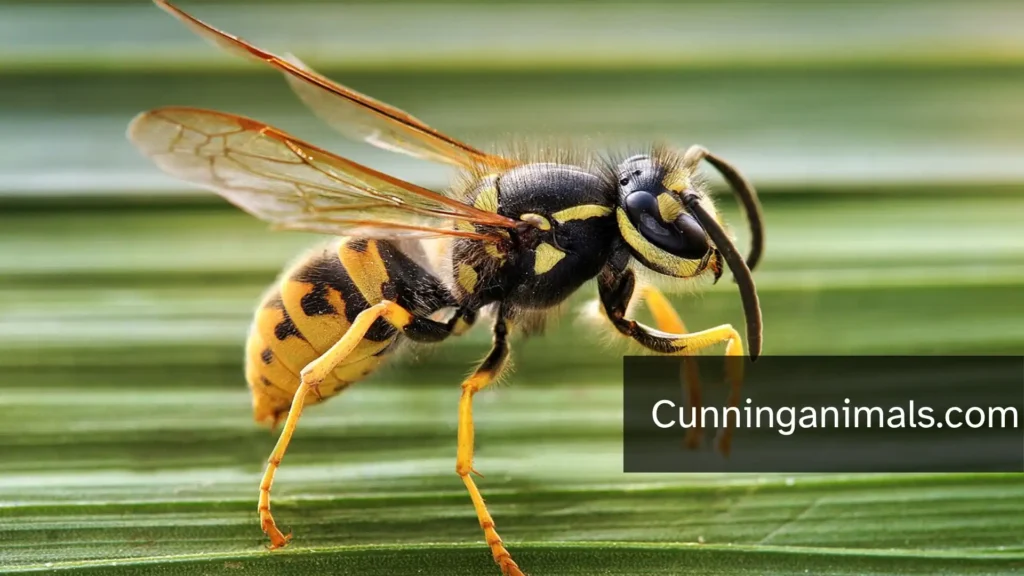
Through their intricate social structures, wasps display fascinating cooperation and community-building traits that mirror human interactions. Recognizing these connections encourages us to nurture our own relationships and to honor the subtle contributions of all creatures.
Hornet
Scientific Name: Vespidae
Class: Insecta
Habitat: Forests and urban areas
Hornets, with their striking appearance and fierce reputation, often evoke fear. Yet, they also play a crucial role in pest control, keeping insect populations in check. By shifting our perspective, we can learn to appreciate the delicate balance they maintain in our ecosystems.
Moreover, their communal lifestyle demonstrates the power of teamwork and cooperation. Acknowledging their strengths can inspire us to foster greater unity within our own communities, recognizing that even the most feared creatures have a positive role to play.
Termite
Scientific Name: Blattodea
Class: Insecta
Habitat: Decaying wood and underground colonies
Termites are often blamed for structural damage, but they are equally vital in recycling nutrients within ecosystems. By breaking down dead wood, they foster new plant growth and enhance soil quality. Embracing their role encourages us to recognize the beauty of transformation and the importance of every being in the cycle of life.
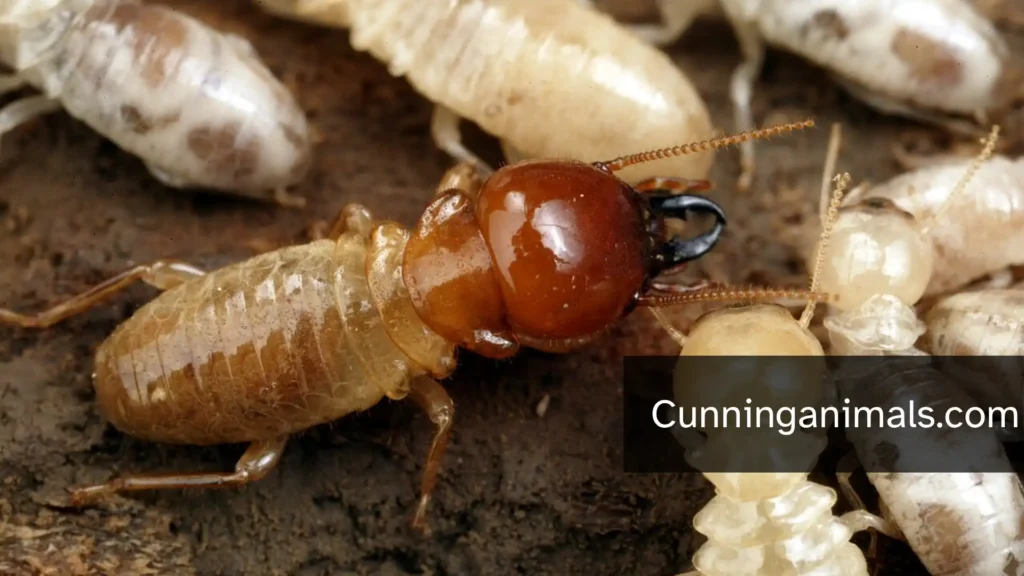
Furthermore, their complex social structures shed light on the power of collaboration. Observing their teamwork can inspire us to strengthen our connections and build supportive communities, acknowledging that unity can lead to great achievements.
Locust
Scientific Name: Caelifera
Class: Insecta
Habitat: Grasslands and agricultural fields
Locusts, when in swarms, can spark fear due to their capacity to devastate crops. Yet, they also teach us about the cycles of life and renewal. In observing their transformation from solitary to gregarious behavior, we can glean insights about adaptation and resilience in the face of change.
Their impact on agricultural landscapes reinforces the importance of sustainable practices. By understanding their role and movements, we are inspired to protect our food sources and foster a sustainable relationship with our environment.
Brown Marmorated Stink Bug
Scientific Name: Halyomorpha halys
Class: Insecta
Habitat: Gardens, forests, and agricultural fields
The brown marmorated stink bug is often more than just a nuisance in our homes; it is a reminder of the importance of biodiversity. Its presence highlights the need to understand and respect the rich tapestry of life surrounding us. Seeing them through this lens encourages a broader perspective on coexistence.
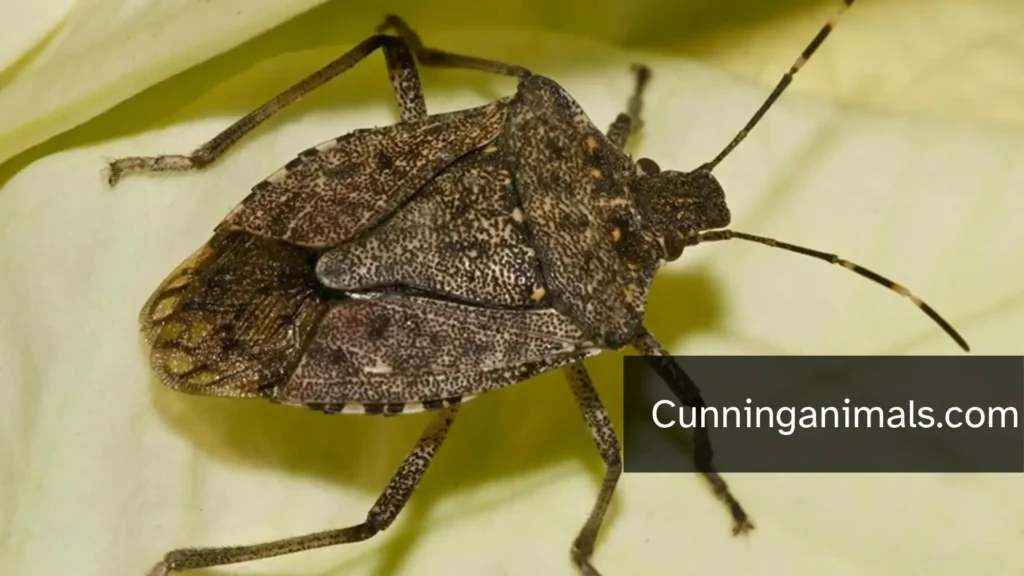
While they indeed pose challenges to crops, they also engage ecosystems in various ways. By fostering awareness of their habits, we can learn to appreciate even the least favorable visitors in our homes.
Wild Boar
Scientific Name: Sus scrofa
Class: Mammalia
Habitat: Forests, grasslands, and wetlands
Foraging habits vary widely across species, and some animals have adapted to eat things most creatures would avoid entirely, like cactus. If you’re curious which desert dwellers make a meal out of these prickly plants, take a look at our guide on animals that eat cactus. It’s an interesting look at how diet shapes survival in tough environments.
Their strong social structures and family dynamics showcase the importance of community among animals, mirroring the value we place on our own relationships. By learning from wild boars, we can embrace the wild aspects of life while cultivating harmony within our environments.
Cicada
Scientific Name: Cicadidae
Class: Insecta
Habitat: Trees and shrubs in temperate and tropical regions
Cicadas are known for their distinctive songs, celebrated as a harbinger of summer. Their life cycle, emerging after years underground, serves as a powerful reminder of patience and transformation. By embracing their journey, we can find inspiration in our own growth and the seasons of our lives.
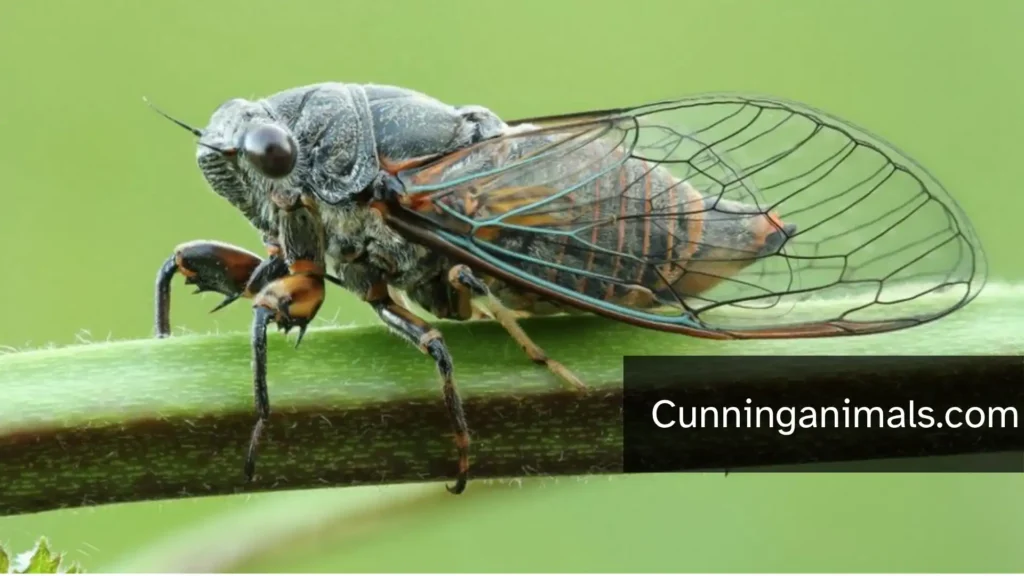
Their role in the ecosystem extends beyond song; cicadas contribute to soil aeration and serve as food for various predators. This interconnectedness encourages us to appreciate all aspects of nature and the harmony that exists within it.
Stray Dog
Scientific Name: Canis lupus familiaris
Class: Mammalia
Habitat: Urban and rural areas
Stray dogs often carry stories of resilience and heartache, reminding us of the importance of compassion and kindness. These animals reflect the struggles that many face without homes and families. By acknowledging their plight, we are inspired to foster a more caring world, where every creature is valued.
Their presence also teaches us about adaptability, as they navigate life in challenging environments. By extending our empathy, we can create a community that champions the welfare of all beings, reminding us of our shared responsibility to uplift one another.
Interesting Facts About Annoying Animals
Mosquitoes, while pesky, possess a remarkable ability to detect cues from humans, using scent and heat to locate their next meal. House flies, with their rapid wingbeats, frequently land on food, showcasing their omnipresent nature in our surroundings. Cockroaches, often scorned for their resilience, can thrive in a variety of harsh environments, demonstrating a survival prowess that leaves many humans in awe.
- Some birds have mastered living in urban landscapes, adapting their diets and nesting habits.
- Raccoons exhibit incredible dexterity, capable of opening containers to uncover hidden food sources.
- Cicadas are known for their loud calls, which serve as mating signals, echoing through summer nights.
- Termites, though annoying, play a role in breaking down wood, contributing to nutrient cycling in ecosystems.
- Many nuisance animals, despite their reputation, are integral to maintaining ecological balance.
Conclusion
The fascinating world of the Most Annoying Animals in the World offers both humor and insight into the challenges we face in our daily lives. As we’ve seen, these annoying animals often bring a mix of frustration and amusement.
Whether it’s the shrill calls of certain birds or the relentless scavenging of pests, each animal on our list has earned its spot for good reason. By recognizing the behaviors that make them so irritating, we can adapt our environments and find ways to mitigate their impact on our lives.
FAQS
What Animals Are Disliked?
Animals that are often disliked or feared include snakes, rats, cockroaches, mosquitoes, spiders, and wasps. People may dislike them because they can spread disease, damage property, sting or bite, or simply look frightening.
What Is An Annoying Animal?
Mosquitoes are often considered one of the most annoying animals because of their buzzing, itchy bites, and tendency to disturb people while they sleep. Flies and certain insects can also be very irritating.
What Is The Most Cruel Animal On Earth?
There is no scientifically recognized “most cruel” animal because cruelty is a human moral concept. However, some animals, such as orcas, chimpanzees, and certain predators, can display aggressive or violent behaviors during hunting, competition, or territorial conflicts.
What Is The Least Liked Animal?
Cockroaches, rats, mosquitoes, and snakes are commonly among the least liked animals. Their reputation is usually connected to fear, hygiene concerns, disease transmission, or their association with unpleasant environments.
What Is The Most Unhappy Animal?
There is no scientifically proven “most unhappy” animal because we cannot reliably compare subjective happiness across species. Animals can experience stress, fear, and distress, but their emotional experiences are difficult to measure directly.