Top 14 Cunning Animals In The World (Nature’s Smartest Tricksters)
Cunning animals possess a remarkable ability to adapt and outsmart their environments, showcasing strategies that often leave observers in awe. From clever foxes evading hunters to crafty octopuses escaping predators, these sneaky animals utilize wit and stealth to thrive in their natural habitats.
Let’s explore the top 14 cunning creatures of the animal kingdom, revealing the fascinating traits that make them nature’s smartest tricksters. By understanding their behaviors and strategies, you will gain insights into the survival tactics that have evolved over millions of years.
What Are Cunning Animals?
Cunning animals are those species that exhibit a remarkable ability to manipulate their environments through clever tactics and deception. This behavior often stems from their instinctual drive to outsmart predators or competitors, showcasing a sophisticated understanding of their surroundings far beyond mere survival instincts.
Intelligence and cunning differ significantly, with intelligence often linked to problem-solving and learning capacity, while cunning focuses on strategic deception and manipulation. Survival becomes easier for animals employing cunning tactics, as they can mislead threats or competitors, allowing them to secure resources, avoid predation, and reproduce successfully.
Top 12 Cunning Animals List
| Rank | Animal | Scientific Name | Class | Habitat |
|---|---|---|---|---|
| 1 | Red Fox | Vulpes vulpes | Mammalia | Forests, grasslands, and urban areas |
| 2 | Chimpanzee | Pan troglodytes | Mammalia | Tropical forests and savannas |
| 3 | Common Octopus | Octopus vulgaris | Cephalopoda | Coastal waters and coral reefs |
| 4 | New Caledonian Crow | Corvus moneduloides | Aves | Forests and woodlands |
| 5 | Common Raven | Corvus corax | Aves | Mountains, forests, and tundras |
| 6 | Coyote | Canis latrans | Mammalia | Grasslands, forests, and deserts |
| 7 | Bottlenose Dolphin | Tursiops truncatus | Mammalia | Warm and temperate ocean waters |
| 8 | Orca (Killer Whale) | Orcinus orca | Mammalia | Oceans worldwide |
| 9 | Nile Crocodile | Crocodylus niloticus | Reptilia | Rivers, lakes, and wetlands |
| 10 | Fork-tailed Drongo | Dicrurus adsimilis | Aves | Savannas and open woodlands |
| 11 | Raccoon | Procyon lotor | Mammalia | Forests, urban areas, and wetlands |
| 12 | Kea Parrot | Nestor notabilis | Aves | Alpine regions of New Zealand |
Red Fox
Scientific Name: Vulpes vulpes
Class: Mammalia
Habitat: Forests, grasslands, and urban areas
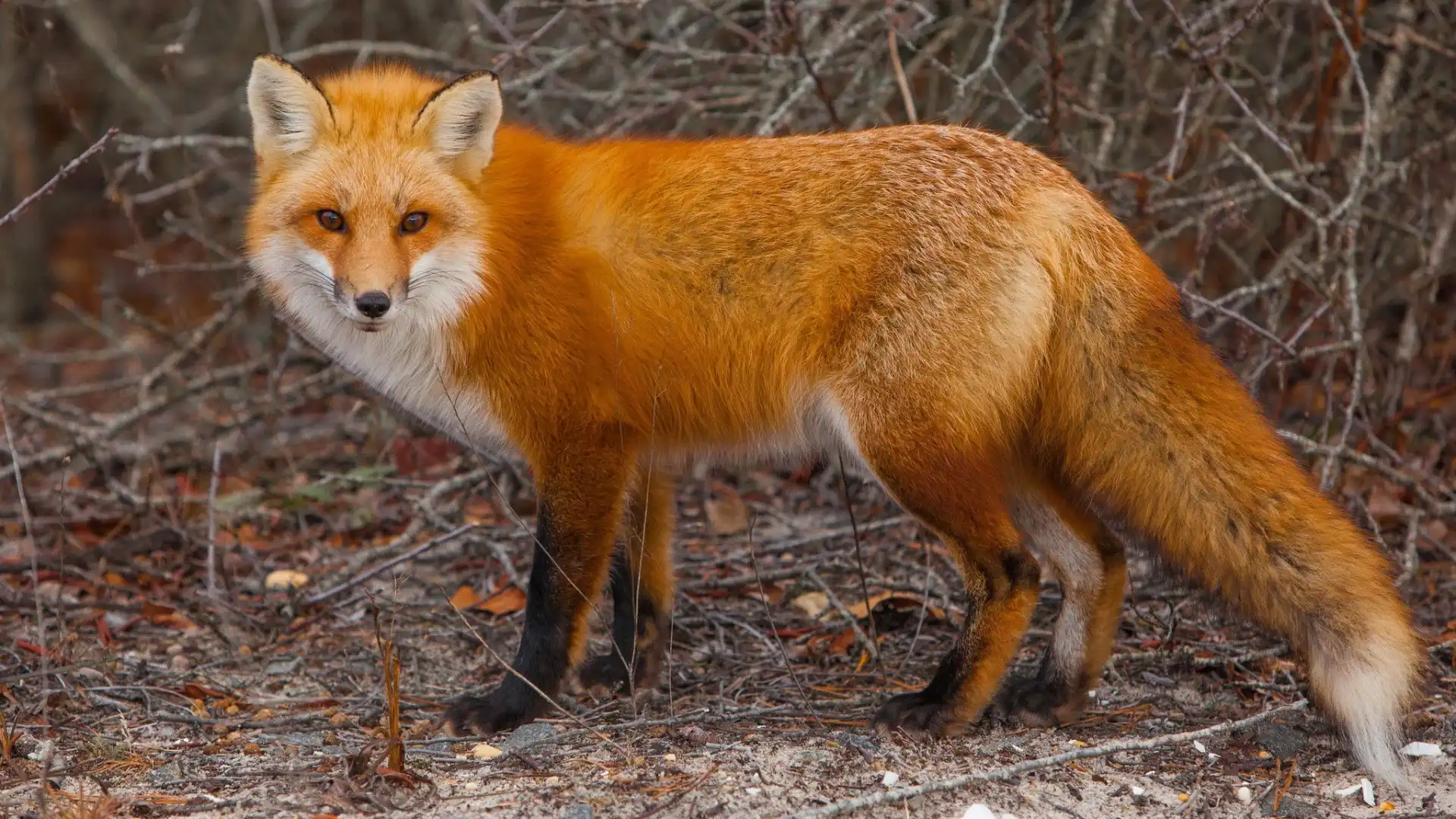
Red foxes exhibit remarkable intelligence, leveraging their cunning to adapt to diverse environments. Their ability to use stealth and their keen senses make them expert hunters, often outsmarting their prey.
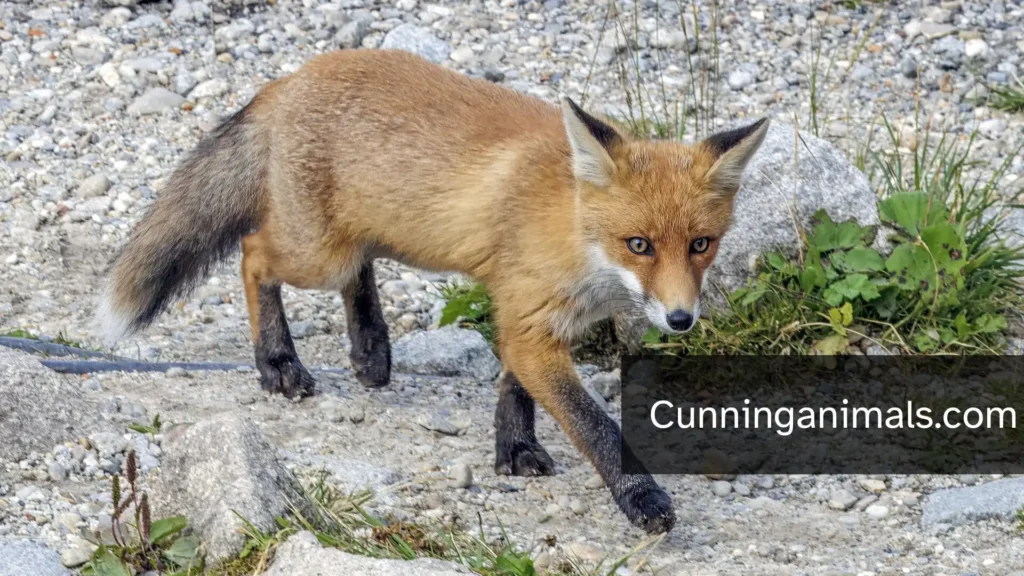
In urban settings, red foxes have learned to navigate human landscapes, scavenging for food while avoiding threats. This adaptability showcases their resourcefulness, making them one of the most cunning animals in their habitats.
Chimpanzee
Scientific Name: Pan troglodytes
Class: Mammalia
Habitat: Tropical forests and savannas
Chimpanzees possess an exceptional level of problem-solving skills, demonstrating the ability to use tools to obtain food. Their social structures are complex, reflecting their intelligence and cunning in communication and collaboration.
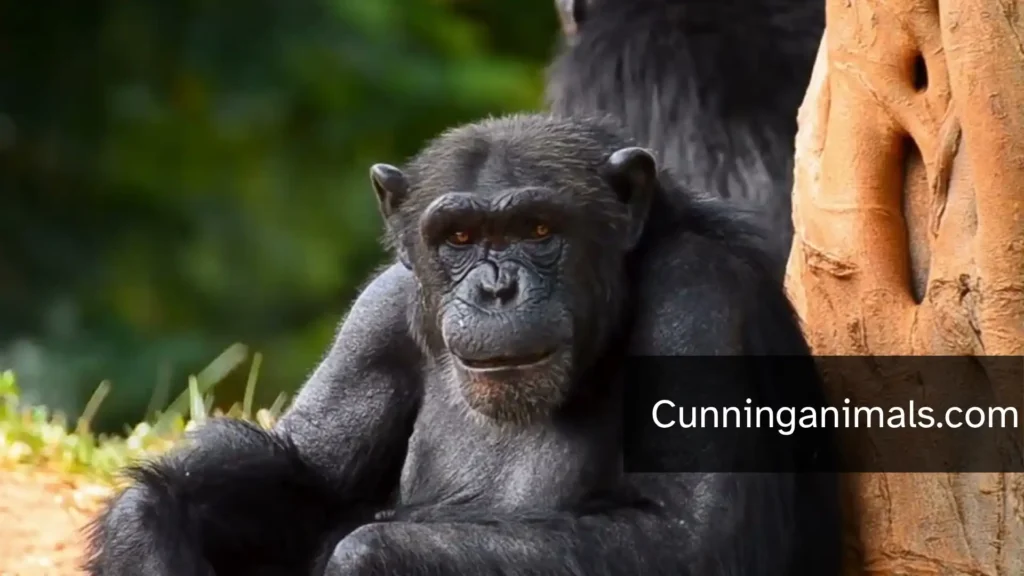
These primates exhibit intricate behaviors, such as deception and alliance formation, to navigate social challenges. Their cunning nature ensures their survival in competitive environments, highlighting their strategic thinking.
Common Octopus
Scientific Name: Octopus vulgaris
Class: Cephalopoda
Habitat: Coastal waters and coral reefs
Renowned for their intelligence, common octopuses exhibit remarkable problem-solving skills, often escaping enclosures and manipulating their environment. Their capacity to camouflage and mimic textures enhances their cunning nature, making them elusive predators.
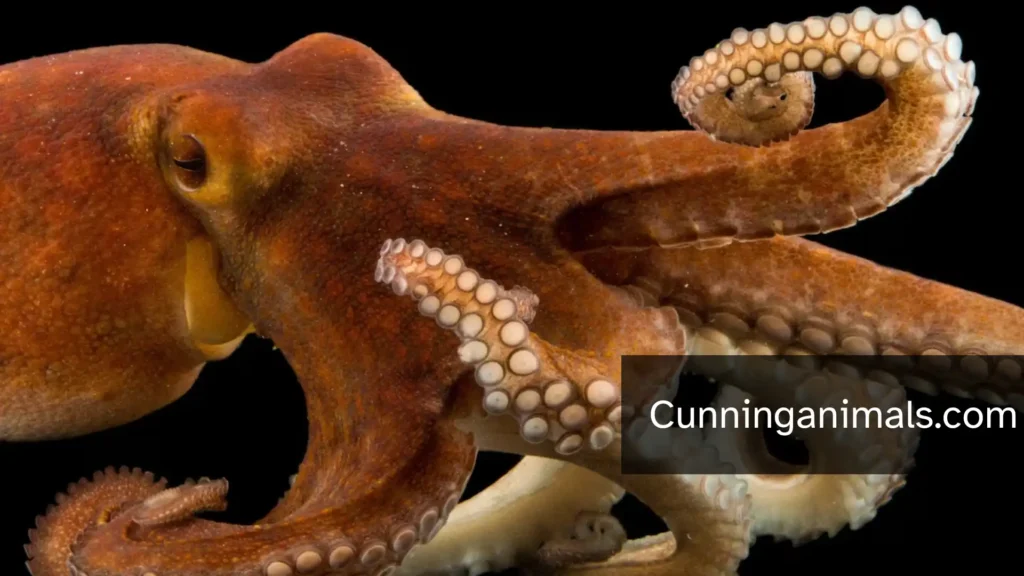
These creatures display an extraordinary level of curiosity and adaptability, using both stealth and strategy to hunt effectively. This versatility places them among the top cunning animals of the ocean.
New Caledonian Crow
Scientific Name: Corvus moneduloides
Class: Aves
Habitat: Forests and woodlands
The New Caledonian crow stands out for its tool-making abilities, showcasing advanced cognitive skills. These birds are known to craft intricate tools from sticks and leaves, allowing them to obtain food with cunning precision.
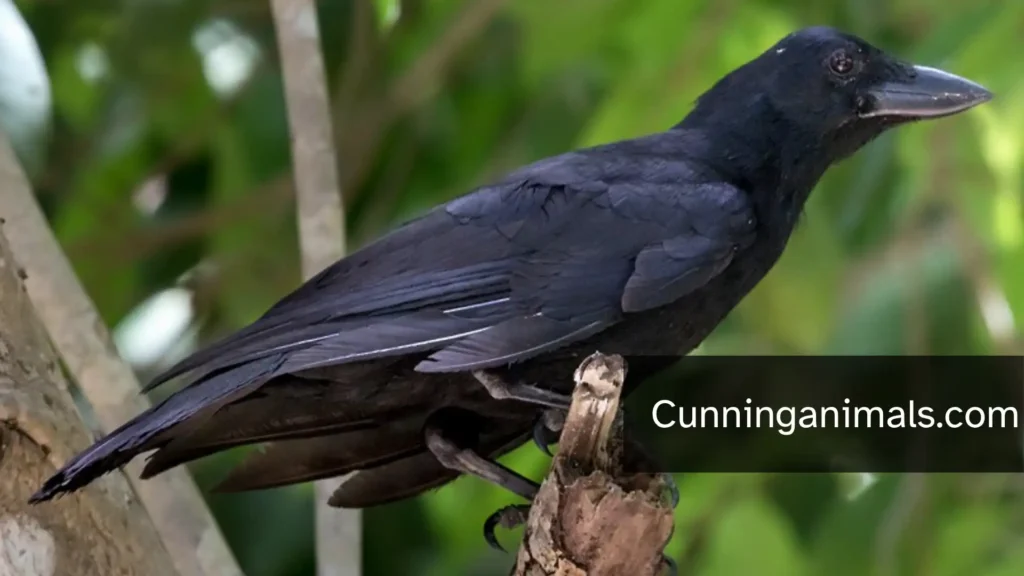
Their problem-solving abilities extend to innovative foraging techniques, demonstrating a deep understanding of cause and effect. This ingenuity highlights their status as one of the most cunning avian species.
Common Raven
Scientific Name: Corvus corax
Class: Aves
Habitat: Mountains, forests, and tundras
Common ravens are celebrated for their cleverness, frequently employing tactics to outsmart both predators and competitors. Their vast vocal repertoire allows them to communicate in complex ways, further underscoring their cunning behavior.
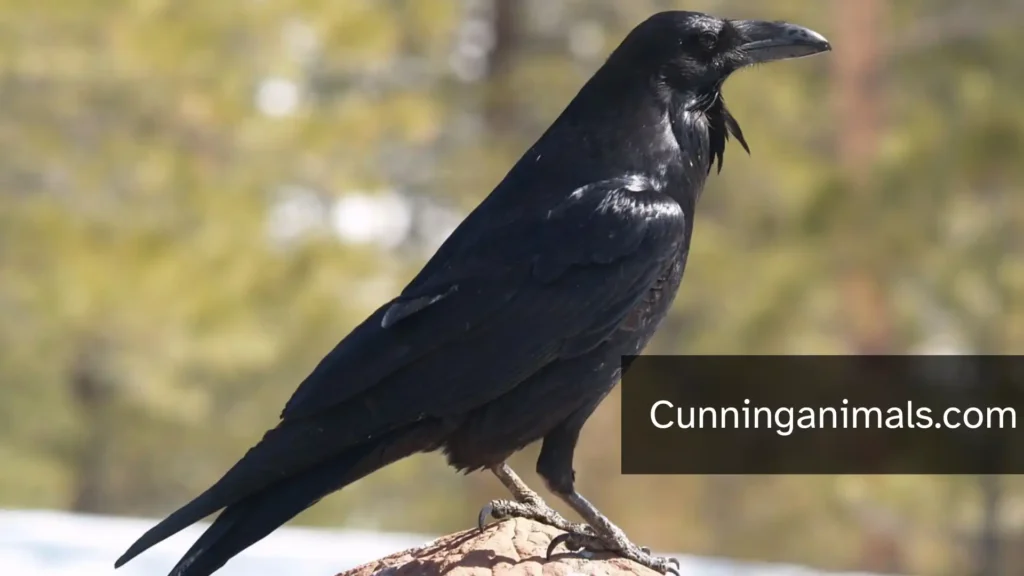
These birds can plan for the future, showcasing remarkable foresight as they cache food for later use. Their adaptability to various environments epitomizes their status as cunning animals.
Coyote
Scientific Name: Canis latrans
Class: Mammalia
Habitat: Grasslands, forests, and deserts
Coyotes exemplify cunning through their pack dynamics and hunting strategies. They are known to work collaboratively for successful hunts, showcasing an understanding of teamwork and communication among peers.
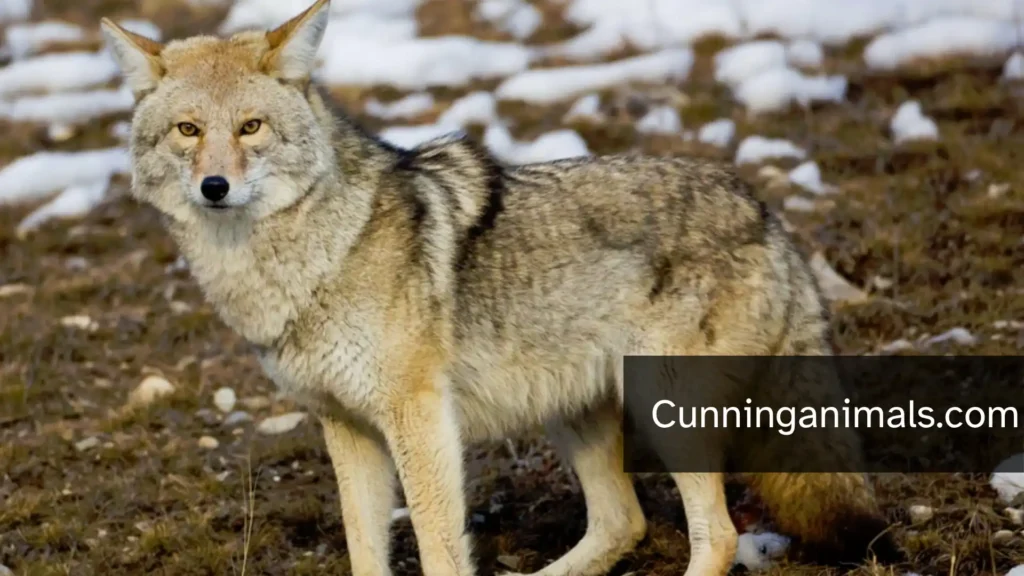
Their opportunistic nature allows them to exploit various food sources, from rodents to fruits. This flexibility in diet and behavior highlights their resourceful cunning in adapting to changing environments.
Bottlenose Dolphin
Scientific Name: Tursiops truncatus
Class: Mammalia
Habitat: Warm and temperate oceanic waters
Bottlenose dolphins exhibit remarkable problem-solving abilities and social behaviors, demonstrating a high level of intelligence. Their complex communication and cooperative hunting strategies enhance their cunning nature within pod dynamics.
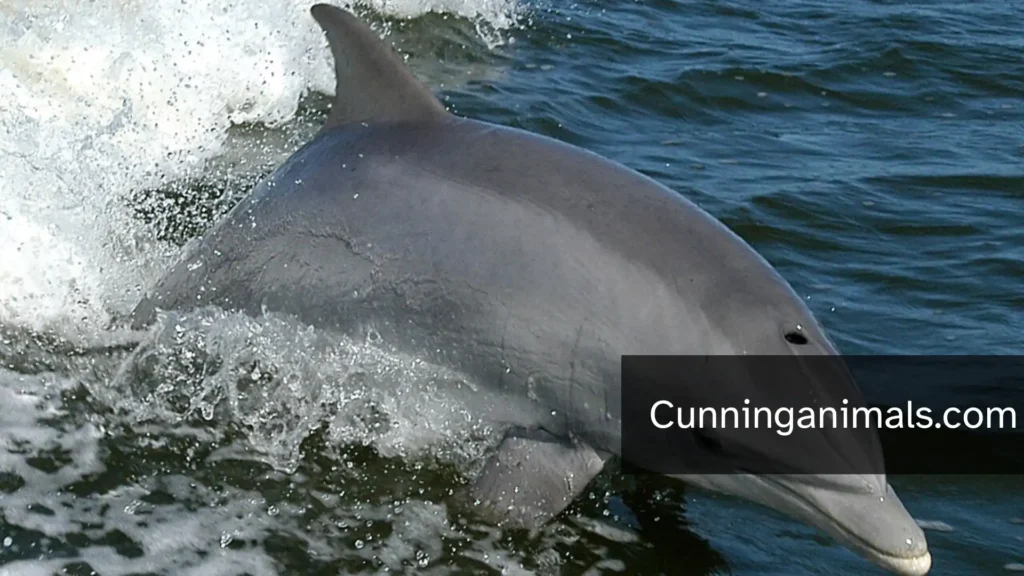
Engaging in sophisticated behaviors, such as strand feeding, these dolphins exemplify ingenuity in obtaining food. Their playful demeanor and strategic thinking mark them as some of the most cunning animals in marine ecosystems.
Nile Crocodile
Scientific Name: Crocodylus niloticus
Class: Reptilia
Habitat: Rivers, lakes, and wetlands
Patience and stillness as a hunting strategy isn’t limited to crocodiles some of nature’s most effective predators get by with no legs to move at all. For a closer look at these unusual hunters, check out our piece on animals without legs. It’s a fascinating contrast to the more active, strategic hunting style covered here.
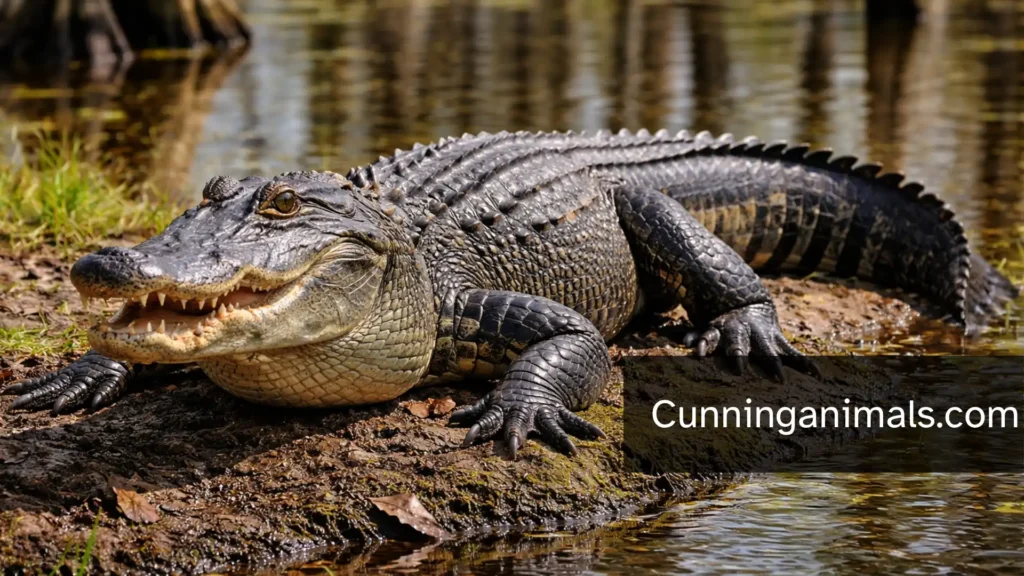
These formidable predators possess a keen awareness of their surroundings, employing stealth and patience for successful catch. Their strategic hunting methods solidify their reputation among the cunning animals of the wild.
Orca (Killer Whale)
Scientific Name: Orcinus orca
Class: Mammalia
Habitat: Oceans worldwide
Orcas aren’t just clever hunters as apex predators, they also need to consume massive amounts of food to sustain their size and energy levels. If you’re curious which other animals share this kind of hearty appetite, check out our article on animals that eat a lot. It’s an interesting look at how intelligence and appetite often go hand in hand in the animal kingdom.
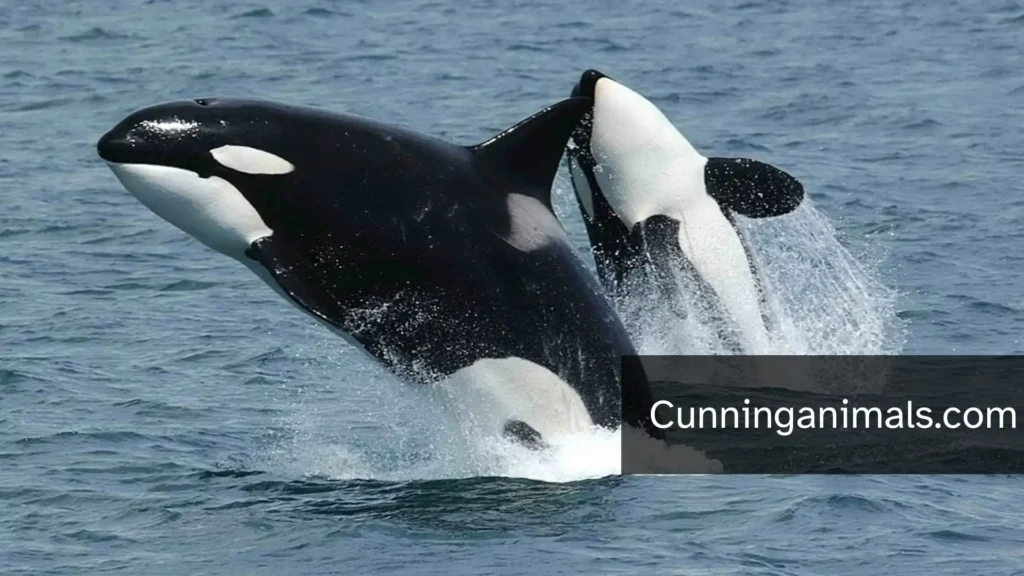
Social structures among pods reveal intricate relationships, where cunning plays a key role in survival and communication. These apex predators showcase not only strength but also remarkable cunning in their hunting prowess.
Raccoon
Scientific Name: Procyon lotor
Class: Mammalia
Habitat: Forests, urban areas, and wetlands
That same resourcefulness often extends to raiding gardens and farmland, where raccoons aren’t picky about what they help themselves to. If you’re curious about other wildlife that shares this taste for crops, take a look at our guide on animals that eat corn. It’s a great companion read for anyone dealing with clever backyard visitors.
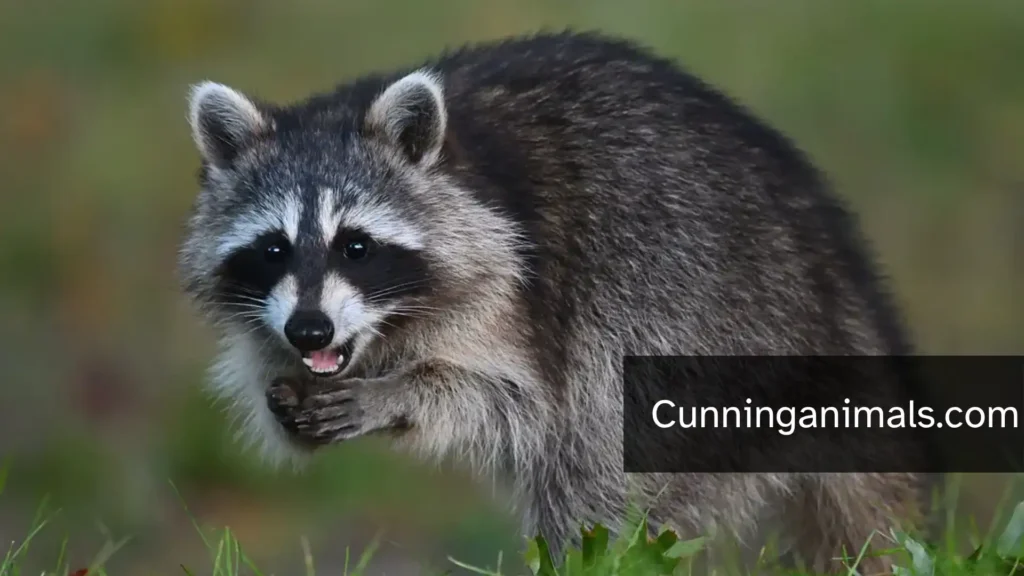
Their intelligence shines through in their problem-solving abilities, often using trial and error to navigate obstacles. This adaptability, coupled with their curiosity, makes raccoons one of the most cunning animals in urban settings.
Fork-tailed Drongo
Scientific Name: Dicrurus adsimilis
Class: Aves
Habitat: Savannas and open woodlands
The fork-tailed drongo is known for its ability to mimic the calls of other birds, using its cunning to deceive and steal food from various species. This mimicry enables the drongo to gain advantages in its environment, showcasing its cleverness.
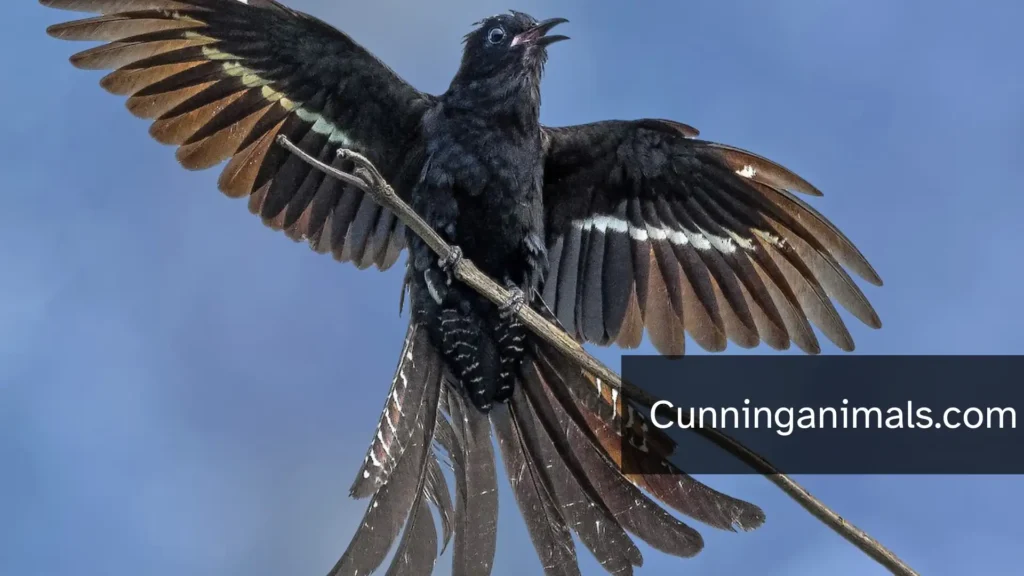
In social interactions, these birds exhibit strategic behavior, forming unique relationships with larger mammals that provide them with opportunities for scavenging. Their adaptability and cunning tactics highlight their niche within the ecosystem.
Kea Parrot
Scientific Name: Nestor notabilis
Class: Aves
Habitat: Alpine regions of New Zealand
The kea parrot stands out for its playful and intelligent behavior, often engaging in problem-solving and tool use. Their inquisitive nature drives them to explore and manipulate their surroundings, showcasing their cunning traits.
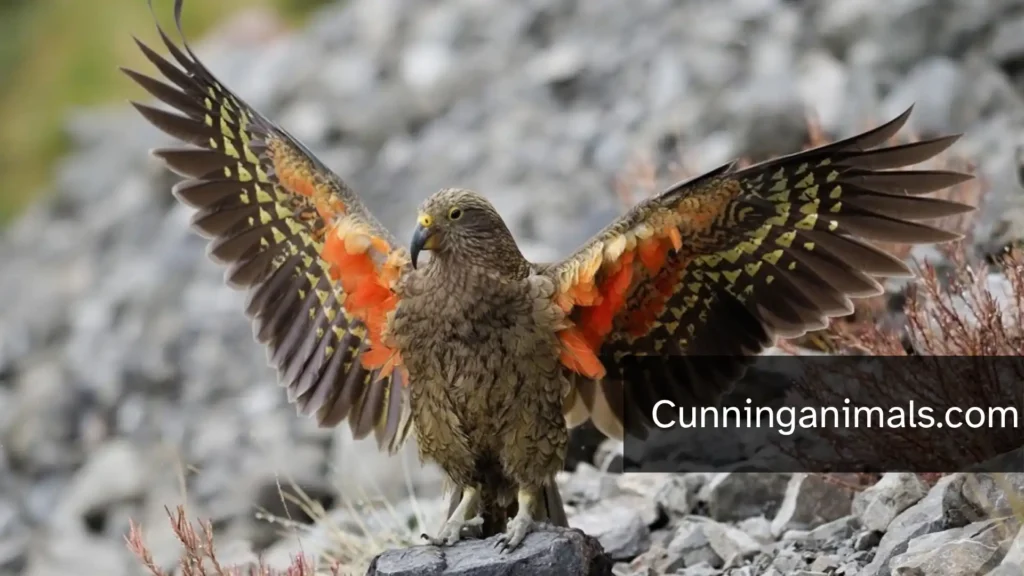
These parrots are known to challenge each other and even humans, demonstrating their sharp wits in social interactions. Their blend of intelligence and curiosity illustrates why they are considered one of the most cunning animals on the planet.
Spider Monkey
Scientific Name: Atelidae
Class: Mammalia
Habitat: Tropical forests across Central and South America
Spider monkeys are a fascinating embodiment of grace and agility, often remembered for their long limbs and prehensile tails that allow them to swing effortlessly through the treetops. These social animals typically live in groups, demonstrating strong bonds with each other, which speaks to the beauty of community and connection.
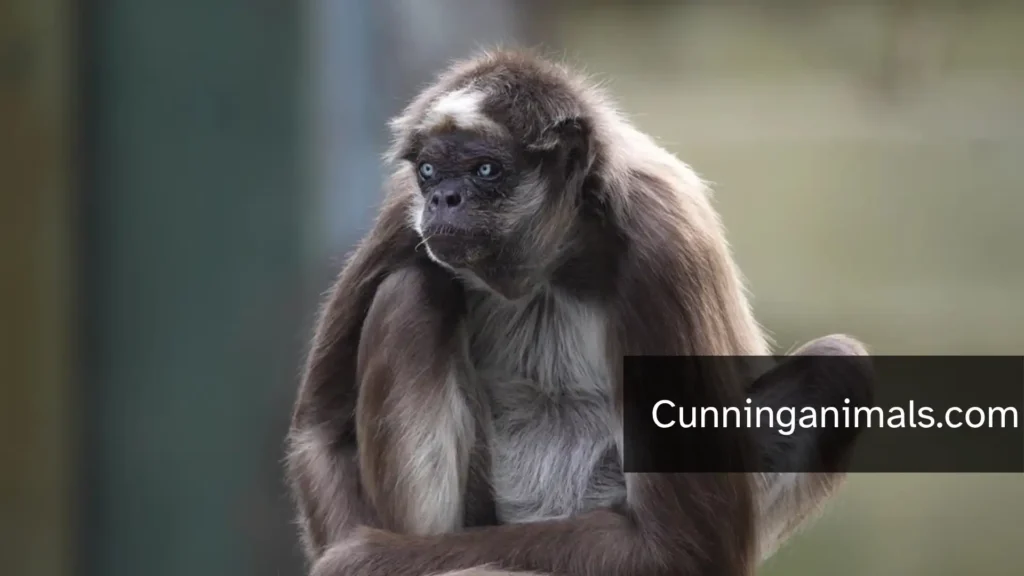
Their diet is predominantly made up of fruits, nuts, and flowers, making them pivotal in their ecosystem as dispersers of seeds. As they roam through the canopy, they help maintain the health of the forest, symbolizing the interconnectedness of life. These playful creatures remind us that even in the hustle and bustle of life, there is always a moment to appreciate teamwork and joy.
Western Scrub-Jay
Scientific Name: Aphelocoma californica
Class: Aves
Habitat: Wooded areas and suburban regions across the western United States
The Western Scrub-Jay is a true representative of resilience and adaptability, thriving in various environments while showcasing its striking blue and gray plumage. This intelligent bird stands out not just for its beauty, but for its intricate social behaviors and ability to cache food, demonstrating a remarkable wisdom often admired in nature.
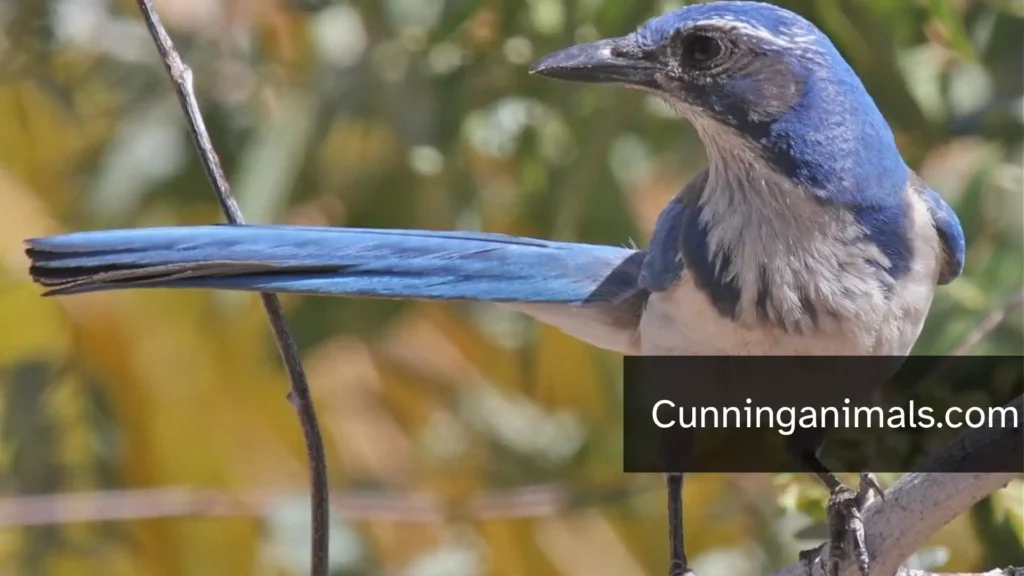
Their playful nature and keen curiosity lead them to explore their surroundings, making each discovery a potential lesson in gratitude for the little things in life. This bird is also known for its strong family bonds, often seen caring for its young or helping to feed the next generation. In many ways, the Western Scrub-Jay serves as a symbol of hope and love, encouraging us to nurture our relationships and remain engaged with the world around us.
Cunning Animals Vs Sneaky Animals
| Feature | Cunning Animals | Sneaky Animals |
| Strategy | Use intelligence, planning, and deception | Rely on stealth, camouflage, and surprise |
| Intelligence | High problem-solving and learning ability | Mostly instinct-based behavior |
| Hunting Style | Outsmart prey with clever tactics | Ambush prey without being noticed |
| Main Survival Method | Trickery, adaptation, and planning | Hiding, stalking, and remaining unseen |
| Examples | Red Fox, Chimpanzee, Crow, Octopus | Leopard, Owl, Cuttlefish, Leaf-tailed Gecko |
Amazing Facts About Cunning Animals
Cunning animals exhibit remarkable intelligence and resourcefulness that often leave us in awe. These creatures have evolved various strategies to adapt and thrive in their environments, showcasing their sharp instincts and problem-solving skills.
- Ravens can mimic human voices and even use tools to obtain food.
- Octopuses can escape enclosures by squeezing through tiny openings, showcasing unparalleled problem-solving abilities.
- The cuttlefish is a master of camouflage, changing its colors and textures to avoid predators.
- Foxes have been known to use stealth and cunning to outsmart their prey, employing clever tactics for hunting.
- Dolphins exhibit cooperative behavior, often working in groups to catch fish and communicate through complex vocalizations.
- The African grey parrot can not only mimic sounds but also demonstrate understanding of concepts like counting.
- Capuchin monkeys use stones as tools to crack open nuts, revealing their advanced craftsmanship.
- Crows have been observed dropping nuts onto roads, waiting for cars to crack them open and then retrieving the food afterward.
Why Are Some Animals So Cunning?
Cunning animals possess remarkable adaptations honed by evolutionary pressures, allowing them to exploit their environments effectively. Intelligence plays a pivotal role, enabling these creatures to navigate complex social structures and utilize tools, resulting in a rich tapestry of survival strategies that enhance their adaptability in varying ecosystems.
Memory and problem-solving skills further elevate their cunning nature. Animals with strong recall can anticipate food sources and predator behaviors, facilitating successful hunts and escapes. This cognitive prowess translates into tangible survival advantages, making cunning species not just survivors, but adept navigators of their dynamic worlds.
Conclusion
Cunning animals stand out in the animal kingdom for their remarkable problem-solving skills and social dynamics, making them truly fascinating subjects of study. Whether it’s the crafty raccoon or the brilliant parrot, sneaky animals employ a variety of tactics to maneuver through their ecosystems.
Their strategies not only reflect a high level of intelligence but also provide essential lessons on adaptability and survival. By observing these clever tricks, you can gain valuable insights into the intricacies of animal behavior and the importance of conservation efforts.
FAQs
What Animal Is Sly And Cunning?
The red fox is the animal most commonly described as sly and cunning. It relies on stealth, quick thinking, and strategic behavior to catch prey and avoid danger.
Which Animals Are Considered Cunning?
Many animals are considered cunning, including foxes, chimpanzees, octopuses, ravens, crows, coyotes, dolphins, orcas, raccoons, and kea parrots. They are known for their problem-solving skills and clever survival tactics.
Which Is A Cunning Animal?
A cunning animal is one that uses intelligence, planning, and deception to survive. Examples include the red fox, octopus, chimpanzee, raven, and coyote.
What Animal Is The Most Cunning?
The red fox is widely considered the most cunning animal because of its intelligence, adaptability, and ability to use clever hunting strategies to outsmart both predators and prey.