18 Stubborn Animals: Which Animal Is The Most Stubborn?
The world of stubborn animals is filled with surprising behaviors that challenge our expectations of wildlife. Featuring an array of the most stubborn animals on the planet, each species showcases traits that make them particularly resistant to control or change.
Knowing what animals are stubborn can enrich our understanding of animal behavior and perhaps even our own relationships with pets and wildlife. Let’s explore 18 remarkable examples, revealing the stories behind the most stubborn animals and what sets them apart.
What Makes An Animal Stubborn?
A stubborn animal exhibits a strong resistance to commands or changes in behavior, often defying expectations. For example, donkeys are renowned for their stubbornness; their independent nature can transform a simple task into a battle of wills.
Stubbornness in animals often stems from their instincts and personalities. Many creatures prioritize self-preservation and comfort, leading them to resist unfamiliar situations. Additionally, animals with strong social bonds, like dogs, might show stubborn behavior if they feel anxious or overwhelmed, emphasizing the importance of understanding their emotional state.
Top 18 Stubborn Animals
| Rank | Animal | Scientific Name | Class |
| 1 | Goat | Capra hircus | Mammalia |
| 2 | Donkey | Equus asinus | Mammalia |
| 3 | Mule | Equus mulus | Mammalia |
| 4 | Horse | Equus caballus | Mammalia |
| 5 | Cow | Bos taurus | Mammalia |
| 6 | Pig | Sus scrofa domesticus | Mammalia |
| 7 | Cat | Felis catus | Mammalia |
| 8 | Elephant | Elephas maximus | Mammalia |
| 9 | Buffalo | Bubalus bubalis | Mammalia |
| 10 | Llama | Lama glama | Mammalia |
| 11 | Camel | Camelus spp. | Mammalia |
| 12 | Alpaca | Vicugna pacos | Mammalia |
| 13 | Sheep | Ovis aries | Mammalia |
| 14 | Dog | Canis lupus familiaris | Mammalia |
| 15 | Yak | Bos grunniens | Mammalia |
| 16 | Deer | Cervidae | Mammalia |
| 17 | Raccoon | Procyon lotor | Mammalia |
| 18 | Badger | Mustelidae | Mammalia |
Goat
Scientific Name: Capra aegagrus hircus
Class: Mammalia
Habitat: Mountainous and hilly regions, farms
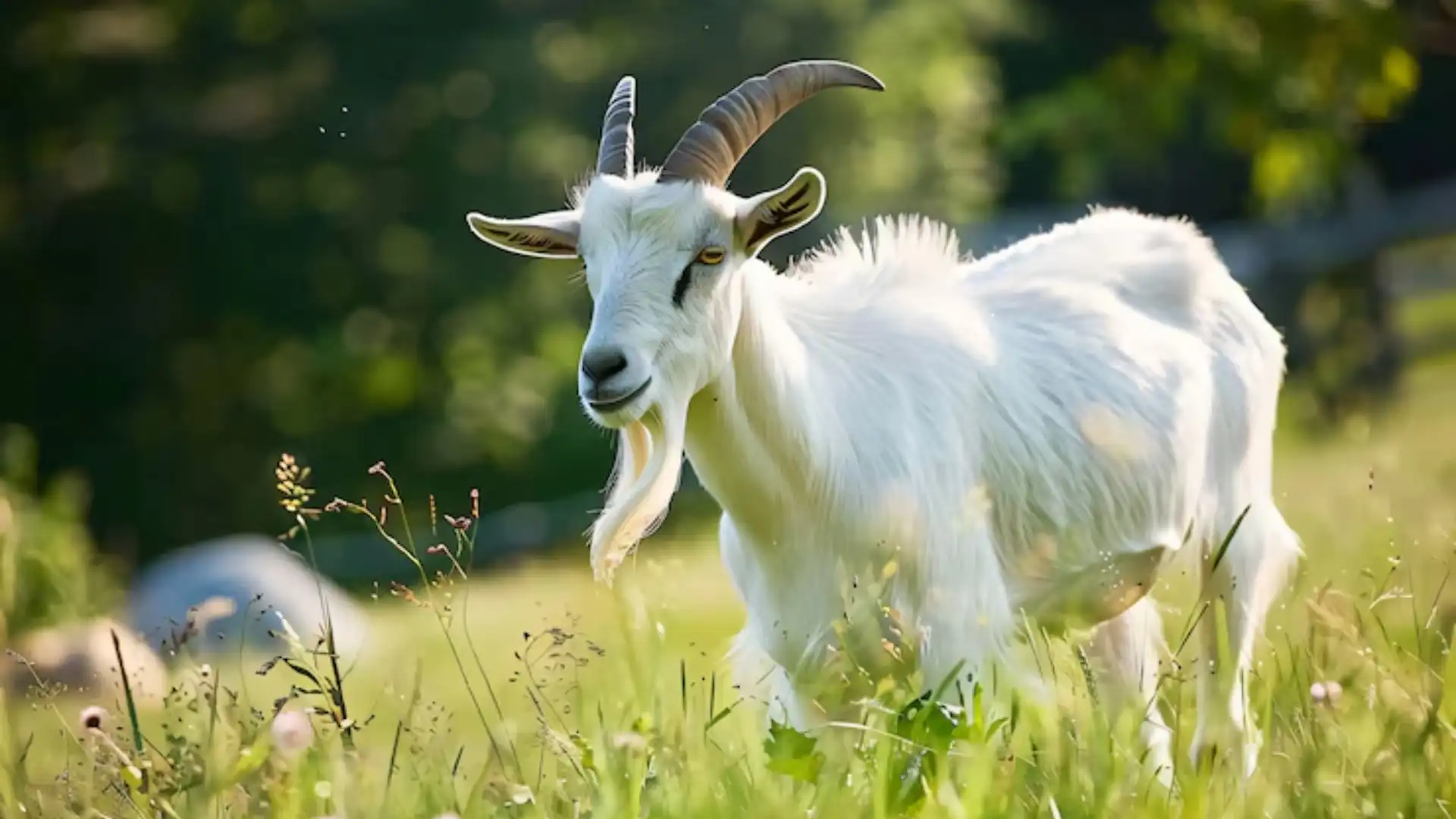
Goats are often regarded as one of the most stubborn animals due to their independent nature and stubbornness when faced with commands. Their unpredictable behavior makes them challenging for farmers, as they are known to rebel against being herded or confined, making them a true test of any livestock handler’s patience.
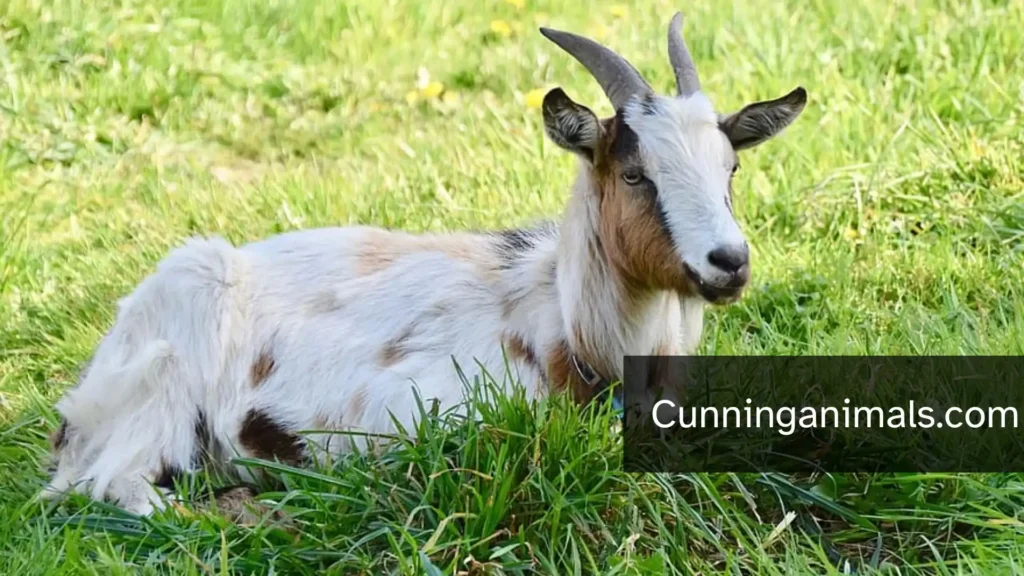
Their stubborn streak can also be a boon. Goats exhibit remarkable agility and curiosity, thriving in challenging terrains where other livestock cannot, making them excellent foragers and natural climbers. This adaptability has captured the fascination of many, changing perceptions about stubbornness in the animal kingdom; sometimes, stubbornness is simply a sign of resilience and strong will.
Donkey
Scientific Name: Equus africanus asinus
Class: Mammalia
Habitat: Arid and semi-arid regions
Known for their steadfastness, donkeys rank high on the list of what animals are stubborn. Often unfairly labeled as obstinate, this behavior stems from their intelligence and ability to assess risks, making them more discerning than many realize. When driven to do something they perceive as unsafe, they’ll resist emphasizing their instinct for self-preservation.
Moreover, donkeys are integral to sustainable farming and transport, highlighting that their stubbornness can also be an asset. Their strong social bonds and vocal communication establish them as invaluable companions on rural farms and in harsh environments, shifting the narrative of stubborn animals to one of enduring value and loyalty.
Mule
Scientific Name: Equus mulus
Class: Mammalia
Habitat: Varied inclines and farmland
Mules, a hybrid between a donkey and a horse, inherit the tenacity and steadfastness of their donkey parentage. Often regarded as one of the most stubborn animals, they possess an unparalleled work ethic yet can parallel the mule’s infamous reluctance to comply. This habit highlights their intelligence; they often weigh their options, preferring not to move if they sense danger.
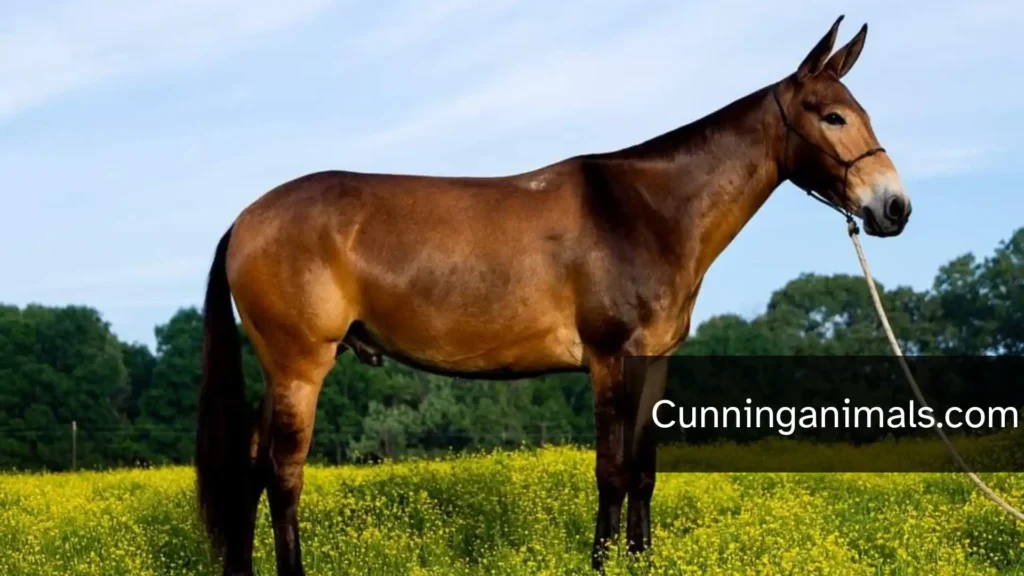
What sets mules apart is their extraordinary strength and endurance, making them essential in various agricultural settings. Their stubbornness, when understood, can be seen as a carefully calculated approach to ensuring their well-being, ultimately making them highly trustworthy companions in arduous tasks.
Horse
Scientific Name: Equus ferus caballus
Class: Mammalia
Habitat: Grasslands and open plains
Horses, known for their majestic beauty and athletic ability, also exhibit moments of stubbornness, earning their spot among the most stubborn animals. This can manifest as refusal to cooperate during training or while competing, often portraying a distinct personality that showcases their individuality. However, understanding their communication can reveal a keen intelligence rather than mere obstinacy.
Their ability to bond with humans is profound; many horses form deep connections with their riders. When this bond is nurtured, a horse can transform its stubbornness into an unwavering dedication, highlighting the essential role of mutual respect in the human-animal relationship.
Cow
Scientific Name: Bos taurus
Class: Mammalia
Habitat: Grasslands and farms
Cows are often perceived as docile creatures, but they can display a stubborn side that surprises many. When faced with stressful situations or sudden changes, they may dig in their heels, exhibiting behaviors that some label as obstinate. This resistance is often a reflection of their strong herd instincts and need for calmness.
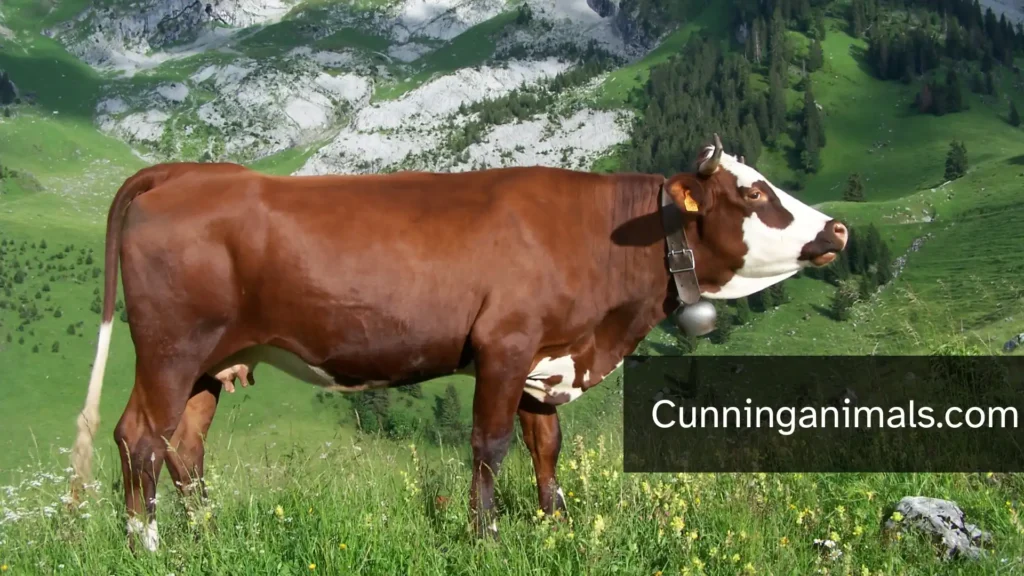
Nevertheless, cows offer invaluable contributions to agriculture, providing milk, meat, and even companionship. Their unique personalities, often overlooked due to their size, can include affectionate behaviors that challenge the notion of stubborn animals, making them complex beings with rich emotional lives.
Pig
Scientific Name: Sus scrofa domesticus
Class: Mammalia
Habitat: Farms and wooded areas
Pigs are frequently associated with stubbornness, as they can be resistant to training and commands. Known as some of the most intelligent animals, this behavior often stems from their innate curiosity and desire to explore their surroundings. When they latch onto something more interesting, they can seem obstinate, reflecting their need for stimulation rather than disobedience.
In contrast to their stubborn reputation, pigs are highly social creatures that thrive on learning and interaction. Their playful and intelligent nature, combined with a strong emotional capacity, provides a compelling argument against viewing them merely as stubborn animals, showcasing their depth and complexity.
Cat
Scientific Name: Felis catus
Class: Mammalia
Habitat: Domestic environments, urban and rural areas
Cats often epitomize stubbornness and independence, casting them as one of the most stubborn animals in the pet world. They seemingly operate on their own agenda, frequently ignoring commands and displaying a unique sense of sovereignty over their environments. Their instincts are sharp; when challenged, they may choose to withdraw rather than engage, further solidifying their reputation.
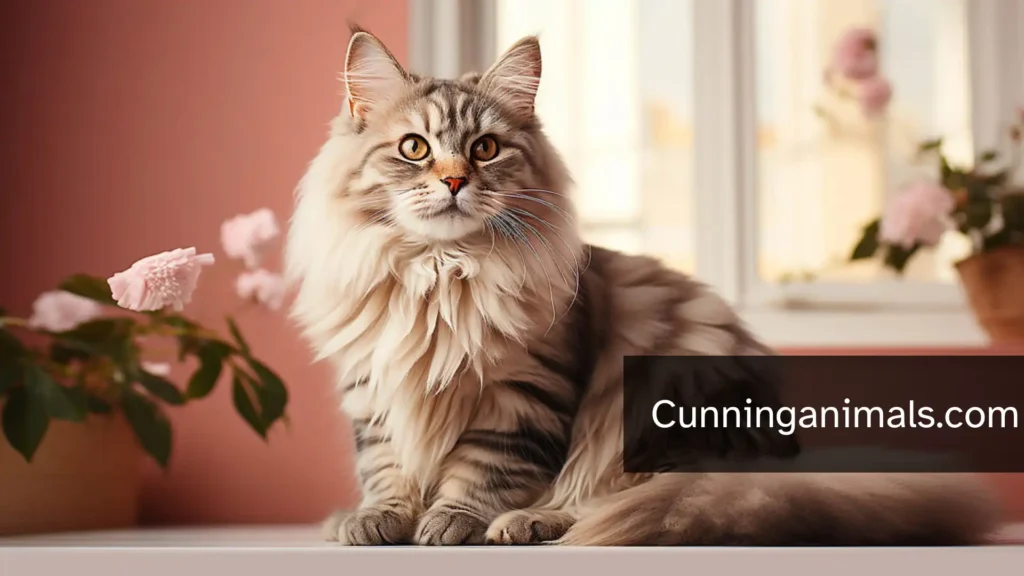
Despite this behavior, cats possess a remarkable capacity for affection and connection. Owners often find themselves charmed by their quirky attitudes, which highlight that stubbornness may simply be a part of their enigmatic charm rather than an unfriendly disposition.
Elephant
Scientific Name: Elephas maximus
Class: Mammalia
Habitat: Savannas, forests, and grasslands
Elephants, revered for their intelligence and strong familial bonds, can exhibit stubbornness that surprises many. Their memory, often cited as one of their defining traits, also informs their reluctance to move towards perceived threats or uncomfortable situations, leading some humans to misconstrue this behavior as obstinacy.
Beyond their stubborn moments lies their incredible capacity for empathy and social understanding, which enrich their relationships within the herd. As some of the largest land mammals, their presence is a poignant reminder of the complexity and depth of animal behavior, reshaping how we interpret stubbornness in such magnificent beings.R
Read also 14 Animals That Are Humble: Gentle Creatures That Represent Humility
Buffalo
Scientific Name: Bubalus bubalis
Class: Mammalia
Habitat: Wetlands and grasslands
Buffalo are often seen as stubborn animals, especially when they feel threatened or faced with the unfamiliar. Their powerful build and thick skin provide them with the confidence to stand their ground, making them formidable creatures in the wild. This stubbornness can also be viewed as a protective trait, allowing them to adapt and thrive in various habitats.
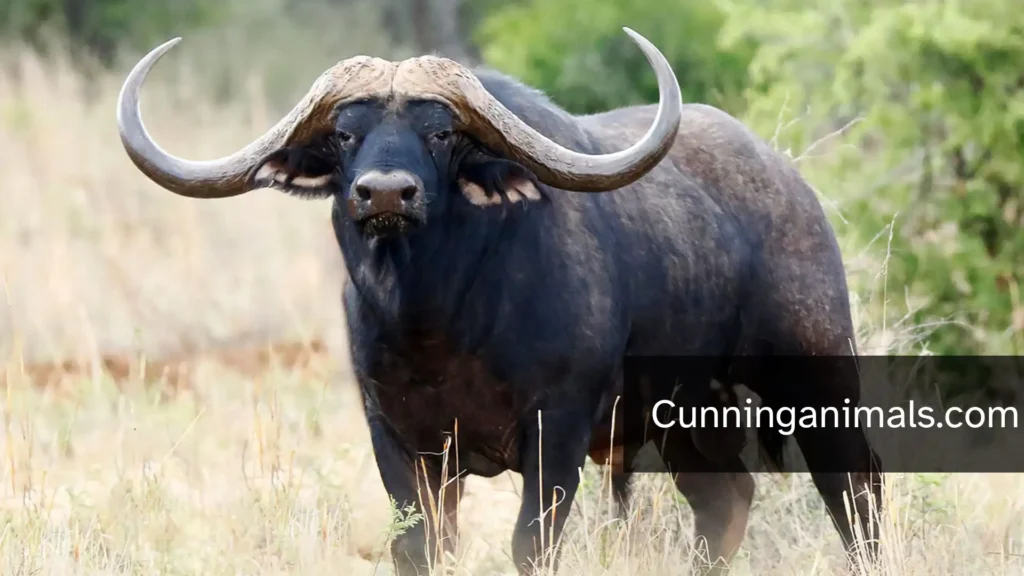
Buffalo are culturally significant in many regions of the world, often serving as sources of livelihood and companionship for farmers. Their social structures and herd behavior underline an intricate balance between stubbornness and cooperation, manifesting the dual aspects of their nature.
Llama
Scientific Name: Lama glama
Class: Mammalia
Habitat: Andes mountains and high-altitude regions
Llamas are renowned for their stubbornness, often refusing to cooperate during training or while being shepherded. This behavior, while frustrating, underscores their intelligence and strong will, as they possess the ability to assess situations and often prioritize their comfort and safety. Their independent spirit is both a challenge and a charm for those who work with them.
Despite their stubborn reputation, llamas are incredibly social animals that thrive in herds. Their warm, gentle demeanor can provide companionship and support, showing that stubbornness in llamas is layered with personality and social connectivity, making them valuable members of the animal kingdom.
Camel
Scientific Name: Camelus dromedarius
Class: Mammalia
Habitat: Deserts and arid regions
Camels are famous for their stubbornness, a trait that stems from their strength of character and instinct to conserve energy in harsh desert environments. When they decide to refuse commands, it’s often a calculated decision based on their careful assessment of surroundings. This behavior can make training challenging but highlights their independence.
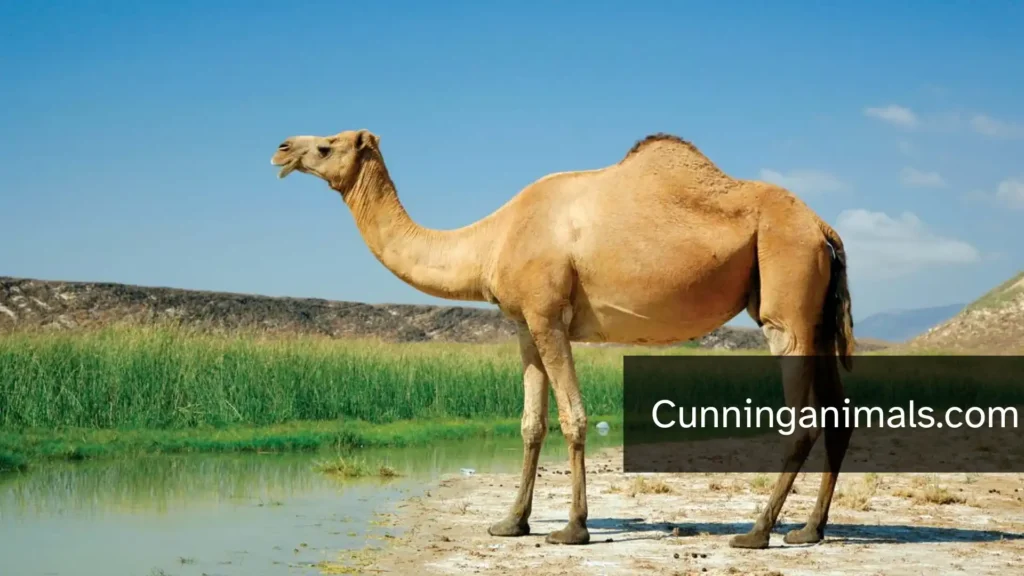
Camels are essential for transportation and trade, showcasing their adaptability in some of the planet’s toughest climates. Their stubbornness, often seen as a negative, can also reflect a profound resilience, making them remarkably capable animals that thrive where many cannot.
Alpaca
Scientific Name: Vicugna pacos
Class: Mammalia
Habitat: Mountainous regions in South America
Alpacas, akin to their llama relatives, display a stubborn streak that can sometimes frustrate their handlers. While they are generally more docile, their inquisitive nature can lead them to stand firm against commands, illustrating their strong sense of agency. This strikes a balance between independence and the need for companionship, showcasing their nuanced personalities.
Alpacas are also adaptive grazers, thriving in high-altitude environments. Their soft wool and gentle demeanor make them favorable for both farming and as pets, suggesting that their stubbornness can often be a blend of playful spirit and the need for reassurance and care.
Sheep
Scientific Name: Ovis aries
Class: Mammalia
Habitat: Grasslands and farms
Sheep are frequently labeled among the most stubborn animals, especially when it comes to herding or moving about. Their tendency to stay in a flock means they can resist changes, leading farmers to perceive their behavior as obstinacy. This instinct, however, is a vital survival mechanism in the wild.
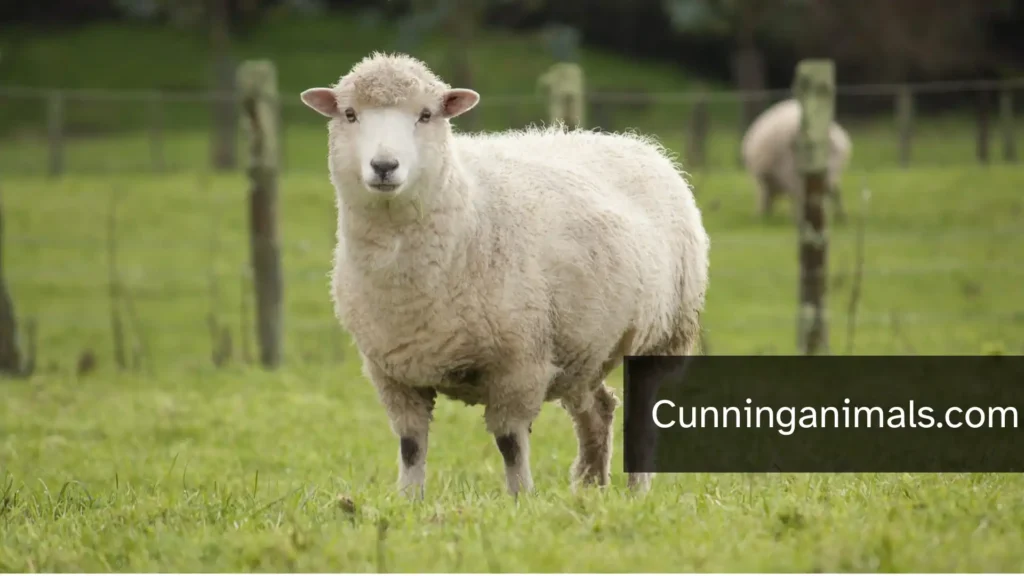
When approached with care, sheep can be surprisingly affectionate and social, thriving on companionship. Their behaviors often reflect a complex blend of instinctive need for safety and herd dynamics, challenging the notion that stubbornness is merely a negative trait.
Dog
Scientific Name: Canis lupus familiaris
Class: Mammalia
Habitat: Domestic environments worldwide
Dogs are known for their loyalty and companionship, but they can also exhibit stubbornness, particularly when they perceive commands as unnecessary or if they are easily distracted. Breeds like the Bulldog or the independent Afghan Hound are often highlighted as some of the most stubborn animals, showcasing strong personalities that can challenge their trainers.
Their stubbornness often masks a deep intelligence and emotional capacity. With proper training and bonding, dogs can shift this behavior into a willingness to cooperate, illustrating that their strong-willed nature can also foster resilience and loyalty in partnerships with humans.
Yak
Scientific Name: Bos grunniens
Class: Mammalia
Habitat: High-altitude ranges in Central Asia
Yaks, known for their incredible strength and resilience, can be surprisingly stubborn, especially when navigating steep terrains or during harsh winter conditions. This stubbornness often reflects their instinctual understanding of their environment, as they are cautious and calculated movers, critical traits for survival in challenging landscapes.
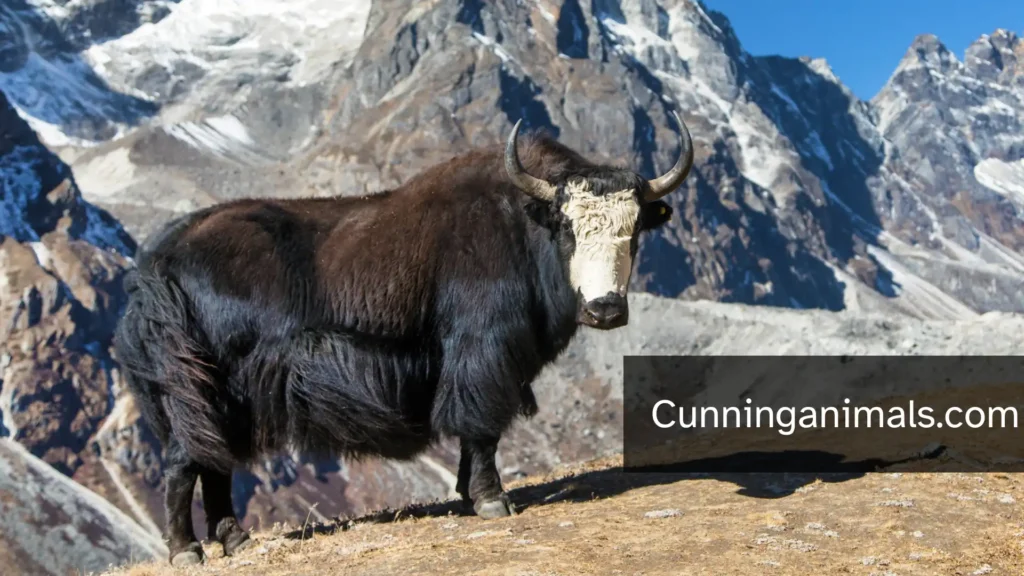
Yaks are also vital to the livelihood of many high-altitude communities, serving as pack animals and sources of milk and fiber. Their complex nature illustrates how stubbornness can be a protective and adaptive trait, vital for their thriving existence in rugged surroundings.
Deer
Scientific Name: Cervidae family
Class: Mammalia
Habitat: Forests, grasslands, and savannas
Deer are often perceived as elusive yet stubborn animals, particularly when they choose to stand their ground rather than flee. This behavior can seem obstinate, but it’s important to recognize that it stems from their instinctual awareness and readiness to react to potential threats in their surroundings.
Their agility and grace add additional layers to their stubborn beauty; they are able to navigate diverse habitats with ease. Deer remind us that what can be interpreted as stubbornness often results from a nuanced interaction with their environment, showcasing their remarkable adaptability.
Raccoon
Scientific Name: Procyon lotor
Class: Mammalia
Habitat: Urban settings, forests, and wetlands
Raccoons are often characterized by their notorious stubbornness, particularly when foraging for food or navigating their environments. Their agile dexterity allows them to manipulate their surroundings, giving them a reputation for refusal when faced with obstacles. This adaptability makes them one of the most clever and resourceful animals in urban areas.
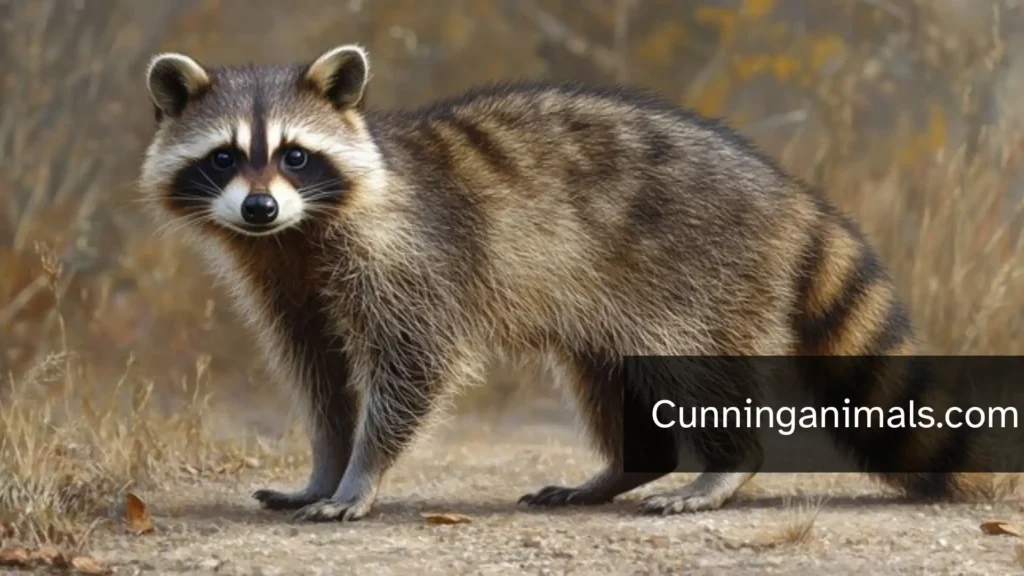
While they may seem obstinate when they outsmart traps or evade capture, their intelligence shines through in their problem-solving abilities. Raccoons display a fascinating balance between playful exploration and apparent stubbornness, revealing a layered personality that endears them to many wildlife enthusiasts.
Badger
Scientific Name: Meles meles
Class: Mammalia
Habitat: Woodlands and grasslands
Badgers are often seen as some of the most stubborn animals, fiercely protective of their burrows and fiercely resisting intruders or even humans during encounters. Their determined nature makes them formidable creatures, often standing their ground rather than retreating. This attitude reflects their fierce independence and readiness to defend their territory.
Their complex social structures and communication skills reveal a softer side. Badgers play essential roles in their ecosystems by controlling pest populations, showcasing that their stubbornness is a meaningful part of their survival strategies in a world full of challenges.
Interesting Facts About Stubborn Animals
Stubborn animals often demonstrate their refusal to budge through body language and vocalizations. Understanding the motivations behind their behavior can provide insights into their personalities. For instance, while donkeys may appear obstinate, their actions are typically rooted in caution and wisdom.
- Donkeys are often considered the most stubborn animals due to their strong sense of self-preservation.
- Cattle can be notoriously stubborn, refusing to move if they feel threatened or cornered.
- Cats display stubbornness uniquely, often ignoring commands simply because they choose to.
- Elephants are highly intelligent and can show stubborn behavior, especially when they disagree with their herd’s decisions.
- Despite their reputation, pigs can be stubborn when they have made up their minds about a food source.
- The capybara, although generally sociable, can be stubborn when it comes to establishing its territory.
- Goats tend to exhibit stubbornness when climbing or navigating terrain, as they are determined to reach higher ground.
Conclusion
The journey through the world of stubborn animals reveals just how diverse and fascinating these creatures can be. As we’ve seen, different animals showcase varying degrees of stubbornness, each raising the question of what animals are stubborn in their own right.
Among them, some of the most stubborn animals stand out for their remarkable persistence and willful nature. Recognizing these traits can help pet owners and animal enthusiasts alike better understand and respect the character of their furry or not-so-furry companions.
FAQS
What Animal Is known To Be Stubborn?
The donkey is one of the animals most commonly associated with stubbornness. However, what looks like stubbornness is often a donkey’s natural caution and reluctance to enter situations it considers unsafe.
Which Is The Most Stubborn Animal In The World?
There is no scientifically proven “most stubborn” animal, but the donkey is probably the best-known example. Donkeys are independent, cautious, and can strongly resist being forced into something they do not trust.
What Are Some Rebellious Animals?
Some animals often described as rebellious or independent include cats, donkeys, goats, raccoons, foxes, and chimpanzees. Their curiosity, independence, and willingness to challenge situations make them popular symbols of rebelliousness.
What Animal Is lazy But Strong?
The bear can fit this description well. Bears spend significant amounts of time resting and sleeping, yet they are remarkably powerful animals capable of impressive bursts of strength.
Which Animal Is known For Laziness?
The sloth is the animal most famously associated with laziness because of its extremely slow movements and long periods of rest. However, its slow lifestyle is an adaptation that helps it conserve energy rather than simple “laziness.”