Top 8 Marmots In North America (Types, Pictures, Facts & Identification Guide)
Marmots in North America are some of the most fascinating creatures to observe in the wild. With their stocky bodies and impressive digging abilities, these large ground squirrels play a crucial role in their ecosystems.
Understanding the different types of marmots and their unique characteristics not only enriches our appreciation of wildlife but also enhances our knowledge about North American biodiversity. In this article, let’s explore the top eight marmot species, providing identification tips, stunning pictures, and captivating facts that will deepen your connection to these remarkable animals.
What Are Marmots?
Marmots, belonging to the squirrel family Sciuridae, are fascinating creatures that stand out as some of the largest members of the ground squirrel group. Particularly the North American marmot, known for its striking coloration and robust size, showcases impressive burrowing abilities, creating extensive underground networks that serve as their homes and protection from predators.
During the frigid winter months, many marmot species hibernate, entering a state of dormancy that helps them conserve energy until the spring thaw. Their communication skills are equally noteworthy; marmots use a series of whistles, alarm calls, and body language to convey alerts and maintain social cohesion within their groups.
Marmots In North America: Quick Facts
| No. | Marmot Species | Scientific Name | Main Region | Habitat |
| 1 | Woodchuck (Groundhog) | Marmota monax | Eastern and Central North America | Fields and forests |
| 2 | Yellow-Bellied Marmot | Marmota flaviventris | Western North America | Rocky slopes and meadows |
| 3 | Hoary Marmot | Marmota caligata | Northwestern North America | Mountains and alpine areas |
| 4 | Olympic Marmot | Marmota olympus | Washington, USA | Alpine meadows |
| 5 | Alaska Marmot | Marmota broweri | Northern Alaska | Rocky mountain areas |
| 6 | Vancouver Island Marmot | Marmota vancouverensis | British Columbia, Canada | Mountain slopes |
| 7 | Woodchuck-Type Marmot Populations | Marmota monax | Eastern North America | Woodland edges and farmland |
| 8 | Menzbier’s Marmot / Northern Relative | Marmota menzbieri | North American comparative context | Mountain regions |
Woodchuck (Groundhog)
Scientific Name: Marmota monax
Class: Mammalia
Diet: Herbivore
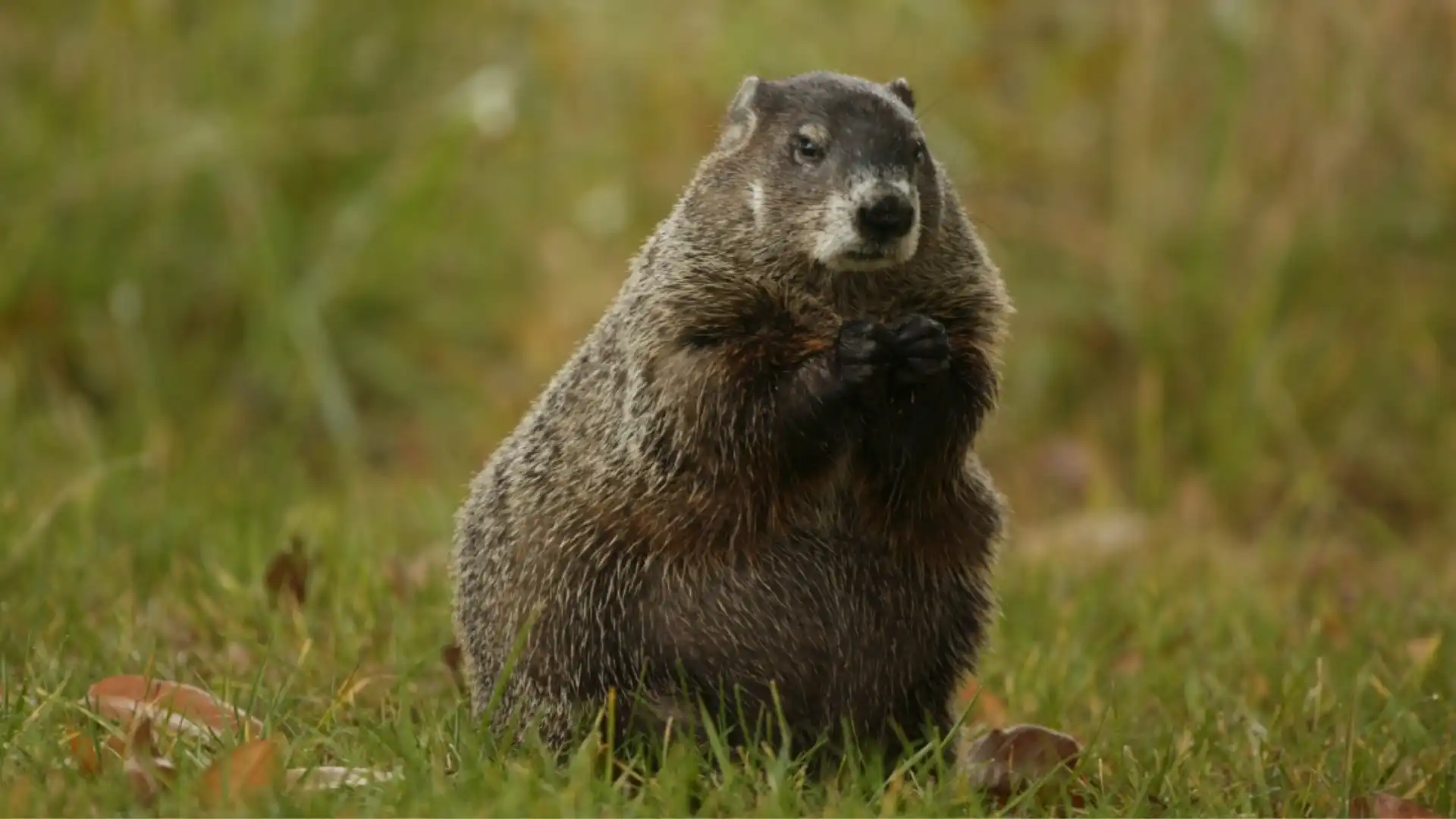
The woodchuck, commonly known as the groundhog, is a familiar sight across eastern North America, often recognized for its role in folklore as a weather prognosticator. These versatile burrowers feast on a variety of plants, from tender shoots to flowers, adapting their diet seasonally to maximize their nutritional intake.

The woodchuck’s burrowing habits and plant-based diet closely resemble those of other backyard visitors gardeners often confuse with each other. If you’ve ever wondered how to tell a groundhog apart from similar diggers, our guide to animals like groundhogs breaks down the key differences in appearance and behavior.
Woodchucks are remarkable architects, creating extensive underground homes that can stretch over 30 feet. Their hibernation behavior, which typically starts in late fall, allows them to conserve energy during harsh winters, making them a crucial player in the ecosystem.
Yellow-Bellied Marmot
Scientific Name: Marmota flaviventris
Class: Mammalia
Diet: Herbivore
The yellow-bellied marmot is typically found in the mountainous regions of western North America, where they thrive in meadows and rocky slopes. With striking golden coats and distinct yellow bellies, they play an essential role in their habitat, acting as prey for various predators and helping to aerate the soil through their burrowing.
These marmots are known for their social structures and vocal communication, often living in colonies that provide safety in numbers. Living in colonies isn’t unique to marmots many mammals rely on group living for safety, foraging efficiency, and raising young. You can explore more examples of this behavior in our roundup of animals that live in groups, which covers species from across the animal kingdom.
Hoary Marmot
Scientific Name: Marmota caligata
Class: Mammalia
Diet: Herbivore
Characterized by their thick, grizzled fur, hoary marmots are native to the alpine regions of western North America. Often seen basking on sunlit rocks, they enjoy a diet primarily consisting of grasses, herbs, and wildflowers, which they skillfully harvest even in the harsh alpine environment.

Hoary marmots are often referred to as “whistle pigs” due to their distinctive alarm calls that resonate through their rocky habitats. They are social creatures, often found in groups, which helps them maintain vigilance against predators while foraging or basking.
Their compact, rounded features, including small ears tucked close to the head, help hoary marmots minimize heat loss in freezing alpine conditions. This is a common adaptation among cold-climate mammals, which you can read more about in our piece on animals with small ears.
Olympic Marmot
Scientific Name: Marmota olympus
Class: Mammalia
Diet: Herbivore
Endemic to the Olympic Mountains in Washington State, the Olympic marmot stands out with its dark brown fur and relatively large size. Their diet is varied but primarily includes grasses and flowering plants, which are abundant in their lush mountainous habitat.
These marmots are known for their unique social structures, often forming small colonies. They are critical to their ecosystem, not only as grazers but also as prey for local predators, showcasing the balance of life within their mountainous domain.
Alaska Marmot
Scientific Name: Marmota broweri
Class: Mammalia
Diet: Herbivore
The Alaska marmot is a lesser-known species, isolated to the mountainous terrains of Alaska. With its dense fur and robust build, it thrives in colder climates and relies on a diet rich in sedges and other hardy vegetation.
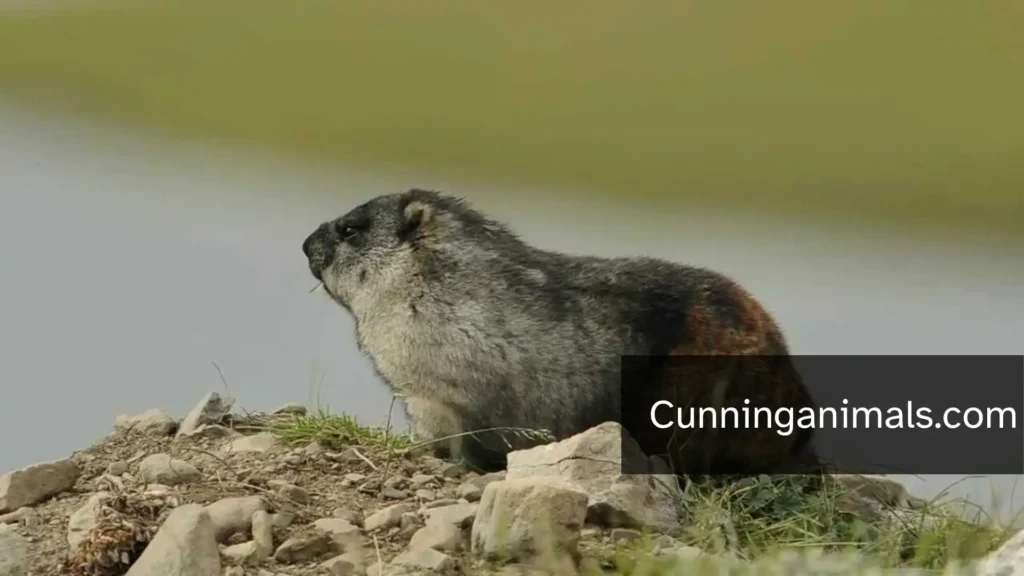
These marmots are social animals that utilize various vocalizations to communicate, especially during breeding seasons. As their population dynamics are closely linked to climate patterns, studying them offers insights into environmental changes in the Arctic regions.
Vancouver Island Marmot
Scientific Name: Marmota vancouverensis
Class: Mammalia
Diet: Herbivore
Native to the coastal rainforests and alpine meadows of Vancouver Island, the Vancouver island marmot is critically endangered. Their diet consists mainly of forbs and grasses, playing a vital role in their habitat while supporting the diverse ecosystem in which they live.
Conservation efforts have become crucial for this species, with initiatives aimed at habitat restoration and population recovery. Their plight symbolizes broader environmental concerns, highlighting the need for sustainable practices in preserving biodiversity.
Woodchuck-Type Marmot Populations
Scientific Name: Various species
Class: Mammalia
Diet: Herbivore
Woodchuck-type marmots exemplify the diverse adaptations within the marmot family, spanning various habitats and climates across North America. While they share a common lineage, their behavioral traits and dietary preferences can vary significantly, showcasing nature’s incredible adaptability.

Research into these populations provides valuable insights into the impacts of habitat loss and climate change on their survival. Understanding their populations aids in developing conservation strategies, ensuring these relatives continue to thrive across diverse landscapes.
Menzbier’s Marmot / Northern Relative
Scientific Name: Marmota menzbieri
Class: Mammalia
Diet: Herbivore
This lesser-known species, Menzbier’s marmot, hails from the mountainous regions across Asia, with populations extending into Northern parts of the continent. They are important for studying marmot phylogenetics and the evolution of these fascinating rodents in colder climates.
Their diet mainly consists of grasses and roots, emphasizing the interdependence of local flora and fauna. Understanding Menzbier’s marmot enriches the knowledge of marmots in North America and emphasizes the need for ongoing research into their adaptive traits and conservation.
Amazing Facts About Marmots
- Marmots in North America are known for their social structures, often living in colonies that can number up to 20 individuals.
- These adaptable rodents are excellent foragers, feasting on grasses, herbs, and even flowers during the warmer months.
- Some marmots are particularly skilled at creating intricate burrow systems, which can span several meters and involve multiple chambers.
- During hibernation, a marmot’s heart rate can drop to as low as 4 beats per minute, conserving energy during their long months of dormancy.
This dramatic slowdown reflects just how much energy conservation matters for marmots during the colder months. Other creatures take a similar approach to survival, and our list of slow animals looks at species that have evolved to move and live at a much slower pace. - Marmots communicate with each other using a variety of vocalizations, including chirps and growls, making their social interactions fascinating to observe.
- Not only do marmots play a pivotal role in their ecosystems as herbivores, but they also aerate the soil with their burrowing activities, which benefits plant growth.
- The alpine marmot, specifically found in the Rocky Mountains, is highly adapted to extreme weather, showcasing unique behaviors to cope with harsh winter conditions.
- Studies have shown that these mammals can recognize individual calls, indicating a level of social intelligence that is quite remarkable for their family.
Conclusion
Understanding the variety of marmots in North America enriches our appreciation for these unique creatures. With different types of marmot species thriving in diverse habitats, these small mammals play vital roles in their ecosystems.
Whether you’re excited about observing their behavior in the wild or simply intrigued by their characteristics, learning about the various types of marmot can enhance your outdoor experiences. From the iconic yellow-bellied marmot to the rare Olympic marmot, each species presents its own fascinating attributes.
FAQs
What Are Marmots Known For?
Marmots are best known for their stocky bodies, powerful digging abilities, underground burrows, loud warning calls, and long periods of hibernation. Many people also know the woodchuck, or groundhog, which is one of the most familiar marmots in North America.
What Animal Eats A Marmot?
Marmots are prey for several predators, including wolves, coyotes, foxes, bobcats, eagles, hawks, owls, and bears. Young marmots are particularly vulnerable to predators, while adults rely on their burrows, warning calls, and alertness for protection.
Are Marmots Friendly To Humans?
Marmots are generally not aggressive toward humans, but they are wild animals and usually prefer to avoid close contact. They may bite or scratch if they feel threatened, so it is best to observe marmots from a respectful distance and avoid feeding or handling them.
Where Are Marmots Found In North America?
Marmots are found across many parts of North America, including eastern forests, western mountains, alpine meadows, rocky slopes, grasslands, Alaska, and British Columbia. Different marmot species live in different regions depending on their habitat and climate preferences.