
Top 17 Cleanest Animals in the World: Amazing Hygiene Habits
Among the myriad of species that inhabit our planet, a select few stand out as the cleanest animals in the world, showcasing astounding hygiene habits that rival our own. Not only do these remarkable creatures take cleanliness to the next level, but they also provide insights into how hygiene plays a vital role in their survival and interactions.
Understanding the top 10 cleanest animals in the world broadens our perspective on nature’s intricacies and highlights the importance of cleanliness in the animal kingdom. In this article, you’ll explore 17 of these awe-inspiring beings, discover their unique habits, and learn why they are celebrated as the cleanest animals.
What Are The Cleanest Animals In The World?
Some animals are celebrated for their cleanliness, showcasing behaviors like grooming, preening, and maintaining tidy nests. Rather than an official ranking, the cleanliness of animal species often varies based on their natural behaviors and habitats.
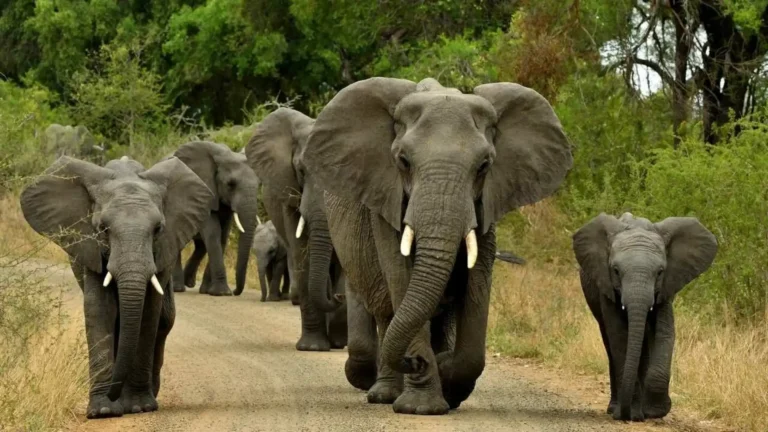
For instance, elephants, with their daily dust baths, not only keep pests at bay but also protect their skin from the sun. Birds like the Eurasian Magpie display impressive grooming skills, utilizing their beaks to keep their feathers pristine. Moreover, social insects like ants and bees maintain highly organized colonies, ensuring their living environments remain clutter-free.
Top 17 Cleanest Animals In The World (With Comparison Table)
| Animal | Scientific Name | Class | Main Cleaning Habit |
| Cat | Felis catus | Mammalia | Self-grooming |
| Polar Bear | Ursus maritimus | Mammalia | Grooming and rubbing in snow |
| Rabbit | Oryctolagus cuniculus | Mammalia | Frequent grooming |
| Deer | Cervidae | Mammalia | Coat grooming |
| Raccoon | Procyon lotor | Mammalia | Tactile exploration and grooming |
| Squirrel | Sciuridae | Mammalia | Fur grooming |
| Sea Otter | Enhydra lutris | Mammalia | Maintaining insulating fur |
| Beaver | Castor canadensis | Mammalia | Fur grooming |
| Hamster | Mesocricetus auratus | Mammalia | Self-grooming |
| Ant | Formicidae | Insecta | Social grooming and nest maintenance |
| Badger | Meles meles | Mammalia | Maintaining setts and grooming |
| Songbird | Varies by species | Aves | Feather preening and bathing |
| Bird of Paradise | Paradisaeidae | Aves | Feather preening |
| Elephant | Loxodonta africana / Elephas maximus | Mammalia | Dusting and mud bathing |
| Tiger | Panthera tigris | Mammalia | Licking and grooming fur |
| Horse | Equus caballus | Mammalia | Grooming and mutual grooming |
| Chimpanzee | Pan troglodytes | Mammalia | Social grooming |
Cats
Scientific Name: Felis catus
Class: Mammalia
Habitat: Domestic environments
Cats, with their graceful movements and curious nature, have captivated humans for thousands of years. These independent creatures often bring warmth and companionship into our lives, curling up beside us as we navigate the challenges of the day. Their soothing purr is more than just a sound; it’s a reminder of comfort and peace amid life’s chaos.
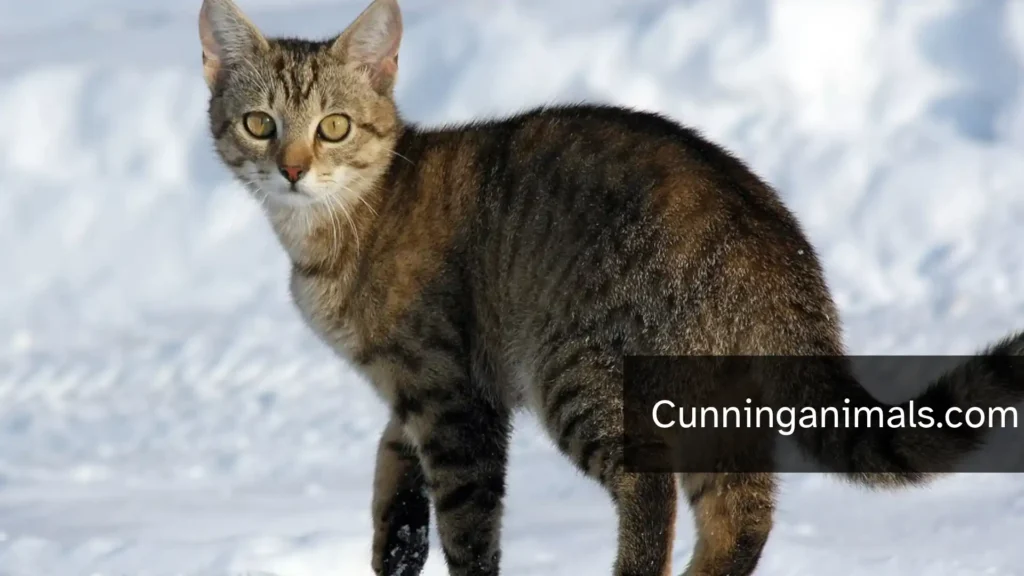
Beyond their playful antics, cats possess a unique ability to sense our emotions. They often become our silent healers, providing solace during tough times. Their enchanting presence encourages us to slow down and appreciate the simple joys, reminding us that love often comes in the softest of forms.
Polar Bears
Scientific Name: Ursus maritimus
Class: Mammalia
Habitat: Arctic regions
Polar bears are majestic giants of the Arctic, embodying the spirit of resilience in some of the planet’s harshest conditions. Their striking white fur serves as a beautiful reminder of the purity of nature, while their powerful presence evokes a sense of awe. As they roam the icy landscapes, they thrive in an environment that seems unforgiving, showing us the strength that comes from adapting to our surroundings.
These magnificent creatures play a vital role in their ecosystem, serving as a symbol of climate’s delicate balance. Watching a polar bear navigate through its realm can inspire a deeper connection to our planet and its many challenges. In their struggle for survival, we find a reflection of our own journeys teaching us about persistence, hope, and the importance of preserving our natural world.
Rabbits
Scientific Name: Oryctolagus cuniculus
Class: Mammalia
Habitat: Meadows and forests
Rabbits bring a touch of whimsy to our gardens and backyards, their playful hops and gentle demeanor brightening any day. With their soft fur and curious nature, these creatures remind us of the joy that exists in simple moments be it a sunlit afternoon or a quiet evening. Their joyful spirit teaches us the beauty of living in the moment and celebrating life’s little pleasures.
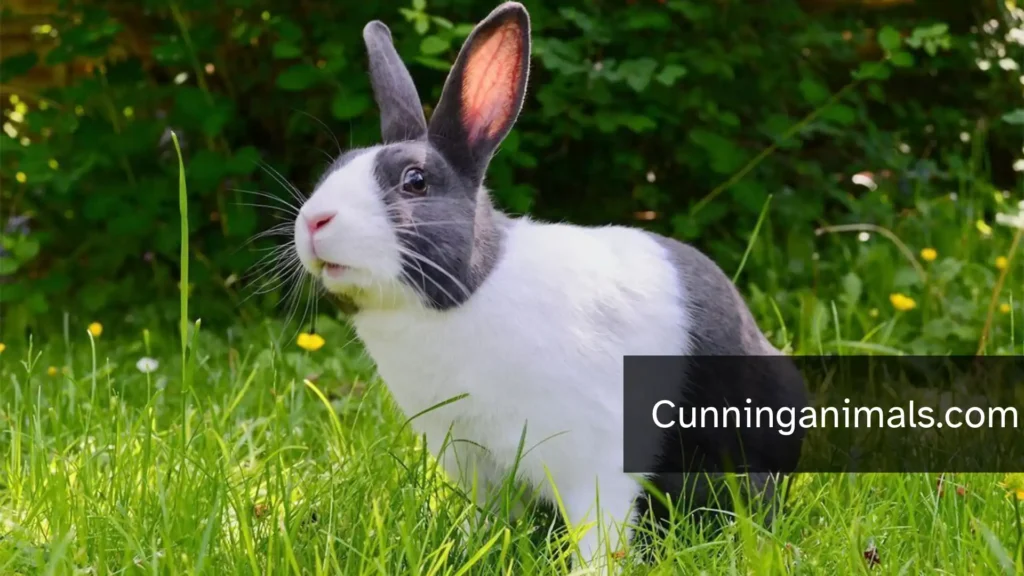
Beyond their enchanting appearance, rabbits symbolize fertility and renewal, often linked to the changing seasons. Their ability to adapt and thrive has been a source of inspiration across cultures. Rabbits encourage us to embrace new beginnings and to find joy in the journey, reminding us of the abundance life can offer.
Deer
Scientific Name: Cervus elaphus
Class: Mammalia
Habitat: Forests and grasslands
Deer embody grace and tranquility, moving silently through the woods with an elegance that captivates anyone fortunate enough to witness them. Their gentle eyes reflect a quiet wisdom and connection to nature, serving as a reminder of the peace that exists when we live in harmony with our surroundings. Each encounter with these graceful animals invites us to slow down and appreciate the beauty around us.
These creatures also symbolize renewal and resilience, adapting to seasonal changes with ease. As they forage and roam, they remind us of the importance of community and nurturing relationships within our own lives. In watching deer, we learn that life is full of cycles, offering opportunities for growth and reflection along the way.
Raccoons
Scientific Name: Procyon lotor
Class: Mammalia
Habitat: Urban and wooded areas
Raccoons aren’t just tidy groomers they’re also known for their cheeky antics, from raiding trash cans to outsmarting barriers. If you want to meet more animals with a playful, troublemaking streak, check out our list of mischievous animals in the world.
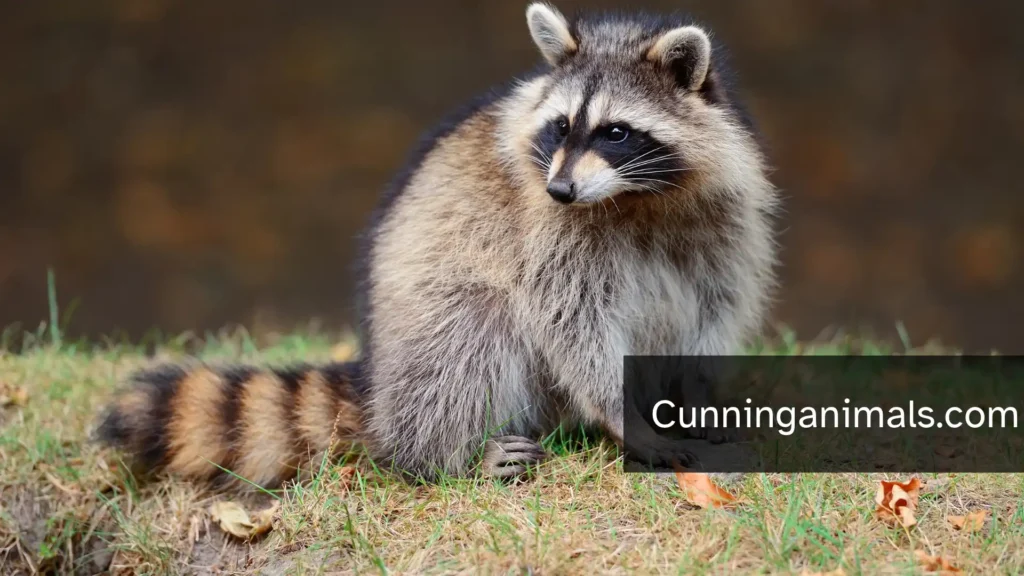
Known for their adaptability, raccoons make any environment their playground, showcasing the beauty of resourcefulness. They often remind us to find joy in the mundane and to seek out life’s little treasures. Just like these little bandits, we can discover abundance in the world around us if we approach each day with an open heart and playful mind.
Squirrels
Scientific Name: Sciurus carolinensis
Class: Mammalia
Habitat: Wooded areas and parks
Squirrels are lively little creatures that bring energy to parks and trees, their acrobatic jumps and playful chases delighting anyone who watches. With their twitching tails and bright eyes, they remind us of the importance of playfulness and spontaneity in our everyday lives. These agile animals encourage us to find joy in movement and to explore our surroundings with childlike curiosity.
Their tireless efforts to store food for winter symbolize the beauty of preparation and foresight. Squirrels teach us valuable lessons about balancing work and play, encouraging us to not only strive for our goals but also to savor the moments in between. Their presence in our lives inspires us to appreciate the small wonders found in nature every day.
Sea Otters
Scientific Name: Enhydra lutris
Class: Mammalia
Habitat: Coastal waters
Sea otters are captivating marine mammals, known for their adorable faces and playful antics in the water. As they raft together, holding paws to stay connected, they remind us of the importance of community and friendship. Their lively spirit encourages us to find joy in connection, fostering deeper relationships with those around us.

These remarkable creatures play a crucial role in their ecosystem, maintaining kelp forests that benefit countless other species. Watching sea otters thrive reminds us of our responsibility to protect our oceans and the lives within them. Through their playful presence, we learn that together, we can create a vibrant world filled with love and care for all living beings.
Beavers
Scientific Name: Castor canadensis
Class: Mammalia
Habitat: Freshwater rivers and lakes
Beavers are true architects of the animal kingdom, using their impressive skills to build intricate dams that create thriving ecosystems. Their industrious nature showcases the power of hard work and determination, inviting us to reflect on our own contributions to the world around us. As these remarkable creatures transform landscapes, they remind us that we can create beauty and abundance in our lives through perseverance.
Beavers also symbolize teamwork, often working closely with family members to achieve their goals. Their close-knit community teaches us the value of collaboration and nurturing relationships in achieving shared dreams. Just like beavers, we, too, can work together to raise the waters of hope and build a better future.
Hamsters
Scientific Name: Cricetus cricetus
Class: Mammalia
Habitat: Burrows in dry grasslands and farmland
Hamsters are small yet spirited companions, often seen scampering on their wheels, bringing delight to anyone who observes their antics. These adorable creatures remind us of the importance of play and how even the tiniest beings can have a joyful spirit that brightens our days. Their lively nature encourages us to incorporate fun into our lives and to embrace a lighthearted approach to daily challenges.
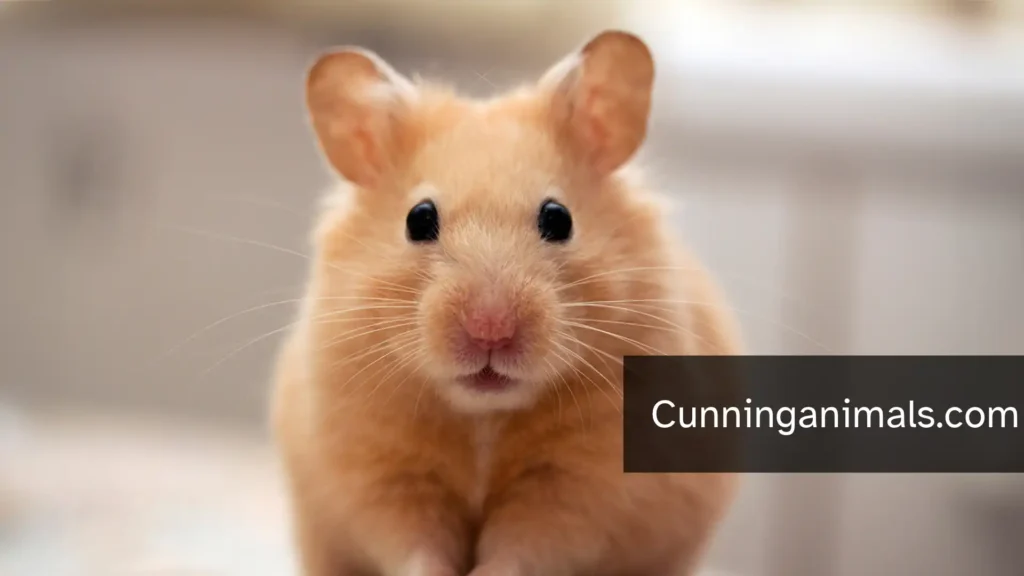
While hamsters are diligent self-groomers, not every animal relies on complex thinking to survive and thrive. For a look at species that get by on instinct rather than intellect, see our guide to animals with the lowest IQ.
Ants
Scientific Name: Formicidae
Class: Insecta
Habitat: Various environments globally
Ants are remarkable creatures that exemplify teamwork and diligence, working tirelessly to build their intricate colonies. With the strength to lift many times their weight and a commitment to their community, they inspire us to appreciate the strength found in collaboration and shared purposes. Their industrious energy reminds us of the power of collective effort, illustrating how even the smallest contributions can lead to significant accomplishments.
Their ability to adapt to various environments highlights the importance of resilience in overcoming obstacles. Ants urge us to be persistent and focused in our pursuits, illustrating that success often comes from unwavering dedication and unity. Through the lens of an ant, we learn that working together can create a thriving world filled with potential.
Badgers
Scientific Name: Meles meles
Class: Mammalia
Habitat: Woodlands and grasslands
Badgers are fascinating nocturnal creatures known for their tenacity and sturdy build, often living in intricate burrows beneath the earth. Their strong, determined nature inspires us to embrace our challenges, reminding us that perseverance and hard work can lead to remarkable outcomes. Observing a badger navigate its territory encourages us to stay grounded and focused on our own paths.
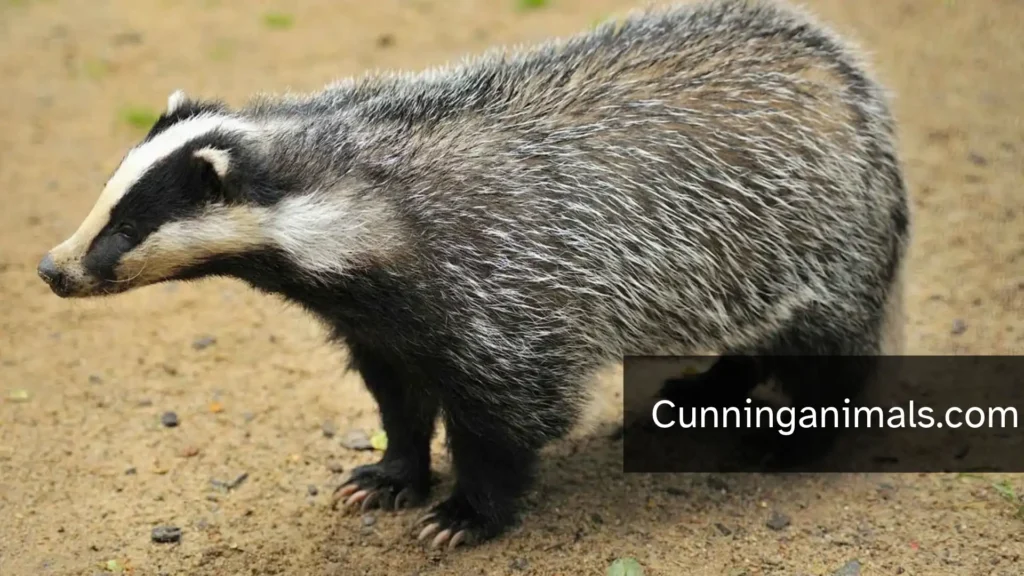
These creatures also symbolize loyalty and family, often seen working together within their social groups. The bond they share serves as a reminder of the importance of community and support in our lives. Like badgers, we can find strength in our relationships, reinforcing the idea that we are all part of something larger and more impactful than ourselves.
Songbirds
Scientific Name: Passeriformes
Class: Aves
Habitat: Varied environments, including forests and gardens
Songbirds fill our surroundings with their beautiful melodies, creating a soundtrack of joy that uplifts the spirit. Their sweet songs invite us to pause and appreciate the beauty of nature, teaching us the power of expression and the importance of sharing our voices with the world. In their harmonious presence, we find a reminder of the vibrancy life can hold when we connect with our surroundings.
These birds also symbolize freedom and the courage to embrace new journeys, flitting from branch to branch without fear. Their spirit encourages us to take flight, allowing our dreams to take shape, and to celebrate the gift of being alive. Through their enchanting tunes, songbirds inspire us to sing our own truths and share our unique narratives with those around us.
Birds of Paradise
Scientific Name: Paradisaeidae
Class: Aves
Habitat: Tropical rainforests
Birds of Paradise are the epitome of beauty and elegance, showcasing vibrant colors and intricate courtship dances that captivate all who observe them. These remarkable creatures remind us of the wonders of creativity, encouraging us to express ourselves fully and embrace the unique gifts that each of us possesses. Their stunning displays serve as a celebration of life’s diversity and the joy of self-expression.

Known for their elaborate rituals, these birds symbolize love and the pursuit of connection. Their commitment to finding a mate inspires us to cherish and nurture our relationships, emphasizing that beauty often lies in the connections we forge. Through the lens of these extraordinary birds, we learn the importance of embracing our individuality while also celebrating the bonds we share with others.
Elephants
Scientific Name: Elephas maximus
Class: Mammalia
Habitat: Grasslands and forests
Elephants are gentle giants, embodying wisdom, community, and strength in their magnificent forms. Their intricate social structures showcase deep familial bonds, reminding us of the importance of love and support in our lives. As we witness their compassion and loyalty, we learn the value of nurturing relationships and standing by one another, reinforcing the ties that bind us together.
These intelligent animals also symbolize memory and resilience, carrying histories and lessons that span generations. Their majestic presence encourages us to reflect on our own journeys, reminding us that every step we take contributes to our shared story. Through elephants, we find inspiration to honor our past while courageously embracing the future ahead.
Tigers
Scientific Name: Panthera tigris
Class: Mammalia
Habitat: Forests and grasslands
Tigers embody strength, grace, and power as they roam their territories with quiet confidence. These majestic big cats remind us of the beauty of nature’s balance, encouraging respect and appreciation for the wild. Their striking presence invites us to reflect on our own inner strength and the courage to stand tall in our authentic identities.

As apex predators, tigers symbolize the importance of harmony within ecosystems, reminding us that our choices impact the world around us. They encourage us to respect and protect the delicate balance of life, inspiring us to take action for conservation. Through the lens of these powerful felines, we learn that true strength lies not just in physical prowess, but in understanding and cherishing the world we inhabit.
Horses
Scientific Name: Equus ferus caballus
Class: Mammalia
Habitat: Grasslands and open plains
Horses are magnificent creatures known for their beauty, grace, and deep connection to humans throughout history. Their powerful presence inspires awe, encouraging us to find strength within ourselves as we forge our own paths. The bond between humans and horses symbolizes trust and companionship, illustrating how these noble animals can be both partners and friends.
Horses share the grasslands with other large, graceful grazers known for strength and speed. To discover more animals with a similar presence and spirit, browse our list of animals like horses.
Chimpanzees
Scientific Name: Pan troglodytes
Class: Mammalia
Habitat: Tropical forests and savannas
Chimpanzees are intelligent, social beings that exhibit remarkable behaviors, reflecting a deep emotional complexity akin to our own. Their playful interactions and strong family bonds inspire us to cherish our relationships and to find joy in connection with others. Observing their social dynamics teaches us about the power of collaboration and the significance of community in facing life’s challenges.

These fascinating primates also serve as a reminder of our shared heritage with the animal kingdom. Their intelligence and adaptability encourage us to embrace our own potential, inspiring us to cultivate curiosity and compassion within ourselves. Through chimpanzees, we discover the profound lessons of empathy and understanding, guiding us toward a more harmonious existence with all living beings.
Interesting Facts About the Cleanest Animals
Animals have evolved fascinating grooming habits that play crucial roles in both hygiene and social bonding. For instance, cats are known for their meticulous grooming sessions, which not only keep their fur clean but also regulate their body temperature. Meanwhile, sea otters rely on their dense fur for insulation; they meticulously groom it to trap air and maintain warmth in chilly waters.
- Cats spend hours meticulously grooming themselves.
- Sea otters groom their fur for optimal insulation.
- Birds tend to maintain feather condition and flight efficiency.
- Elephants use mud for protection against sun and pests.
- Chimpanzees groom socially to strengthen relationships.
- Ants engage in self-grooming and care for their colony members.
Conclusion
The Cleanest Animals in the World serve as fascinating examples of nature’s emphasis on hygiene and cleanliness. Throughout our journey, we’ve uncovered various behaviors and traits that make these creatures stand out among the top 10 cleanest animals in the world.
These animals tell us a compelling story about the role of cleanliness in their ecosystems and their ability to thrive. Their fascinating habits can inspire us to maintain better hygiene practices in our lives as well.
FAQS
Which Animal Is Cleaner, Pig Or Cow?
Pigs are often cleaner than people think. They naturally keep their sleeping and eating areas separate from their waste areas when they have enough space. Cows also maintain cleanliness through grooming, but their cleanliness depends heavily on their living conditions and access to clean bedding.
Which Pet Is The Cleanest?
Cats are often considered one of the cleanest pets because they regularly groom themselves and usually use a litter box. However, they still need clean litter, fresh water, and regular veterinary care to stay healthy.
Do Higher IQ People Prefer Cats Or Dogs?
There is no strong scientific evidence that people with higher IQs universally prefer cats or dogs. Some studies have found differences in personality traits between cat and dog owners, but these findings do not establish that one group is more intelligent than the other.
Which Animal Is Very Hygienic?
Cats are especially well known for their hygiene because they spend a significant amount of time grooming their fur. Ants and bees also maintain surprisingly clean colonies by removing waste and managing their living spaces.
What Is the Top 10 Cleanest Animal?
The top 10 cleanest animals include cats, pigs, dolphins, elephants, ants, bees, rabbits, rats, horses, and parrots. These animals are known for grooming themselves or keeping their living spaces clean.