Strongest Animals in the World: 12 Most Powerful Animals
The strongest animals in the world possess an astonishing array of abilities that allow them to thrive in some of the most challenging environments on Earth. From the immense power of the African elephant to the unparalleled bite force of the saltwater crocodile, understanding what the strongest animal is enriches our appreciation for nature’s marvels.
In this article, we’ll explore 12 of the most powerful creatures, examining their unique strengths and adaptations. By delving into their capabilities, we gain valuable insights into the resilience and versatility of life on our planet.
What Makes An Animal Strong?
The strongest animal varies depending on how strength is measured; it could be sheer physical power, endurance, or strength-to-weight ratio. For example, the African elephant is the largest land mammal, while the dung beetle showcases remarkable strength relative to its size.
Different types of animal strength are evident in the natural world. Physical power is demonstrated by large animals like gorillas and elephants, capable of lifting heavy weights. On the other hand, endurance is key to survival for migratory species like the Arctic tern, which travels thousands of miles.
Top 12 Strongest Animals in the World
| Rank | Animal | Scientific Name | Type of Strength |
| 1 | African Elephant | Loxodonta africana | Lifting Power |
| 2 | Dung Beetle | Onthophagus taurus | Strength by Body Size |
| 3 | Gorilla | Gorilla spp. | Muscular Strength |
| 4 | Harpy Eagle | Harpia harpyja | Carrying Power |
| 5 | Saltwater Crocodile | Crocodylus porosus | Bite Force |
| 6 | King Snake | Lampropeltis spp. | Constriction |
| 7 | Coconut Crab | Birgus latro | Grip Strength |
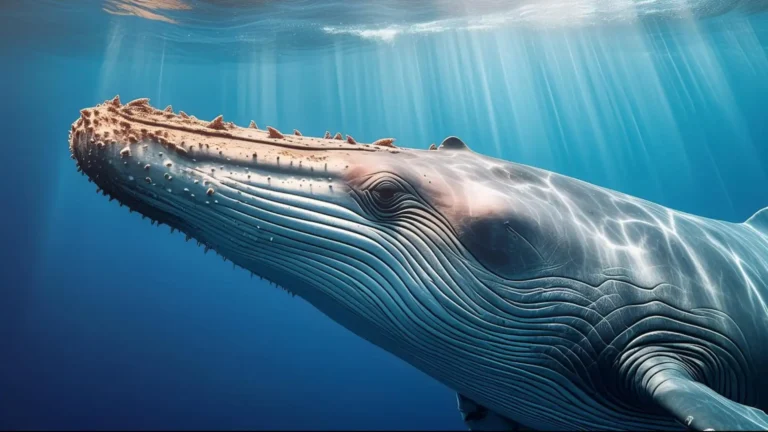
| 8 | Blue Whale | Balaenoptera musculus | Muscle Power |
| 9 | Polar Bear | Ursus maritimus | Overall Power |
| 10 | Chinese Giant Salamander | Andrias davidianus | Bite Strength |
| 11 | Hippopotamus | Hippopotamus amphibius | Bite & Body Power |
| 12 | Jaguar | Panthera onca | Bite Force |
African Elephant
Scientific Name: Loxodonta africana
Class: Mammalia
Habitat: Savannas, forests, and deserts
Elephants are also known for their sheer willpower, often refusing to back down once they’ve set their mind to something, whether it’s protecting a calf or defending their territory. This determined streak is shared by several other species in the wild. Check out our article on stubborn animals to see which creatures are just as headstrong.
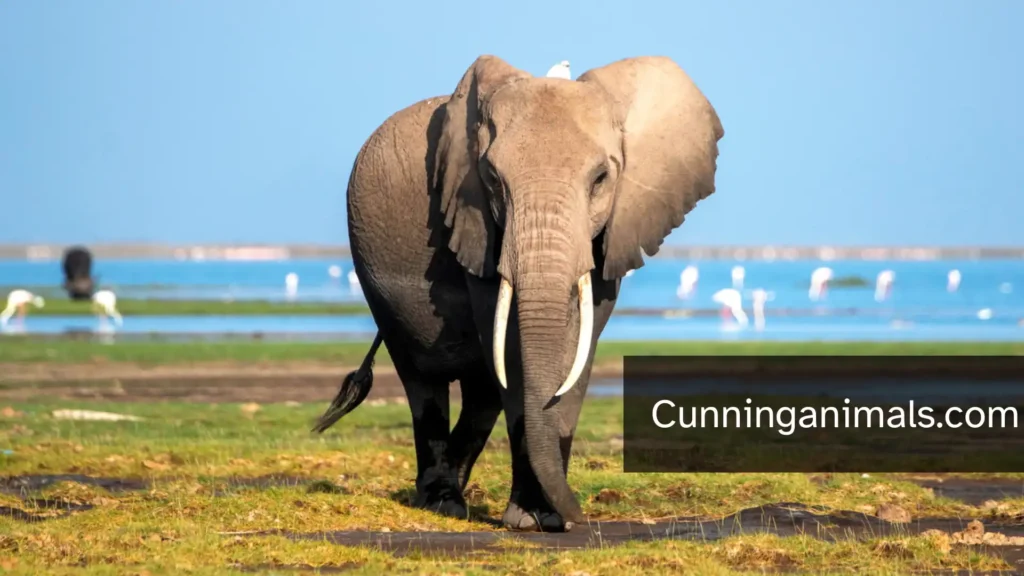
These incredible animals not only play a crucial role in their ecosystems but also serve as caretakers of the environment. By uprooting trees and creating waterholes, African Elephants help maintain the delicate balance necessary for countless other species.
Dung Beetle
Scientific Name: Scarabaeidae
Class: Insecta
Habitat: Forests, grasslands, and fields
Often overlooked, the Dung Beetle is a remarkable creature that embodies the beauty of transformation and redemption. Through their diligent work, they turn waste into fertile soil, reminding us that even the smallest beings can have a profound impact on our ecosystem.
In their world, Dung Beetles are champions of recycling and sustainability, fostering life in their environments. By cleaning up waste, they not only keep nature tidy but also enrich the land, inviting new growth. Their presence encourages us to embrace resilience and adapt, turning what others may see as burdens into opportunities for renewal.
Gorilla
Scientific Name: Gorilla spp.
Class: Mammalia
Habitat: Tropical forests
The majestic Gorilla represents strength, compassion, and kinship, reminding us of our shared humanity. These gentle giants live in tight-knit family groups, embodying the essence of nurturing and cooperation. Their deep emotional connections inspire us to treasure the relationships we hold dear and to treat all beings with empathy and understanding.
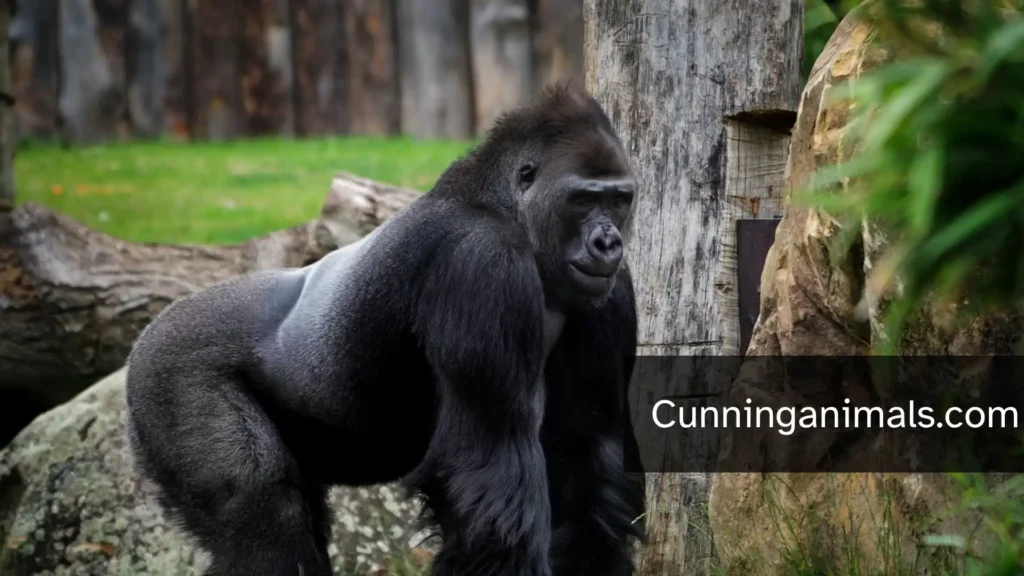
As protectors of their forest homes, Gorillas play a vital role in preserving biodiversity in their habitats. Their playful nature and intelligence shine through as they navigate their surroundings, teaching us that strength is often coupled with gentleness. In their presence, we are reminded to embrace our own wildness while fostering care for our families and communities.
Harpy Eagle
Scientific Name: Harpia harpyja
Class: Aves
Habitat: Tropical rainforests
The Harpy Eagle, with its impressive wingspan and powerful presence, soars high above the landscapes, a testament to freedom and grace. As one of the largest and most formidable birds of prey, it signifies the pursuit of dreams and aspirations, encouraging us to rise above challenges and embrace our potential. Its majestic flight is a metaphor for the heights we can achieve when we embrace our own strength.
These incredible eagles are not just apex predators; they are also guardians of their rainforests, regulating populations of various species and maintaining ecological balance. Their keen eyesight allows them to spot prey from great distances, reminding us of the importance of awareness and vision in our lives.
Saltwater Crocodile
Scientific Name: Crocodylus porosus
Class: Reptilia
Habitat: Coastal areas and rivers
The Saltwater Crocodile, a master of adaptation, teaches us the power of resilience and survival in the face of adversity. As one of the most formidable creatures in the world, it navigates a variety of environments, embodying strength and versatility. Its ability to thrive in both saltwater and freshwater urges us to adapt and embrace change in our own lives, no matter the circumstances.
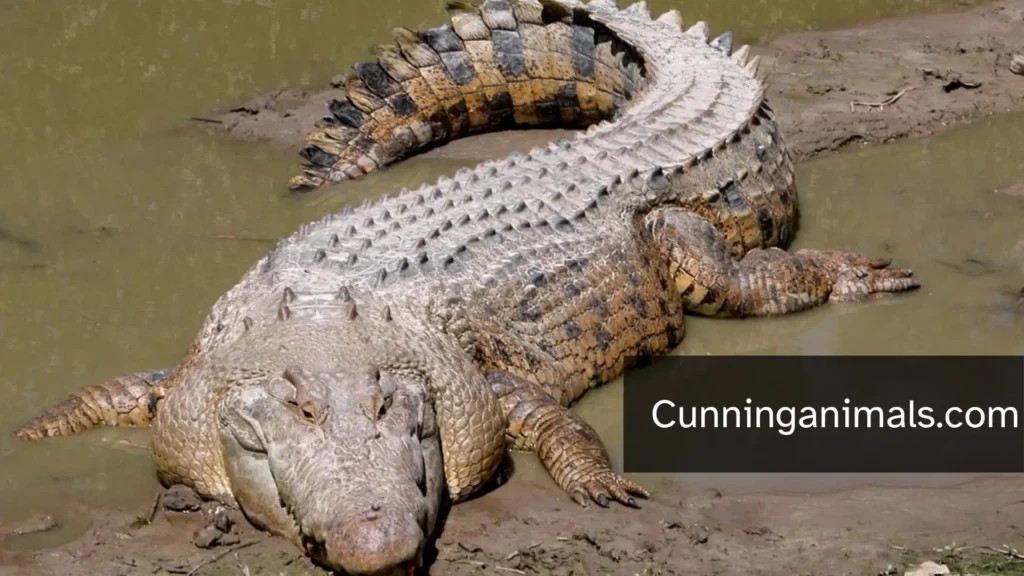
With their keen hunting skills and powerful physique, Saltwater Crocodiles reign as top predators, helping to keep ecosystems in balance. Despite their fierce reputation, these ancient reptiles also serve as reminders of the delicate intricacies of life and nature.
King Snake
Scientific Name: Lampropeltis spp.
Class: Reptilia
Habitat: Diverse environments, including forests, grasslands, and deserts
The King Snake, known for its striking appearance and adaptability, is a symbol of balance and harmony in nature. As a non-venomous snake that preys on other snakes, including venomous ones, it embodies the idea of overcoming fears and challenges with grace. Its vibrant patterns remind us that beauty can arise from unexpected places, encouraging us to seek joy in every aspect of life.
Lively and inquisitive, King Snakes thrive in various habitats, showcasing their remarkable ability to adapt and flourish. Their presence in ecosystems offers essential control over rodent populations, illustrating the interconnectedness of life. As we encounter these elegant serpents, we are reminded to embrace our unique qualities and share our gifts with the world, creating a tapestry of vibrant diversity in our communities.
Coconut Crab
Scientific Name: Birgus latro
Class: Malacostraca
Habitat: Tropical coastal areas and islands
The Coconut Crab, the largest land-dwelling arthropod, is a symbol of resilience and resourcefulness. With its remarkable ability to climb trees and crack open coconuts, it illustrates the beauty of using one’s environment to thrive and grow. This clever crustacean encourages us to embrace our ingenuity and think outside the box, finding strength and sustenance in the challenges we face.
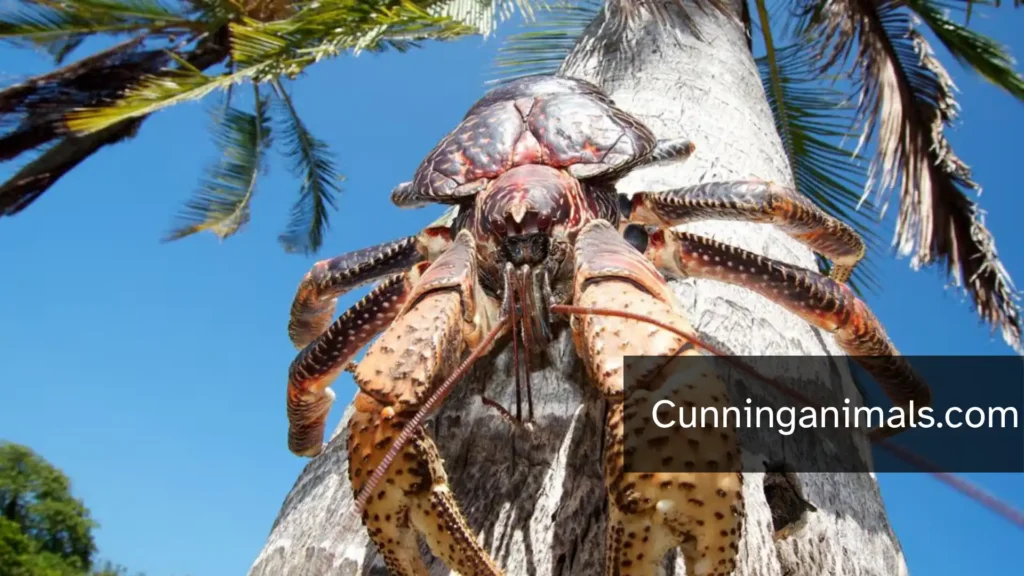
As true survivors on their tropical islands, Coconut Crabs contribute to their ecosystems by detritivorously recycling organic material. Their boldness and adaptability remind us to celebrate life’s challenges as opportunities for growth. With every climb and crack, these clever crabs invite us to cultivate creativity and embrace life’s adventures, reflecting on the importance of making the most of every opportunity.
Blue Whale
Scientific Name: Balaenoptera musculus
Class: Mammalia
Habitat: Open oceans and seas
The Blue Whale, the largest mammal on Earth, embodies the awe-inspiring majesty of nature and the depths of the ocean. With its graceful movements and gentle presence, it serves as a reminder of the interconnectedness of all life, inspiring us to respect and protect our planet. Each magnificent whale call resonates as a powerful invitation to tune in to our surroundings and cherish the world we share.
These gentle giants play a critical role in marine ecosystems, influencing nutrient cycles and supporting a diversity of marine life. Their serene presence calls us to reflect on the importance of conservation and the delicate balance of life beneath the waves.
Polar Bear
Scientific Name: Ursus maritimus
Class: Mammalia
Habitat: Arctic regions
The Polar Bear reigns in the icy Arctic, symbolizing resilience and the beauty of adaptation to even the harshest conditions. Its striking white coat and majestic presence remind us of the importance of perseverance and strength in the face of adversity. As these mighty bears navigate their frozen habitat, they inspire us to embrace our own inner courage and adaptability.
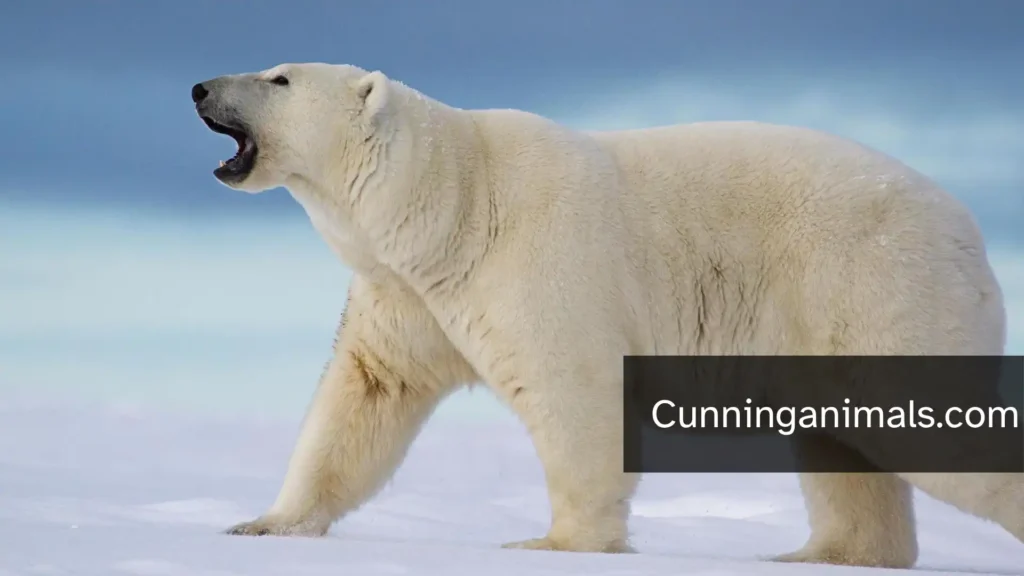
As essential participants in their ecosystem, Polar Bears regulate the populations of seals and maintain the health of their icy realm. Their plight amid climate change and melting icebergs serves as a clarion call to protect our planet, urging us to act with compassion and responsibility.
Chinese Giant Salamander
Scientific Name: Andrias davidianus
Class: Amphibia
Habitat: Freshwater rivers and lakes
The Chinese Giant Salamander, one of the world’s largest amphibians, is a living testament to ancient history and the fragility of our ecosystems. With its gentle demeanor and unique appearance, it signifies the need for conservation and care in our ever-changing world. This remarkable creature encourages us to deepen our appreciation for nature’s wonders and strive to protect all forms of life.
Sadly, the Chinese Giant Salamander faces threats from habitat loss and pollution, reminding us of our responsibility to make sustainable choices. As we learn about this extraordinary being, we are inspired to advocate for our planet and its creatures, nurturing a profound connection with the natural world.
Hippopotamus
Scientific Name: Hippopotamus amphibius
Class: Mammalia
Habitat: Rivers, lakes, and wetlands
Hippos share their watery homes with a surprising range of other wildlife that has adapted to life along rivers and lakes. If you’re curious what else thrives in these ecosystems, take a look at our guide on animals that live in rivers. It’s a great companion read for understanding how strength and survival differ between land and water habitats.
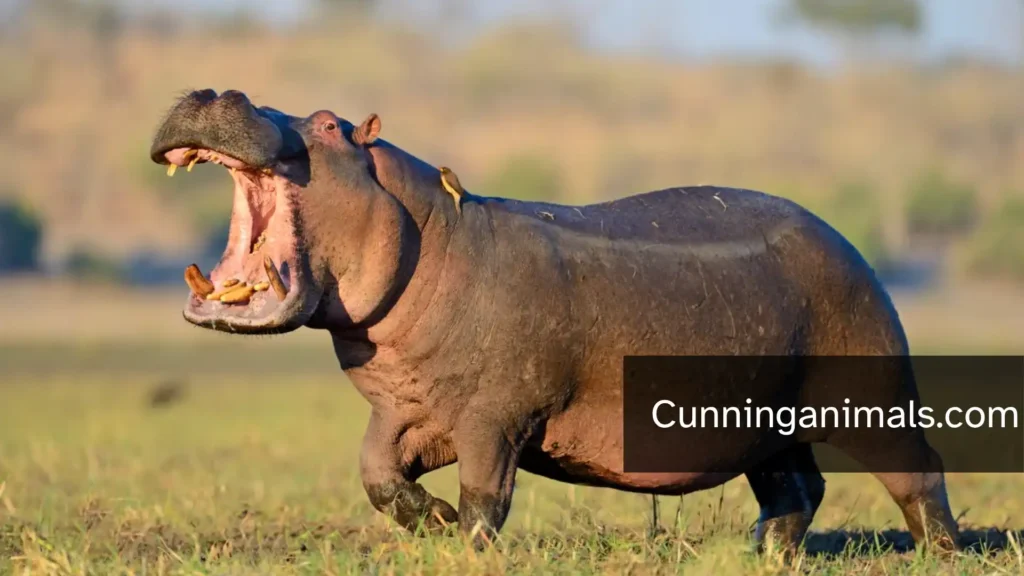
As diligent grazers, Hippos maintain the delicate balance of their ecosystems by promoting healthy vegetation along riverbanks. Their presence not only enriches water habitats but also highlights the importance of coexistence in nature.
Jaguar
Scientific Name: Panthera onca
Class: Mammalia
Habitat: Rainforests, savannas, and wetlands
The Jaguar, a powerful and graceful feline, represents courage and strength in the wild. With its striking rosettes and agile movements, this elusive predator inspires awe and reverence for the beauty of nature. Its ability to navigate diverse environments mirrors our own journey as we face life’s challenges with bravery and tenacity.
That same stealth is often paired with sharp intelligence, a trait the jaguar shares with several other cunning predators across the animal kingdom. For more examples of animals that rely on wit as much as strength, check out our piece on cunning animals. It shows that raw power isn’t the only path to survival in the wild.
Interesting Facts About The Strongest Animals
Each of these interesting facts highlights the diverse types of strength found in the animal kingdom. From remarkable bite forces to extraordinary lifting capabilities, the strongest animals in the world exhibit unique adaptations that allow them to thrive in their environments.
- The saltwater crocodile boasts the strongest bite force of any animal, measured at over 3,700 pounds per square inch.
- An ant can lift up to 50 times its weight, making it one of the strongest animals for its size, showcasing incredible muscular efficiency.
- Elephants are not only the largest land mammals, but they also have immense strength, able to carry up to 14,000 pounds with their trunks alone.
- The rhino’s sheer mass and powerful build make it one of the most formidable animals in the wild, capable of charging at speeds up to 30 miles per hour.
- The dung beetle holds the title for the strongest insect, with some species capable of pulling up to 1,000 times their body weight.
- In terms of endurance, the Arctic tern migrates vast distances each year, demonstrating the incredible strength of resilience in animals.
- The orca, or killer whale, is among the most powerful marine animals, known for their intelligence and ability to hunt in pods with coordinated strength.
Conclusion
The Strongest Animals in the World present a fascinating array of capabilities that astound and inspire. These exceptional creatures demonstrate that strength manifests in various forms, from physical power to unique survival skills.
When pondering what’s the strongest animal or what is the strongest animal in the world, consider the diverse adaptations that allow each species to thrive. Learning about these animals expands our understanding of nature’s wonders and emphasizes the importance of conservation efforts.
FAQS
What Are The Top 5 Toughest Animals?
Some of the toughest animals are the tardigrade, honey badger, wolverine, rhinoceros, and African buffalo. They are known for exceptional survival abilities, strength, defensive adaptations, or resilience in difficult environments.
What Are The Top 20 Strongest Animals?
A commonly cited list includes the African elephant, rhinoceros, hippopotamus, gorilla, polar bear, grizzly bear, tiger, lion, jaguar, ox, bison, moose, giraffe, crocodile, anaconda, buffalo, walrus, gorilla, kangaroo, and eagle. “Strongest” can mean different things, such as lifting power, bite force, body strength, or strength relative to body size.
Who Is The Real king Of Animals?
There is no scientifically recognized “king of animals,” but the lion is traditionally called the “king of the beasts.” This reputation comes largely from its appearance, social behavior, strength, and cultural symbolism rather than being the strongest animal overall.
Has A Tiger Ever killed A Lion?
Yes. Tigers and lions have occasionally been kept in captivity or brought into contact historically, and there are documented reports of fatal fights. However, these encounters are unusual, and there is no reliable rule that one species will always defeat the other.
What Animal Is Unbeatable In A fight?
No animal is truly unbeatable. Among land animals, a healthy adult elephant would be extremely difficult for most predators to defeat because of its enormous size, strength, tusks, and protective social groups.