
Top 22 Scavenger Birds In The World (Names, Facts & Pictures)
Scavenger birds play a crucial role in our ecosystems, often overlooked yet vital to the balance of nature. These fascinating creatures, known for their resourcefulness and adaptability, contribute significantly to waste management in their habitats.
By exploring the top 22 scavenger birds from around the globe, this article provides a deeper understanding of their unique characteristics, behaviors, and essential roles in maintaining ecological health.
What Are Scavenger Birds?
Scavenger birds, often referred to as scavengers, are species like vultures, crows, and ravens that primarily feed on carrion decaying flesh from dead animals. Carrion provides these birds with a nutrient-rich diet, allowing them to thrive in various ecosystems. Scavenging is not limited to birds, as many mammals and reptiles also depend on carrion, as shown in this guide to scavenger animals in the world.
While some birds depend mainly on carrion, such as vultures that specialize in locating and consuming dead animals, others, like crows, take a more opportunistic approach. Opportunistic scavenger birds will eat carrion when available but also hunt or forage for other food sources.
List Of 22 Scavenger Birds In The World
| No. | Bird Name | Scientific Name | Family |
| 1 | Turkey Vulture | Cathartes aura | Cathartidae |
| 2 | Black Vulture | Coragyps atratus | Cathartidae |
| 3 | California Condor | Gymnogyps californianus | Cathartidae |
| 4 | Andean Condor | Vultur gryphus | Cathartidae |
| 5 | King Vulture | Sarcoramphus papa | Cathartidae |
| 6 | Egyptian Vulture | Neophron percnopterus | Accipitridae |
| 7 | Griffon Vulture | Gyps fulvus | Accipitridae |
| 8 | Lappet-faced Vulture | Torgos tracheliotos | Accipitridae |
| 9 | White-backed Vulture | Gyps africanus | Accipitridae |
| 10 | Bearded Vulture | Gypaetus barbatus | Accipitridae |
| 11 | Marabou Stork | Leptoptilos crumenifer | Ciconiidae |
| 12 | American Crow | Corvus brachyrhynchos | Corvidae |
| 13 | Common Raven | Corvus corax | Corvidae |
| 14 | Bald Eagle | Haliaeetus leucocephalus | Accipitridae |
| 15 | Golden Eagle | Aquila chrysaetos | Accipitridae |
| 16 | Crested Caracara | Caracara plancus | Falconidae |
| 17 | Black Kite | Milvus migrans | Accipitridae |
| 18 | Herring Gull | Larus argentatus | Laridae |
| 19 | Great Black-backed Gull | Larus marinus | Laridae |
| 20 | Rook | Corvus frugilegus | Corvidae |
| 21 | Cinereous Vulture | Aegypius monachus | Accipitridae |
| 22 | Rüppell’s Griffon Vulture | Gyps rueppelli | Accipitridae |
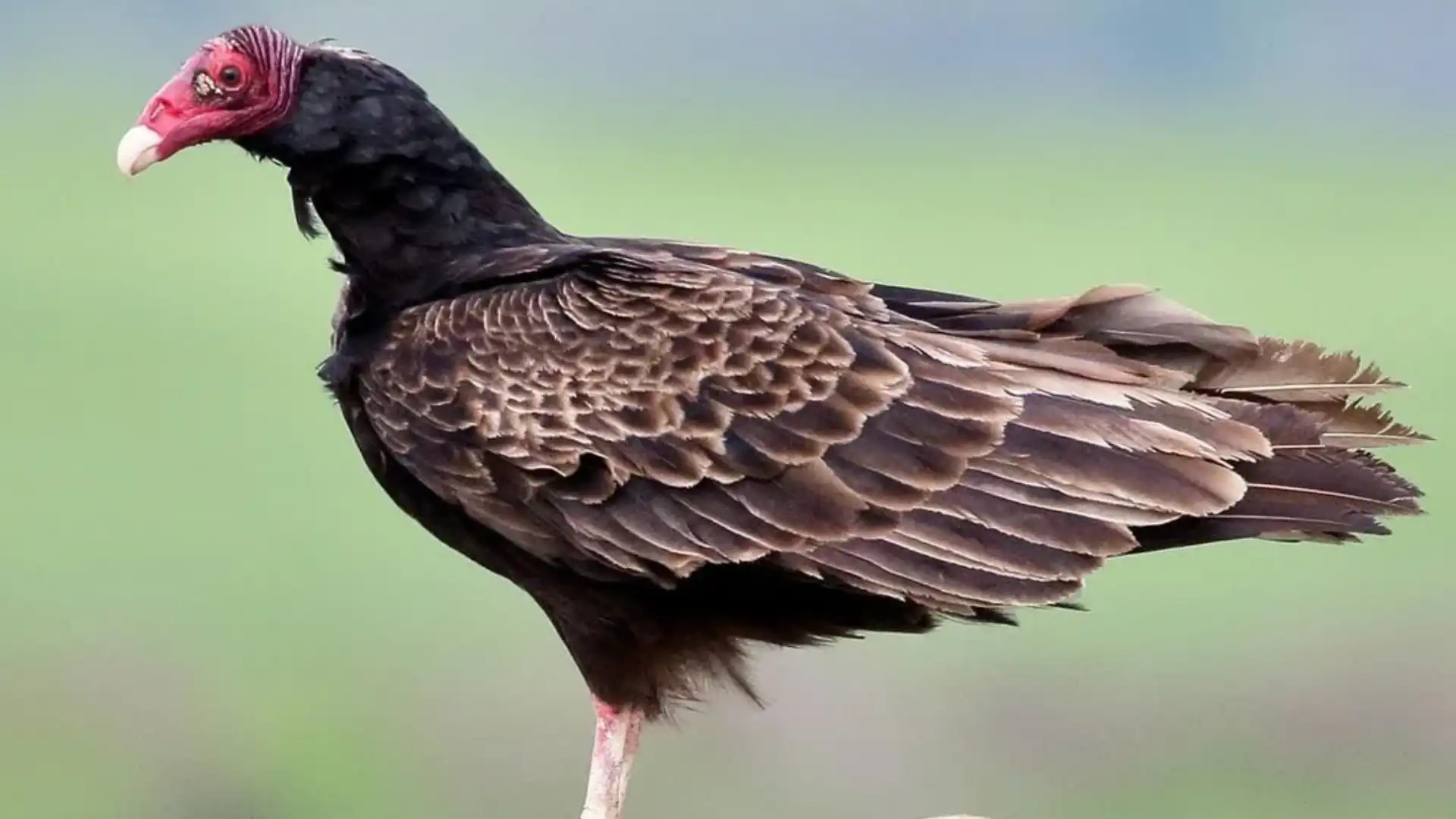
Turkey Vulture (Cathartes aura)
Scientific Name: Cathartes aura
Class: Aves
Habitat: Open fields, forests, and mountainous terrains.
Turkey Vultures possess an incredible sense of smell, unlike many other birds of prey, allowing them to detect carrion from great distances. They play a critical role in their ecosystem, consuming decaying animals and thus helping to prevent the spread of disease. Their range reaches well into the northern states, and they are a regular sight among the vultures in Michigan each spring and summer.

These birds are easily identified by their characteristic bald heads and dark plumage. Their soaring flight pattern, often seen gliding on thermals, adds to their majestic presence in the skies, showcasing their remarkable efficiency in scavenging.
Black Vulture (Coragyps atratus)
Scientific Name: Coragyps atratus
Class: Aves
Habitat: Open areas and urban environments throughout the Americas.
Black Vultures are highly social creatures, often seen soaring in groups as they search for food. This communal behavior is common among animals that live in groups, where shared awareness helps them locate meals faster. Their strong sense of sight enables them to locate carcasses effectively, making them adept scavengers alongside their larger counterparts.
These birds are known for their aggressive feeding behavior, often dominating feeding areas over other scavengers. Their dark plumage and distinctive white wing markings make them easily recognizable against the sky.
California Condor (Gymnogyps californianus)
Scientific Name: Gymnogyps californianus
Class: Aves
Habitat: Mountainous areas and forests in California and Arizona.
The California Condor stands as a striking symbol of conservation success and a reminder of human impact on nature. Once perilously close to extinction, intensive breeding and protection programs have aided in their recovery, allowing them back into the wild.
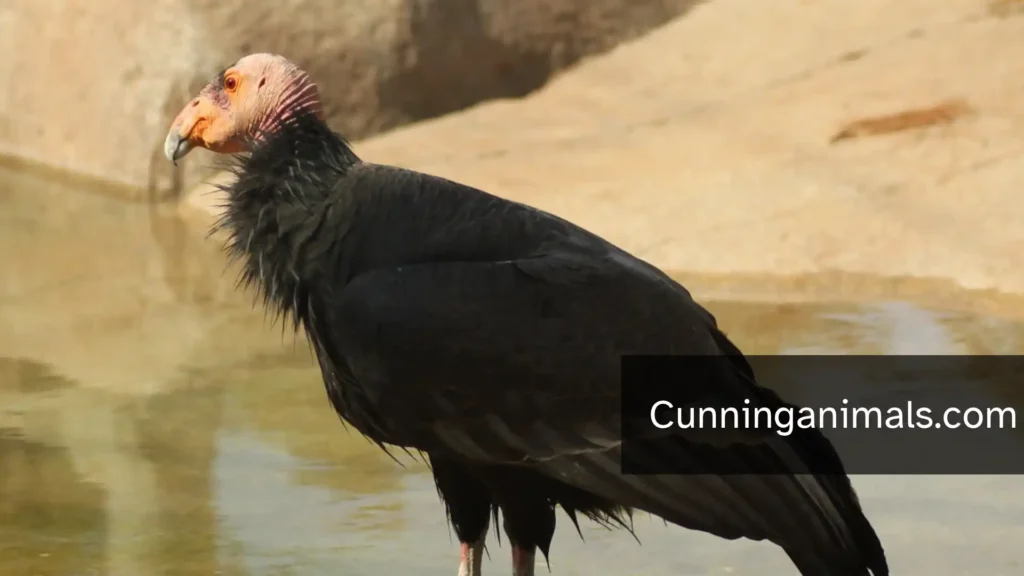
With a wingspan reaching up to 10 feet, these majestic birds can be seen soaring gracefully above rugged landscapes. They primarily feed on large carcasses, using their keen eyesight to spot potential meals from vast heights.
Andean Condor (Vultur gryphus)
Scientific Name: Vultur gryphus
Class: Aves
Habitat: Andes mountains, coastal regions, and grasslands.
The Andean Condor boasts impressive dimensions, making it one of the largest flying birds in the world. Its striking black feathers and white collar create a stunning silhouette against the backdrop of the Andes.
These scavengers play an essential role in their habitat, often found feeding on animals that have perished in the harsh mountainous environment. Their lifecycle is closely tied to the ecosystems of South America, demonstrating the delicate balance between nature and biodiversity.
King Vulture (Sarcoramphus papa)
Scientific Name: Sarcoramphus papa
Class: Aves
Habitat: Tropical rainforests throughout Central and South America.
King Vultures are notable for their vibrant coloration, featuring a regal blend of white, black, and brightly colored skin on their heads. This unique appearance, coupled with their size, makes them one of the most visually striking scavenger birds in the world.
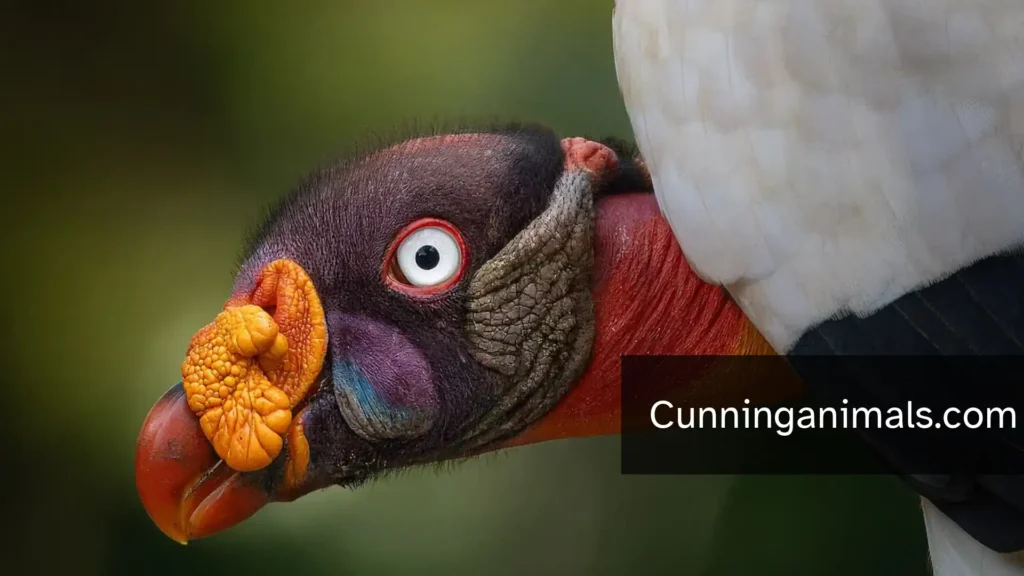
These birds are often at the top of the scavenging hierarchy, feeding on large carrion that other scavengers cannot access. Their strong beaks and sharp eyesight allow them to efficiently feast on decomposing remains, contributing to the cleanliness of their forest habitats.
Egyptian Vulture (Neophron percnopterus)
Scientific Name: Neophron percnopterus
Class: Aves
Habitat: Open and arid landscapes, including deserts and savannas in Africa, Europe, and Asia.
The Egyptian Vulture showcases exceptional problem-solving skills, often using tools to break eggs and access food. This behavior distinguishes it among its scavenger peers, highlighting its intelligence and adaptability.
With its golden-yellow face and distinctive long wings, this bird stands out in the often barren landscapes it inhabits. It primarily feeds on carrion but is also known to consume smaller creatures, demonstrating its versatility in diet.
Griffon Vulture (Gyps fulvus)
Scientific Name: Gyps fulvus
Class: Aves
Habitat: Mountainous regions and cliffs across Europe, Asia, and Africa.
The Griffon Vulture plays a vital role in maintaining the health of ecosystems by consuming dead animals, thereby reducing the risk of disease. It is often seen circling high above, scanning for food with keen eyesight. Hours of circling without a meal show the kind of endurance found among the most patient animals in the world.

With their broad wingspan and distinctive neck ruff, these vultures exhibit stunning aerial displays. Their nesting habits on cliff ledges provide safety from potential predators, ensuring the survival of their young.
Lappet-faced Vulture (Torgos tracheliotus)
Scientific Name: Torgos tracheliotus
Class: Aves
Habitat: Savannahs and open grasslands in Africa.
The Lappet-faced Vulture is easily recognizable by its large size and unique appearance, featuring a distinctive lappet of skin on its face. It is one of the few scavengers capable of tearing tough hides to access carrion.
These birds often engage in cooperative behavior while feeding, teaming up with other vultures to consume larger carcasses. Their role in the ecosystem highlights the importance of scavengers in maintaining ecological balance.
White-backed Vulture (Gyps africanus)
Scientific Name: Gyps africanus
Class: Aves
Habitat: Open woodlands and savannahs in sub-Saharan Africa.
The White-backed Vulture is known for its striking white back feathers and powerful build, making it a dominant scavenger in its habitat. They typically feed in groups, allowing them to efficiently strip carcasses clean.
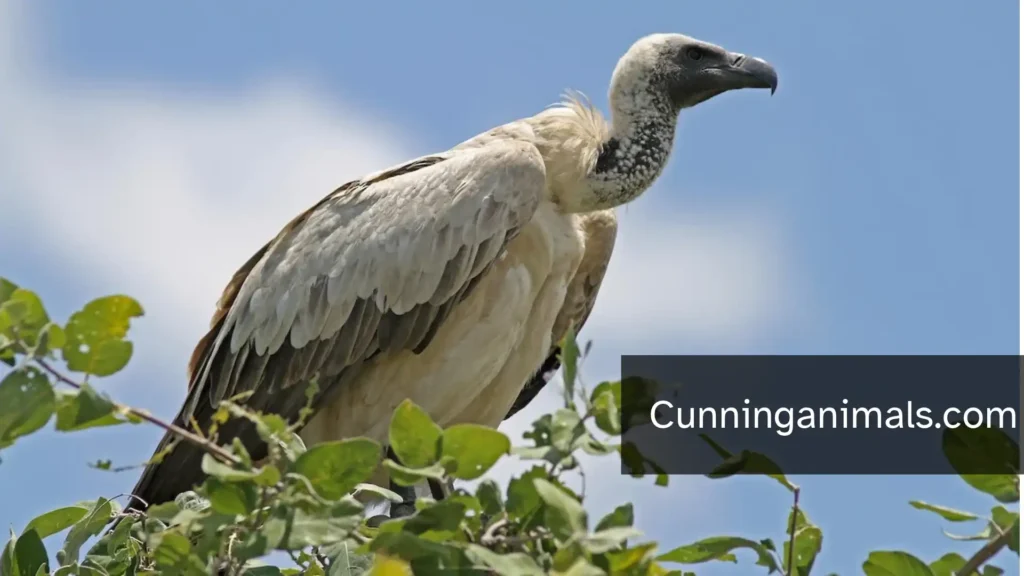
These vultures are critical for their environment, preventing disease spread by cleaning up dead animals. Conservation efforts are essential for their survival due to habitat loss and poisoning threats.
Bearded Vulture (Gypaetus barbatus)
Scientific Name: Gypaetus barbatus
Class: Aves
Habitat: Mountain ranges in Europe, Asia, and Africa.
The Bearded Vulture is unique among vultures, primarily feeding on the bones of dead animals. It has adapted a specialized digestive system that allows it to extract nutrients from tough bone tissue.
With its striking beard-like feathering and colorful plumage, this vulture boasts a dramatic appearance. Its impressive flying skills often showcase its agility, making it a remarkable predator of the skies.
Marabou Stork (Leptoptilos crumenifer)
Scientific Name: Leptoptilos crumenifer
Class: Aves
Habitat: Wetlands, savannas, and urban areas in Africa.
The Marabou Stork, often dubbed the “villain of the sky,” is unmistakable due to its large size and long legs. This scavenger is frequently found near garbage dumps or in wetlands, scavenging for food waste.
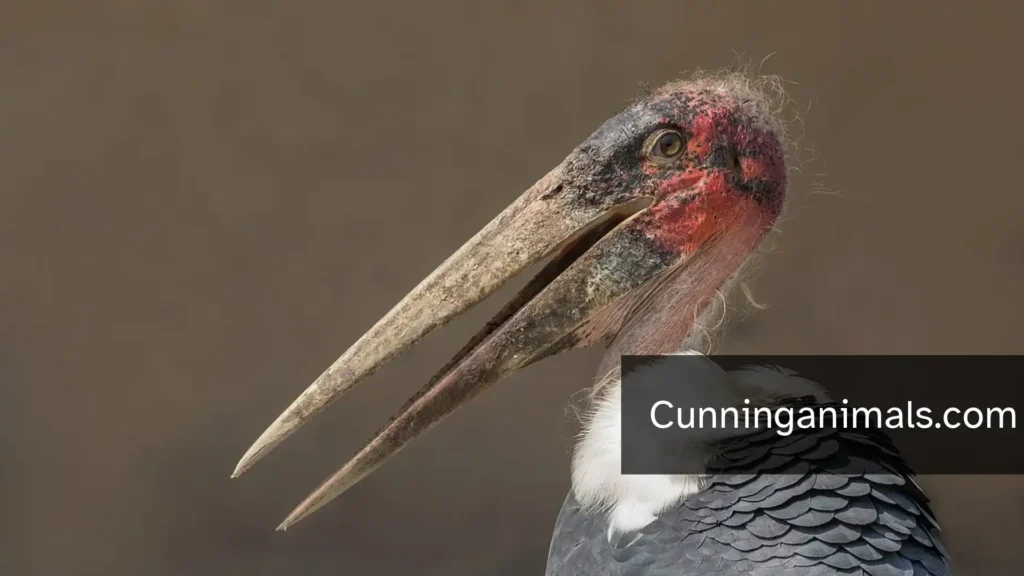
Despite its somewhat unattractive appearance, the Marabou Stork plays a crucial role in the ecosystem by consuming carrion and helping to maintain a clean environment. Its adaptability to various habitats highlights its resilience in the face of ecological changes.
American Crow (Corvus brachyrhynchos)
Scientific Name: Corvus brachyrhynchos
Class: Aves
Habitat: Diverse environments, including forests, farmlands, and urban areas across North America.
American Crows are highly intelligent birds capable of using tools and solving complex problems, which aids them as scavengers. Their omnivorous diet allows them to thrive in various habitats, enhancing their scavenging capabilities.
Not only do they consume carrion, but they also forage for insects, grains, and even human food scraps. Their adaptability and social behaviors make them prevalent in many regions, showcasing their significance in local ecosystems.
Common Raven (Corvus corax)
Scientific Name: Corvus corax
Class: Aves
Habitat: Mountains, forests, tundras, and coastal regions across the Northern Hemisphere.
Common Ravens are celebrated for their intelligence and problem-solving skills, often displaying complex social behaviors. They are known to communicate using various calls, contributing to their communal and scavenging strategies.
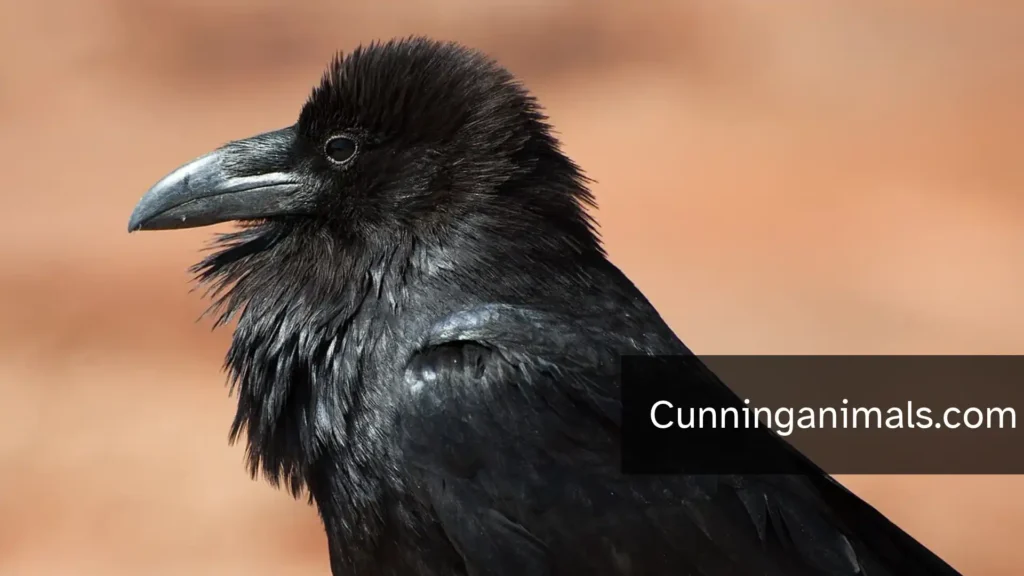
These scavengers can locate carrion through keen observation and are often seen in the company of larger animals, taking advantage of their discoveries. Their adaptability to diverse habitats emphasizes their role as ecosystem engineers.
Bald Eagle (Haliaeetus leucocephalus)
Scientific Name: Haliaeetus leucocephalus
Class: Aves
Habitat: Near large bodies of open water with abundant food supply in North America.
While primarily known as a bird of prey, the Bald Eagle is also an opportunistic scavenger, often stealing from other birds to enjoy a free meal. This adaptability showcases its role in maintaining balance within its ecosystem.
Renowned for its striking white head and powerful build, the Bald Eagle represents resilience and recovery, transitioning from the brink of extinction to a thriving species. Its impressive flight allows it to survey vast territories in search of food.
Golden Eagle (Aquila chrysaetos)
Scientific Name: Aquila chrysaetos
Class: Aves
Habitat: Mountain ranges, cliffs, and open grasslands across the Northern Hemisphere.
Though primarily a hunter, the Golden Eagle will scavenge when the opportunity arises, showcasing its adaptability to varied feeding habits. Its keen eyesight and powerful talons make it a formidable presence in its habitat. Their crushing grip and raw power also place them among the strongest birds in the world.

These eagles are known for their impressive aerial displays and skilled hunting techniques, often taking advantage of carrion when live prey is scarce. Their versatility illustrates the complex dynamics of the food web in nature.
Crested Caracara (Caracara cheriway)
Scientific Name: Caracara cheriway
Class: Aves
Habitat: Open grasslands, savannas, and often near human development in Central and South America.
Crested Caracaras are social scavengers, frequently seen foraging for carrion or taking leftovers from other predators. Their distinctive crest and striking coloration make them visually captivating.
Known for their bold behavior, these birds are unafraid to approach larger animals or utilize human-associated scraps. Their adaptive strategies allow them to thrive in diverse environments, reinforcing their role as scavengers.
Black Kite (Milvus migrans)
Scientific Name: Milvus migrans
Class: Aves
Habitat: Varied habitats, including urban areas, wetlands, and open fields across Europe, Asia, and Africa.
Black Kites are agile flyers, adept at scavenging in both rural and urban environments. Their keen eyesight allows them to spot food from great distances, making them proficient hunters of carrion.

These birds are often spotted in large numbers, showcasing their social behaviors, particularly during feeding. Their adaptability to human habitats reflects changing ecological dynamics, emphasizing their versatile scavenging skills.
Herring Gull (Larus argentatus)
Scientific Name: Larus argentatus
Class: Aves
Habitat: Coastal and inland habitats throughout North America and Europe.
Herring Gulls are notorious scavengers, often seen raiding dumps or snatching food from unsuspecting beachgoers. Their adaptability allows them to thrive in various environments, showcasing their opportunistic feeding behavior.
These gulls are easily recognized by their distinctive gray and white plumage and loud calls. Their piercing cries make them one of the animals that are loud along busy coastlines and harbors. Their role as scavengers is crucial in urban ecosystems, effectively cleaning up waste and promoting ecological balance.
Great Black-backed Gull (Larus marinus)
Scientific Name: Larus marinus
Class: Aves
Habitat: Coastal regions and beaches in North America and Europe.
The Great Black-backed Gull is the largest gull species, known for its intimidating size and bold scavenging tactics. It often steals food from smaller birds, demonstrating its dominance within scavenger dynamics.

Typically found near open waters, these gulls play a vital role in their ecosystems by cleaning up dead marine life. Their striking contrasting plumage provides a dramatic presence along coastlines.
Rook (Corvus frugilegus)
Scientific Name: Corvus frugilegus
Class: Aves
Habitat: Agricultural fields, urban areas, and deciduous forests in Europe and Asia.
Rooks are highly social scavengers, often found in large flocks foraging for waste or natural food sources. Their intelligence is evident in their ability to adapt to various environments, including human-dominated landscapes.
These birds are easily recognizable by their distinctive bare faces and heavy bills. Their social nature showcases important scavenging behaviors, such as cooperative feeding and alarm calling when danger approaches.
Cinereous Vulture (Aegypius monachus)
Scientific Name: Aegypius monachus
Class: Aves
Habitat: Open grasslands, forests, and mountainous regions in Europe and Asia.
The Cinereous Vulture, with its massive wingspan, is one of the heaviest flying birds, often dominating scavenging sites. Its striking dark plumage and large size make it an imposing figure in the skies.

Primarily feeding on large carrion, these vultures consume vegetation and smaller animals when needed. Their conservation status highlights the need for habitat protection to ensure their continuation in the wild.
Rüppell’s Griffon Vulture (Gyps rueppelli)
Scientific Name: Gyps rueppelli
Class: Aves
Habitat: Mountains and open areas across Northern Africa and the Middle East.
Rüppell’s Griffon Vulture is renowned for its exceptional altitude tolerance, capable of soaring at altitudes over 37,000 feet. This unique adaptation allows it to cover vast distances in search of carrion.
With a keen eye for spotting food from great heights, these vultures play an essential role in their ecosystems by consuming dead animals. Their presence emphasizes the interconnectedness of scavengers within the ecosystem.
Interesting Facts About Scavenger Birds
Scavenger birds play a critical role in maintaining ecological balance and recycling nutrients in their environments. Here are some intriguing facts about these remarkable avian recyclers:
- Turkey vultures use an excellent sense of smell to find carrion.
- Bearded vultures specialize in eating bones, often dropping them from heights to shatter them.
- California condors are among North America’s largest flying birds, boasting wingspans that can exceed 9 feet.
- Andean condors have enormous wingspans, allowing them to soar vast distances without flapping their wings.
- Egyptian vultures can use stones to break eggs, showcasing their tool-use capabilities.
- Crows can recognize human faces and even remember those who pose a threat.
- Ravens are skilled problem-solvers, known for their ability to manipulate objects to get food.
- Marabou storks sometimes gather around carcasses, acting as nature’s clean-up crew.
- Black kites can exploit food sources in urban areas, showcasing their adaptability to changing environments.
- Cinereous vultures are among the largest Old World vultures, known for their impressive stature and scavenging prowess.
- Rüppell’s griffon vultures are famous for high-altitude flight, soaring at elevations above 37,000 feet.
- Scavenger birds help recycle nutrients in ecosystems, ensuring a healthier environment for various species.
Conclusion
The Top 22 Scavenger Birds in the World showcase the incredible diversity and unique adaptations of these essential species. Scavenger birds are often underrated, yet they play a crucial role in cleaning up ecosystems and controlling disease.
By understanding their habits, we can appreciate the balance they bring to nature and the importance of preserving their habitats. Unfortunately, many scavenger birds are in decline due to human activities, posing a threat to their survival.
FAQs
What Is A Scavenger Bird?
A scavenger bird is a bird that feeds on dead animals, also known as carrion. These birds help clean the environment by consuming animal remains and recycling nutrients back into the ecosystem.
What Are 5 Examples Of Scavengers?
Five common examples of scavengers are vultures, crows, ravens, marabou storks, and bald eagles. They feed on dead animals, although some, such as eagles and crows, also hunt or eat other foods.
What Type Of Bird Is A Scavenger?
Vultures are the best-known scavenger birds because they mainly feed on animal carcasses. However, crows, ravens, eagles, kites, and some gulls also scavenge when food is available.
What Are 5 Examples Of Birds?
Five examples of birds are eagles, parrots, sparrows, owls, and vultures. They belong to different bird groups and have unique diets, habitats, and physical features.

