Top 12 Solitary Animals In The World: Amazing Creatures That Live Alone
Solitary animals in the world are not as lonely as they might seem; in fact, many thrive in their solitude. These fascinating creatures have adapted to a life of independence, exhibiting unique behaviors and survival strategies that allow them to flourish alone.
From the majestic polar bear to the elusive snow leopards, the diversity of animals that live alone reveals a remarkable tapestry of life that challenges our understanding of companionship in the animal kingdom. This article delves into the top 12 solitary animals, showcasing their incredible adaptations and shedding light on why solitude can be a powerful asset in the wild.
What Are Solitary Animals?
Solitary animals are species that generally spend the majority of their lives in isolation, coming together primarily for mating, raising young, or seeking temporary food sources. Despite their solitary nature, these loner animals often possess intricate methods of communication that allow them to interact when necessary, showcasing that solitude doesn’t equate to social disengagement.
In the animal kingdom, solitary animals exhibit remarkable adaptations that allow them to thrive in their independent lifestyles. For instance, the snow leopard navigates harsh terrains alone, using stealth and keen senses to hunt. This adaptability underscores the resilience of animals that live alone, as they often develop specialized skills to secure food and defend their territory, emphasizing the beauty of their solitary existence.
List Of Solitary Animals
| Rank | Animal | Scientific Name | Class |
| 1 | Platypus | Ornithorhynchus anatinus | Mammalia |
| 2 | Polar Bear | Ursus maritimus | Mammalia |
| 3 | Snow Leopard | Panthera uncia | Mammalia |
| 4 | Moose | Alces alces | Mammalia |
| 5 | Desert Tortoise | Gopherus agassizii | Reptilia |
| 6 | Hawaiian Monk Seal | Neomonachus schauinslandi | Mammalia |
| 7 | Chuckwalla | Sauromalus ater | Reptilia |
| 8 | Tiger | Panthera tigris | Mammalia |
| 9 | Jaguar | Panthera onca | Mammalia |
| 10 | Koala | Phascolarctos cinereus | Mammalia |
| 11 | Wolverine | Gulo gulo | Mammalia |
| 12 | Giant Panda | Ailuropoda melanoleuca | Mammalia |
Platypus
Scientific Name: Ornithorhynchus anatinus
Class: Mammalia
Diet: Invertebrates
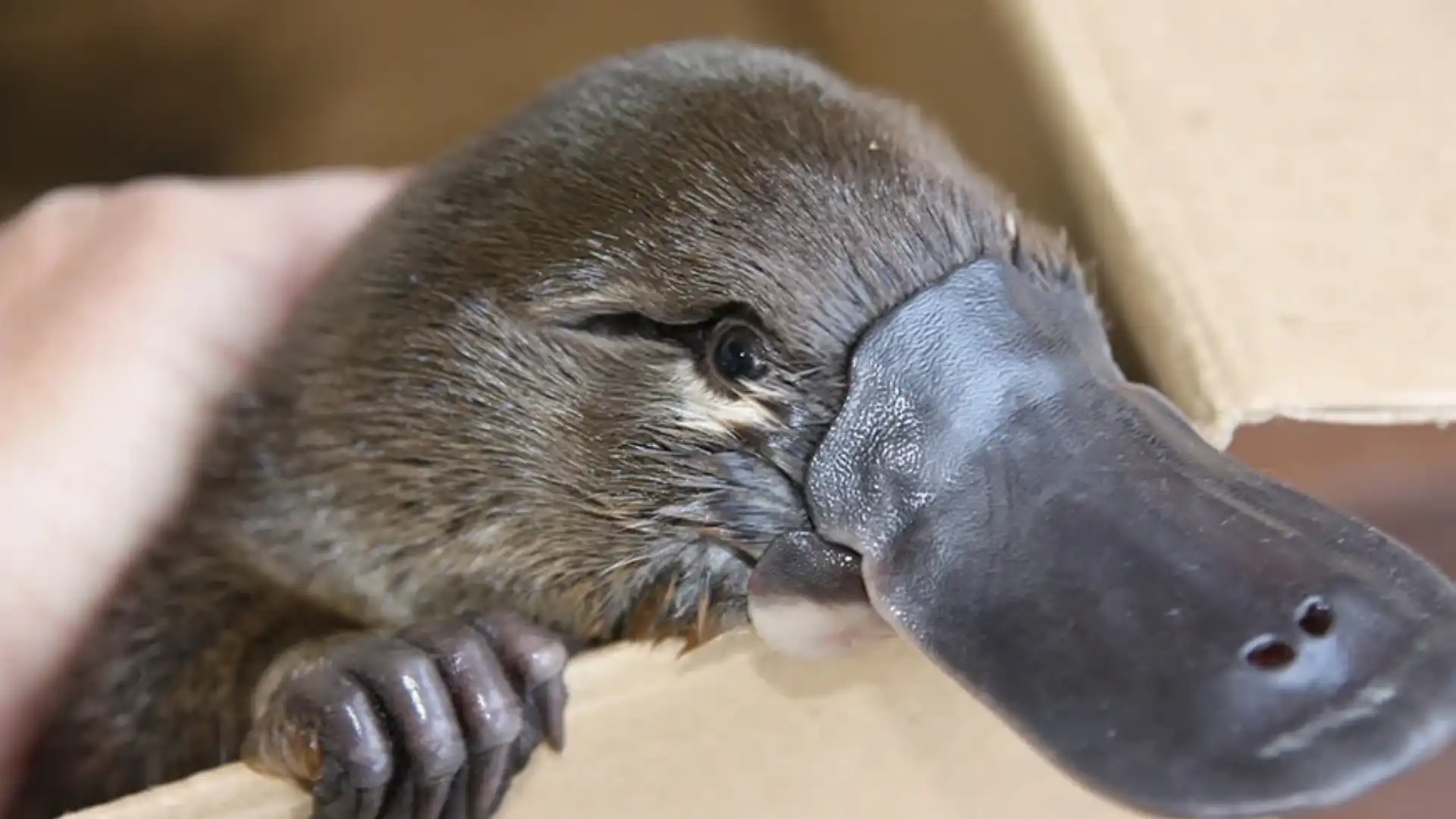
The platypus is a fascinating example of solitary animals that live alone, often found foraging in rivers and streams. Equipped with unique electroreceptors in its bill, this loner easily detects prey, showcasing an adaptation that sets it apart in the animal kingdom.
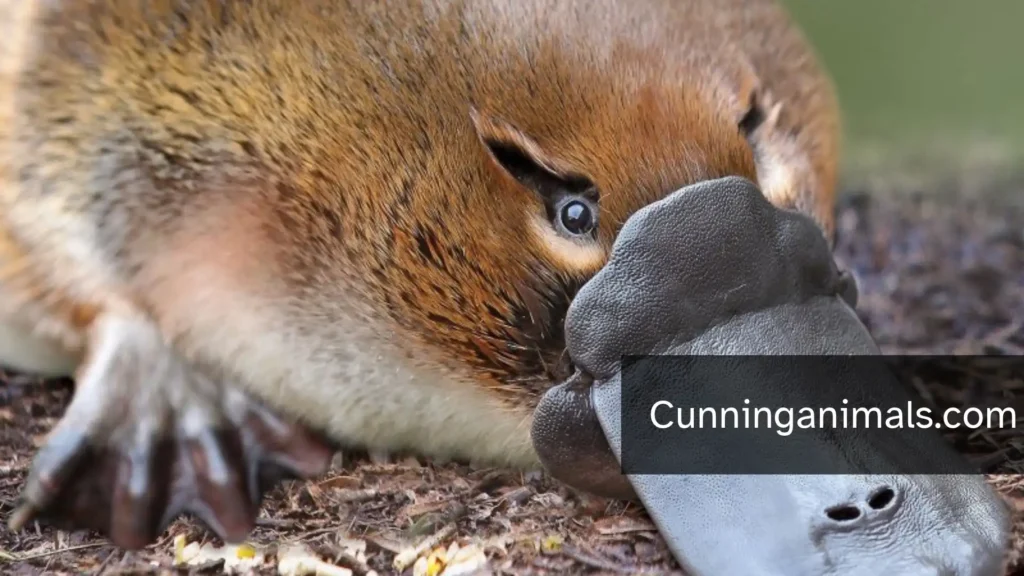
These aquatic mammals possess webbed feet, making them exceptional swimmers, yet they come ashore to breed and rest and its webbed feet make it just as at home navigating the aquatic environments where many animals that live in rivers thrive, further showcasing its adaptability as a swimmer. Living mostly in solitude, the platypus combines the habits of various species, making it a rare hybrid of mammal, bird, and reptile traits in the world of solitary animals.
Polar Bear
Scientific Name: Ursus maritimus
Class: Mammalia
Diet: Carnivore
The polar bear, known as a skilled solitary animal, roams vast Arctic landscapes primarily in search of seals. Adapting to extreme conditions, these loner animals thrive in isolation, relying on keen hunting skills and immense strength to catch prey.
While they are capable of socializing, especially during mating season, solitary behaviors are vital for survival in their frigid habitats. The dependency on sea ice for hunting makes them a symbol of climate change, emphasizing the challenges faced by solitary animals in precarious environments.
Snow Leopard
Scientific Name: Panthera uncia
Class: Mammalia
Diet: Carnivore
Snow leopards embody the spirit of solitary animals, stealthily navigating the rugged mountains of Central Asia. With their thick fur and long tails, these elusive loners are perfectly adapted to survive in harsh terrains while stalking prey like ibex and blue sheep.
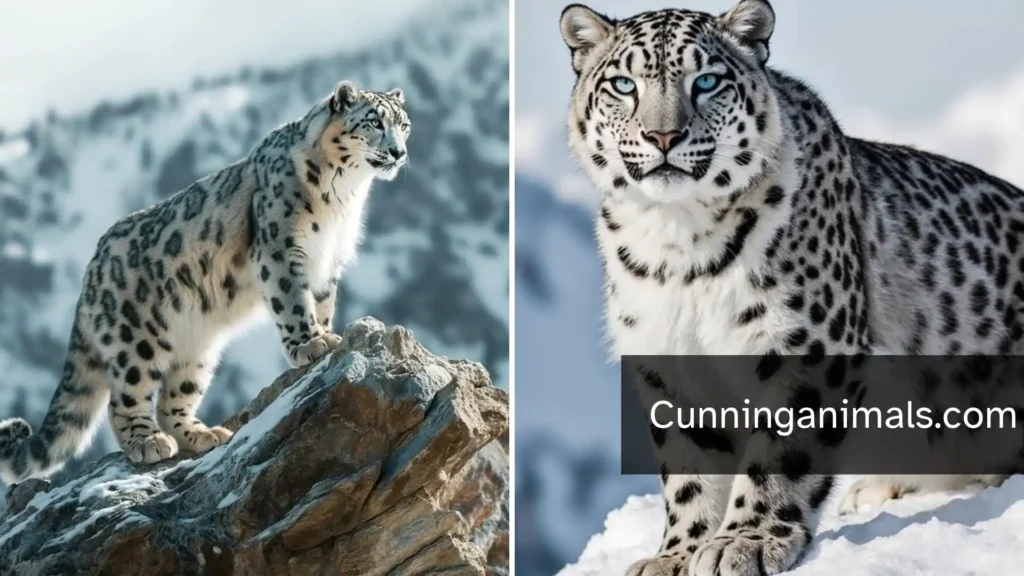
Unlike other big cats, snow leopards are known for their solitary lifestyle, marking vast territories to ensure they have ample resources. Their solitary nature not only aids in hunting but also minimizes competition, allowing them to thrive in one of the most challenging habitats in the world.
Moose
Scientific Name: Alces alces
Class: Mammalia
Diet: Herbivore
Moose are the largest members of the deer family and primarily lead solitary lives, except during mating season. These impressive loners roam the forests and wetlands of North America, foraging for aquatic plants and tender shoots that compose their diet. A trait moose share with other large browsers when it comes to what do deer eat, favoring soft shoots over tougher plant matter
Known for their long legs and massive antlers, moose are powerful grazers capable of reaching high branches while also dabbling in water. Their solitary habits allow them to thrive in diverse terrains, making them remarkable examples of large, solitary animals that stimulate curiosity in wildlife enthusiasts.
Desert Tortoise
Scientific Name: Gopherus agassizii
Class: Reptilia
Diet: Herbivore
The desert tortoise, a striking inhabitant of North American deserts, is known for its solitary lifestyle, often spending time alone in burrows to escape the heat. With a diet primarily consisting of native plants, these tortoises demonstrate resilience and adaptability in harsh environments.
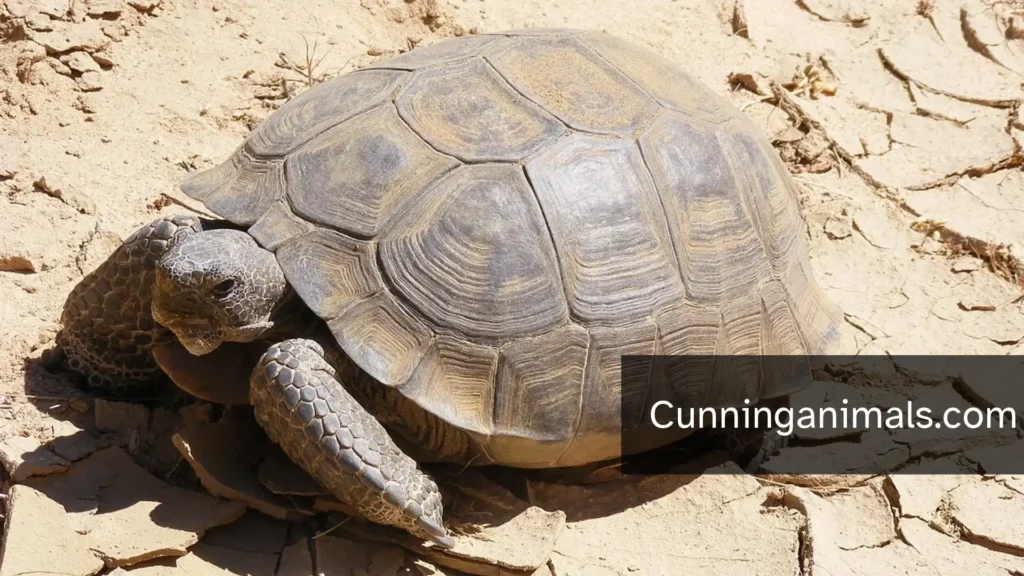
Typically reclusive, they venture out primarily during the cooler parts of the day, illustrating behaviors that avoid potential predators. This loner animal’s survival depends on its ability to find sustenance and shelter, allowing it to inhabit some of the most arid conditions on the planet.
Hawaiian Monk Seal
Scientific Name: Neomonachus schauinslandi
Class: Mammalia
Diet: Carnivore
The Hawaiian monk seal represents a rare species of solitary animals that live alone, preferring the warm waters of the Pacific. These seals often find solace on remote beaches, where they haul out to rest and bask in the sun.
While they can sometimes be observed in small groups, they primarily lead solitary lives, relying on their agile swimming skills to hunt fish and crustaceans in the ocean. Their endangered status highlights the challenges faced by these loner animals, emphasizing conservation efforts necessary to protect their dwindling populations.
Chuckwalla
Scientific Name: Sauromalus ater
Class: Reptilia
Diet: Herbivore
Chuckwallas are unique solitary animals thriving in the arid deserts of the southwestern United States. These large lizards, known for their stocky bodies and distinctive coloration, primarily feed on leaves and desert vegetation, showcasing adaptations that allow them to thrive in harsh environments.
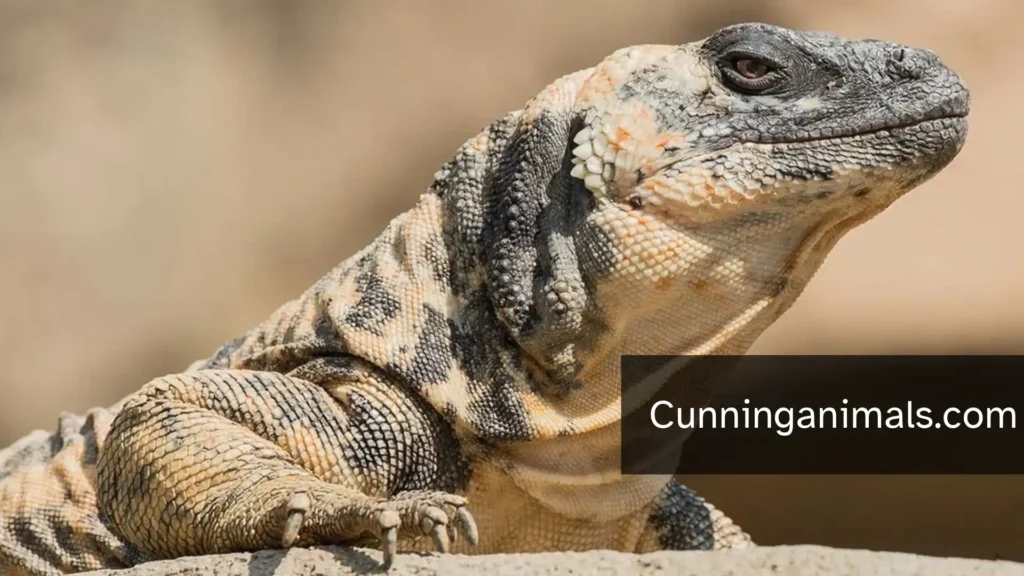
When threatened, chuckwallas have a remarkable defense mechanism: they squeeze into rock crevices to escape predators. This herbivorous loner’s ability to blend into its rocky surroundings makes it a fascinating example of the adaptability found among solitary animals in the wild.
Tiger
Scientific Name: Panthera tigris
Class: Mammalia
Diet: Carnivore
Tigers are quintessential solitary animals known for their majestic beauty and tremendous strength. Roaming vast territories in Asia, these big cats are highly adaptable, stalking various prey from deer to wild boar in dense forests and grasslands.
While they engage in social behaviors during mating, tigers are true loners when it comes to hunting. Their solitary nature, marked by careful tracking and ambush techniques, allows them to dominate their environment while minimizing competition among their kind.
Jaguar
Scientific Name: Panthera onca
Class: Mammalia
Diet: Carnivore
The jaguar is another iconic solitary animal that thrives in the rainforests of Central and South America. Renowned for their powerful bite and beautiful rosettes, these big cats exhibit extraordinary stealth as they stalk prey, typically preferring to hunt alone placing it among the strongest animals in the world when measured by bite force relative to body size
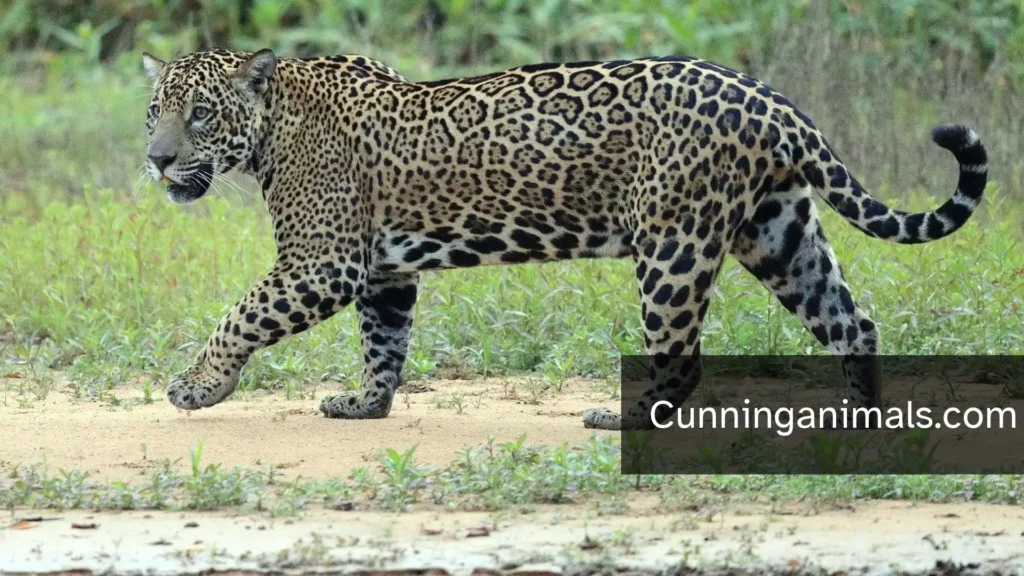
Unlike their tiger relatives, jaguars often take to the water, showcasing their prowess as swimmers. Their solitary lives allow them to exploit a diverse diet, from caimans to peccaries, reinforcing their status as one of the top predators in their habitat.
Koala
Scientific Name: Phascolarctos cinereus
Class: Mammalia
Diet: Herbivore
Despite their cuddly appearance, koalas are primarily solitary animals that live alone in the eucalyptus forests of Australia. They spend most of their time resting in trees, feeding on leaves, and conserving energy, as their diet requires significant energy expenditure for digestion.
While they have overlapping home ranges with others, these arboreal marsupials prefer solitude to socialize or mate only during specific seasons. Their solitary lifestyle highlights the unique adaptations that enable them to thrive on a specialized diet, making them intriguing animals to observe within their natural habitats.
Wolverine
Scientific Name: Gulo gulo
Class: Mammalia
Diet: Carnivore
The wolverine, often mistaken for a small bear, is a ferocious solitary animal known for its strength and tenacity. Found in subarctic and boreal regions, these loners are skilled scavengers and hunters, known for taking down prey much larger than themselves.
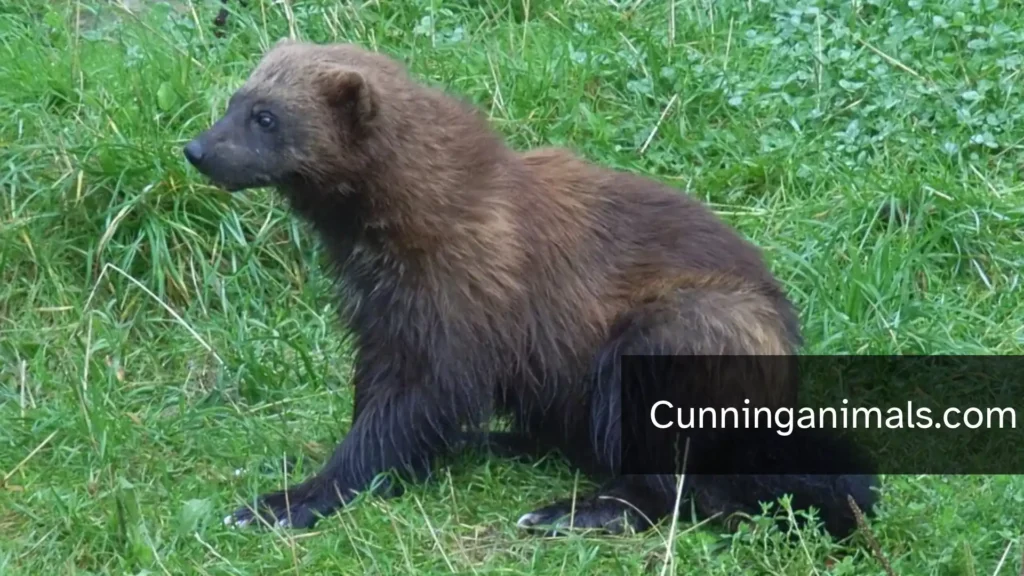
Typically shy and elusive, wolverines maintain large home ranges and exhibit territorial behaviors, shunning social connections. Their solitary nature allows them to adapt to harsh environments, highlighting the incredible resilience native to this formidable creature.
Giant Panda
Scientific Name: Ailuropoda melanoleuca
Class: Mammalia
Diet: Herbivore
The giant panda is an enchanting example of a solitary animal that thrives in the misty bamboo forests of China. Primarily herbivorous, these bears consume up to 40 pounds of bamboo daily to sustain their energy levels due to the low nutritional value of their diet.
While they are often associated with adorable group dynamics, pandas prefer solitude, only seeking out one another during the short breeding season. Their lives revolve around feeding and foraging, making them exemplary solitary animals that have captivated conservationists and animal lovers alike.
Conclusion
The solitary animals in the world exhibit remarkable adaptations and behaviors that allow them to thrive in isolation. From the elusive snow leopards roaming the mountains to the stealthy octopuses hiding in their oceanic lairs, these creatures offer us a fascinating glimpse into the diverse strategies of survival.
Understanding how animals that live alone navigate their environments can enhance our appreciation for biodiversity and the intricate web of life on Earth. As we learn more about these unique beings, we gain insights into the importance of conservation and preserving their habitats.
FAQs
What Is A Solitary Animal?
A solitary animal is a species that generally lives, hunts, or forages alone rather than in a permanent social group. Such animals may still interact with others during mating, raising offspring, or temporary gatherings.
What Animal Is Most Independent?
The tiger is often considered one of the most independent animals because it typically hunts, travels, and defends its territory alone. Its solitary lifestyle allows it to find food without depending on a group.
Can You Give Me A List Of Solitary Animals?
Yes. Examples of solitary animals include the tiger, jaguar, snow leopard, polar bear, wolverine, platypus, desert tortoise, chuckwalla, koala, moose, giant panda, and Hawaiian monk seal.
What Animals Are The Most Solitary?
Some of the most solitary animals include tigers, snow leopards, jaguars, polar bears, wolverines, desert tortoises, and moose. These animals generally live and forage alone, coming together mainly for mating or raising young.