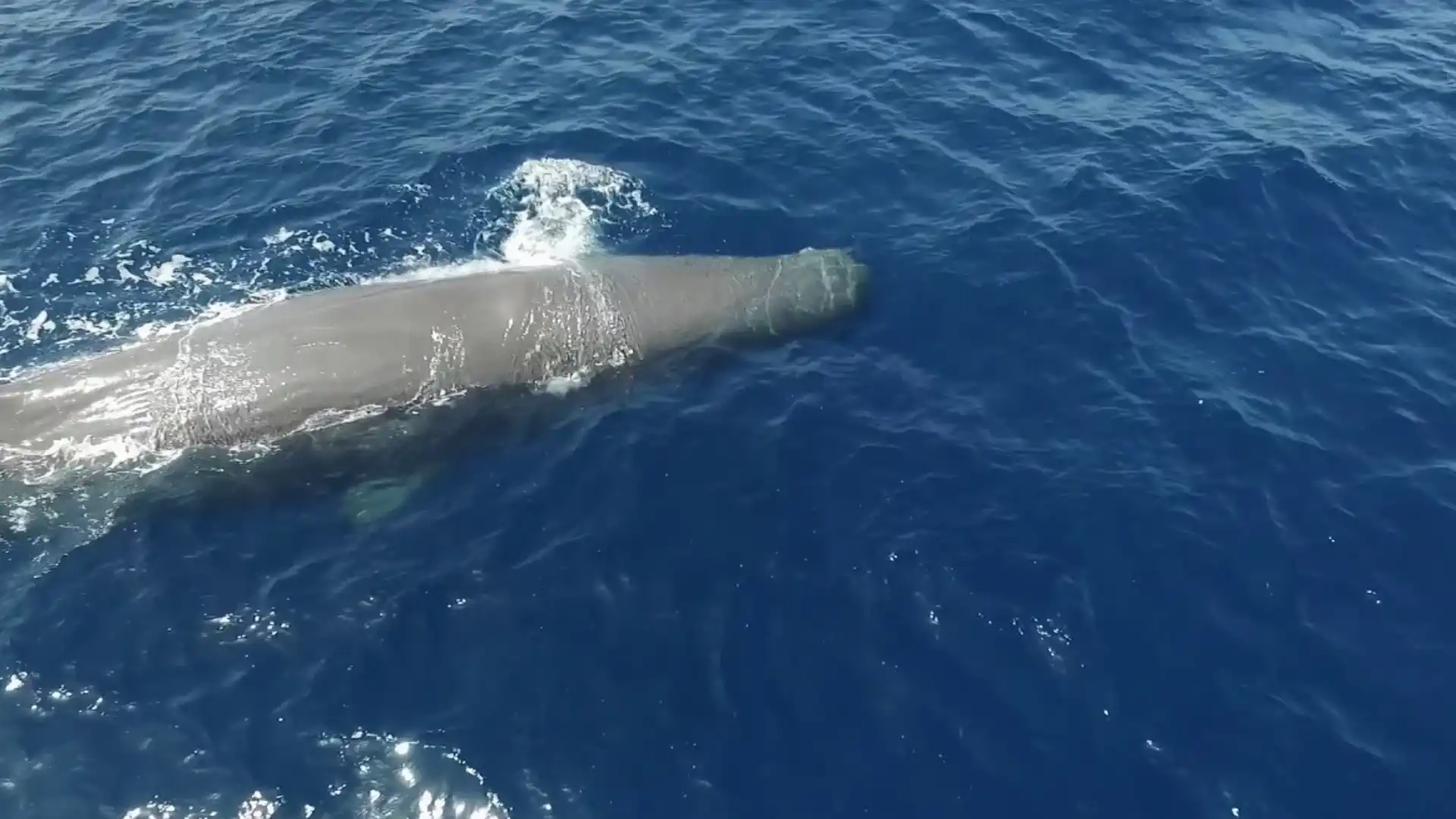
20 Animals That Are Loud (With Pictures & Amazing Facts)
The animal kingdom boasts some remarkable vocal talents, with certain species producing sounds that can rival even the loudest human-made noises. In this article, we’ll explore 20 Animals That Are Loud, featuring jaw-dropping facts and stunning pictures.
From the thunderous roar of the loudest animal in the world to the surprising calls of other wildlife, you’ll discover just how diverse and fascinating these creatures can be. Understanding these Animals That Are Loud not only enriches our knowledge of biodiversity but also highlights the intricate ways these animals communicate.
What Are The Loudest Animals In The World?
Several animals are renowned for their powerful calls, showcasing the incredible range of sound produced in the animal kingdom. Sperm whales dominate the underwater soundscape with intense clicks that can reach up to 230 decibels, facilitating communication over vast oceanic distances.
Lions also contribute to the symphony of nature with their regal roars, which can reach around 114 decibels, asserting their presence across the savanna. Meanwhile, cicadas create love songs with their collective choruses, producing sounds that can top 120 decibels in the heat of summer.
20 Animals That Are Loud
| No. | Animal | Scientific Name | Class |
| 1 | Sperm Whale | Physeter macrocephalus | Mammalia |
| 2 | Howler Monkey | Alouatta spp. | Mammalia |
| 3 | Lion | Panthera leo | Mammalia |
| 4 | Cicada | Cicadidae | Insecta |
| 5 | African Elephant | Loxodonta africana | Mammalia |
| 6 | Blue Whale | Balaenoptera musculus | Mammalia |
| 7 | Common Raven | Corvus corax | Aves |
| 8 | Cockatoo | Cacatuidae | Aves |
| 9 | Peacock | Pavo cristatus | Aves |
| 10 | Common Loon | Gavia immer | Aves |
| 11 | Red Howler Monkey | Alouatta seniculus | Mammalia |
| 12 | Spotted Hyena | Crocuta crocuta | Mammalia |
| 13 | Gray Wolf | Canis lupus | Mammalia |
| 14 | American Alligator | Alligator mississippiensis | Reptilia |
| 15 | American Bullfrog | Lithobates catesbeianus | Amphibia |
| 16 | Common Nightingale | Luscinia megarhynchos | Aves |
| 17 | Macaque Monkey | Macaca spp. | Mammalia |
| 18 | Laughing Kookaburra | Dacelo novaeguineae | Aves |
| 19 | Pistol Shrimp | Alpheidae | Malacostraca |
| 20 | Greater Bulldog Bat | Noctilio leporinus | Mammalia |
Sperm Whale
Scientific Name: Physeter macrocephalus
Class: Mammalia
Diet: Carnivorous
Sperm whales are known for their booming clicks, reaching up to 230 decibels, making them the loudest animals on the planet. Their vocalizations are primarily used for echolocation, allowing them to hunt effectively in the deep ocean.
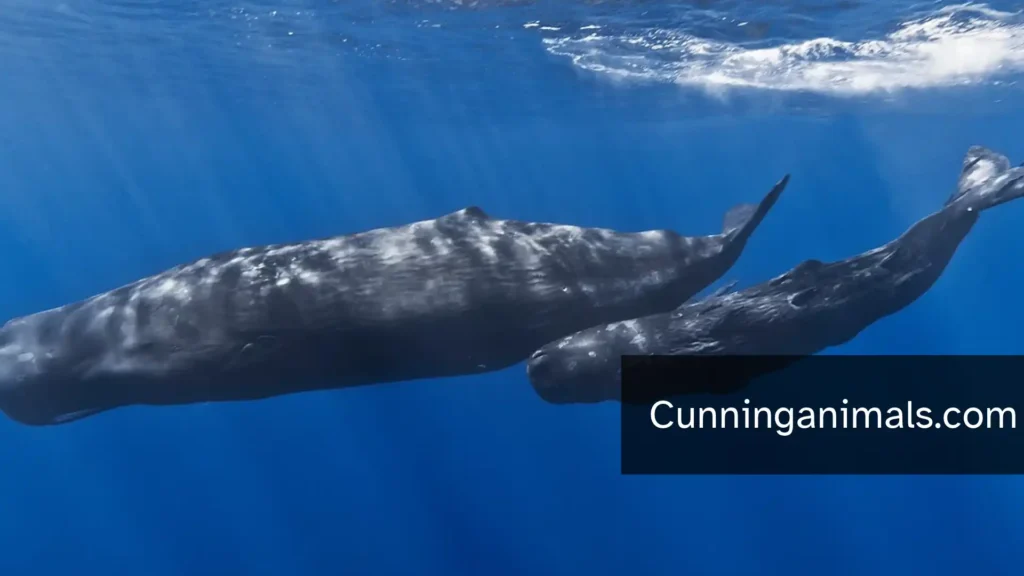
These massive creatures can communicate over vast distances, showcasing a sophisticated social structure. Their clicks can be so powerful that they can cause temporary hearing loss in humans if encountered at close range.
Howler Monkey
Scientific Name: Alouatta
Class: Mammalia
Diet: Herbivorous
Renowned for their haunting calls, howler monkeys can produce sounds that reach 140 decibels, making them the loudest primates. Their vocalizations serve as both territorial claims and social communications among troop members.
These monkeys often howl at dawn and dusk, creating a symphony of calls that echo through the rainforest. Their vocal prowess is not just for show; it helps maintain group cohesion while navigating dense foliage.
Lion
Scientific Name: Panthera leo
Class: Mammalia
Diet: Carnivorous
Lions can roar at a deafening 114 decibels, a sound that can be heard from miles away. This iconic roar serves multiple purposes, such as asserting territory and communicating with pride members.
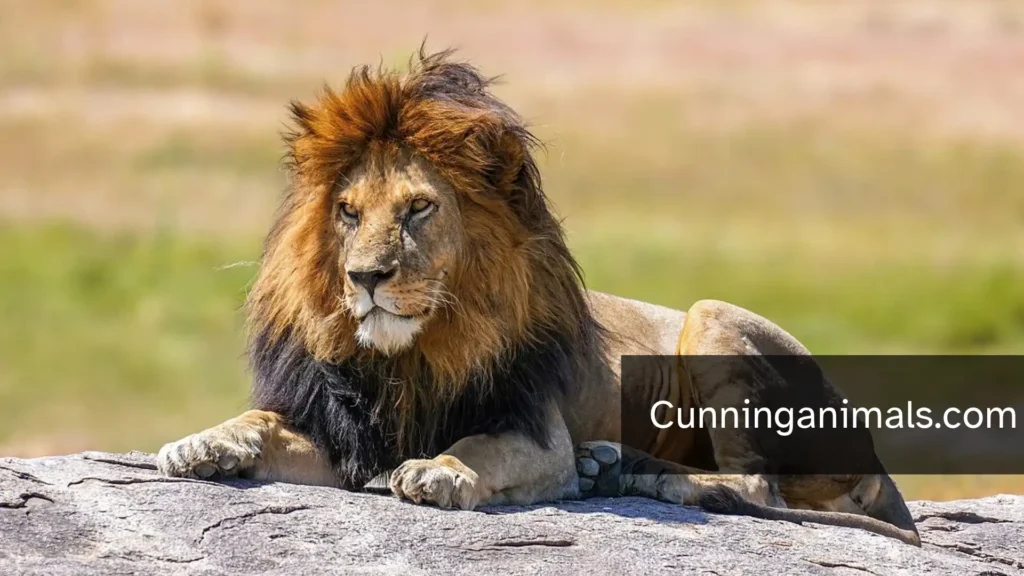
The roar of a lion is often regarded as a symbol of authority and strength in the animal kingdom. It not only intimidates rivals but also helps coordinate social activities within the pride. A lion’s mane adds to its commanding presence, making the roar seem even more intimidating to rivals. If you’re curious about other animals that have manes, there are some surprising species beyond the big cats.
Cicada
Scientific Name: Cicadidae
Class: Insecta
Diet: Herbivorous
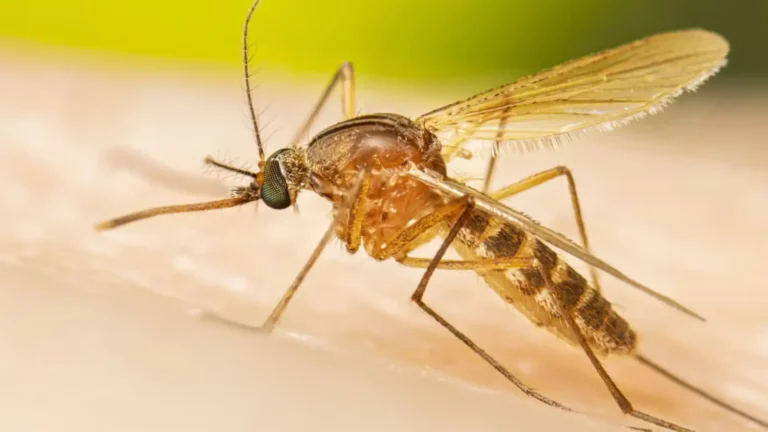
Cicadas are famous for their loud mating calls, which can reach up to 120 decibels. Male cicadas produce these sounds using specialized membranes called tymbals, vibrating them rapidly to attract females.
The distinctive buzz and drone of cicadas often announce the arrival of warm weather. Their collective chorus is a hallmark of summer, creating an almost musical ambiance in forests and gardens worldwide.
African Elephant
Scientific Name: Loxodonta africana
Class: Mammalia
Diet: Herbivorous
African elephants communicate using low-frequency rumbles that can be heard up to 2 miles away. These vocalizations are inaudible to human ears but can be sensed by other elephants, demonstrating their advanced social networks.
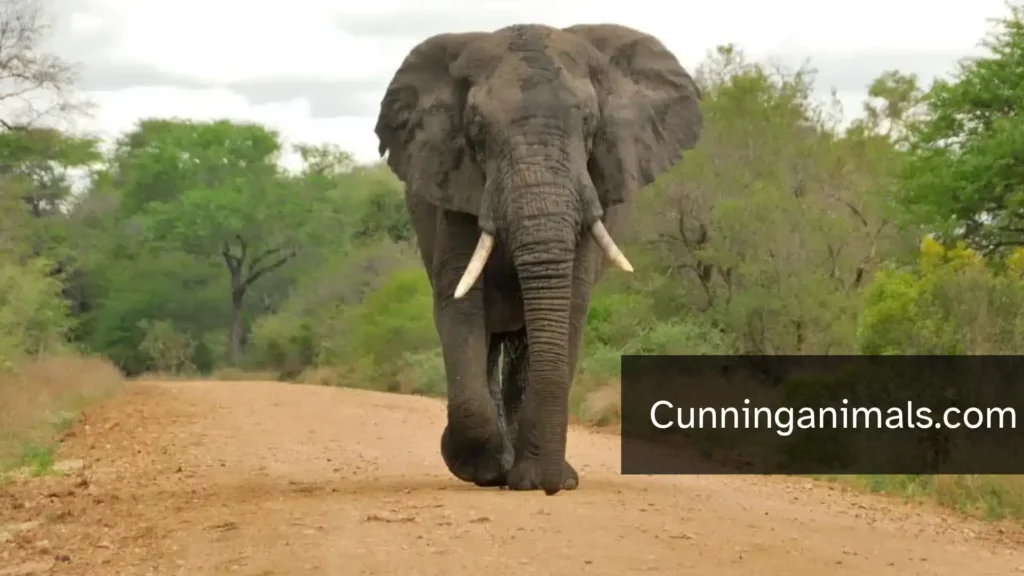
In addition to rumbles, they also produce deep trumpet calls, which can be strikingly loud. This combination of vocalizations plays a crucial role in maintaining bonds within herds and navigating their complex social structures.
Blue Whale
Scientific Name: Balaenoptera musculus
Class: Mammalia
Diet: Carnivorous
Blue whales are giants of the ocean, producing calls that can exceed 188 decibels, making them the loudest animals. These calls can travel across entire ocean basins, showcasing an impressive method of communication.
Their songs are believed to convey complex information and aid in mating. Interestingly, like many marine mammals, their vocalizations have decreased over the years due to increasing underwater noise pollution.
Common Raven
Scientific Name: Corvus corax
Class: Aves
Diet: Omnivorous
Common ravens are not just clever; they are also exceptionally loud, with calls that can reach up to 125 decibels. Their vocalizations include a variety of caws, croaks, and even mimicking other sounds.

Ravens use their powerful voices to communicate with fellow ravens, assert territory, and warn of dangers. Their vocal repertoire is both fascinating and functional, reflecting their intelligence and adaptability.
Cockatoo
Scientific Name: Cacatuidae
Class: Aves
Diet: Herbivorous
Cockatoos are known for their boisterous calls that can peak around 135 decibels. Their vocalizations play an essential role in social interactions and establishing dominance among flocks.
With their striking crests and charming personalities, cockatoos use their loud screeches to engage with both members of their species and humans. Their ability to mimic sounds further enhances their vocal prowess.
Peacock
Scientific Name: Pavo cristatus
Class: Aves
Diet: Omnivorous
Peacocks are not only visually stunning but also quite loud, with calls that can reach volumes of 100 decibels. Their cries serve as both mating calls and alerts to potential threats in their environment.

The unique sounds produced by peacocks complement their elaborate courtship displays, making them a fascinating species for observation. Their loud calls echo through the forests, marking their territory and attracting potential mates.
Common Loon
Scientific Name: Gavia immer
Class: Aves
Diet: Carnivorous
Common loons are famous for their eerie and haunting calls, which can be as loud as 90 decibels. These vocalizations play a vital role in territory establishment and bonding between mates.
Their vocal repertoire includes tremolos and yodels, which blend beautifully with the serene lakes they inhabit. Their haunting sounds evoke a sense of wilderness and connection to nature, particularly in summer evenings.
Red Howler Monkey
Scientific Name: Alouatta seniculus
Class: Mammalia
Diet: Herbivorous
Renowned for their impressive vocal range, red howler monkeys can emit sounds that reach up to 108 decibels. Their calls serve both territorial and social functions, helping to strengthen group dynamics in dense rainforests.
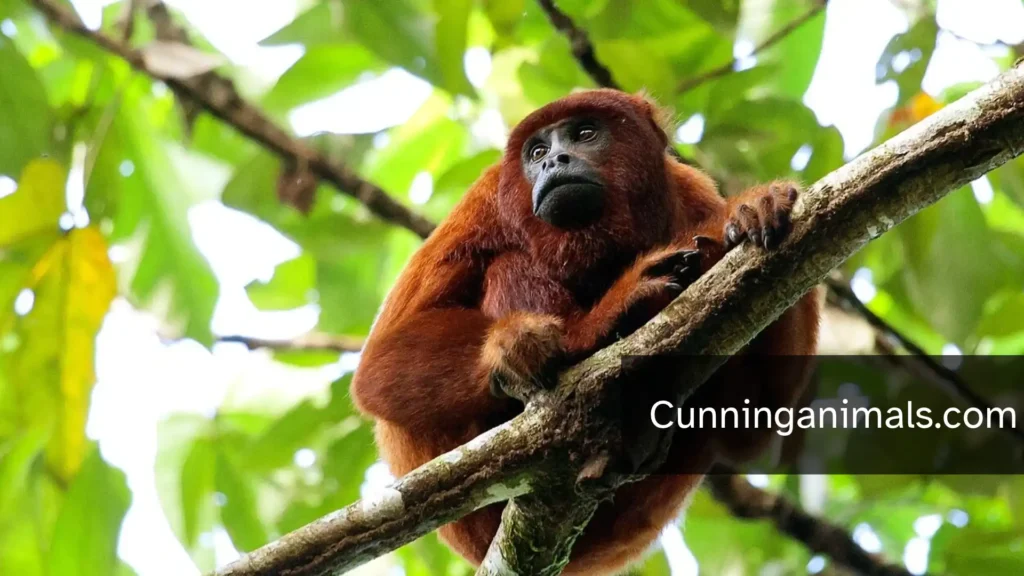
These howlers frequently communicate throughout the day, creating a cacophony that resonates through their habitat. Their calls can be an indication of the health of their ecosystems, as they thrive in rich biodiversity.
Spotted Hyena
Scientific Name: Crocuta crocuta
Class: Mammalia
Diet: Carnivorous
Spotted hyenas are known for their cackling laughs, which can reach levels of 112 decibels. These distinctive sounds serve various purposes, including communication and coordination during hunts.
Their vocalizations are not just random noises; they convey social status and emotions within their clans. The complex social hierarchy among hyenas is reflected in their dynamic calls and responses. Spotted hyenas are easy to recognize by their coats as well as their cackling calls. They’re just one of many animals with spots, each using its pattern for camouflage, identification, or communication.
Gray Wolf
Scientific Name: Canis lupus
Class: Mammalia
Diet: Carnivorous
Gray wolves can howl at volumes reaching 110 decibels, serving as a crucial means of communication within packs. These howls help to assemble the pack and establish territory, resonating through vast wilderness areas.

Their howling often creates a haunting yet beautiful symphony, echoing through forests and mountains at dusk. This vocal behavior also reflects the strong social bonds wolves share, as they come together in harmony. Howling helps wolves stay in touch with packmates across long distances. This kind of vocal coordination is common among animals that live in groups, where communication is key to survival.
American Alligator
Scientific Name: Alligator mississippiensis
Class: Reptilia
Diet: Carnivorous
American alligators produce a wide range of vocalizations, including powerful bellows that can reach 90 decibels. These low-frequency sounds are vital for both mating and establishing dominance.
Their vocalizations are unique for reptiles, showcasing complex social behaviors and interactions. These sounds resonate through their wetland habitats, adding an element of intrigue to their environment.
American Bullfrog
Scientific Name: Lithobates catesbeianus
Class: Amphibia
Diet: Carnivorous
American bullfrogs can produce loud, deep croaks that can reach 100 decibels, especially during mating season. Their vocalizations serve to attract females and establish territory.

The bullfrog’s distinctive call is often associated with summer evenings near ponds and marshes. Their loud croaking creates a natural symphony, highlighting the vibrancy of aquatic ecosystems they inhabit.
Common Nightingale
Scientific Name: Luscinia megarhynchos
Class: Aves
Diet: Insectivorous
The common nightingale is renowned for its melodious yet loud song, often reaching 90 decibels. Their vocal prowess is primarily utilized during the breeding season to attract mates.
These nightingales sing both day and night, bringing life to gardens and forests with their beautiful tunes. Their ability to imitate the songs of other birds further enhances their captivating repertoire.
Macaque Monkey
Scientific Name: Macaca
Class: Mammalia
Diet: Omnivorous
Macaque monkeys are known for their loud calls that can peak at around 90 decibels. Their vocalizations are crucial for social interactions and maintaining cohesion within their troops.
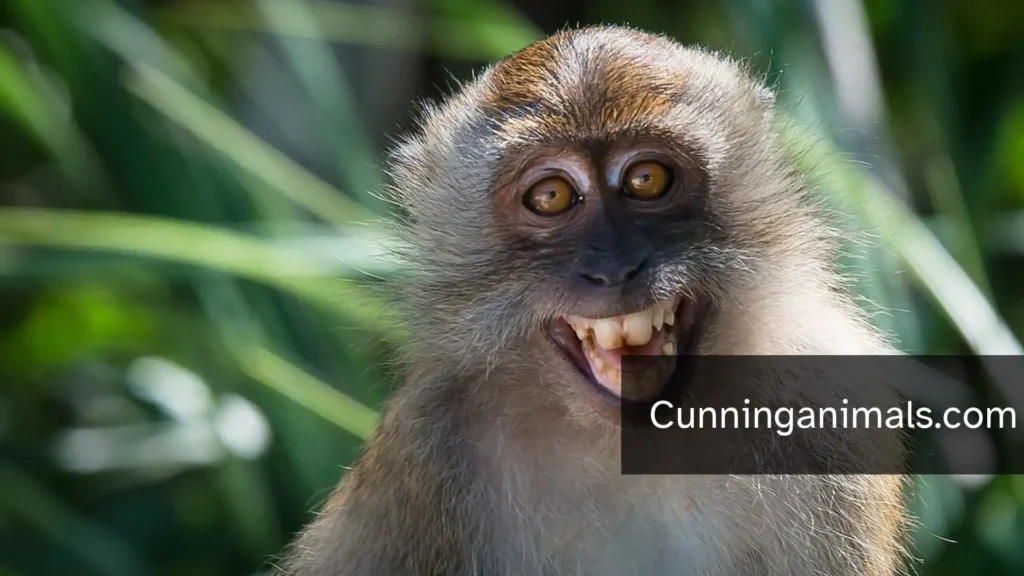
These monkeys communicate through a variety of sounds, from warning calls to playful chattering, creating a lively atmosphere in their habitats. Their ranks and relationships are often reflected in the complexity of their vocal interactions.
Laughing Kookaburra
Scientific Name: Dacelo novaeguineae
Class: Aves
Diet: Carnivorous
The laughing kookaburra’s distinctive call can reach up to 120 decibels, resembling human laughter. Their vocalizations serve multiple purposes, from establishing territory to communicating with family groups.
Their unique laughter echoes through Australian woodlands, marking them as one of the country’s most recognizable sounds. This characteristic call also plays a role in maintaining group dynamics within their social structures.
Pistol Shrimp
Scientific Name: Alpheidae
Class: Malacostraca
Diet: Carnivorous
Pistol shrimp use a specialized claw to produce a snap that reaches 218 decibels, creating shockwaves in water. This snapping serves both as a hunting technique and a means of communication.

The sound produced is not just impressive but also generates bubbles that can burst with tremendous force, stunning prey. This extraordinary ability reflects both the shrimp’s evolutionary adaptation and the fascinating acoustics of the underwater world.
Greater Bulldog Bat
Scientific Name: Nosferatu
Class: Mammalia
Diet: Insectivorous
The greater bulldog bat produces echolocation calls that can reach up to 140 decibels, allowing it to navigate the night skies. These high-frequency sounds are essential for locating prey with stunning accuracy.
Their vocal emissions are remarkably loud for bats, illustrating their unique hunting strategies. The echolocation employed is a marvel of nature, enabling these bats to thrive in various environments while effectively hunting insects.
Interesting Facts About Loud Animals
The incredible variety of loud animals showcases nature’s creativity in communication and survival. From the haunting calls of loons to the raucous mating songs of cicadas, each sound serves a vital purpose, often unknown to human ears.
- Sperm whales use clicks for echolocation, enabling them to navigate and hunt in the deep ocean.
- Some elephant calls contain low-frequency components that can travel great distances, allowing them to communicate over miles.
- Male cicadas produce sounds to attract mates, making them one of the loudest insects on the planet during the summer months.
- Howler monkeys have specialized vocal anatomy, which amplifies their calls and can be heard up to three miles away.
- Lions use roars to communicate over distance, establishing territory and rallying their pride at night.
- Loons have calls that carry across water, piercing through the stillness of lakes with hauntingly beautiful sounds.
- Pistol shrimp create sound through a cavitation bubble, producing a snap louder than a gunshot underwater.
- Some animal vocalizations occur at frequencies humans cannot hear, revealing a hidden world of communication among species. Sound plays a huge role in animal communication, but not every creature experiences it the same way. Some species can’t hear at all, as you can see in this list of animals that are deaf, and they rely on other senses instead.
Conclusion
In exploring the world of Animals That Are Loud, we’ve discovered some fascinating creatures that use their voices to communicate, attract mates, or defend their territory. From the deafening calls of the loudest animal on earth to the unique sounds of lesser-known species, the animal kingdom is truly a symphony of noise.
Among these, the loudest animal holds records that are astonishing, proving that size isn’t always an indicator of volume. Each of these remarkable animals plays a vital role in their ecosystems, showing that sounds can carry significant meaning. Of course, not every animal wants to be heard. While these species announce themselves loudly, many of the shy animals in the world prefer to stay quiet and avoid attention.
FAQs
What Are The 10 Loudest Animals?
Some of the loudest animals in the world include the sperm whale, blue whale, lion, howler monkey, African elephant, cicada, cockatoo, spotted hyena, common loon, and American alligator. These animals produce powerful clicks, roars, calls, or bellows for communication, mating, and territory defense.
What Animal Is The Loudest?
The sperm whale is often cited among the loudest animals because it produces extremely intense underwater clicks used for echolocation. However, comparing underwater sounds with sounds measured in air is difficult because they use different reference pressures and measurement methods.
What Are 5 Examples Of Loud Sounds?
Five examples of loud animal sounds are a lion’s roar, a sperm whale’s clicks, an elephant’s trumpet, a howler monkey’s booming call, and a cicada’s buzzing chorus. These sounds help animals communicate, attract mates, locate prey, or defend their territories.
What Is A Noisy Animal?
A noisy animal is one that produces frequent, loud, or easily noticeable sounds. Examples include cicadas, howler monkeys, lions, cockatoos, and elephants. Animals make these sounds to communicate with others, warn of danger, attract mates, and establish territory.