
26 Scavenger Animals in the World: Names, Facts & Pictures
The role of scavenger animals in the world is essential for a healthier ecosystem, yet many people overlook these extraordinary creatures. From vultures to hyenas, scavenger animals come in various shapes and sizes, each contributing to the food chain through their unique feeding habits.
In this article, we’ll explore 26 incredible scavenger species, including their behaviors and habitats, alongside a captivating collection of scavenger animals pictures. You’ll leave with a clearer understanding of why these creatures matter and what are 10 scavenger examples that highlight their significance.
What Are Scavenger Animals In The World?
Scavenger animals in the world play a vital role in ecosystems by recycling nutrients and maintaining environmental balance. These creatures, like vultures, hyenas, and raccoons, thrive on the remains of dead animals, helping to reduce the spread of disease and promoting decomposition.
Interestingly, scavengers often possess unique adaptations that enhance their survival. For example, vultures have highly acidic stomachs, enabling them to digest rotting flesh that would be toxic to most other animals. Raccoons, with their dexterous paws and keen sense of smell, can forage through various habitats, showcasing their versatility.
Top 26 Scavenger Animals In The World (With Pictures)
| Animal Name | Scientific Name | Class | Habitat |
| Hyena | Crocuta crocuta | Mammalia | Savannas |
| Raven | Corvus corax | Aves | Forests and open areas |
| Hawk | Buteo jamaicensis | Aves | Woodlands and grasslands |
| Vulture | Gyps africanus | Aves | Open landscapes |
| Jackal | Canis aureus | Mammalia | Grasslands and scrublands |
| Opossum | Didelphis virginiana | Mammalia | Forests and urban areas |
| Ant | Formicidae | Insecta | Soil and forests |
| Shark | Carcharodon carcharias | Chondrichthyes | Oceans |
| Seagull | Larinae | Aves | Coastal areas |
| African Wild Dog | Lycaon pictus | Mammalia | African savannas |
| Lobster | Malacostraca | Malacostraca | Ocean floors |
| Red Fox | Vulpes vulpes | Mammalia | Forests and grasslands |
| Coyote | Canis latrans | Mammalia | Grasslands and deserts |
| Hagfish | Myxini | Myxini | Deep oceans |
| Eagle | Accipitridae | Aves | Mountains and forests |
| Crow | Corvus species | Aves | Forests and urban areas |
| Tasmanian Devil | Sarcophilus harrisii | Mammalia | Tasmania |
| Crab | Brachyura | Malacostraca | Coastal waters |
| Raccoon | Procyon lotor | Mammalia | Forests and urban areas |
| Andean Condor | Vultur gryphus | Aves | South American mountains |
| Millipede | Diplopoda | Diplopoda | Moist soil and leaf litter |
| Marabou Stork | Leptoptilos crumenifer | Aves | African wetlands and savannas |
| Beetle | Coleoptera | Insecta | Forests and grasslands |
| Bear | Ursidae | Mammalia | Forests and mountains |
| Gray Wolf | Canis lupus | Mammalia | Forests and tundra |
| Turkey Vulture | Cathartes aura | Aves | Open fields and woodlands |
Hyenas
Scientific Name: Crocuta crocuta
Class: Mammalia
Habitat: Savannas, grasslands, and woodlands
Hyenas often wear a bad reputation in the animal kingdom, yet they showcase remarkable social structures and intelligence. Living in clans and exhibiting complex behaviors, they are skilled hunters and scavengers who play vital roles in maintaining ecological balance. While their laughter-like calls echo through the night, there’s a harmonious rhythm to their lives, reminding us of the intricate web of life surrounding us.
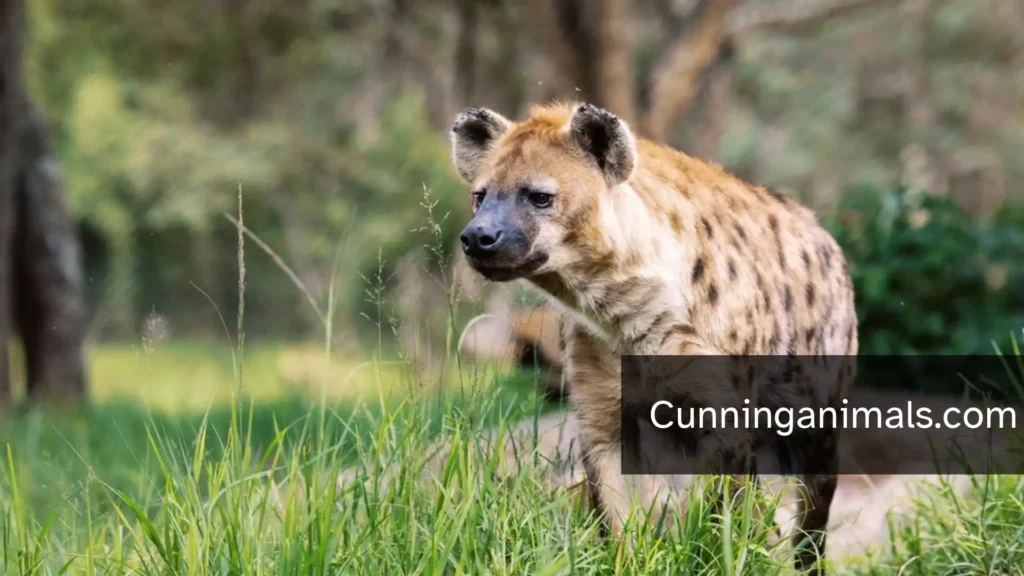
These creatures are more than just scavengers; they are essential to the ecosystem. Their unique adaptations allow them to consume carcasses that many other animals can’t, thus preventing the spread of disease. This remarkable efficiency not only aids their survival but also supports the health of their environment, showcasing the beauty of nature’s design.
Ravens
Scientific Name: Corvus corax
Class: Aves
Habitat: Forests, mountains, and deserts
Ravens are highly intelligent birds known for their problem-solving abilities and adaptability. These creatures communicate with a variety of calls and are often seen as symbols of insight and wisdom. Their presence in folklore and mythology speaks to the admiration they inspire, reflecting a deeper connection between nature and spirituality.
Each raven possesses a unique set of vocalizations, allowing for complex social interactions. Their ability to use tools and engage in play highlights their cognitive capabilities, encouraging us to appreciate the intelligence found in all living beings. These striking black birds remind us to embrace curiosity and exploration in our own lives.
Hawks
Scientific Name: Accipiter (various species)
Class: Aves
Habitat: Woodlands, grasslands, and urban areas
Hawks captivate us with their keen eyesight and remarkable agility in flight. These raptors, often soaring high above, symbolize freedom and perspective — a reminder to rise above our challenges and view the world from new heights. Their ability to adapt to various habitats reflects a deeper message of resilience and strength.

While they are formidable hunters, hawks also teach us about balance in nature, playing a crucial role in controlling populations of smaller animals. Observing a hawk’s graceful hunting techniques can inspire us to find elegance and efficiency in our pursuits, encouraging us to honor the delicate relationships in the natural world.
Vultures
Scientific Name: Cathartes (various species)
Class: Aves
Habitat: Open landscapes and forests
Vultures serve as nature’s cleanup crew, consuming carrion and helping to recycle nutrients back into the ecosystem. Often viewed with disdain, these birds exemplify the idea that beauty can be found in unexpected places, teaching us to see the value in all creatures. Their role is crucial — without them, our environment would be burdened by decay.
Importantly, vultures have unique adaptations, such as strong immune systems, allowing them to consume pathogens that would harm other species. Their existence encourages us to reflect on our roles within our communities and the importance of embracing purpose, however unglamorous it may appear.
Jackals
Scientific Name: Canis aureus
Class: Mammalia
Habitat: Savannahs, deserts, and grasslands
Jackals, with their cunning nature and adaptability, embody the spirit of cleverness in the face of adversity. These social animals often work in pairs or small groups, demonstrating teamwork that resonates with the importance of collaboration in our lives. Their presence in a variety of habitats speaks to the beauty of diversity within the animal kingdom.
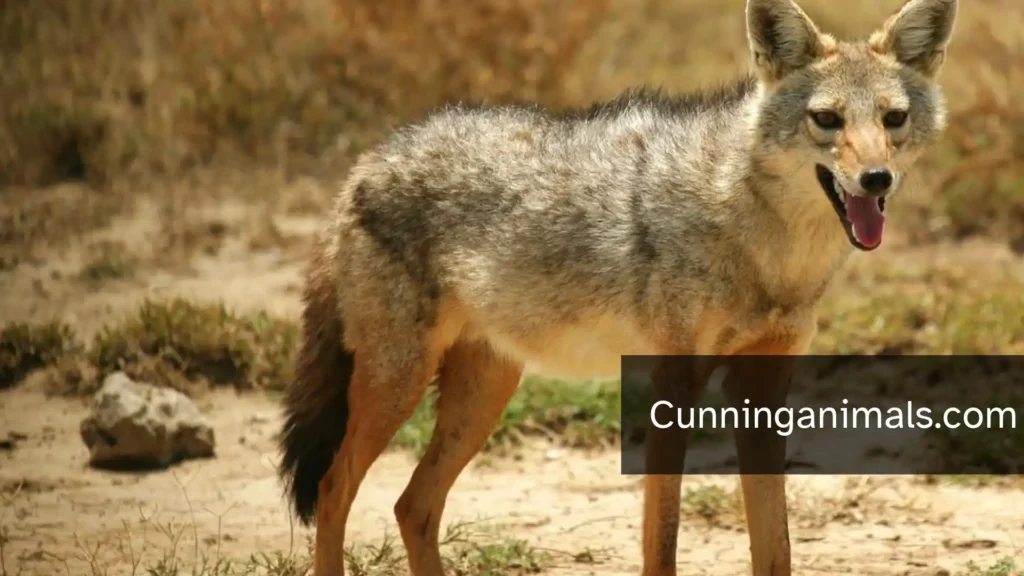
Feeding on both plants and animals, jackals are opportunistic and versatile in their diets. This flexibility allows them to thrive in changing environments, reminding us to adapt and overcome challenges we face. They symbolize the harmony of survival and community, encouraging us to find strength in unity.
Opossums
Scientific Name: Didelphis virginiana
Class: Marsupialia
Habitat: Forests, swamps, and urban areas
Opossums are famous for freezing or “playing dead” rather than confronting threats, a classic sign of a shy, avoidance-first temperament. For more creatures that prefer to stay hidden, see our list of shy animals in the world.
As marsupials, opossums nurture their young in pouches, highlighting the importance of care and protection in their life cycle. Their ability to consume venomous snakes and ticks further emphasizes their vital role in maintaining ecological health. In a world filled with challenges, opossums inspire us to embrace our instincts and find our own paths to safety and success.
Ants
Scientific Name: Formicidae (various species)
Class: Insecta
Habitat: Diverse environments, including forests and deserts
Ants are the embodiment of community and teamwork, exemplifying how even the smallest creatures can accomplish impressive feats when working together. Their intricate social structures and division of labor teach us valuable lessons about collaboration and perseverance. Observing their industrious nature can inspire us to approach our own tasks with a team-oriented mindset.

As vital players in their ecosystems, ants aerate the soil and recycle nutrients, enhancing overall health. Their resilience and adaptability to various environments remind us that no challenge is too great when faced with determination and unity. Embracing their spirit can encourage us to cultivate connections in our lives.
Sharks
Scientific Name: Selachimorpha (various species)
Class: Chondrichthyes
Habitat: Oceans and seas worldwide
Sharks share the ocean with many flippered swimmers that rely on very different adaptations to move efficiently through water. To learn more about these creatures, browse our feature on animals with flippers.
With unique adaptations such as keen senses and powerful bodies, sharks have survived for millions of years. Their resilience in an ever-changing environment is a powerful metaphor for our own journeys, inspiring us to navigate life’s waters with grace and strength. Embracing these magnificent animals can lead us to a greater appreciation of marine life and conservation efforts.
Seagulls
Scientific Name: Larus (various species)
Class: Aves
Habitat: Coastal regions and urban areas
Seagulls are often seen as symbols of freedom and adaptability, navigating both beach and city landscapes with ease. Their lively calls remind us to embrace life’s spontaneity and the importance of community, as they often flock together for support. These birds embody a carefree spirit — even amid chaos, they find the joy in day-to-day existence.

As scavengers and opportunists, seagulls play a vital role in coastal ecosystems, drawing our attention to the importance of resilience in facing challenges. Their ability to thrive in diverse environments pushes us to find beauty in our surroundings, encouraging us to adapt and enjoy life’s little moments.
African Wild Dogs
Scientific Name: Lycaon pictus
Class: Mammalia
Habitat: Savannas and grasslands
African Wild Dogs represent the heart of community among the animal kingdom, showcasing incredible teamwork and cooperative hunting strategies within their packs. Their vibrant, multi-colored coats and spirited behavior make them stand out, and they are often regarded as a testament to unity and loyalty. Observing these creatures can inspire us to build strong connections in our own lives.
While critically endangered, their strong social bonds and playful demeanor offer a glimpse into the joy of companionship. Their hunting prowess emphasizes the importance of collaboration and trust, revealing that together we can achieve greatness. They remind us of the power of community and the responsibility we all share in protecting our world.
Lobsters
Scientific Name: Homarus (various species)
Class: Malacostraca
Habitat: Coastal waters and ocean floors
Lobsters are fascinating marine creatures, known for their hard shells and delicate meat. Their impressive claws and vivid colors not only make them intriguing to observe but also represent the intricate beauty of ocean life. These crustaceans serve as a reminder of the treasures found beneath the waves, emphasizing the need to conserve our marine environments.

Lobsters play essential roles in their ecosystems, acting as scavengers that help maintain a balanced food chain. Their unique molting process, where they shed their shells to grow, symbolizes resilience and transformation. Embracing the lessons of lobsters can inspire us to shed our own limiting beliefs and grow into our fullest potential.
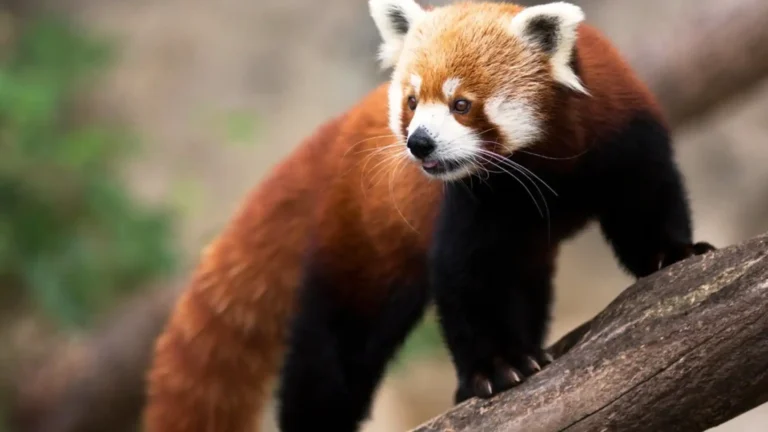
Red Foxes
Scientific Name: Vulpes vulpes
Class: Mammalia
Habitat: Forests, grasslands, and urban areas
Red foxes are charming creatures often associated with cunning and adaptability. With their striking red fur and bushy tails, they embody the spirit of curiosity and exploration, leading us to appreciate the beauty of the natural world. Their cleverness emphasizes the importance of resourcefulness in overcoming obstacles.
As opportunistic feeders, red foxes teach us the value of versatility in our pursuits. They thrive in diverse habitats, showing us that success is possible with resilience and creativity. Observing these magnificent animals encourages us to explore our environments and embrace the adventures life has to offer.
Coyotes
Scientific Name: Canis latrans
Class: Mammalia
Habitat: Diverse environments, including urban areas and plains
Coyotes are the clever survivors of the animal kingdom, often thriving in suburban environments alongside humans. Their adaptability and resourcefulness serve as a reminder that we can find strength in challenging situations. With their distinctive howls echoing through the night, they inspire us to embrace our wild side and reconnect with our surroundings.
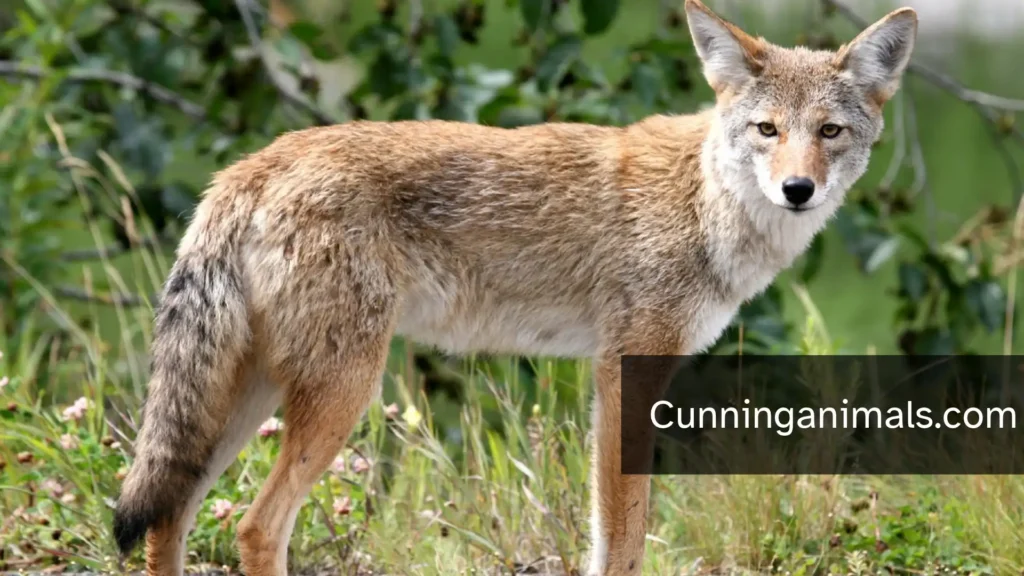
These social animals often band together to hunt, reflecting the importance of cooperation and community. By observing their playful nature, we can learn to navigate our own complexities with a sense of joy and resilience. Coyotes teach us to adapt and flourish, no matter where we find ourselves in life.
Hagfish
Scientific Name: Myxinidae (various species)
Class: Cephalaspidomorphi
Habitat: Deep ocean waters
Hagfish are remarkable creatures, often dubbed nature’s scavengers, known for their unique slime-producing ability. This adaptation not only protects them from predators but also helps them consume decaying matter on the ocean floor, reminding us of the beauty of recycling in nature. Their resilience in extreme environments offers profound insights into survival.
Despite their unusual appearance, hagfish play a crucial role in maintaining healthy ecosystems by breaking down dead organisms. Their ability to thrive in darkness and depth teaches us about finding light even in challenging circumstances. Embracing the lessons of hagfish can encourage us to adapt to our environments and appreciate the often-overlooked wonders of life.
Eagles
Scientific Name: Accipitridae (various species)
Class: Aves
Habitat: Mountains, forests, and coastal regions
Eagles are majestic birds that symbolize strength, freedom, and vision. Their ability to soar high above the ground offers us a metaphor for rising above our challenges and seeing the bigger picture in our lives. These formidable hunters remind us of the importance of focus and persistence in achieving our goals.
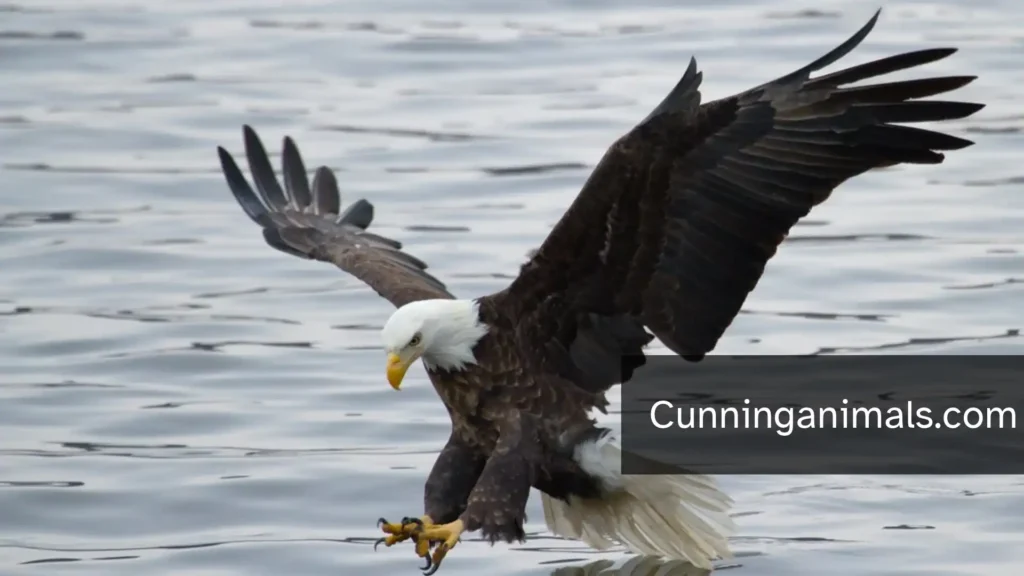
Eagles possess extraordinary eyesight, allowing them to spot potential prey from great distances. This keen perception inspires us to develop clarity in our pursuits and harness the power of foresight. With their graceful flights and impressive wingspans, eagles embody the essence of intelligence and determination in the natural world.
Crows
Scientific Name: Corvus (various species)
Class: Aves
Habitat: Forests, grasslands, and urban areas
Crows are often regarded as symbols of intelligence and mystery, known for their cunning behaviors and adaptability. These social birds exhibit complex communication skills, reminding us of the importance of connection and collaboration in our own lives. Their ability to thrive in various environments speaks to their resilience and resourcefulness.
Crows are known to use tools and engage in problem-solving, showcasing the remarkable cognitive abilities innate in nature. Observing their interactions can inspire us to embrace our creativity and nurture our connections within our communities. These birds encourage us to explore the depths of our potential, reminding us that intelligence takes many forms.
Tasmanian Devils
Scientific Name: Sarcophilus harrisii
Class: Mammalia
Habitat: Forests and woodlands
Tasmanian devils are remarkable marsupials known for their fierce nature and distinctive vocalizations that echo through the night. They showcase resilience and determination, serving as a symbol of survival in the face of adversity. Their role as scavengers highlights the importance of recycling and ecological balance, reminding us of our interconnectedness with all living things.

Despite facing threats to their survival, these unique creatures demonstrate the power of community, as they create social bonds within their populations. Their adaptability in harsh environments encourages us to find strength and purpose in our own challenges. Embracing the spirit of the Tasmanian devil can inspire us to demonstrate courage and perseverance in our journeys.
Crabs
Scientific Name: Decapoda (various species)
Class: Malacostraca
Habitat: Coastal waters and sandy beaches
Crabs are fascinating marine creatures known for their unique physical adaptations and intriguing behavior. With their hard shells and sideways walk, they embody a sense of playfulness and resilience, reminding us to approach life with curiosity. As scavengers and predators, crabs contribute to the health of their ecosystems, showcasing the balance of life beneath the waves.
Their ability to thrive in both saltwater and freshwater environments speaks to their adaptability and resourcefulness. Observing crabs in their natural habitats can inspire us to embrace our unique qualities and find joy in the journey of life. These remarkable animals encourage us to navigate our paths with creativity and flexibility.
Raccoons
Scientific Name: Procyon lotor
Class: Mammalia
Habitat: Forests, urban areas, and wetlands
Raccoons are lovable creatures often seen rummaging through trash cans with their dexterous paws and curious nature. Known for their intelligence and adaptability, these nocturnal animals remind us of the importance of resourcefulness in our lives. Their playful antics encourage us to embrace our curious sides and discover hidden treasures around us.

In their search for food, raccoons display problem-solving skills and teamwork, reflecting the values of collaboration and creativity. Their ability to thrive in varied environments shows that with a spirit of adventure, we can make the best of every situation. Raccoons inspire us to approach life with an open mind and heart, embracing both the challenges and the joys that come our way.
Andean Condors
Scientific Name: Vultur gryphus
Class: Aves
Habitat: Mountainous regions and open grasslands
Andean condors are magnificent birds known for their impressive wingspans and majestic flight above the Andes mountains. As symbols of freedom and resilience, they inspire us to rise above challenges and look at life from a greater perspective. These scavengers help sustain their ecosystems, showcasing the interconnectedness of life and the value of embracing one’s role within it.
With their long lifespan and strong familial bonds, condors embody the importance of nurturing relationships in life. Their soaring flights can encourage us to dream big and embrace our potential, as they glide gracefully through their high-altitude habitats. Observing these impressive birds serves as a reminder to celebrate our journey and the connections we cultivate along the way.
Millipedes
Scientific Name: Diplopoda (various species)
Class: Myriapoda
Habitat: Moist soil, forests, and decaying wood
Millipedes are fascinating creatures, often overlooked yet vital to ecosystem health. With their many legs and slow movements, they embody a sense of patience and persistence, reminding us to take life one step at a time. Their role in decomposing organic matter helps enrich the soil, showcasing the importance of recycling in nature.
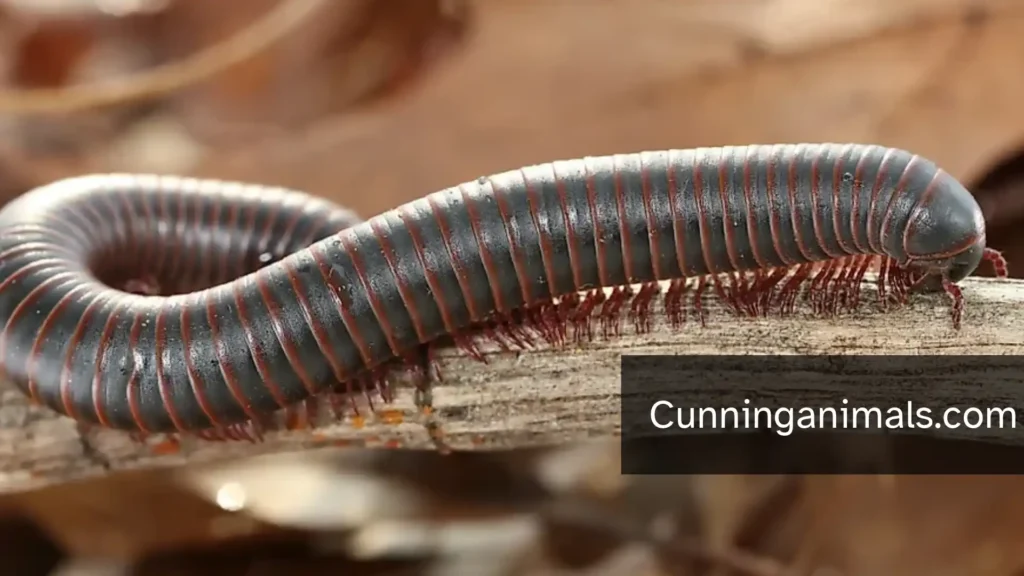
These detritivores contribute significantly to nutrient cycling and soil aeration, reinforcing the delicate balance of ecosystems. Observing millipedes can inspire us to cherish the unnoticed yet essential aspects of life. Their humble presence encourages us to appreciate our roles in nurturing our environments and fostering growth within our communities.
Marabou Storks
Scientific Name: Leptoptilos crumenifer
Class: Aves
Habitat: Wetlands, savannas, and urban areas
Long-legged scavengers like the marabou stork rely on specialized feet to navigate wetlands and scavenging grounds. If you’re curious about other animals built with distinctive toe structures, check out our guide to animals with 3 toes.
Their adaptability and resourcefulness in various environments highlight the importance of resilience. Observing these birds can inspire us to embrace our own roles in nurturing the world around us. They encourage us to explore opportunities for renewal, reminding us that even in the cycle of life, there is beauty to be found in transformation.
Beetles
Scientific Name: Coleoptera (various species)
Class: Insecta
Habitat: Diverse ecosystems, from forests to deserts
Beetles are among the most diverse groups of animals on the planet, showcasing remarkable adaptations and beauty. Their hard exoskeletons and ability to thrive in a multitude of habitats serve as reminders of strength and resilience in nature. Each beetle plays a role, whether as pollinators, decomposers, or prey, highlighting the interconnectedness of all life forms.
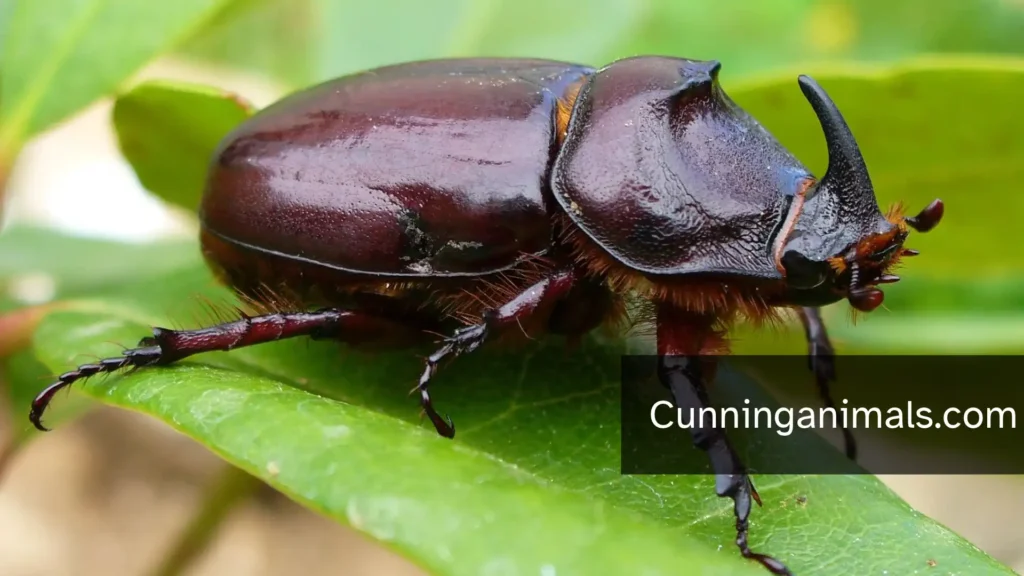
With thousands of species, beetles demonstrate the importance of diversity and adaptability in ensuring ecosystem health. Observing their behaviors can inspire us to embrace our uniqueness and recognize our contributions to the greater good. These small creatures challenge us to celebrate the richness of life in all its forms.
Bears
Scientific Name: Ursidae (various species)
Class: Mammalia
Habitat: Forests, mountains, and tundra
Bears are powerful creatures that evoke a sense of awe and respect. Their majestic presence, whether in the wild or close to human habitats, serves as a reminder of the beauty and strength found in nature. Often seen as symbols of courage and introspection, they encourage us to find balance between strength and tenderness in our own lives.
As top predators, bears play essential roles in maintaining ecological balance. Their interactions within ecosystems highlight the importance of conservation and respect for all creatures. Observing these magnificent animals can inspire us to embrace our strength while nurturing our softer qualities, fostering harmony within ourselves and the world around us.
Gray Wolves
Scientific Name: Canis lupus
Class: Mammalia
Habitat: Forests, tundras, and grasslands
Gray wolves exemplify the strength of community through their complex social structures and pack behavior. These majestic creatures symbolize loyalty and cooperation, teaching us valuable lessons about connection and teamwork. Living in family groups, wolves remind us of the importance of collaboration in both nature and our everyday lives.

As apex predators, gray wolves help maintain healthy ecosystems by managing prey populations and preserving balance. Their diverse vocalizations and intricate social dynamics highlight the richness of relationships in the wild. Observing these social animals can inspire us to nurture our connections with one another, forging bonds that can withstand the tests of time.
Turkey Vultures
Scientific Name: Cathartes aura
Class: Aves
Habitat: Open landscapes and forests
Turkey vultures are often misunderstood yet are vital to ecosystem health, serving as nature’s ultimate recyclers. With their keen sense of smell and impressive soaring ability, they find carcasses to consume, demonstrating the beauty of life cycles. Their role reminds us that even the perceived “less glamorous” roles are crucial for maintaining balance in nature.
These birds symbolize the importance of renewal and transformation, helping to break down what is no longer needed. Observing turkey vultures encourages us to embrace the cycle of life, reminding us of the beauty found in every stage. Their presence offers a powerful message of resilience and a call to appreciate the often-overlooked aspects of our environments.
Interesting Facts About Scavenger Animals In The World
Scavenger animals play a crucial role in maintaining ecological balance by recycling nutrients and controlling populations. While often overlooked, these creatures exhibit fascinating adaptations and behaviors that allow them to thrive on a diet of decaying matter. Here are some interesting facts about scavenger animals in the world that highlight their significance.
- Vultures can consume parts of carcasses that are toxic to other animals due to their highly acidic stomachs.
- Hyenas have powerful jaws capable of crushing bones, allowing them to access nutrient-rich marrow.
- Some species of crabs, like the horseshoe crab, scavenge on dead fish and organic debris during low tides.
- The desert-dwelling jackal can detect carrion from several miles away, thanks to their keen sense of smell.
- Blowflies, often considered pests, are crucial to decomposition as they are among the first to lay eggs on carcasses.
- Ravens have been known to use tools to access food, showcasing problem-solving skills in scavenging contexts.
- Cleaner wrasses and other fish engage in mutualistic relationships with scavenging behaviors, cleaning parasites off larger marine animals.
Conclusion
Scavenger animals in the world play a crucial role in maintaining the balance of ecosystems by consuming dead or decaying matter. From the soaring vultures to the industrious hyenas, each of these scavengers exhibits unique adaptations that allow them to thrive.
As you explore scavenger’s animal pictures, you’ll see the diversity and importance of these creatures. For those curious about what 10 scavengers are examples, consider how each of these animals contributes to nutrient cycling and helps prevent the spread of disease.
FAQS
What Are The Top 5 Scavengers?
The top five well-known scavengers are vultures, hyenas, jackals, coyotes, and ravens. These animals feed on dead animals and help keep ecosystems clean by recycling nutrients.
Which Animals Are Known As Scavengers?
Animals known as scavengers include vultures, hyenas, jackals, coyotes, crows, ravens, raccoons, opossums, and Tasmanian devils. They feed on dead animals and help reduce waste in the environment.
What Animal Is The Biggest Scavenger?
The vulture is one of the most specialized scavengers in the world. Among land mammals, hyenas are well-known scavengers, while the enormous condors are among the largest scavenging birds.
What Are 10 Examples Of Scavengers?
Ten examples of scavengers are vultures, hyenas, jackals, coyotes, ravens, crows, Tasmanian devils, raccoons, opossums, and crabs. These animals consume carrion and help return nutrients to the ecosystem.
Can You Give Me a List Of Scavengers?
A list of scavengers includes vultures, condors, hyenas, jackals, coyotes, wolves, foxes, ravens, crows, eagles, Tasmanian devils, raccoons, opossums, crabs, lobsters, and carrion beetles. Some are specialized scavengers, while others hunt live prey and also eat dead animals.