Top 17 Most Curious Animals In The World (With Pictures & Fascinating Facts)
Nature has a way of surprising us, especially when it comes to the Most Curious Animals that roam our planet. With their fascinating behaviors and intricate social structures, these curious animals reveal the complexities of life in the wild.
This article highlights the top 17 most curious animals you need to know about, offering stunning visuals and intriguing facts. By the end, you’ll appreciate the richness of biodiversity and perhaps even come to view these creatures as allies in our understanding of the natural world.
What Makes An Animal Curious?
Curiosity often overlaps with cleverness in the animal kingdom, so it’s worth checking out our list of cunning animals as well. It explores species that use wit and strategy to survive, many of which share the same problem-solving instincts as the curious animals featured here.
Observing and mimicking the actions of other animals enriches their learning experiences, fostering a sense of community among species. The most curious animal, such as the octopus, often relies on its curiosity to manipulate objects and test new foods, showcasing a remarkable blend of intellect and instinct that enhances its overall survival strategy.
Top 17 Most Curious Animals
| Rank | Animal | Scientific Name | Class |
| 1 | Dolphin | Delphinidae | Mammalia |
| 2 | Crow | Corvus spp. | Aves |
| 3 | Raven | Corvus corax | Aves |
| 4 | Octopus | Octopus spp. | Cephalopoda |
| 5 | Elephant | Elephantidae | Mammalia |
| 6 | Goat | Capra spp. | Mammalia |
| 7 | Raccoon | Procyon lotor | Mammalia |
| 8 | Rat | Rattus spp. | Mammalia |
| 9 | Dog | Canis lupus familiaris | Mammalia |
| 10 | Cat | Felis catus | Mammalia |
| 11 | Kea Parrot | Nestor notabilis | Aves |
| 12 | Chimpanzee | Pan troglodytes | Mammalia |
| 13 | Sea Otter | Enhydra lutris | Mammalia |
| 14 | Red Fox | Vulpes vulpes | Mammalia |
| 15 | Red Squirrel | Sciurus vulgaris | Mammalia |
| 16 | African Grey Parrot | Psittacus erithacus | Aves |
| 17 | Pig | Sus scrofa domesticus | Mammalia |
Dolphin
Scientific Name: Tursiops truncatus
Class: Mammalia
Diet: Carnivore
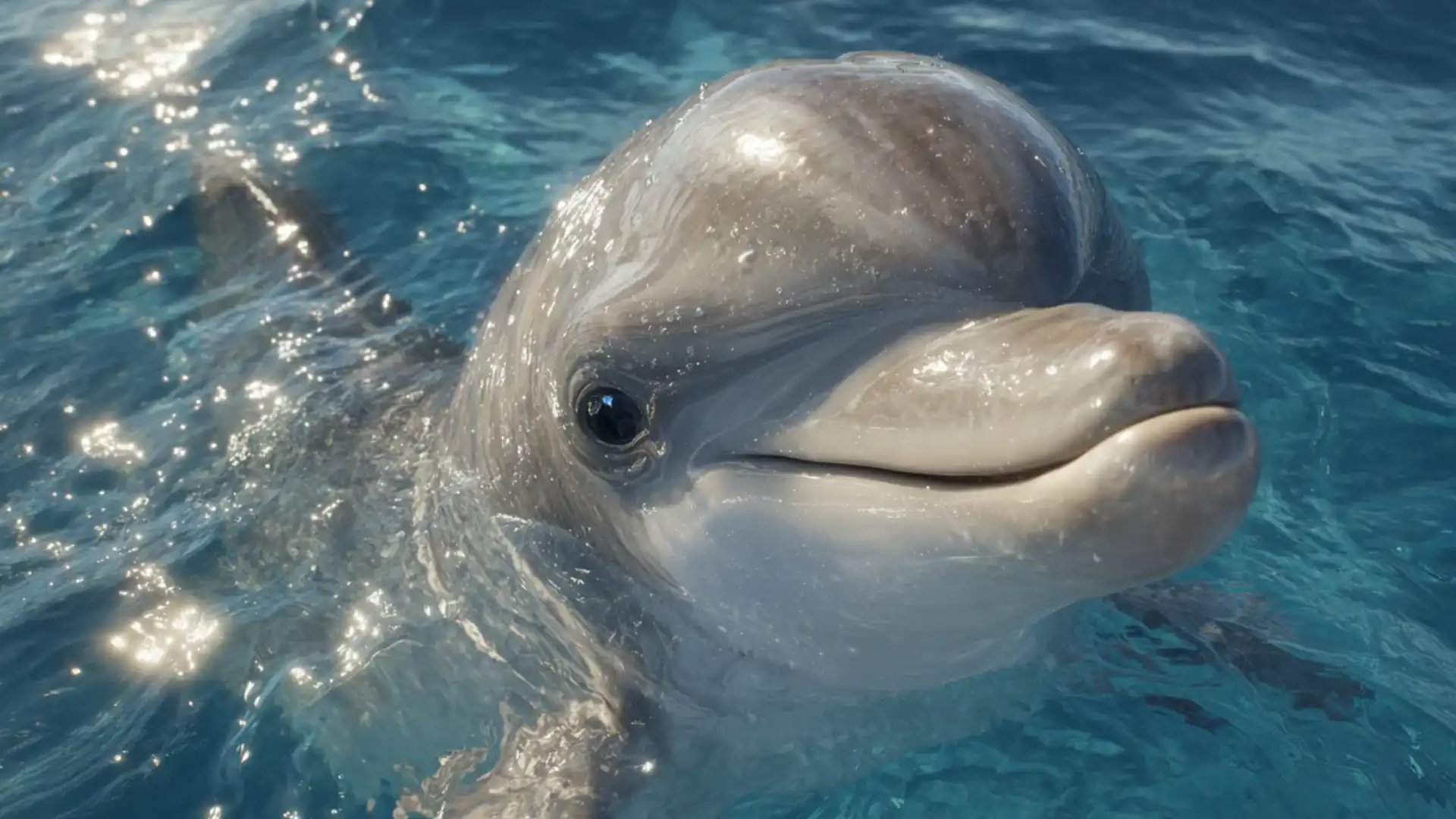
Dolphins are among the most curious animals in the ocean, known for their playful nature and intelligent problem-solving skills. They often engage in complex social behaviors, demonstrating a high level of communication and empathy.

These marine mammals are skilled at using tools, such as marine sponges, to protect their snouts while foraging on the seafloor. Their ability to form intricate social bonds adds depth to their already fascinating behaviors, making them stand out as one of the most curious animals in the marine world.
Crow
Scientific Name: Corvus brachyrhynchos
Class: Aves
Diet: Omnivore
Crows display a remarkable level of intelligence that rivals many mammals, often using tools and solving problems that require advanced cognitive skills. They are also capable of recognizing human faces, which indicates a sophisticated understanding of their environment.
These curious animals have been known to participate in games and play, whether it’s sliding down snowy rooftops or engaging in aerial acrobatics with friends. Their adaptiveness and social learning ability make them one of nature’s most intriguing avians.
Raven
Scientific Name: Corvus corax
Class: Aves
Diet: Omnivore
Ravens are not just intelligent but also deeply curious creatures, exhibiting behaviors such as playful exploration and elaborate vocalizations. Their curiosity often leads them to investigate new environments, making them excellent problem solvers.
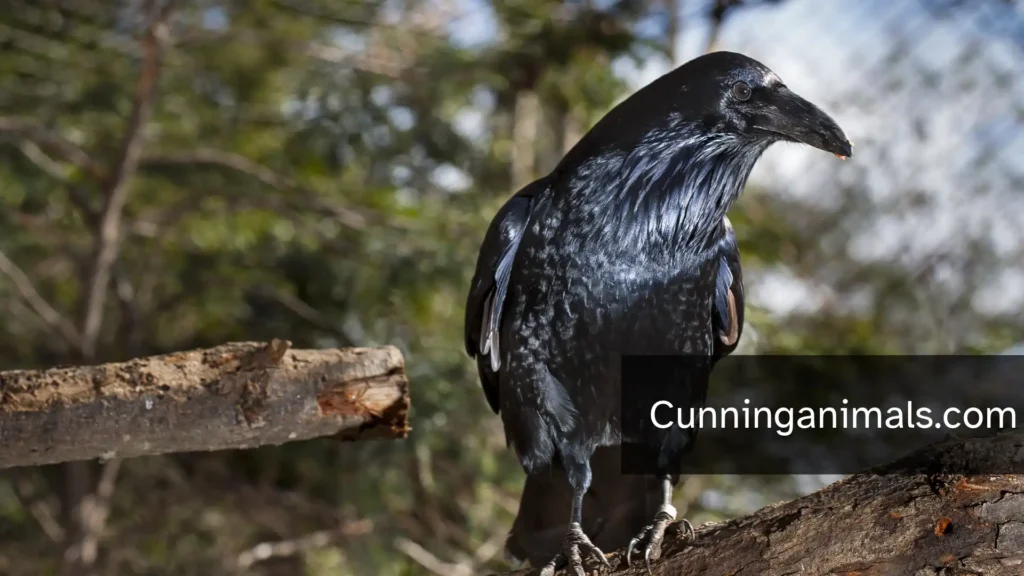
These fascinating birds can mimic sounds and even learn from observing other animals, showcasing their adaptability and keen sense of awareness. Their complex social structures add yet another layer to their enigmatic behaviors, reinforcing their status as one of the most curious animals.
Octopus
Scientific Name: Octopus vulgaris
Class: Cephalopoda
Diet: Carnivore
Octopuses are renowned for their intelligence and problem-solving abilities, often escaping from enclosures through intricate tactics. Their curiosity drives them to explore their surroundings, leading to fascinating interactions with both environment and marine life.
With the capability to change color and texture, they also communicate in an innovative way, adapting to stimuli in their environment. This combination of intelligence, curiosity, and adaptability secures their place among the most curious animals of the sea.
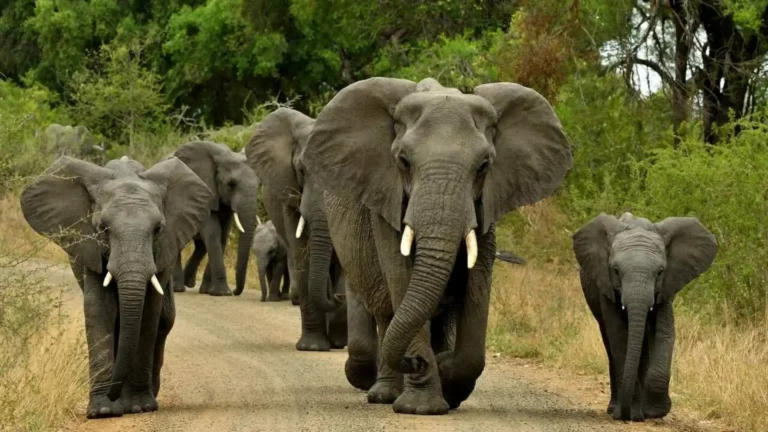
Elephant
Scientific Name: Loxodonta africana
Class: Mammalia
Diet: Herbivore
Elephants are incredibly social creatures, displaying profound curiosity about their surroundings and the individuals within their herds. Their long memories allow them to remember places and other elephants, showing a deep emotional intelligence.
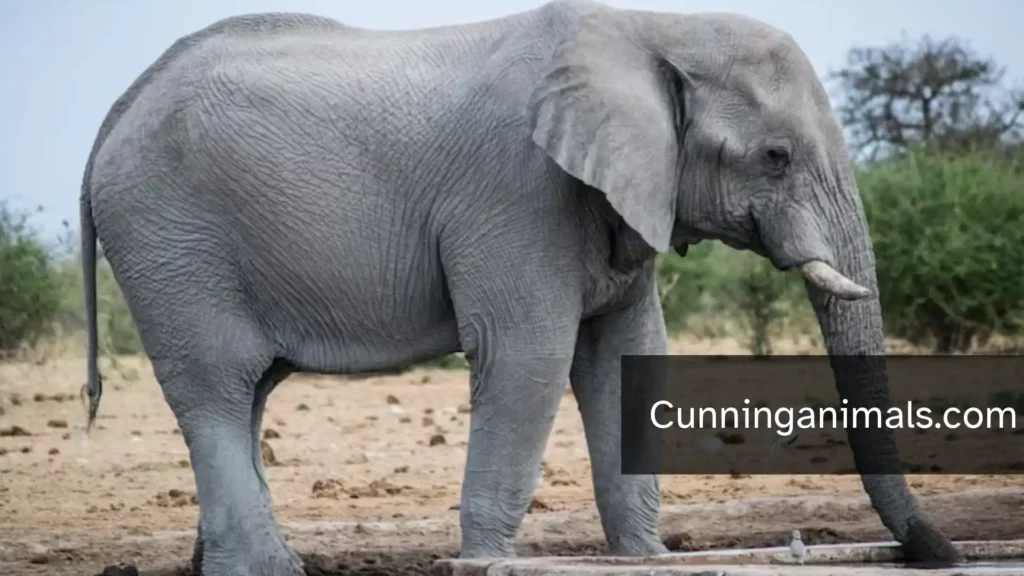
Their interactions with each other often involve exploring new environments and playing with young calves, further illuminating their curious nature. These majestic animals remind us of the importance of social bonds and memory, traits that make them some of the most curious animals on land.
Goat
Scientific Name: Capra aegagrus hircus
Class: Mammalia
Diet: Herbivore
Goats are incredibly curious animals, known for their adventurous spirit and inquisitive nature. They explore their surroundings by climbing and jumping, often seeking out new food sources or intriguing objects.
These animals are also known for their social bonds, often forming strong friendships within their herds, which fosters a shared curiosity in their environment. Their playful antics and bold explorations make them one of the most curious animals in the domestic landscape.
Raccoon
Scientific Name: Procyon lotor
Class: Mammalia
Diet: Omnivore
Raccoons are often described as nature’s curious scavengers, exhibiting incredible dexterity and intelligence. They employ their sensitive paws to explore their surroundings and manipulate objects, revealing a fascination with discovery.
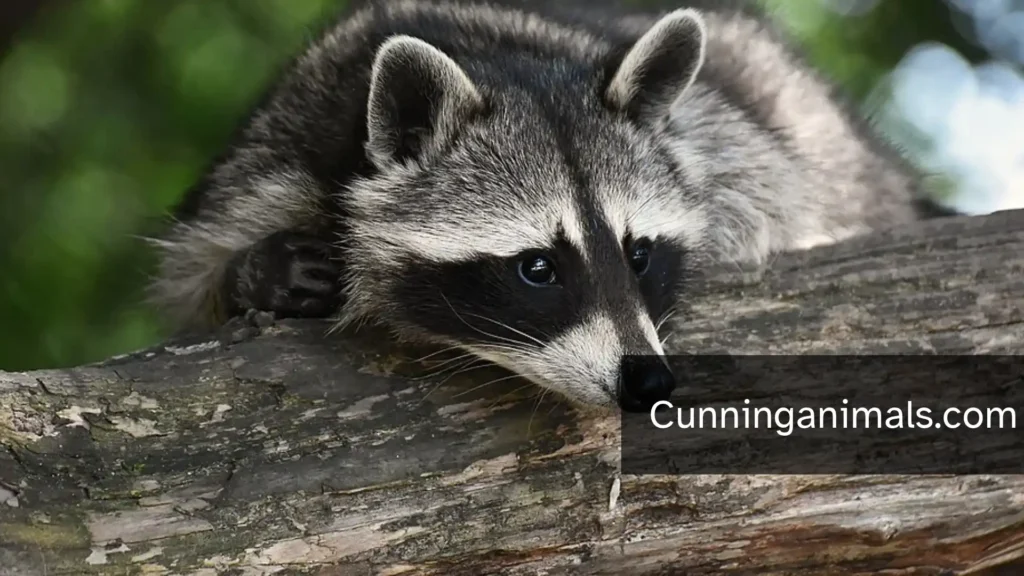
This adaptability allows them to thrive in urban settings, where they often uncover new food sources and environments, showcasing their resourcefulness. Raccoons epitomize the essence of curiosity, making them one of the most curious animals in North America.
Rat
Scientific Name: Rattus norvegicus
Class: Mammalia
Diet: Omnivore
Rats are surprisingly intelligent and inquisitive, often solving mazes and puzzles to earn food rewards in scientific studies. Their inherent curiosity drives them to explore new environments, often leading to innovative ways of finding solutions to obstacles.
Additionally, their social structures and ability to communicate through vocalizations make them equally fascinating as companions and researchers. These traits solidify their status among the most curious animals, inviting a deeper look into their world.
Dog
Scientific Name: Canis lupus familiaris
Class: Mammalia
Diet: Omnivore
Dogs are not just man’s best friend; they are incredibly curious animals with a keen instinct for discovery. Their enthusiasm to explore new sights and sounds often leads to a wide range of interactions with both humans and other animals.

Their ability to read human emotions is unmatched, allowing them to form profound connections and show empathy. This combination of loyalty and curiosity cultivates a deep bond that makes them one of the most fascinating animals in our lives.
Cat
Scientific Name: Felis catus
Class: Mammalia
Diet: Carnivore
Cats possess an insatiable curiosity that drives them to explore every nook and cranny of their homes. Their agile bodies allow them to investigate heights and tight spaces, giving them the status of stealthy explorers in their environment.
Their instincts to stalk and pounce further highlight their curious nature, making them excellent hunters and playful companions. This blend of independence and inquisitiveness enhances their allure, solidifying their place as one of the most curious animals in our households.
Kea Parrot
Scientific Name: Nestor notabilis
Class: Aves
Diet: Herbivore
Kea parrots are known for their remarkable intelligence and playful curiosity, showcasing behaviors that include problem-solving and manipulation of their surroundings. Their willingness to engage with novelty, such as attempting to unlock car doors, positions them as the pranksters of the bird world.
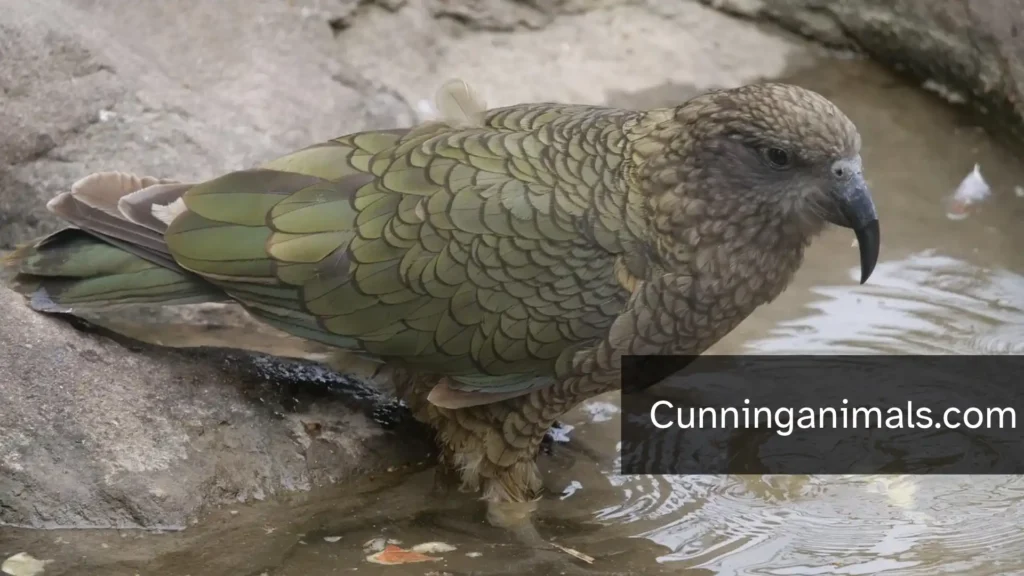
These social birds thrive on interaction, often engaging in playful chases and vocal mimicry that intrigue bird enthusiasts and researchers alike. Their unique blend of creativity and intelligence places them firmly among the most curious animals in the avian realm.
Chimpanzee
Scientific Name: Pan troglodytes
Class: Mammalia
Diet: Omnivore
Chimpanzees are not only our closest relatives but also among the most curious animals in the primate family. Their cognitive abilities allow them to use tools, communicate, and explore their habitat with astonishing dexterity. Social intelligence is a recurring theme among curious species, and our guide to animals that live in groups digs deeper into how group living shapes behavior, learning, and communication much like what drives elephants and chimps to explore together.
Their social interactions often include sharing knowledge and experiences, demonstrating a collective curiosity about the world around them. These traits highlight their intelligence and adaptability, solidifying their status as some of the most curious animals on the planet.
Sea Otter
Scientific Name: Enhydra lutris
Class: Mammalia
Diet: Carnivore
Sea otters are known for their playful antics and insatiable curiosity, frequently using tools like rocks to crack open shellfish. Their exploration of kelp forests not only showcases their inquisitive nature but also underscores their role in maintaining healthy marine ecosystems.
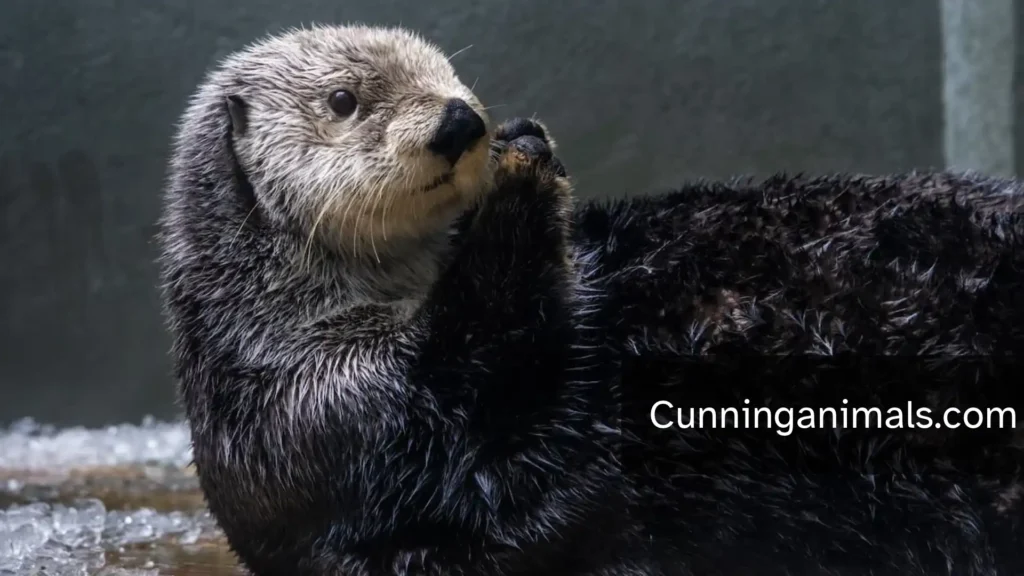
By using their powerful sense of touch and keen eyesight, they constantly engage with their environment, fostering a strong connection with their habitat. This enchanting blend of playfulness and intellect makes them one of the most curious animals of the ocean.
Red Fox
Scientific Name: Vulpes vulpes
Class: Mammalia
Diet: Omnivore
The red fox embodies cunning curiosity, often exploring diverse environments with agility and stealth. Their adaptability allows them to thrive in both urban and rural settings, showcasing an inquisitive spirit as they hunt for food and interact with their surroundings.
Their keen sense of hearing and smell aids in their investigations, often leading them to discover new food sources and potential mates. This combination of adaptability and curiosity establishes the red fox as one of nature’s most captivating and curious animals.
Red Squirrel
Scientific Name: Sciurus vulgaris
Class: Mammalia
Diet: Herbivore
Red squirrels exhibit a natural curiosity for exploring their forest habitats, often jumping between branches and investigating their surroundings. Their playful demeanor and meticulous behavior in gathering and hiding food reflect a keen intelligence about their environment.
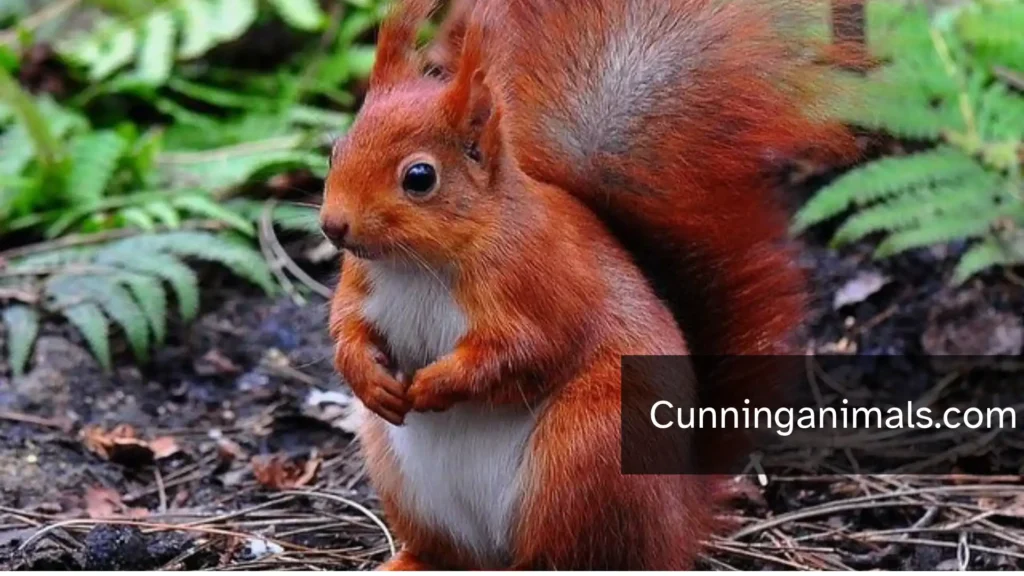
Though small in size, their vibrant personalities and propensity for exploration make them a delightful subject of study. This quintessential curiosity enhances their status as one of the most curious animals in arboreal settings.
African Grey Parrot
Scientific Name: Psittacus erithacus
Class: Aves
Diet: Herbivore
The African Grey Parrot is renowned for its incredible mimicry and cognitive abilities, driven by an innate curiosity about language and sound. They often engage in intricate vocalizations, reflecting their eagerness to communicate and learn from their environments.
These highly social birds thrive on mental stimulation, frequently seeking out new challenges and interactions with their flock. Their remarkable intellect and curiosity position them as one of the most curious animals in the avian kingdom.
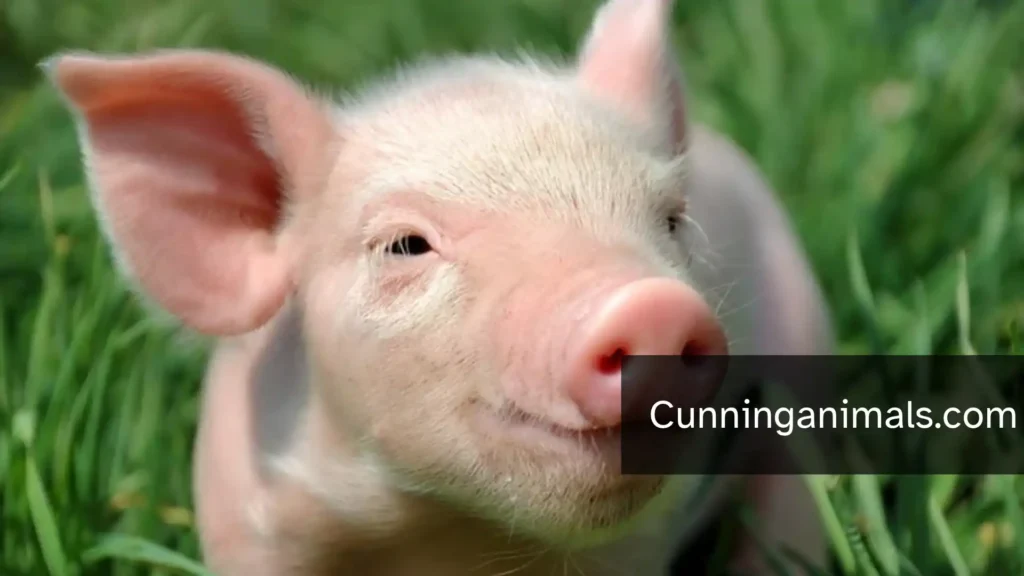
Pig
Scientific Name: Sus scrofa domesticus
Class: Mammalia
Diet: Omnivore
Pigs are remarkably intelligent and curious creatures, often likened to dogs in terms of social interaction and problem-solving abilities. They explore their surroundings with a keen sense of smell, leading to fascinating behaviors and innovative foraging techniques.
Not every distinctive animal trait is about curiosity some are about persistence instead. Our piece on stubborn animals is a fun companion read, especially since goats and pigs often show up on both “curious” and “stubborn” lists depending on the situation.
Pigs thrive in social groups, where they engage in play and establish hierarchies, showcasing their emotional depth and curiosity about social structures. Their intelligence and charm ensure their place among the most curious animals in agricultural settings.
Amazing Facts About The Most Curious Animals
The world of the most curious animals is filled with astonishing behaviors that reflect their advanced cognitive abilities. For instance, crows and ravens not only display problem-solving skills but also have social behaviors that mimic human traits. If foraging and food-driven behavior caught your interest with raccoons or pigs, take a look at our roundup of greedy animals in the world.
- Dolphins use echolocation not just for navigation but also to communicate and hunt effectively.
- Crows can remember human faces and hold grudges against those they perceive as threats.
- Ravens are known to engage in play, often sliding down snow-covered roofs just for fun.
- Octopuses exhibit a form of cognitive behavior, showing signs of both short- and long-term memory.
- Elephants have been observed using mud and dust as sunscreen and insect repellent tools.
- Raccoons have highly dexterous front paws, enabling them to open jars and unlock doors.
- Kea parrots enjoy solving puzzles that reveal hidden treats, showcasing their high intelligence.
- Chimpanzees not only use tools but also teach each other to create and use these implements.
- Sea otters hold hands while sleeping to prevent drifting apart, demonstrating social bonds.
- Foxes can adapt to living in bustling urban environments, showcasing their intelligence and resourcefulness.
Conclusion
The Top 17 Most Curious Animals in the World offers a glimpse into the incredible diversity of life that thrives on our planet. Each of these curious animals brings its own charm and intrigue, prompting us to delve deeper into their unusual traits and behaviors.
Among them, the capybara stands as the most curious animal, captivating us with its social nature and unique interactions. As we reflect on these fascinating facts, it’s clear that understanding these creatures enhances our appreciation of the natural world.
FAQs
What Is The Most Curious Animal In The World?
No scientific ranking identifies one species as the most curious animal in the world. Dolphins, crows, ravens, octopuses, and chimpanzees are strong examples because they show exploration, learning, play, and problem-solving.
What Is the #1 Friendliest Animal?
There is no universally accepted #1 friendliest animal because friendliness depends on the species and situation. Dogs are commonly regarded as friendly companions, while animals such as dolphins, capybaras, and some domesticated species can also show strong social behavior toward humans.
What Are The Secret 7 Animals?
“Secret 7 animals” is not a recognized scientific category or standard list in animal behavior. If the phrase refers to unusually curious animals, species such as the octopus, kea, raven, raccoon, chimpanzee, dolphin, and African grey parrot are interesting examples.
What Are the Top 10 Most Curious Animals In The World?
Some of the most curious animals include dolphins, crows, ravens, octopuses, elephants, raccoons, chimpanzees, kea parrots, sea otters, and rats. Their curiosity appears through exploration, play, object manipulation, and problem-solving.
What Animal Has the Most Curiosity?
There is no scientifically proven single most curious animal. Dolphins, crows, ravens, octopuses, elephants, chimpanzees, and raccoons are among the animals widely known for exploring unfamiliar objects and solving new problems.