27 Animals That Eat a Lot: The Hungriest Animals
When it comes to animals that eat a lot, some species stand out due to their extraordinary consumption rates. Imagine a zoo animal that eats more than you do a startling thought for many! In this article, we delve into the eating habits of 27 animals renowned for their voracious appetites and explore the reasons
Why do some animals require such high quantities of food? By uncovering their feeding behaviors, readers will gain insight into which animals receive the most food and why their diets are vital for their survival.
What Animal Eats The Most?
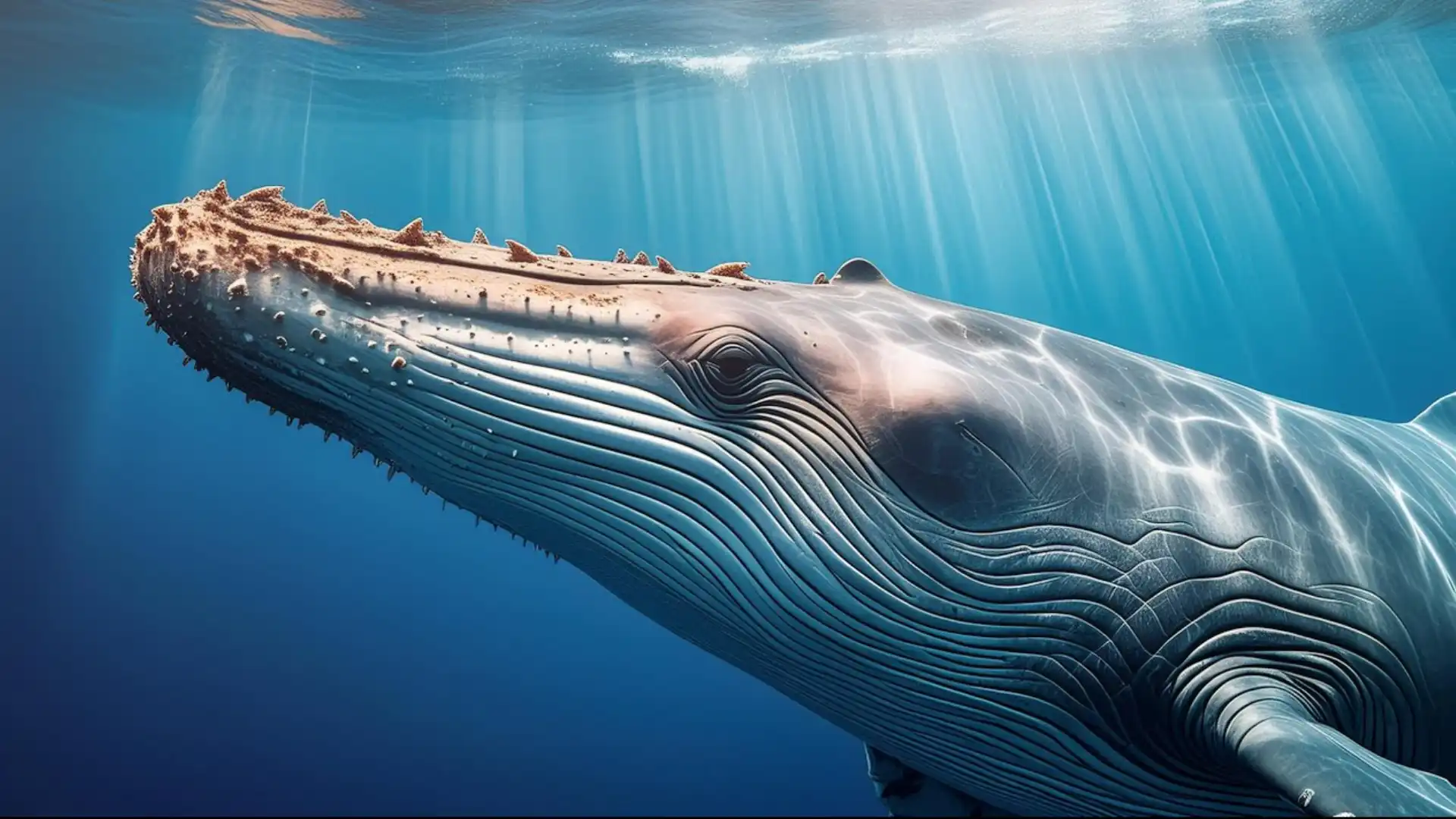
The blue whale holds the title for the largest absolute food intake among animals, consuming up to 4 tons of krill daily during feeding season. This immense creature’s feeding strategy showcases its adaptation for efficiency and survival in oceanic waters, highlighting not just the quantity, but also the extraordinary scale at which it operates.
When determining “most,” it’s essential to consider various metrics. For instance, while the blue whale excels in total food consumed, other animals might lead in body-weight percentage. The emerald moth, for example, consumes an astonishing amount relative to its size, while specific bird species may devote extensive daily hours to foraging, maximizing their intake.
Top 27 Animals That Eat A Lot
| Rank | Animal | Scientific Name | Class | What They Eat |
| 1 | Blue Whale | Balaenoptera musculus | Mammalia | Krill |
| 2 | Elephant | Loxodonta africana | Mammalia | Grass, leaves, fruits, bark |
| 3 | Hippopotamus | Hippopotamus amphibius | Mammalia | Grass |
| 4 | Rhinoceros | Rhinocerotidae | Mammalia | Grass, leaves, vegetation |
| 5 | Giraffe | Giraffa camelopardalis | Mammalia | Leaves and foliage |
| 6 | Giant Panda | Ailuropoda melanoleuca | Mammalia | Bamboo |
| 7 | Cow | Bos taurus | Mammalia | Grass and forage |
| 8 | Horse | Equus ferus caballus | Mammalia | Grass and hay |
| 9 | Grizzly Bear | Ursus arctos horribilis | Mammalia | Plants, fish, berries, meat |
| 10 | Sperm Whale | Physeter macrocephalus | Mammalia | Squid and fish |
| 11 | Great White Shark | Carcharodon carcharias | Chondrichthyes | Fish and marine animals |
| 12 | Burmese Python | Python bivittatus | Reptilia | Mammals and birds |
| 13 | Komodo Dragon | Varanus komodoensis | Reptilia | Large prey and carrion |
| 14 | Crocodile | Crocodylidae | Reptilia | Fish, birds, mammals |
| 15 | Anaconda | Eunectes spp. | Reptilia | Fish, birds, reptiles, mammals |
| 16 | Tiger | Panthera tigris | Mammalia | Large mammals |
| 17 | Gorilla | Gorilla spp. | Mammalia | Leaves, stems, fruits |
| 18 | Tasmanian Devil | Sarcophilus harrisii | Mammalia | Meat and carrion |
| 19 | Black-Footed Cat | Felis nigripes | Mammalia | Rodents, birds, insects |
| 20 | Locust | Schistocerca spp. | Insecta | Grasses and plants |
| 21 | Star-Nosed Mole | Condylura cristata | Mammalia | Invertebrates |
| 22 | American Pygmy Shrew | Sorex hoyi | Mammalia | Insects and invertebrates |
| 23 | Giant Weta | Deinacrida spp. | Insecta | Leaves, fruits, flowers |
| 24 | Hummingbird | Trochilidae | Aves | Nectar and small insects |
| 25 | Bar-Tailed Godwit | Limosa lapponica | Aves | Invertebrates |
| 26 | Moose | Alces alces | Mammalia | Leaves, aquatic plants, twigs |
| 27 | Goat | Capra hircus | Mammalia | Grass, leaves, shrubs |
Blue Whale
Scientific Name: Balaenoptera musculus
Class: Mammalia
Habitat: Oceans worldwide
The blue whale is the largest animal known to ever exist, reaching lengths of up to 100 feet. This magnificent creature glides effortlessly through the ocean depths, reminding us of the beauty of creation in its sheer scale and grace. Its song melodic and otherworldly resonates, connecting deep waters with the heart of humanity.
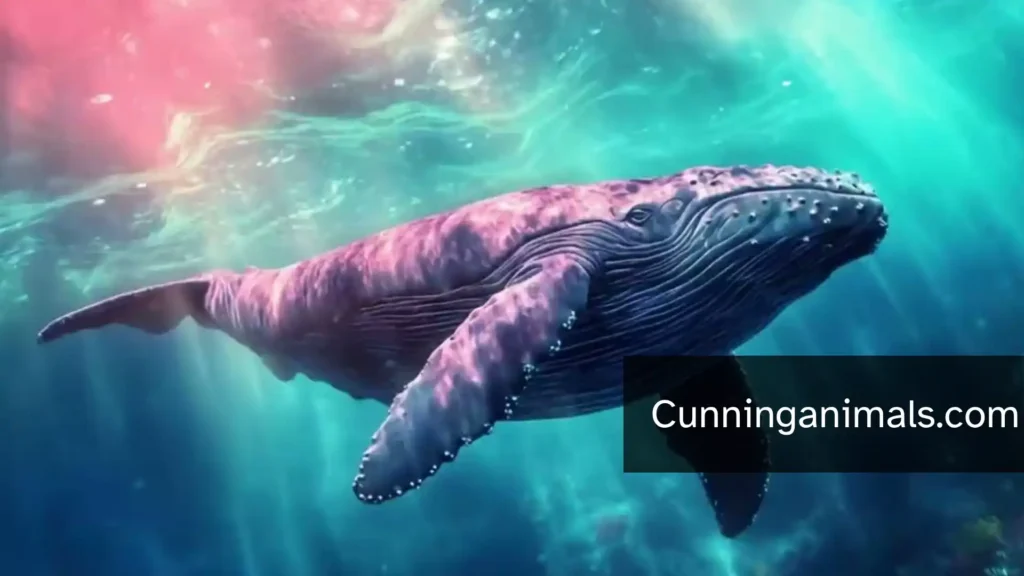
In their vast migrations, blue whales symbolize freedom and resilience, navigating vast distances in search of sustenance. Their ability to communicate across great oceanic expanses serves as a reminder of the interconnectedness of all living beings. As guardians of the sea, blue whales offer us a glimpse into the grandeur of our planet’s biodiversity, inspiring a sense of wonder and responsibility toward ocean conservation.
Elephant
Scientific Name: Loxodonta africana
Class: Mammalia
Habitat: Savannas, forests, and grasslands in Africa
Elephants, the gentle giants of the animal kingdom, capture our hearts with their intelligence and deep social bonds. They display profound emotions, often mourning their dead and nurturing their young with care. This remarkable affinity for family highlights the importance of connection in all our lives.
As symbols of wisdom and strength, elephants remind us of the virtues of compassion and cooperation, teaching us that we are stronger together. Their presence in ecosystems is crucial for maintaining the health of their habitats, showcasing the significance of every creature’s role in nature. Through their majestic existence, we are encouraged to cherish family bonds and protect the fragile world around us.
Hippopotamus
Scientific Name: Hippopotamus amphibius
Class: Mammalia
Habitat: Rivers and lakes in sub-Saharan Africa
The hippopotamus, often seen lounging in the water, embodies both tranquility and power. Their unique lifestyle, oscillating between land and water, teaches us about balance and adaptability in life. With a playful spirit, they add a sense of joy to their riverine homes and remind us of the importance of leisure.
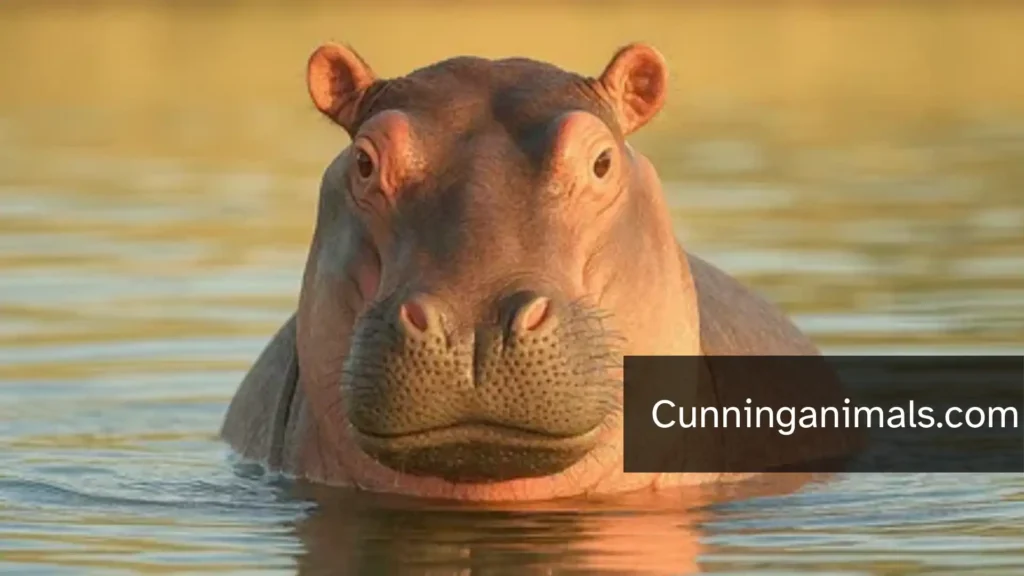
Despite their seemingly docile nature, hippos are formidable in their habitat. Their role in the ecosystem helps maintain the health of aquatic environments, showcasing the beauty of diversity in nature. From their playful interactions to their protective instincts, they inspire us to embrace both gentleness and strength in our lives.
Rhinoceros
Scientific Name: Rhinocerotidae
Class: Mammalia
Habitat: Grasslands and savannas in Africa and Asia
Tough, thorny plants aren’t off the menu for every animal. If grazing on hardy vegetation like grass and shrubs interests you, our article on animals that eat cactus explores species with an even spinier diet.
These ancient creatures play a vital role in their ecosystems, helping shape the landscape as they graze. Their decline highlights our responsibility in preserving the natural world, urging us to take action for future generations. In advocating for the rhino, we also honor the diversity and richness of life on Earth, encouraging a vision of hope and stewardship.
Giraffe
Scientific Name: Giraffa camelopardalis
Class: Mammalia
Habitat: Savannahs and open woodlands in Africa
The giraffe stands as a breathtaking emblem of elegance, reaching for the treetops as it feeds on leaves. With their towering necks and distinctive patterns, they inspire awe and remind us of the beauty found in uniqueness. Each giraffe, with its individual spots, teaches us that diversity enriches our shared existence.
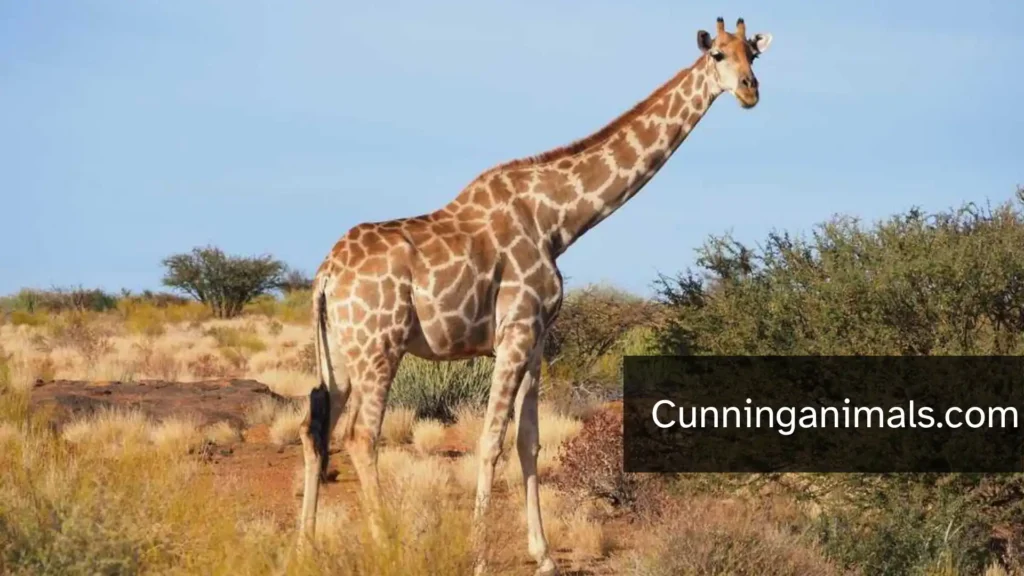
In their tall stature, giraffes symbolize the idea of perspective, encouraging us to look at life from new heights. Their gentle demeanor and graceful movements highlight the importance of cultivating peace within our communities. As they roam the vast African savannas, giraffes call us to embrace our differences while nurturing the bonds that unite us.
Giant Panda
Scientific Name: Ailuropoda melanoleuca
Class: Mammalia
Habitat: Bamboo forests in central China
The giant panda, with its playful demeanor and striking black-and-white patterns, captivates hearts across the globe. These beloved creatures serve as a poignant reminder of the importance of conservation and habitat preservation. Their reliance on bamboo, a specific resource, teaches us about the delicate balance of ecosystems.
As symbols of peace and friendship, pandas inspire a sense of compassion and togetherness in our lives. Their struggle for survival encourages us to advocate for awareness and proactive measures in protecting our natural world. In every joyful roll and playful bite of bamboo, the giant panda embodies hope for a sustainable future.
Cow
Scientific Name: Bos taurus
Class: Mammalia
Habitat: Grasslands and farms worldwide
Cows, often called gentle giants, hold a special place in agriculture and our hearts. Their calm demeanor and nurturing instinct reflect the virtues of patience and kindness that we can aspire to in our lives. As providers of nourishment through their milk and meat, cows teach us about the cycles of life and the importance of sustainable practices.
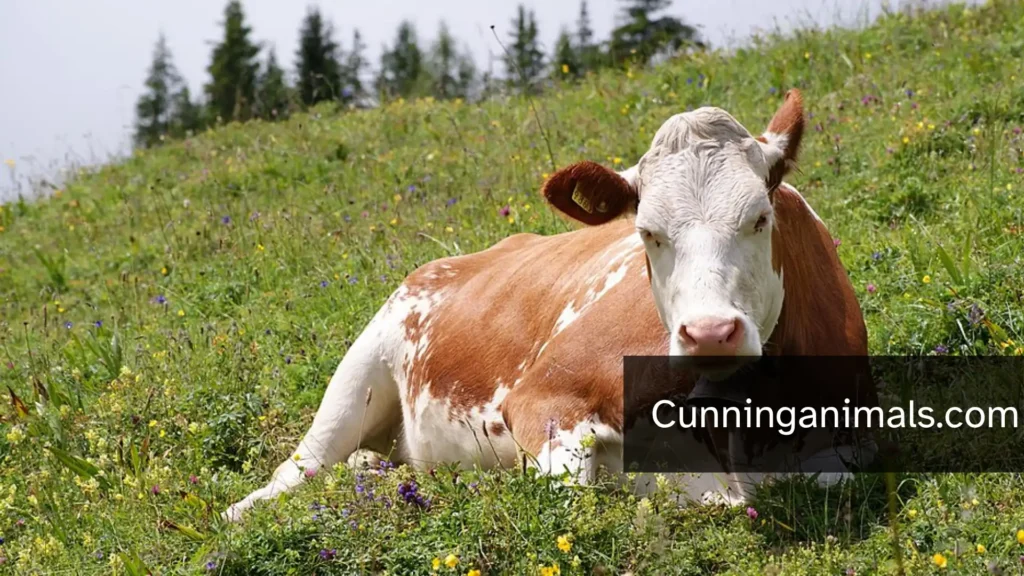
Beyond their agricultural contributions, cows represent community and connection, often seen grazing together in serene pastures. Their role in various cultures as symbols of abundance reminds us to appreciate the gifts of nature. By embracing the values they exemplify, we foster gratitude and respect for our shared environment.
Horse
Scientific Name: Equus ferus caballus
Class: Mammalia
Habitat: Grasslands and plains worldwide
Horses, with their grace and strength, have been companions to humans for centuries, embodying freedom and adventure. Their ability to forge deep connections with people highlights the beauty of trust and partnership. As they gallop across open fields, they remind us to chase our dreams and embrace the spirit of exploration.
These magnificent animals have played crucial roles in transportation and agriculture, demonstrating a unique bond between humans and nature. Their versatility and intelligence inspire us to foster courage and resilience in our own lives. As we witness their beauty, we are encouraged to seek harmony in our relationships and pursue our passions with fervor.
Grizzly Bear
Scientific Name: Ursus arctos horribilis
Class: Mammalia
Habitat: Forests and alpine meadows in North America
Grizzly bears, formidable and awe-inspiring, remind us of the power of nature and the importance of strength and solitude. Their presence in the wilderness evokes a sense of respect for the wild, teaching us to appreciate the world around us. As they forage for food, they exemplify resourcefulness and adaptability in challenging environments.
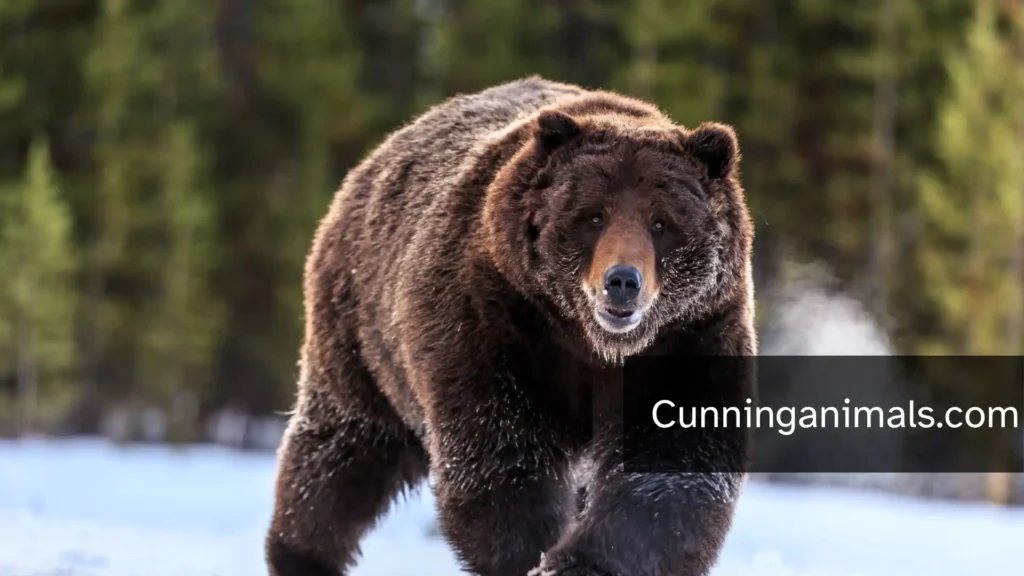
In their role as apex predators, grizzlies help maintain the balance of ecosystems, showcasing the intricate connections within nature. Their majestic charge serves as a reminder to face our own challenges head-on with courage and determination. Through understanding and protecting these magnificent creatures, we embrace our duty to safeguard the wild spaces they inhabit.
Sperm Whale
Scientific Name: Physeter macrocephalus
Class: Mammalia
Habitat: Deep oceans worldwide
The sperm whale, with its massive head and intelligent nature, stands out as one of the ocean’s most remarkable inhabitants. Their ability to dive deep into the abyss reveals the wonders of our planet’s oceans and the mysteries that lie beneath the surface. This deep-diving giant teaches us about exploration and the importance of preserving our marine ecosystems.
Sperm whales’ social structures and communication methods create a fascinating tapestry of relationships among their pods. Their resilience in the face of challenges reminds us of the strength found in unity and shared purpose. As we learn more about these extraordinary creatures, we are inspired to advocate for the oceans and the incredible life they support.
Great White Shark
Scientific Name: Carcharodon carcharias
Class: Chondrichthyes
Habitat: Coastal and open ocean waters worldwide
The great white shark, often feared yet deeply misunderstood, embodies strength and mastery in the ocean’s food chain. As apex predators, they play a critical role in maintaining the balance of marine ecosystems. These majestic creatures remind us of the need for respect and understanding when it comes to wildlife.
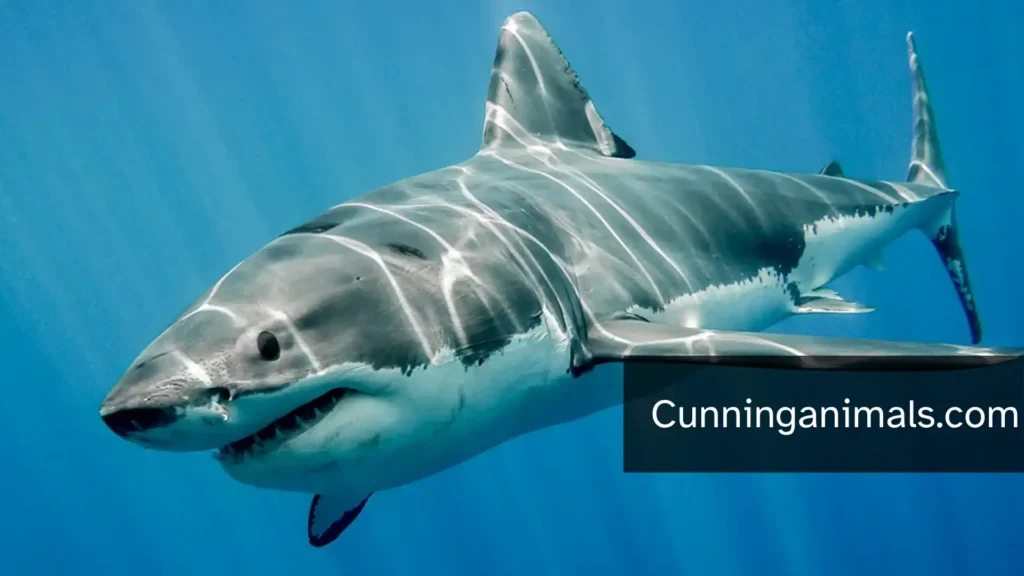
Their powerful presence in the water teaches us about the importance of both resilience and adaptability as we navigate our own lives. Great whites also symbolize the beauty of the ocean’s mysteries, inviting us to explore and learn more about the underwater world. Protecting their habitats encourages us to cherish the natural beauty that surrounds us.
Burmese Python
Scientific Name: Python bivittatus
Class: Reptilia
Habitat: Tropical forests, grasslands, and marshes in Southeast Asia
The Burmese python, with its stunning patterns and impressive size, captures our imagination as one of the largest snakes in the world. These remarkable reptiles teach us about the importance of adaptability and survival in diverse environments. Their stealth and grace inspire a deeper appreciation for the intricacies of nature.
As skilled constrictors, Burmese pythons remind us of the balance between predator and prey within ecosystems. Their presence in various habitats highlights the need for conservation efforts to protect their natural environments. With each slither through the underbrush, they call us to embrace the wonder and diversity of our planet’s wildlife.
Komodo Dragon
Scientific Name: Varanus komodoensis
Class: Reptilia
Habitat: Islands of Indonesia
The komodo dragon, the largest living lizard, commands respect with its formidable size and unique adaptations. These remarkable creatures capture our curiosity as they roam the rugged landscapes of their island homes, embodying raw wilderness. With a keen sense of smell and remarkable hunting skills, they remind us of nature’s ingenuity.
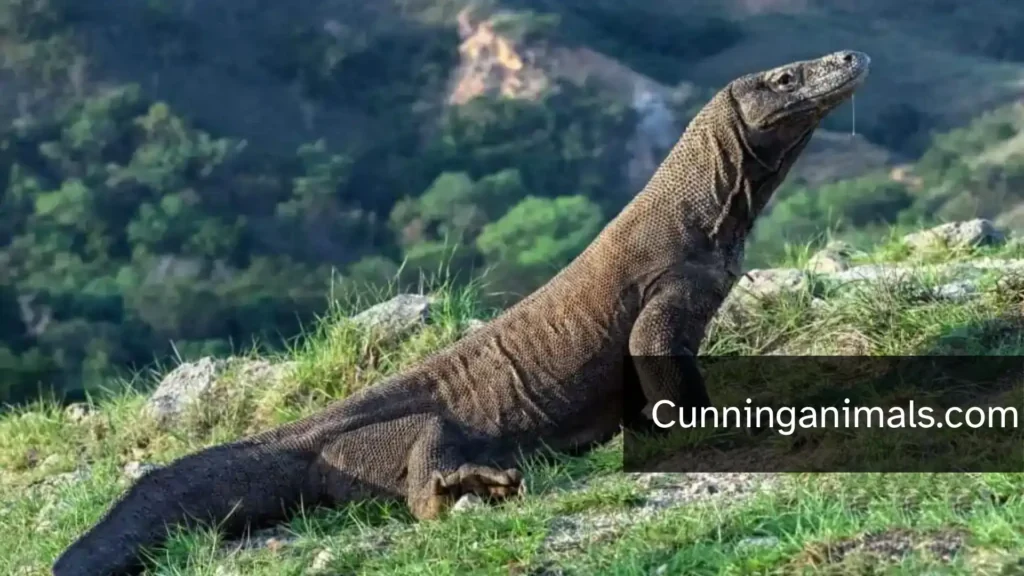
As fascinating as they are fearsome, komodo dragons play a crucial role in their ecosystems by helping to control populations of prey species. Their existence teaches us about the delicate balance of life and the importance of preserving habitats rich with biodiversity. In learning about these ancient reptiles, we celebrate the intricate web of life on Earth and the responsibility we share in its stewardship.
Crocodile
Scientific Name: Crocodylus niloticus
Class: Reptilia
Habitat: Freshwater rivers, lakes, and swamps in Africa and Australia
Crocodiles, with their powerful jaws and ancient lineage, stand as a testament to nature’s resilience and adaptability. Often lurking in muddy waters, they embody a powerful blend of grace and might, reminding us of the duality present in life. Their unique adaptations help maintain healthy ecosystems, showing us the significance of every creature.
As apex predators, crocodiles play a vital role in controlling populations of other wildlife, contributing to the balance of their habitats. Their stealth and strength serve as a reminder to approach life’s challenges with both caution and confidence. By appreciating these remarkable reptiles, we deepen our understanding of the natural world’s interconnectedness and the importance of conservation.
Anaconda
Scientific Name: Eunectes murinus
Class: Reptilia
Habitat: Swamps, marshes, and slow-moving rivers in South America
The anaconda, one of the largest snakes in the world, is a true marvel of nature, elegantly gliding through its lush jungle habitat. Known for its impressive length, this powerful serpent serves as a reminder of the strength and beauty of wildlife. Its stealth and patience inspire us to approach life with a calm and deliberate mindset.
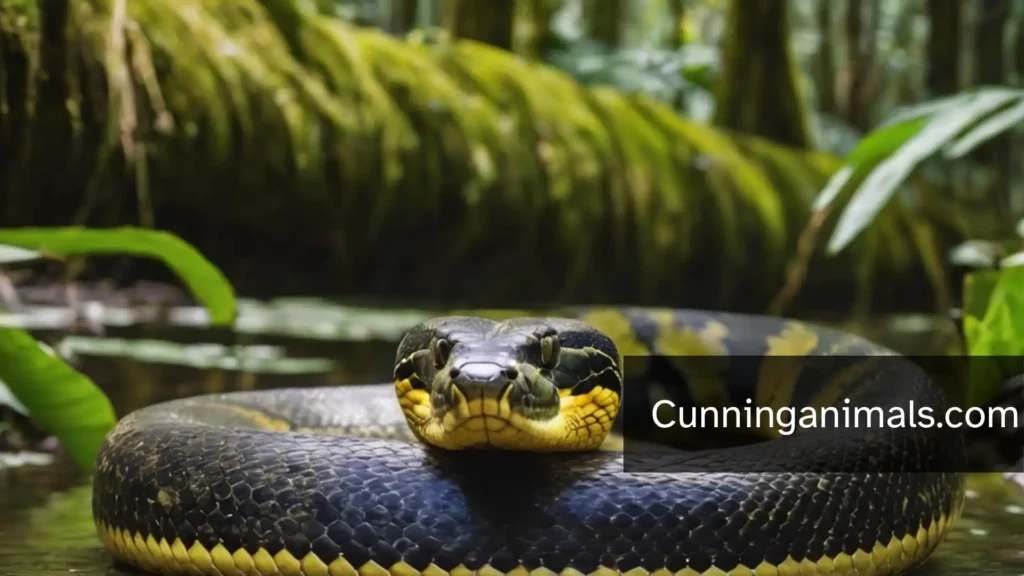
Anacondas are considered vital to their ecosystems, helping to regulate the populations of creatures they consume. Their existence underscores the importance of maintaining biodiversity and protecting habitats where all species can thrive. As we learn to respect these magnificent creatures, we foster a deeper appreciation for the diversity of life on our planet.
Tiger
Scientific Name: Panthera tigris
Class: Mammalia
Habitat: Forests, grasslands, and wetlands in Asia
Tigers, iconic for their striking coat and formidable presence, evoke a sense of awe and admiration. As solitary hunters, these magnificent big cats symbolize strength, courage, and the beauty of solitary contemplation. Each tiger’s unique stripes remind us of the individuality found in nature, inspiring us to embrace our own distinct paths.
These majestic creatures play vital roles in their ecosystems, helping to maintain a balance by keeping populations of other animals in check. Tigers’ struggles for survival serve as a call to action to protect their habitats and promote conservation efforts. By learning about tigers, we cultivate a deeper understanding of the responsibility we carry in preserving the intricate tapestries of life on Earth.
Gorilla
Scientific Name: Gorilla gorilla
Class: Mammalia
Habitat: Tropical forests of Africa
Gorillas, known for their intelligence and familial bonds, capture the essence of compassion and strength in the wild. These gentle giants form close-knit groups, showcasing the importance of family and community. Observing their interactions reminds us of the beauty of connection and the nurturing nature inherent in all beings.
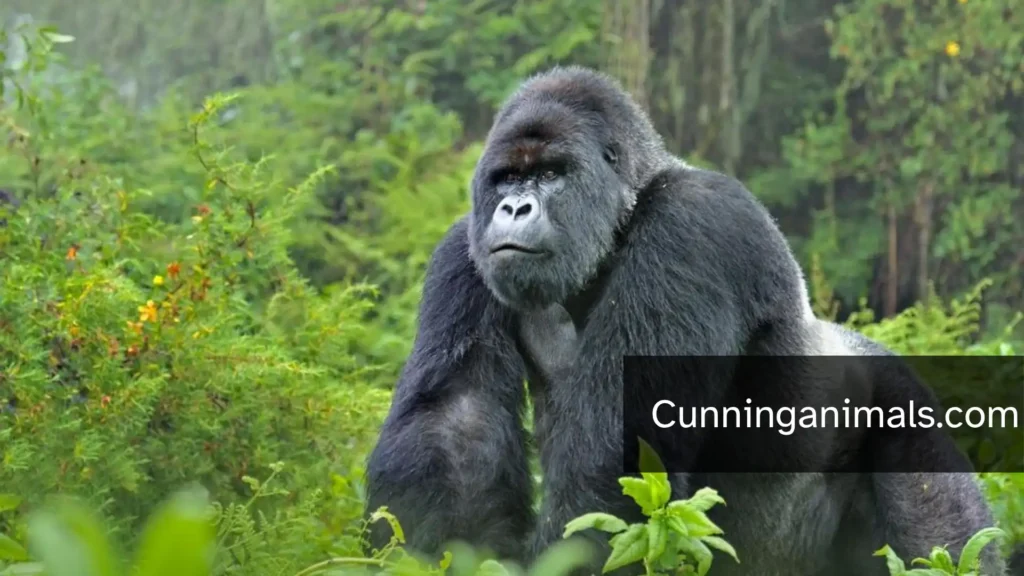
As endangered species, gorillas highlight the urgent need for conservation efforts to protect their habitats. Their presence in nature encourages respect for the boundaries between the wild and humanity, advocating for coexistence. Through understanding and celebrating gorillas, we inspire an appreciation for our shared planet and the responsibility we have to safeguard its wonders.
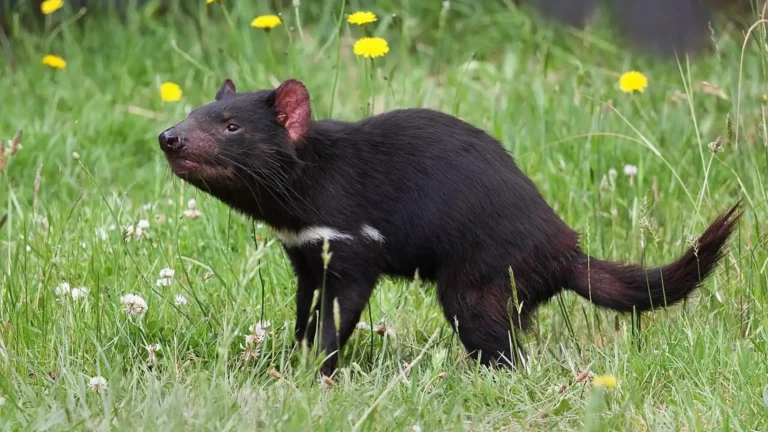
Tasmanian Devil
Scientific Name: Sarcophilus harrisii
Class: Mammalia
Habitat: Forests and bushland in Tasmania
The Tasmanian devil, small yet mighty, embodies resilience and tenacity in the face of adversity. With their distinctive features and vocalizations, they captivate us, serving as a reminder of the importance of perseverance. Their unique behaviors, including scavenging and social interactions, showcase the rich tapestry of life in their native habitats.
As fascinating and endangered creatures, Tasmanian devils remind us of the impact of environmental change and the importance of conservation efforts. Advocating for their protection encourages a greater appreciation for the delicate balance of ecosystems. In every growl and bound, the Tasmanian devil inspires us to embrace our inner strength while fostering care for our environment.
Black-Footed Cat
Scientific Name: Felis nigripes
Class: Mammalia
Habitat: Grasslands and savannas in southern Africa
The black-footed cat, among the smallest wild cats, is a remarkable testament to the wonders of nature. Their elusive nature and playful demeanor make them a symbol of joy and resilience, reminding us that even the smallest creatures can make a significant impact. Observing their agile hunting skills encourages us to appreciate the beauty of life in the wild.
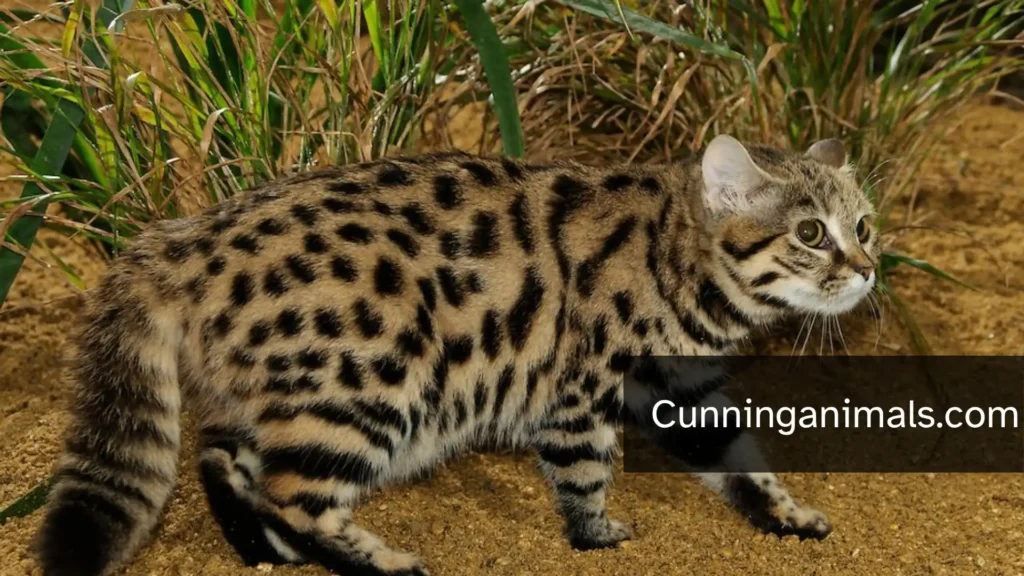
Despite their diminutive size, black-footed cats play a crucial role in their ecosystems, helping to control nibbler populations. Their unique adaptations and survival tactics inspire us to recognize the importance of every species, no matter how small. By embracing the charm and tenacity of the black-footed cat, we deepen our understanding of wildlife conservation and the fabric of life on Earth.
Locust
Scientific Name: Schistocerca gregaria
Class: Insecta
Habitat: Grasslands and arid regions worldwide
Locusts, often seen swarming in massive clouds, embody the dynamic nature of populations in the great cycle of life. Their transformations into swarming behavior serve as a reminder of nature’s power and adaptability. This phenomenon invites us to reflect on the delicate balance of ecosystems and the impact of change.
While often viewed as pests, locusts also play a vital role in their ecosystems, contributing to nutrient cycles and soil health. They remind us of the interconnectedness of all life forms and the importance of resilience in facing challenges. In understanding locusts, we elevate our consciousness and commitment to the health of our environment.
Star-Nosed Mole
Scientific Name: Condylura cristata
Class: Mammalia
Habitat: Wet lowlands and marshes in North America
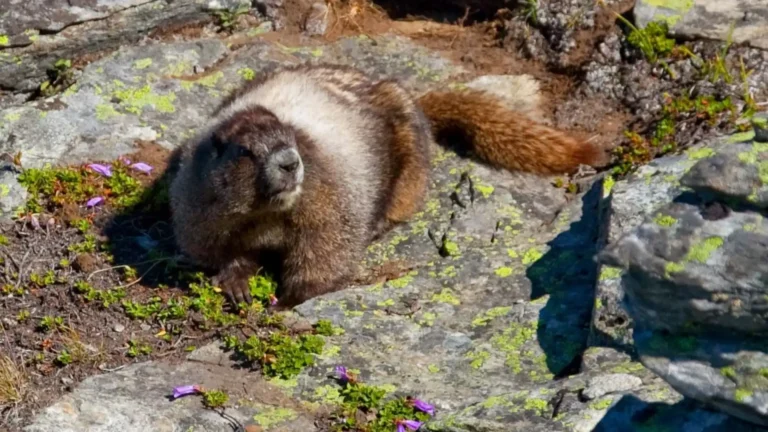
Small mammals with surprising habits aren’t limited to moles and shrews. If you’re curious about other fascinating North American wildlife, check out our guide to marmots in North America for more on these burrowing, food-hoarding rodents.
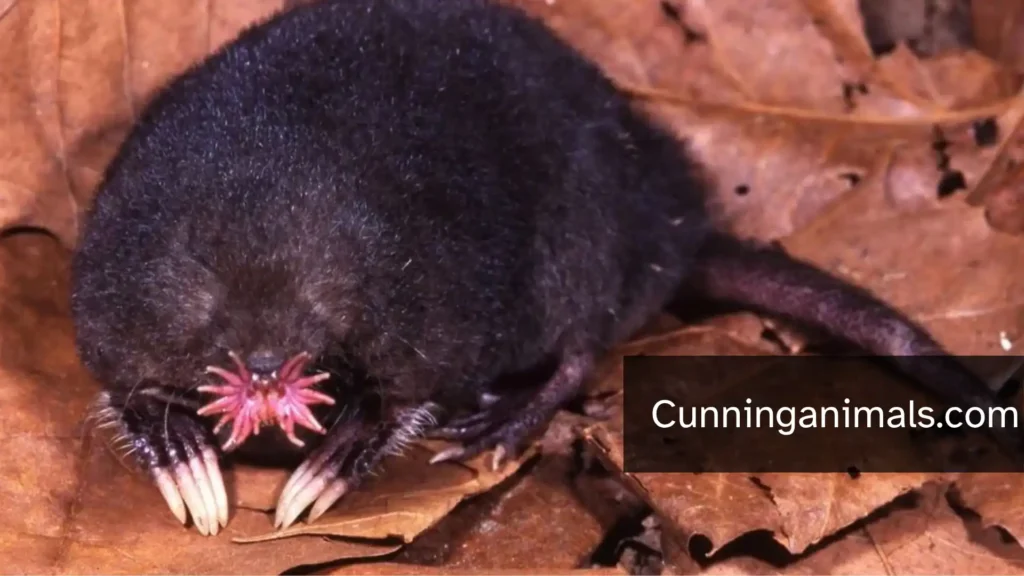
As masters of their underground habitats, star-nosed moles play a role in aerating and enriching the soil. They remind us of the importance of often-overlooked creatures and their contributions to the ecosystem. By celebrating the quirky existence of this mole, we cultivate an appreciation for the diverse forms of life that enrich our planet.
American Pygmy Shrew
Scientific Name: Sorex hoyi
Class: Mammalia
Habitat: Grasslands, forests, and wetlands in North America
The American pygmy shrew, one of the smallest mammals in North America, showcases nature’s brilliant diversity in miniature form. Despite its tiny size, this remarkable creature embodies resilience and resourcefulness, reminding us that even the littlest among us can have significant impacts. Its quick movements encourage us to appreciate the beauty of life in all its dimensions.
Sustaining their habitats and benefiting from a rich diet, pygmy shrews play a vital role in their ecosystems, helping to control insect populations. Their existence is a reminder of the importance of caring for every facet of nature. In celebrating the pygmy shrew, we affirm the value of each creature and its role in maintaining harmony in the world.
Giant Weta
Scientific Name: Deinated iwanuku
Class: Insecta
Habitat: Forests and grasslands in New Zealand
The giant weta, one of the heaviest insects on Earth, stands as a fascinating testament to the unique wildlife found in New Zealand. With its impressive size and distinct features, it invites us to explore and appreciate the extraordinary diversity of life on this planet. The giant weta serves as a reminder that beauty comes in all shapes and forms.
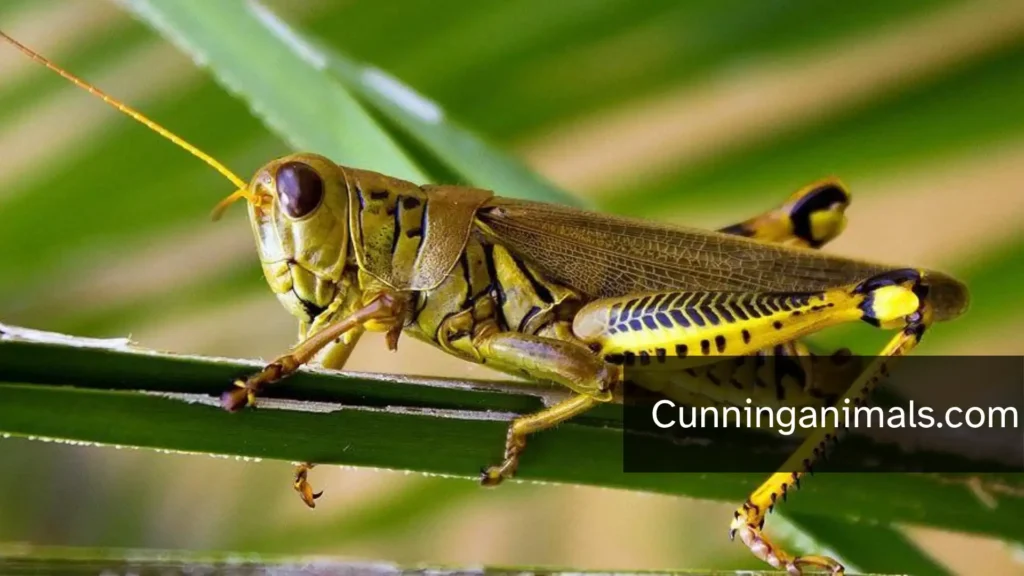
As an essential component of its ecosystem, the giant weta contributes to the health of its environment, demonstrating the intricate web of life that surrounds us. Its unique adaptations and role in pollination remind us of every creature’s significance in maintaining balance. Embracing the giant weta encourages us to foster a deep respect for life’s incredible diversity and the need for environmental stewardship.
Hummingbird
Scientific Name: Trochilidae
Class: Aves
Habitat: Americas, in varied habitats from forests to gardens
Hummingbirds, with their iridescent feathers and astonishing flight, captivate our hearts with their beauty and agility. These tiny creatures, often seen flitting from flower to flower, symbolize joy and the importance of savoring life’s fleeting moments. Watching them brings a sense of wonder and connection to nature.
Their critical role in pollination highlights the interconnectedness of species and the importance of biodiversity in our ecosystems. Hummingbirds inspire us to appreciate the small things that contribute to the larger tapestry of life. By nurturing their habitats, we ensure that these beautiful creatures continue to thrive, filling our world with their vibrant energy.
Bar-Tailed Godwit
Scientific Name: Limosa lapponica
Class: Aves
Habitat: Coastal wetlands and mudflats worldwide
The bar-tailed godwit, with its impressive long flights across continents, embodies perseverance and determination. Known for their extraordinary migratory journeys, these remarkable birds remind us of the strength found in pursuing our goals despite challenges. Their resilience serves as an uplifting example for all who seek to stretch boundaries.
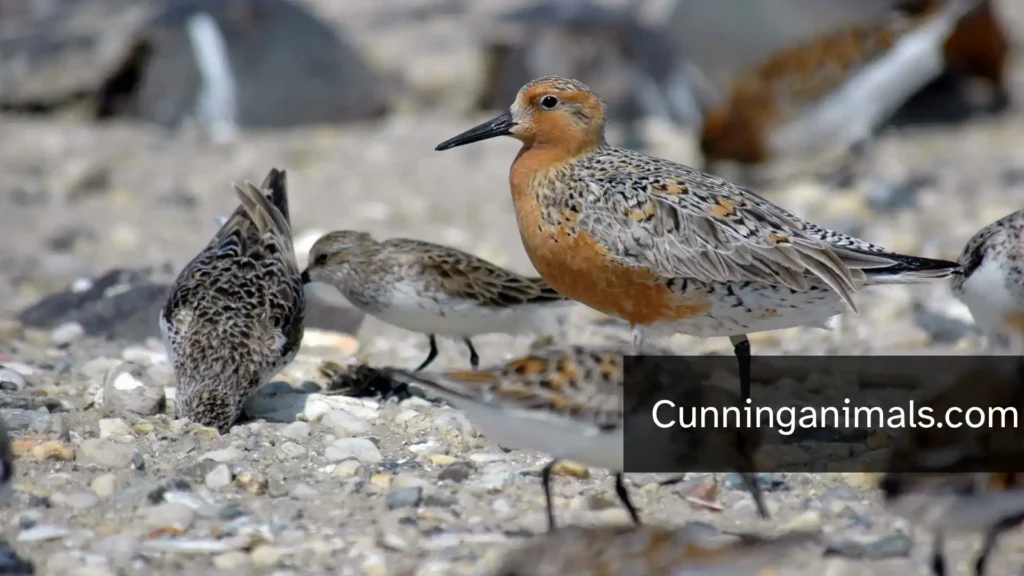
As they rely on diverse habitats during their migration, godwits signify the importance of conserving coastal ecosystems. Their incredible journey highlights the interconnectedness of global ecosystems, inspiring us to work together for the protection of wildlife and habitats. Embracing the bar-tailed godwit encourages us to journey through life with tenacity and purpose.
Moose
Scientific Name: Alces alces
Class: Mammalia
Habitat: Forests and tundras in North America and Eurasia
The moose, with its impressive antlers and majestic stature, stands as a symbol of wild beauty in North America. Roaming the forests and rivers, these gentle giants remind us of the tranquility found in nature’s embrace. Observing them in their natural habitat inspires reflections on the value of wilderness and the peace it brings.
As the largest members of the deer family, moose play a vital role in their ecosystems, influencing plant growth and distribution. Their presence encourages us to protect their habitats and preserve the natural landscapes they inhabit. By respecting the moose and the wild spaces they call home, we foster a deeper connection to the environment and our place within it.
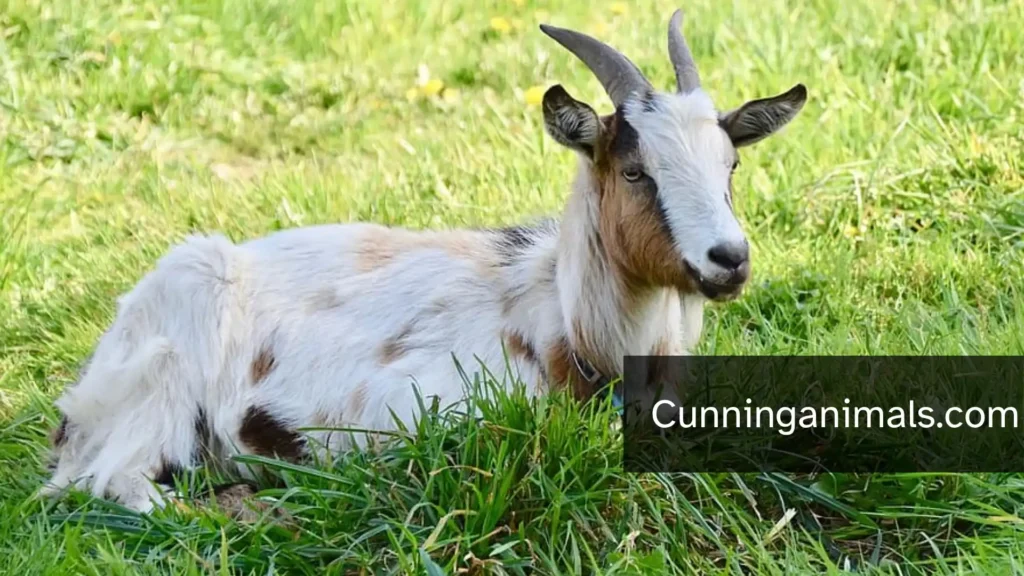
Goat
Scientific Name: Capra aegagrus hircus
Class: Mammalia
Habitat: Mountains, hills, and pastures worldwide
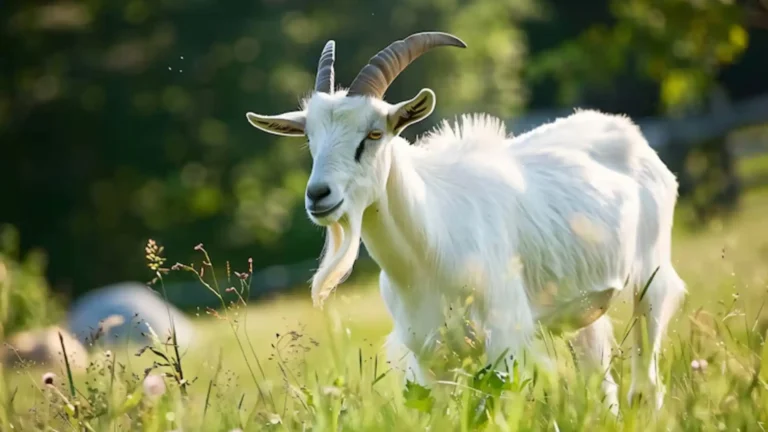
Goats, with their playful antics and inquisitive nature, embody versatility and adaptability in various environments. Their resilience and ability to thrive in diverse habitats remind us to embrace life’s challenges with a sense of curiosity and open-mindedness. Watching them interact encourages us to find joy in the little things.
Curious how other burrowing, ground-dwelling animals compare to the big eaters on this list? Take a look at our roundup of animals like groundhogs to discover more creatures with similarly busy feeding habits.
Interesting Facts About Animals That Eat A Lot
Many animals are fascinating not just for their size or agility but also for their astonishing appetites. From the colossal blue whale, which can inhale vast quantities of krill during feeding seasons, to the humble shrew, which requires frequent meals to sustain its rapid metabolism, these species exhibit a truly remarkable relationship with food.
- Blue whales can consume up to 4 tons of krill daily.
- Elephants can eat around 300 pounds of vegetation in a single day.
- Giant pandas devote about 12 hours a day to eating bamboo.
- Hummingbirds have the highest metabolism of any bird, consuming more than their body weight in nectar daily.
- Shrews can eat up to twice their body weight each day due to their fast metabolism.
- Some snakes can swallow prey that is even larger than themselves. Locusts can collectively consume vast fields of crops during swarming events.
- Tigers can devour up to 100 pounds of meat in one meal after a successful hunt.
- Gorillas spend 8-10 hours a day foraging for roots, stems, and fruits.
Conclusion
The journey through the lives of Animals That Eat a Lot reveals the sheer variety of feeding strategies across species. Many animals have developed unique adaptations to consume large quantities of food, often leading us to ask, “What animal eats the most relative to its size?”
In zoos, visitors might be surprised to discover that a zoo animal, like the enormous African elephant, consumes more food in a day than most people do in a week. Understanding the dietary needs of these creatures not only enhances our knowledge but also fosters a greater appreciation for wildlife conservation.
FAQS
What Animals Eat A Lot?
Animals known for eating large amounts include elephants, whales, hippos, and cows. The amount they eat depends on their body size, metabolism, diet, and activity level.
What Animal Is Eaten The Most?
Chicken is one of the most widely eaten animals in the world, followed by other commonly consumed livestock such as pigs and cattle. It is especially popular because it is affordable and widely available.
Which Animal Has The Biggest Appetite?
The blue whale has one of the biggest appetites of any animal. During feeding season, it can consume several tons of tiny krill in a single day.
What Animals Do People Eat The Most?
The animals most commonly raised and eaten by people include chickens, pigs, cattle, goats, and sheep. Fish and other seafood are also major sources of food around the world.
What Animal Is Constantly Hungry?
The shrew is often described as constantly hungry because it has a very fast metabolism and needs to eat frequently. Some shrews may consume a large amount of food relative to their body weight each day.