17 Biggest Jellyfish in the World: Giant Jellyfish
When it comes to marine marvels, the biggest jellyfish in the world stand out with their breathtaking dimensions and unique characteristics. The lion’s mane jellyfish, a true giant, not only captures attention with its sheer size but also with its long, flowing tentacles.
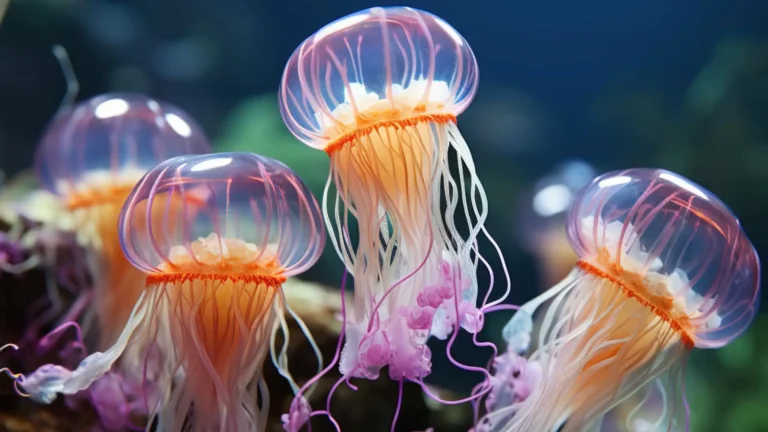
The vibrant red jellyfish provides a captivating contrast amidst the blues of the deep sea. In this article, we’ll traverse the ocean depths to uncover 17 of the largest jellyfish species, highlighting their importance in our ecosystems and the mysteries that still surround them. Prepare to be amazed by the wonders of these big jellyfish!
What Is The Biggest Jellyfish In The World?
The Lion’s Mane Jellyfish (Cyanea capillata) holds the title for the biggest jellyfish in the world, thanks to its enormous bell size and remarkable tentacle length. This marine giant can have a bell diameter reaching up to 7 feet (2.1 meters), but its tentacles can stretch an astonishing 120 feet (36.5 meters) long.
When considering what classifies this jellyfish as the largest, both its bell size and tentacle length come into play. The immense size of the bell contributes to its overall structure, while the lengthy tentacles play a crucial role in its hunting techniques. These tentacles, laden with stinging cells, are essential for capturing prey in the cold waters of the Arctic and northern Atlantic oceans.
17 Biggest Jellyfish In The World
| # | Jellyfish | Scientific Name | Maximum Size | Habitat |
| 1 | Upside-Down Jellyfish | Cassiopea spp. | Up to 14 in | Tropical shallow waters |
| 2 | Lion’s Mane Jellyfish | Cyanea capillata | Up to 7 ft bell | Cold & temperate oceans |
| 3 | Nomura’s Jellyfish | Nemopilema nomurai | Up to 6.6 ft | Northwest Pacific |
| 4 | Moon Jellyfish | Aurelia aurita | Up to 16 in | Coastal oceans |
| 5 | Flower Hat Jelly | Olindias formosus | Up to 6 in | Western Pacific |
| 6 | Barrel Jellyfish | Rhizostoma pulmo | Up to 3 ft | Atlantic & Mediterranean |
| 7 | Blue Blubber Jellyfish | Catostylus mosaicus | Up to 12 in | Indo-Pacific |
| 8 | Cauliflower Jellyfish | Cephea cephea | Up to 20 in | Tropical oceans |
| 9 | Atlantic Sea Nettle | Chrysaora quinquecirrha | Up to 8 in | Western Atlantic |
| 10 | Fried Egg Jellyfish | Cotylorhiza tuberculata | Up to 16 in | Mediterranean |
| 11 | Giant Phantom Jelly | Stygiomedusa gigantea | Up to 3.3 ft bell | Deep ocean |
| 12 | Box Jellyfish | Chironex spp. | Up to 12 in | Tropical oceans |
| 13 | Pacific Sea Nettle | Chrysaora fuscescens | Up to 12 in | North Pacific |
| 14 | Australian Spotted Jellyfish | Phyllorhiza punctata | Up to 20 in | Indo-Pacific |
| 15 | Black Sea Nettle | Chrysaora achlyos | Up to 2.5 ft | Eastern Pacific |
| 16 | Tiburonia granrojo | Tiburonia granrojo | Up to 30 in | Deep ocean |
| 17 | Deepstaria Jellyfish | Deepstaria spp. | Up to 2 ft | Deep ocean |
Upside-Down Jellyfish
Scientific Name: Cassiopeia spp.
Class: Scyphozoa
Habitat: Shallow coastal waters of tropical regions.
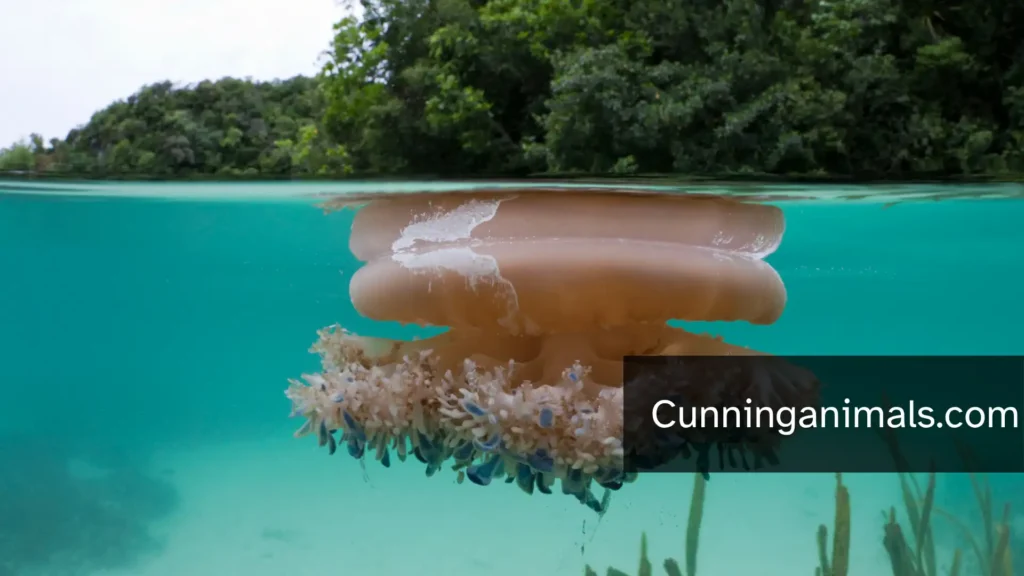
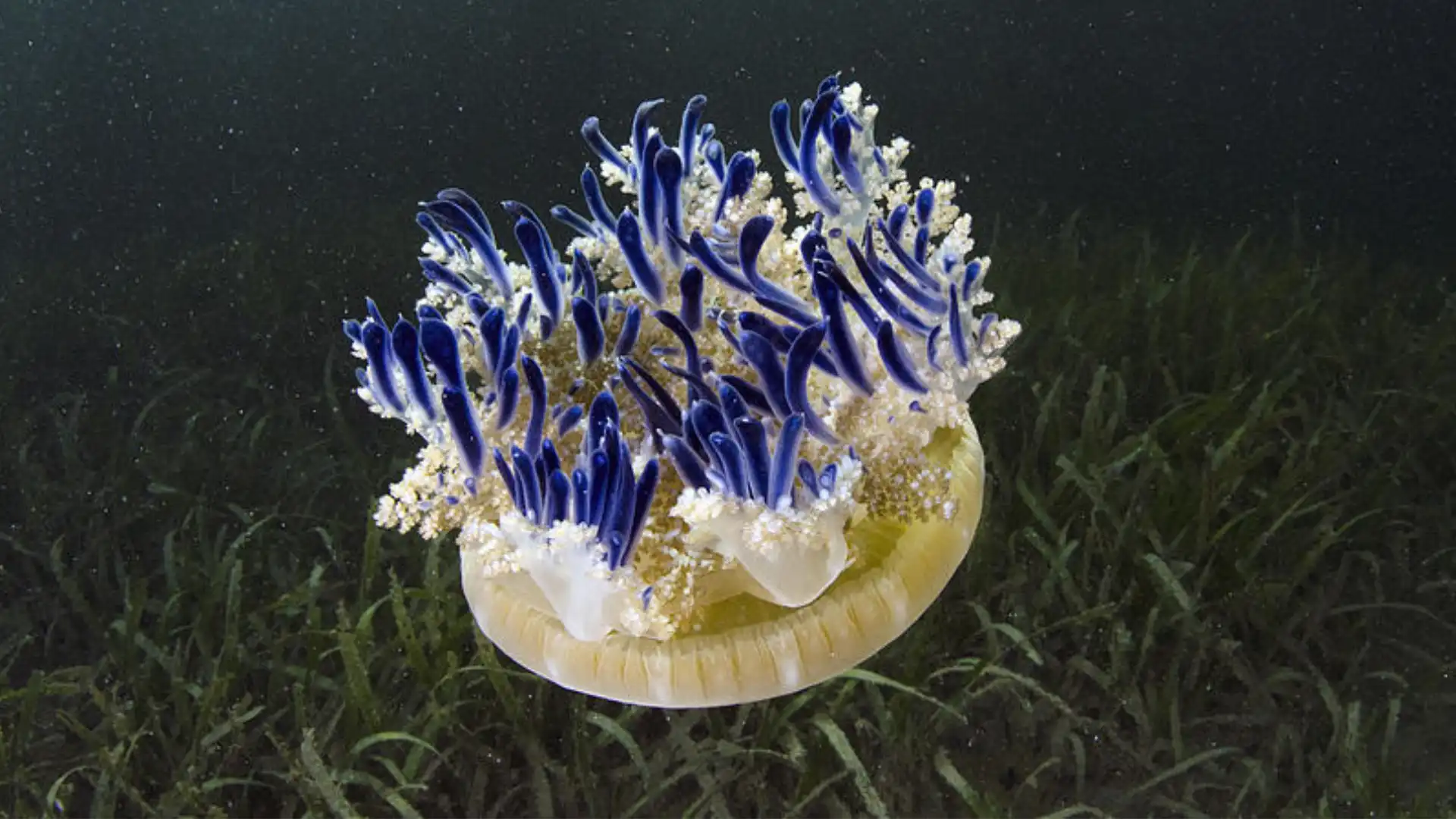
The Upside-Down Jellyfish presents an intriguing perspective on life, quite literally living upside down. This jellyfish gets its energy from symbiotic algae that thrive in its body, reminding us that sometimes, we must turn things around to discover the beauty within. Floating gracefully in shallow waters, it offers a unique spectacle and a gentle reminder of nature’s delicate balance.
Lion’s Mane Jellyfish
Scientific Name: Cyanea capillata
Class: Scyphozoa
Habitat: Cold waters of the Arctic and North Atlantic Oceans.
The Lion’s Mane Jellyfish, with its majestic and flowing tentacles resembling a lion’s mane, governs the ocean in quiet grandeur. This jellyfish’s remarkable size and intricate beauty inspire awe and admiration, revealing the wonders of creation beneath the surface. As it glides through the chilly waters, it encourages us to embrace our unique identities and inner strength.
Nomura’s Jellyfish
Scientific Name: Nemopilema nomurai
Class: Scyphozoa
Habitat: Coastal waters off Japan and China.
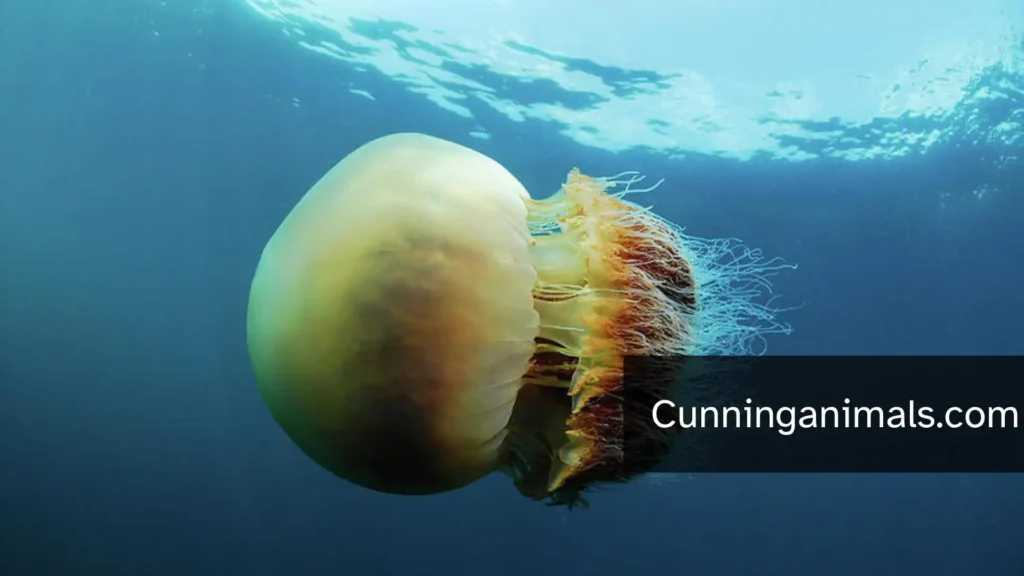
Nomura’s Jellyfish captivates with its colossal size and stunning appearance, yet it serves as a poignant reminder of the delicate ecosystems we inhabit. Its blooms can impact marine life and fisheries, urging us to consider our connection with nature. As this giant jellyfish drifts through vast waters, it invites us to reflect on harmony and nurturing our environment.
Moon Jellyfish
Scientific Name: Aurelia aurita
Class: Scyphozoa
Habitat: Coastal waters worldwide.
The Moon Jellyfish, with its transparent, ethereal form, floats serenely through oceans, evoking a sense of calm and tranquility. It symbolizes peace and the beauty of simplicity, reminding us to cherish moments of stillness in our fast-paced lives. As it glides gracefully, we are inspired to cultivate serenity and mindfulness amidst life’s currents.
Flower Hat Jelly
Scientific Name: Olindias formosus
Class: Hydrozoa
Habitat: Tropical waters of the Pacific and Indian Oceans.
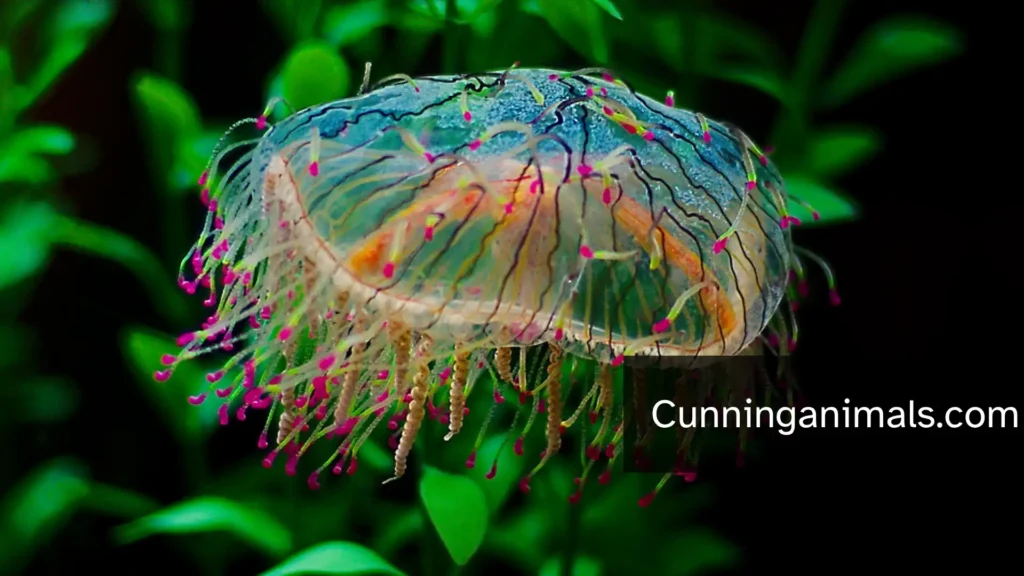
The Flower Hat Jelly, adorned with vibrant colors and a charming floral appearance, reminds us of the diversity and splendor in the world. Its unique form and behavior serve as a testament to the creativity of nature, encouraging appreciation for the beauty surrounding us. Encountering this jellyfish invites joy and wonder, reflecting the delicate intricacies of life.
Barrel Jellyfish
Scientific Name: Rhizophysa mimosa
Class: Scyphozoa
Habitat: Warm temperate and tropical oceans.
The Barrel Jellyfish, often found drifting with the current, reveals the grace of stillness and surrender. Drifting passively with the current isn’t the only kind of movement limitation in nature. Our guide to mammals that cannot jump explores land animals with their own surprising mobility constraints.
Blue Blubber Jellyfish
Scientific Name: Catostylus mosaicus
Class: Scyphozoa
Habitat: Coastal waters of the Indo-Pacific region.
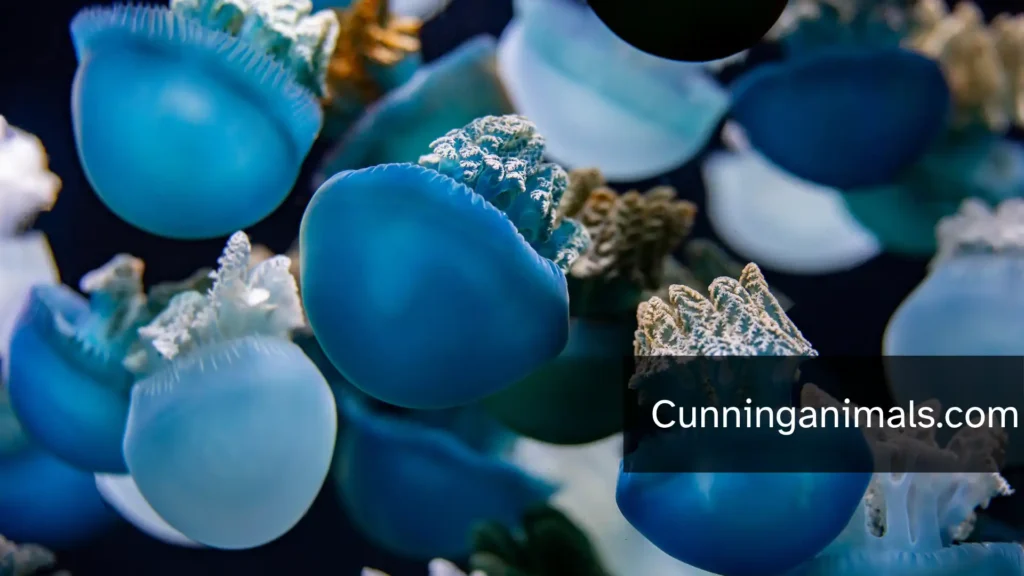
The Blue Blubber Jellyfish enchants with its striking hue and playful behavior, showcasing nature’s vibrant palette. Its ability to thrive under varying conditions encourages an open heart and a light spirit, reminding us that adaptability is key to flourishing. Encountering this cheerful jellyfish rekindles a sense of wonder for life’s colorful adventures.
Cauliflower Jellyfish
Scientific Name: K. tetramorphus
Class: Scyphozoa
Habitat: Coastal waters from the Indian Ocean to the Mediterranean.
The Cauliflower Jellyfish wows with its unusual shape, resembling the intricate patterns of nature’s finest designs. This jellyfish serves as a reminder of the importance of embracing our unique qualities, inviting us to celebrate individuality rather than conformity. As it moves through its ocean home, this charming creature encourages us to be proud of who we are.
Atlantic Sea Nettle
Scientific Name: Chrysaora quinquecirrha
Class: Scyphozoa
Habitat: Coastal waters of the Atlantic Ocean.
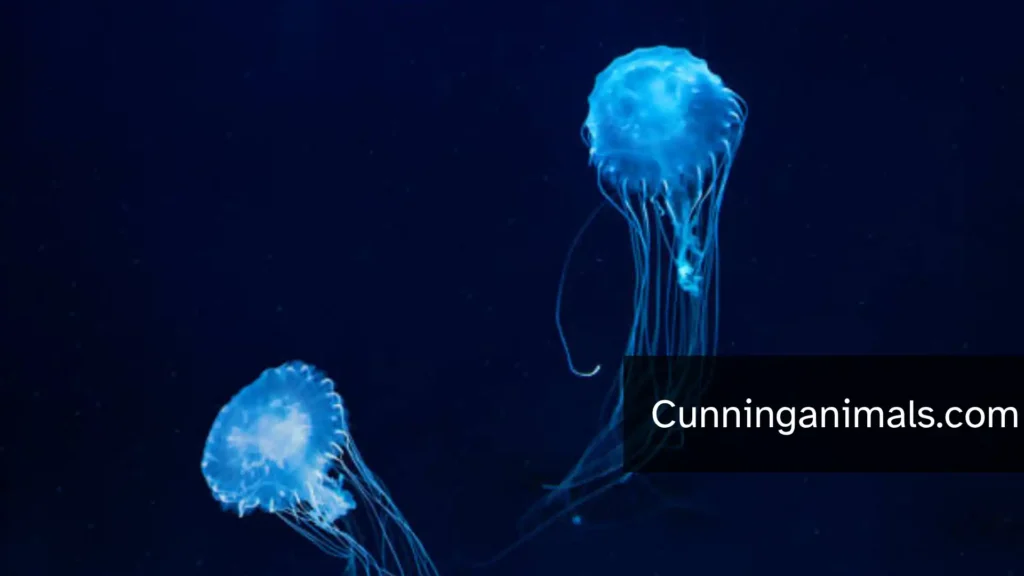
The Atlantic Sea Nettle, adorned with a lovely cloak of tentacles, is a striking example of beauty found in the depths of our oceans. Its presence reminds us of the interconnectedness of marine life and our own impactful role in preserving it. As this jellyfish navigates the waves, it inspires us to foster a sense of stewardship and love for the environment.
Fried Egg Jellyfish
Scientific Name: Cotylorhiza tuberculata
Class: Scyphozoa
Habitat: Coastal waters of the Mediterranean Sea.
The Fried Egg Jellyfish, with its egg-like appearance, is a whimsical reminder of the playfulness found in nature. It draws our attention to the lighter side of life and the joy of simple, whimsical moments. Playful, unusual adaptations aren’t limited to jellyfish. If you enjoy nature’s quirky survival strategies, check out our article on animals that eat cactus for another look at creatures with unexpected diets.
Giant Phantom Jelly
Scientific Name: Stygiomedusa gigantea
Class: Scyphozoa
Habitat: Deep ocean waters worldwide.
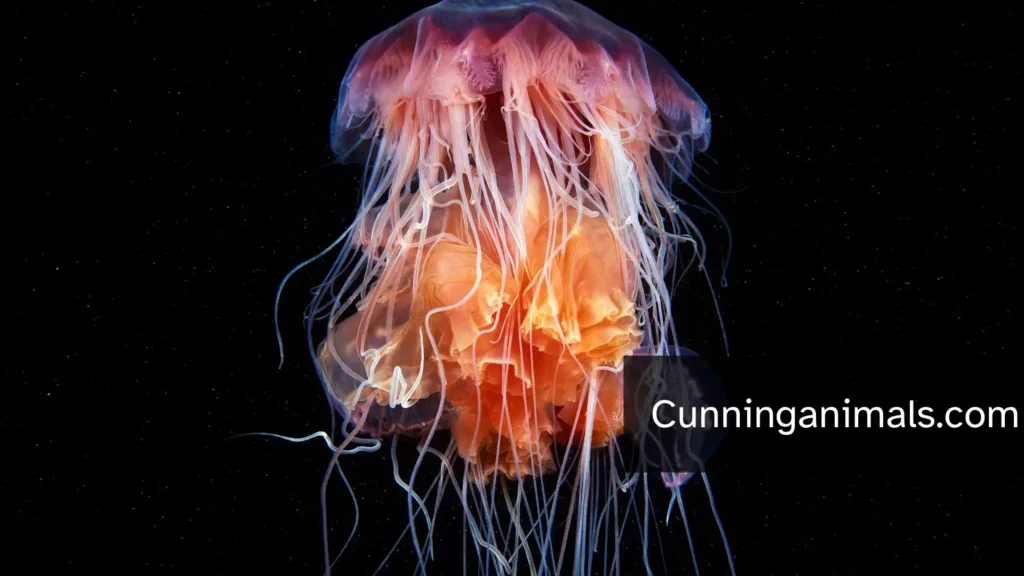
The Giant Phantom Jelly is a mysterious creature of the deep, captivating our imaginations with its elusive nature. This jellyfish’s home in the ocean’s depths teaches us about the beauty of mystery and the importance of exploration. Encountering the ethereal Giant Phantom encourages curiosity and a sense of adventure in seeking the unknown.
Box Jellyfish
Scientific Name: Chironex fleckeri
Class: Cubozoa
Habitat: Tropical waters of the Indo-Pacific region.
The Box Jellyfish, known for its infamous sting, is a powerful reminder of nature’s duality: beauty and danger. Power in the animal kingdom isn’t limited to venomous stings. If raw strength interests you, take a look at our list of the strongest birds to see how might is expressed in the skies instead of the sea.
Pacific Sea Nettle
Scientific Name: Chrysaora fuscescens
Class: Scyphozoa
Habitat: Coastal Pacific Ocean regions.
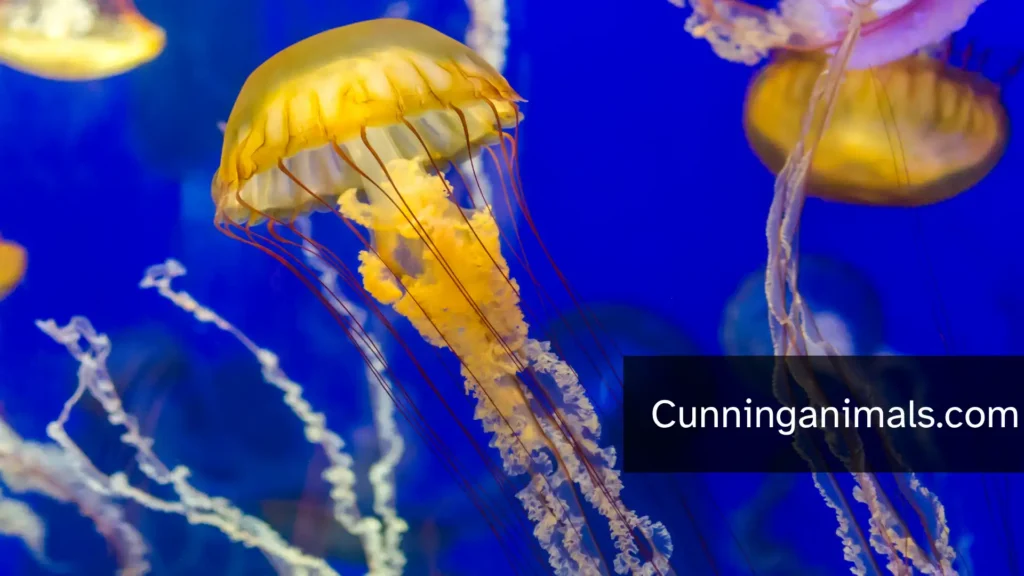
The Pacific Sea Nettle, with its graceful movement and striking coloration, enchants anyone fortunate enough to encounter it. Its elegant dance in the ocean’s currents is a celebration of life and vitality, stirring within us a desire to bloom and thrive. As this jellyfish gracefully glides, it inspires us to embrace joy and express our true selves.
Australian Spotted Jellyfish
Scientific Name: Phyllorhiza punctata
Class: Scyphozoa
Habitat: Coastal waters of Australia.
The Australian Spotted Jellyfish, characterized by its charming spots, serves as a beautiful reminder of life’s intricate artistry. This jellyfish gracefully drifts through its habitat, offering a lesson in adaptability and harmony with nature. Observing its beauty encourages us to appreciate the unique patterns and stories within our lives.
Black Sea Nettle
Scientific Name: Chrysaora achlyos
Class: Scyphozoa
Habitat: Coastal waters of Texas and the Gulf of Mexico.
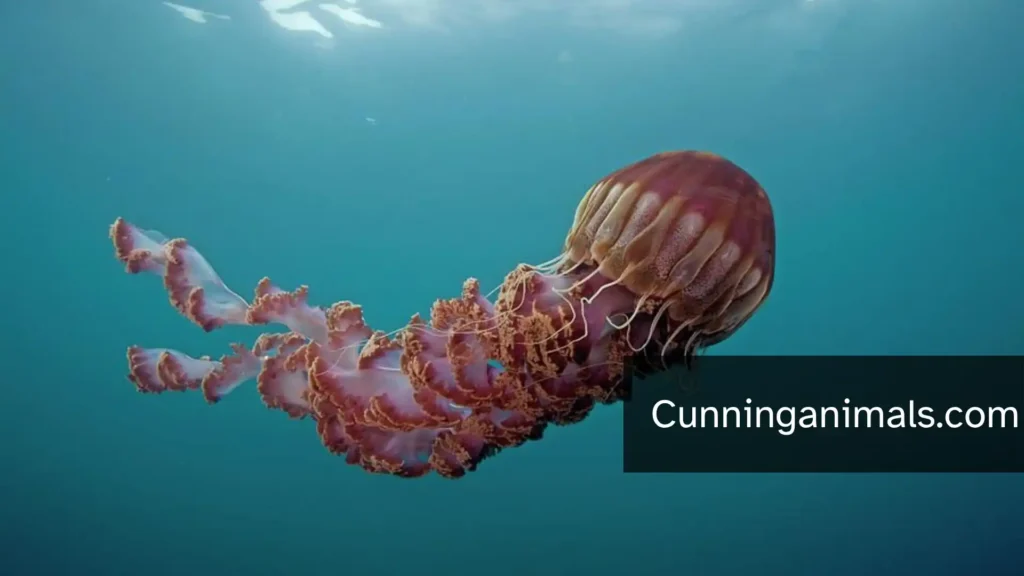
The Black Sea Nettle, with its dark hue and striking presence, is a stunning representation of the mystery of the ocean. Its allure lies in its enigmatic nature, inviting us to explore deeper truths and hidden aspects of life. As we observe this jellyfish, we’re inspired to embrace the unknown, reminding us that growth often happens outside of our comfort zones.
Tiburonia granrojo
Scientific Name: Tiburonia granrojo
Class: Scyphozoa
Habitat: Deep waters of the Gulf of Mexico.
Tiburonia granrojo, known for its impressive size and breathtaking appearance, reminds us that there’s often more beneath the surface than meets the eye. This rare jellyfish embodies the wonders that lie in unexplored territories, encouraging us to embrace our curiosity. As it glides through the depths, it invites us to seek out our own depths of potential and possibility.
Deepstaria Jellyfish
Scientific Name: Deepstaria enigmatica
Class: Scyphozoa
Habitat: Oceanic depths worldwide.
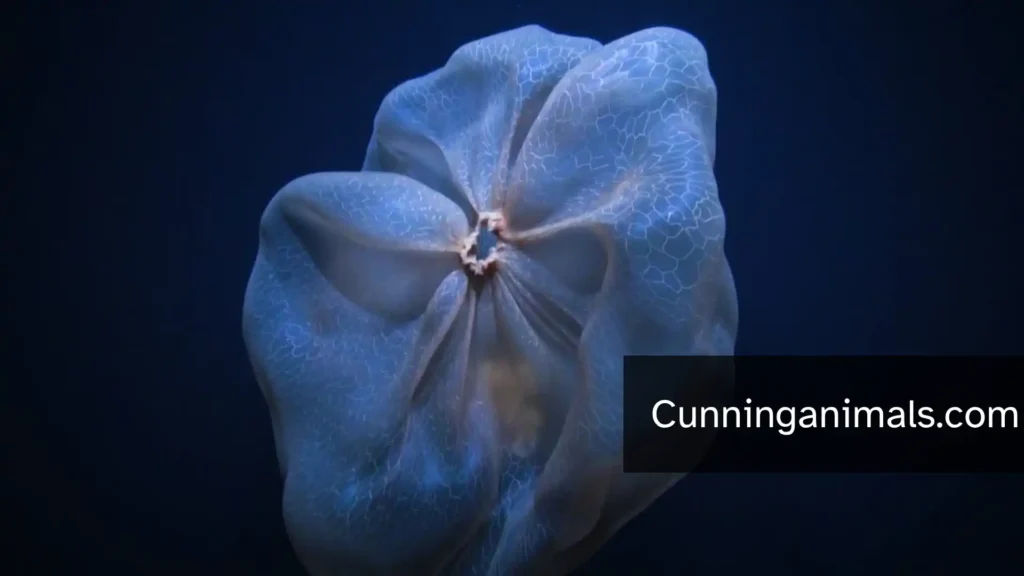
The Deepstaria Jellyfish is a unique marvel, often discovered at great depths where mysteries abound. Its intriguing forms and slow movements inspire us to ponder the beauty in patience and the quiet strength of an unfathomable world. Observing this jellyfish stirs a sense of wonder within us, inviting exploration of our inner depths and untapped potential.
Interesting Facts About The Biggest Jellyfish
The largest jellyfish ever recorded is the elusive* Cyanea capillata*, commonly known as the lion’s mane jellyfish, which can grow to over 120 feet long, including its tentacles. These remarkable creatures have astounding adaptations, such as their translucent bodies, which allow them to blend seamlessly into their ocean surroundings.
- The longest tentacles of any jellyfish are found on the lion’s mane jellyfish, reaching lengths of up to 120 feet.
- The heaviest jellyfish is the *Mastigias papua*, sometimes weighing up to 200 kg (440 lbs).
- Roughly 95% of a jellyfish’s body is composed of water, contributing to its gelatinous appearance.
- Interestingly, jellyfish do not have brains; instead, they possess a simple nerve net to respond to their environment.
- Jellyfish catch prey primarily by using specialized stinging cells, known as nematocysts, which paralyze their victims.
- While jellyfish like the box jellyfish have venom potent enough to harm humans, most species pose little risk.
- Giant jellyfish are known to reside in depths of up to 3,000 feet, showcasing their adaptability.
- The lifespan of jellyfish can vary significantly, with some living only a few months while others, like the immortal jellyfish, might live indefinitely under certain conditions.
Conclusion
The study of the biggest jellyfish in the world reveals astonishing insights into marine life and ecosystem dynamics. Notably, the mesmerizing red jellyfish stands out among its peers not only for its vivid coloration but also for its ecological role.
These big jellyfish play crucial roles in their habitats, influencing food webs and serving as indicators of ocean health. As we continue to explore the mysteries of the deep, we invite you to engage in conservation efforts that protect these captivating creatures and their environments.
FAQS
How To Wish A Happy Eid Mubarak?
You can say, “Eid Mubarak! May Allah bless you and your family with peace, happiness, good health, and countless blessings. May this Eid bring joy to your hearts and your home.”
How Do You Wish for Eid Today?
Wish someone by saying, “Eid Mubarak! May this beautiful day bring peace to your heart, happiness to your family, and blessings to your life. May Allah accept your prayers and good deeds.”
How To Say Eid Mubarak In A Unique Style?
“Eid Mubarak to you and your loved ones! May the beauty of Eid fill your home with laughter, your heart with gratitude, and your life with endless blessings. Wishing you a truly beautiful celebration.”
What Are Some Good Wishes For Eid?
May your Eid be filled with love, peace, happiness, and togetherness. May Allah accept your prayers, forgive your shortcomings, and bless you and your family with health, prosperity, and endless joy. Eid Mubarak!