11 Unique Animals With Trunks: Names, Facts & Pictures
The realm of animals with trunks extends beyond the iconic elephants, encompassing a diverse array of species that utilize their trunks for unique purposes. Animals that possess trunks, such as the African elephant and the curious tapir, showcase extraordinary adaptations that enhance their interaction with the environment.
In this article, you will uncover 11 unique trunk animals, learn amazing facts about each one, and enjoy captivating images. This exploration will not only inform you about which animal has a trunk but also reveal the incredible diversity of nature.
What Are Animals With Trunks?
Animals with trunks, such as elephants, demonstrate remarkable adaptations that enhance their survival in diverse habitats. The elephant’s trunk is a multifunctional marvel — capable of grasping food, drinking water, and even expressing emotions. This appendage houses thousands of muscle units, allowing for extraordinary dexterity and strength, making it essential for foraging in dense forests or gathering water in arid landscapes.
In contrast, animals like tapirs and aardvarks feature shorter, snout-like trunks that serve vital roles in their ecosystems. Tapirs, with their prehensile snouts, can navigate thick underbrush to find fruit and leaves in tropical rainforest environments. Meanwhile, aardvarks utilize their elongated snouts to dig for ants and termites, showcasing how different trunk adaptations can optimize feeding strategies across various ecosystems.
Top 11 Animals With Trunks (With Pictures)
| No. | Animal Name | Scientific Name | Class | Diet | Habitat |
| 1 | Elephant Shrew | Macroscelides proboscideus | Mammalia | Insectivore | African deserts and scrublands |
| 2 | Giant Anteater | Myrmecophaga tridactyla | Mammalia | Insectivore | Grasslands and forests of Central and South America |
| 3 | Elephant | Loxodonta africana / Elephas maximus | Mammalia | Herbivore | African savannas and Asian forests |
| 4 | Proboscis Monkey | Nasalis larvatus | Mammalia | Mainly herbivore | Mangrove and riverine forests of Borneo |
| 5 | Aardvark | Orycteropus afer | Mammalia | Insectivore | African savannas and woodlands |
| 6 | Elephant Seal | Mirounga angustirostris / Mirounga leonina | Mammalia | Carnivore | Coastal regions and open oceans |
| 7 | Saiga Antelope | Saiga tatarica | Mammalia | Herbivore | Central Asian grasslands and steppes |
| 8 | Wild Boar | Sus scrofa | Mammalia | Omnivore | Forests, grasslands, and wetlands |
| 9 | Tapir | Tapirus terrestris and other Tapirus species | Mammalia | Herbivore | Tropical forests and wetlands |
| 10 | Star-Nosed Mole | Condylura cristata | Mammalia | Insectivore | Wetlands and moist soils of North America |
| 11 | Baird’s Tapir | Tapirus bairdii | Mammalia | Herbivore | Central American forests and wetlands |
Elephant Shrew
Scientific Name: Elephantulus
Class: Mammalia
Diet: Insectivore
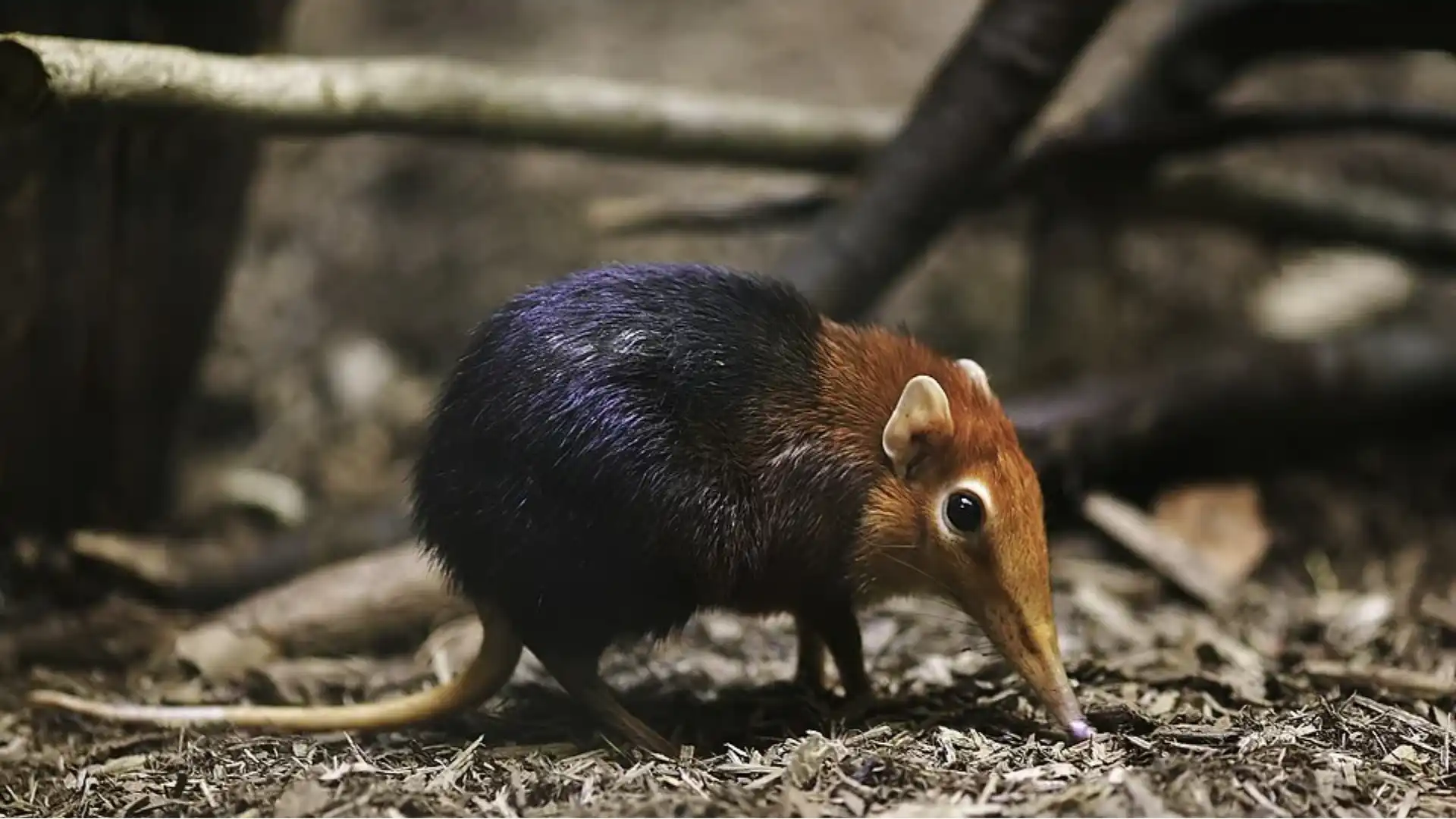
Elephant shrews, despite their name, are not related to elephants but are small, agile mammals resembling a blend of a shrew and an elephant. Known for their long snouts and large ears, they exhibit remarkable agility, often scurrying through the underbrush in search of insects, worms, and plant matter.
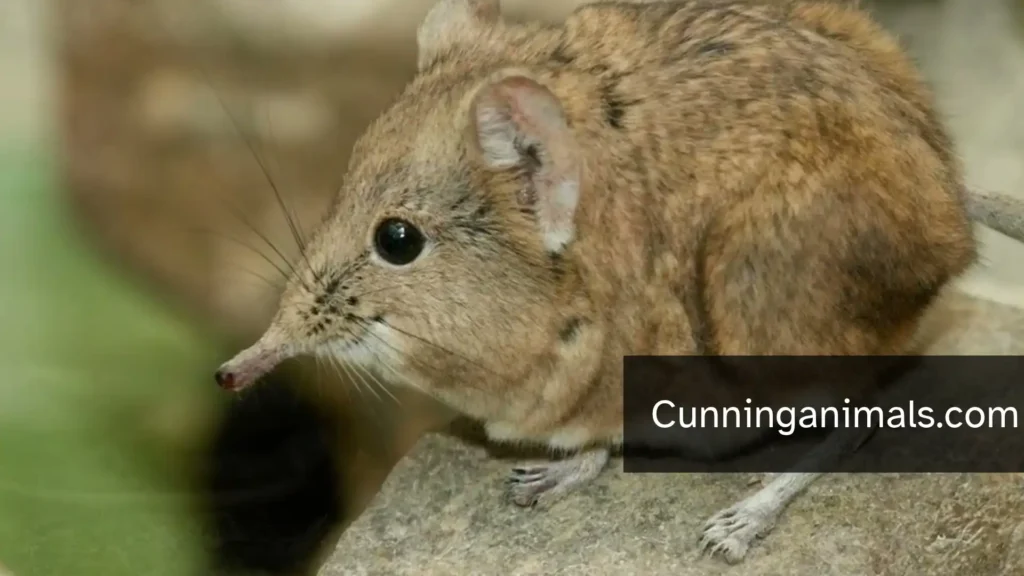
These unique creatures are primarily nocturnal and rely on keen senses to navigate their environment. Their social structure is fascinating, as they establish territories, with vocalizations and scent markings playing a crucial role in maintaining boundaries.
Giant Anteater
Scientific Name: Myrmecophaga tridactyla
Class: Mammalia
Diet: Insectivore
Giant anteaters capture attention with their elongated snouts and impressive claws, specialized for breaking into ant mounds. They are solitary creatures, using their keen sense of smell to detect ant colonies within the dense habitats of Central and South America.
Despite their somewhat awkward appearance, giant anteaters are agile and can travel significant distances in search of food. Their unique diet — composed almost exclusively of ants and termites — has made them an essential part of their ecosystems, preventing population booms in these insects.
Elephant
Scientific Name: Loxodonta
Class: Mammalia
Diet: Herbivore
Elephants are iconic symbols of intelligence and social structure, forming close-knit family groups led by matriarchs. Their social interactions are rich, involving complex vocalizations, body language, and even mourning rituals for lost companions.
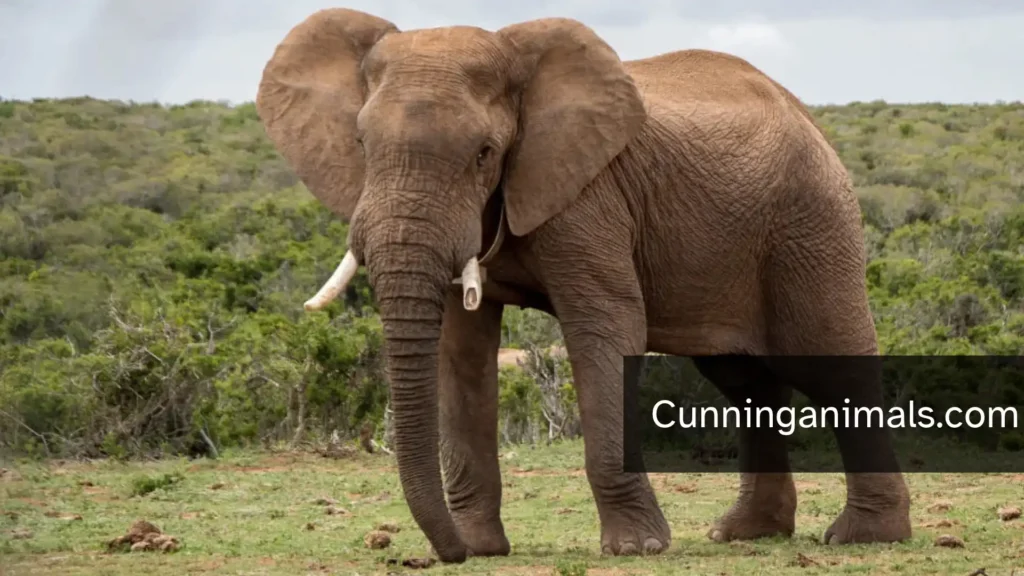
These gentle giants play a crucial role in their habitats, often referred to as “ecosystem engineers” for their ability to modify landscapes by uprooting trees, creating grasslands, and dispersing seeds through their massive movement.
Proboscis Monkey
Scientific Name: Nasalis larvatus
Class: Mammalia
Diet: Herbivore
Known for their distinctive long noses and unique social structures, proboscis monkeys are endemic to the mangroves and lowland forests of Borneo. Their unusual appearance has led to fascinating adaptations, including a specialized diet rich in leaves and fruits that aids digestion.
These monkeys are highly social, living in mixed groups that exhibit playful behaviors and complex communication. Their habitat is threatened by deforestation, making conservation efforts crucial to maintaining their population.If the proboscis monkey has you curious about primate diversity, our guide to small monkey breeds explores species on the opposite end of the size spectrum.
Aardvark
Scientific Name: Orycteropus afer
Class: Mammalia
Diet: Insectivore
Aardvarks are remarkable nocturnal creatures known for their spade-like claws and long tongues, perfect for digging into ant and termite mounds. Their solitary nature and unique foraging behavior make them intriguing subjects of study in the animal kingdom.
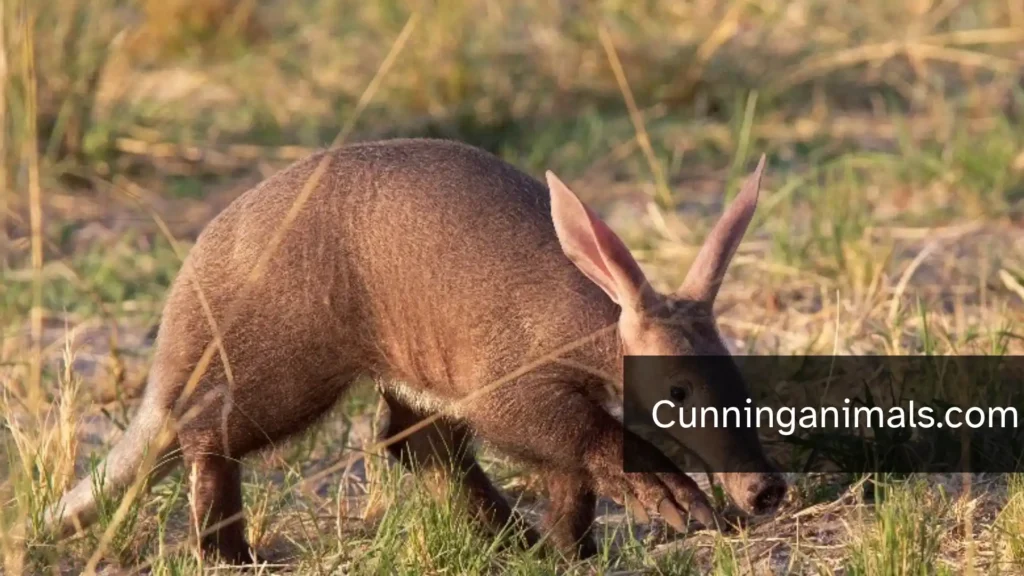
Additionally, aardvarks serve an important ecological role as they aerate the soil, aiding in nutrient cycling and creating habitats for various other species with their burrowing activities.
Elephant Seal
Scientific Name: Mirounga
Class: Mammalia
Diet: Carnivore
Elephant seals are fascinating marine mammals, known for their impressive size and vast migrations, which can cover thousands of miles. Males, with their pronounced proboscis, engage in vocal displays during mating rituals, creating a spectacular spectacle on beaches.
These seals spend months at sea, showcasing their incredible adaptations for diving and hunting, primarily feeding on fish and squid in the ocean’s depths. Their unique life cycle and preferred habitats highlight the importance of marine conservation efforts.
Saiga Antelope
Scientific Name: Saiga tatarica
Class: Mammalia
Diet: Herbivore
The saiga antelope, with its distinctive bulbous nose, is uniquely adapted for the dry steppe environment of Central Asia. This feature not only filters dust but also helps regulate body temperature, showcasing nature’s clever designs amidst harsh climates.

These social animals often travel in large herds, demonstrating remarkable herd dynamics that play a crucial role in their survival amidst predation and environmental challenges. The saiga antelope’s herd behavior is just one example of nature’s strength in numbers; see our list of animals that live in groups for more species that rely on community for survival.
Wild Boar
Scientific Name: Sus scrofa
Class: Mammalia
Diet: Omnivore
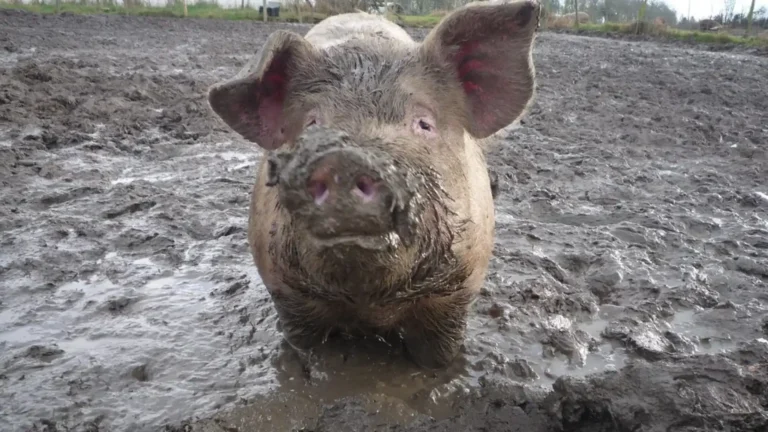
Wild boars are highly adaptable creatures, thriving in a variety of habitats from forests to wetlands. Their foraging behavior is marked by digging into the ground for roots, tubers, and small animals, showcasing their omnivorous diet.
These resilient animals display a complex social structure, often living in matriarchal groups with strong family bonds. However, their expanding populations in non-native areas have sparked discussions about ecological impacts and management strategies.Wild boars are famously flexible eaters, and if you’re curious about equally adaptable diets in harsh climates, check out our list of animals that eat cactus.
Tapir
Scientific Name: Tapirus
Class: Mammalia
Diet: Herbivore
Tapirs resemble large, stocky pigs, serving as fascinating inhabitants of tropical forests and wetlands. Their prehensile snouts allow them to browse on leaves, fruits, and aquatic plants, playing a crucial role in seed dispersal.
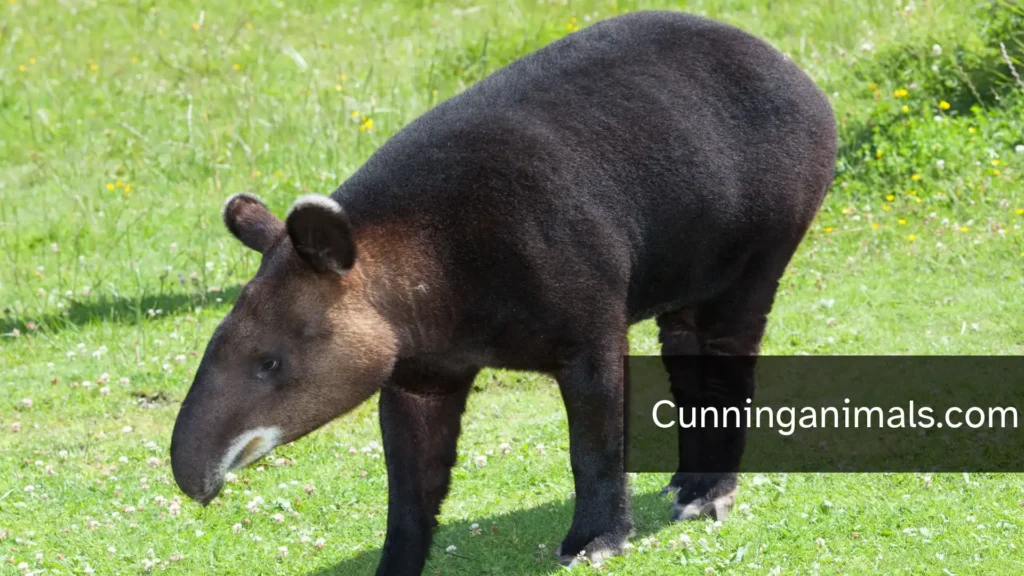
These elusive mammals are adept swimmers, capable of holding their breath for up to several minutes while navigating through their watery environment. Their conservation status remains a concern due to habitat destruction and hunting pressures.Despite their swimming skill, tapirs are generally unhurried foragers on land, much like the species featured in our roundup of slow animals.
Star-Nosed Mole
Scientific Name: Condylura cristata
Class: Mammalia
Diet: Insectivore
Known for its distinctive star-shaped nose, the star-nosed mole is a fascinating subterranean creature that thrives in wet environments. This unique adaptation comprises over 22 sensory tentacles, allowing for impressive tactile exploration as it hunts for prey.
These moles are remarkably fast, capable of consuming their food at an astonishing rate, which highlights their impressive foraging efficiency. With declining habitats, these unusual mammals emphasize the importance of preserving their wetlands.The star-nosed mole relies on its nose rather than its eyes or ears to navigate, and you’ll find more creatures with understated features in our guide to animals with small ears.
Baird’s Tapir
Scientific Name: Tapirus bairdii
Class: Mammalia
Diet: Herbivore
Baird’s tapir is the largest land mammal in Central America, characterized by its distinctive round body and long, flexible snout. This semi-aquatic herbivore plays a vital role in its ecosystem by dispersing seeds and maintaining forest health.
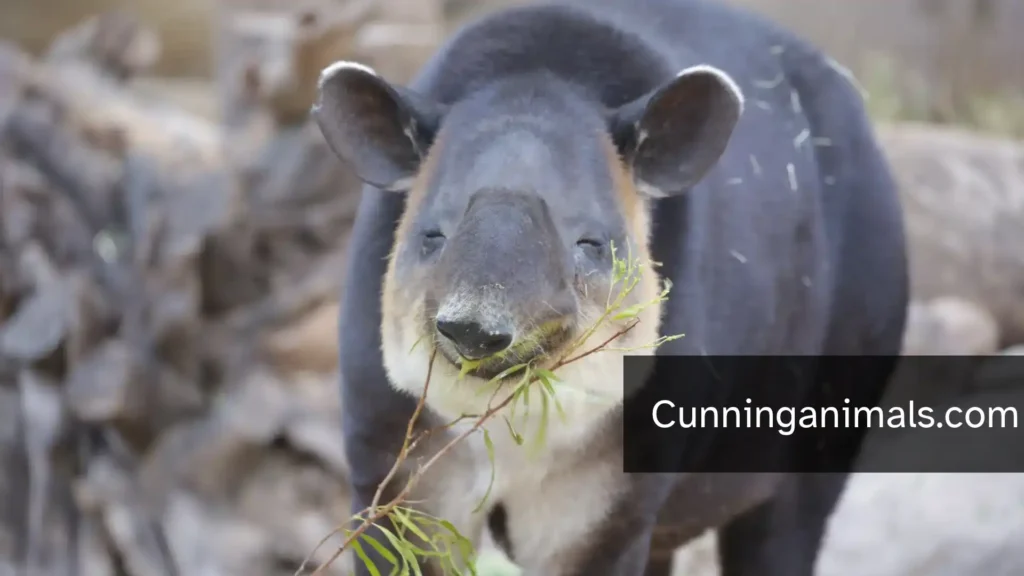
Endangered due to habitat loss and hunting, conserving Baird’s tapir is critical for biodiversity and ecosystem stability in their native range. Their elusive nature further promotes interest in the need for targeted conservation efforts to protect these gentle giants.
Interesting Facts About Animals With Trunks
Animals with trunks deliver a fascinating array of adaptations that enhance their survival in diverse environments. Elephants, for instance, boast the most versatile trunks in the animal kingdom. These impressive appendages serve numerous functions, from communication to feeding, showcasing a remarkable evolutionary tool.
- Elephants: Their trunks are multi-functional, aiding in smelling, drinking, and social interactions.
- Elephant shrews: Misleadingly named, these creatures belong to a unique group of African mammals, not true shrews.
- Giant anteaters: Lacking teeth, they thrive by using their long tongues to feast on ants and termites.
- Proboscis monkeys: Males flaunt large noses, enhancing their ability to communicate and attract mates.
- Elephant seals: Known for their powerful vocalizations, male seals use their noses to serenade during breeding season.
- Saiga antelopes: Their specialized noses filter dust and enhance air quality, showcasing adaptation to harsh environments.
- Tapirs: By consuming fruits and dispersing seeds, they play a critical role in forest regeneration.
- Star-nosed moles: Equipped with 22 sensitive appendages, they adeptly locate prey in their dark, subterranean habitats.
Conclusion
Animals with trunks are a remarkable testament to nature’s creativity, showcasing the various ways species have evolved to thrive in their environments. While many immediately think of elephants as the quintessential trunk animal, our exploration has highlighted others that exhibit this fascinating trait.
You might find yourself wondering, which animal has a trunk among the lesser-known species? From the African forest elephant to the Indian elephant, each trunk serves a specific purpose that aids in survival.
FAQS
What Things Have A Trunk?
Several things have a trunk, including elephants, trees, and cars. In animals, a trunk usually refers to an elephant’s long, flexible nose, while a tree trunk is its main woody stem.
What Big Animal Has A Trunk?
The elephant is the largest land animal with a trunk. Both African and Asian elephants use their trunks to breathe, smell, drink water, pick up food, and communicate.
What Has A Trunk but Is Not An Elephant?
The saiga antelope has a distinctive, enlarged nose that resembles a small trunk. The tapir also has a short, flexible snout that looks somewhat like a miniature trunk.
What Animals Have A Trunk?
Elephants are the best-known animals with true trunks. Other animals, such as tapirs and saiga antelopes, have elongated or flexible snouts that resemble trunks but are structurally different from an elephant’s trunk.
Does A Female Elephant Have A Trunk?
Yes, female elephants have trunks, just like male elephants. They use their trunks for breathing, smelling, drinking, gathering food, caring for their young, and interacting with other elephants.