12 Animals That Look Like Capybara (Amazing Look-Alikes)
Capybaras are renowned for their gentle demeanor and unique appearance, making them a beloved subject of intrigue across the globe. In this exploration of animals that look like capybara, we will uncover 12 fascinating species that share similar traits, from size and shape to fur texture and habitat.
Understanding these capybara similar animals allows us to appreciate the wonders of evolution and nature’s creativity. Prepare for a journey through the animal kingdom as we unveil some of the most captivating capybara look-alikes.
What Animal Looks Like A Capybara?
The capybara, known for its gentle demeanor and sociable nature, shares its resemblance with several fascinating animals. The nutria, or coypu, embodies a similar size and aquatic lifestyle, making it one of the closest distant relatives to the capybara. Both animals thrive in wetland habitats, but while capybaras are native to South America, nutria have spread far beyond, often seen as invasive in many regions.
Beavers also share physical traits with capybaras, from their robust bodies to their webbed feet, making them surprisingly similar at first glance. However, their construction skills set them apart, as beavers are renowned for building dams.
List of Animals That Look Like Capybara
| No. | Animal | Scientific Name | Family |
| 1 | Nutria | Myocastor coypus | Echimyidae |
| 2 | Beaver | Castor canadensis | Castoridae |
| 3 | Guinea Pig | Cavia porcellus | Caviidae |
| 4 | Patagonian Mara | Dolichotis patagonum | Caviidae |
| 5 | Agouti | Dasyprocta spp. | Dasyproctidae |
| 6 | Muskrat | Ondatra zibethicus | Cricetidae |
| 7 | Paca | Cuniculus paca | Cuniculidae |
| 8 | North American Porcupine | Erethizon dorsatum | Erethizontidae |
| 9 | Gopher | Geomys spp. | Geomyidae |
| 10 | Groundhog | Marmota monax | Sciuridae |
| 11 | Yellow-bellied Marmot | Marmota flaviventris | Sciuridae |
| 12 | Rock Hyrax | Procavia capensis | Procaviidae |
Nutria
Scientific Name: Myocastor coypus
Class: Mammalia
Diet: Herbivore
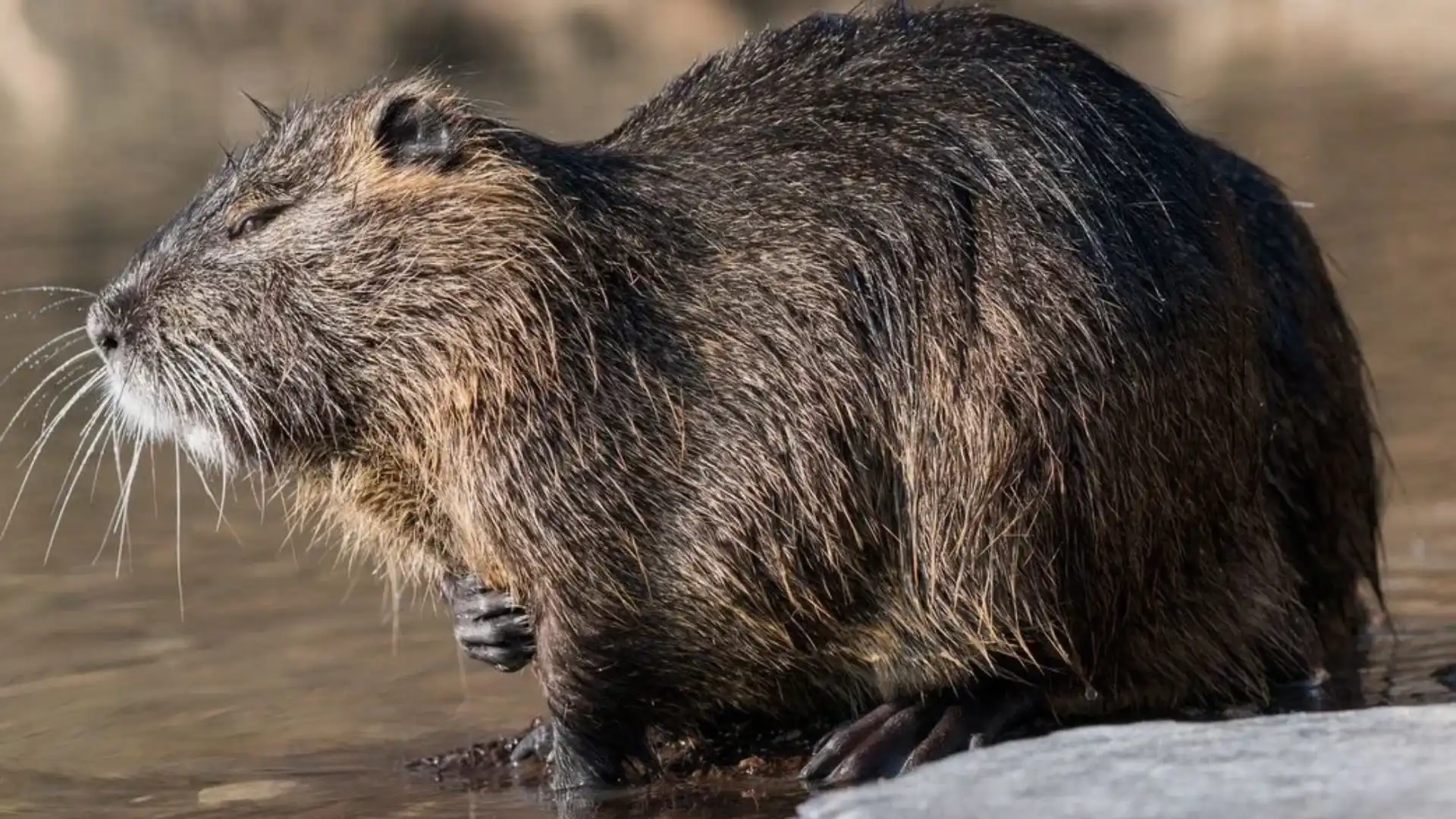
The Nutria, also known as Coypu, closely resembles the Capybara with its large size and webbed feet. Both semiaquatic creatures thrive in wetland environments, making them adept swimmers. Nutria are often mistaken for their bigger cousins due to their similar fur and rounded bodies.
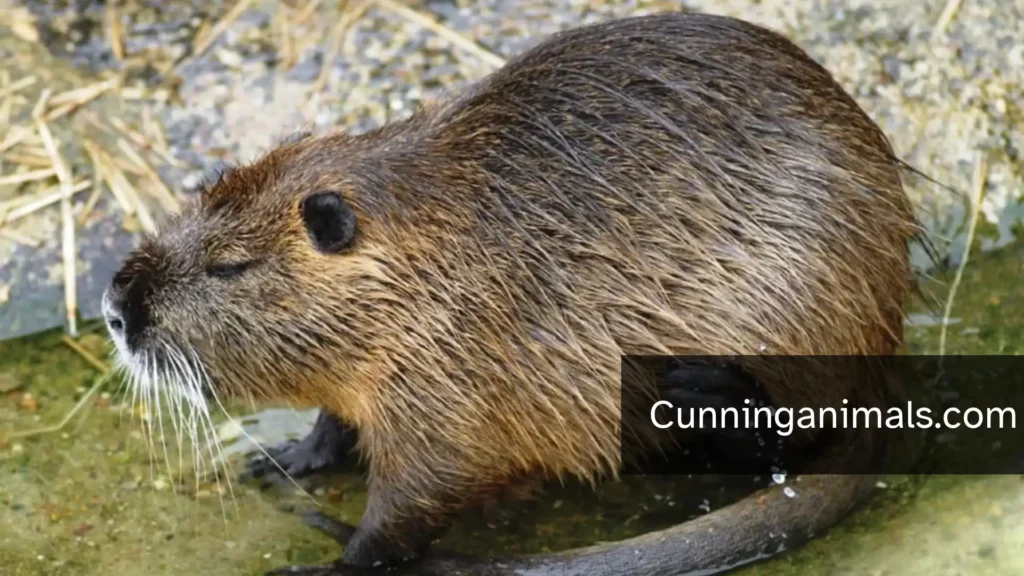
These rodents are herbivorous, primarily feeding on aquatic plants. Their unique adaptations enable them to thrive in urban areas as well, where they can often be spotted near water bodies, just like Capybaras.
Beaver
Scientific Name: Castor canadensis
Class: Mammalia
Diet: Herbivore
Beavers, with their stocky bodies and flat tails, share an aquatic lifestyle reminiscent of Capybaras. They are most renowned for their dam-building prowess, creating habitats that are beneficial to various species. While their features differ, their social behaviors and family structures are quite similar to those of Capybaras.
As herbivores, beavers mainly consume the bark, leaves, and roots of trees and shrubs. With their remarkable adaptations for life in the water, they serve as essential ecosystem engineers, just as Capybaras contribute to their environments by grazing on vegetation.
Guinea Pig
Scientific Name: Cavia porcellus
Class: Mammalia
Diet: Herbivore
Guinea pigs, though much smaller than Capybaras, exhibit a plump, rounded body and a docile nature that makes them ideal pets. The compact shape and social behavior of these small animals like Capybaras highlight a shared familial lineage within the cavy family.
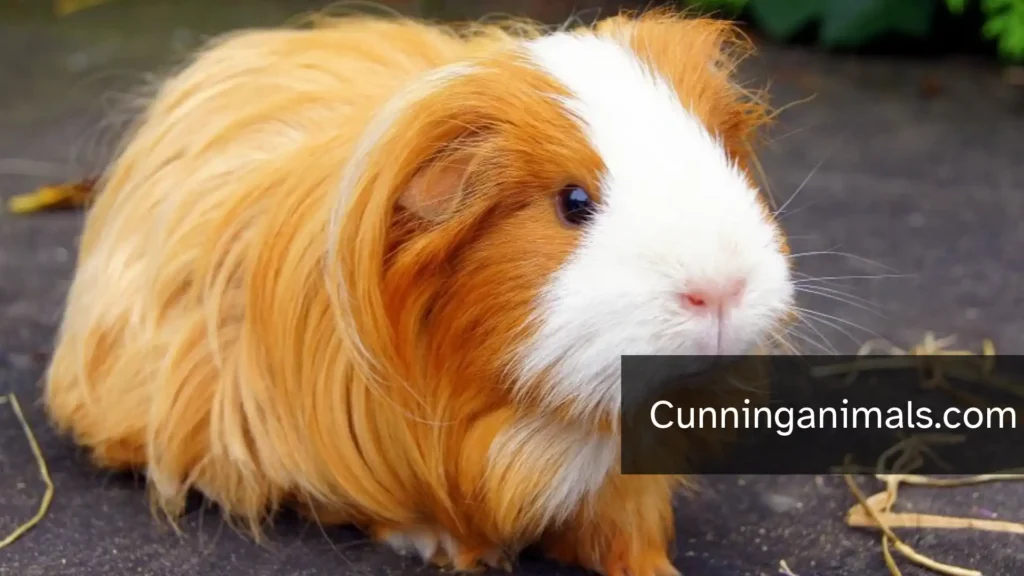
Despite their domestication, guinea pigs maintain a strong social structure, often living in groups. They primarily munch on hay, vegetables, and pellets, and provide a charming counterpart to the larger Capybara in the rodent world.
Patagonian Mara
Scientific Name: Dolichotis patagonum
Class: Mammalia
Diet: Herbivore
The Patagonian Mara stands out with its elegant long legs and distinct appearance, though its similar build to Capybaras is undeniable. Hailing from the grasslands of Argentina, these fascinating creatures are surprisingly social and form monogamous pairs, reminiscent of Capybara family units.
Characterized by their striking fur patterns, Patagonian Maras thrive on a diet rich in grasses and herbs. Their unique adaptations for survival in their harsh habitat echo the lifestyle of Capybaras, establishing a bridge between their very different environments.
Agouti
Scientific Name: Dasyprocta
Class: Mammalia
Diet: Herbivore
Agoutis display a resemblance to Capybaras with their robust bodies, short tails, and vibrant fur. These small to medium-sized rodents are often found in Central and South America, inhabiting forest and savanna regions. Their agility and quick movements set them apart but reflect a similar lifestyle focused on foraging.
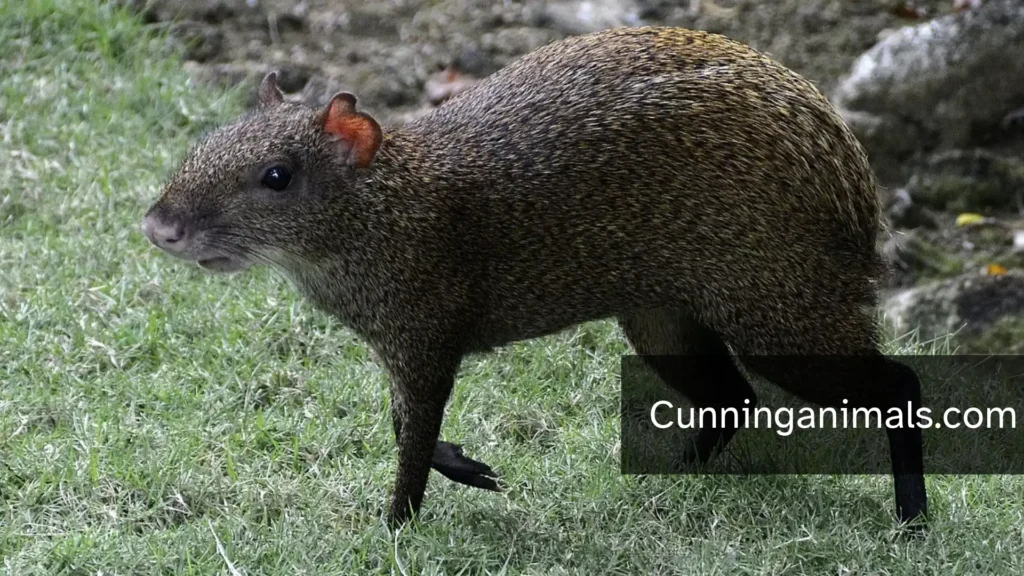
Diet-wise, Agoutis consume seeds, fruits, and roots, contributing to seed dispersal within their habitats. Like Capybaras, their behavior reflects a social aspect, often seen in small groups, enhancing their survival in the wild.
Muskrat
Scientific Name: Ondatra zibethicus
Class: Mammalia
Diet: Herbivore
Muskrats might be smaller in size but are undeniably reminiscent of Capybaras with their elongated bodies and aquatic habits. They often inhabit wetlands and marshes, showcasing a lifestyle dependent on water, similar to Capybaras.
As omnivores, they primarily feed on aquatic plants, roots, and some animal matter. Their adaptations for swimming and burrowing further illustrate how Capybara-like behaviors can be found across other animals that live in rivers.
Paca
Scientific Name: Cuniculus paca
Class: Mammalia
Diet: Herbivore
Pacas, with their spotted fur and stocky build, share a resemblance to Capybaras that can easily catch one’s eye. Found in the tropical rainforests of Central and South America, these nocturnal creatures are excellent swimmers, paralleling the aquatic lifestyle of Capybaras.
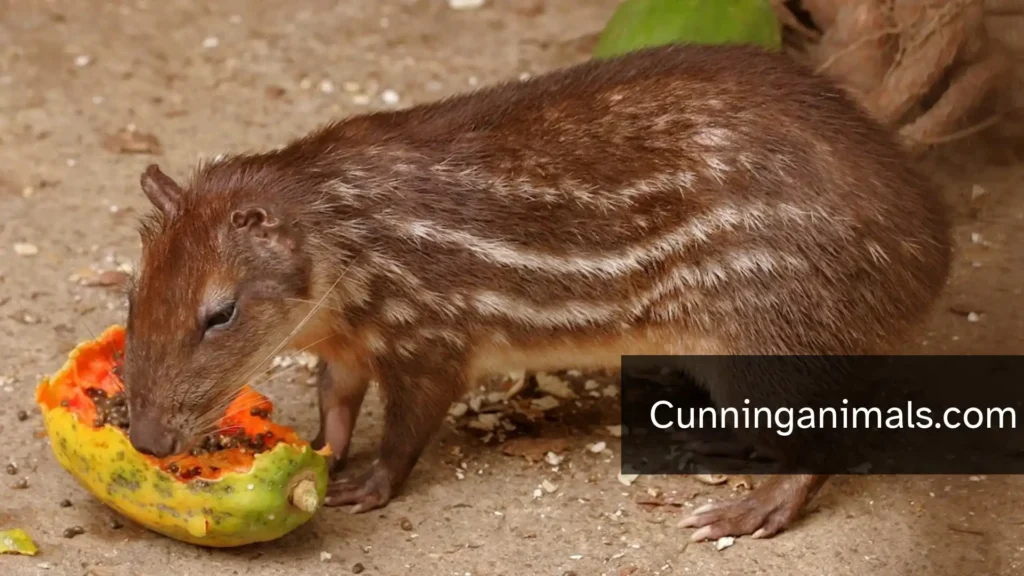
They thrive on a diet of fruits, seeds, and other plant material, often nocturnally foraging for food. Their social interactions, primarily solitary in nature, demonstrate the diverse adaptations seen among animals with small ears.
North American Porcupine
Scientific Name: Erethizon dorsatum
Class: Mammalia
Diet: Herbivore
The North American Porcupine might seem an unusual Capybara look-alike due to its quilled coat, yet both share a stout, robust form. Porcupines, though largely arboreal, exhibit similar grazing behaviors by consuming bark, leaves, and fruits, drawing parallels in dietary habits.
Their unique quills serve as a defense mechanism, contrasting with Capybaras’ social and docile nature. However, both species contribute to their ecosystems in different yet important ways, showcasing the beauty of diversity in the animal kingdom.
Gopher
Scientific Name: Geomys
Class: Mammalia
Diet: Herbivore
Gophers possess a compact body and cheek pouches, characteristics that echo the appearance of Capybaras. These burrowing rodents can often be seen working industriously to create extensive tunnel networks, embodying a diligent lifestyle similar to their Capybara counterparts.
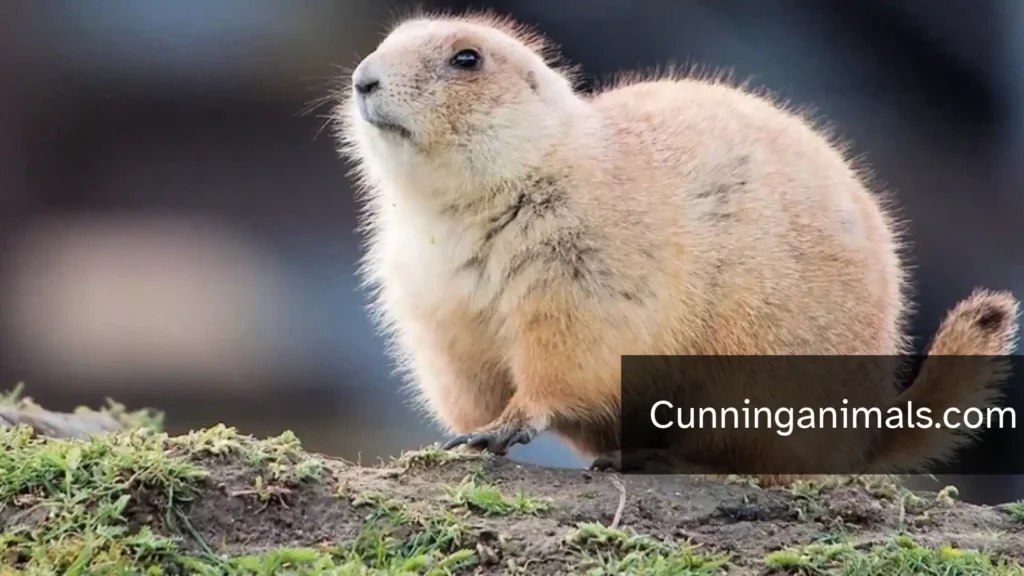
Primarily granivorous, gophers enjoy a diet of roots, tubers, and seeds, which they store for later consumption. Their industrious nature and adaptations for living underground create an intriguing comparison with the social and open foraging habits of Capybaras.
Groundhog
Scientific Name: Marmota monax
Class: Mammalia
Diet: Herbivore
Groundhogs, or woodchucks, may not possess the same aquatic lifestyle as Capybaras, yet their stocky bodies and rounded shapes make for an interesting comparison. Found throughout North America, these animals are well-known for their burrowing habits and surface foraging behaviors that echo Capybara activities.
Groundhogs primarily feed on grasses, fruits, and vegetables, marking their territory and leaving behind distinctive burrows. Their communal living and hibernation patterns highlight a fascinating divergence within the rodent family tree, emphasizing the adaptability seen in animals that look like groundhogs.
Yellow-bellied Marmot
Scientific Name: Marmota flaviventris
Class: Mammalia
Diet: Herbivore
The Yellow-bellied Marmot, with its chunky body and vibrant fur, bears a striking resemblance to Capybaras. These social rodents are often seen basking in the sun, clustered together in groups that echo the social structures present in Capybara families.
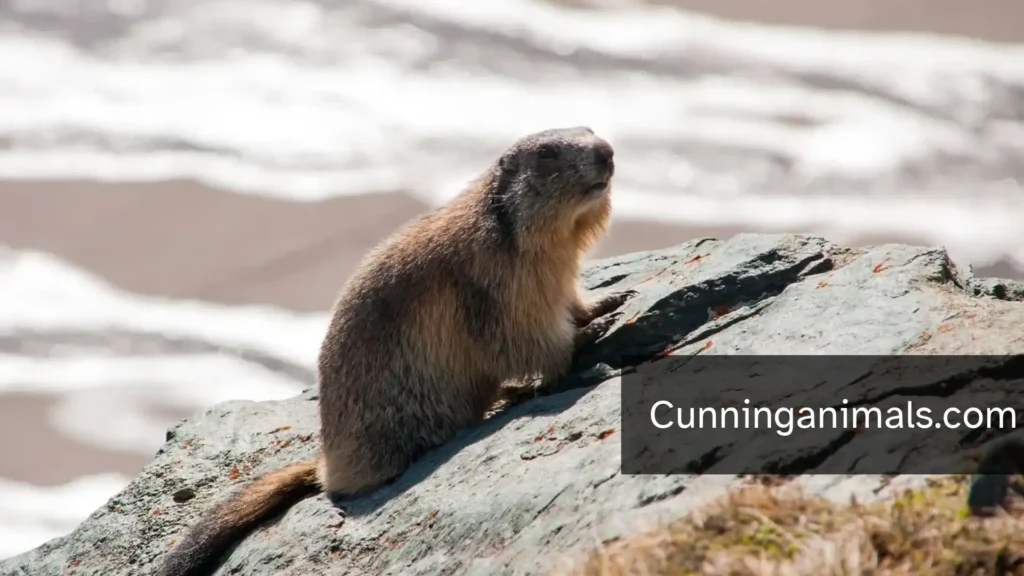
Primarily consuming grasses, flowers, and seeds, these marmots contribute to their ecosystems while enjoying a lifestyle in mountainous regions. Their curious behavior and social tendencies highlight the diverse adaptations found among marmots found across North America.
Rock Hyrax
Scientific Name: Procavia capensis
Class: Mammalia
Diet: Herbivore
The Rock Hyrax, though more similar to elephants genetically, exhibits a stout physique akin to that of the Capybara. Native to Africa and the Middle East, they thrive in rocky terrains and have a unique sociable lifestyle, often forming colonies reminiscent of Capybara herds.
Their diet consists mainly of grasses and leaves, making them important herbivores in their ecosystems. The adaptability of Rock Hyraxes to different environments showcases yet another example of the wide-ranging similarities among animals that resemble Capybaras.
Fun Facts About Capybara Look-Alikes
- Capybaras are the world’s largest living rodents, often weighing between 77 to 146 pounds, making them a remarkable sight in the animal kingdom.
- Guinea pigs, once cherished as pets, belong to the same family as capybaras and share a few features, such as their social behavior and herbivorous diet.
- Patagonian maras, another family member, exhibit a unique resemblance to capybaras with their elongated bodies and long legs, adapted for swift movement in the grasslands.
- Nutria, or coypu, are excellent swimmers, often mistaken for capybaras due to their similar size and robust bodies, although they have a more elongated snout.
- Beavers play a crucial role in transforming wetland habitats, similar to capybaras’ impact on their ecosystems, even if they belong to a different rodent family.
- Pacas are mostly nocturnal and can be identified by their pressed bodies and large, rounded heads, having similar features to the capybara, albeit on a smaller scale.
- Agoutis are nature’s gardeners, helping to spread seeds across the forest floor, showcasing a different yet vital ecological role among the animals that resemble capybaras.
- Muskrats are perfectly adapted to aquatic environments, often thought to behave akin to capybaras when they forage along riverbanks.
- Groundhogs, commonly known as woodchucks, might not be as large but share a familial connection as fellow members of the rodent family.
- Interestingly, rock hyraxes, though they bear a striking resemblance to capybaras, are not rodents; rather, they are closely related to elephants!
Conclusion
In exploring the fascinating world of animals that look like capybara, we’ve uncovered a variety of creatures that share striking similarities with these adorable rodents. From the sleek silhouettes of the nutria to the endearing features of the guinea pig, each animal brings its own unique charm to the table.
These look-alikes not only highlight the diversity of the animal kingdom but also remind us of the interconnectedness of species. Whether you’re a nature enthusiast or simply curious about wildlife, appreciating these remarkable animals can deepen our understanding of evolution and adaptation.
FAQs
What Is A Smaller Version Of A Capybara?
There is no true smaller version of a capybara, but guinea pigs and Patagonian maras are smaller relatives that can look somewhat similar. Guinea pigs are especially close relatives because both belong to the family Caviidae.
Is Capybara A Rat?
No, a capybara is not a rat. It is a rodent, but it belongs to the family Caviidae and is much more closely related to guinea pigs and maras than to rats or mice. Capybaras are also the world’s largest living rodents.
What Looks Like A Capybara But Isn’t?
The nutria is one of the animals that looks most like a capybara but is a different species. Beavers, guinea pigs, maras, and pacas can also resemble capybaras, although they differ in size, body shape, habitat, and behavior.
What Animals Are Similar To Capybaras?
Animals similar to capybaras include nutria, beavers, guinea pigs, Patagonian maras, agoutis, muskrats, and pacas. They share features such as a rodent body shape, rounded appearance, or semi-aquatic lifestyle.