17 Animals With the Lowest IQ: Surprisingly Less Intelligent Animals
When we think about intelligence, animals such as dolphins and octopuses often come to mind, showcasing remarkable problem-solving skills and adaptive behaviors. However, there exists a surprising array of creatures classified among the Animals With the Lowest IQ.
Understanding these lower intellects not only highlights the vast spectrum of cognitive abilities across species but also challenges our preconceived notions of what constitutes intelligence. This article will delve into 17 fascinating animals that register at the bottom of the animal IQ ranking, revealing why their unique adaptations are still vital in their ecosystems.
What Are Animals With The Lowest IQ?
Animals with the lowest IQ are often those whose survival skills emphasize instinct over cognitive problem-solving. Creatures like jellyfish, sponges, and some types of worms exhibit minimal neural complexity, making their intelligence difficult to quantify. Their behaviors are largely driven by simple reflexes and environmental stimuli rather than learned experiences.
Comparing animal intelligence is challenging due to the varied ways in which different species adapt to their environments. For example, while a jellyfish may have a very low IQ by human standards, it has thrived for millions of years in its aquatic habitat. This highlights that intelligence manifests differently across the animal kingdom, adapting to the unique demands of each species’ lifestyle. What might seem like a lack of intelligence is often a perfectly evolved survival mechanism.
H2: Top 17 Animals With The Lowest IQ
| # | Animal | Type | Habitat | Notable Trait |
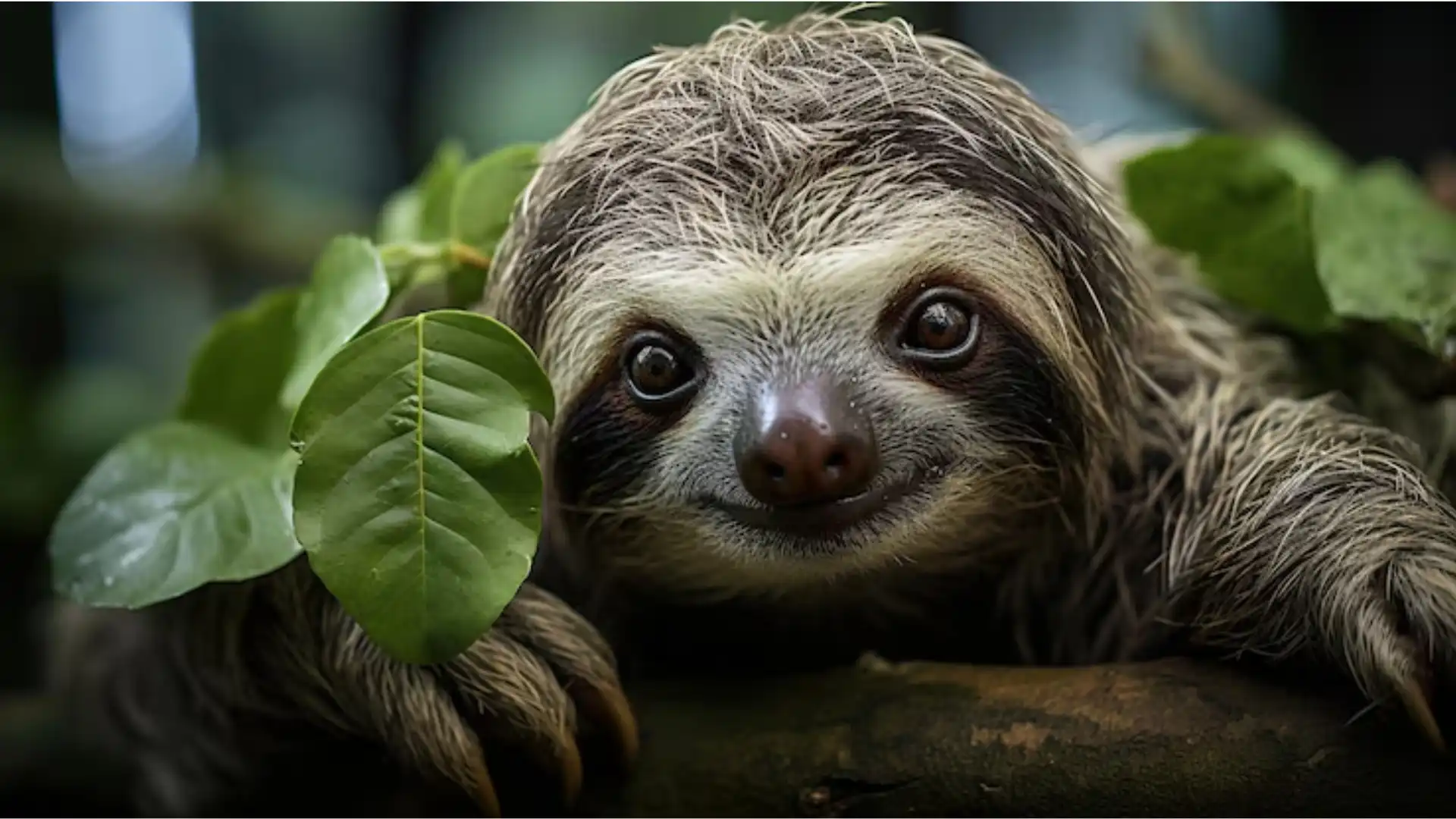
| 1 | Sloth | Mammal | Tropical Rainforests | Extremely slow metabolism and movement |
| 2 | Turkey | Bird | Forests, Grasslands & Farms | Relies heavily on instinctive behavior |
| 3 | Ostrich | Bird | African Savannas & Grasslands | Excellent eyesight and powerful legs |
| 4 | Koala | Mammal | Eucalyptus Forests | Sleeps and rests for long periods |
| 5 | Kakapo | Bird | Forests of New Zealand | Flightless, nocturnal parrot |
| 6 | Jellyfish | Invertebrate | Oceans & Coastal Waters | No centralized brain |
| 7 | Sea Cucumber | Invertebrate | Ocean Floor | Can eject internal organs as defense |
| 8 | Starfish | Invertebrate | Oceans | Has a decentralized nervous system |
| 9 | Sloth Bear | Mammal | Indian Subcontinent | Specialized insect-feeding behavior |
| 10 | Giant Panda | Mammal | Mountain Forests of China | Primarily feeds on bamboo |
| 11 | Manatee | Mammal | Rivers, Springs & Coastal Waters | Slow-moving aquatic herbivore |
| 12 | Flamingo | Bird | Lakes, Lagoons & Wetlands | Specialized filter-feeding beak |
| 13 | Common Carp | Fish | Lakes, Rivers & Ponds | Highly adaptable to different environments |
| 14 | Toad | Amphibian | Forests, Grasslands & Wetlands | Uses toxins as a defense |
| 15 | Earthworm | Invertebrate | Soil & Underground Habitats | Helps recycle organic matter |
| 16 | Goldfish | Fish | Freshwater | Simple learning and memory abilities |
| 17 | Sea Sponge | Invertebrate | Oceans & Freshwater | No brain or nervous system |
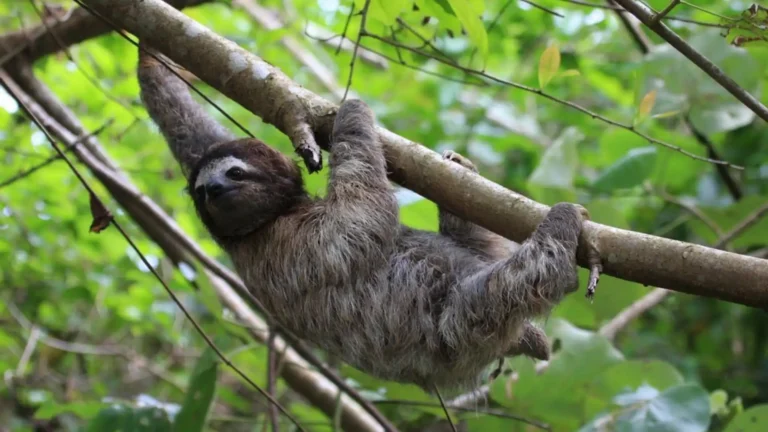
Sloth
Scientific Name: Bradypus
Class: Mammalia
Habitat: Tropical rainforests
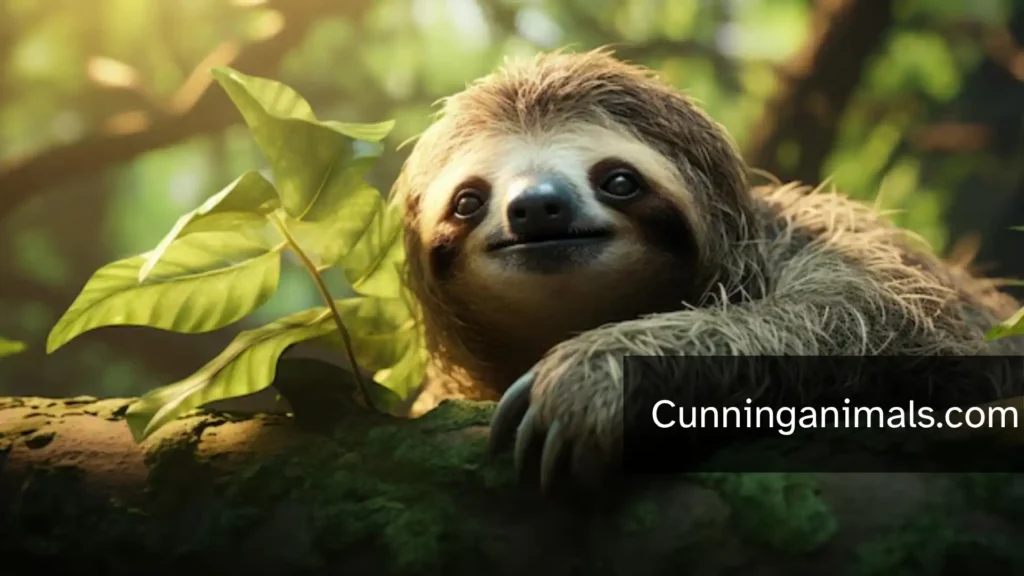
The sloth’s slow, deliberate movements remind us that life is not just about rushing to the finish line but savoring each moment. These gentle creatures spend most of their time hanging upside down in the trees, embodying a tranquil spirit that encourages us to embrace stillness. In a world often driven by hustle, the sloth invites us to find joy in rest and reflection, nurturing a deeper connection to our surroundings and ourselves.
Turkey
Scientific Name: Meleagris gallopavo
Class: Aves
Habitat: North American forests
Turkeys symbolize abundance and gratitude, serving as a gentle reminder to appreciate the blessings that enrich our lives. With their vibrant feathers and curious nature, these birds connect us with the warmth of home and the joy of gathering with loved ones. If you’re curious which other species share this appetite, check out our guide to animals that eat corn for a closer look at corn-loving wildlife.
Ostrich
Scientific Name: Struthio camelus
Class: Aves
Habitat: African savannas
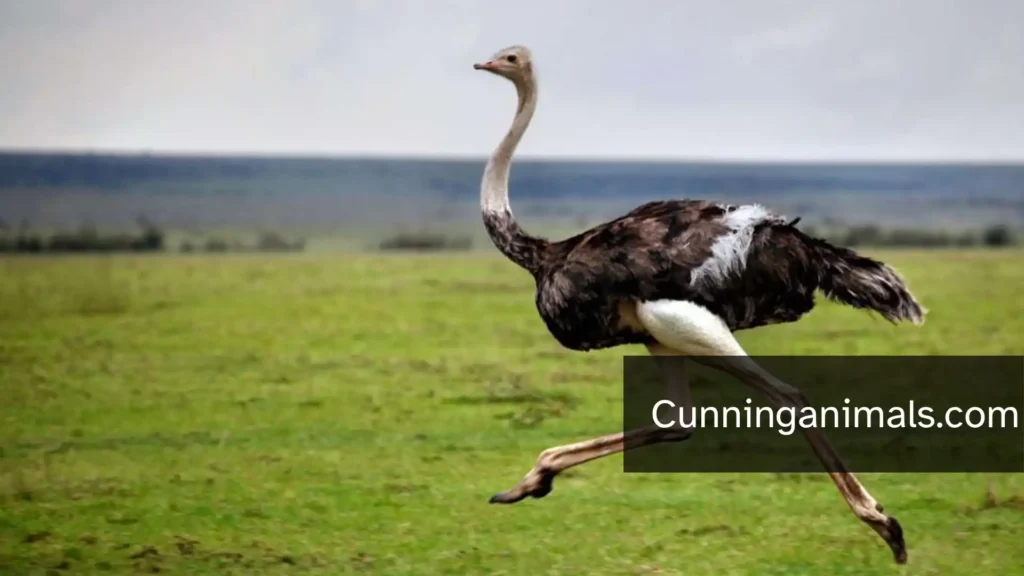
The ostrich, the world’s largest bird, teaches us about strength and resilience. With their powerful legs, they symbolize the freedom to run towards our dreams, unburdened by fear. Their ability to thrive in challenging environments encourages us to embrace our uniqueness and face life’s hurdles with confidence.
Koala
Scientific Name: Phascolarctos cinereus
Class: Mammalia
Habitat: Eucalyptus forests of Australia
Koalas embody a gentle spirit, thriving on a diet of eucalyptus leaves while exuding an air of peacefulness. Their cuddly appearance reminds us of the importance of caring connections and the comforting embrace of nature. Through their presence, we are encouraged to cherish moments of tenderness and appreciate the little joys in life.
Kakapo
Scientific Name: Strigops habroptilus
Class: Aves
Habitat: New Zealand forests
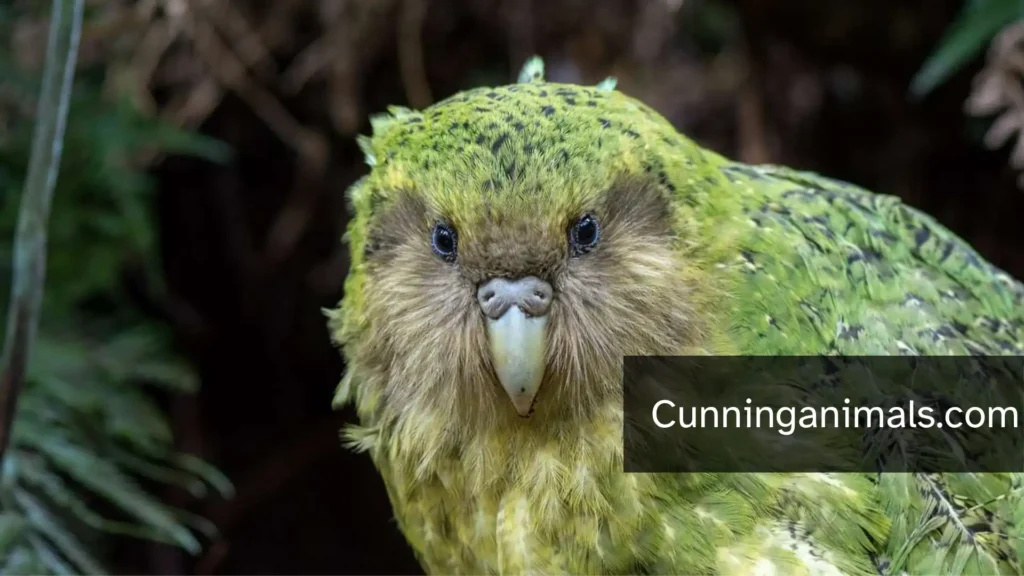
The kakapo, a flightless parrot, embodies the rarity of grace in the midst of struggle. With its vibrant feathers and charming personality, it teaches us the importance of conservation and the graceful coexistence of all species. In a world of constant change, the kakapo inspires a renewed commitment to nurturing our planet.
Jellyfish
Scientific Name: Aurelia aurita
Class: Cnidaria
Habitat: Ocean waters worldwide
Jellyfish glide gracefully through the water, reminding us of the beauty of simplicity and the importance of adaptability. Their ethereal presence captivates our imagination, urging us to remain open to life’s ebb and flow. Each encounter with these delicate creatures invites us to reflect on our own journeys and the wisdom that can come from embracing change.
Sea Cucumber
Scientific Name: Holothuroidea
Class: Echinoidea
Habitat: Ocean floor
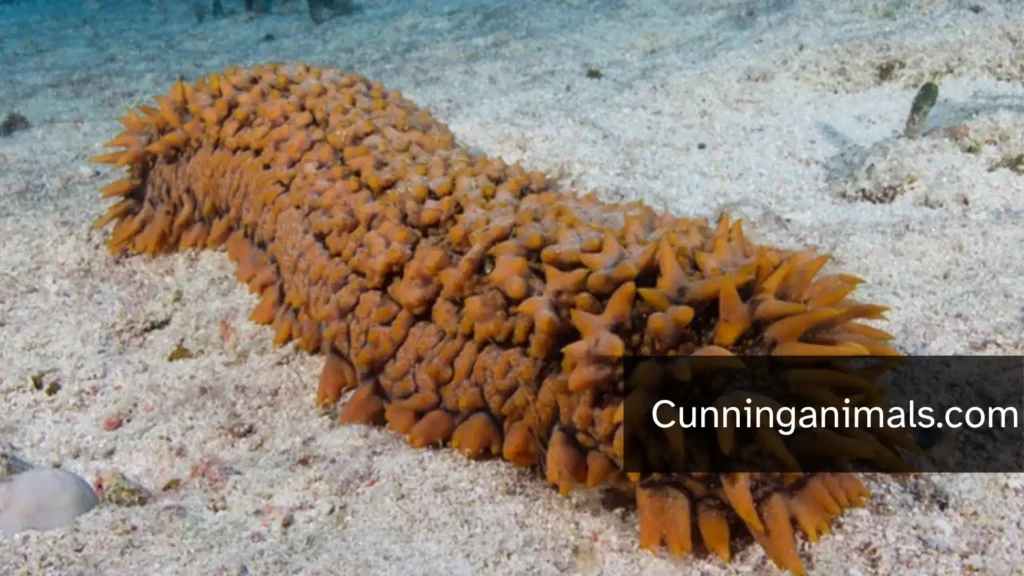
Sea cucumbers may seem unassuming, but they play a vital role in maintaining the health of ocean ecosystems. By recycling nutrients on the ocean floor, they remind us of the power of humility and service. Their quiet contribution encourages us to embrace our inner strength and find purpose in nurturing those around us.
Starfish
Scientific Name: Asteroidea
Class: Echinoidea
Habitat: Coastal waters
Starfish exemplify resilience, with the ability to regenerate lost limbs serving as a powerful metaphor for renewal and hope. Their diverse forms and bright colors inspire us to embrace our unique traits and celebrate individuality. Each starfish we encounter prompts us to remember that even in challenging times, we have the strength to rebuild and thrive.
Sloth Bear
Scientific Name: Melursus ursinus
Class: Mammalia
Habitat: Forested regions of India and Sri Lanka
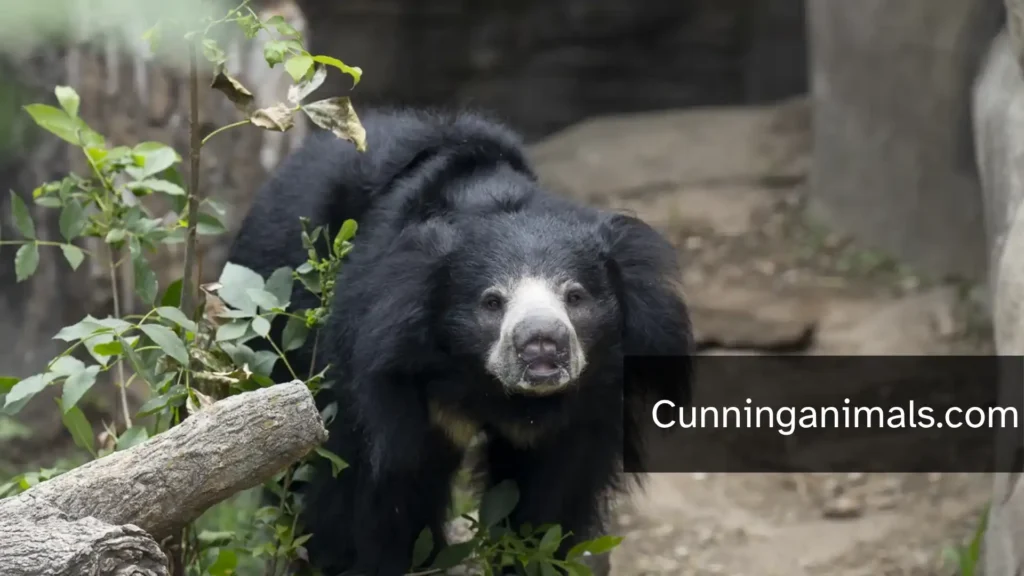
The sloth bear, with its shaggy coat and gentle demeanor, encourages us to take life slowly and appreciate the beauty in each moment. Primarily nocturnal, these creatures remind us of the value of rest and introspection. Their unique habits remind us to honor our own rhythms and the importance of carving out space for quiet reflection.
Giant Panda
Scientific Name: Ailuropoda melanoleuca
Class: Mammalia
Habitat: Bamboo forests of China
The giant panda, cherished for its captivating appearance, speaks to our hearts about conservation and harmony with nature. As they munch on bamboo, they symbolize the joy of savoring the simple pleasures of life. Pandas spend up to 12 hours a day eating, consuming huge quantities of bamboo just to meet their energy needs. For more species with equally impressive appetites, see our list of animals that eat a lot.
Manatee
Scientific Name: Trichechus
Class: Mammalia
Habitat: Coastal waters and rivers of the Caribbean and West Africa
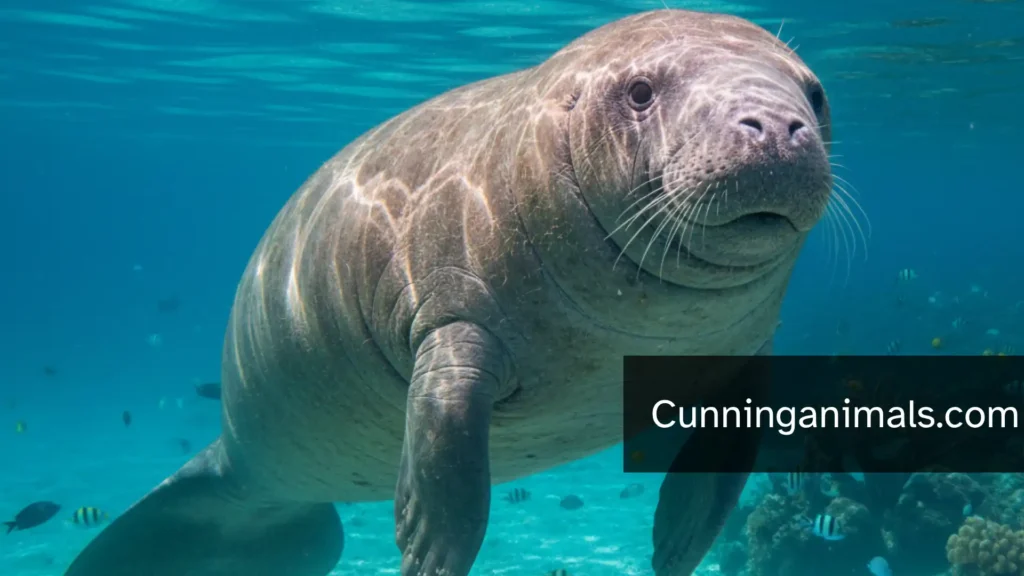
Manatees glide gracefully through rivers and warm coastal waters, embodying a sense of peace and tranquility. Often called “sea cows,” they remind us to live harmoniously alongside nature and appreciate its gifts. Their gentle nature inspires us to embrace kindness and compassion in our daily interactions.
Flamingo
Scientific Name: Phoenicopterus
Class: Aves
Habitat: Shallow lakes and wetlands
Flamingos, with their stunning pink feathers and elegant stance, symbolize transformation and renewal. They encourage us to celebrate diversity and find beauty in our differences. Their joyful presence inspires us to embrace life’s vibrant moments and cultivate a spirit of positivity.
Common Carp
Scientific Name: Cyprinus carpio
Class: Actinopterygii
Habitat: Freshwater environments worldwide
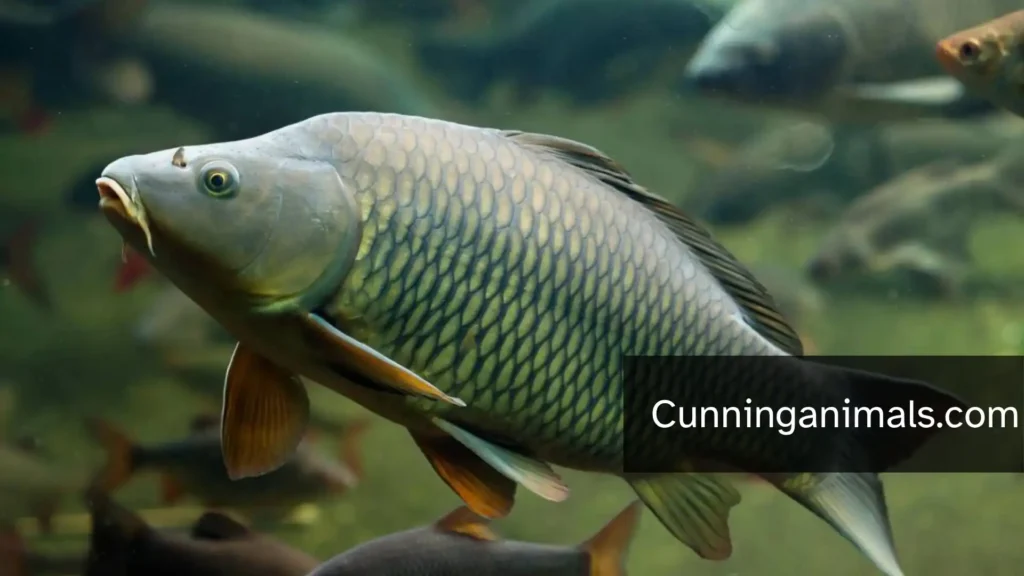
The common carp thrives in various waters, showcasing resilience and adaptability. Their ability to flourish in diverse habitats reminds us that we too can find our way in life’s ever-changing currents. They invite us to deepen our connections with the natural world and appreciate the abundance it offers.
Toad
Scientific Name: Anura
Class: Amphibia
Habitat: Terrestrial and aquatic environments
Toads, with their quirky appearance and rich croaking calls, serve as a reminder of the beauty of transformation. They symbolize the unexpected joys that can come from embracing our unique traits. Through their presence, they inspire us to find wonder in the ordinary and to appreciate the magic of life’s changes.
Earthworm
Scientific Name: Lumbricus terrestris
Class: Clitellata
Habitat: Soil ecosystems worldwide
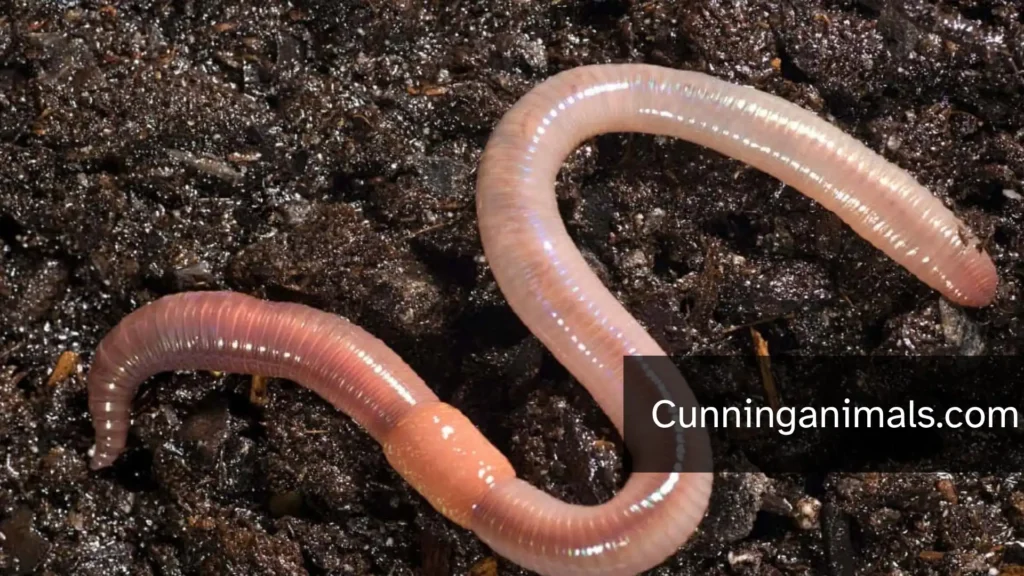
Earthworms may seem humble, but they are essential to enriching the soil and nurturing life. Their tireless work beneath the surface reminds us of the unseen contributions we can make to our communities. They inspire us to cultivate goodwill and gratitude, nurturing both the earth and our relationships with those around us.
Goldfish
Scientific Name: Carassius auratus
Class: Actinopterygii
Habitat: Freshwater systems and aquariums
Goldfish, with their shimmering scales and playful nature, inspire joy and wonder in our everyday lives. Their presence reminds us of the simple beauty found in nature, encouraging us to pause and appreciate the world around us. To meet other inquisitive species, take a look at our roundup of the most curious animals.
Sea Sponge
Scientific Name: Porifera
Class: Porifera
Habitat: Ocean and freshwater ecosystems
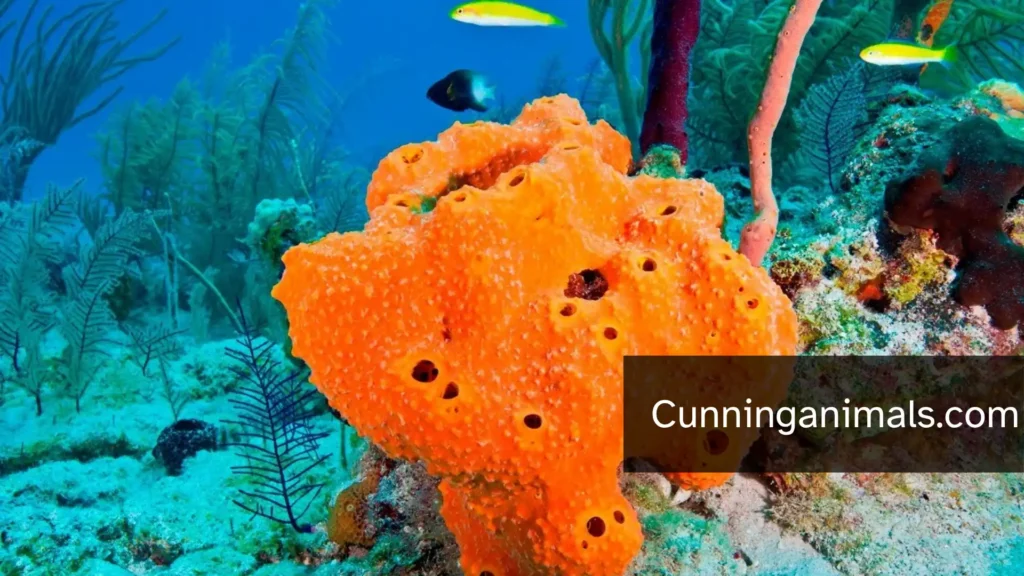
Sea sponges, often underestimated, play a crucial role in ocean health, filtering water and providing habitats for numerous marine creatures. Their unique ability to regenerate teaches us about resilience and adaptability in our own lives. By reflecting on the humble sponge, we are reminded of the interconnectedness of all life and the importance of nurturing our environment.
Interesting Facts About Animals With Low Intelligence
While many people equate intelligence with survival, nature showcases a fascinating array of animals that thrive despite having low intelligence. These creatures defy conventional wisdom, relying on instinct and evolutionary adaptations to navigate their environments. Here are some interesting facts about animals with low intelligence that reveal their surprising capabilities and unique lives.
- Not every animal has a brain like humans.
- Some animals rely mainly on instinct for survival.
- Simple nervous systems can support basic survival functions.
- Slow movement doesn’t always indicate poor survival skills.
- Many “less intelligent” animals possess specialized adaptations.
- Jellyfish have thrived for hundreds of millions of years, showcasing resilience.
- Earthworms play a vital role in improving soil quality, despite having rudimentary brains.
- Certain species depend solely on instinct rather than complex problem-solving.
- Comparing intelligence across species is inherently challenging.
- Survival strategies involve more than just cognitive ability.
Conclusion
The fascinating world of Animals With the Lowest IQ reveals that low intelligence does not equate to a lack of fascinating behaviors or adaptations. Creatures like the American toad and the jellyfish may not top any IQ charts, yet they play essential roles in their ecosystems.
While we often marvel at the high IQ of the octopus or the intelligence of dolphins, it’s essential to recognize that every species possesses unique survival strategies that don’t necessarily rely on cognitive prowess. This diversity in intellect among animals underscores the complexity of nature.
FAQs
What Are The top 10 Least Intelligent Animals?
Animals often considered to have relatively simple learning or problem-solving abilities include sloths, koalas, pandas, turkeys, jellyfish, oysters, sea stars, sponges, and some insects. However, there is no scientifically accepted ranking of the “least intelligent” animals.
What Is The IQ Of A Pig?
Pigs do not have a scientifically established human-style IQ score. They are considered intelligent animals with strong learning, memory, and problem-solving abilities.
Which Animal Has The Highest IQ?
There is no universally accepted IQ scale for animals, so scientists cannot officially identify one animal as having the highest IQ. Great apes, dolphins, elephants, and some corvids demonstrate advanced cognitive abilities.
What Is The no. 1 Smartest Animal?
Humans are the most cognitively advanced animals according to widely used measures of intelligence. Among non-human animals, chimpanzees, dolphins, elephants, and certain birds show remarkable intelligence.
What Is The IQ Of An Elephant?
Elephants do not have a reliable human-style IQ score. Their intelligence is instead studied through abilities such as memory, communication, social learning, problem-solving, and self-recognition.