Top 12 Lizards In Florida (With Pictures, Names & Facts)
Florida lizards are among the most diverse and fascinating reptiles found in the United States, showcasing a remarkable variety of colors and shapes. This article will explore 12 incredible lizards in Florida, offering both stunning pictures and intriguing facts that will deepen your appreciation for these remarkable creatures.
From harmless species to the few poisonous lizards in Florida, we’ll explore the different types of lizards that call this sunny state home. By the end, you’ll not only recognize these Florida lizard types but also understand their unique roles in the ecosystem.
What Lizards Live In Florida?
Florida boasts a diverse array of lizard species, with both native and introduced varieties enriching its ecosystems. Among the most common native lizards are the Eastern Green Anole, vibrant with its bright green hue, and the Florida Scrub Lizard, often found in scrubby habitats.
Top 12 Lizards In Florida
| Rank | Lizard | Scientific Name | Native/Invasive |
| 1 | Florida Scrub Lizard | Sceloporus woodii | Native |
| 2 | Green Anole | Anolis carolinensis | Native |
| 3 | Reef Gecko | Sphaerodactylus notatus | Native |
| 4 | Eastern Fence Lizard | Sceloporus undulatus | Native |
| 5 | Six-lined Racerunner | Aspidoscelis sexlineatus | Native |
| 6 | Florida Sand Skink | Plestiodon reynoldsi | Native |
| 7 | Green Iguana | Iguana iguana | Invasive |
| 8 | Broadhead Skink | Plestiodon laticeps | Native |
| 9 | Cuban Brown Anole | Anolis sagrei | Invasive |
| 10 | Nile Monitor | Varanus niloticus | Invasive |
| 11 | Florida Worm Lizard | Rhineura floridana | Native |
| 12 | Eastern Glass Lizard | Ophisaurus ventralis | Native |
Florida Scrub Lizard
Scientific Name: Sceloporus woodi
Family: Phrynosomatidae
Habitat: Scrubby flatwoods and sandy soils
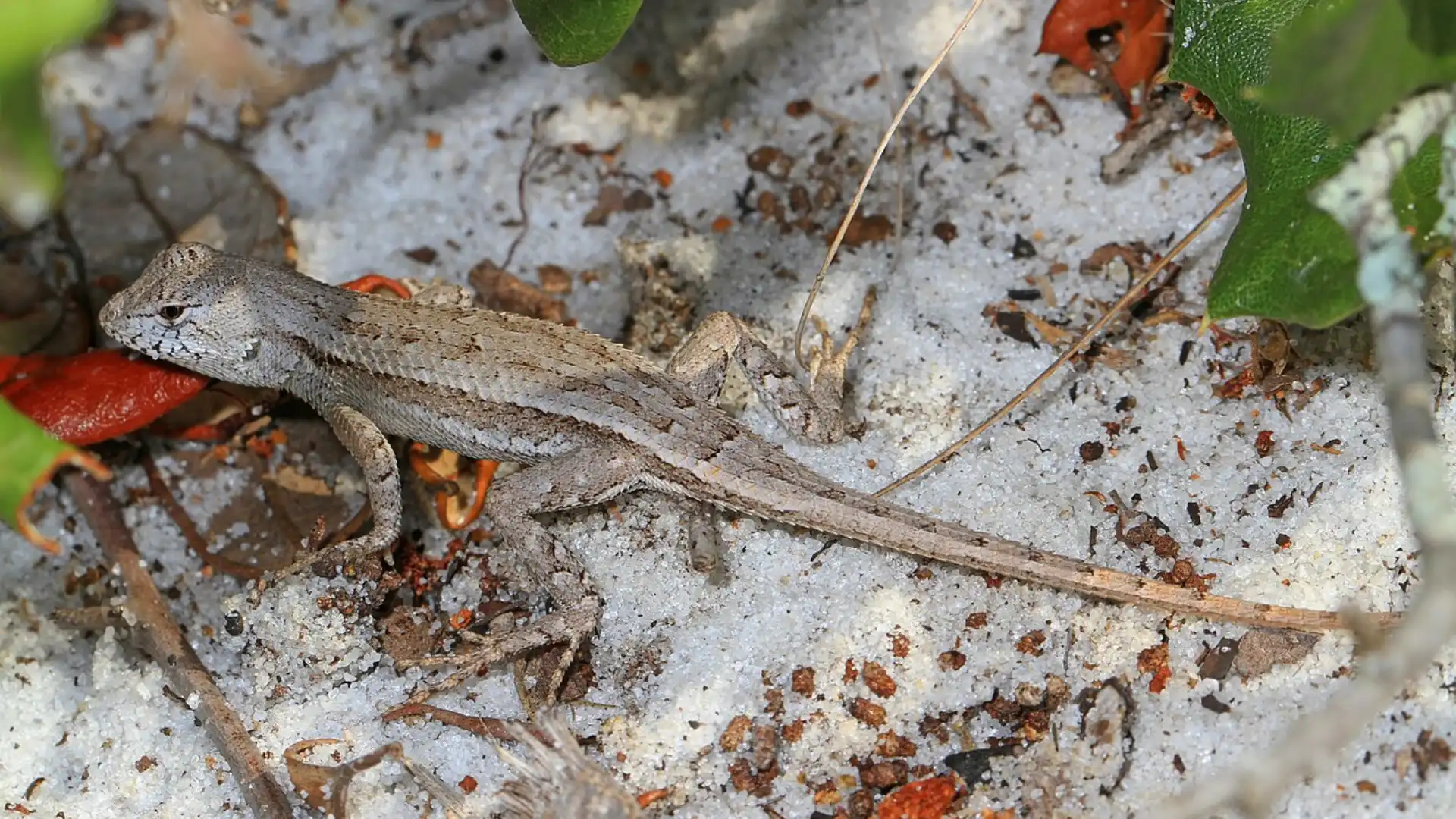
The Florida Scrub Lizard is a true emblem of balance, thriving in the unique ecosystems of Florida’s scrubby habitats. With a remarkable ability to blend into sandy surroundings, these lizards use their coloring to evade predators while basking in the warm sun.
Their small size and agile movements make them expert climbers, often darting up bushes or shrubs. This lizard plays an essential role in the food web, helping to control insect populations and serving as a food source for various predators.
Green Anole
Scientific Name: Anolis carolinensis
Family: Dactyloidae
Habitat: Woodlands, gardens, and urban areas
The Green Anole, often mistaken for a chameleon, is a fantastic display of color-changing abilities. It can shift from a vibrant green to a brownish hue, depending on its mood and surroundings, making it one of the most captivating lizards in Florida.
This adaptable species thrives in both natural and urban environments, often spotted basking on fences or branches. They primarily feed on insects, which helps maintain the balance of the ecosystem, showcasing their vital role as insectivores.
Reef Gecko
Scientific Name: Sphaerodactylus notatus
Family: Sphaerodactylidae
Habitat: Coastal areas and tropical forests
The Reef Gecko is a diminutive yet intriguing inhabitant of Florida’s coastal regions, often found in rocky terrains and coastal shrublands. Its striking pattern helps it navigate through the intricate crevices of its habitat, making it a master of camouflage. This kind of stealth and adaptability puts the Reef Gecko in good company with other cunning animals that rely on cleverness over strength to survive.
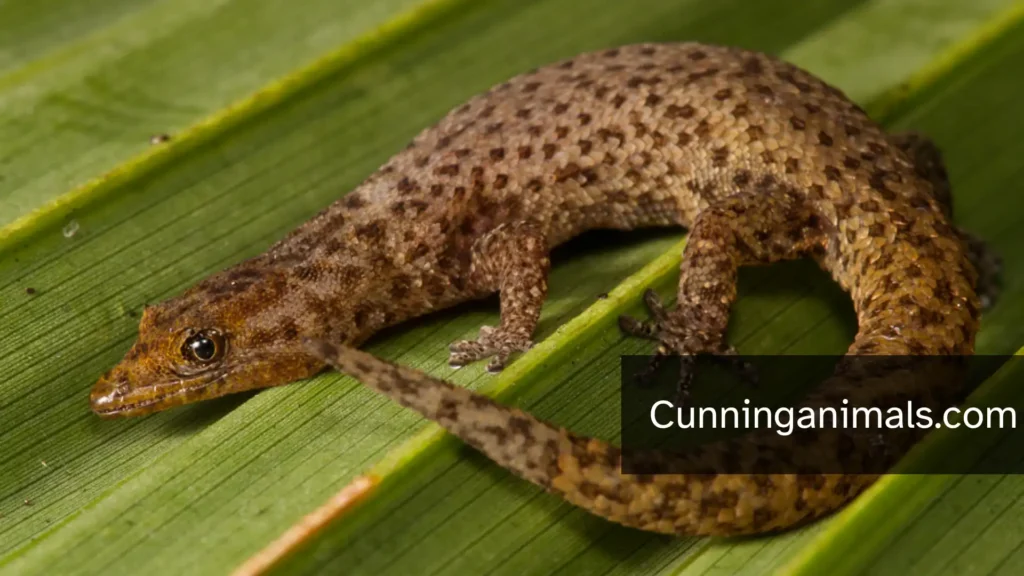
These lizards are primarily nocturnal, showing a different side of themselves when the sun goes down. They feast on tiny insects, making them valuable allies in the ongoing battle against pests, while their unique appearance adds to Florida’s rich biodiversity.
Eastern Fence Lizard
Scientific Name: Sceloporus undulatus
Family: Phrynosomatidae
Habitat: Open woodlands and fields
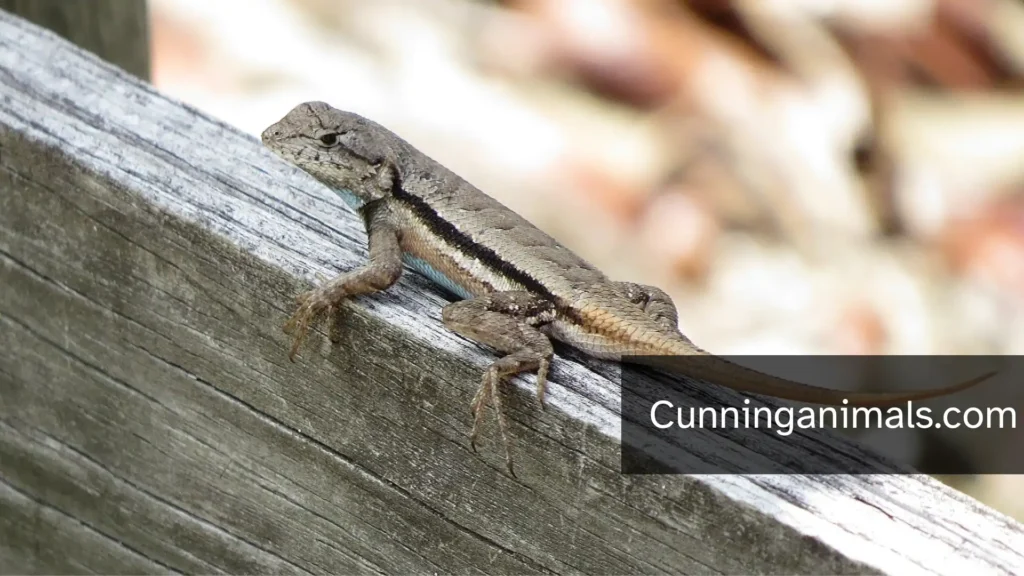
With its characteristic “fence” appearance, the Eastern Fence Lizard is often seen perching on logs or rocks, surveying its territory. This lizard is known for its impressive ability to adapt to various habitats, which makes it a common sight throughout Florida.
Males are particularly vibrant, often displaying intense blue patches during mating season to attract females. This lizard not only plays a significant role in controlling insect populations but is also a fascinating spectacle for nature enthusiasts observing its courtship rituals.
Six-lined Racerunner
Scientific Name: Aspidoscelis sexlineata
Family: Teiidae
Habitat: Open grasslands and sandy areas
The Six-lined Racerunner is a speedy and agile lizard, known for its mesmerizing sprints over sandy terrain. With bold, contrasting stripes, it’s an eye-catching sight and a testament to nature’s artistry in design.
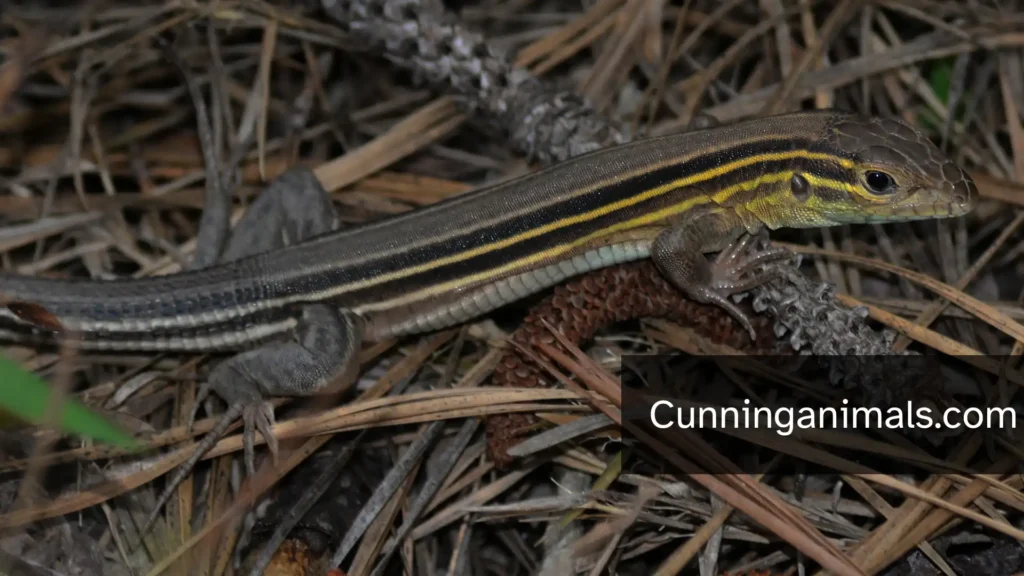
This lizard is diurnal, taking full advantage of the sunlight to warm its body and hunt for food. Its diet consists mainly of insects, making it an excellent pest controller and an integral part of the Florida ecosystem.
Florida Sand Skink
Scientific Name: Plestiodon reynoldsi
Family: Scincidae
Habitat: Sandy, dry habitats such as dunes and scrub
The Florida Sand Skink is a fascinating creature uniquely adapted to its sandy environment, with a streamlined body that allows it to burrow seamlessly. This lizard’s elusive nature makes it a rare sight, often hidden beneath the surface, away from predators.
As a member of the skink family, it feeds on small invertebrates, playing a crucial role in nutrient cycling within its habitat. Conservation efforts are vital for this vulnerable species, emphasizing the importance of preserving Florida’s delicate ecosystems.
Green Iguana
Scientific Name: Iguana iguana
Family: Iguanidae
Habitat: Tropical forests and suburban areas
The Green Iguana is a striking figure among Florida lizards, often found basking in trees or gliding gracefully through the branches. Known for its vivid green color and impressive size, it captivates the attention of both residents and visitors alike.
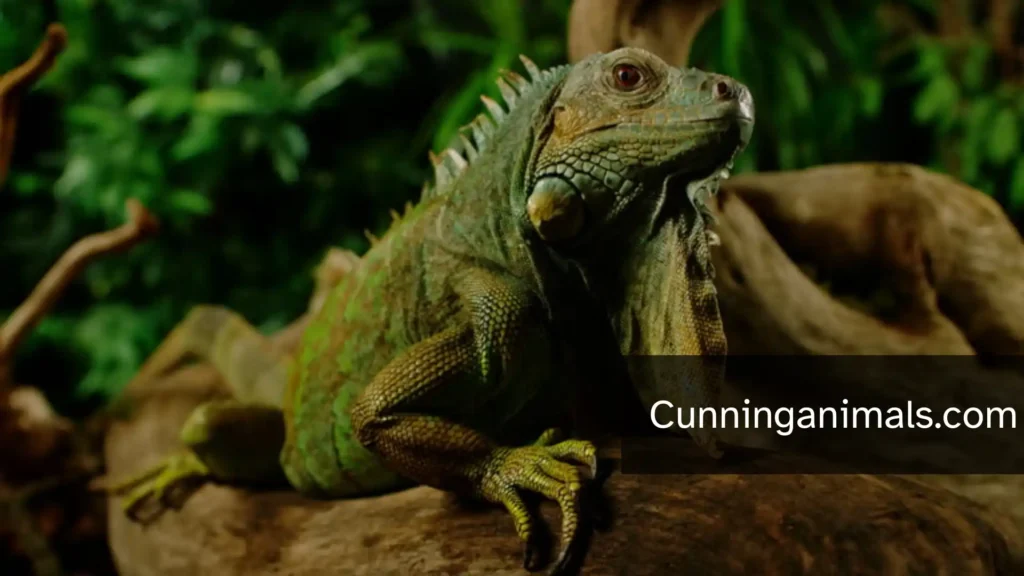
Despite being a non-native species, the Green Iguana has established a considerable population in Florida, leading to both admiration and ecological concerns. Its herbivorous diet consists primarily of leaves and fruits, adding a unique layer to the ecosystem as it influences plant growth. This plant-based diet places the Green Iguana among a broader group of herbivorous wildlife much like what deer eat, foliage and fruit form the backbone of its daily nutrition.
Broadhead Skink
Scientific Name: Plestiodon laticeps
Family: Scincidae
Habitat: Wooded areas and suburban gardens
The Broadhead Skink can be distinguished by its distinctive broad head and striking coloration, often featuring a mix of vibrant yellows and greens. This lizard thrives in both natural and human-altered environments, showcasing its adaptability in various habitats.
Mature males display brilliant colors during mating season, making them visually captivating to observers. These skinks are primarily insectivorous, aiding in pest control while also serving as a food source for larger predators, emphasizing their role in the food chain.
Cuban Brown Anole
Scientific Name: Anolis sagrei
Family: Dactyloidae
Habitat: Urban areas and tropical forests
The Cuban Brown Anole has made a name for itself as one of the most common lizards in Florida, frequently seen sunbathing on fences and walls. This adaptable species thrives in various environments, often contributing to a lively ecosystem through its dynamic behaviors.
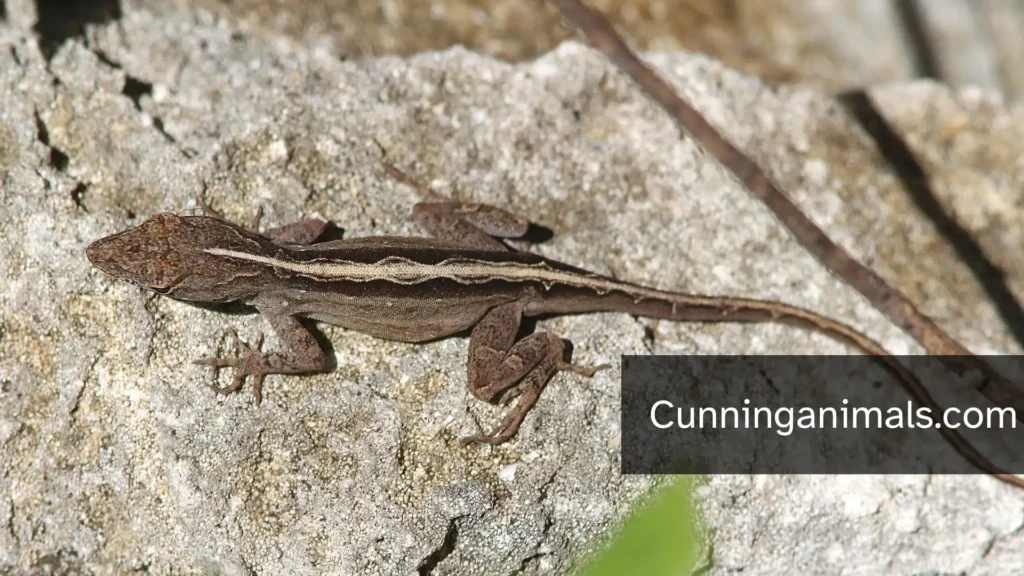
Notable for its vibrant dewlap display, the male Cuban Brown Anole uses these colorful flaps of skin during courtship to attract females. Their diet primarily consists of insects, helping to regulate pest populations and illustrating their importance within Florida’s ecological landscape.
Nile Monitor
Scientific Name: Varanus niloticus
Family: Varanidae
Habitat: Wetlands, swamps, and riverbanks
The Nile Monitor, a prominent and robust lizard, is distinguished by its impressive size and powerful presence. Despite being an invasive species in Florida, it captures attention with its striking pattern and territorial behavior in wetlands and along riverbanks. Like many species that make their home in Florida’s waterways, the Nile Monitor thrives along riverbanks and wetland edges, using these water-adjacent habitats to hunt and hide from threats.
As opportunistic feeders, they consume a varied diet, including fish and small mammals, showcasing their adaptability to the available food sources. Monitoring Nile Monitor populations is crucial to minimize their impact on local wildlife and preserve Florida’s delicate ecosystems.
Florida Worm Lizard
Scientific Name: Rheoscoptes proteus
Family: Heleodieidae
Habitat: Sandy, loose soils and pine forests
The Florida Worm Lizard is a unique burrowing lizard that resembles a worm, making it a curious addition to Florida’s reptilian fauna. With its elongated, cylindrical body, it spends most of its life underground, avoiding the harsh realities of surface life.
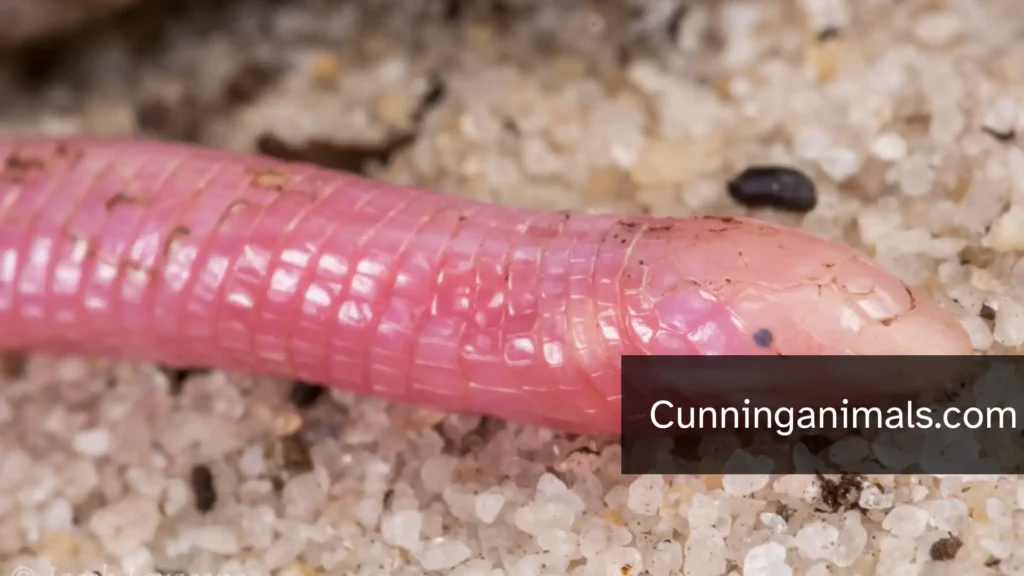
Though elusive, this species is vital for aerating the soil and enhancing the ecosystem’s health through its burrowing habits. Its diet primarily consists of soft-bodied invertebrates, further aiding in the balance of soil life and emphasizing its ecological significance.
Eastern Glass Lizard
Scientific Name: Ophisaurus ventralis
Family: Anguidae
Habitat: Grasslands and wooded areas
The Eastern Glass Lizard, a legless lizard often mistaken for a snake, possesses a fascinating ability to shed its tail as a defense mechanism. These lizards are unique among their kind, showcasing the evolution of their anatomy as they adapt to their environments.
Their smooth, shiny scales give them a glass-like appearance, sending a dazzling reflection in the sunlight. By feeding on insects and other small invertebrates, they play a crucial role in the ecosystem while captivating observers with their unusual serpentine form.
Conclusion
The diverse range of lizards in Florida showcases the unique ecosystem of the Sunshine State. From the vibrant colors of the green anole to the fascinating adaptations of the Florida spiny lizard, there are numerous types of lizards in Florida that reflect the rich biodiversity.
While most of these reptiles are harmless, it’s also crucial to be aware of the few poisonous lizards found in Florida, ensuring a safe experience when exploring their habitats.
FAQs
What Is the Most Common Lizard In Florida?
The Cuban Brown Anole is the most common lizard in Florida. This adaptable invasive species is frequently spotted sunbathing on fences, walls, and garden plants statewide.
What Type Of Lizards Are Found In Florida?
Florida hosts native species like the Green Anole, Florida Scrub Lizard, and Reef Gecko, alongside invasive ones like the Cuban Brown Anole and Green Iguana. Together they make up one of the most diverse lizard populations in the U.S.
Is There A Poisonous Lizard In Florida?
Florida has no lizards that are dangerously venomous to humans, with nearly all species being harmless. Larger invasive lizards like the Nile Monitor can bite or scratch if threatened, but they pose no serious poisoning risk.
What Kind Of Big Lizards Are In Florida?
The Nile Monitor and Green Iguana are the largest lizards found in Florida, both introduced species that have grown to significant sizes. The Nile Monitor is especially known for its powerful build and territorial behavior near wetlands.