12 Deadliest Animals in the World: Shocking Facts in 2026
The deadliest animals in the world are not merely a subject of folklore; they represent real threats that continue to affect human lives. In 2026, exploring these creatures unveils a fascinating array of species that stand out as the most dangerous animals on the planet.
With the capacity to inflict fatal harm, understanding what animal kills the most humans in the world is crucial for anyone who values wildlife safety and awareness. Join us as we list the 1st most dangerous animal in the world and examine the facts that underscore the characteristics making these beings formidable adversaries.
What Is The Deadliest Animal In The World?
The Deadliest Animals in the World are not always the ones you might expect. While many people think of large predators like lions or sharks, the reality is that some of the most dangerous animals in the world are surprisingly small and often overlooked. For instance, the box jellyfish, with its nearly invisible tentacles, can deliver a venomous sting that results in immediate cardiac arrest, a haunting reminder that danger often lurks in the depths of the ocean.
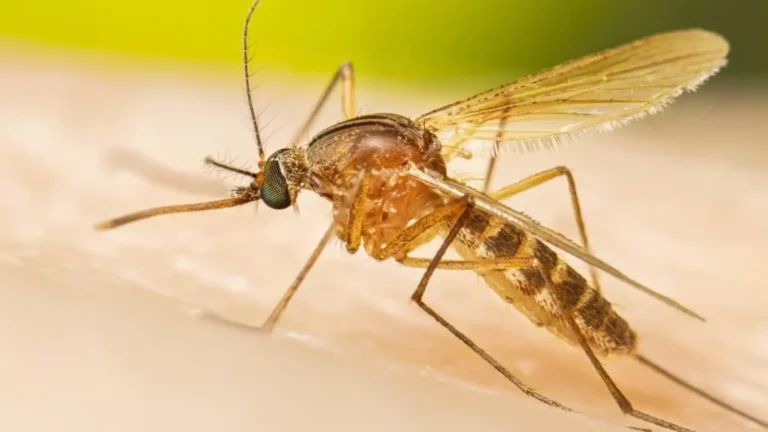
Conversely, consider the mosquito, frequently labeled as the deadliest animal in the world due to its role in spreading diseases like malaria and dengue fever. It’s shocking to realize that a creature so minuscule is responsible for millions of deaths annually.
Top 12 Deadliest Animals In The World
| Rank | Animal | Main Danger | Estimated Human Deaths |
| 1 | Mosquito | Disease transmission | 725,000–1,000,000/year |
| 2 | Humans | Violence | 431,000/year |
| 3 | Freshwater Snails | Parasites | 200,000/year |
| 4 | Saw-Scaled Viper | Venom | Up to 138,000/year* |
| 5 | Assassin Bugs | Chagas disease | 10,000/year |
| 6 | Scorpions | Venom | 2,600/year |
| 7 | Ascaris Roundworms | Parasites | 2,500/year |
| 8 | Saltwater Crocodile | Attacks | Around 1,000/year* |
| 9 | Hippopotamus | Attacks | Around 500/year |
| 10 | Elephants | Trampling/attacks | Around 500/year |
| 11 | Lions | Attacks | Around 22/year |
| 12 | Box Jellyfish | Venom | No reliable global estimate |
Mosquito
Scientific Name: Culicidae
Class: Insecta
Habitat: Global, primarily in stagnant water bodies.
Mosquitoes often evoke an array of feelings, from annoyance to concern about their role in spreading diseases. However, blessed with an incredible sense of navigation, these tiny insects make significant contributions to the ecosystems they inhabit. As pollinators and a food source for various predators, they play an essential yet often overlooked part in maintaining the balance of nature.
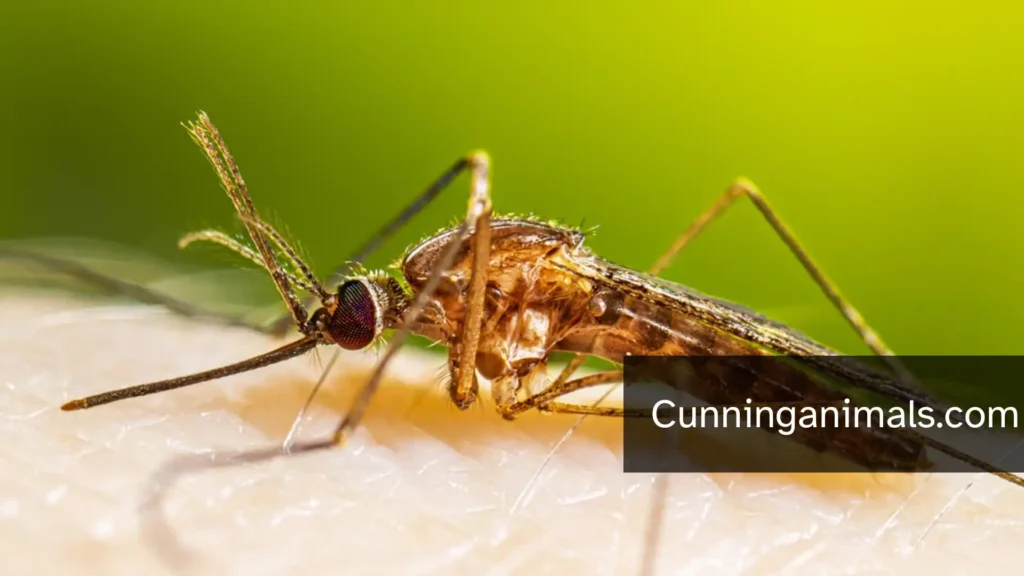
Despite their notorious reputation, mosquitoes display remarkable adaptability. With their ability to thrive in diverse environments, they’ve managed to survive alongside humans for millennia. Understanding the intricacies of their life cycle can inspire awe and appreciation for nature’s complex web of life.
Freshwater Snail
Scientific Name: Gastropoda
Class: Gastropoda
Habitat: Freshwater rivers, lakes, and ponds.
Freshwater snails, with their shimmering shells and graceful movements, offer a glimpse into the beauty of aquatic life. If you’re curious what else survives in these damp, unusual environments, take a look at our guide on animals that live in bogs. It’s a great companion read for anyone interested in lesser-known aquatic ecosystems.
In addition to their ecological contributions, freshwater snails can teach us valuable lessons about resilience and adaptability. They thrive in various conditions, showcasing the wonders of life that can flourish in many environments. Observing these tiny beings encourages us to cherish the small wonders of nature that surround us.
Saw-Scaled Viper
Scientific Name: Echis
Class: Reptilia
Habitat: Dry regions of Africa and the Middle East.
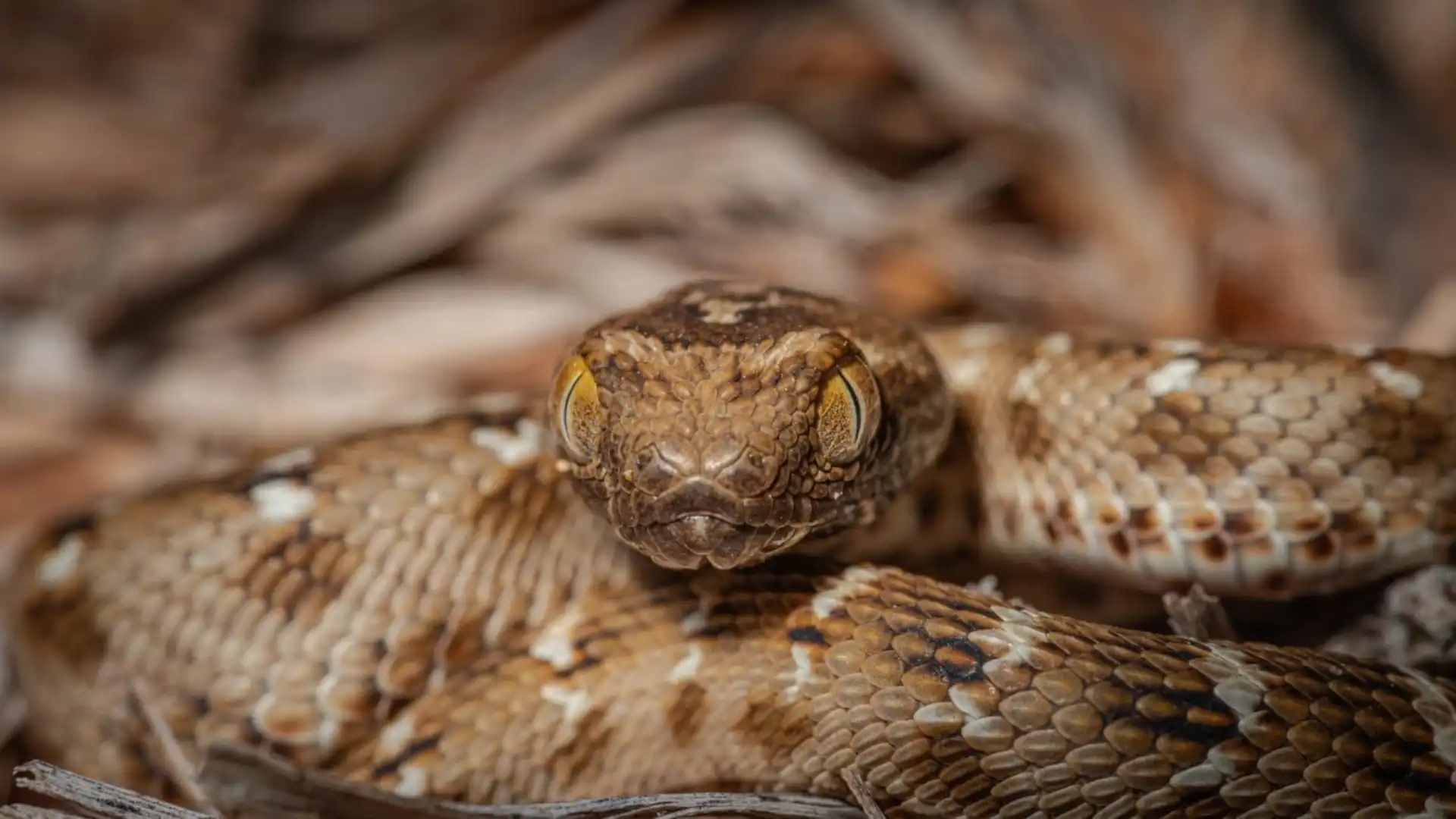
The saw-scaled viper, with its distinctive saw-like scales and remarkable camouflage, embodies both beauty and danger. It is a master of survival, relying on its swift movements to navigate its often harsh desert habitat. Recognizing the balance of fear and respect these snakes command reminds us of the power and grace of the natural world.
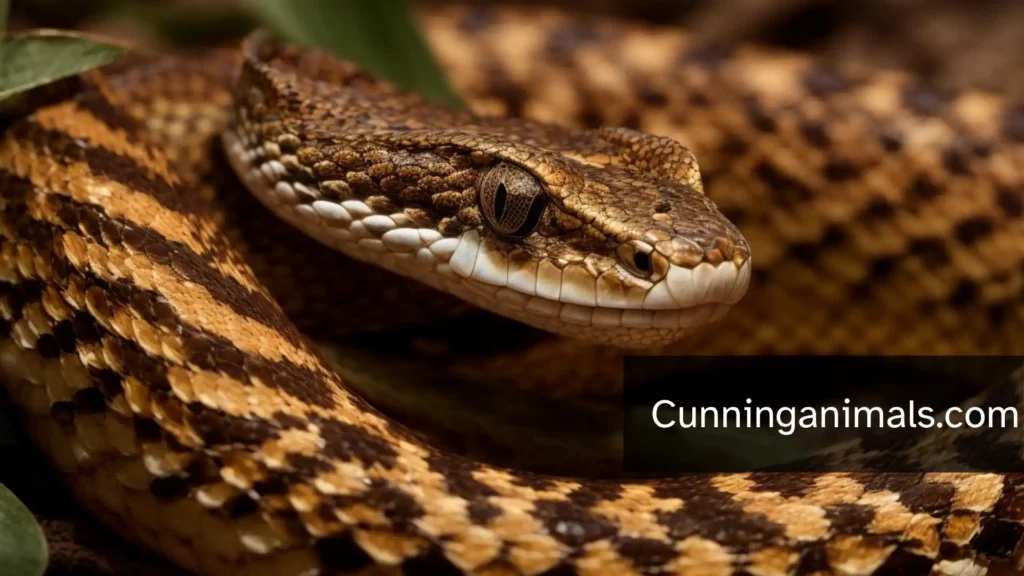
Not only is this viper an artist in its habitat, but it also plays a vital role in controlling the population of small rodents. Its presence in the ecosystem serves as a reminder that every creature, even the most feared, has a purpose. Embracing this understanding invites us to appreciate the myriad forms of life that share our planet.
Assassin Bug
Scientific Name: Reduviidae
Class: Insecta
Habitat: Diverse environments, including gardens and forests.
Assassin bugs, armed with their impressive predatory skills, epitomize the intricate dance of nature. These fascinating insects help control pest populations, highlighting their role as nature’s protectors. Observing their stealthy hunting methods offers a fresh perspective on the harmony that exists within the ecosystem.
In addition to their ecological importance, assassin bugs serve as a reminder of the beauty found in diversity. With hundreds of species, they showcase the incredible adaptability of life. Their unique behaviors inspire us to look beyond the surface and appreciate the unseen connections that exist around us.
Scorpion
Scientific Name: Scorpiones
Class: Arachnida
Habitat: Deserts, grasslands, and forests worldwide.
Scorpions, often painted as fearsome creatures, are surprisingly fascinating and play a vital role in their environments. As both predators and prey, they contribute to the balance of life in ecosystems, reminding us that every creature has a role to play. Their unique adaptation skills can inspire us to embrace our own challenges with resilience.
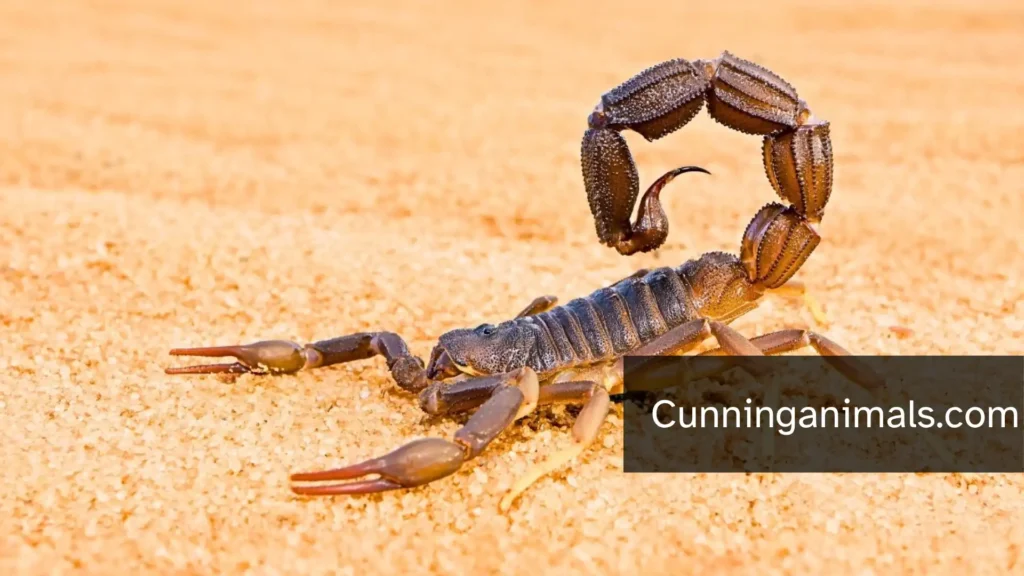
Additionally, scorpions are intriguing for their ability to survive under extreme conditions. Their bioluminescence under UV light adds an enchanting layer of mystery to their existence. Reflecting on these incredible qualities can ignite our appreciation for life’s wonders, encouraging a deeper connection to the natural world.
Ascaris Roundworm
Scientific Name: Ascaris lumbricoides
Class: Nematoda
Habitat: Human intestines, primarily in tropical and subtropical regions.
The Ascaris roundworm, though often viewed through a negative lens, plays a significant role in studying human anatomy and disease. Understanding its lifecycle sheds light on important health issues and highlights the intricate relationship between humans and parasites. This perspective invites us to see the value of knowledge in combating such challenges.
Beyond its health implications, the Ascaris roundworm illustrates the complexity of life on Earth. Its ability to thrive in human hosts is a testament to nature’s adaptability. Embracing a sense of curiosity about such creatures can deepen our understanding of biological diversity and the interconnectedness of all living beings.
Saltwater Crocodile
Scientific Name: Crocodylus porosus
Class: Reptilia
Habitat: Coastal regions, rivers, and estuaries in tropical areas.
The saltwater crocodile stands as a symbol of strength and resilience in the animal kingdom. As the largest living reptile, its impressive size and powerful presence command respect. Observing these majestic creatures in their natural habitats inspires a sense of wonder about the dynamic relationship between strength and survival.
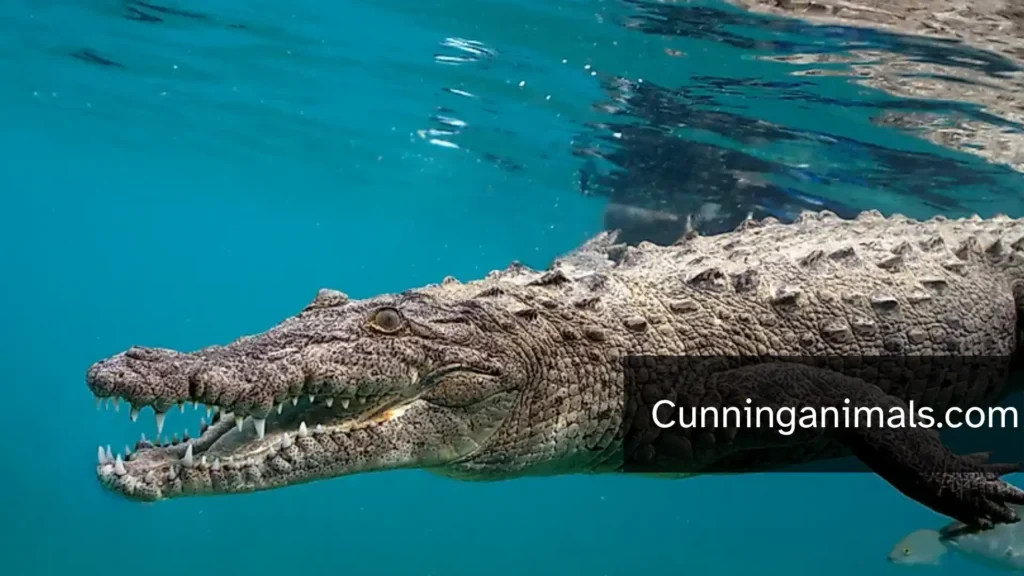
Moreover, saltwater crocodiles play an essential role in their ecosystems, helping maintain the balance within aquatic environments. Their predatory skills ensure that fish populations remain healthy and diverse. Celebrating their crucial contributions fosters a deeper appreciation for the intricate web of life that exists in our world.
Hippopotamus
Scientific Name: Hippopotamus amphibius
Class: Mammalia
Habitat: Rivers and lakes in sub-Saharan Africa.
Hippos, often depicted as gentle giants, are surprisingly fascinating creatures that embody the balance of strength and vulnerability. Their massive size and social behaviors contribute to the wellbeing of aquatic ecosystems, illustrating the importance of community in nature. Engaging with their world can inspire us to embrace the power of collaboration in our own lives.
Additionally, hippos play a vital role in shaping their environment. As they wallow in the water and graze on vegetation, they create pathways that benefit other species. Understanding these dynamics deepens our connections to the ecosystem and inspires us to appreciate the roles we all play in nurturing our surroundings.
Elephant
Scientific Name: Loxodonta africana
Class: Mammalia
Habitat: Savannas, forests, and grasslands in Africa and Asia.
Often seen as symbols of wisdom and strength, elephants carry deep emotional connections within their herds. For a look at those less generous instincts in nature, check out our piece on greedy animals in the world. It’s a fun contrast to the more cooperative side of the animal kingdom explored here.
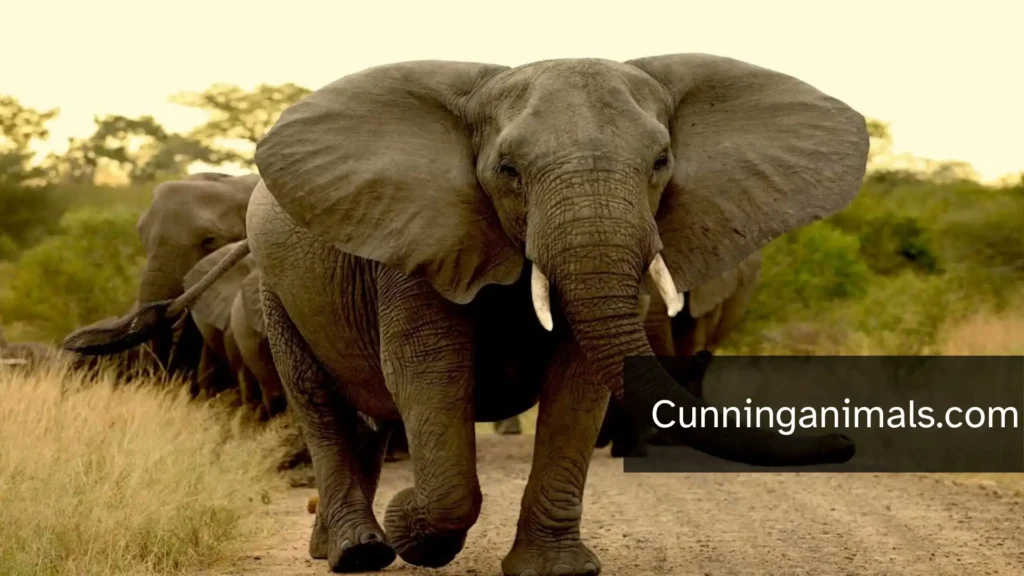
Elephants also play a critical role in shaping their environments, dispersing seeds and maintaining the landscape. Their ability to adapt to changing surroundings reflects a powerful lesson in resilience. Embracing the lessons they bring encourages a deeper respect for the interconnectedness of all life.
Lion
Scientific Name: Panthera leo
Class: Mammalia
Habitat: Grasslands, savannas, and woodlands in Africa and India.
Lions, often referred to as the “kings of the jungle,” embody the spirit of leadership and bravery. Their social structure, built around prides, showcases the importance of community and cooperation in facing challenges.If you’re curious which other animals depend on the strength of a group, check out our article on animals that live in groups. It’s an interesting look at how teamwork shows up across the animal kingdom.
Beyond their fierce reputation, lions play a crucial role in maintaining the balance of their ecosystems. As apex predators, they help regulate populations of other species, contributing to the health of their habitats. Celebrating their majestic presence invites us to reflect on the balance required to thrive in our own lives.
Box Jellyfish
Scientific Name: Chironex fleckeri
Class: Scyphozoa
Habitat: Coastal waters of the Indo-Pacific region.
The box jellyfish, with its ethereal beauty and formidable sting, represents the delicate balance of allure and danger in nature. Its unique structure and graceful movements remind us of the wonders of marine life while also cautioning us to respect its power. Embracing this duality encourages a deeper understanding of our relationship with the natural world.
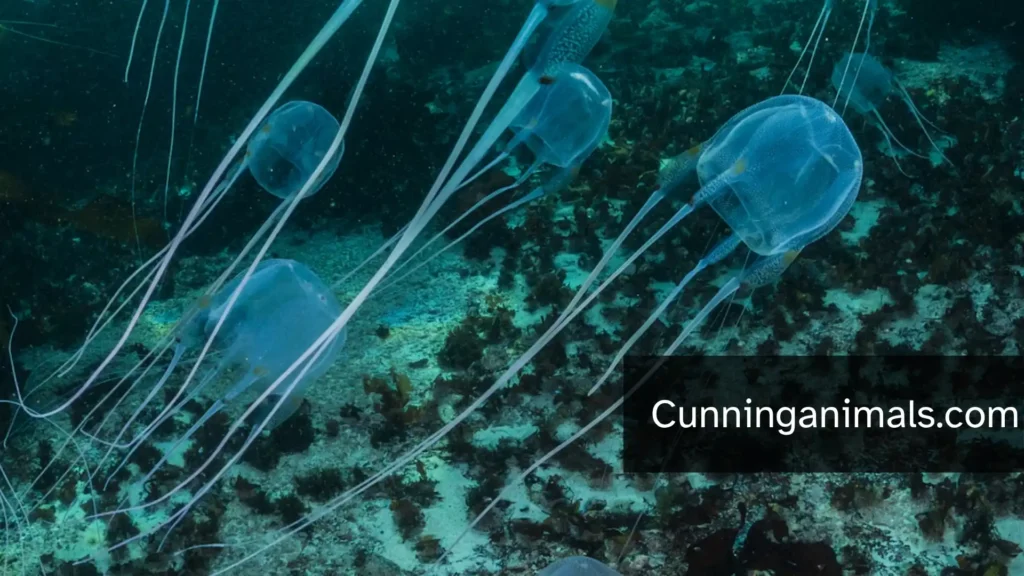
Beyond their stunning appearance, box jellyfish play a crucial role in marine ecosystems as both predators and prey. Their presence helps maintain the balance of life in the ocean, reminding us of the interconnectedness that exists within every ecosystem. Cherishing these intricate relationships fosters a sense of responsibility to protect our oceans and their inhabitants.
Interesting Facts About The Deadliest Animals
- The box jellyfish is so venomous that its sting can cause cardiac arrest within minutes.
- Mosquitoes are responsible for more human deaths annually than any other animal, primarily through disease transmission.
- The saltwater crocodile can exert a bite force of over 3,700 pounds per square inch, making it one of the strongest jaws in the animal kingdom.
- Cone snails possess highly toxic venom that can paralyze fish and even humans, with some species capable of delivering a fatal sting.
- African elephants, despite their size, are highly intelligent and can display aggressive behavior when provoked, contributing to their potential danger.
- Pufferfish contain a toxin called tetrodotoxin that is 1,200 times more poisonous than cyanide, making improper preparation fatal.
- Stonefish are masterful camouflagers, and their venomous spines can deliver excruciating pain, leading to severe injury or death.
- The great white shark, often depicted as a ruthless predator, is actually responsible for fewer deaths each year than dog attacks.
Conclusion
Understanding the Deadliest Animals in the World highlights the intricate balance of nature and the incredible adaptations these creatures possess. The most dangerous animal in the world often surprises us, as it isn’t always the largest predator, but rather species that have evolved lethal defense mechanisms or potent venoms.
From the box jellyfish to the Australian saltwater crocodile, each of these deadliest animals in the world showcases how fascinating yet perilous the natural world can be. As we continue to explore and respect these creatures, it’s vital to raise awareness about their habitats and conservation needs.
FAQS
What Animal Is The #1 killer Of Humans?
Mosquitoes are considered the deadliest animals to humans because they spread diseases such as malaria, dengue, and yellow fever. Their danger comes mainly from disease transmission rather than direct attacks.
Which Animal kills 100,000 People Annually?
Snakes are estimated to cause roughly 81,000–138,000 deaths per year, mainly through venomous bites. The exact number varies because many snakebite deaths are not formally recorded.
What Animal Is A Silent Killer?
The mosquito is often called a silent killer because its bite can transmit serious diseases without the victim realizing the danger immediately. Malaria alone causes hundreds of thousands of deaths globally each year.
What Animal Is Most killed By Humans?
There is no single animal that can be definitively called the “most killed by humans” because estimates vary by species and how deaths are counted. Farmed animals such as chickens, pigs, and fish account for enormous numbers of animals killed by humans for food.
What Animals Hunt Humans?
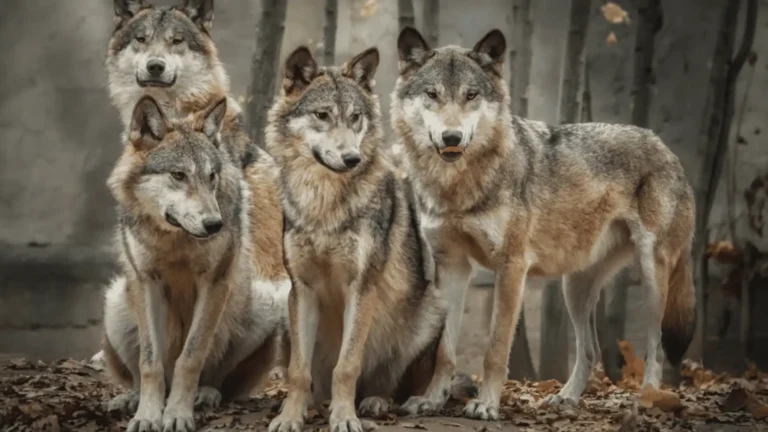
Humans can occasionally be hunted or attacked by crocodiles, large cats such as lions and tigers, polar bears, wolves, sharks, and some large snakes. However, humans are not the normal prey of most of these species, and attacks are relatively uncommon compared with other causes of human death.