Top 15 Animals That Live In Bogs (With Pictures, Names & Facts)
Bogs are often overlooked ecosystems, yet they harbor a fascinating array of life. The Animals That Live In Bogs play crucial roles in maintaining ecological balance, showcasing the unique adaptations required to thrive in these waterlogged environments.
Let’s explore the most intriguing bog animals, highlighting their characteristics and the importance of bog wildlife in our planet’s biodiversity. You will gain insight into each species, complete with pictures and key facts, making the hidden wonders of these wetlands more accessible and engaging.
What Animals Live In Bogs?
Bogs are unique ecosystems that host a fascinating array of wildlife, specifically adapted to their acidic and nutrient-poor environments. Notable residents include the elusive bog lemming and the vibrant, yet shy, bog turtle, both perfectly suited to thrive in these damp habitats.
Various bird species, such as the American bittern and the sora, find refuge in the dense vegetation of bogs. Amphibians like the tree frog also capitalize on the moist conditions, while insects like the striking dragonfly navigate the still waters each playing a crucial role in the intricate web of life found in these tranquil, spongy landscapes.
Top 15 Animals That Live In Bogs List
| Rank | Animal | Scientific Name | Class | Diet |
| 1 | Frog | Anura | Amphibia | Carnivore |
| 2 | Bog Turtle | Glyptemys muhlenbergii | Reptilia | Omnivore |
| 3 | Muskrat | Ondatra zibethicus | Mammalia | Herbivore/Omnivore |
| 4 | Snowshoe Hare | Lepus americanus | Mammalia | Herbivore |
| 5 | Smooth Newt | Lissotriton vulgaris | Amphibia | Carnivore |
| 6 | Moose | Alces alces | Mammalia | Herbivore |
| 7 | Short-Eared Owl | Asio flammeus | Aves | Carnivore |
| 8 | Beaver | Castor | Mammalia | Herbivore |
| 9 | Salamander | Urodela | Amphibia | Carnivore |
| 10 | Dragonfly | Anisoptera | Insecta | Carnivore |
| 11 | Mink | Neogale vison | Mammalia | Carnivore |
| 12 | Great Blue Heron | Ardea herodias | Aves | Carnivore |
| 13 | Wood Frog | Lithobates sylvaticus | Amphibia | Carnivore |
| 14 | Common Loon | Gavia immer | Aves | Carnivore |
| 15 | Water Snake | Nerodia spp. | Reptilia | Carnivore |
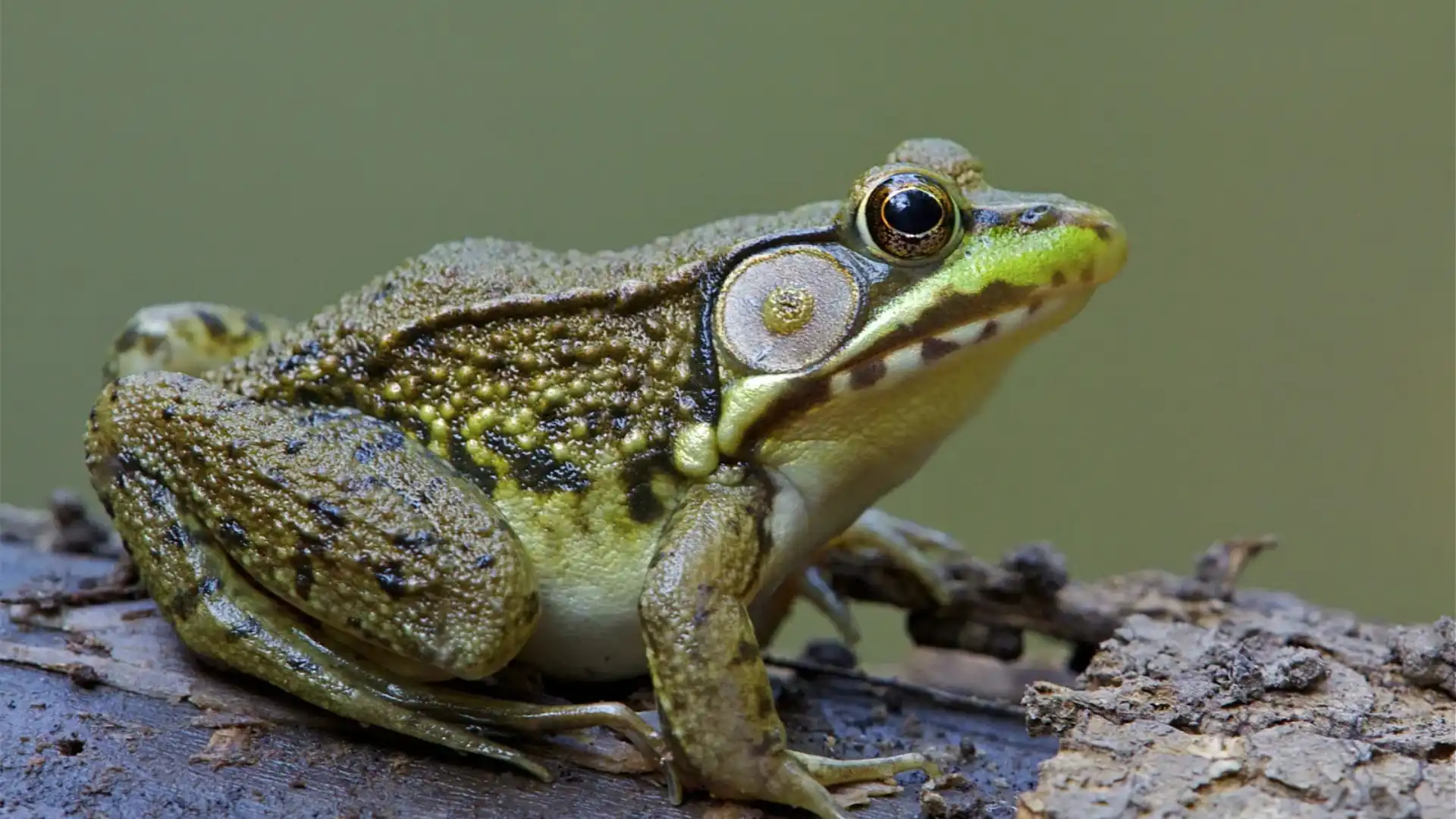
Frog
Scientific Name: Anura
Class: Amphibia
Diet: Insects, spiders, and small invertebrates
Frogs are a quintessential part of bog ecosystems, playing a vital role in controlling insect populations. Their skin, often moist and permeable, makes them susceptible to changes in their environments, providing insight into bog health.
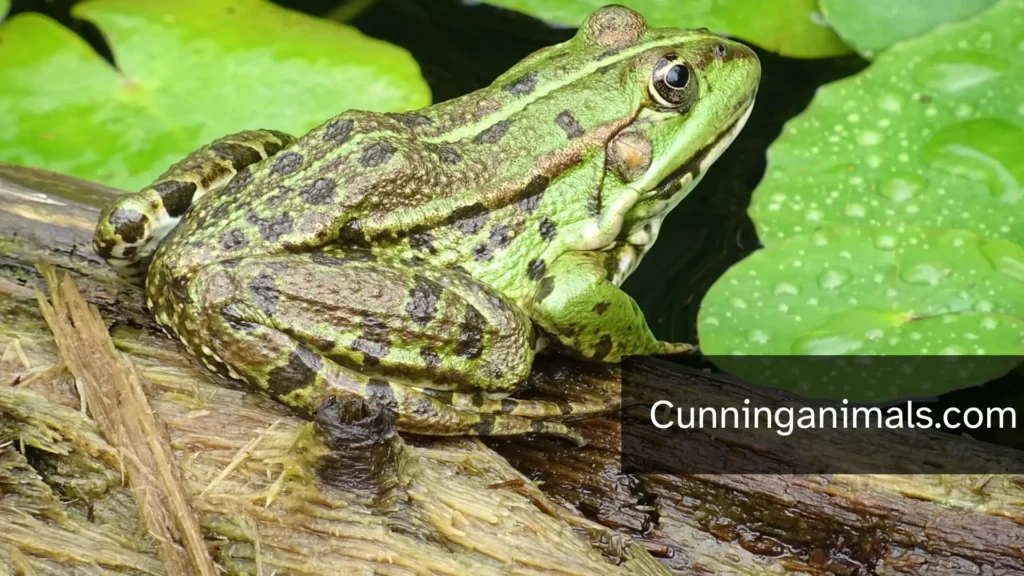
These amphibians use the thick vegetation of bogs as both camouflage and protection from predators. Their ability to thrive in wet conditions makes them a keystone species for the ecological balance within these unique habitats.
Bog Turtle
Scientific Name: Glyptemys muhlenbergii
Class: Reptilia
Diet: Aquatic plants, insects, and small invertebrates
The bog turtle is one of North America’s smallest turtle species, often spotted basking on logs or sandy patches in bogs. Its vulnerability has led to conservation efforts aimed at preserving the wetland habitats essential for its survival. Like many small turtle species, bog turtles are surprisingly capable climbers, using logs and root tangles to bask safely above the waterline.
This turtle plays a crucial role in its ecosystem, helping to maintain the delicate balance of plant and animal life in bogs. Its decline is a reminder of the fragility of these unique habitats, which are increasingly threatened by human encroachment.
Muskrat
Scientific Name: Ondatra zibethicus
Class: Mammalia
Diet: Aquatic plants, roots, and small animals
Muskrats are adept swimmers, building intricate burrows and lodges in the wetland fringes of bogs. Their presence helps to aerate the soil and maintains healthy plant communities, contributing to the biodiversity of the ecosystem.
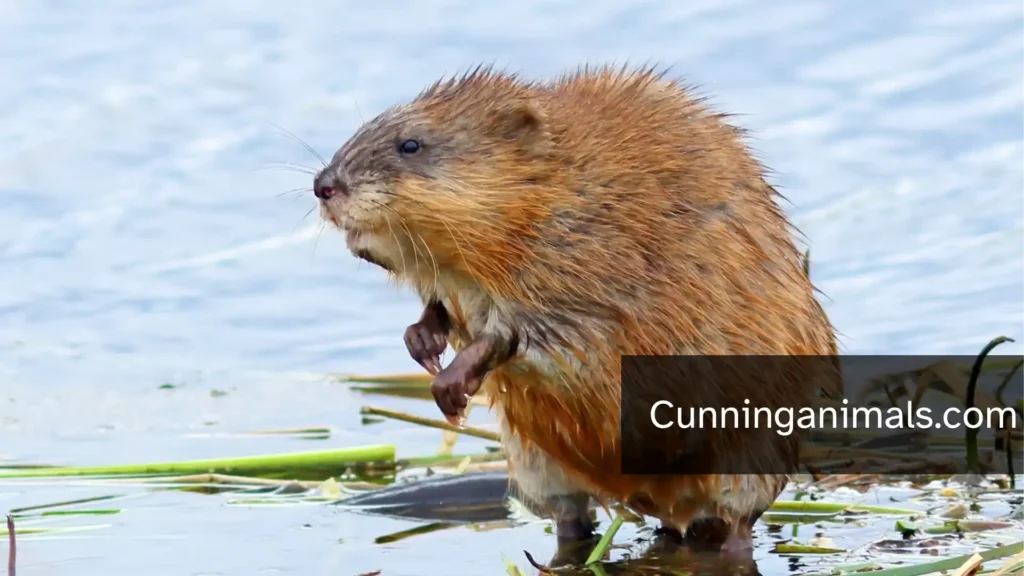
Known for their distinctive scent glands, muskrats are both fascinating and vital for nutrient cycling in their habitats. This musky defense mechanism places muskrats among animals like skunks that rely on scent for territory marking and predator deterrence. They create environments that support a variety of other species, demonstrating the interconnectivity of bog life.
Snowshoe Hare
Scientific Name: Lepus americanus
Class: Mammalia
Diet: Grasses, leaves, and bark
The snowshoe hare is well-adapted to the colder climates often associated with bog regions, sporting a thick coat that changes color with the seasons. Its large hind feet allow it to navigate the soft, marshy ground with ease.
Impressively agile, these hares are a critical prey species, supporting larger predators in the food chain. Their population dynamics are intricately linked to the health of the bog ecosystem, showcasing their role in maintaining ecological balance.
Smooth Newt
Scientific Name: Lissotriton vulgaris
Class: Amphibia
Diet: Insects, tadpoles, and small crustaceans
The smooth newt is often found in the shallow waters of bogs, showcasing vibrant colors during the breeding season. Their lifecycle, which includes both aquatic and terrestrial phases, underscores the ecological richness of these wetlands.
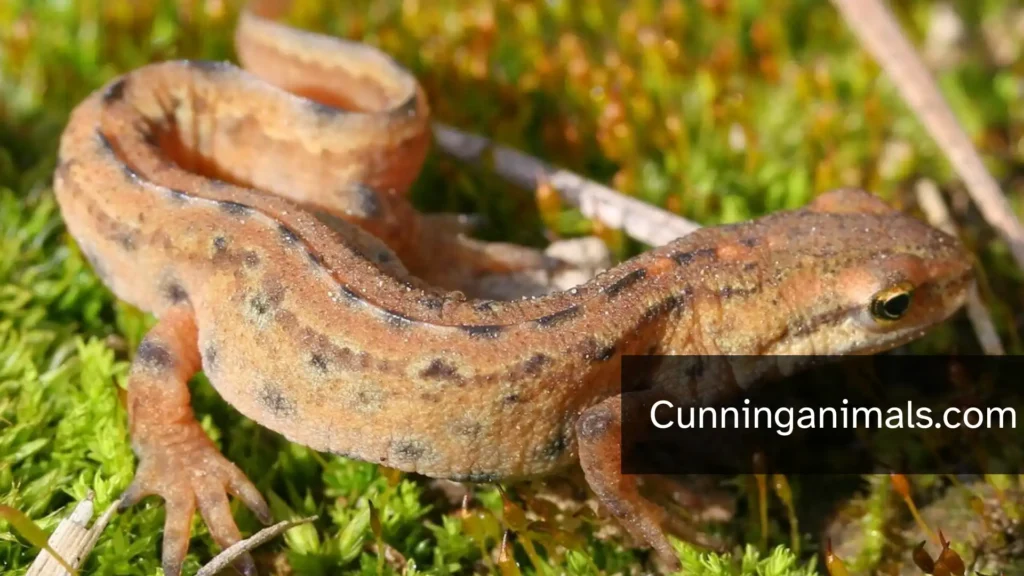
Known for their unique courtship displays, these newts exemplify the intricate breeding behaviors dependent on specific bog habitats. Their presence hints at the quality of water in bogs, making them important bioindicators for conservation efforts.
Moose
Scientific Name: Alces alces
Class: Mammalia
Diet: Leaves, twigs, and aquatic plants
Moose are the largest members of the deer family and are often drawn to bogs for the rich vegetation and abundant water sources. Their immense size and unique feeding habits help to shape the landscape, promoting growth for various plant species.
These majestic animals are central to the ecology of bogs, as their grazing habits create openings in dense foliage, allowing sunlight to reach other plants. They also serve as a prominent attraction for wildlife watchers, reinforcing the importance of preserving bog habitats.
Short-Eared Owl
Scientific Name: Asio flammeus
Class: Aves
Diet: Small mammals and birds
The short-eared owl is an expert hunter, using the open spaces of bogs to spot prey from above. Their distinctive ear tufts and large, round eyes are adaptations that enhance their hunting capabilities in low-light conditions.
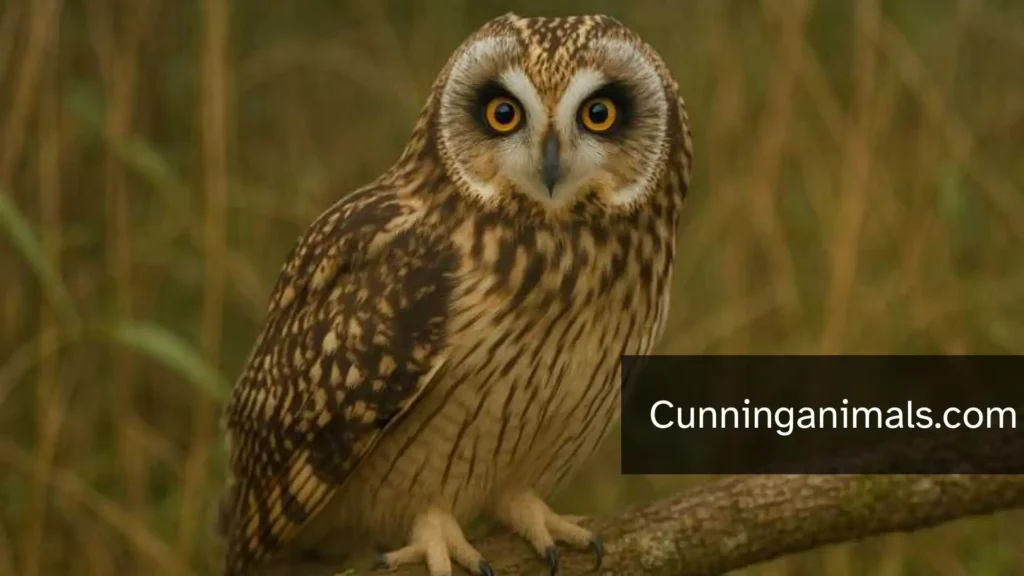
These owls are most active at dawn and dusk, showcasing their adaptability and opportunistic feeding behavior. They depend on the rich biodiversity of bog habitats, making their presence a sign of ecological vibrancy in these wetlands.
Beaver
Scientific Name: Castor canadensis
Class: Mammalia
Diet: Bark, leaves, and aquatic plants
Beavers are renowned for their dam-building abilities, which create ponds that support diverse wildlife in bog ecosystems. These ponds provide crucial habitats for various species, reflecting the beaver’s role as a “keystone species”. Beavers share this ecosystem-shaping role with many animals that live in rivers, where their engineering influences water flow far beyond the bog itself.
Their remarkable engineering skills also improve water quality and mitigate flooding, demonstrating the far-reaching effects of beavers on bog ecology. This adaptability in modifying their environment underscores their importance in maintaining wetland balance.
Salamander
Scientific Name: Ambystoma
Class: Amphibia
Diet: Invertebrates and small worms
Salamanders thrive in the moist, rich soils of bogs and are excellent indicators of environmental health. Their permeable skin needs a humid habitat, making bogs a perfect setting for their lifecycle.
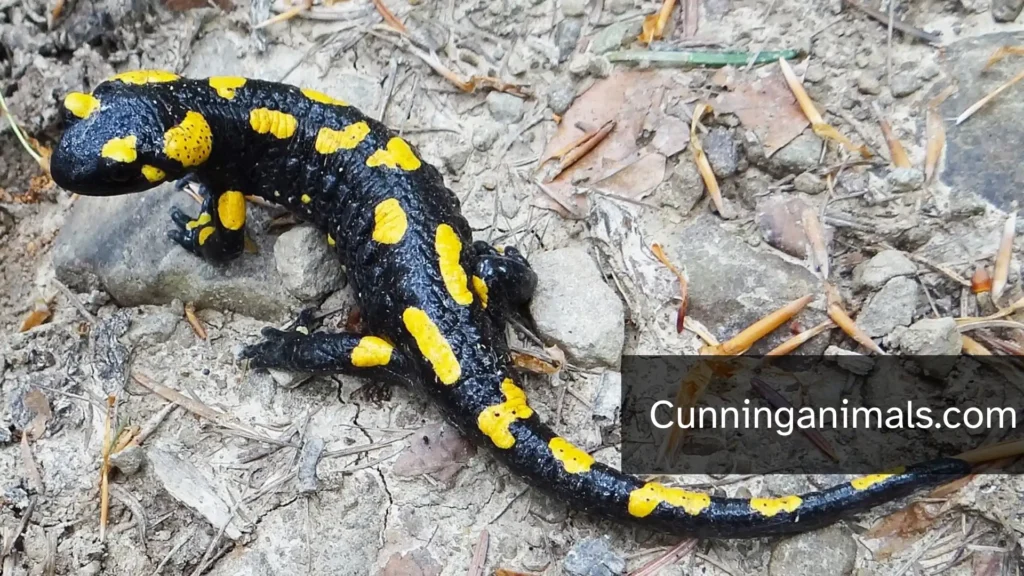
These amphibians play an essential role in controlling insect populations and serve as prey for various birds and mammals. Their presence is a clue to the richness of biodiversity supported by bog ecosystems.
Dragonfly
Scientific Name: Anisoptera
Class: Insecta
Diet: Mosquitoes, flies, and other small insects
Dragonflies are aerial predators, often found darting over the water surfaces of bogs in pursuit of their next meal. Their impressive hunting skills make them efficient at controlling mosquito populations, which benefits both humans and wildlife.
The presence of dragonflies indicates a healthy aquatic environment, as they require clean water for their larvae to thrive. Their intricate beauty and fascinating life cycle make them not only vital but also captivating inhabitants of bog ecosystems.
Mink
Scientific Name: Neovison vison
Class: Mammalia
Diet: Fish, amphibians, and small mammals
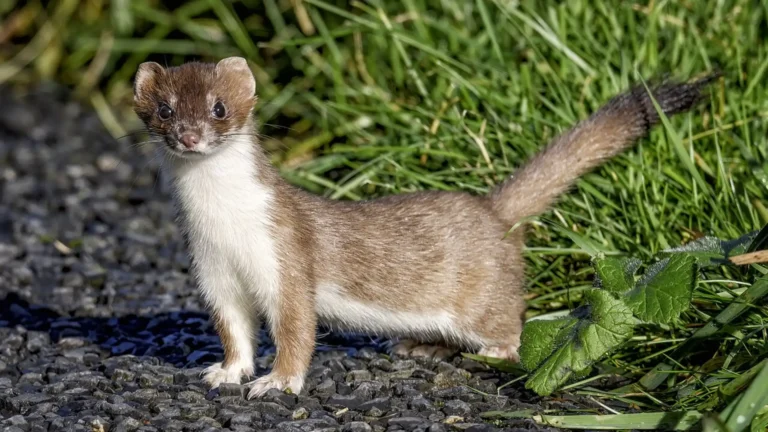
Minks are agile and semi-aquatic, frequently found in the waters of bogs, where they hunt for fish and small creatures. Their sleek fur is often sought after, but their ecological role is even more valuable, as they help control populations of prey species. As close relatives of other slender hunters, minks share several traits with animals like weasels, including their agility and carnivorous instincts.
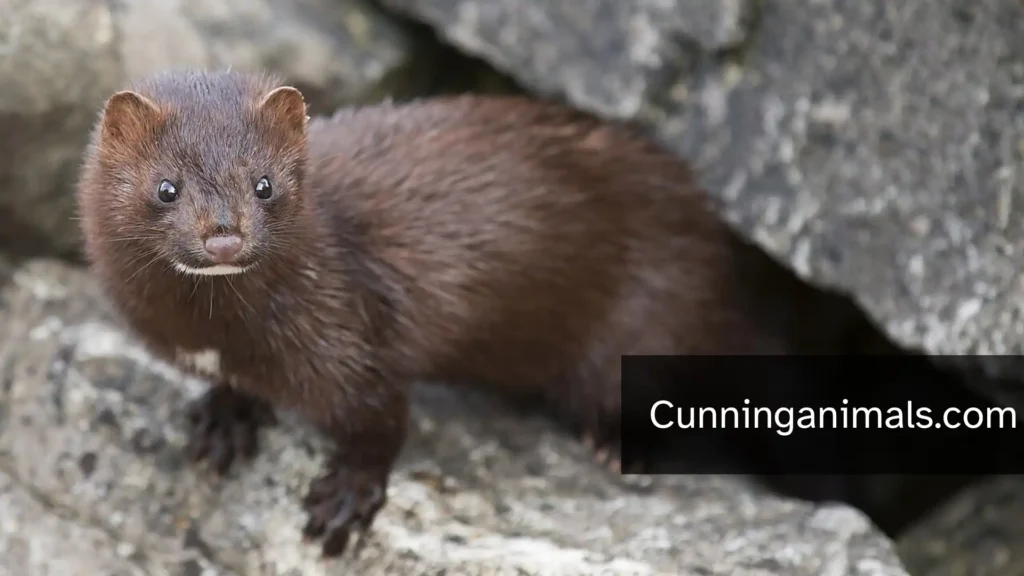
These small mammals are known for their playful nature and are crucial for maintaining the biodiversity of bog habitats. Their presence signals a balanced ecosystem, dependent on the intricate web of life the bogs support.
Great Blue Heron
Scientific Name: Ardea herodias
Class: Aves
Diet: Fish, amphibians, and small mammals
The great blue heron is a majestic sight in bogs, utilizing their keen eyesight to spot fish from great distances. Their long legs allow them to probe shallow waters, showcasing nature’s elegance in their hunting methods.
These herons are important indicators of wetland health, often nesting in flooded areas of bogs. Their role as apex predators helps regulate fish populations, highlighting their essential contribution to the ecological stability of these areas.
Wood Frog
Scientific Name: Lithobates sylvaticus
Class: Amphibia
Diet: Insects and small invertebrates
Wood frogs are uniquely adapted to survive in the cool environments of northern bogs, employing a fascinating strategy of freezing during winter hibernation. Their ability to thaw and resume activity in spring is a remarkable survival mechanism.
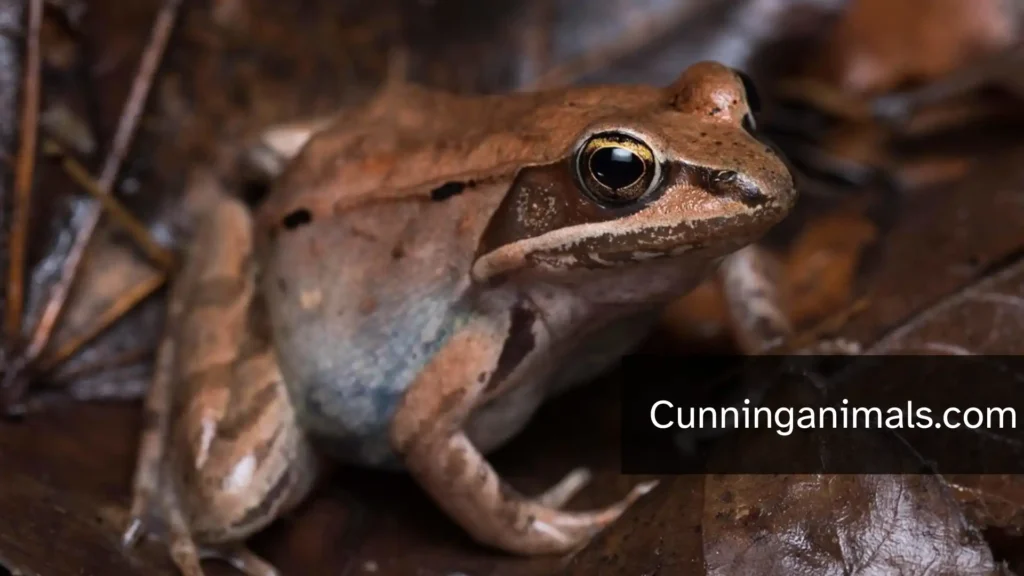
These frogs contribute to the bog’s nutrient cycles, keeping insect populations in check. Their resilience and adaptability make them a vital part of the ecological fabric of bog environments.
Common Loon
Scientific Name: Gavia immer
Class: Aves
Diet: Fish and aquatic invertebrates
The common loon is often associated with northern lakes and bogs, where they dive deep for fish and other aquatic prey. Their haunting calls resonate through these landscapes, establishing territorial claims and luring mates during the breeding season.
These birds are sensitive to environmental changes, making them an important indicator of habitat health. Their presence enhances the auditory landscape of the bog, connecting us to the primitive beauty of these ecosystems.
Water Snake
Scientific Name: Nerodia
Class: Reptilia
Diet: Fish, amphibians, and small mammals
Water snakes are commonly found coiling among the plants and reeds of bogs, where they ambush their prey. Their adaptability to both aquatic and terrestrial environments makes them efficient hunters in the diverse marshy scenes.
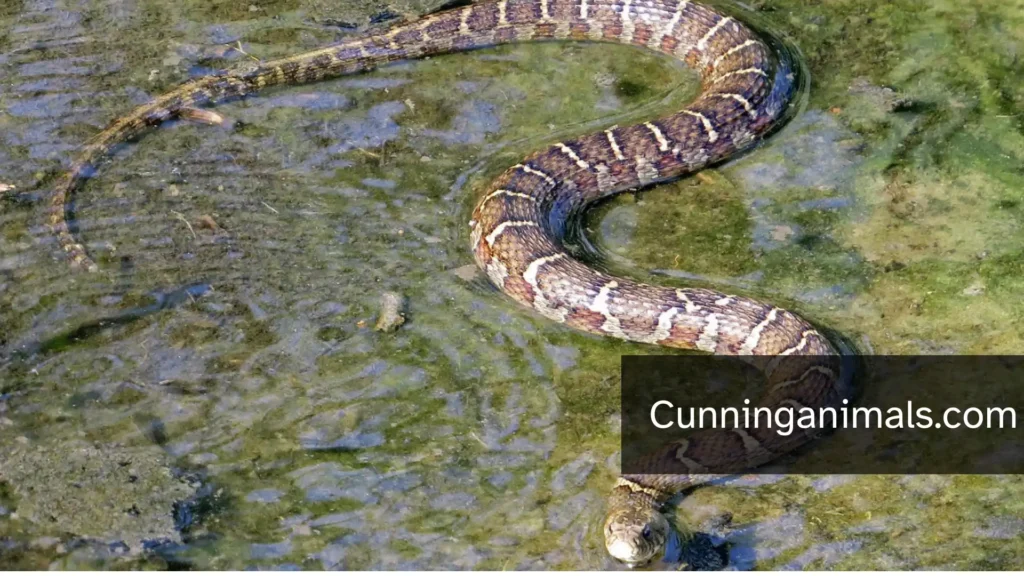
While often mistaken for venomous species, water snakes are generally harmless to humans and play a crucial role in controlling aquatic populations. They are an essential part of the bog food web, contributing to the overall ecological balance.
Amazing Facts About Animals That Live In Bogs
Animals that live in bogs have adapted to some of the most unique and challenging environments on Earth. These wetland habitats are not only home to rare plant species but also a variety of fascinating wildlife. Here are some captivating facts about them:
- Unique Breathing: Many bog-dwelling amphibians, like the bog turtle, have adapted to breathe through their skin, allowing them to thrive in low-oxygen conditions.
- Seasonal Shifts: Bogs undergo significant seasonal changes, affecting the behavior and survival strategies of animals; for instance, some migratory birds rely on these habitats during their journeys.
- Cryptic Coloration: Many insects found in bogs, such as the bog copper butterfly, have evolved cryptic coloration that helps them blend in with the mossy landscape, providing effective camouflage from predators.
- Specialized Diets: Carnivorous plants, like sundews and pitcher plants, attract and digest insects, influencing the food web and providing crucial nutrition for bog-dwelling animals.
- Life Cycle: The life cycles of many bog animals, such as the common toad, are closely synchronized with the climate and seasonality of the bog environment.
- Habitat Connectivity: Bogs serve as important corridors connecting various ecosystems, allowing species such as otters and deer to traverse landscapes while supporting biodiversity.
- Soundscapes of Bogs: The calls of frogs and the rustle of small mammals create a rich soundscape, indicating a vibrant community of animals interacting in their unique microhabitat.
- Threatened Species: Many bog-dwelling animals, including certain bird species, face threats from habitat loss and climate change, making conservation efforts vital for their survival.
- Survival Tactics: Some frogs have developed antifreeze proteins in their bodies, enabling them to survive freezing conditions during harsh winters in bogs.
Conclusion
The rich tapestry of Animals That Live In Bogs underscores the importance of these unique ecosystems. Each Bog Animal contributes to the overall biodiversity, illustrating the delicate relationships that exist within these wetland environments.
Exploring the various Animals In Bogs not only enhances our understanding of these habitats but also emphasizes the importance of conserving them. With such rich Bog Wildlife, each species plays a crucial role in maintaining ecological integrity.
FAQs
Can I Swim In A Bog?
Swimming in a bog is generally not recommended. Bogs can have deep layers of soft peat, hidden holes, unstable ground, acidic water, and dense vegetation that can make movement difficult and dangerous. It is safer to enjoy bog habitats from designated trails or viewing areas.
What Animals Live In Swamps?
Swamps support a wide range of animals, including alligators, frogs, turtles, snakes, herons, beavers, otters, fish, and insects. Their shallow water, dense vegetation, and muddy surroundings provide excellent habitat for both aquatic and land animals.
What Are 5 Animals That Live In Freshwater?
Five common freshwater animals are freshwater turtles, frogs, fish, beavers, and river otters. They depend on freshwater habitats such as rivers, lakes, ponds, marshes, and wetlands for food and survival.
What Types Of Animals Live In Bogs?
Bogs are home to many types of wildlife, including frogs, salamanders, turtles, muskrats, beavers, moose, hares, owls, snakes, and insects. These animals use bogs for food, shelter, breeding, and protection.