Top 16 Animals That Eat Rabbits (With Pictures, Facts & Hunting Habits)
Animals That Eat Rabbits can pose a risk to pet rabbits kept outdoors, but not every predator hunts the same way. Foxes may stalk prey on the ground, while hawks can strike from above.
This guide introduces 16 rabbit predators, with pictures, key facts, and details about their hunting habits to help you recognize these animals and understand how they catch their prey.
What Eats Rabbits?
Rabbits are prey for many animals, including foxes, coyotes, bobcats, weasels, and birds of prey such as hawks and owls. Which predators pose the greatest risk depends on the rabbit’s habitat and the local wildlife.
Young rabbits are especially vulnerable, while adults may escape by running quickly, hiding, or staying alert. These defenses help, but they don’t make rabbits safe from predators. Rabbits survive by staying alert and slipping away fast, and many other animals use cunning to outsmart danger too. Explore these cunning animals and the clever tricks they use to survive.
List Of Animals That Eat Rabbits
| No. | Animal | Scientific Name | Class | Diet |
| 1 | Fox | Vulpes vulpes | Mammalia | Omnivore |
| 2 | Coyote | Canis latrans | Mammalia | Omnivore |
| 3 | Bobcat | Lynx rufus | Mammalia | Carnivore |
| 4 | Great Horned Owl | Bubo virginianus | Aves | Carnivore |
| 5 | Golden Eagle | Aquila chrysaetos | Aves | Carnivore |
| 6 | Red-tailed Hawk | Buteo jamaicensis | Aves | Carnivore |
| 7 | Snake | Various species | Reptilia | Carnivore |
| 8 | Weasel | Mustela spp. | Mammalia | Carnivore |
| 9 | Badger | Taxidea taxus | Mammalia | Omnivore |
| 10 | Wolf | Canis lupus | Mammalia | Carnivore |
| 11 | Eurasian Lynx | Lynx lynx | Mammalia | Carnivore |
| 12 | Domestic Dog | Canis lupus familiaris | Mammalia | Omnivore |
| 13 | Ferret | Mustela putorius furo | Mammalia | Carnivore |
| 14 | Bear | Ursus spp. | Mammalia | Omnivore |
| 15 | Mountain Lion (Cougar) | Puma concolor | Mammalia | Carnivore |
| 16 | Domestic Cat (Feral Cat) | Felis catus | Mammalia | Carnivore |
Fox
Scientific Name: Vulpes vulpes (red fox)
Class: Mammalia
Diet: Omnivore
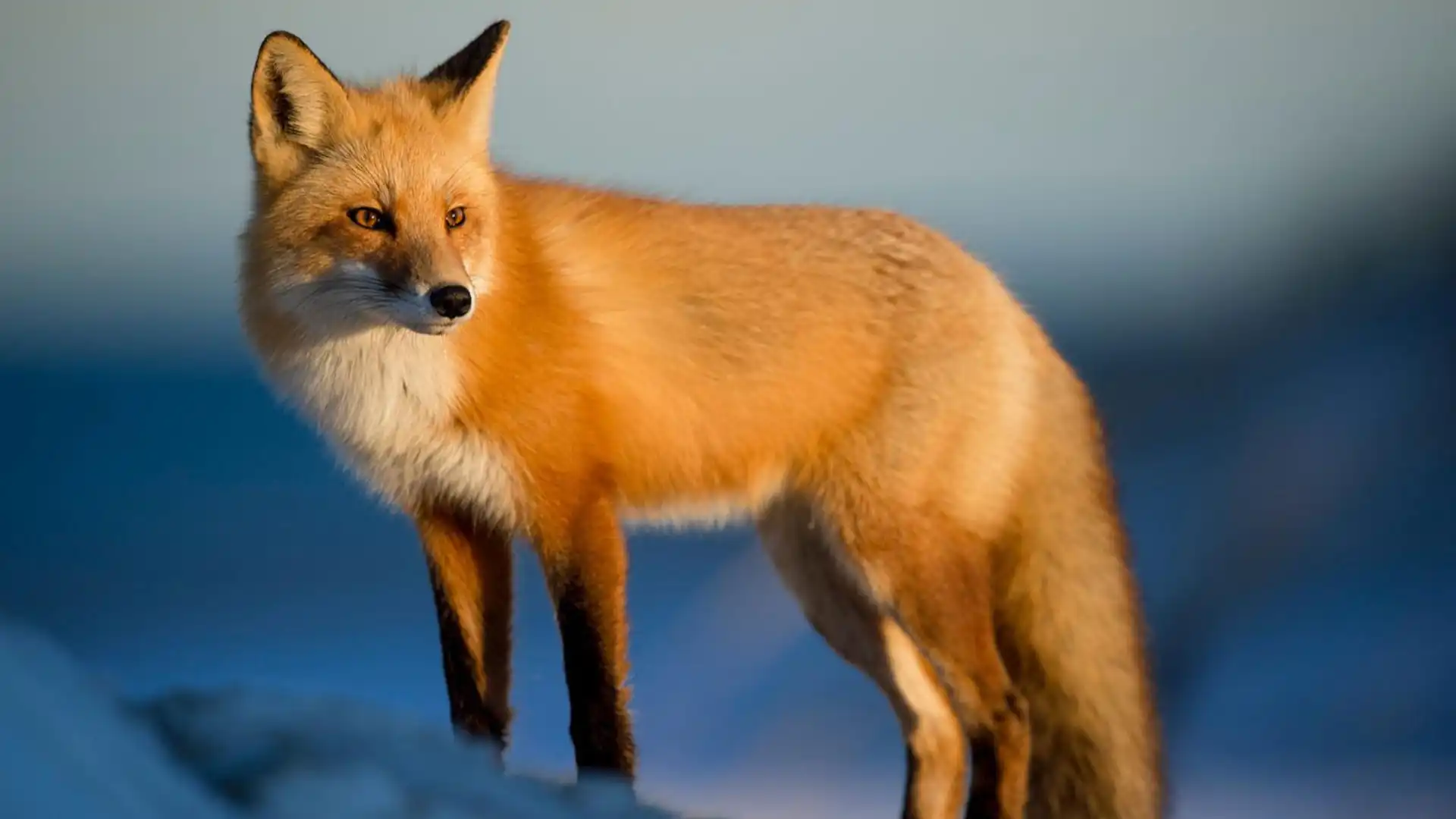
Foxes can catch rabbits, with young rabbits especially vulnerable. They also eat other small animals and plant foods, so their diet is not limited to rabbits.
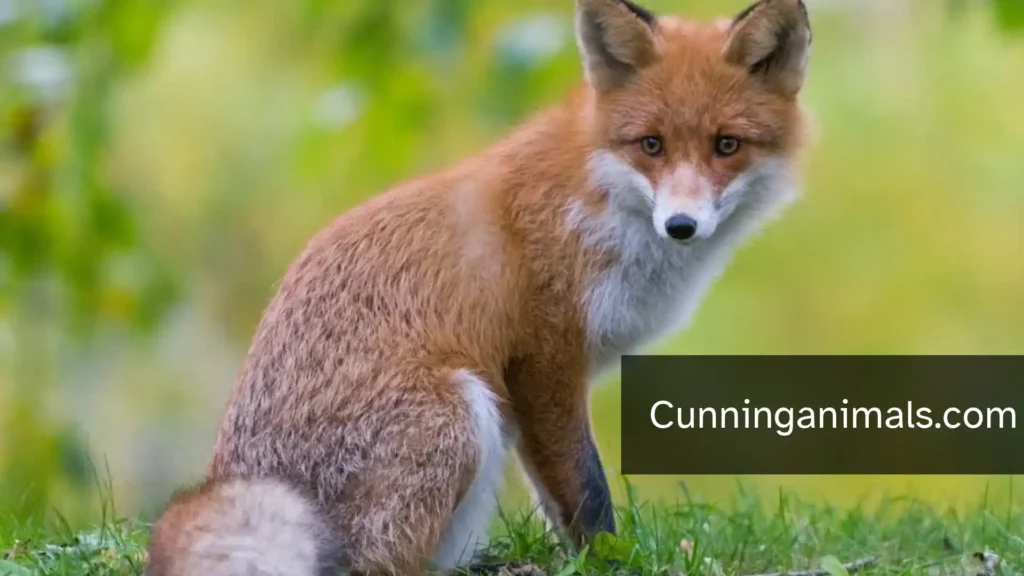
A fox often stalks quietly before pursuing prey in a quick burst. What it eats varies with the season and local food supply. Foxes are not the only clever hunters with a similar look and style. Meet more animals like foxes and see how they hunt and live.
Coyote
Scientific Name: Canis latrans
Class: Mammalia
Diet: Omnivore
Rabbits are among the small mammals coyotes may hunt. Coyotes also consume other animal and plant foods, making them flexible feeders.
They may hunt alone or, at times, with other coyotes. Local prey availability helps determine whether rabbits are a regular part of their diet.
Bobcat
Scientific Name: Lynx rufus
Class: Mammalia
Diet: Carnivore
Bobcats hunt rabbits and other animals, including small mammals and birds. Rabbits can be a useful prey source where they are common.
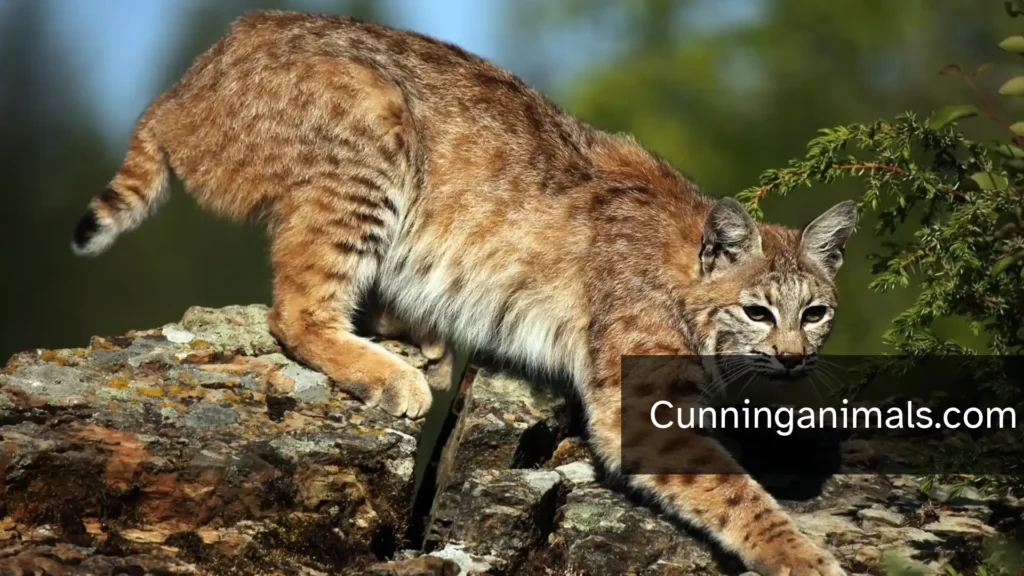
A bobcat usually gets close under cover before pouncing. Its compact build and spotted coat suit the stealthy approach it uses to hunt.
Great Horned Owl
Scientific Name: Bubo virginianus
Class: Aves
Diet: Carnivore
Great horned owls eat rabbits as well as rodents, birds, and other animals. Their prey varies with what is available and within reach.
They hunt mainly at night, using sharp hearing and vision to find prey. Their talons help them capture and hold an animal.
Golden Eagle
Scientific Name: Aquila chrysaetos
Class: Aves
Diet: Carnivore
Golden eagles may hunt rabbits and hares, along with other mammals and birds. Their prey choices depend on the habitat and local food supply.
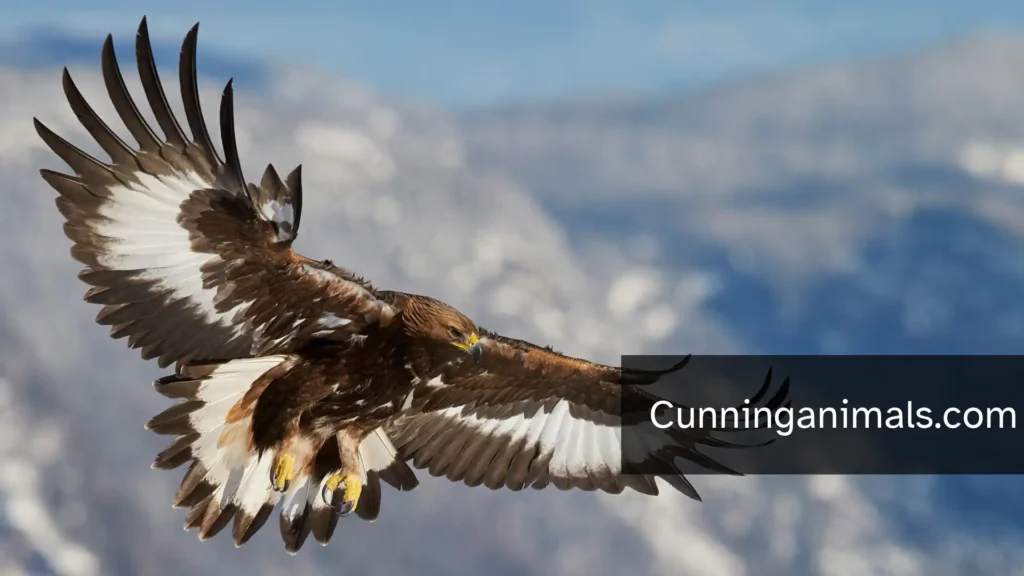
They can search from above before swooping down on prey. Strong feet and talons help them grasp what they catch.
Red-tailed Hawk
Scientific Name: Buteo jamaicensis
Class: Aves
Diet: Carnivore
Red-tailed hawks may prey on rabbits, rodents, and other small animals. They are adaptable hunters, and rabbits are only one possible food source.
They often watch from a perch or circle overhead before diving. Talons help secure prey, while the hooked beak is used to tear food. Birds of prey hunt from above with strong talons and sharp eyes. Read about the strongest birds and the power that helps them catch prey.
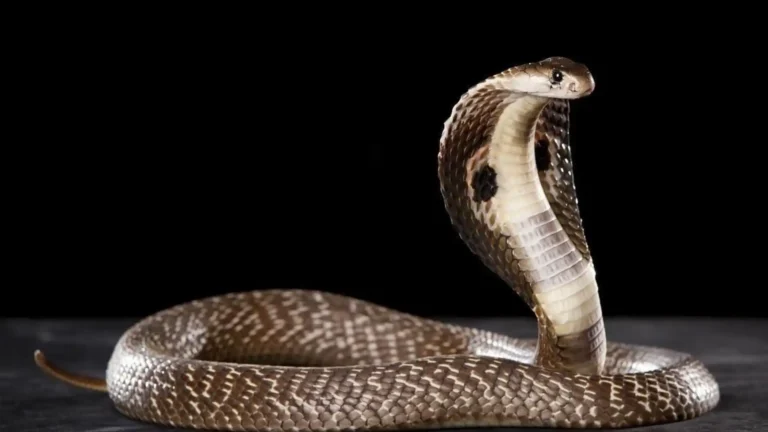
Snake
Scientific Name: Serpentes (snake suborder; species varies)
Class: Reptilia
Diet: Carnivore
Whether a snake eats rabbits depends on its species and size. Some larger snakes can take rabbits, while smaller species are limited to smaller prey.

Snakes swallow their food whole, so prey size matters. Rabbits are not a suitable meal for every snake. Snakes swallow prey whole and hunt without limbs. See more animals without legs and how they move, hunt, and survive.
Weasel
Scientific Name: Neogale frenata (long-tailed weasel)
Class: Mammalia
Diet: Carnivore
Long-tailed weasels may hunt rabbits, especially young ones, as well as rodents and other small animals. Their diet reflects the prey they can find and catch.
Weasels are agile and can pursue prey through tight spaces. Their small size shapes the kinds of animals they are able to take. Weasels are small, quick, and fearless when chasing prey. Discover other animals like weasels that share the same agile hunting style.
Badger
Scientific Name: Taxidea taxus (American badger)
Class: Mammalia
Diet: Carnivore
American badgers eat small animals and may prey on rabbits. Rodents are also part of their diet, and available prey can vary from place to place.
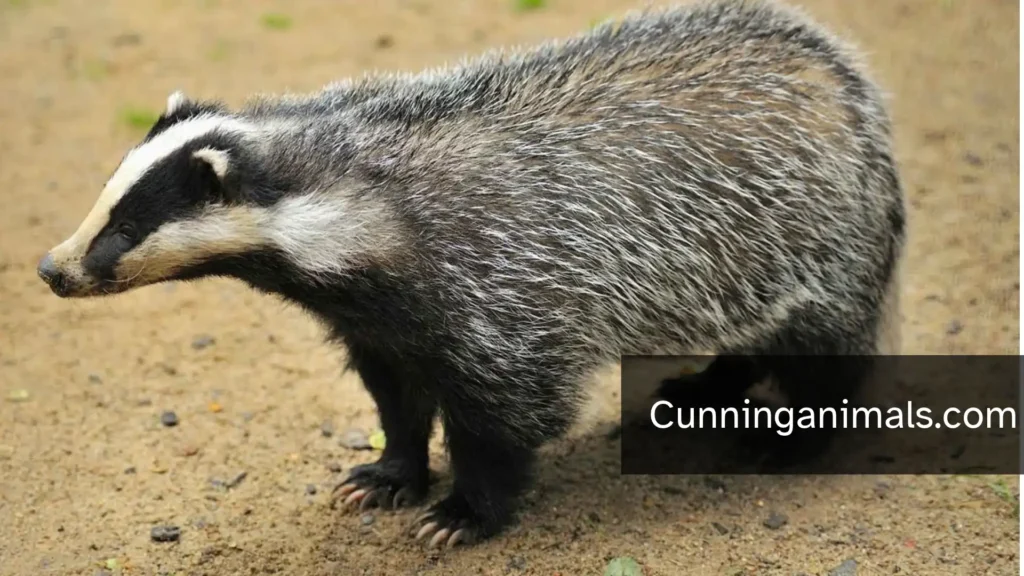
Their powerful forelimbs and claws are well suited to digging. Badgers can use them to reach prey in burrows, as well as forage above ground. Badgers dig deep to reach prey hiding underground. Find out more in this guide on are there badgers in Maine and where these diggers live.
Wolf
Scientific Name: Canis lupus
Class: Mammalia
Diet: Carnivore
Wolves may eat rabbits, though they also hunt larger prey. The mix of animals they consume depends on what is available in their region.
A rabbit is a small target compared with the larger animals wolves can pursue. Wolves’ hunting behavior changes with the type of prey they are after.
Eurasian Lynx
Scientific Name: Lynx lynx
Class: Mammalia
Diet: Carnivore
Eurasian lynx may hunt rabbits or hares where those animals are available. They also take other prey, and their diets differ across their range.
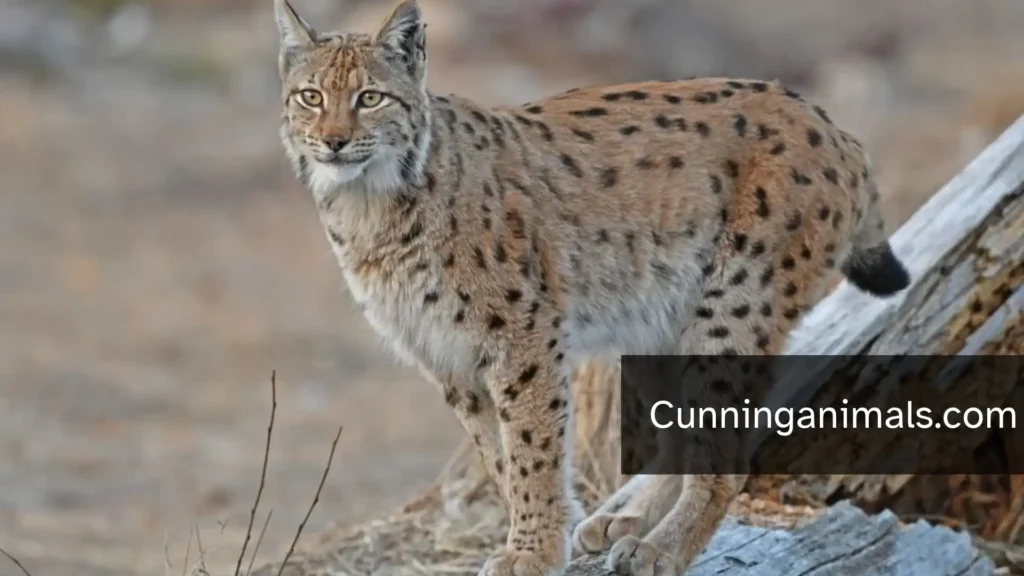
These cats rely on stealth, getting close before launching a pounce. They generally hunt alone and use cover to approach their prey.
Domestic Dog
Scientific Name: Canis lupus familiaris
Class: Mammalia
Diet: Omnivore
A domestic dog may chase or catch a rabbit, but behavior varies among individual dogs. Access to wildlife and a dog’s prey drive can affect whether it hunts.
Dogs should be supervised around rabbits and other wildlife. This helps reduce the risk of a chase or an injury to either animal.
Ferret
Scientific Name: Mustela furo
Class: Mammalia
Diet: Carnivore
Ferrets are carnivores in the weasel family and can pose a risk to rabbits. Their hunting instincts make rabbits unsuitable companions without careful separation.

Never leave a ferret alone with a rabbit. A pet setting does not remove the potential for a predator-and-prey encounter.
Bear
Scientific Name: Ursidae (bear family; species varies)
Class: Mammalia
Diet: Omnivore
A bear may eat a rabbit, but this depends on the species and circumstances. Bears consume a varied mix of plant and animal foods.
Rabbits are just one possible food and may not be a regular part of a particular bear’s diet. Local food availability influences what bears forage for.
Mountain Lion (Cougar)
Scientific Name: Puma concolor
Class: Mammalia
Diet: Carnivore
Mountain lions may catch rabbits, along with larger prey. Their diet varies according to what is available where they live.
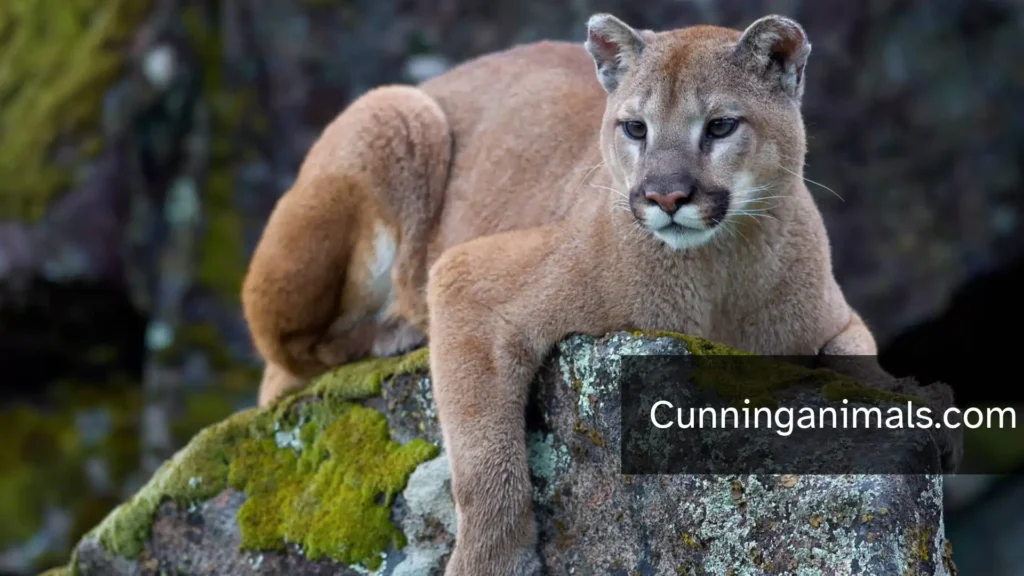
They typically stalk and ambush rather than chase over long distances. Rabbits are among the smaller animals a mountain lion can prey on.
Domestic Cat (Feral Cat)
Scientific Name: Felis catus
Class: Mammalia
Diet: Carnivore
Feral cats can hunt rabbits, particularly young ones, as well as rodents and birds. Not every cat hunts the same prey, and success varies.
Cats rely on stealth and a sudden pounce. Their presence can put rabbits at risk, especially when rabbits are small or exposed.
Interesting Facts About Rabbit Predators
Rabbit survival depends on noticing danger early and choosing the right response:
- Rabbits’ eyes sit on the sides of their heads, giving them a wide field of view.
- Their large ears can help them detect sounds from nearby predators.
- A rabbit may freeze when danger is near, using stillness and camouflage to avoid notice.
- When it bolts, a rabbit may change direction quickly to make pursuit harder.
- A powerful hind-leg thump can warn other rabbits of danger.
- Burrows offer rabbits a place to hide from many predators.
- Dense brush and other cover can help a rabbit escape an exposed area.
- Rabbits may feed near hiding places so they can retreat quickly if threatened.
Predators’ keen senses and varied hunting styles keep these survival behaviors essential.
Conclusion
The Animals That Eat Rabbits vary in size, habitat, and hunting habits, but they share one role: helping shape rabbit populations and the ecosystems around them. Knowing which predators live nearby can make rabbit activity easier to understand.
For a practical next step, check local wildlife guidance and secure vulnerable plants with fencing or other humane deterrents. Give wild animals space, and contact a licensed wildlife professional if you have a safety concern.
FAQs
What Are The Predators Of Rabbits?
Rabbits have many natural predators, including foxes, coyotes, bobcats, wolves, hawks, eagles, owls, and snakes. These animals hunt rabbits for food and help maintain balance in the natural food chain.
What Is A Rabbit’s Predator List?
Common rabbit predators include foxes, coyotes, bobcats, great horned owls, golden eagles, red-tailed hawks, weasels, snakes, and mountain lions. Some animals, such as bears and badgers, may also eat rabbits when the opportunity arises.
Do Raccoons Eat Rabbits?
Yes, raccoons can eat rabbits, especially newborn or young rabbits that are easy to catch. However, they are opportunistic omnivores and usually feed on a varied diet of fruits, insects, eggs, and small animals.
What Eats Rabbits In The Wild?
Wild rabbits are eaten by many predators, including foxes, coyotes, bobcats, wolves, hawks, eagles, owls, and large snakes. The exact predators depend on the rabbit’s habitat, location, and size.