Shocking: Can Turtles Climb? Trees, Fences, Walls & More
Surprisingly, turtles can scale various surfaces, prompting the question: Can turtles climb? With their sharp claws and muscular legs, they can navigate rough surfaces such as logs, fences, and even low walls.
Understanding this capability not only unveils their impressive physical adaptations but can also inform turtle owners about their pets’ behavior and habitat needs. Let’s explore the climbing abilities of different turtle species and what obstacles they can conquer.
Can Turtles Climb Trees?
Turtles possess some surprising capabilities when it comes to climbing, especially with the right conditions. While they are not natural climbers like some other reptiles, certain species have been observed scaling low, leaning, or even fallen trees. Such environments provide a safe platform for basking or evading predators, showcasing their adaptability in the wild.
Key to their limited climbing ability are their claws, which offer grip on textured surfaces, and their strong limbs, which provide the necessary power to push themselves upward. These adaptations enable turtles to navigate their surroundings more effectively, demonstrating a remarkable side of their behavior that many may not expect.
Why Do Turtles Climb?
Turtles are known for their leisurely lifestyle, but their climbing abilities reveal essential survival strategies. This kind of unexpected mobility isn’t unique to turtles plenty of animals that walk on two legs surprise us with movement patterns we wouldn’t expect from their body shape.They often ascend to higher ground searching for food, particularly fruits and plants that may be out of reach.
Climbing provides a strategic advantage for escaping predators and reaching nesting areas that are safer and less accessible. Turtles may need to navigate obstacles in their environment, and scaling a rock or a tree could be vital for crossing barriers.
Which Turtles Can Climb?
| Turtle | Scientific Name | Climbing Ability | Common Surface |
| Musk Turtle | Sternotherus spp. | Moderate | Logs and rough surfaces |
| Map Turtle | Graptemys spp. | Limited | Logs and sloped surfaces |
| Snapping Turtle | Chelydra serpentina | Limited | Rough banks and logs |
| Wood Turtle | Glyptemys insculpta | Good on rough terrain | Logs and rocks |
| Box Turtle | Terrapene spp. | Good | Roots, rocks, and low barriers |
| Red-eared Slider | Trachemys scripta elegans | Limited | Logs and fences |
| Painted Turtle | Chrysemys picta | Limited | Logs and low obstacles |
| Tortoises | Various species | Limited to moderate | Rough slopes and barriers |
Musk Turtle
Scientific Name: Sternotherus spp.
Climbing Ability: Moderate
Musk Turtles exhibit a moderate climbing ability, often surprising observers with their agility. While they generally prefer water and soft substrates, they can navigate uneven surfaces when needed, especially when searching for food or basking opportunities. Like many other animals that live in rivers, Musk Turtles balance time between water and land depending on what the moment demands.
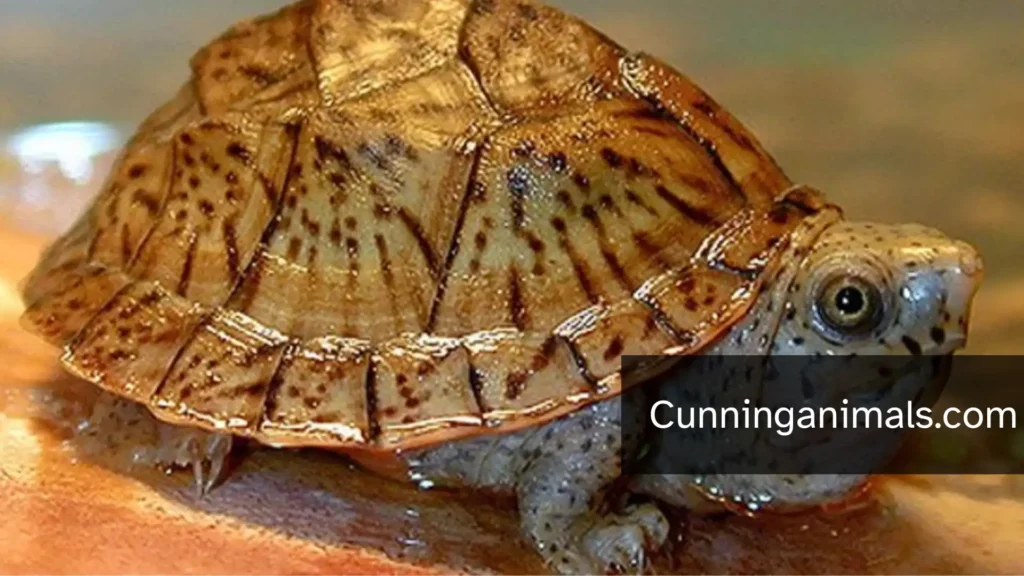
Adaptable in nature, these turtles can use their strong limbs to scale low branches or rocks near the water’s edge. This adaptability enhances their survival, allowing them access to various habitats.
Map Turtle
Scientific Name: Graptemys spp.
Climbing Ability: Limited
Map Turtles are known for their distinctive patterns and limited climbing skills. They primarily rely on flat surfaces, but will occasionally venture onto low rocks or logs to bask in the sun.
While they aren’t avid climbers, their moderate agility allows them to navigate small obstacles when necessary, particularly in their natural riverine habitats. This limited capability serves them well as they seek optimal basking spots.
Snapping Turtle
Scientific Name: Chelydra serpentina
Climbing Ability: Limited
Snapping Turtles have a limited propensity for climbing, primarily due to their size and heavy shells. While they can maneuver in shallow water and along soft banks, steep climbs are far beyond their capabilities.
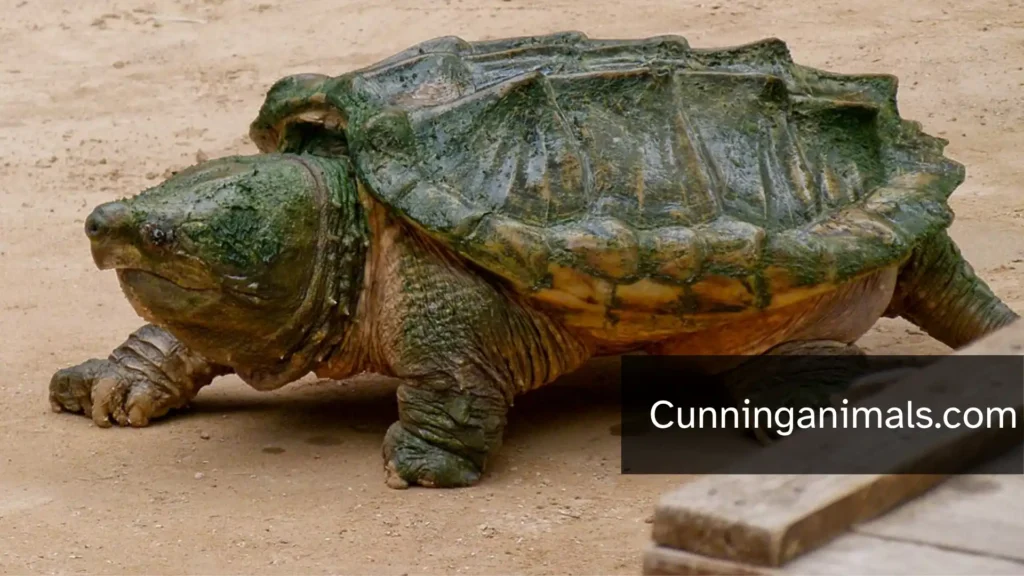
However, in scarce environments, these turtles can drag themselves over low obstacles or logs when searching for nesting areas. Yet, they remain predominantly aquatic animals, thriving more in water than on land.
Wood Turtle
Scientific Name: Glyptemys insculpta
Climbing Ability: Good on Rough Terrain
Wood Turtles excel in rough terrain, showcasing a good climbing ability that sets them apart from many other species. They skillfully navigate through hilly, forested areas, using their strong limbs to ascend inclined surfaces.
This impressive climbing skill allows them to find food like berries and insects that may be located above ground. Their adaptability to different terrains also enhances their survival, providing varied foraging opportunities.
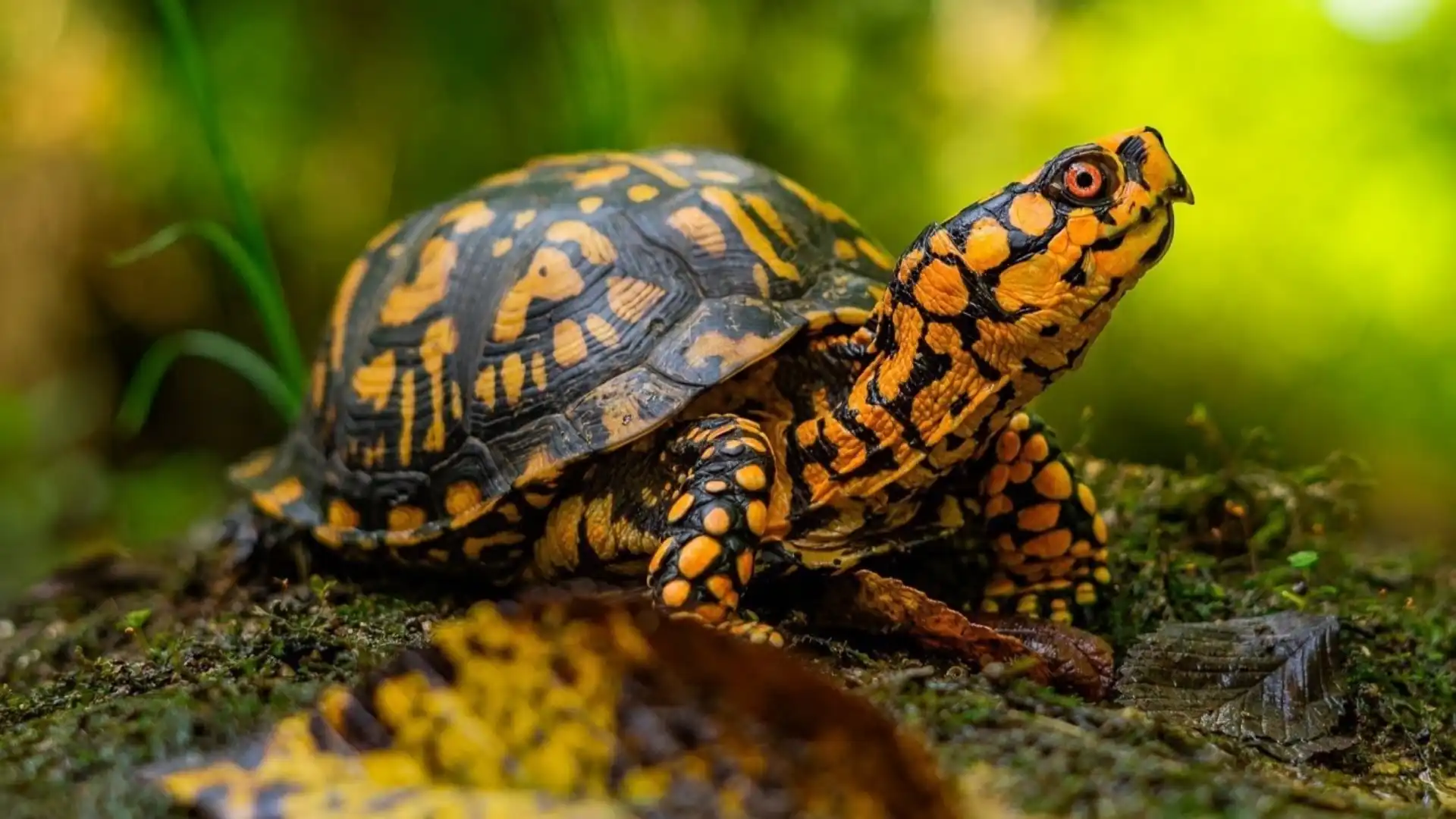
Box Turtle
Scientific Name: Terrapene spp.
Climbing Ability: Good
Box Turtles are quite adept at climbing, displaying good skills that enable them to traverse varying terrains. Their dome-shaped shells and strong limbs make them capable climbers in wooded environments.

This climbing prowess provides them access to food sources and helps them evade predators. Their ability to climb also fosters exploration, giving them a competitive edge in adapting to their habitats.
Red-eared Slider
Scientific Name: Trachemys scripta elegans
Climbing Ability: Limited
Red-eared Sliders possess limited climbing abilities, primarily opting for swimming and basking on flat surfaces. While they might navigate low logs, steep climbs or rocky terrain are not within their skill set.
These turtles are better suited for aquatic environments where they can access basking sites without needing to climb. Their focus on water allows them to thrive where climbing is less essential.
Painted Turtle
Scientific Name: Chrysemys picta
Climbing Ability: Limited
Painted Turtles are known for their vivid coloration and limited climbing skills. They thrive primarily in aquatic environments, using submerged logs or flat rocks for basking rather than engaging in significant climbing.
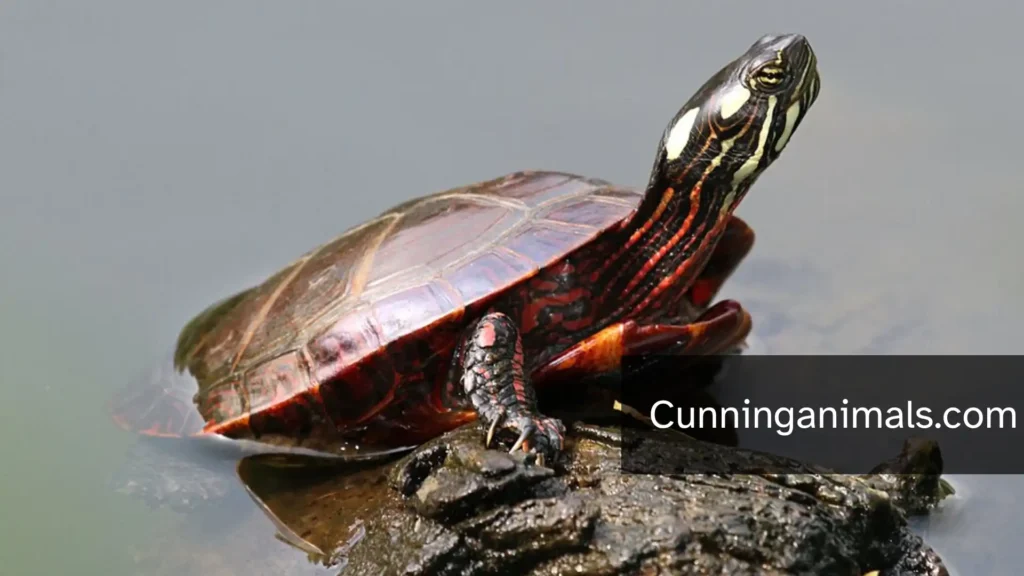
Although they can scale low obstacles, their climbing ability is restricted when compared to other terrestrial species. This makes them more reliant on water-based habitats, where they exhibit their greatest strengths.
Tortoises
Scientific Name: Various Family: Testudinidae
Climbing Ability: Limited to Moderate
Tortoises, primarily known for their robust shells and slow movement, have climbing abilities that range from limited to moderate. While they are not natural climbers, some may scale small inclines and low barriers.
Their walking adaptations often allow them to navigate uneven ground better, albeit with caution. The climbing ability varies among species, influencing their behavior and habitat preferences in diverse ecological niches.
Can Turtles Climb Fences?
Turtles are often more agile than they appear, with the ability to scale certain types of fences under the right circumstances. A chain-link fence may present a challenge, but a determined turtle can use its limbs to grasp the openings and pull itself up. Similarly, rough wooden fences can provide grip, allowing turtles to scramble over by wedging their feet into textured surfaces while navigating any gaps or corners.
Fence angles also play a crucial role; an inclined surface can assist turtles in their ascent, turning a barrier into a minor obstacle. Furthermore, logs or rocks positioned near the fence can serve as makeshift steps, giving turtles the boost they need to overcome the height. This adaptability showcases turtles’ surprising resourcefulness when it comes to exploring their environments.
Can Turtles Climb Walls?
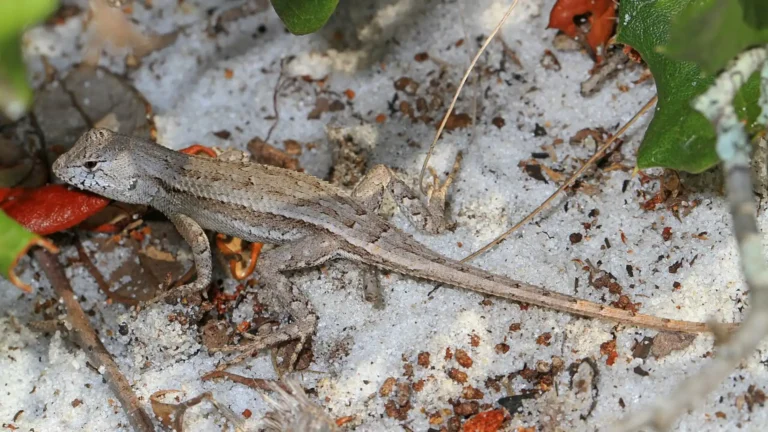
Smooth vertical walls pose a significant challenge for turtles, as their body structure is not built for such feats. It’s a sharp contrast to the climbing specialists among lizards in Florida, many of which are built specifically for scaling smooth, vertical surfaces. Textured walls, however, can facilitate climbing, offering footholds that turtles can leverage to gain height.
Occasionally, some turtles may resort to pushing or wedging themselves rather than executing a true climbing motion. This unique behavior highlights their adaptability and determination, as they look for inventive ways to navigate their surroundings. Understanding these behaviors offers us a deeper appreciation for these resilient creatures and their instinctual problem-solving skills.
Amazing Facts About Turtle Climbing
- Most turtles are not natural tree climbers.
- Rough bark gives turtles better traction.
- Some turtles can climb low, leaning trees.
- Turtles may use logs as natural ramps.
- Fence corners can provide useful footholds.
- Smooth walls are much harder for turtles to climb.
- Turtles may climb to reach sunlight.
- Some species climb obstacles while searching for food.
- Tortoises can push over surprisingly high barriers.
- Climbing can be dangerous because turtles may fall.
Conclusion
Can turtles climb? Yes, they can! Turtles utilize their sharp claws and strong legs to navigate various surfaces, including textured logs, chain-link fences, and low walls. While they face challenges scaling smooth vertical walls or straight tree trunks, many determined species are more than capable of overcoming slanted or rough obstacles.
Understanding their climbing abilities expands our appreciation for these resilient reptiles. If you’re a turtle enthusiast or considering adding one to your home, remember to create an environment that caters to their climbing instincts!
FAQs
Can Turtles Climb Trees?
Most turtles cannot climb tall, straight trees like cats or other skilled climbers. However, some species can scramble onto low, leaning, or fallen trees and logs when the surface is rough enough to provide grip.
Can Turtles Walk On Walls?
Turtles generally cannot walk up smooth vertical walls. However, they may climb textured or angled walls when cracks, rough surfaces, or other footholds give them enough traction.
Can Turtles Climb Over Fences?
Yes, some turtles can climb over low or textured fences, especially when they have claws or footholds to grip. Chain-link, rough wood, and sloped barriers are easier to climb, while smooth, vertical fences are much more difficult.
Which Animal Can’t Climb Trees?
There is no single animal that can be described as the one that “cannot climb trees,” because climbing ability varies by species and body structure. Animals such as hippos, elephants, and many large ground-dwelling animals are not adapted for climbing trees.