22 Amazing Animals With Flippers: Pictures, Facts & More
The presence of animals with flippers adds a remarkable dimension to our planet’s biodiversity, highlighting the incredible ways life has adapted to aquatic environments. Flippers animals, including sleek seals and agile sea turtles, are not only captivating to observe but also serve essential functions in their ecosystems.
In this article, we’ll introduce you to 22 amazing animals with flippers, featuring captivating photos and enlightening facts that will expand your appreciation for these unique creatures. Discover the intricacies of what animals have flippers, and learn how their adaptations allow them to thrive in diverse marine settings.
What Are Animals With Flippers?
Flippers are specialized limb structures adapted for swimming, primarily found in aquatic animals. Unlike traditional limbs, which may vary significantly in structure and function, flippers are broader and flatter, allowing for efficient movement through water.
Mammals, reptiles, and birds can all exhibit flipper-like adaptations, showcasing nature’s incredible versatility. For instance, whales and seals use their flippers to maneuver gracefully in the ocean, while sea turtles employ their flippers for powerful swimming strokes.
22 Animals With Flippers At A Glance
| Animal | Scientific Name | Class | Diet | Main Habitat |
| Humpback Whale | Megaptera novaeangliae | Mammalia | Carnivore | Oceans |
| Orca | Orcinus orca | Mammalia | Carnivore | Oceans |
| Harbor Seal | Phoca vitulina | Mammalia | Carnivore | Coastal Waters |
| Blue Whale | Balaenoptera musculus | Mammalia | Carnivore | Oceans |
| California Sea Lion | Zalophus californianus | Mammalia | Carnivore | Pacific Coast |
| Walrus | Odobenus rosmarus | Mammalia | Carnivore | Arctic |
| Bottlenose Dolphin | Tursiops truncatus | Mammalia | Carnivore | Oceans |
| Green Sea Turtle | Chelonia mydas | Reptilia | Herbivore | Tropical Oceans |
| Elephant Seal | Mirounga spp. | Mammalia | Carnivore | Marine Coasts |
| Manatee | Trichechus manatus | Mammalia | Herbivore | Warm Coastal Waters |
| Leatherback Sea Turtle | Dermochelys coriacea | Reptilia | Carnivore | Open Oceans |
| Emperor Penguin | Aptenodytes forsteri | Aves | Carnivore | Antarctica |
| Dugong | Dugong dugon | Mammalia | Herbivore | Coastal Waters |
| Dall’s Porpoise | Phocoenoides dalli | Mammalia | Carnivore | North Pacific |
| King Penguin | Aptenodytes patagonicus | Aves | Carnivore | Subantarctic |
| Leopard Seal | Hydrurga leptonyx | Mammalia | Carnivore | Antarctic |
| Kemp’s Ridley Sea Turtle | Lepidochelys kempii | Reptilia | Carnivore | Coastal Oceans |
| Sea Otter | Enhydra lutris | Mammalia | Carnivore | Coastal Waters |
| Galapagos Penguin | Spheniscus mendiculus | Aves | Carnivore | Galapagos Islands |
| Monk Seal | Monachus monachus / Neomonachus schauinslandi | Mammalia | Carnivore | Warm Coastal Waters |
| Northern Fur Seal | Callorhinus ursinus | Mammalia | Carnivore | North Pacific |
| Southern Sea Otter | Enhydra lutris nereis | Mammalia | Carnivore | California Coast |
Humpback Whale
Scientific Name: Megaptera novaeangliae
Class: Mammalia
Habitat: Oceans worldwide
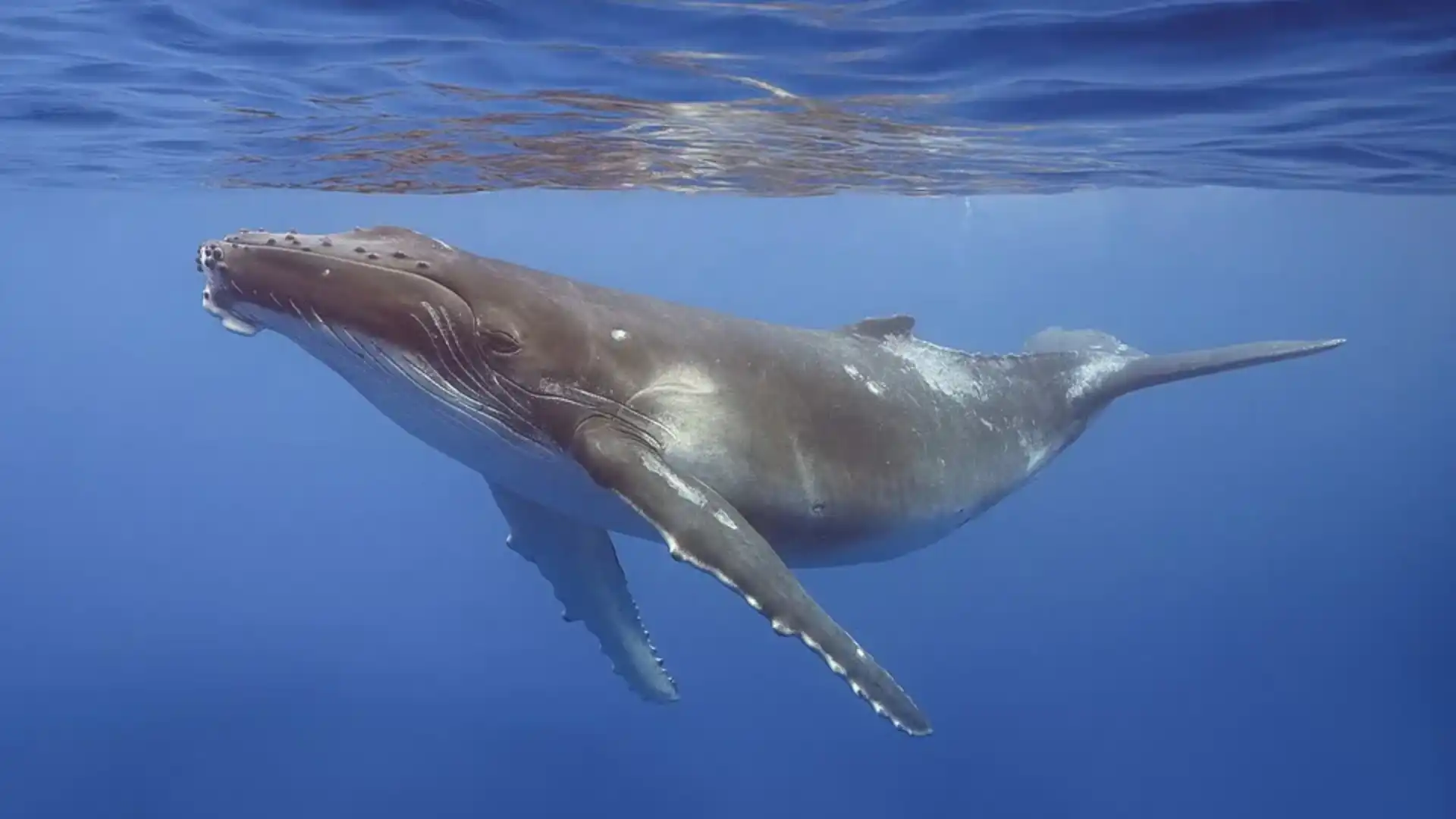
The humpback whale is a magnificent creature known for its acrobatic displays and haunting songs that resonate through the ocean depths. These gentle giants can grow up to 60 feet long and migrate thousands of miles, showcasing their incredible endurance and connection to nature. Their playful breaches and tail slaps remind us of the beauty and power of the ocean.

Their migratory patterns span from nutrient-rich feeding grounds to warm breeding waters, highlighting a remarkable journey of love and survival. Humpback whales often engage in cooperative feeding strategies, demonstrating teamwork that inspires us to work together in our own lives. This social behavior reflects the interconnectedness we share with one another, urging us to embrace compassion, much like the bonds formed among whale pods.
Orca
Scientific Name: Orcinus orca
Class: Mammalia
Habitat: Arctic and Antarctic regions, coastal waters worldwide
Orcas, often referred to as killer whales, are among the ocean’s most intelligent and social creatures. With their striking black and white coloring, they captivate our imaginations while showcasing complex family dynamics and communication skills. Their social structures, known as pods, highlight the importance of family ties and collaboration in overcoming challenges.
These remarkable animals are apex predators, exhibiting hunting strategies that emphasize teamwork and learned behaviors passed down through generations. Their presence in the ocean reminds us of the importance of unity and strength in our own communities, inspiring us to cherish our relationships and foster a sense of belonging. Through their grace and intelligence, orcas encourage us to live boldly and harmoniously with one another.
Harbor Seal
Scientific Name: Phoca vitulina
Class: Mammalia
Habitat: Coastal marine environments
Harbor seals are charming and curious marine mammals characterized by their playful nature and sleek, spotted bodies. Found in coastal waters, these seals often haul out on rocks and beaches, basking in the sun and enjoying the serenity of their surroundings. Their inquisitive expressions and lively antics invite us to appreciate the simple joys of life.
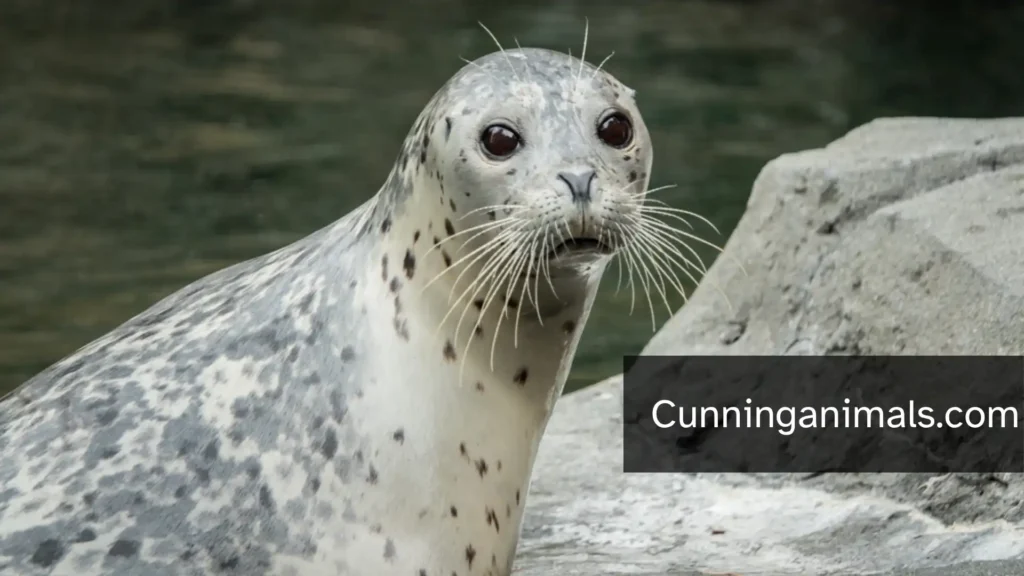
These seals are well-adapted to their environment, using their streamlined bodies to navigate the waters effortlessly. Their reliance on coastal ecosystems underscores the importance of conserving our natural habitats, reminding us that every creature plays a vital role in the ecosystem’s health. Harbor seals inspire us to take care of our environment, fostering a sense of stewardship for the beautiful world around us.
Blue Whale
Scientific Name: Balaenoptera musculus
Class: Mammalia
Habitat: Open oceans
The blue whale is the largest animal on the planet, reaching lengths of up to 100 feet and weighing as much as 200 tons. Their magnificent size and gentle nature inspire awe, revealing the grandeur of creation and the delicate balance of ocean ecosystems. As keystone species, they contribute significantly to marine health, guiding us to respect and protect our planet’s biodiversity.
These majestic beings primarily feed on tiny shrimp-like creatures called krill, showcasing the intricate connections within our food webs. Their low-frequency calls can travel vast distances, serving as a reminder that communication is fundamental in every form of life. Blue whales encourage us to listen to the whispers of nature and remind us of the vastness of our universe, nurturing a sense of wonder within our hearts.
California Sea Lion
Scientific Name: Zalophus californianus
Class: Mammalia
Habitat: Coastal regions of the western United States and Mexico
California sea lions are playful and charismatic marine mammals known for their agility and intelligence. Their lively nature often captivates beachgoers, as they bark and frolic along the coastline. With their strong social bonds, these animals reflect the joy of community and togetherness, reminding us of the importance of companionship in our lives.
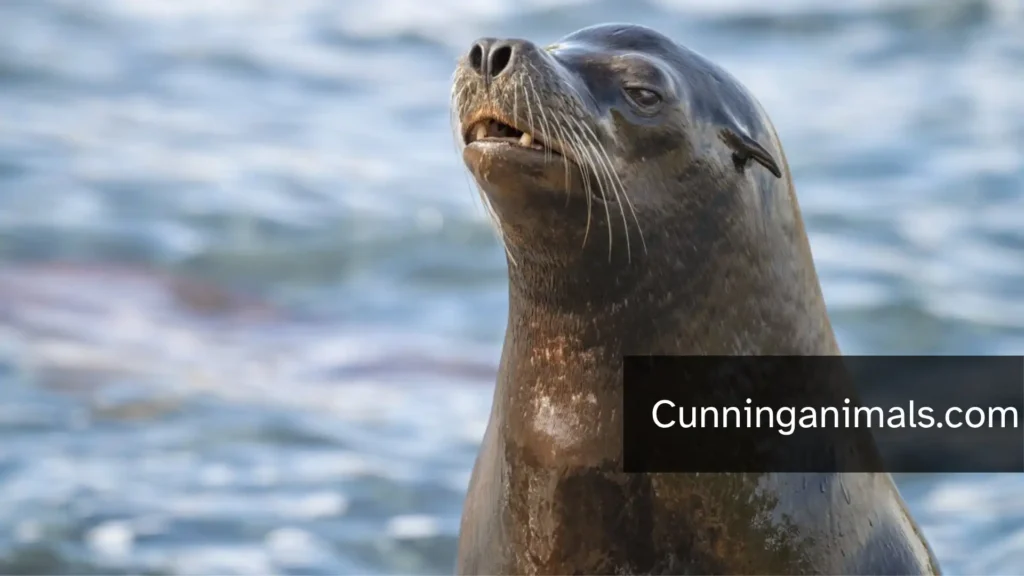
These sea lions thrive in diverse coastal habitats, where they hunt for fish and squid, showcasing their adaptability and resourcefulness. Their ability to thrive in challenging environments encourages us to embrace resilience and adaptability in our own journeys. California sea lions inspire us to celebrate life’s simpler moments, fostering a sense of joy and connection with one another.
Walrus
Scientific Name: Odobenus rosmarus
Class: Mammalia
Habitat: Arctic coastal regions
Walruses may look clumsy on land, but they’re far from the only marine animal with a reputation for muck and mess. If you’re curious which creatures top the list for messy habits, check out our guide to dirtiest animals in the world.
Walruses primarily feed on benthic organisms like clams and mollusks, showcasing their impressive digging abilities. Their dependence on sea ice has made them vulnerable to climate change, highlighting the urgent need for conservation efforts. Walruses serve as a powerful reminder of our responsibility to protect fragile ecosystems and the importance of leaving a positive impact on the world around us.
Bottlenose Dolphin
Scientific Name: Tursiops truncatus
Class: Mammalia
Habitat: Warm and temperate seas worldwide
Bottlenose dolphins are renowned for their intelligence and playfulness, often forming strong social bonds within pods. With their signature curves and rhythmic leaping, they create a delightful spectacle that enhances our connection to the ocean. These friendly creatures remind us of the power of joy and the importance of maintaining relationships that uplift us.
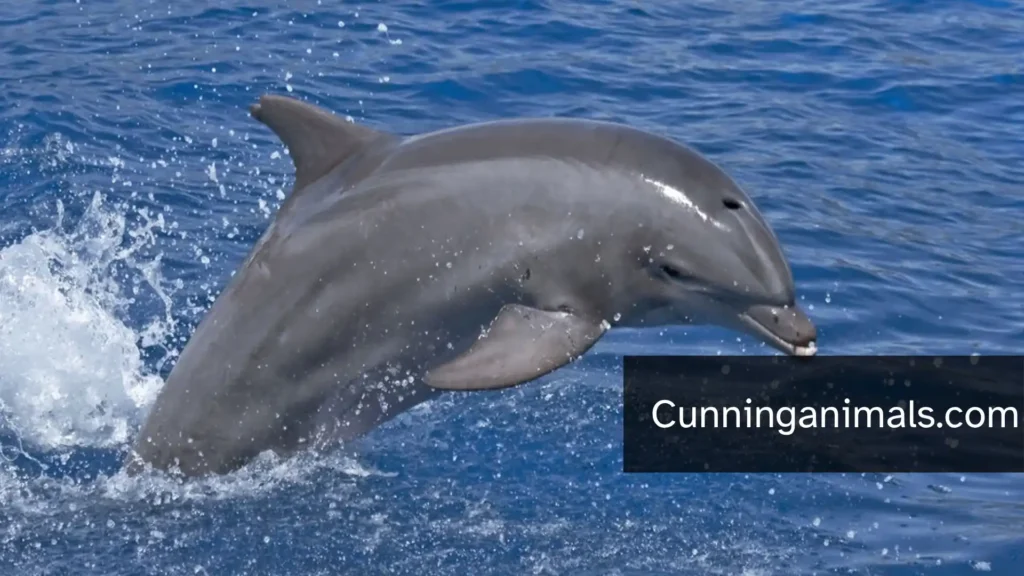
These dolphins exhibit complex communication skills, utilizing a range of clicks and whistles to coordinate their activities, showcasing deep emotional intelligence. Their empathetic nature serves as an inspiring example of how love and compassion can shape our lives. Bottlenose dolphins encourage us to foster connections with others and celebrate the beauty of shared experiences on our journeys.
Green Sea Turtle
Scientific Name: Chelonia mydas
Class: Reptilia
Habitat: Tropical and subtropical ocean waters
The green sea turtle is known for its gentle demeanor and graceful movements through the crystal-clear waters of tropical oceans. As a symbol of longevity and perseverance, these turtles often migrate thousands of miles between feeding and nesting sites, reminding us of the beauty of life’s journeys. Their serene presence encourages us to connect with nature’s rhythm and take time to appreciate the world around us.
Feeding primarily on seagrass and algae, green sea turtles play a crucial role in maintaining healthy marine ecosystems. Unfortunately, they face numerous threats, prompting a need for conscientious conservation efforts. Their tenacity amid challenges reminds us that every effort counts, inspiring us to protect the fragile oceans and the life within them.
Elephant Seal
Scientific Name: Mirounga angustirostris
Class: Mammalia
Habitat: Coastal regions of the North Pacific Ocean
Elephant seals are remarkable marine mammals, characterized by their large size and distinctive snouts, particularly in males. Their powerful presence on sandy beaches speaks to their grand nature, while their migratory behavior showcases the incredible endurance these animals possess. They exemplify the beauty of embracing life’s journey, with each migration a testament to survival and instinct.

These seals spend much of their lives in the open ocean but gather on land during breeding and molting seasons, highlighting the importance of community life. Their impressive diving abilities and time spent in the deep symbolize resilience and bravery, urging us to face our own challenges with courage. Elephant seals inspire us to honor our own journeys while advocating for the well-being of our natural world.
Manatee
Scientific Name: Trichechus manatus
Class: Mammalia
Habitat: Shallow coastal areas and rivers
Manatees, often affectionately called “sea cows,” are gentle giants that glide gracefully through warm, shallow waters. Their peaceful nature and herbivorous diet remind us of the importance of kindness and harmony in our lives. With their slow movements and curious demeanor, manatees invite us to slow down and appreciate the beauty in simplicity.
These marine mammals face various threats from habitat loss and watercraft collisions, yet their slow yet steady approach to life serves as a powerful lesson in patience and perseverance. Manatees inspire us to protect our oceans and embrace a spirit of nurturing, encouraging us to contribute positively to our environments and communities.
Leatherback Sea Turtle
Scientific Name: Dermochelys coriacea
Class: Reptilia
Habitat: Open ocean, with nesting beaches in tropical regions
The leatherback sea turtle is recognized as the largest and one of the deepest-diving turtles, with a unique leathery shell that sets it apart from other species. Their incredible migrations, spanning thousands of miles, speak to their resilience and adaptability in the vast ocean. This endurance serves as a reminder of the strength we all hold within ourselves as we navigate through life’s challenges.
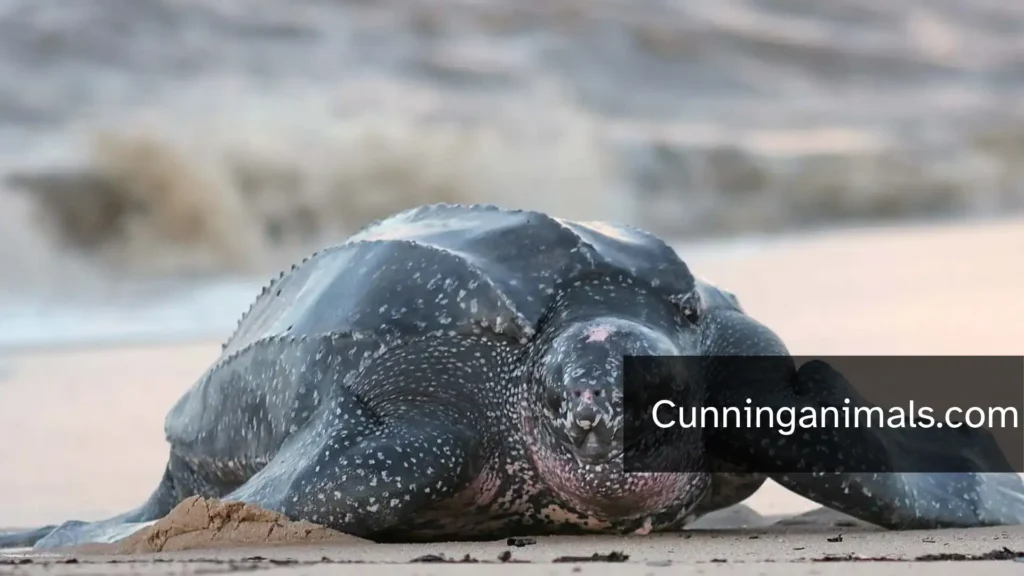
Primarily feeding on jellyfish, leatherbacks play a crucial role in maintaining the balance of marine ecosystems. As they face numerous threats, including climate change and plastic pollution, the need for conservation efforts grows stronger. Leatherback sea turtles inspire us to embrace our unique journeys while advocating for a healthier planet, urging us to be responsible stewards of the earth.
Emperor Penguin
Scientific Name: Aptenodytes forsteri
Class: Aves
Habitat: Antarctic regions
The emperor penguin reigns as the largest of all penguin species, renowned for its remarkable resilience in the harsh Antarctic climate. With their striking black and white plumage, they exemplify grace and beauty in an unforgiving environment. These penguins inspire us with their loyalty and dedication, particularly during the breeding season, when they endure extreme temperatures to protect their young.
Despite their complex huddling behavior, penguins are often grouped with less cognitively advanced species due to their instinct-driven routines. For a deeper look at creatures ranked by cognitive simplicity, browse our list of animals with the lowest IQ.
Dugong
Scientific Name: Dugong dugon
Class: Mammalia
Habitat: Warm coastal waters of the Indian and western Pacific Oceans
The dugong, affectionately known as the “sea cow,” is a gentle herbivore that grazes on seagrass in shallow coastal waters. With its elongated body and fluked tail, this marine mammal embodies tranquility as it slowly navigates its underwater world. Dugongs remind us of the importance of balance in ecosystems and the gentle yet profound impact we all have on our environment.

As a species facing numerous threats, including habitat loss and hunting, dugongs symbolize the need for conservation efforts in our oceans. Their historical significance in many cultures reflects a deep connection between people and nature, inspiring us to advocate for the protection of marine species. By cherishing these beautiful creatures, we cultivate a sense of responsibility towards our planet’s health and well-being.
Dall’s Porpoise
Scientific Name: Phocoenoides dalli
Class: Mammalia
Habitat: North Pacific Ocean
Dall’s porpoise is a lively and fast-moving marine mammal known for its playful nature and striking appearance. Frequently spotted riding the bow waves of boats, these porpoises exude a sense of joy and curiosity that captivates those who encounter them. Their enthusiastic personality serves as a reminder to embrace life with a sense of adventure.
These sociable creatures often travel in small groups, relying on strong social bonds to navigate their oceanic environment. Their swift movements and agility showcase the beauty of freedom, inspiring us to pursue our passions and connect with others who share our enthusiasm. Dall’s porpoises remind us to explore the wonders around us and cherish the connections that enrich our lives.
King Penguin
Scientific Name: Aptenodytes patagonicus
Class: Aves
Habitat: Sub-Antarctic islands
The king penguin is a majestic bird that stands out for its size and vibrant orange markings on its neck and head. Known for their striking appearance and impressive breeding colonies, these penguins epitomize grace and determination in the cold, unforgiving environment of the Southern Hemisphere. Their unique courtship rituals and parenting behaviors reflect themes of love and commitment that resonate deeply in our own lives.
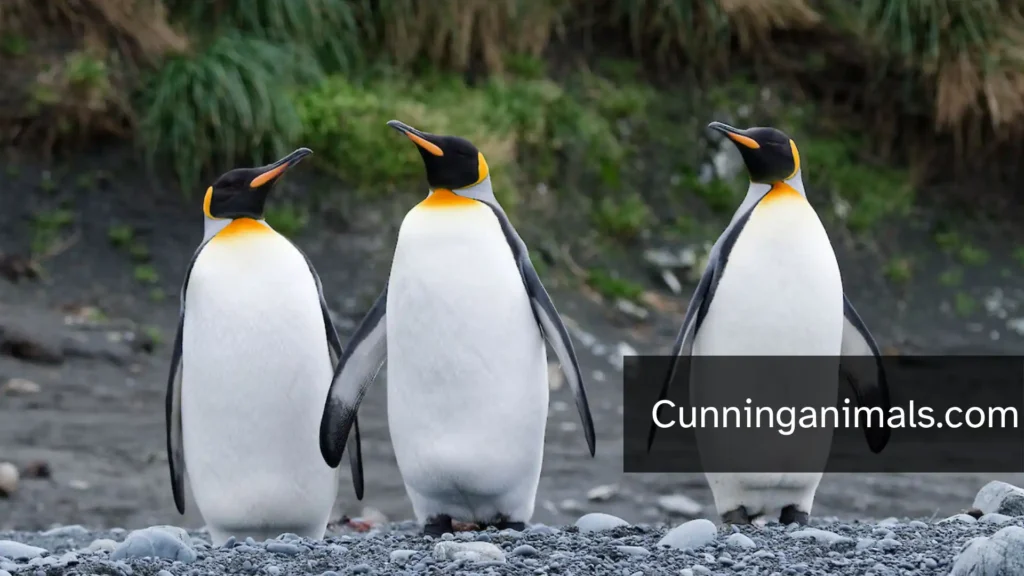
King penguins showcase remarkable resilience, as they endure harsh weather conditions while caring for their young. Their ability to thrive in challenging environments encourages us to face our own struggles with courage and perseverance. The enduring bond between king penguins serves as a heartwarming reminder of the power of love, loyalty, and support in our relationships.
Leopard Seal
Scientific Name: Hydrurga leptonyx
Class: Mammalia
Habitat: Antarctic and sub-Antarctic regions
The leopard seal is a striking predator found in the frigid waters of the Antarctic. With their spotted fur and impressive agility, these seals present a unique blend of beauty and strength. Although they can be formidable hunters, their playful nature provides a glimpse into their social dynamics, reminding us of the importance of balance in life.
Feeding primarily on penguins and krill, leopard seals play an essential role in the intricate web of the Antarctic ecosystem. Their adaptability and fierce independence inspire us to find strength within ourselves and embrace our unique journeys. As we observe their captivating behaviors, we are encouraged to appreciate the grace and balance that exists within nature and our own lives.
Kemp’s Ridley Sea Turtle
Scientific Name: Lepidochelys kempii
Class: Reptilia
Habitat: Gulf of Mexico and the Atlantic Ocean
The Kemp’s ridley sea turtle is the smallest and most endangered of all sea turtle species, known for its incredible nesting behavior called “arribada.” In this fascinating phenomenon, hundreds of turtles gather on the same beach to lay eggs, showcasing the power of community and solidarity. Their remarkable journeys to nesting sites remind us how interconnected life truly is, encouraging us to support one another in our endeavors.

These turtles primarily feed on crabs, highlighting the diversity of life within their coastal habitats. Kemp’s ridley turtles are a vital component of the marine ecosystem, serving as a reminder of our responsibility to protect endangered species. Their resilience in the face of adversity inspires us to take action and advocate for the preservation of our precious natural environments.
Sea Otter
Scientific Name: Enhydra lutris
Class: Mammalia
Habitat: Coastal coastal waters of the northern Pacific Ocean
Sea otters are known for their playful antics, often stealing shiny objects or teasing other animals just for fun. To meet more creatures with a similarly cheeky streak, see our list of mischievous animals in the world.
These remarkable creatures play an essential role in maintaining the health of kelp forest ecosystems by controlling sea urchin populations. Their impact emphasizes the interconnectedness of all marine life, encouraging us to protect our oceans and the unique species within them. Sea otters ignite a sense of wonder and joy, inspiring us to be advocates for marine conservation and embrace the beauty of teamwork.
Galapagos Penguin
Scientific Name: Spheniscus mendiculus
Class: Aves
Habitat: Galapagos Islands
The Galapagos penguin is a charming species that stands as the only penguin found north of the equator. These small, agile birds thrive in the unique ecosystems of the Galapagos Islands, where their adaptability and playful nature shine. Their existence exemplifies how life can flourish in even the most unexpected places, urging us to appreciate the beauty of diversity.
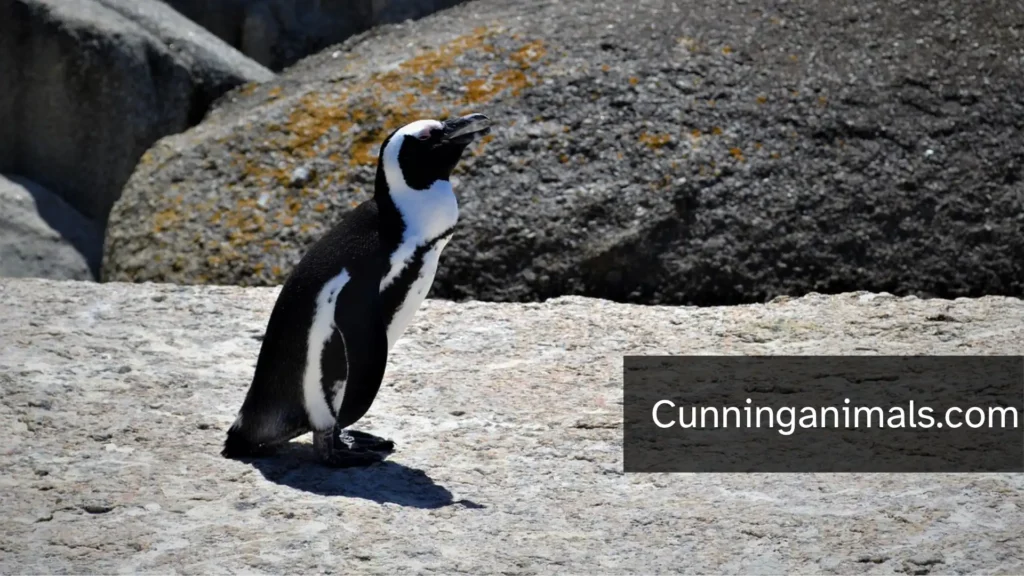
As they hunt for fish in the warm coastal waters, Galapagos penguins showcase their intelligence and social structures, often foraging in groups. Their ability to bond with their mates and care for their young mirrors the essential connections we share with others. The Galapagos penguin encourages us to embrace our individuality while celebrating the richness of our communities.
Monk Seal
Scientific Name: Neomonachus schauinslandi
Class: Mammalia
Habitat: Hawaiian Islands
The monk seal is a critically endangered species that symbolizes the resilience of life in the wild. With its distinctive rounded face and playful demeanor, this marine mammal captivates the hearts of those who encounter it. Named for its unique appearance, these seals embody the spirit of adventure and adaptability in the face of adversity.
Monk seals primarily inhabit the warm waters of the Hawaiian Islands, where they bask on sandy shores and hunt for fish. Their presence serves as a reminder of our responsibility to protect vulnerable species and guard the beauty of nature. By advocating for conservation, we honor not only the monk seal but also the delicate balance of life that sustains us all.
Northern Fur Seal
Scientific Name: Callorhinus ursinus
Class: Mammalia
Habitat: North Pacific Ocean
The northern fur seal is known for its luxurious fur and energetic behavior, thriving in the rich marine ecosystems of the North Pacific. Their playful spirit and strong social bonds make these seals a delight to observe, reminding us of the joy that comes from companionship. These seals also exemplify the importance of nurturing relationships, as they often gather in large colonies during breeding season.

These remarkable animals dive deep to hunt for fish and squid, showcasing impressive agility and skill. However, their populations have faced significant declines due to environmental changes and hunting pressures. The northern fur seal inspires us to protect not only their habitat but also our own connections, urging us to collaborate in creating a harmonious world for all living beings.
Southern Sea Otter
Scientific Name: Enhydra lutris nereis
Class: Mammalia
Habitat: California coastline
The southern sea otter is a delightful marine mammal celebrated for its playful behavior and thick, luxurious fur. As they float on their backs, cracking open shellfish with rocks, they foster a sense of wonder and joy that captures our hearts. Their playful antics and social nature remind us of the importance of community and the simple pleasures in life.
Southern sea otters play a crucial role in maintaining healthy kelp forests, as they help control sea urchin populations that can decimate these vital ecosystems. Their significance highlights the interconnectedness of life and the responsibilities we bear in protecting our environment. Through their charming presence, southern sea otters inspire us to become active stewards of our oceans, nurturing the bonds we share with nature and each other.
Interesting Facts About Animals With Flippers
Flippers are fascinating adaptations that showcase the incredible diversity of life in aquatic environments. These appendages not only facilitate movement through water but also highlight the evolutionary paths taken by different species. For instance, several creatures have developed flippers from ancient limbs or wings, proving that evolution favors solutions that optimize survival skills in various habitats.
- Flippers allow animals to maneuver with agility and speed in water.
- Penguins’ modified wings act as efficient tools for underwater navigation.
- Sea turtles utilize their broad front flippers for impressive speed and power.
- Whales rely on their flippers for maintaining balance and direction during swimming.
- Seals and sea lions exhibit variations in flipper structure, adapting to specific lifestyles.
- Certain flippered species can dive to astonishing depths, showcasing remarkable physiological adaptations.
- The shape of flippers varies significantly, reflecting each animal’s unique ecological niche.
- These appendages help conserve energy, enabling longer swims without fatigue.
Conclusion
The journey into the world of animals with flippers reveals a stunning variety of life forms perfectly adapted to their oceanic surroundings. From the sleek body of a dolphin to the robust presence of a walrus, each species provides a glimpse into the wonders of evolution in aquatic environments.
These fascinating animals not only enrich our planet’s biodiversity but also serve as indicators of the health of our oceans. Understanding the lives of these flippered creatures is essential for promoting awareness and conservation efforts.
FAQS
What Animal Has Flippers?
Animals with flippers include seals, sea lions, walruses, dolphins, whales, and sea turtles. Flippers help these animals swim, steer, and move efficiently through water.
What Are 10 Examples Of Mammals?
Ten examples of mammals are dogs, cats, elephants, lions, tigers, horses, cows, dolphins, whales, and bats. Mammals are warm-blooded animals that generally have hair or fur and feed their young with milk.
Do Turtles Have Fins Or Flippers?
Sea turtles have flippers, not fins. Their front flippers help them swim through the ocean, while their back flippers help with steering and movement.
Which Birds Have Flippers?
Penguins are the main birds with flipper-like wings. Their wings have evolved into strong, flattened flippers that help them swim underwater.
Do penguins Have Flippers Or Wings?
Penguins technically have wings, but their wings have evolved into flipper-like structures. These flippers are specially adapted for swimming rather than flying.