Top 18 Animals Like Groundhogs (With Pictures, Facts & Key Differences
Animals Like Groundhogs are often found burrowing in backyards and fields, and they captivate us with their quirky behaviors. These delightful creatures share traits with various other species, showcasing similar physical features and habits.
By exploring these animals that look like groundhogs, you’ll gain insights into their ecological roles and behaviors. This article will delve into 18 remarkable species, highlighting their distinct characteristics as well as the key differences that set them apart from the beloved groundhog.
What Animals Look Like Groundhogs?
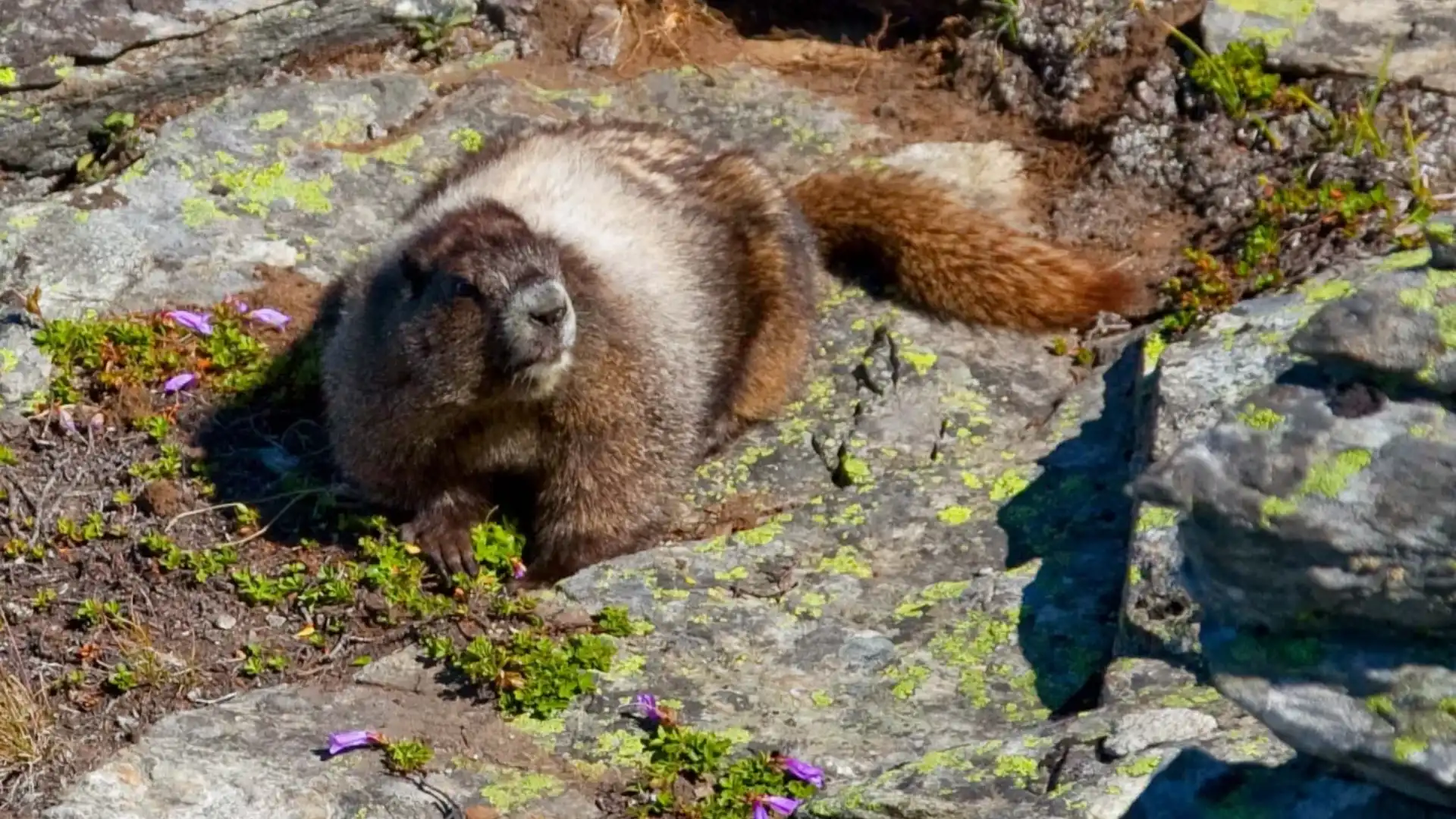
Animals that look like groundhogs often share similar physical characteristics, which can create confusion for nature enthusiasts. Marmots, for instance, are larger relatives of groundhogs and sport a robust body with short legs and a broad face.
It’s important to note that similarities in appearance don’t necessarily indicate close genetic relationships among these animals. Mammals like beavers, while entirely different in behavior and ecology, can occasionally be mistaken for groundhogs due to their stout bodies and similar sizes.
Top 18 Animals Like Groundhogs
| No. | Animal Name | Scientific Name | Class | Diet |
| 1 | Marmot | Marmota spp. | Mammalia | Herbivorous |
| 2 | Prairie Dog | Cynomys spp. | Mammalia | Herbivorous |
| 3 | Ground Squirrel | Urocitellus spp. | Mammalia | Omnivorous |
| 4 | Gopher | Geomys spp. | Mammalia | Herbivorous |
| 5 | Chipmunk | Tamias spp. | Mammalia | Omnivorous |
| 6 | Beaver | Castor canadensis | Mammalia | Herbivorous |
| 7 | Muskrat | Ondatra zibethicus | Mammalia | Mainly Herbivorous |
| 8 | Nutria (Coypu) | Myocastor coypus | Mammalia | Herbivorous |
| 9 | Capybara | Hydrochoerus hydrochaeris | Mammalia | Herbivorous |
| 10 | Pika | Ochotona spp. | Mammalia | Herbivorous |
| 11 | Vole | Microtus spp. | Mammalia | Herbivorous |
| 12 | Rock Hyrax | Procavia capensis | Mammalia | Herbivorous |
| 13 | Wombat | Vombatus ursinus | Mammalia | Herbivorous |
| 14 | Badger | Taxidea taxus | Mammalia | Omnivorous |
| 15 | Rabbit | Oryctolagus cuniculus | Mammalia | Herbivorous |
| 16 | Alpine Marmot | Marmota marmota | Mammalia | Herbivorous |
| 17 | American Pika | Ochotona princeps | Mammalia | Herbivorous |
| 18 | Squirrel | Sciurus spp. | Mammalia | Omnivorous |
Marmot
Scientific Name: Marmota spp.
Class: Mammalia
Diet: Herbivorous
Marmots, akin to groundhogs, are social rodents that often inhabit mountainous regions. Living in family units, they use complex burrow systems to stay safe from predators and harsh weather. Their vocalizations, especially the alarm calls, create a lively atmosphere in their natural habitats.
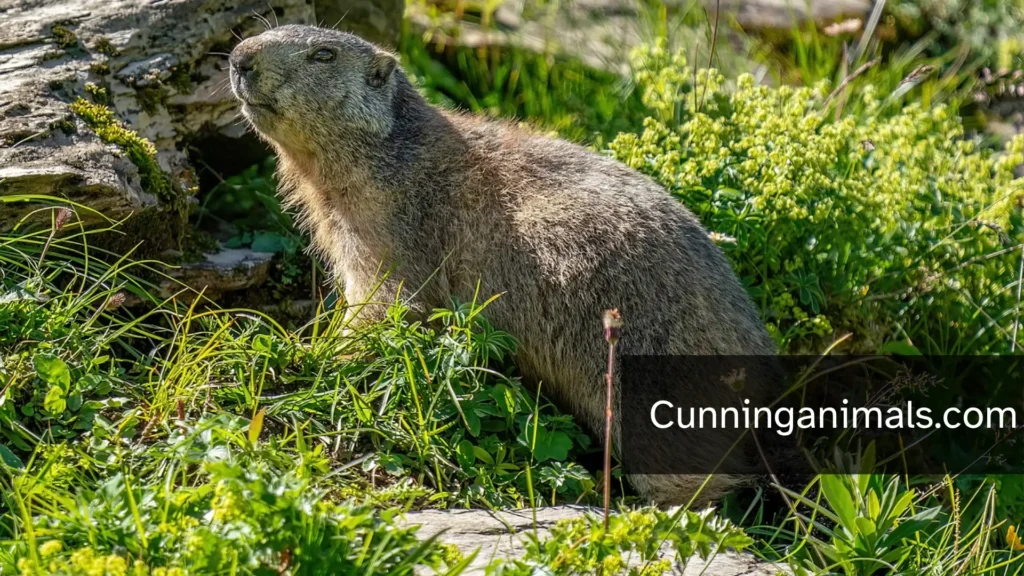
Feeding primarily on grasses, herbs, and flowers, marmots are known to gorge during summer to build fat reserves ahead of hibernation. This strategy not only sustains them through winter but also contributes to their ecological role as seed dispersers in alpine ecosystems.
Prairie Dog
Scientific Name: Cynomys spp.
Class: Mammalia
Diet: Herbivorous
Prairie dogs, social creatures found in the grasslands of North America, live in expansive colonies that can be likened to bustling cities of the animal kingdom. Their intricate burrow systems are not only a refuge but also a habitat for various other species, making them keystone species in their ecosystem.
Like many animals that live in groups, prairie dogs rely on close social bonds and communication to survive. Their colony structure mirrors this cooperative lifestyle seen across the animal kingdom.
These animals are primarily grazers, munching on grasses and herbs while maintaining the health of the prairie ecosystem. Their unique vocalizations serve as communication tools for alerting their peers to potential threats or predators, showcasing an impressive level of social structure.
Ground Squirrel
Scientific Name: Urocitellus spp.
Class: Mammalia
Diet: Herbivorous
Ground squirrels closely resemble groundhogs in both behavior and habitat preference, often found in grasslands and scrub areas. They live in colonies and communicate with sophisticated alarm calls, ensuring members can navigate threats efficiently.
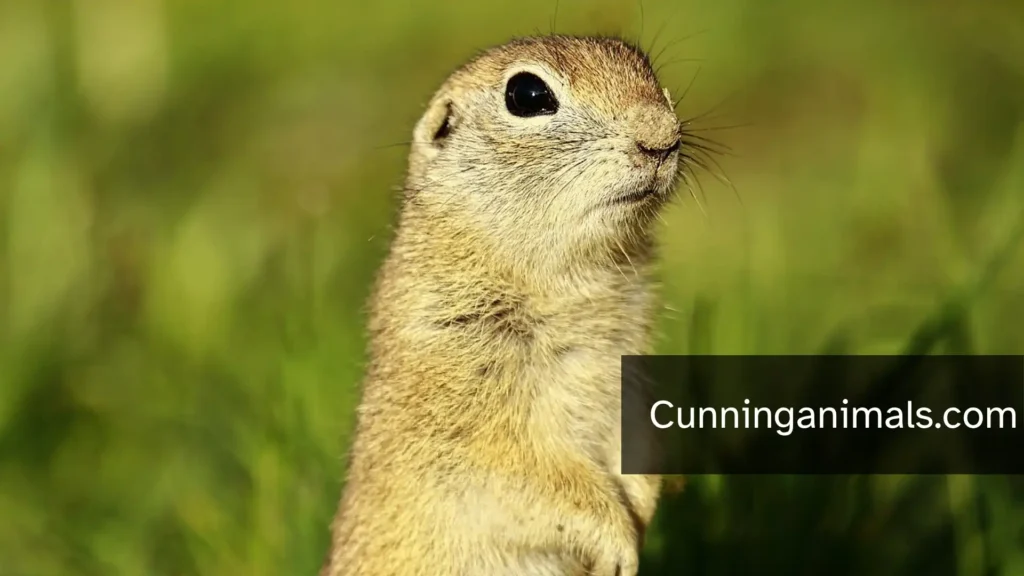
Their diet consists mainly of seeds, nuts, and vegetation, helping maintain the balance of their ecosystems. Ground squirrels, like many burrowing animals, also play a critical role in aerating the soil as they dig extensive tunnel systems.
Gopher
Scientific Name: Geomys spp.
Class: Mammalia
Diet: Herbivorous
Gophers are fascinating burrowing rodents that share a similar ecological niche with groundhogs. Renowned for their strong forelimbs and large claws, they create intricate tunnel networks underground, shifting soil and significantly altering their environment.
Feeding on roots, tubers, and herbs, gophers play an essential role in soil aeration. Their foraging habits can influence plant health, making them vital contributors to local biodiversity and plant community dynamics.
Chipmunk
Scientific Name: Tamias spp.
Class: Mammalia
Diet: Omnivorous
Chipmunks, though smaller than groundhogs, share the same penchant for living in burrows and foraging for food. With their distinctive stripes and lively antics, they often attract human fascination, embodying the charm of woodland critters.
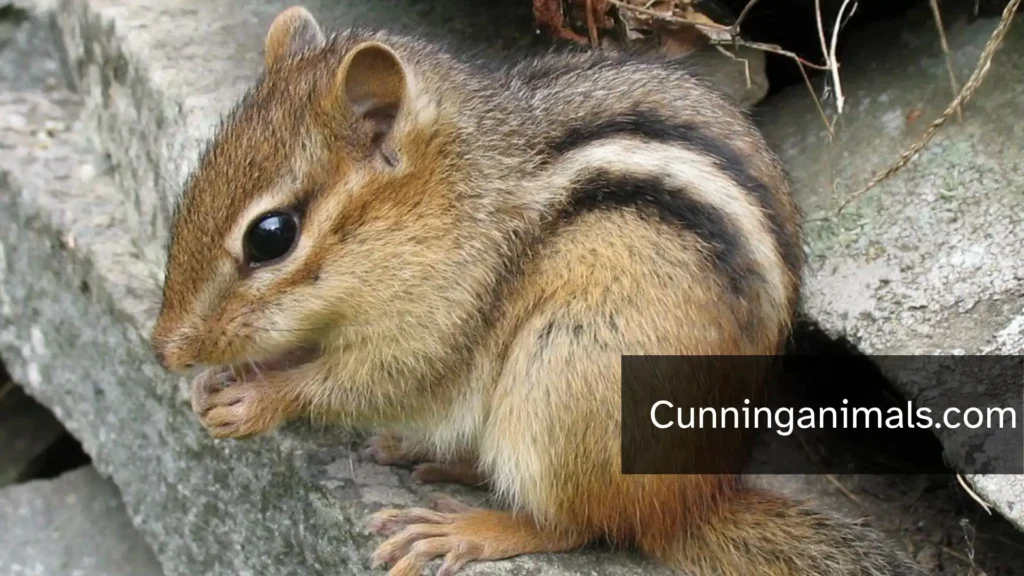
These energetic rodents primarily eat nuts, seeds, and fruits, storing surplus food in their cheek pouches for later consumption. Their foraging not only aids their survival but also supports the growth of various plants by facilitating seed dispersal.
Beaver
Scientific Name: Castor canadensis
Class: Mammalia
Diet: Herbivorous
Beavers are remarkable builders that shape their environments uniquely. Their ability to fell trees and construct dams creates ponds that serve as habitats for various organisms, paralleling the ecosystem contributions made by groundhogs.
Primarily herbivorous, beavers feed on the bark and cambium of trees as well as aquatic plants. This diet not only sustains them but also promotes the growth of new plant life by preventing overgrowth in their habitats.
Muskrat
Scientific Name: Ondatra zibethicus
Class: Mammalia
Diet: Herbivorous
Muskrats thrive in wetland environments, displaying similar burrowing habits to groundhogs. Often found in marshes and along riverbanks, they have adapted to an aquatic lifestyle, building lodges from reeds and mud.
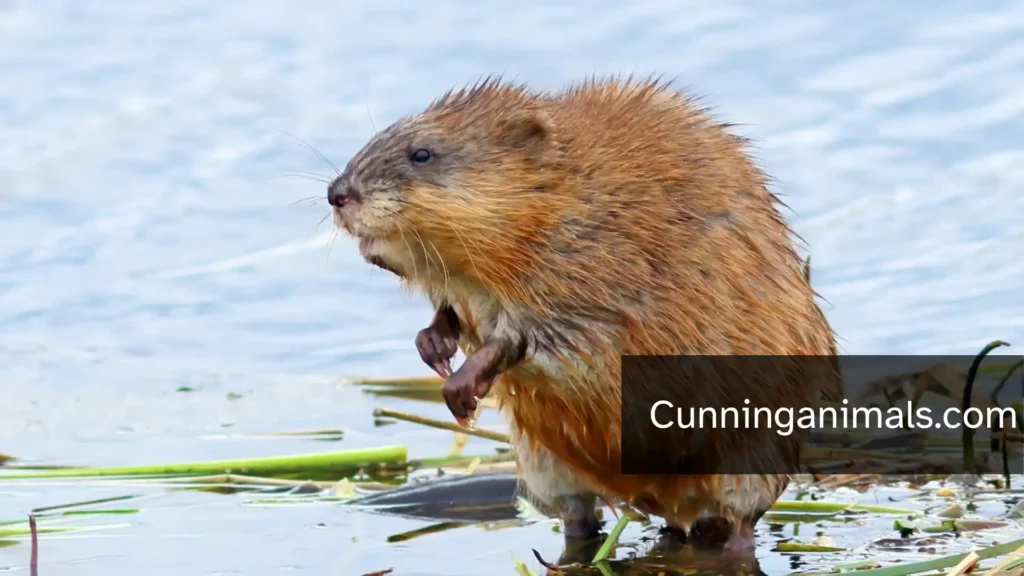
Muskrats are among the many animals that live in bogs, thriving in marshy, wetland habitats.
Their adaptations for aquatic life set them apart from typical burrowers.
Their diet, consisting of aquatic plants and roots, showcases their dual role as herbivores and ecosystem engineers. By feeding on vegetation, muskrats help maintain waterway health, making them critical players in wetland ecosystems.
Nutria (Coypu)
Scientific Name: Myocastor coypus
Class: Mammalia
Diet: Herbivorous
Nutria, known for their distinctive whiskers and webbed feet, are semi-aquatic rodents often found in wetlands. Their burrowing habits and preference for marshy areas make them quite similar to groundhogs in lifestyle.
Feeding primarily on marsh vegetation, these animals can have significant impacts on their environments. While they contribute to seed dispersal, they can also negatively affect wetland health if populations become unchecked.
Capybara
Scientific Name: Hydrochoerus hydrochaeris
Class: Mammalia
Diet: Herbivorous
Capybaras, the largest rodents in the world, share sociable traits with groundhogs and revel in group living. These gentle giants often inhabit savannas and dense forests near water bodies, creating a safe environment from predators.
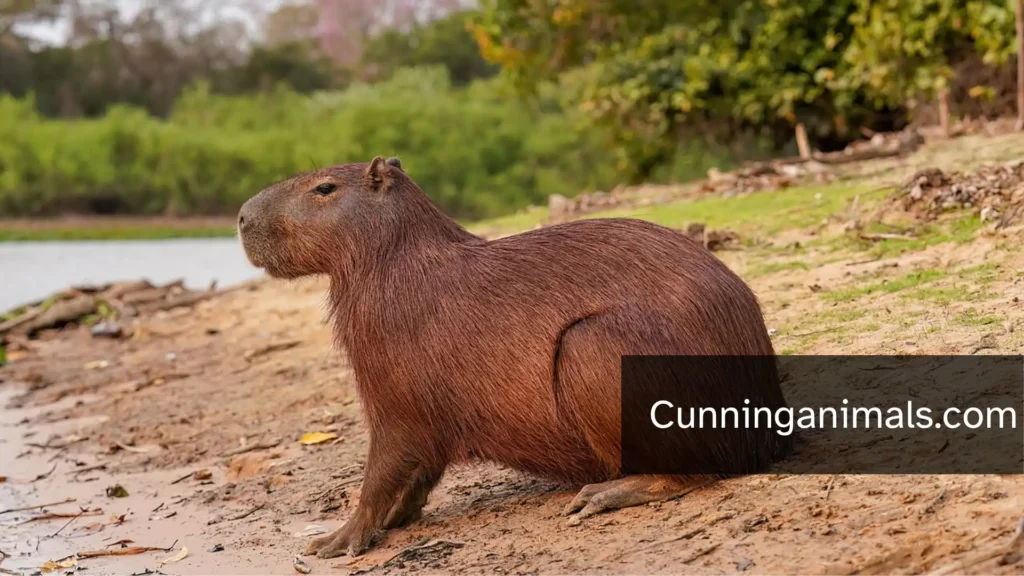
Their diet primarily consists of grasses and aquatic plants, and as they graze, they promote the growth of diverse plant species, thus enhancing their ecosystems. Their relaxed demeanor and social behavior make them fascinating subjects for wildlife enthusiasts.
Pika
Scientific Name: Ochotona spp.
Class: Mammalia
Diet: Herbivorous
Pikas are small, alpine mammals that prefer rocky habitats, similar to groundhogs that occupy mountainous areas. Their distinctive calls echo through their habitats, providing a lively backdrop to mountainous terrains.
Feeding on a variety of vegetation, including grasses and flowers, pikas have a unique habit of stockpiling food for the winter months. This behavior not only supports their survival but also ensures the dispersal of plant seeds in their ecosystems.
Vole
Scientific Name: Microtus spp.
Class: Mammalia
Diet: Herbivorous
Voles, small and stocky rodents, mirror groundhog traits with their burrowing and herbivorous lifestyles. Known for their prolific reproductive behavior, voles often form large colonies that can have substantial impacts on their environments.
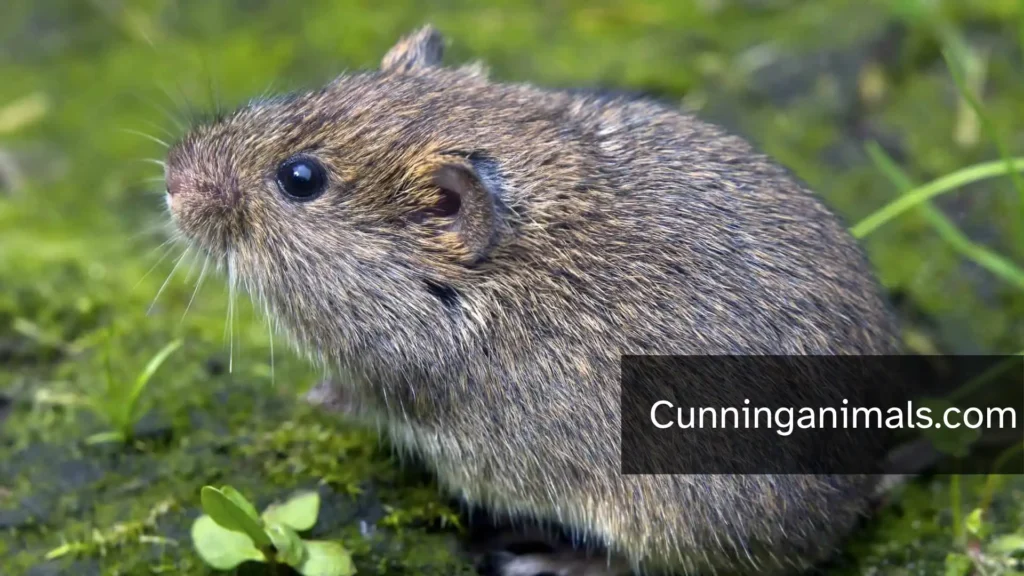
Primarily feeding on grasses, roots, and seeds, voles play a vital role in soil aeration and nutrient cycling. Their foraging habits also provide food resources for various predators, embedding them in the food web.
Rock Hyrax
Scientific Name: Procavia capensis
Class: Mammalia
Diet: Herbivorous
Despite looking like oversized guinea pigs, rock hyraxes have more in common with elephants than they do with rodents. These small mammals inhabit rocky outcrops and are often seen sunbathing, creating striking images in their natural habitats.
Their diet consists of leaves, fruits, and grasses, making them critical herbivores in their ecosystems. Socially, they live in groups, employing alarm calls to warn each other of potential dangers, emphasizing their community-oriented lifestyle.
Wombat
Scientific Name: Vombatus ursinus
Class: Mammalia
Diet: Herbivorous
Wombats are stout, burrowing marsupials from Australia, sharing a burrowing instinct with groundhogs. Their impressive digging capabilities create extensive burrow systems, impacting the ecosystem structure around them. Despite their strength, wombats are actually among the mammals that cannot jump. They rely on digging and burrowing instead of leaping to stay safe.
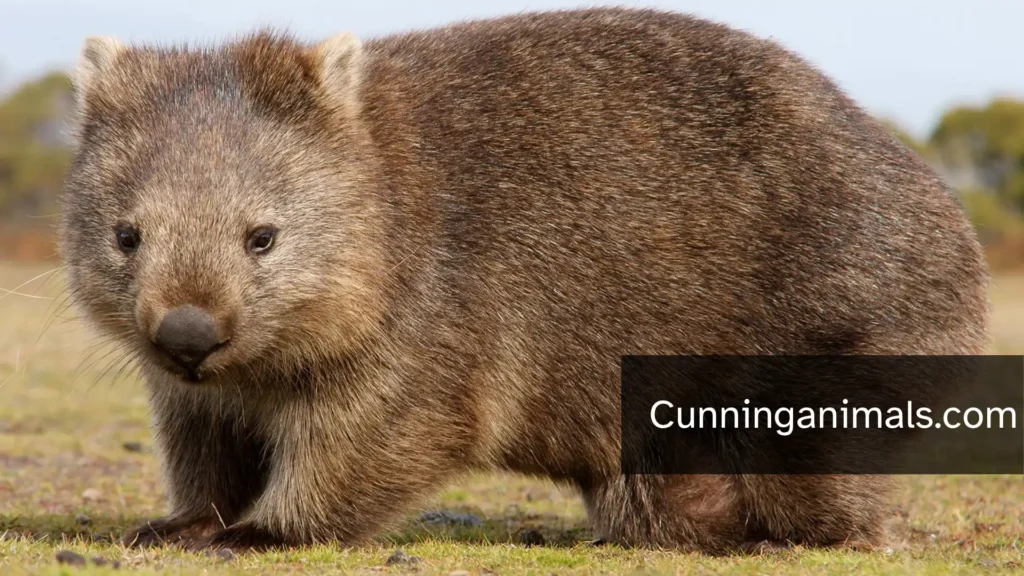
Feeding on tough grasses and roots, wombats have strong jaws designed for grinding plant material. Their activities contribute to soil health and provide habitats for various other creatures in their environment.
Badger
Scientific Name: Taxidea taxus
Class: Mammalia
Diet: Omnivorous
Badgers are adaptable creatures known for their tenacity and social structures in burrowing. Like groundhogs, they create elaborate underground sets that serve both as shelters and hunting grounds.
With a varied diet including plants, insects, and small mammals, badgers play a complex role in their ecosystems. Their foraging behavior supports soil aeration and ensures the balance of prey populations, showcasing their ecological importance.
Rabbit
Scientific Name: Oryctolagus cuniculus
Class: Mammalia
Diet: Herbivorous
Rabbits, synonymous with burrowing, share many ecological traits with groundhogs. These small mammals create extensive burrow networks and are known for their social structures, often living in colonies.
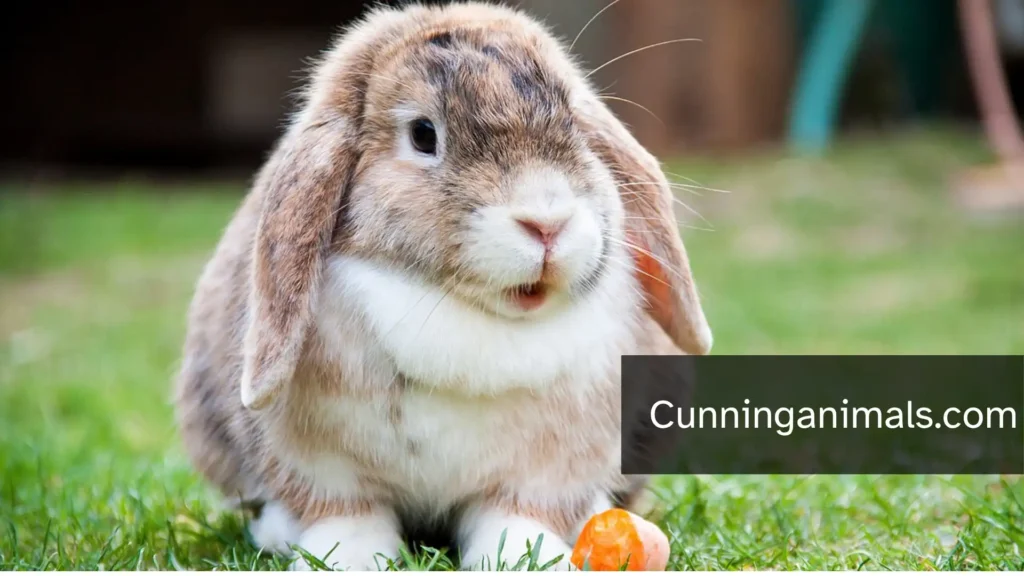
Primarily herbivorous, they graze on a variety of vegetation, helping maintain plant diversity in their habitats. Their feeding habits and burrowing behaviors also promote soil health, contributing to ecosystem stability.
Alpine Marmot
Scientific Name: Marmota marmota
Class: Mammalia
Diet: Herbivorous
Native to mountainous regions, the Alpine marmot is similar to its groundhog cousins but thrives in higher elevations. These charismatic rodents are highly social, living in colonies and communicating through a range of vocalizations.
Their herbivorous diet consists mainly of grasses and alpine flowers, which they forage in preparation for their lengthy hibernation. The ecological interactions they have with their environment help shape Alpine ecosystems, reinforcing their role as important inhabitants of their habitat.
American Pika
Scientific Name: Ochotona princeps
Class: Mammalia
Diet: Herbivorous
The American pika, a small, rabbit-like mammal, thrives in the rocky high-altitude habitats of North America, paralleling the habitat preferences of groundhogs. These social animals are known for their high-pitched calls and energetic foraging behavior. Pikas are often grouped among animals with small ears, an adaptation suited to cold climates.
This compact feature helps reduce heat loss in their alpine habitats.
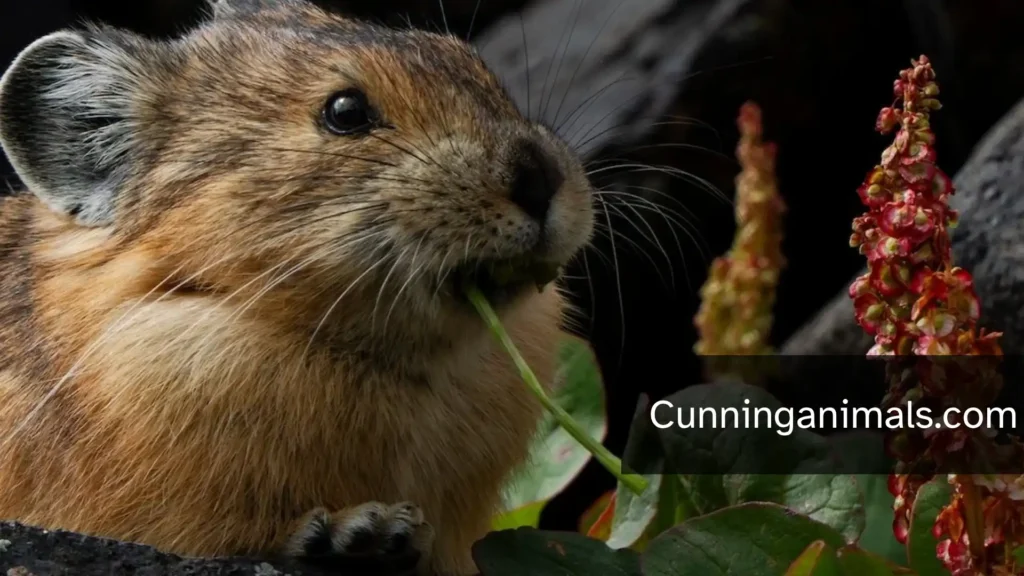
An essential aspect of their ecology is their caching behavior; they gather an array of vegetation to store for winter. Their foraging not only supports their survival but plays a vital role in maintaining local plant communities and biodiversity.
Squirrel
Scientific Name: Sciurus spp.
Class: Mammalia
Diet: Omnivorous
Squirrels, often seen in urban parks and forests, share burrowing tendencies with groundhogs but are more commonly associated with tree-dwelling lifestyles. Their agility and curiosity make them a quintessential part of many ecosystems, where they play significant roles in seed dispersal.
With a diverse diet that includes nuts, seeds, fruits, and occasionally insects, squirrels adapt to various environments. Their foraging habits contribute to forest regeneration and plant diversity, accentuating their ecological significance in numerous habitats.
Conclusion
In our exploration of Animals Like Groundhogs, we have uncovered a fascinating array of creatures that share physical traits and behaviors with groundhogs. From the chubby marmots to the agile squirrels, these animals that look like groundhogs exhibit incredible adaptations for survival in their respective environments.
Understanding groundhog-like animals allows us to appreciate the diversity of wildlife and their ecological roles. Each of these species, while unique, contributes to a broader understanding of the rodent family and its impact on ecosystems.
FAQs
What Is A Large Animal Similar To A Groundhog?
The capybara is one of the largest animals similar to a groundhog in terms of its rodent classification and rounded body shape. Other large groundhog-like animals include beavers, nutria, and wombats, although they belong to different groups and have distinct lifestyles.
What Are The 10 Cutest Rodents?
Some of the cutest rodents include capybaras, chipmunks, squirrels, guinea pigs, chinchillas, hamsters, prairie dogs, beavers, dormice, and pikas. Their rounded bodies, soft fur, and playful behavior make many of these animals especially popular.
What Is Similar To Groundhogs?
Animals similar to groundhogs often have stocky bodies, strong digging claws, burrowing habits, and herbivorous or omnivorous diets. Some of the closest examples include marmots, prairie dogs, ground squirrels, and gophers.
What Animals Look Similar To A Groundhog?
Several animals look similar to a groundhog, including marmots, prairie dogs, ground squirrels, gophers, beavers, muskrats, chipmunks, and rock hyraxes. Marmots are the closest relatives because a groundhog is actually a type of marmot.