
Top 15 Animals Without Tails (With Pictures & Unique Facts)
The unique world of Animals Without Tails is both fascinating and enlightening, shedding light on the diverse adaptations of these remarkable creatures. Many of these animals with no tail have evolved in extraordinary ways, showcasing nature’s ingenuity.
In this article, you’ll discover the top 15 tail-less animals, complete with captivating pictures and intriguing facts that reveal their unique characteristics. Whether you’re an animal lover or simply curious about biodiversity, you’ll gain a deeper appreciation for these exceptional creatures.
What Are Animals Without Tails?
Animals without tails come in various forms, from those that have evolved without them to those with significantly reduced tail structures. For instance, apes lack external tails entirely, adapting to their arboreal lifestyles with increased dexterity. Similarly, adult frogs and toads lose their tails during metamorphosis, showcasing a fascinating transition from aquatic larvae to terrestrial adults.
On the other hand, Manx cats are a well-known example of a breed that has naturally occurring genetic mutations leading to taillessness or very short tails, making them unique companions. Even in the marine world, sea stars exhibit tiny, often unnoticed tail-like projections that serve no significant purpose, yet they highlight the diverse adaptations found among tail-less creatures.
Taillessness is only one example of how body plans differ across the animal kingdom. Some species go even further and have no limbs at all, as you can see in our guide to animals without legs. Comparing the two groups shows how animals lose or reduce body parts to suit their habitats.
Animals Without Tails List: Top 15 Species
| No. | Animal | Scientific Name | Class | Diet |
| 1 | Apes | Hominoidea | Mammalia | Omnivore |
| 2 | Manx Cat | Felis catus | Mammalia | Carnivore |
| 3 | Koala | Phascolarctos cinereus | Mammalia | Herbivore |
| 4 | Frogs and Toads | Anura | Amphibia | Carnivore |
| 5 | Barbary Macaque | Macaca sylvanus | Mammalia | Omnivore |
| 6 | Capybara | Hydrochoerus hydrochaeris | Mammalia | Herbivore |
| 7 | Guinea Pig | Cavia porcellus | Mammalia | Herbivore |
| 8 | Kiwi Bird | Apteryx spp. | Aves | Omnivore |
| 9 | Common Octopus | Octopus vulgaris | Cephalopoda | Carnivore |
| 10 | Spiders | Araneae | Arachnida | Carnivore |
| 11 | Common Wombat | Vombatus ursinus | Mammalia | Herbivore |
| 12 | American Pika | Ochotona princeps | Mammalia | Herbivore |
| 13 | Tailless Whip Scorpion | Amblypygi | Arachnida | Carnivore |
| 14 | Sea Urchin | Echinoidea | Echinoidea | Herbivore/Omnivore |
| 15 | Sea Star | Asteroidea | Asteroidea | Carnivore/Omnivore |
Apes
Scientific Name: Hominidae
Class: Mammalia
Diet: Omnivore
Apes, our closest relatives in the animal kingdom, lack tails, which sets them apart from many other primates. Their remarkable dexterity, social structures, and intelligence allow them to adapt to various environments, making them fascinating subjects of study.

These animals with no tail utilize their powerful arms for swinging through the trees in a behavior known as brachiation, showcasing their unique evolutionary adaptations. Their lack of a tail enables them to maintain balance and agile movement in the treetops, where they spend much of their time.
Manx Cat
Scientific Name: Felis catus
Class: Mammalia
Diet: Carnivore
The Manx Cat is a domesticated breed renowned for its distinct taillessness, often resulting from a genetic mutation. This breed not only captivates with its playful personality but also has a rich history tied to the Isle of Man, making it a cherished icon in feline lore.
Animals without tails like the Manx Cat exhibit unique gait and balance characteristics, often relying on strong back legs for agility. Their affectionate nature and sociable demeanor have made them favored pets for those seeking companionship.
Koala
Scientific Name: Phascolarctos cinereus
Class: Mammalia
Diet: Herbivore
Koalas are unique marsupials that thrive in Australia’s eucalyptus forests, where their lack of a tail does not hinder their climbing abilities. Their specialized paws and sharp claws allow them to easily navigate trees as they feed on leaves, which make up their exclusive diet.

Despite their adorable appearance, these animals without tails are often confused with cuddly toys; in reality, they are efficient foragers adapted to extract maximum nutrition from tough foliage. Their limited range and specific habitat requirements highlight the importance of conservation efforts related to their environment.
Frogs And Toads
Scientific Name: Anura
Class: Amphibia
Diet: Carnivore
Frogs and toads belong to the order Anura, distinguished by their lack of tails as adults. This trait allows for streamlined bodies which play an essential role in their jumping, swimming, and overall mobility, proving advantageous for escaping predators. Even with this agility, frogs are still a regular target for larger hunters. If you’re curious which predators go after them, take a look at our list of animals that eat frogs. It shows just how many species depend on these amphibians for food.
These animals with no tail have various colors and textures that help them blend into their environment, providing natural camouflage. Their transition from a tail-bearing tadpole to a tailless adult is one of nature’s most compelling metamorphoses, illustrating adaptation and survival.
Barbary Macaque
Scientific Name: Macaca sylvanus
Class: Mammalia
Diet: Omnivore
The Barbary macaque is a fascinating species notable for its lack of a visible tail, often giving them a more human-like appearance. These primates are known for their complex social structures, exhibiting behaviors that reflect intelligence and emotional depth.

Animals without tails like the Barbary macaque are primarily found in the Atlas Mountains of Morocco and Algeria, yet they are also notable for being the only non-human primate in Europe. Their rich social interactions and grooming habits provide a window into the dynamics of primate communities.
Living in close-knit groups is a survival strategy that many other species share with macaques. To explore more examples, read our article on animals that live in groups. Comparing them shows how group living helps animals find food and stay safe.
Capybara
Scientific Name: Hydrochoerus hydrochaeris
Class: Mammalia
Diet: Herbivore
Capybaras, the largest rodents in the world, boast a unique appearance marked by a short stub instead of a conventional tail. This adaptation contributes to their buoyancy, allowing them to swim effortlessly in aquatic environments while foraging for grasses. With their barrel-shaped bodies and semi-aquatic habits, capybaras are easy to recognize, yet a few other rodents resemble them. You can compare them in our guide to animals that look like capybara.
As animals with no tail, capybaras are incredibly sociable creatures, often seen congregating in groups that provide security against predators. Their gentle disposition makes them popular in various animal sanctuaries, showcasing their importance in both ecosystem dynamics and human interactions.
Guinea Pig
Scientific Name: Cavia porcellus
Class: Mammalia
Diet: Herbivore
Guinea pigs, beloved pets globally, are small rodents recognized for their lack of tails, which contributes to their compact, rounded body shape. These animals lack tails due to their evolutionary lineage, making them less prone to balance issues than other rodent species.

As domesticated animals without tails, guinea pigs have charming personalities and communicate through a series of vocalizations, bonding closely with their caregivers. Their need for social interaction underscores the importance of companionship in their wellbeing, resulting in their status as cherished pets.
Kiwi Bird
Scientific Name: Apteryx
** Class:** Aves
Diet: Omnivore
The kiwi bird is a flightless wonder of New Zealand, immediately identifiable by its long beak and lack of tail. This diminutive and unique bird is a symbol of New Zealand’s biodiversity and is adapted for life on the forest floor, foraging for insects and worms.
Animals without tails like the kiwi have developed specialized senses; their nostrils are located at the end of their beak, allowing them to detect prey in the ground. This unique adaptation showcases the remarkable ways evolution shapes function and ecological niche.
Common Octopus
Scientific Name: Octopus vulgaris
Class: Cephalopoda
Diet: Carnivore
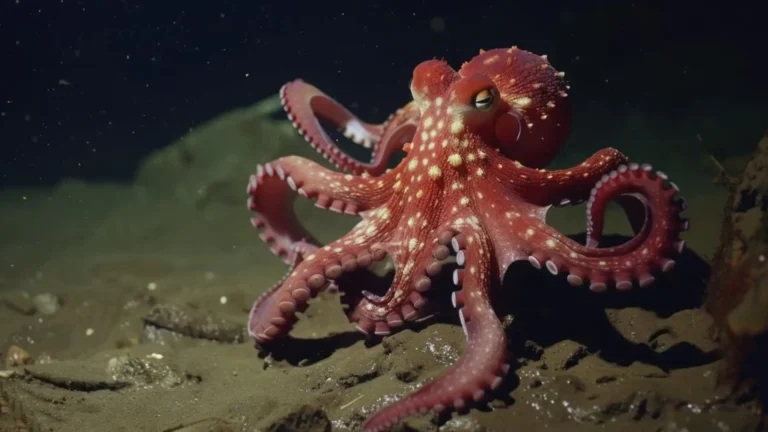
The common octopus is a fascinating marine creature known for its remarkable intelligence and adaptability, characterized by a lack of a tail. Instead of a traditional tail, its body is bulbous, allowing for agile movement and rapid escape from predators.

As animals without tails, common octopuses employ camouflage techniques to blend in with their surroundings, leveraging their ability to change color and texture. Their problem-solving skills and cognitive abilities make them a subject of numerous studies in marine biology and consciousness.
Octopuses are a classic example of inquisitive animals that constantly explore their surroundings. If this trait fascinates you, you’ll enjoy our list of the most curious animals. It highlights other species that investigate everything around them.
Spiders
Scientific Name: Araneae
Class: Arachnida
Diet: Carnivore
Spiders are unique arachnids renowned for their distinct lack of tails, which sets them apart from many other anthropods. This characteristic allows them to devote more energy to developing complex webs and hunting techniques, ensuring their survival in a diverse range of habitats.
As animals without tails, spiders exhibit a wide variety of hunting methods, from web spinning to ambush tactics, showcasing their adaptability in procuring food. Their intricate silk-spinning ability continues to intrigue scientists and researchers seeking to harness this natural material for innovative applications.
Common Wombat
Scientific Name: Vombatus ursinus
Class: Mammalia
Diet: Herbivore
The common wombat is a burrowing marsupial native to Australia, easily recognized for its sturdy build and lack of a tail. This unique feature contributes to its streamlined body, which is well-suited for life underground, where it digs extensive burrows.
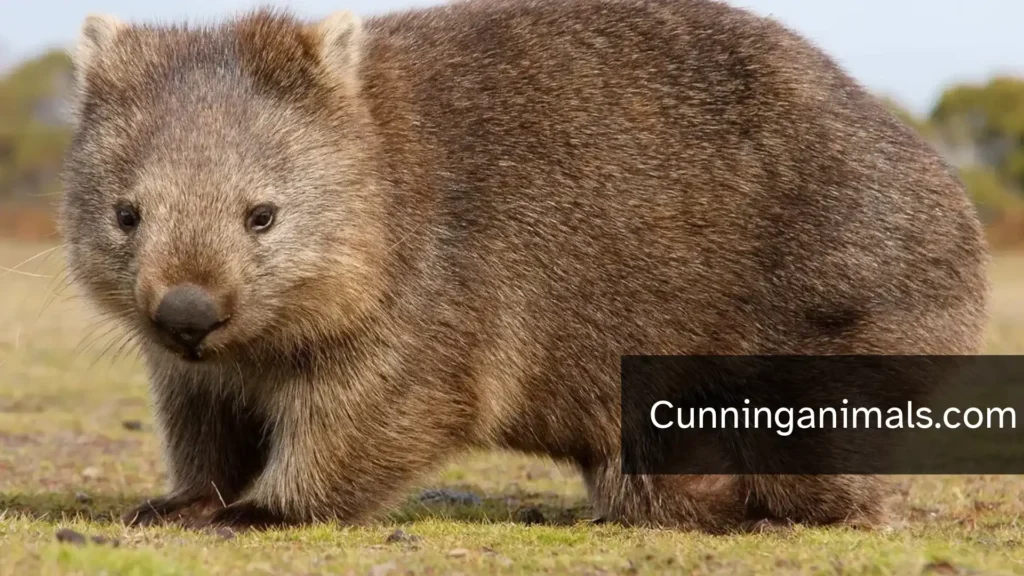
These animals without tails have a fascinating reproductive strategy; they typically give birth to underdeveloped young, which continue to grow in their mother’s pouch. Their nocturnal habits and herbivorous diet showcase their adaptability to the Australian landscape.
American Pika
Scientific Name: Ochotona princeps
Class: Mammalia
Diet: Herbivore
The American pika, a small, mountain-dwelling relative of rabbits, is a charming example of a tail-less mammal. Its absence of a tail does not detract from its agility; instead, it allows these animals to dart among rocks and scuttle in search of food.
Often found at high altitudes, these animals without tails are expert foragers, gathering and storing vegetation for the winter. Their critical role in alpine ecosystems makes them vital indicators of climate change, as their habitats shift with altering temperatures.
Tailless Whip Scorpion
Scientific Name: Amblypygi
Class: Arachnida
The tailless whip scorpion, despite its fearsome appearance, is a fascinating arachnid noted for its lack of a tail. Often mistaken for scorpions, they possess specialized limbs for sensing their environment and are primarily nocturnal hunters.
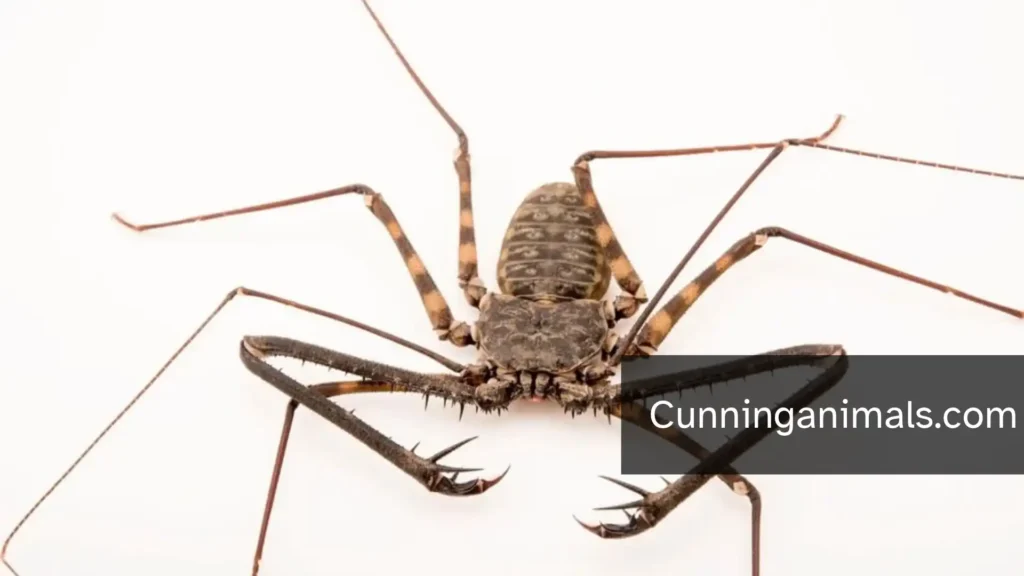
As animals without tails, tailless whip scorpions exhibit a unique form of locomotion that includes both walking and climbing, making them adept at navigating their habitats. Their non-venomous nature and intriguing adaptations highlight the diversity within the arachnid family.
Sea Urchin
Scientific Name: Echinoidea
Class: Echinodermata
Diet: Herbivore
Sea urchins are intriguing ocean dwellers characterized by their globular shape and spiky exterior, notably lacking tails. This design allows them to attach to rocks and reefs while grazing on algae, playing an essential role in marine ecosystems.
These animals without tails exhibit a wide range of colors and sizes, highlighting the diversity within their species. Their unique feeding methods and ecological contributions make them vital components of underwater environments.
Sea Star
Scientific Name: Asteroidea
Class: Echinodermata
Diet: Carnivore
Sea stars, or starfish, are mesmerizing creatures devoid of tails, showcasing radial symmetry with their distinct five-armed shape. Their unique design allows them to move gracefully across the seafloor, where they primarily use tube feet for locomotion. This tube-foot movement is slow and deliberate, a pace shared by many other creatures. For more examples of unhurried movers, check out our roundup of slow animals.

These animals without tails have fascinating feeding techniques, often preying on bivalves by everting their stomachs to digest food externally. Their regenerative abilities, allowing them to regrow lost limbs, further highlight the wonders of the animal kingdom.
Animals Without Tails: Quick Facts
Examining animals without tails reveals fascinating adaptations that enhance their survival. For instance, the absence of a tail in apes allows for greater mobility in dense canopies, a crucial factor for their arboreal lifestyle.
- Apes naturally lack external tails, making them more agile and better suited for life in trees.
- Adult frogs lose their tails during metamorphosis, transforming from aquatic tadpoles to terrestrial adults.
- Manx cats can be born with very short tails or none visibly present, giving them a unique appearance and often a playful disposition.
- Kiwis have reduced tails and cannot fly, relying instead on their strong legs and keen sense of smell to navigate forest floors.
- Sea stars can regenerate lost arms, showcasing an incredible ability to recover and adapt to their environments.
- Spiders do not have tails; their body structure is optimized for web-building and hunting.
- Wombats are powerful diggers, using their strong forelimbs rather than tails to create extensive burrow systems.
- Pikas store vegetation for winter, often utilizing their agility in rocky terrains rather than relying on a tail for balance.
- Octopuses use their arms to explore and capture prey, showcasing intelligence and dexterity without the aid of a tail.
- Koalas have only a tiny, inconspicuous tail, primarily serving as a vestige rather than a functional tool.
Conclusion
In exploring the captivating world of animals without tails, we’ve uncovered a diverse range of species that adapt remarkably to their environments. From the sleek body of the rat to the fascinating flight of the hummingbird, these animals showcase the incredible diversity of life on our planet.
Each of the top 15 animals highlighted in this article presents unique traits and characteristics that allow them to thrive without the appendage we often take for granted. Whether for improved speed, agility, or simply due to evolutionary pressures, these creatures remind us of nature’s ingenuity.
FAQs
Which Animal Did Not Have A Tail?
Apes, spiders, and octopuses are examples of animals without external tails. Some animals, such as guinea pigs, also lack visible tails, while others have tiny or reduced tails.
What Are The Top 7 Animals Without Tails?
Seven examples of animals without prominent external tails include apes, Manx cats, koalas, adult frogs, guinea pigs, kiwi birds, and octopuses. Some have tiny or reduced tails, while others have none.
What Is An Animal Without A Tail Called?
An animal without a tail may be described as tailless. However, there is no single scientific term used for every naturally tailless animal, and some species have short or hidden tails.
What Pet Does Not Have A Tail?
The Manx cat is a well-known pet breed that can be born with a very short tail or no visible tail. Guinea pigs also lack external tails, making them another familiar example of a tailless pet.