
22 Dangerous Animals In Puerto Rico (With Pictures & Safety Tips)
Puerto Rico is not only known for its stunning beaches and vibrant culture but also harbors a range of dangerous animals that can pose serious risks to unsuspecting visitors. Understanding the Dangerous Animals In Puerto Rico is crucial for anyone planning to explore its captivating natural landscapes.
This article provides detailed insights into 22 of these creatures, complete with pictures and essential safety tips to help you navigate the island safely. By being informed, you can enjoy your adventure without compromising your safety.
Are There Dangerous Animals In Puerto Rico?
Puerto Rico does host a variety of wildlife that can pose risks to humans, including species that bite, sting, or transmit diseases. Marine hazards such as jellyfish, stingrays, and lionfish are common in coastal waters, while sharks, although rarely encountered, can also add to the dangers of ocean activities. On land, some spiders, centipedes, and scorpions may deliver painful stings or bites, and stinging insects like wasps can be a surprise to unsuspecting hikers.
While Puerto Rico is not known for large land predators that routinely hunt humans, caution is still advisable. The level of risk associated with dangerous animals in Puerto Rico largely depends on the species you encounter, your location, and your activitie.
Quick List Of 22 Dangerous Animals In Puerto Rico
| No. | Animal | Scientific Name | Class | Main Risk |
| 1 | Box Jellyfish | Chironex fleckeri | Cubozoa | Severe venomous sting; verify local occurrence |
| 2 | Portuguese Man o’ War | Physalia physalis | Hydrozoa | Painful stings |
| 3 | Bull Shark | Carcharhinus leucas | Chondrichthyes | Potentially serious bites |
| 4 | Barracuda | Sphyraena spp. | Actinopterygii | Bites in uncommon encounters |
| 5 | American Crocodile | Crocodylus acutus | Reptilia | Powerful bite |
| 6 | Black Widow Spider | Latrodectus spp. | Arachnida | Venomous bite |
| 7 | Brown Recluse Spider | Loxosceles reclusa | Arachnida | Potentially serious bite; verify local occurrence |
| 8 | Puerto Rican Scorpion | Species to verify | Arachnida | Painful sting |
| 9 | Fire Ants | Solenopsis invicta | Insecta | Multiple stings and allergic reactions |
| 10 | Africanized Honey Bees | Apis mellifera hybrid populations | Insecta | Multiple stings |
| 11 | Giant Centipede | Scolopendra spp. | Chilopoda | Painful bite |
| 12 | Stingray | Dasyatidae | Chondrichthyes | Barbed spine injury |
| 13 | Moray Eel | Muraenidae | Actinopterygii | Deep bite wounds |
| 14 | Lionfish | Pterois volitans | Actinopterygii | Venomous fin spines |
| 15 | Sea Urchin | Echinoidea | Echinoidea | Puncture wounds from spines |
| 16 | Mosquitoes | Aedes aegypti, Aedes albopictus | Insecta | Transmission of diseases |
| 17 | Wild Boar | Sus scrofa | Mammalia | Charges and tusk injuries; verify local presence |
| 18 | Feral Dogs | Canis lupus familiaris | Mammalia | Bites and possible rabies exposure |
| 19 | Green Iguana | Iguana iguana | Reptilia | Scratches and bites when handled |
| 20 | Caribbean Reef Shark | Carcharhinus perezi | Chondrichthyes | Potentially serious bites |
| 21 | Puerto Rican Boa | Epicrates inornatus | Reptilia | Bite if threatened or handled |
| 22 | Bats | Chiroptera | Mammalia | Possible rabies exposure after contact |
Box Jellyfish
Scientific Name: Chironex fleckeri
Class: Cubozoa
Diet: Small fish and plankton
The Box Jellyfish is notorious for its potent venom, which can lead to cardiac arrest. Found in the warm coastal waters of Puerto Rico, its translucent bell can easily be missed, making it a stealthy threat for swimmers and divers.

The sting is excruciating and can be fatal without prompt medical attention. It serves as a reminder of the hidden dangers lurking in paradise, encouraging caution when enjoying water activities.
Portuguese Man o’ War
Scientific Name: Physalia physalis
Class: Hydrozoa
Diet: Plankton and small fish
Often mistaken for a jellyfish, the Portuguese Man o’ War boasts long, tentacle-like structures that can inflict painful stings. While they appear beautiful and ethereal as they drift in the ocean, their sting can result in severe allergic reactions or even hospitalization.
Despite their delicate appearance, they remind us that beauty in nature can often be accompanied by peril. Respecting their space is crucial, especially for beachgoers who may not be familiar with their dangerous potential. Although not a true jellyfish, their stinging tentacles resemble those of the biggest jellyfish in the world, some of which grow to astonishing sizes.
Bull Shark
Scientific Name: Carcharhinus leucas
Class: Chondrichthyes
Diet: Fish, dolphins, and occasionally other sharks
Bull Sharks are known for their aggressive nature and ability to thrive in both salt and freshwater. Their presence in Puerto Rican waters can pose a risk to unsuspecting swimmers, particularly in murky estuaries.
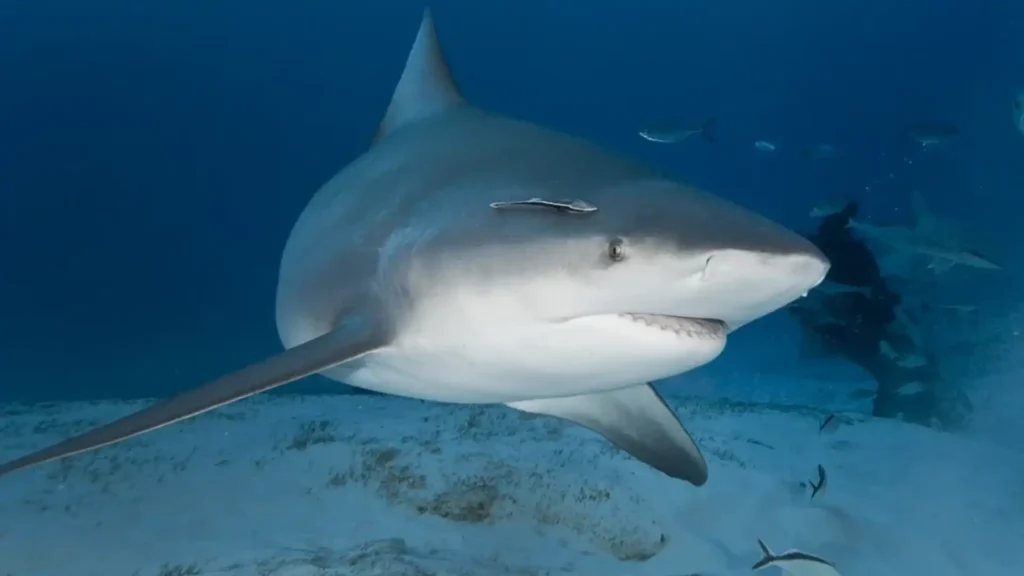
Unlike many sharks, Bull Sharks can navigate rivers, putting them in closer proximity to humans. Awareness of their behavior and habitat can help mitigate risks when enjoying aquatic activities.
Barracuda
Scientific Name: Sphyraena spp.
Class: Actinopterygii
Diet: Smaller fish and crustaceans
The sleek and formidable barracuda can be a thrilling sight for divers, but it also comes with a bite. Known for their speed and sharp teeth, they can be aggressive if provoked or protecting a territory.
When snorkeling or swimming in their habitat, maintaining a safe distance is wise. Their sudden strikes are unpredictable, making them one of the more dangerous animals in Puerto Rico’s waters.
American Crocodile
Scientific Name: Crocodylus acutus
Class: Reptilia
Diet: Fish, birds, and small mammals
In Puerto Rico, the American Crocodile thrives in environments like lagoons and mangroves. While they are generally shy, they can be quite aggressive when threatened, posing a significant risk to anyone who inadvertently approaches too close. Their patient ambush tactics, staying motionless until prey comes within reach, make them a textbook example of cunning animals.
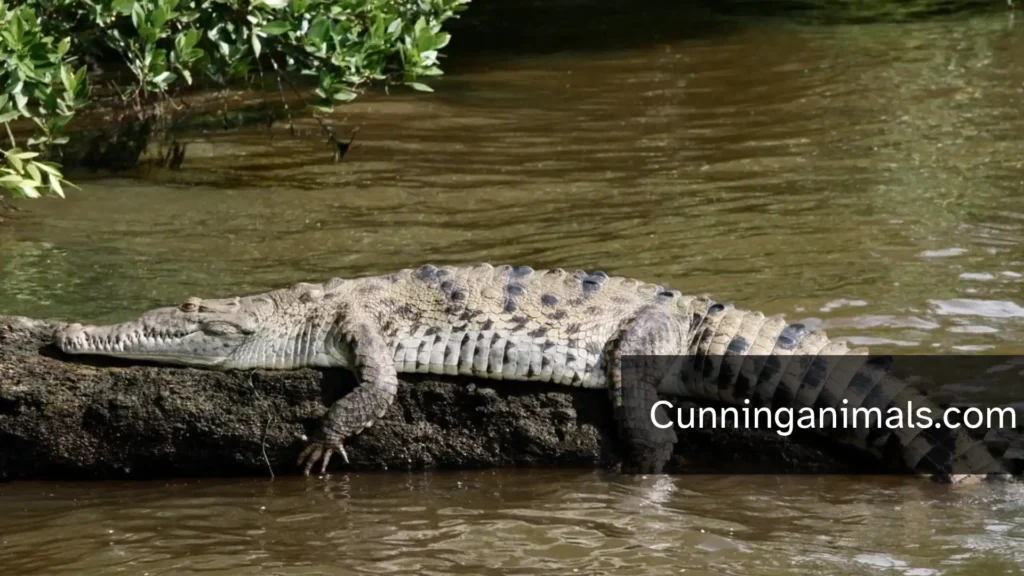
Crocodiles play an essential role in their ecosystem, but caution is advised when exploring their habitats. Safeguarding against potential encounters is crucial for both humans and the reptilian population.
Black Widow Spider
Scientific Name: Latrodectus hesperus
Class: Arachnida
Diet: Insects and other small invertebrates
Recognizable by its glossy black body and distinctive red hourglass marking, the Black Widow spider is feared for its venomous bite. Found in dark, secluded areas, they can pose a serious risk to those unknowingly disturbing their webs.
While bites are rare, they require immediate medical attention due to the severity of symptoms. Being aware of their habitats garages, sheds, and other undisturbed spaces — can help minimize encounters.
Brown Recluse Spider
Scientific Name: Loxosceles reclusa
Class: Arachnida
Diet: Insects
The Brown Recluse Spider, often found in humble domiciles, can deliver a dangerous bite that leads to skin necrosis. Their cryptic nature means they can be hard to spot, increasing the likelihood of accidental encounters.
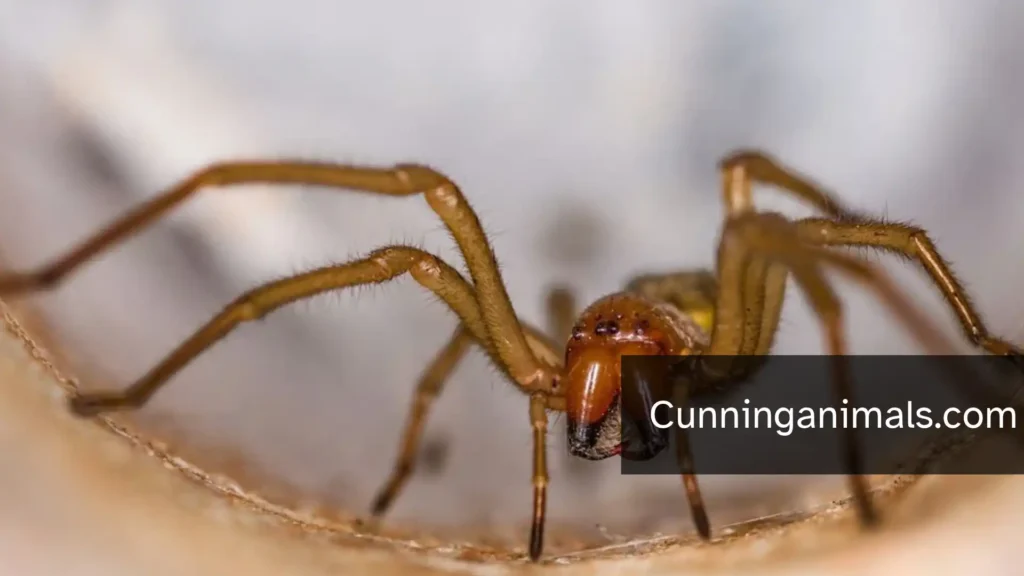
Understanding their behavior can greatly reduce the chances of a bite. Keeping living spaces clean and clutter-free is essential, especially in rural areas where these spiders are more prevalent.
Puerto Rican Scorpion
Scientific Name: Tityus monticolus
Class: Arachnida
Diet: Insects and small arthropods
This species may not be as deadly as others, but the sting of the Puerto Rican Scorpion is still painful and can cause significant discomfort. While fatalities are rare, allergic reactions can amplify the risk for some individuals.
Often found under rocks or in woodpiles, these scorpions are a reminder to be wary when exploring the island’s natural environment. Wearing gloves while moving clutter can help prevent unfortunate encounters.
Fire Ants
Scientific Name: Solenopsis spp.
Class: Insecta
Diet: Protein and fats, primarily sourced from insects
Fire Ants are notorious for their painful stings that can cause intense burning sensations and allergic reactions. Their nests are often hidden in the soil, and an unsuspecting step can lead to a swarm of aggressive defenders.
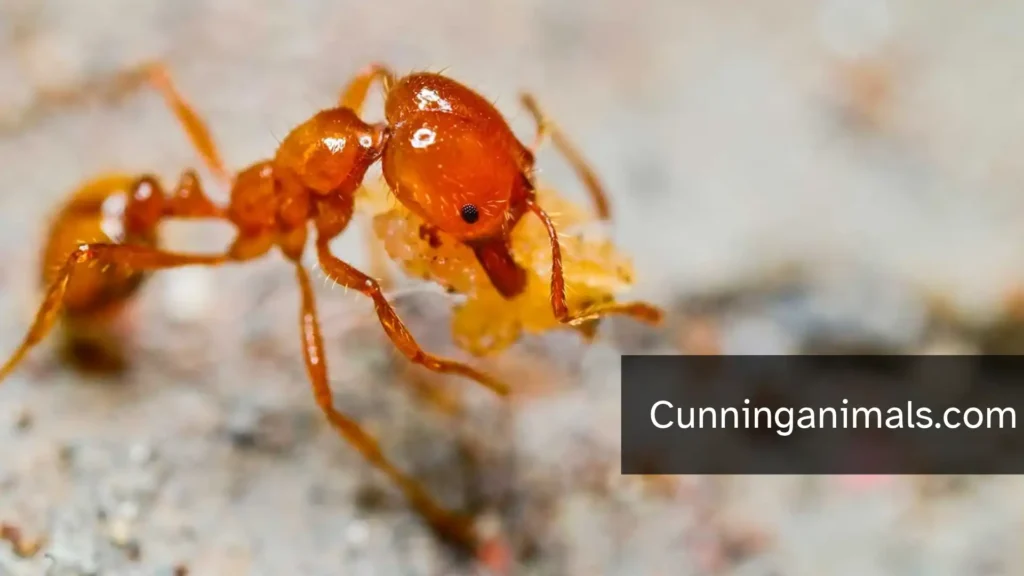
Beyond the immediate pain, their venom can trigger severe allergic responses in some cases. Awareness and caution while venturing into grassy or sandy areas are vital to avoid painful encounters.
Africanized Honey Bees
Scientific Name: Apis mellifera scutellata
Class: Insecta
Diet: Nectar and pollen
Known for their aggressive defense of the hive, Africanized Honey Bees can pose significant threats to anyone approaching their colonies. Their propensity to swarm can lead to multiple stings, which can be dangerous, especially for those with allergies.
Recognizing their nesting behaviors and keeping a safe distance can mitigate the risk of an encounter. These bees are a reminder of the importance of respecting nature and its inhabitants.
Giant Centipede
Scientific Name: Scolopendra subspinipes
Class: Chilopoda
Diet: Insects, small vertebrates
The Giant Centipede is a predatory creature with venomous bites that can cause localized pain and swelling. Found lurking in the leaf litter, they can be alarming to encounter during hikes in Puerto Rican forests.
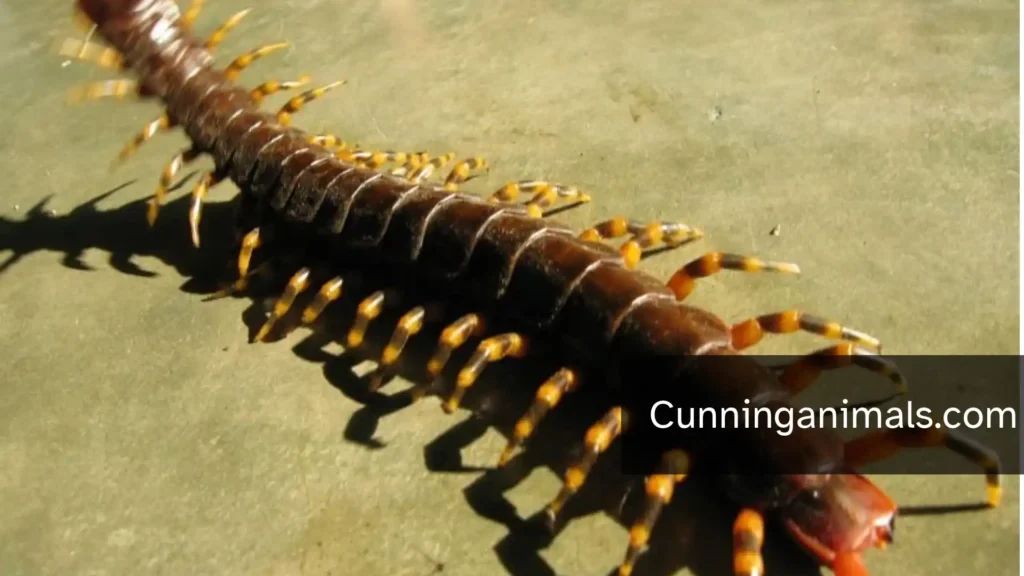
While fatalities are rare, their painful bite requires caution and respect when navigating wild terrains. Wearing boots and keeping an eye on your surroundings can reduce the likelihood of an unwelcome meeting.
Stingray
Scientific Name: Dasyatis spp.
Class: Chondrichthyes
Diet: Mollusks, crustaceans
Stingrays are generally docile creatures, but their barbed tails can deliver excruciating stings when stepped on. Common in coastal waters, they often bury themselves in sand, making them hard to see while wading.
Respectful exploration of their habitats can help avoid painful encounters. Wearing water shoes and being vigilant can enhance safety while enjoying the beaches of Puerto Rico.
Moray Eel
Scientific Name: Muraenidae
Class: Actinopterygii
Diet: Fish and crustaceans
Moray Eels often hide among the crevices of coral reefs, displaying vibrant colors but also fierce territoriality. While they typically aren’t aggressive, they can bite fiercely if provoked or startled, leading to significant injuries. Some Caribbean species have mottled, speckled skin that places them among the animals with spots, helping them blend into reef crevices.”

Diving or snorkeling near these eels requires caution and respect for their personal space. Understanding their behavior enhances the enjoyment of underwater exploration while ensuring safety.
Lionfish
Scientific Name: Pterois volitans
Class: Actinopterygii
Diet: Small fish and invertebrates
The Lionfish, with its spectacular fins and venomous spines, is as alluring as it is dangerous. Although they are beautiful to behold, their sting is painful and can lead to serious allergic reactions in susceptible individuals. Their flaring, mane-like fins are a warning display, much like the dramatic features seen in other animals that have manes.
As an invasive species in Puerto Rico, their impact on local ecosystems is concerning, prompting conservation efforts. Staying educated about their presence can help divers and snorkelers enjoy the waters responsibly.
Sea Urchin
Scientific Name: Various species
Class: Echinoidea
Diet: Algae and small marine organisms
Sea Urchins, often found atop coral reefs, can deliver painful stings through their sharp spines when stepped on. While not aggressive, their presence requires caution, particularly for beachgoers and snorkelers.

The spines can cause severe pain and may lead to infections if not treated properly. Awareness of their habitats and wearing water shoes can minimize the risk of stepping on these prickly creatures.
Mosquitoes
Scientific Name: Aedes vexans, Culex quinquefasciatus
Class: Insecta
Diet: Blood (females), nectar (males)
While they may seem harmless, mosquitoes are known carriers of diseases such as Zika, dengue, and chikungunya in Puerto Rico. Their bites can cause itchy welts, but the potential health risks are much more significant.
Preventing bites through repellents and protective clothing is essential to ensure a safe outdoor experience. Staying informed about outbreaks can further help in avoiding these persistent pests.
Wild Boar
Scientific Name: Sus scrofa
Class: Mammalia
Diet: Omnivorous
Wild Boars are not only robust and agile but can also be aggressive if they feel threatened. These feral creatures roam various terrains in Puerto Rico and can pose risks to people, especially when encountered unexpectedly.
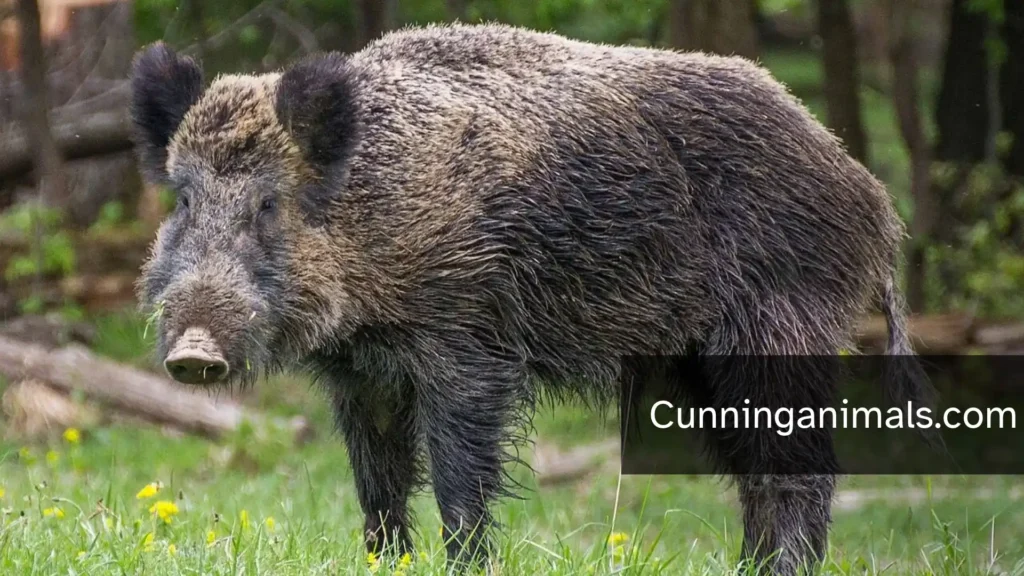
Being aware of their habitats and keeping a safe distance is key when hiking in areas known for their presence. Respect for wildlife ensures both human and animal safety.
Feral Dogs
Scientific Name: Canis lupus familiaris
Class: Mammalia
Diet: Omnivorous
Feral dogs can be unpredictable and may exhibit aggressive behaviors, especially in packs. Their presence is a concern in areas near rural communities, where human encounters with them can lead to serious injuries.
Understanding their behavior and avoiding interactions by not approaching unfamiliar dogs is essential for safety. Engaging local animal control for any packs seen in populated areas is advisable.
Green Iguana
Scientific Name: Iguana iguana
Class: Reptilia
Diet: Leaves, flowers, and fruit
While generally not aggressive, Green Iguanas can deliver painful bites and scratch if they feel threatened. Their presence is common across Puerto Rico, often seen basking in trees or around urban areas. Their spread across warm regions mirrors the lizards in Florida, where invasive iguanas have also become a common sight.
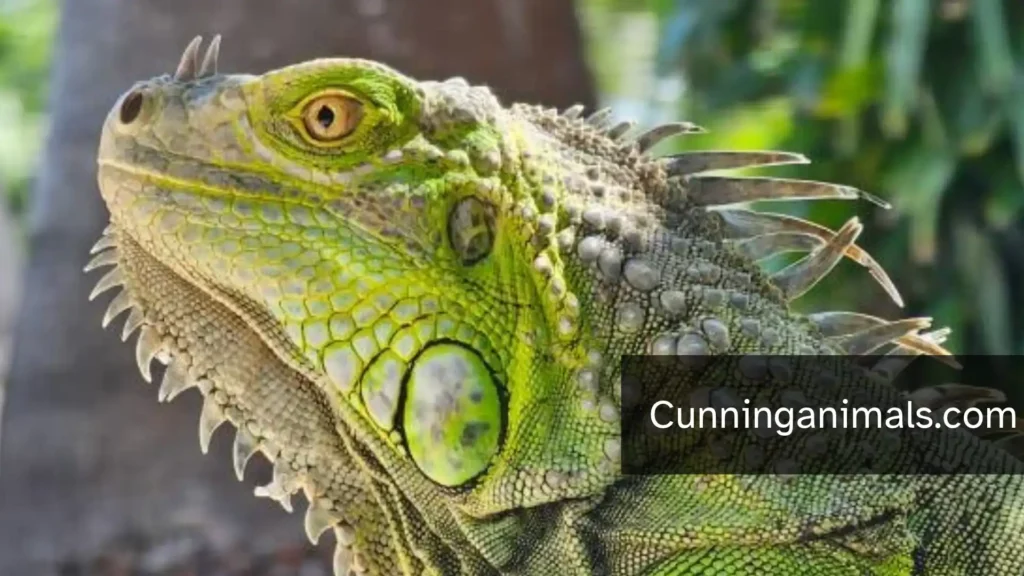
Enjoying their beauty from a distance is best, as their wild nature remains intact. Respecting their habitat and not attempting to handle them ensures both safety and species preservation.
Caribbean Reef Shark
Scientific Name: Carcharhinus perezi
Class: Chondrichthyes
Diet: Fish and crustaceans
The Caribbean Reef Shark is a prevalent inhabitant of Puerto Rico’s coastal waters, known for its sleek body and curiosity towards divers. While generally not aggressive, they can be unpredictable, especially if they perceive a threat or competition for food.
Maintaining calmness and distance during encounters can ensure safety while appreciating these magnificent creatures. Understanding their behaviors leads to more rewarding, safer underwater experiences.
Puerto Rican Boa
Scientific Name: Epicrates inornatus
Class: Reptilia
Diet: Rodents and birds
The Puerto Rican Boa, while non-venomous, delivers powerful constriction to subdue its prey. Encountering one in the wild can be alarming, but they are usually reclusive and avoid human contact. Like most snakes, they have no external ears and sense their surroundings largely through ground vibrations, which is why snakes often come up when discussing animals that are deaf.
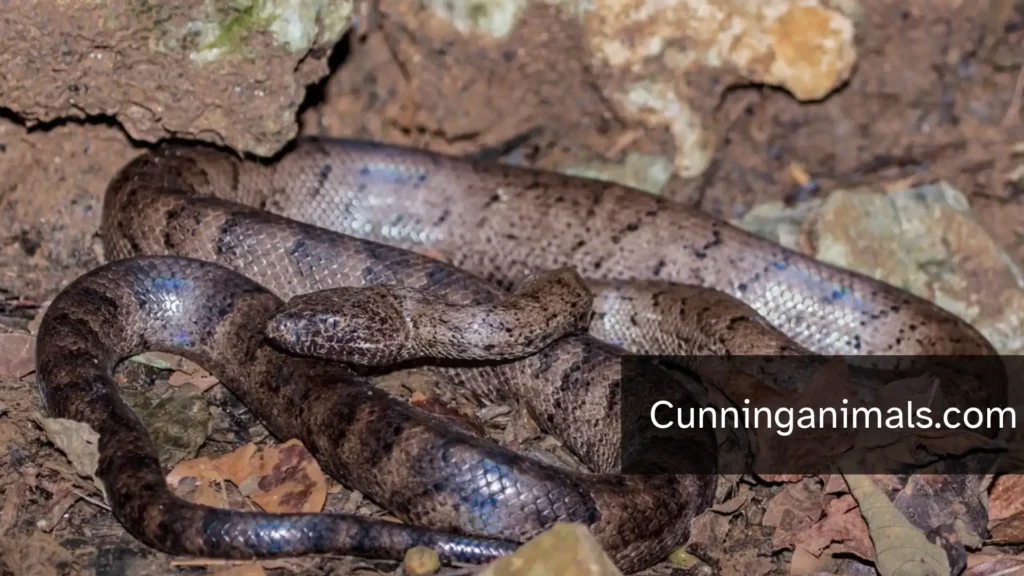
Their role in the local ecosystem is vital, helping control rodent populations. Observing them from a distance enhances appreciation for this unique species while ensuring safety in their habitats.
Bats
Scientific Name: Various species
Class: Mammalia
Diet: Insects and fruit
Bats play a critical role in pest control and pollination, yet some species can carry diseases such as rabies. Encountering a bat, particularly during the day, can be a sign of illness, elevating the potential risk.
Understanding their ecological importance while exercising caution during encounters can promote a harmonious coexistence. Safeguarding oneself and animals in their habitats reinforces the balance of nature.
Quick List Of 22 Dangerous Animals In Puerto Rico
When venturing into the diverse landscapes of Puerto Rico, it’s vital to be aware of the potential risks associated with dangerous animals in Puerto Rico. To ensure a safe and enjoyable experience, consider these essential tips:
- Never touch unfamiliar wildlife; their behavior is unpredictable.
- Always follow posted beach warnings and listen to lifeguard advice for added safety.
- Be cautious of jellyfish or tentacles washed ashore, as they can still deliver painful stings.
- Wear suitable footwear in rocky coastal areas to protect against sharp surfaces and hidden critters.
- Apply an appropriate insect repellent to ward off mosquitoes and other biting insects.
- Check your shoes and outdoor equipment before use to avoid unpleasant surprises from hidden arthropods.
- Maintain a safe distance from crocodiles and snakes; it’s best to admire them from afar.
- Never insert your hands into reef crevices where venomous creatures could be lurking.
- Avoid approaching or feeding stray dogs and wild animals, as they may carry diseases.
- After a serious bite, sting, or potential rabies exposure, seek prompt medical advice to address any health risks.
By remaining vigilant and informed, you can navigate the natural beauty of Puerto Rico while minimizing hazards associated with its wildlife. Respecting the local fauna not only protects you but also helps preserve the delicate balance of these ecosystems.
Conclusion
Understanding the dangerous animals in Puerto Rico is essential for anyone planning to explore the island’s vibrant ecosystems. From venomous snakes to aggressive insects, these creatures add a thrilling yet cautious dimension to outdoor adventures.
By being aware of the risks and implementing safety tips, you can enjoy the natural beauty of Puerto Rico while minimizing potential dangers. Remember to respect wildlife and their habitats, ensuring a safe and enjoyable experience for yourself and others.
FAQs
Is There Any Dangerous Wildlife In Puerto Rico?
Puerto Rico has no venomous snakes or large land predators, so wildlife is rarely a threat. The main risks are in the water, including jellyfish, fire coral, sea urchins, and stingrays. Mosquitoes carrying dengue are the most serious health concern.
What Is The #1 Cause Of Death In Puerto Rico?
Heart disease is the leading cause of death in Puerto Rico. Diabetes and cancer follow close behind.
What Is The Apex Predator In Puerto Rico?
On land, the Puerto Rican boa is the top native predator, though it is harmless to humans. In the surrounding waters, sharks and barracuda sit at the top of the food chain.
What Are Some Dangerous Areas To Avoid In Puerto Rico?
Tourist areas like Old San Juan, Condado, and Isla Verde are generally safe, but take extra care at night in parts of Santurce, Río Piedras, and La Perla. Beaches without lifeguards are also risky because of strong rip currents.