17 Animals Like Weasels: Weasel-Like Animals You Should Know
Animals like weasels captivate us with their agile bodies and cunning behaviors, and they play a vital role in their ecosystems as both predators and prey. Their sharp instincts and clever survival tactics place them among the many cunning animals found across the natural world, species that rely on wit as much as strength to outmaneuver predators and prey alike.
Let’s explore 17 remarkable animals that look like weasels, highlighting their unique traits and the habitats they inhabit. By the end, you’ll appreciate not only their similarities to weasels but also the roles they play in the natural world.
What Animals Are Similar To Weasels?
Many animals are similar to weasels, primarily those that belong to the Mustelidae family, which includes ferrets, otters, and badgers. Outside of this family, some species may only share visual traits or behavioral similarities, such as mongooses and certain rodents. These comparisons often highlight the adaptability and cunning nature commonly found in weasel-like animals, making them compelling subjects of study.
What Makes An Animal Look Like A Weasel?
Weasel-like animals share distinct physical traits that set them apart in the animal kingdom. Their long, slender bodies and short legs contribute to their agile movement, allowing them to navigate through varied terrains with ease.
They typically possess pointed faces, which enhance their keen sense of smell, essential for hunting small prey. This agility and their often carnivorous diet underscore their evolutionary adaptations for survival, allowing them to thrive in similar habitats, such as forests and grasslands, where quick movements and stealth are advantageous.
Top 17 Animals Like Weasels
| Rank | Animal | Scientific Name | Class |
| 1 | Stoat | Mustela erminea | Mammalia |
| 2 | Sable | Martes zibellina | Mammalia |
| 3 | American Badger | Taxidea taxus | Mammalia |
| 4 | Tayra | Eira barbara | Mammalia |
| 5 | American Mink | Neogale vison | Mammalia |
| 6 | Otter | Lutrinae | Mammalia |
| 7 | Fisher | Pekania pennanti | Mammalia |
| 8 | Zorilla | Ictonyx striatus | Mammalia |
| 9 | European Polecat | Mustela putorius | Mammalia |
| 10 | Greater Grison | Galictis vittata | Mammalia |
| 11 | Wolverine | Gulo gulo | Mammalia |
| 12 | Ferret | Mustela furo | Mammalia |
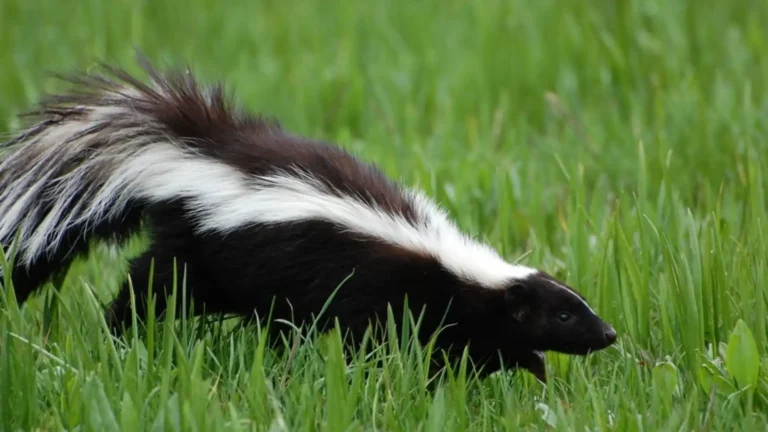
| 13 | Skunk | Mephitidae | Mammalia |
| 14 | Marten | Martes | Mammalia |
| 15 | Badger | Meles meles | Mammalia |
| 16 | Honey Badger | Mellivora capensis | Mammalia |
| 17 | Least Weasel | Mustela nivalis | Mammalia |
Stoat
Scientific Name: Mustela erminea
Class: Mammalia
Diet: Carnivorous
Stoats, commonly known as ermine during winter, are renowned for their agility and stealth. Their striking white fur, punctuated by a black tail tip, offers both camouflage in snow and a touch of elegance.
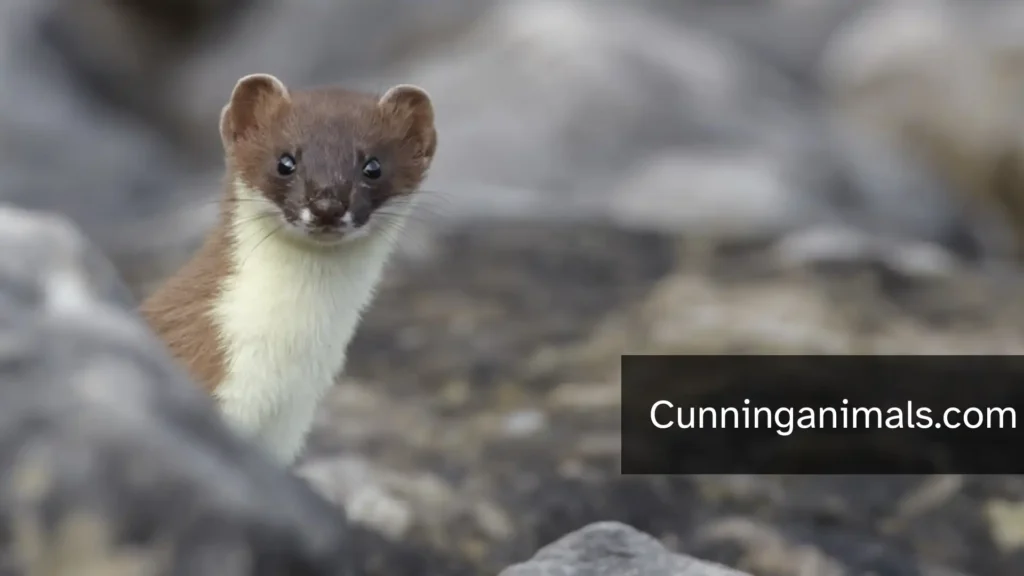
These weasel-like animals are skilled hunters, feeding mainly on rodents and birds. Their ability to adapt to different environments makes them widespread across Europe, Asia, and North America.
Sable
Scientific Name: Martes zibellina
Class: Mammalia
Diet: Omnivorous
Sables are highly prized for their luxurious fur, which was historically sought after by nobility. These solitary creatures thrive in the dense forests of Siberia and have a profound connection with their lush, arboreal habitat.
Not only do they consume small mammals and birds, but they also forage for fruits and nuts, showcasing their versatile diet. Sables exhibit exceptional tree-climbing skills, allowing them to escape predators and explore diverse feeding grounds.
American Badger
Scientific Name: Taxidea taxus
Class: Mammalia
Diet: Carnivorous
The American badger is a robust, stocky animal known for its distinctive black-and-white facial markings. Adapted to a burrowing lifestyle, they dig extensive tunnel systems, which serve as both shelter and hunting grounds.
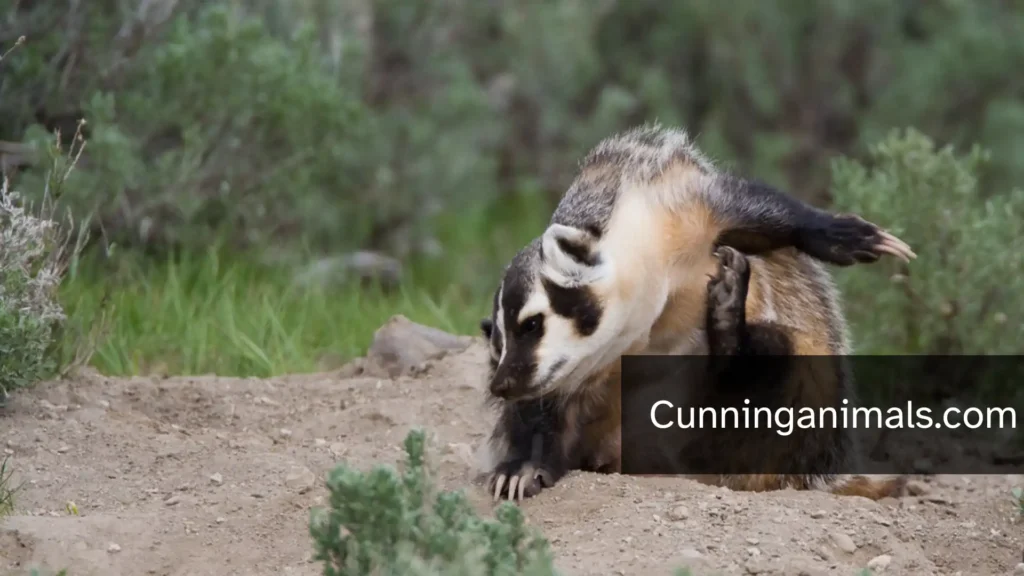
These weasel-like animals primarily hunt small mammals, including ground squirrels and prairie dogs. Their strong front claws and tenacious nature make them formidable foragers, often seen actively digging in the early morning or late evening.
Tayra
Scientific Name: Eira barbara
Class: Mammalia
Diet: Omnivorous
Tayras are agile, tree-dwelling mammals found predominantly in Central and South America. With their long bodies and sharp claws, they are adept climbers, often seen leaping from branch to branch in search of food.
These weasel-like animals have a varied diet, including fruits, insects, and small vertebrates. Their social structure is intriguing; they often live in small groups, communicating with a range of vocalizations.
American Mink
Scientific Name: Neovison vison
Class: Mammalia
Diet: Carnivorous
American minks are sleek, semi-aquatic mammals favored for their dense, soft fur. They inhabit a range of environments, from wetlands to riverbanks, thriving on their swimming abilities.
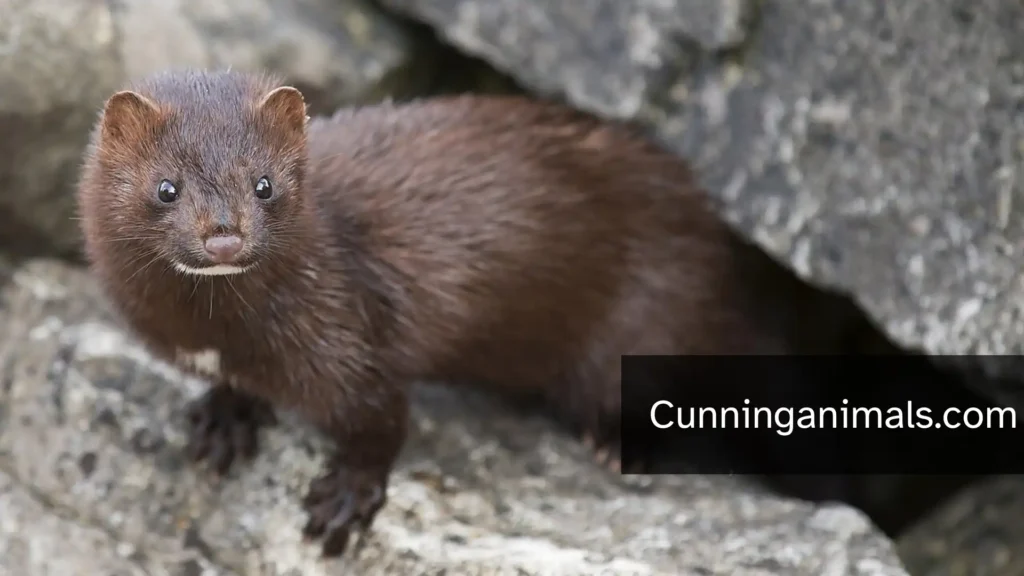
These weasel-like animals are opportunistic hunters, preying on fish, amphibians, and small mammals. Their playful demeanor and inquisitive nature make them a fascinating sight in their natural habitat.
Otter
Scientific Name: Lutra canadensis
Class: Mammalia
Diet: Carnivorous
Otters are charming, social animals known for their playful behavior in the water. They have thick fur and streamlined bodies, making them superb swimmers, often seen sliding down river banks and engaging in playful antics. Their close bond with freshwater habitats places them among the notable animals that live in rivers, where they rely on strong currents and abundant fish populations to sustain their active, social lifestyles.
These weasel-like animals primarily feast on fish, crustaceans, and small mammals. Their clever use of tools, like rocks to crack open shellfish, showcases their remarkable intelligence and adaptability.
Fisher
Scientific Name: Pekania pennanti
Class: Mammalia
Diet: Carnivorous
Fishers are medium-sized carnivores known for their robust bodies and long tails, which help them navigate dense forest environments. Their name might suggest otherwise, but they primarily hunt a variety of small mammals, including snowshoe hares.
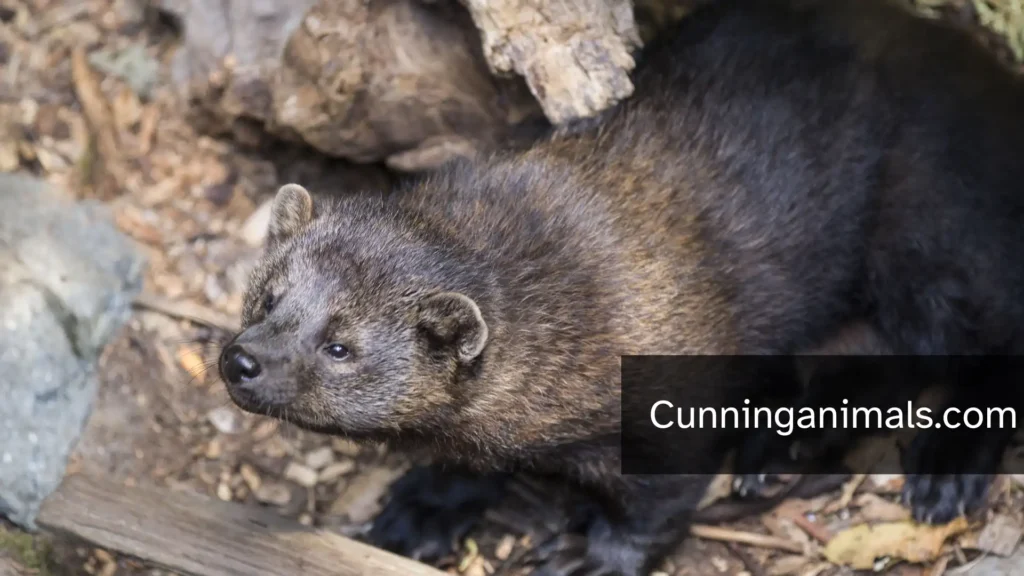
These weasel-like animals are excellent climbers, often found pursuing their prey among trees. Their resilience and aggressive nature, even towards larger predators, make them exceptional hunters in their forest habitat.
Zorilla
Scientific Name: Ictonyx striatus
Class: Mammalia
Diet: Omnivorous
Zorillas, often mistaken for skunks, possess a striking appearance characterized by bold black and white stripes. These solitary creatures inhabit savannas and forests in sub-Saharan Africa, where they utilize their agility and keen senses to navigate their terrain.
Known for their potent scent glands, zorillas can emit a foul odor to deter predators. Their diet is diverse, consisting of insects, small mammals, and sometimes fruits, showcasing their adaptability in various ecosystems.
European Polecat
Scientific Name: Mustela putorius
Class: Mammalia
Diet: Carnivorous
European polecats are nocturnal and elusive creatures with dark fur and distinctive masked faces. They thrive in a range of habitats, from woodlands to farmlands, often exploring areas at twilight in search of food.
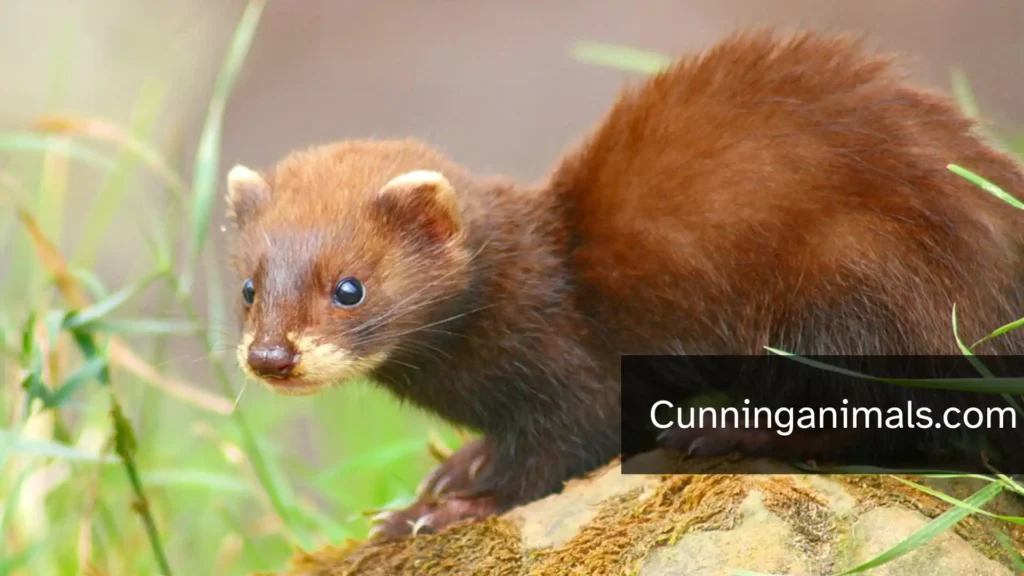
These weasel-like animals are adept hunters, primarily preying on rabbits, rodents, and birds. Their solitary nature allows them to maintain large territories, using scent markers to communicate with others of their kind.
Greater Grison
Scientific Name: Galictis vittata
Class: Mammalia
Diet: Carnivorous
Greater grisons are unique weasel-like animals found in Central and South America, characterized by their elongated bodies and distinct facial markings. These creatures are highly adaptable, capable of thriving in both forested and grassland areas.
Typically solitary, they exhibit a fierce hunting style, preying on small mammals and birds. Their robust build and thick fur provide insulation, allowing them to endure varying climates while exploring their environments.
Wolverine
Scientific Name: Gulo gulo
Class: Mammalia
Diet: Carnivorous
Wolverines are stocky, powerful weasel-like animals, renowned for their fierce demeanor, earning them the nickname “mountain devils.” Residing in cold, remote areas, they have thick fur that insulates them against extreme weather conditions.
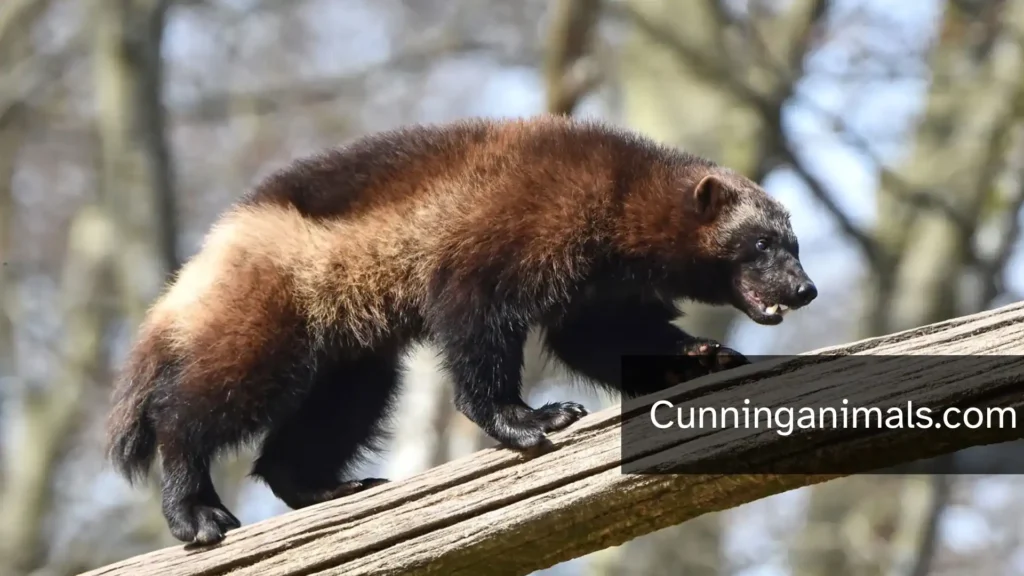
These creatures are formidable scavengers and hunters, often taking down prey much larger than themselves, including caribou and deer. Their incredible strength and stamina make them top-tier predators in their harsh habitats.
Ferret
Scientific Name: Mustela putorius furo
Class: Mammalia
Diet: Carnivorous
Ferrets are domesticated relatives of the European polecat, celebrated for their playful personalities and sleek bodies. These lively weasel-like animals are often kept as pets, requiring social interaction and stimulation to thrive.
Though mostly carnivorous, their diet typically consists of high-protein foods. Ferrets are intelligent and curious, often found exploring their surroundings and engaging in amusing antics that endear them to their owners.
Skunk
Scientific Name: Mephitis mephitis
Class: Mammalia
Diet: Omnivorous
Skunks are iconic for their black-and-white coloration and notorious for their potent defensive spray. Found throughout North America, they are adaptable creatures that thrive in diverse habitats, from urban areas to forests.
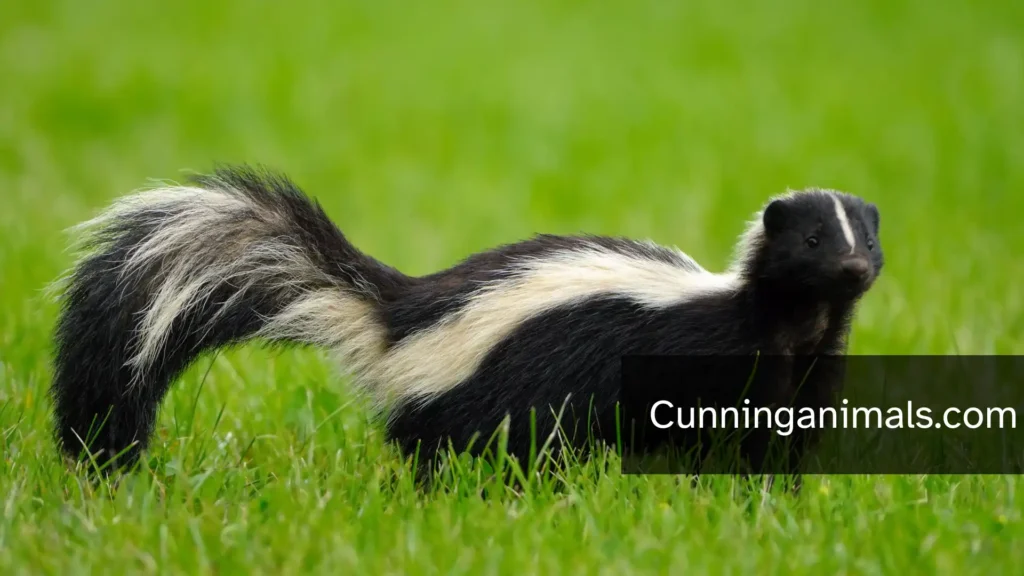
These weasel-like animals primarily forage for insects, small mammals, and fruits, showcasing an omnivorous diet. Their ability to navigate human environments makes them both a curiosity and a nuisance, depending on one’s perspective.
Marten
Scientific Name: Martes martes
Class: Mammalia
Diet: Omnivorous
Martens are agile, arboreal mammals recognized for their elegant, slender bodies and bushy tails. They inhabit forests across Europe and Asia, showcasing remarkable climbing abilities that help them navigate their treetop domains.
Their diet is diverse, consisting of small rodents, birds, and fruits, making martens versatile foragers. Their elusive nature and striking fur patterns also make them a subject of fascination among nature enthusiasts.
Badger
Scientific Name: Meles meles
Class: Mammalia
Diet: Omnivorous
The European badger is known for its distinctive, stocky frame and unique facial markings. They are social animals, often living in groups called cetes, and are highly territorial, establishing extensive underground burrows.
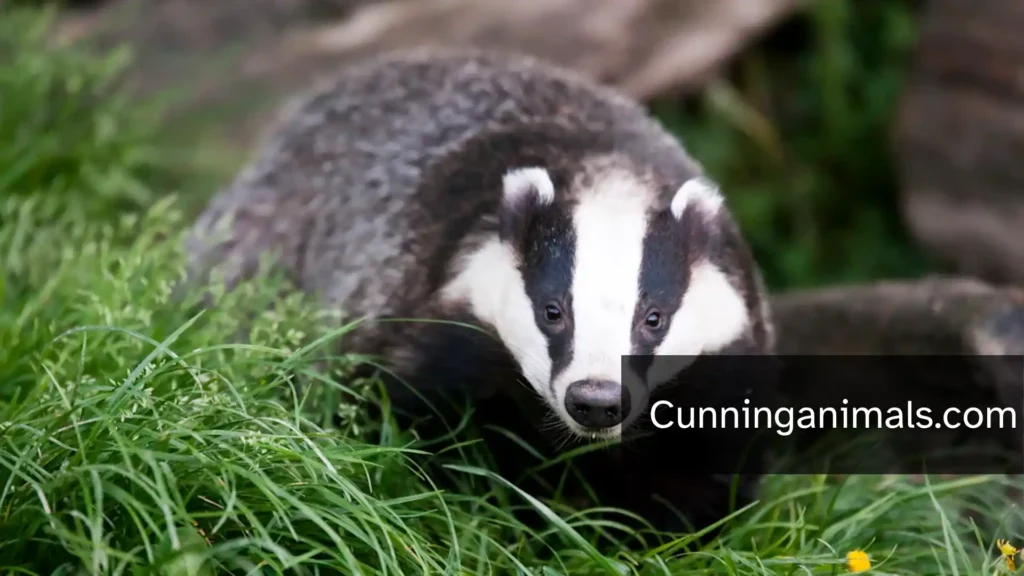
These weasel-like animals have a varied diet, consuming earthworms, insects, and plants. Their nocturnal lifestyle and communal living provide them with both protection from predators and enhanced foraging efficiency.
Honey Badger
Scientific Name: Mellivora capensis
Class: Mammalia
Diet: Omnivorous
The honey badger, famed for its fearless nature, is a small yet formidable creature. Found in Africa, they display remarkable adaptability, often taking on venomous snakes and larger predators with audacity. This refusal to back down, even against overwhelming odds, is part of what makes them stand out among the world’s most stubborn animals, creatures whose persistence often outweighs caution in the wild.
Their diet is eclectic, featuring everything from insects and fruits to honey, showcasing their opportunistic feeding habits. This tenacity and resilience have earned them a mythic status in wildlife lore.
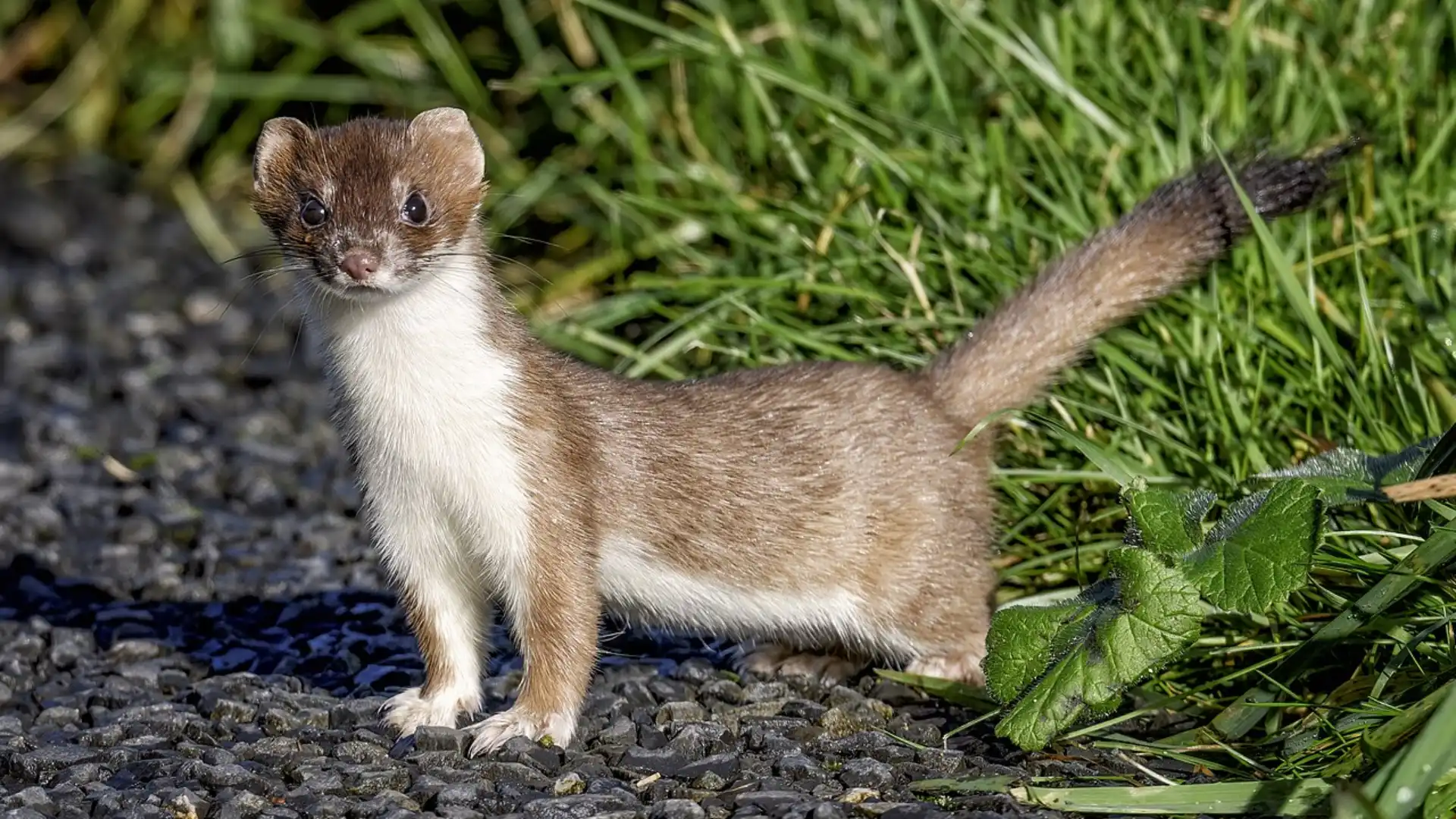
Least Weasel
Scientific Name: Mustela nivalis
Class: Mammalia
Diet: Carnivorous
The least weasel is the smallest member of the weasel family, known for its diminutive size and playful behavior. Despite their small stature, these weasel-like animals exhibit extraordinary hunting skills, often targeting rodents much larger than themselves.
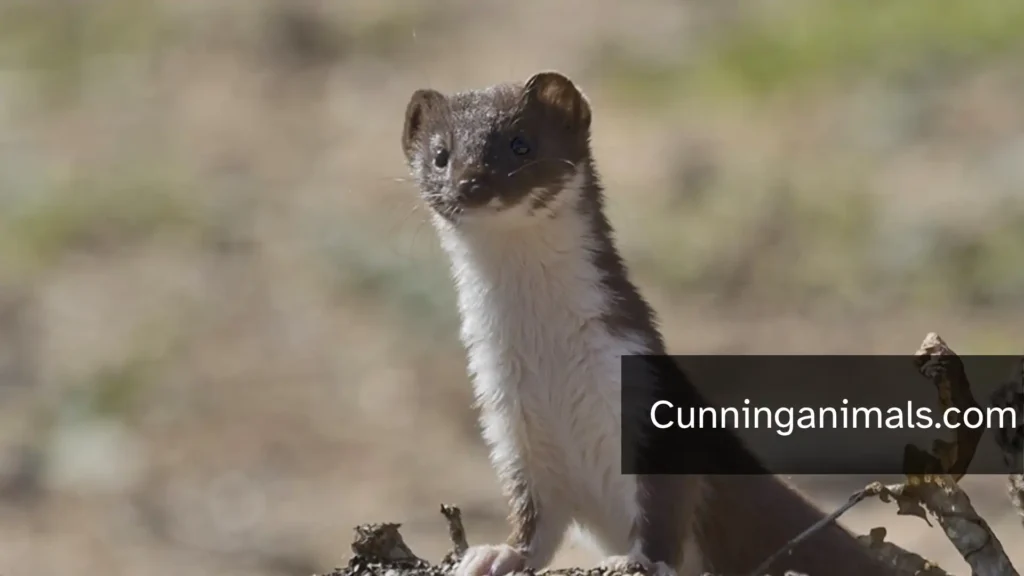
With fur that changes color from brown to white in winter, they are adept at blending into their surroundings. Their agility and speed also make them skilled escape artists, navigating through their environments with remarkable finesse.
Facts About Weasel-Like Animals
These facts about weasel-like animals highlight not only their unique adaptations but also their ecological importance. Each species plays a role in controlling rodent populations and maintaining healthy ecosystems.
- Stoats can change coat color in winter, turning white to blend in with the snow.
- Minks are excellent swimmers, using their webbed feet for agile movement in water.
- Fishers can climb trees with remarkable agility to hunt their prey.
- Wolverines are powerful despite their size, known for their tenacity in securing food.
- Otters and weasels both belong to the Mustelidae family, showcasing fascinating diversity.
- European polecats are masters of camouflage, allowing them to evade predators easily.
- The ferret, a domesticated relative of the weasel, has been used for hunting since ancient times.
- Badgers have strong, burrowing forelimbs, making them expert diggers in search of food.
Conclusion
Animals like weasels exhibit a remarkable array of adaptations that enable them to thrive in diverse environments. Their slender, elongated bodies, sharp senses, and agile movements are often reflected in the physical attributes of these weasel-like creatures.
From the cunning ferret to the elusive marten, each animal showcases unique traits that enable it to be an expert hunter or a stealthy forager. The evolutionary similarities among these species highlight nature’s adaptability, showing how different animals can share a common ancestry yet evolve distinct characteristics suited to their habitats.
FAQs
What Is The Biggest Animal Like A Weasel?
The wolverine is one of the largest and most powerful animals in the weasel family. Its stocky body, strong jaws, and thick fur make it very different in size from a typical weasel.
Are Otters Related To Weasels?
Yes. Otters and weasels are both members of the Mustelidae family, making them close relatives despite their very different lifestyles. Otters are adapted mainly for aquatic environments, while weasels are primarily terrestrial hunters.
What Is The Difference Between A Stoat And A Weasel?
Both are small, slender mustelids, but stoats are generally larger and have a distinctive black-tipped tail. Stoats can also develop a white winter coat in colder regions.
What Is The Closest Animal To A Weasel?
Stoats, polecats, and other Mustela species are among the closest animals to weasels. They share the same genus or closely related evolutionary history.
What Is The Closest Animal To A Weasel?
Stoats, polecats, and other Mustela species are among the closest animals to weasels. They share the same genus or closely related evolutionary history.
What Is A Pet That Looks Like A Weasel?
The ferret is one of the best-known pets that looks like a weasel. It is a domesticated member of the weasel family with a long body and playful, curious behavior.