Amazing 20 Animals That Walk On Two Legs (With Pictures & Facts)
Animals That Walk on Two Legs showcase nature’s incredible adaptations, demonstrating agility and balance in ways that often surprise us. While we typically think of bipedalism in humans, many fascinating creatures also share this trait.
Exploring these 2 Legged Animals reveals not just their unique movement but also their significance in various ecosystems. In this article, you will uncover the top 20 bipedal animals, complete with intriguing facts and captivating pictures that highlight their remarkable abilities.
What Are Animals That Walk On Two Legs?
Bipedalism refers to the ability to walk on two legs, a fascinating trait that not only distinguishes humans but also a variety of other animals. Some well-known examples include birds like ostriches and penguins, which have adapted to their environments through this unique locomotion.
These animals that walk on two legs often exhibit remarkable agility, allowing them to navigate terrain and escape predators efficiently. In addition to birds, certain primates, such as kangaroos and some monkeys, also employ a bipedal stance at times, showcasing the evolutionary versatility of 2 legged animals.
Top 20 Animals That Walk On Two Legs
| Rank | Animal | Scientific Name | Class |
| 1 | Kangaroo | Macropus | Mammalia |
| 2 | Basilisk Lizard | Basiliscus | Reptilia |
| 3 | Wallaby | Notamacropus | Mammalia |
| 4 | Ostrich | Struthio camelus | Aves |
| 5 | Emu | Dromaius novaehollandiae | Aves |
| 6 | Penguin | Spheniscidae | Aves |
| 7 | Chicken | Gallus gallus domesticus | Aves |
| 8 | Turkey | Meleagris gallopavo | Aves |
| 9 | Chimpanzee | Pan troglodytes | Mammalia |
| 10 | Flamingo | Phoenicopteridae | Aves |
| 11 | Duck | Anatidae | Aves |
| 12 | Kangaroo Rat | Dipodomys | Mammalia |
| 13 | Gibbon | Hylobatidae | Mammalia |
| 14 | Goose | Anser | Aves |
| 15 | Parrot | Psittaciformes | Aves |
| 16 | Orangutan | Pongo | Mammalia |
| 17 | Gorilla | Gorilla | Mammalia |
| 18 | Human | Homo sapiens | Mammalia |
| 19 | Jerboa | Dipodidae | Mammalia |
| 20 | Springhare | Pedetidae | Mammalia |
Kangaroo
Scientific Name: Macropus
Class: Mammalia
Diet: Herbivore
Kangaroos are remarkable for their powerful hind legs that enable them to hop, but they are also capable of walking on two legs when needed. This 2-legged movement assists in maintaining balance and surveying their environment for threats.
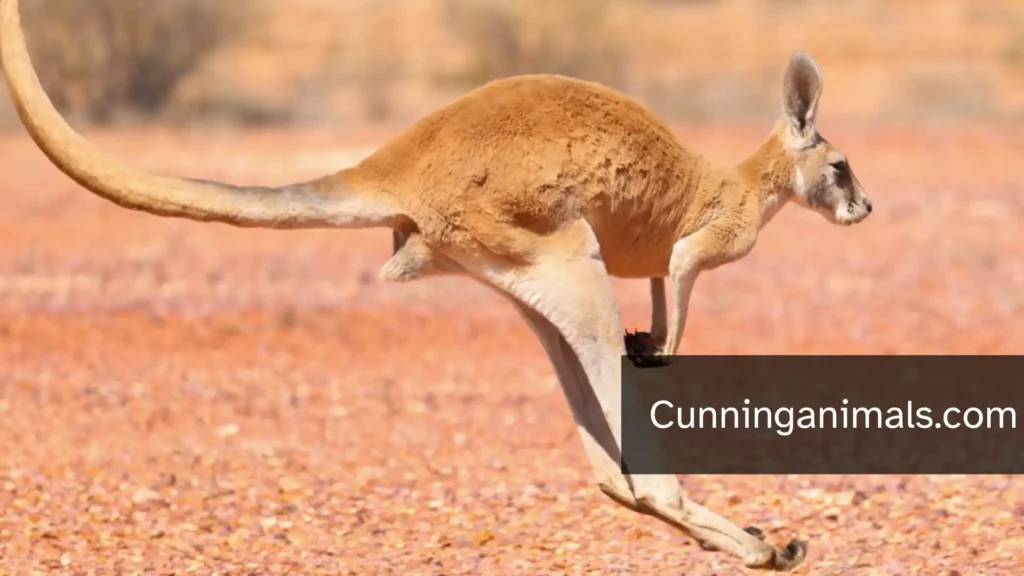
In addition to their unique locomotion, kangaroos have a highly social structure, often seen in groups called mobs. Their energy-efficient gait allows them to cover long distances in search of food and water, making them masters of the Australian outback.
Basilisk Lizard
Scientific Name: Basiliscus
Class: Reptilia
Diet: Omnivore
The basilisk lizard, famously known as the “Jesus Christ lizard,” can run on two legs across water surfaces, a stunning feat among 2-legged animals. This ability allows them to escape predators quickly, showcasing their unique adaptation to their lush, tropical habitats. This kind of rapid predator evasion echoes the survival instincts seen in animals like weasels, which similarly rely on speed and cunning to outmaneuver threats in the wild.
With specialized flaps and a lightweight body, these lizards use their powerful hind legs to sprint at remarkable speeds. Their vibrant colors and striking appearance captivate nature enthusiasts and underscore their role in their ecosystems as both predator and prey.
Wallaby
Scientific Name: Macropus
Class: Mammalia
Diet: Herbivore
Wallabies, smaller relatives of kangaroos, are adept at walking on two legs for short distances as part of their distinctive hopping behavior. Their lively nature allows them to navigate through dense bushland while foraging for leaves and grasses. heir diet of foliage and grasses parallels what you’ll find in what deer eat, another herbivore that browses on similar vegetation in the wild.
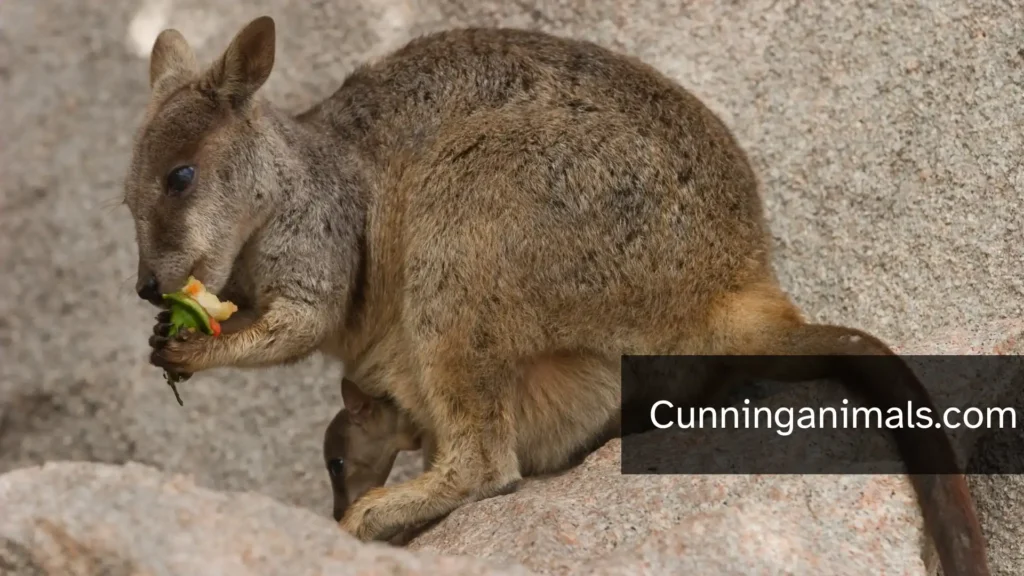
These 2-legged animals exhibit social behaviors similar to kangaroos, forming groups that help protect against predators. Wallabies are known for their endearing hopping and playful antics, making them a favorite among wildlife observers.
Ostrich
Scientific Name: Struthio camelus
Class: Aves
Diet: Omnivore
Ostriches are the largest birds in the world, renowned for their speed and the ability to run on two strong legs. Capable of reaching speeds up to 45 miles per hour, they cover vast distances quickly, making them formidable in their open savanna habitats.
These 2-legged animals exhibit remarkable adaptations, including long legs and a lightweight body structure, which enhance their running efficiency. Their large eyes and keen vision help them spot predators from afar, adding to their survival strategies.
Emu
Scientific Name: Dromaius novaehollandiae
Class: Aves
Diet: Herbivore
The emu, another flightless bird, also walks on two legs, using its long limbs to cover significant ground while foraging. Emus can run at speeds close to 30 miles per hour, making them swift and agile in their natural habitat across Australia.
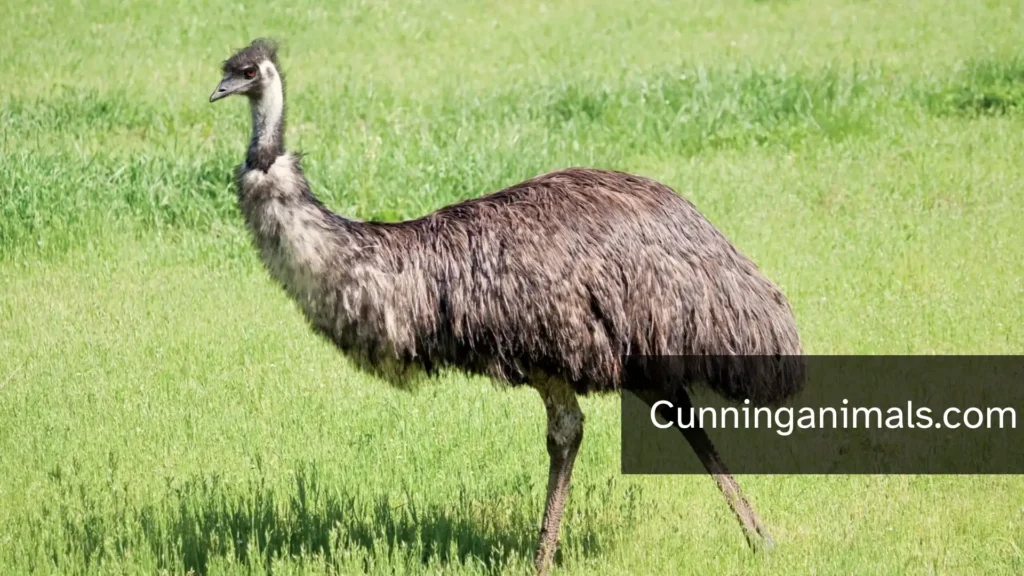
These 2-legged animals play a crucial role in their ecosystems by aiding in seed dispersion through their diet. Their keen sense of hearing and excellent eyesight help them detect danger, enabling them to thrive in various environments.
Penguin
Scientific Name: Spheniscidae
Class: Aves
Diet: Carnivore
Despite their waddling gait, penguins are extraordinary 2-legged animals that have adapted to life in icy waters. While they primarily swim, they also walk on land, often forming large colonies during breeding seasons.
Their unique upright stance helps them maintain balance on the ice, showcasing their adaptation to extreme environments. Penguins’ social behaviors, including group foraging and communal nesting, reflect their ability to thrive in harsh conditions.
Chicken
Scientific Name: Gallus gallus domesticus
Class: Aves
Diet: Omnivore
Chickens are fascinating 2-legged animals known for their adaptability and social behavior within flocks. While primarily ground-dwelling, they exhibit a range of locomotion, from scratching the ground for food to occasionally engaging in short bursts of flight.
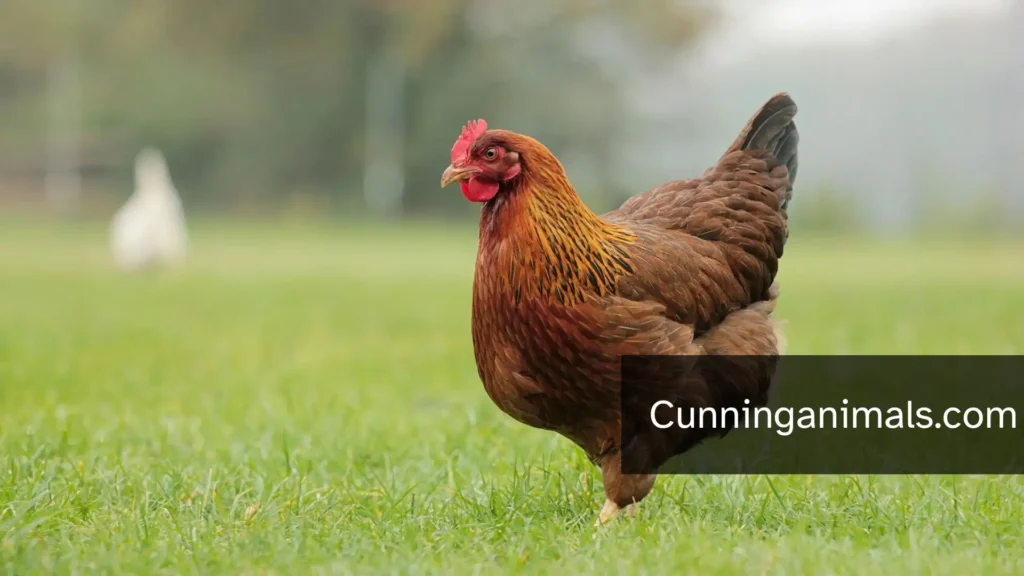
These birds possess a keen sense of community, with established pecking orders that dictate social interactions. Chickens also exhibit intriguing behaviors, such as dust bathing and foraging, highlighting their adaptability in both wild and domesticated environments.
Turkey
Scientific Name: Meleagris gallopavo
Class: Aves
Diet: Omnivore
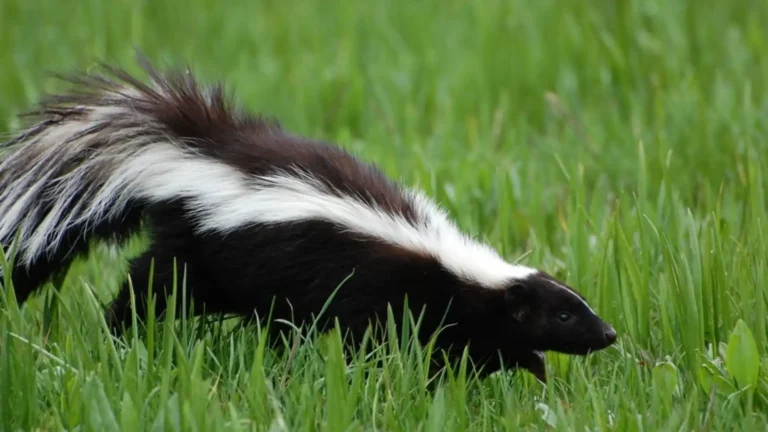
Turkeys are iconic 2-legged animals known for their distinctive plumage and communal behavior. These birds are equipped for ground movement, often strutting around as they search for seeds and insects to eat. This opportunistic, omnivorous foraging style is also common among animals like skunks, which scavenge a similarly varied diet across their habitats.
Their ability to fly short distances enables turkeys to escape predators and roost in trees for safety. With complex social structures, including intricate mating displays, turkeys embody rich and engaging behaviors in their habitats.
Chimpanzee
Scientific Name: Pan troglodytes
Class: Mammalia
Diet: Omnivore
Chimpanzees are our closest living relatives and are adept at walking on two legs, although they primarily use their knuckles for support while moving. Their bipedalism is often observed during foraging or social interactions, emphasizing their remarkable intelligence and adaptability.
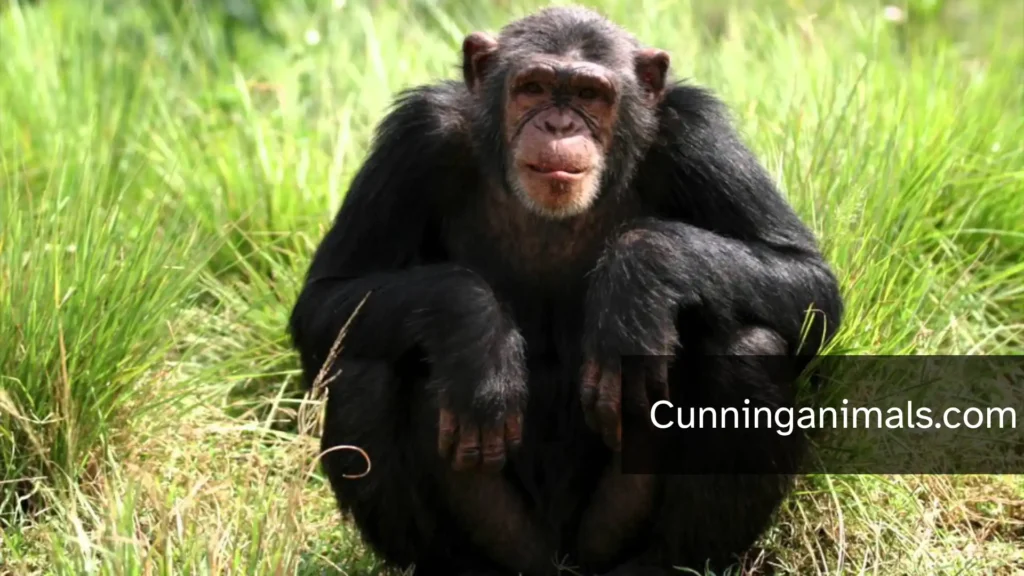
These 2-legged animals demonstrate advanced social structures with strong familial bonds and cooperative behaviors. Their expressive nature is not only captivating but also highlights their ability to use tools, communicate, and exhibit emotions similarly to humans.
Flamingo
Scientific Name: Phoenicopteridae
Class: Aves
Diet: Herbivore
Flamingos are striking 2-legged animals renowned for their vibrant pink feathers and uniquely long legs. They wade in shallow waters, using their legs to stir up mud and filter-feed on algae and small crustaceans.
These birds often engage in elaborate courtship dances, showcasing their social nature and intricate behaviors. Their standing posture, balanced on one leg, is believed to help conserve body heat in cold water.
Duck
Scientific Name: Anas platyrhynchos
Class: Aves
Diet: Omnivore
Ducks are versatile 2-legged animals that can walk, swim, and fly, thriving in both terrestrial and aquatic environments. Ducks share their wetland habitats with a range of other species, many of which are featured among animals that live in rivers. Their webbed feet allow for efficient swimming, but they also browse on land, showcasing their adaptability.

Commonly seen in wetlands and parks, ducks form complex social groups, demonstrating behaviors like preening and foraging together. Their iconic quacking adds another dimension to their charming presence in nature.
Kangaroo Rat
Scientific Name: Dipodomys
Class: Mammalia
Diet: Herbivore
Kangaroo rats are unique desert-dwelling rodents that primarily move by hopping on their powerful hind legs, resembling miniature kangaroos. Their bipedal movement is an effective strategy for navigating the sandy terrain of their arid habitats.
These 2-legged animals have adapted to their environment by developing specialized kidneys that allow them to conserve water, making them masters of survival in harsh conditions. Their nightly foraging habits reflect their adaptability and resourcefulness.
Gibbon
Scientific Name: Hylobatidae
Class: Mammalia
Diet: Frugivore
Gibbons are small, agile apes known for their incredible swinging abilities, but they are also proficient at walking on two legs when necessary. Their bipedalism is often observed during ground travel, especially when moving between trees.
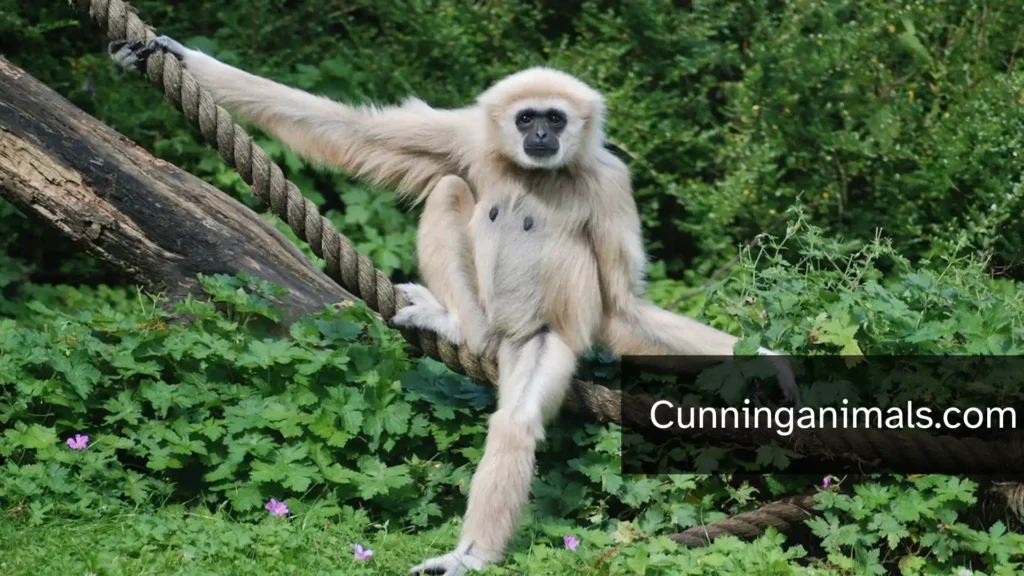
These 2-legged animals exhibit complex vocalizations and social structures, often living in family groups. Their unique adaptations for climbing and foraging in trees illustrate their ecological roles in tropical forests.
Goose
Scientific Name: Anatidae
Class: Aves
Diet: Herbivore
Geese are strong 2-legged animals known for their migratory patterns and social structures. Often found in groups, they walk confidently on land while also exhibiting remarkable flying abilities during migration.
These birds communicate with honking calls, reflecting their social nature and reinforcing connections within their flocks. Their ability to adapt to various environments makes them key players in both agricultural and natural ecosystems.
Parrot
Scientific Name: Psittacidae
Class: Aves
Diet: Herbivore
Parrots are known for their intelligence and vibrant colors, but they are also capable of walking on two legs as they navigate their environments. Their bipedal movements facilitate foraging among trees and shrubs, showcasing their adaptability.
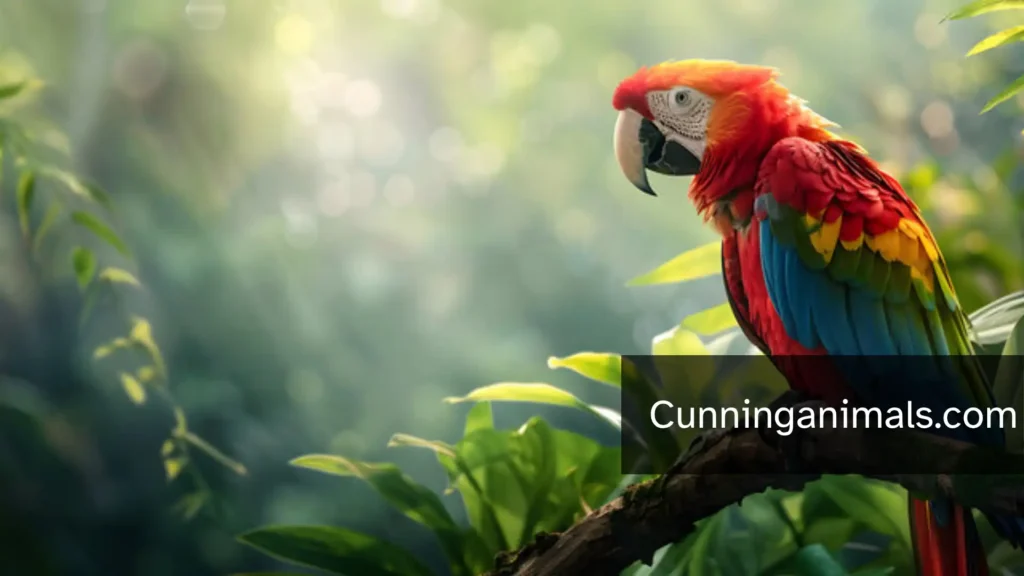
These 2-legged animals have remarkable vocal capabilities, often mimicking sounds and human speech, which highlights their social intelligence. Their playful interactions and complex behaviors make them popular pets and subjects of study in avian behavior research.
Orangutan
Scientific Name: Pongo
Class: Mammalia
Diet: Frugivore
Orangutans are primarily arboreal primates but occasionally walk on two legs while traversing their forest habitats. Their unique locomotion allows them to bridge gaps between trees, showcasing their adaptability.
These intelligent 2-legged animals exhibit significant cultural behaviors, including tool use and problem-solving skills, highlighting their complex cognitive abilities. Their conservation status raises awareness about the challenges facing their dwindling populations.
Gorilla
Scientific Name: Gorilla
Class: Mammalia
Diet: Herbivore
Gorillas are among the largest primates and exhibit a fascinating mix of bipedalism and knuckle-walking. While they primarily move on all fours, they can stand and walk short distances on two legs, especially to reach for food.
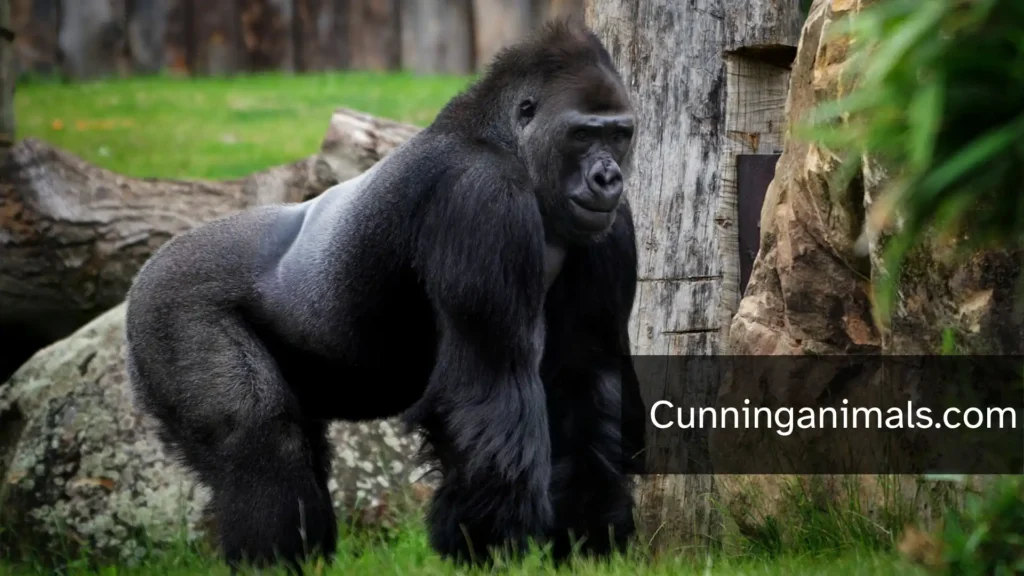
These powerful 2-legged animals display strong social structures, living in family groups led by a dominant silverback. Their behaviors, ranging from nurturing young to complex vocalizations, reflect their advanced social dynamics within their communities.
Human
Scientific Name: Homo sapiens
Class: Mammalia
Diet: Omnivore
Humans are the most advanced 2-legged animals, with bipedalism forming the foundation of our evolution. Walking on two legs has allowed us to develop complex societies and cultures, engaging in activities that require dexterity and agility.
Our unique ability to adapt and manipulate our environments sets us apart from other species. This bipedal locomotion not only frees our hands for tool use but also fosters social interaction and communication, intrinsically linking us to our ancestors.
Jerboa
Scientific Name: Dipodomys
Class: Mammalia
Diet: Herbivore
Jerboas are fascinating desert rodents known for their remarkable bipedal hopping abilities, resembling tiny kangaroos. This adaptation allows them to evade predators while navigating the sandy terrain of their arid habitats.
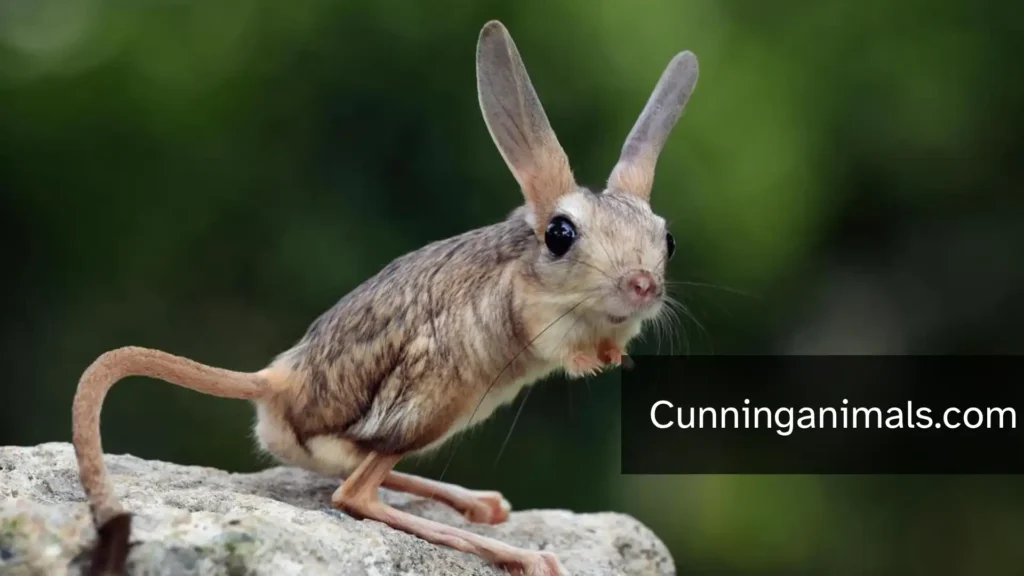
As 2-legged animals, jerboas utilize their long, powerful hind legs to leap across great distances, facilitating quick escapes and efficient foraging. Their unique morphology and supremely adapted behaviors make them indispensable inhabitants of their ecosystems.
Springhare
Scientific Name: Pedetes
Class: Mammalia
Diet: Herbivore
Springhares, often mistaken for kangaroos due to their jumping prowess, are excellent 2-legged animals that inhabit southern Africa’s grasslands. Their modified hind legs allow them to hop skillfully in search of roots and tubers.
Exhibiting both nocturnal and social behaviors, springhares are agile animals that communicate through vocalizations and physical displays. Their unique adaptations to arid environments make them remarkable subjects of study in the context of evolution and adaptation.
Conclusion
The fascinating world of animals that walk on two legs showcases a diverse range of species, each with unique adaptations and behaviors. From the playful antics of primates to the graceful strides of certain birds, these bipedal creatures demonstrate the remarkable versatility of evolution.
Observing these animals allows us to appreciate not only their biological ingenuity but also their role in various ecosystems. As we continue to study animals that walk on two legs, we gain valuable insights into their habitats, social structures, and survival strategies.
FAQs
What Are Animals That Walk On Two Legs Called?
Animals that walk on two legs are called bipedal animals, or bipeds. Humans, kangaroos, ostriches, and penguins are common examples.
What Are The 10 Animals With Two Legs?
Ten examples include humans, kangaroos, ostriches, emus, penguins, chickens, turkeys, flamingos, chimpanzees, and kangaroo rats.
Which Animal Runs On Two Legs?
The ostrich is one of the fastest animals that runs on two legs. It can reach speeds of about 45 mph (72 km/h).
What Is A Creature That Walks On Two Legs Called?
A creature that walks on two legs is called a biped. Bipedal animals use their two hind limbs for walking, running, or hopping.