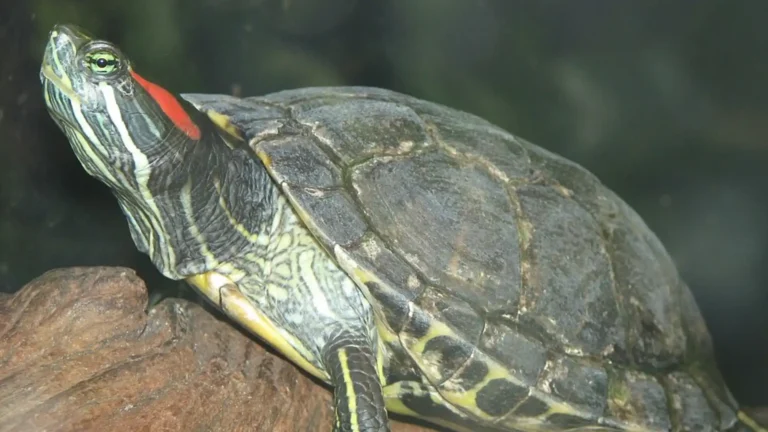

24 Animals Like Foxes (With Pictures & Fascinating Facts
Animals Like Foxes are not just fascinating; they reveal the intricate web of adaptability and survival strategies in the wild. This article dives into a captivating world where you’ll discover various animals similar to foxes, showcasing their unique characteristics and behaviors.
From their clever hunting techniques to their social dynamics, these animals like a fox captivate our imagination and highlight nature’s diversity. Prepare to be enlightened with pictures and intriguing facts about these remarkable creatures that might just surprise you.
What Animals Look Like Foxes?
Animals that look like foxes often share a distinctive blend of physical traits, such as pointed ears, slender bodies, and bushy tails. Among the dog family (Canidae), we find close relatives like coyotes, wolves, and jackals, all of which exhibit that sly, fox-like charm. These canids, with their elongated snouts and thick fur, share a lineage that highlights their evolutionary connection to foxes.
Beyond the canids, fox look-alikes include raccoon dogs, red pandas, and even raccoons, each boasting some features reminiscent of foxes. Raccoon dogs, for example, have a bushy tail and a similar size, while red pandas showcase a playful spirit paired with a bushy tail.
List of 24 Animals Like Foxes
| No. | Animal | Scientific Name | Key Similarity to Foxes |
| 1 | Red Panda | Ailurus fulgens | Reddish fur and bushy tail |
| 2 | Dhole | Cuon alpinus | Dog-like face and body |
| 3 | Dingo | Canis lupus dingo | Pointed ears and canine muzzle |
| 4 | Fennec Fox | Vulpes zerda | Small body and oversized ears |
| 5 | Coyote | Canis latrans | Narrow muzzle and bushy tail |
| 6 | Culpeo | Lycalopex culpaeus | Fox-like face and thick coat |
| 7 | Golden Jackal | Canis aureus | Pointed ears and slender build |
| 8 | African Civet | Civettictis civetta | Long muzzle and patterned coat |
| 9 | Domestic Dog | Canis lupus familiaris | Similar features in fox-like breeds |
| 10 | Raccoon | Procyon lotor | Pointed muzzle and bushy, ringed tail |
| 11 | Gray Wolf | Canis lupus | Canine facial features |
| 12 | Striped Skunk | Mephitis mephitis | Pointed face and bushy tail |
| 13 | African Wild Dog | Lycaon pictus | Large ears and slender canine body |
| 14 | Red Fox | Vulpes vulpes | Classic fox appearance |
| 15 | Arctic Fox | Vulpes lagopus | Fox-like face and thick fur |
| 16 | Bat-Eared Fox | Otocyon megalotis | Oversized ears and pointed muzzle |
| 17 | Bobcat | Lynx rufus | Pointed ears and reddish-brown coat |
| 18 | Maned Wolf | Chrysocyon brachyurus | Long muzzle and reddish fur |
| 19 | Raccoon Dog | Nyctereutes procyonoides | Fox-like face and thick coat |
| 20 | Corsac Fox | Vulpes corsac | Pale coat and pointed ears |
| 21 | Kit Fox | Vulpes macrotis | Large ears and slender body |
| 22 | Swift Fox | Vulpes velox | Small body and bushy tail |
| 23 | Island Fox | Urocyon littoralis | Small size and fox-like features |
| 24 | Gray Fox | Urocyon cinereoargenteus | Pointed muzzle and bushy tail |
Red Panda
Scientific Name: Ailurus fulgens
Class: Mammalia
Habitat: Bamboo forests in the Himalayan region.
Despite its name, the red panda resembles a fox more than a bear. With its rusty-red fur and bushy tail, it’s a charming sight among the high-altitude bamboo forests. Socially elusive, red pandas often spend their days sleeping and foraging for bamboo.
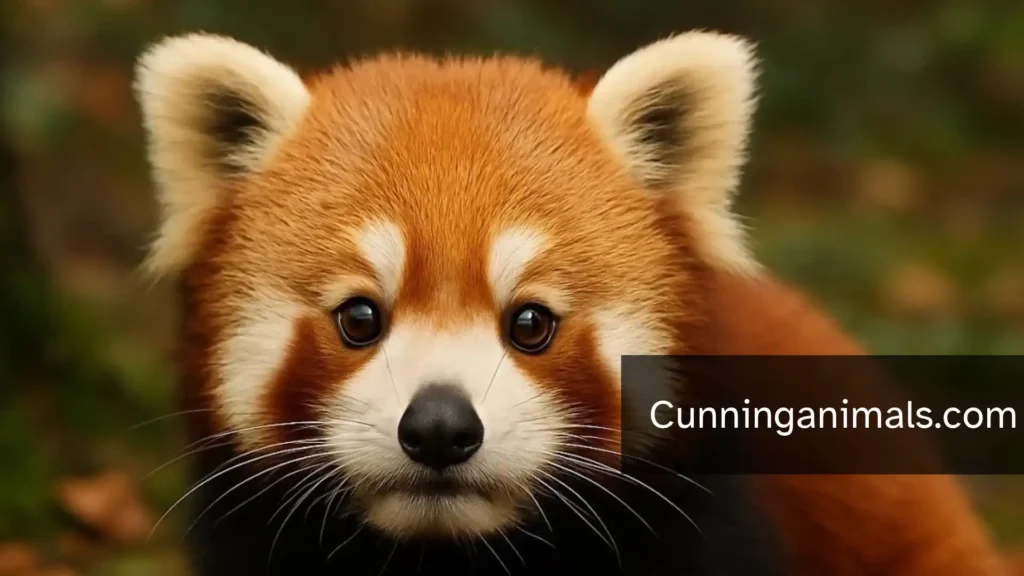
Their playful demeanor makes them one of the most beloved animals that look like foxes. These delightful creatures have evolved unique adaptations like a false thumb that helps them grasp bamboo, showcasing the wonders of evolution in their habitat.
Dhole
Scientific Name: Cuon alpinus
Class: Mammalia
Habitat: Forests and grasslands across Asia.
Known as the Asian wild dog, the dhole is a pack hunter reminiscent of both wolves and foxes. These sleek canines are highly social, thriving in well-coordinated packs that can tackle prey much larger than themselves.
Despite their fierce hunting prowess, dholes are endangered, primarily due to habitat loss. Their unique, high-pitched calls echo through the wilderness, drawing together packs that exhibit stunning cooperation, another trait that links them to fox-like species.
Dingo
Scientific Name: Canis lupus dingo
Class: Mammalia
Habitat: Australian deserts and forests.
The dingo is a wild dog native to Australia, often highlighted for its agile physique and coyote-like appearance. Known for their adaptability, dingoes thrive in varying environments, from deserts to woodlands.
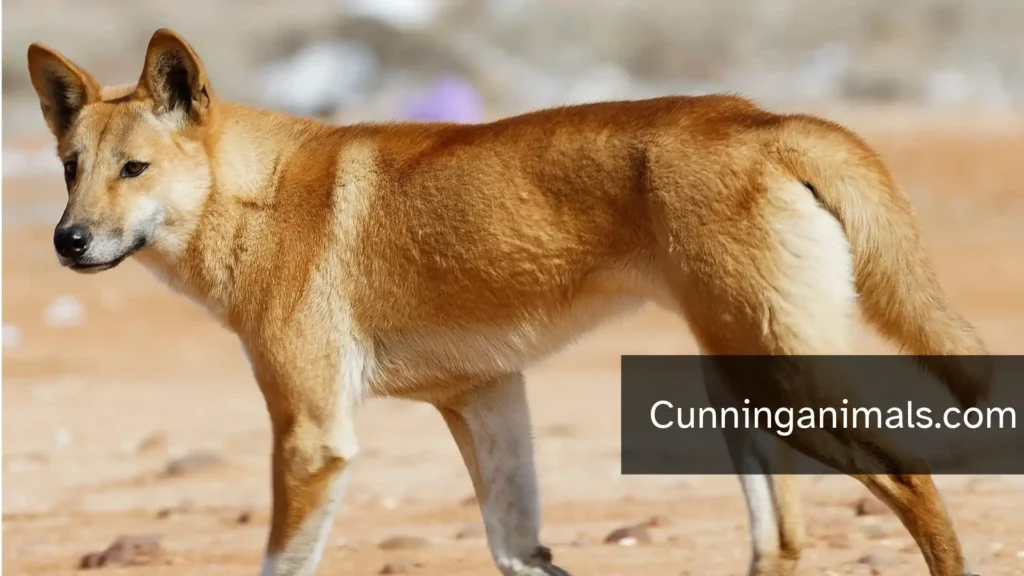
These animals that look like foxes play a crucial role in their ecosystem as apex predators. Their intelligent hunting strategies and social dynamics reveal a complex understanding of their habitat, making them fascinating study subjects for wildlife enthusiasts.
Fennec Fox
Scientific Name: Vulpes zerda
Class: Mammalia
Habitat: Sahara Desert and arid regions of North Africa.
The fennec fox is best known for its enormous ears, which help dissipate heat and detect prey in the sandy expanse of its desert habitat. Its small size and nocturnal lifestyle make it a master of survival in one of the harshest environments on Earth.
These charming creatures, among the most recognizable animals that look like foxes, have thick fur that protects them from the scorching sun. Their playful and social behavior, often observed in small family groups, adds to their appeal and adaptability in the wild.
Coyote
Scientific Name: Canis latrans
Class: Mammalia
Habitat: Diverse habitats across North America, including deserts and forests.
Coyotes are highly adaptable creatures known for their cunning nature and resilience. Their striking resemblance to smaller wolves, combined with traits that recall foxes, makes them versatile hunters across a range of environments.
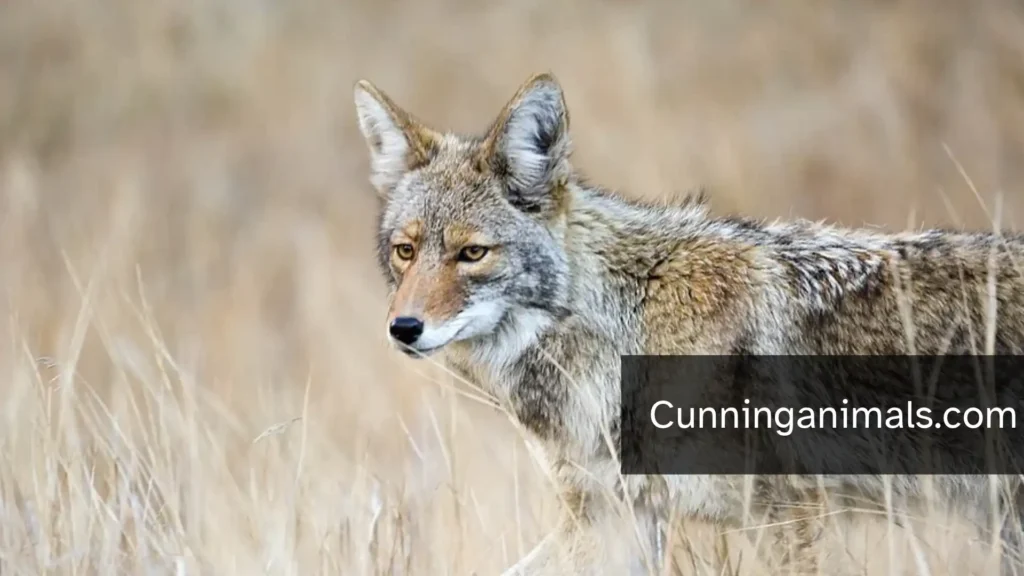
These animals are often heard howling at night, creating a symphony that signifies their territory. Their survival skills, from scavenging to skilled hunting, reflect a deep understanding of their ecosystem, making them endearing and captivating. Their varied diet can include rabbits, rodents, and even squirrels, making them one of many animals that eat squirrels across North America.
Culpeo
Scientific Name: Lycalopex culpaeus
Class: Mammalia
Habitat: Grasslands and forests of South America.
Also known as the Andean fox, the culpeo’s robust physique and bushy tail give it a striking resemblance to foxes. This versatile predator often climbs trees and hunts both mammals and birds, showcasing its adaptability.
Culpeos have a particularly interesting social structure, varying from solitary to pack living depending on their environment. Their unique adaptations, including a varied diet, illustrate the intricate balance of life in the harsh South American terrains.
Golden Jackal
Scientific Name: Canis aureus
Class: Mammalia
Habitat: Open fields, savannas, and grasslands in Africa and Asia.
The golden jackal is an adaptable canid that thrives in various habitats, resembling a smaller version of the wolf while displaying a fox-like grace. These opportunistic hunters often forage in pairs or family groups, demonstrating intelligence in their hunting strategies.
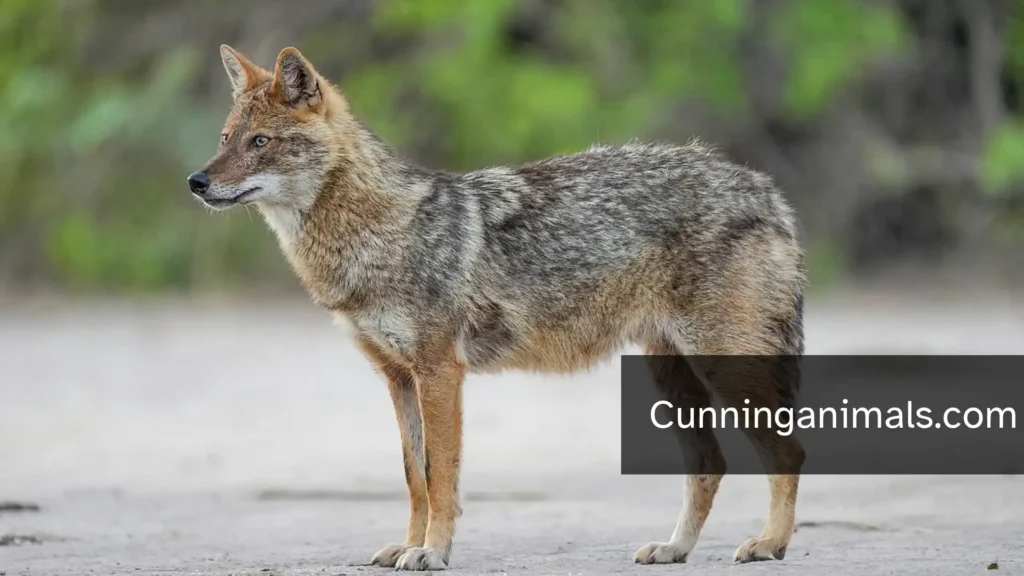
Their vocalizations and social structure reflect deep family bonds, making them fascinating animals that look like foxes. Their ability to thrive alongside human settlements shows their remarkable adaptability in changing environments.
African Civet
Scientific Name: Civettictis civetta
Class: Mammalia
Habitat: Rainforests, savannas, and parts of urban areas in Africa.
The African civet is an intriguing species that combines the features of a cat and a raccoon with fox-like agility. With distinctive markings and a robust body, this nocturnal mammal thrives in diverse habitats, from lush forests to more urban settings.
Utilizing its keen sense of smell and agility, the civet is a skilled forager, often hunting nocturnal prey. As a unique representative of the wildlife, it adds to the rich biodiversity of regions where animals that look like foxes roam.
Domestic Dog
Scientific Name: Canis lupus familiaris
Class: Mammalia
Habitat: Global, primarily domestic environments.
Domestic dogs, evolved from their wild ancestors, exhibit striking similarities to foxes in appearance and behavior. Their diverse breeds range from small toy breeds reminiscent of the fennec fox to larger ones echoing wolf characteristics.

Dogs exhibit social and cooperative traits, often forming close bonds with humans and other animals. Their intelligence and adaptability reflect centuries of domestication, showcasing a unique connection to both nature and humanity.
Raccoon
Scientific Name: Procyon lotor
Class: Mammalia
Habitat: Forests, urban areas, and wetlands across North America.
With their masked faces and dexterous paws, raccoons share a playful charm similar to that of foxes. These nocturnal omnivores are highly intelligent, known for their problem-solving abilities and adaptability to urban environments.
Raccoons exhibit social behaviors and complex communication when foraging in groups, exploring their surroundings with curiosity. Their ability to thrive in diverse habitats further highlights the interconnectedness of wildlife in modern ecosystems. Raccoons are also famous for their curious, trouble-making habits, which easily earn them a spot among the most mischievous animals in the world.
Gray Wolf
Scientific Name: Canis lupus
Class: Mammalia
Habitat: Forests, tundras, and grasslands globally.
The gray wolf is a majestic creature, often seen as the ultimate symbol of wilderness. Resembling foxes in size and coloration, these pack hunters possess sophisticated social structures vital for their survival.
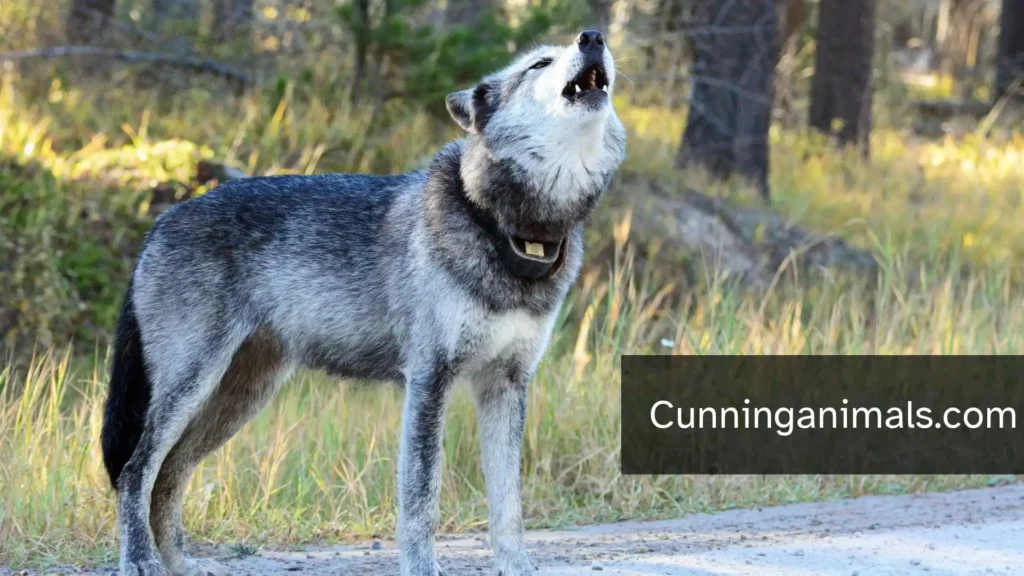
Wolves’ howl resonates through the night, solidifying their territorial reign and fostering pack cohesion. Their loyalty and teamwork during hunts highlight the intricacies of predator dynamics, sparking admiration and intrigue in wildlife enthusiasts.
Striped Skunk
Scientific Name: Mephitis mephitis
Class: Mammalia
Habitat: Forests, grasslands, and rural areas throughout North America.
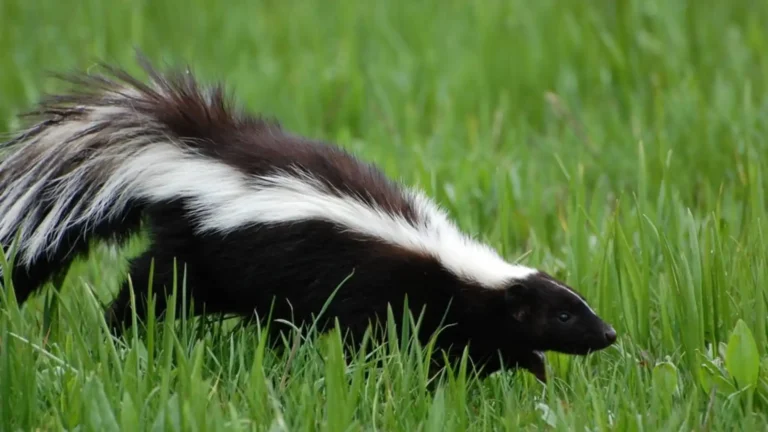
Often visually reminiscent of smaller foxes, striped skunks possess striking black and white fur that serves as both camouflage and a warning signal. Their adaptability allows them to thrive in various environments, foraging for insects and small rodents.
Though perhaps not the most glamorous animals that look like foxes, skunks have a unique charm. Their infamous spray serves as a potent defense mechanism, further emphasizing the complex interplay of behaviors in the wild. If you enjoy species with bold markings and unusual defenses, you can explore more animals like skunks and see which others share this survival strategy.
African Wild Dog
Scientific Name: Lycaon pictus
Class: Mammalia
Habitat: Savannas and grasslands in sub-Saharan Africa.
Known for their striking painted coats, African wild dogs resemble a unique blend of canid traits. Highly social animals, they hunt in packs with remarkable coordination and camaraderie, reminiscent of fox-like social structures.

Their vocalizations and playful interactions reinforce strong bonds within the pack. Sadly, this endangered species faces numerous threats, highlighting the importance of conservation efforts in preserving the wild heart of Africa.
Red Fox
Scientific Name: Vulpes vulpes
Class: Mammalia
Habitat: Diverse environments, including forests, grasslands, and urban areas.
The iconic red fox is perhaps the most recognized of the fox-like animals, known for its striking reddish fur and bushy tail. Adaptable to a range of habitats, red foxes thrive in both rural and urban settings, showcasing their versatility.
Often characterized by their cunning behavior, red foxes are skilled hunters, adapting their strategies based on prey availability. Their charming playful nature and vocalizations deepen their connection to the landscapes they inhabit. Their sharp instincts and problem-solving skills place them among the most cunning animals in the wild, a reputation that has followed foxes through folklore and real-life observation alike.
Arctic Fox
Scientific Name: Vulpes lagopus
Class: Mammalia
Habitat: Arctic tundra and coastal regions.
The arctic fox embodies the essence of survival in extreme conditions, sporting thick white fur to blend seamlessly into its icy habitat. This small fox is well-adapted, showcasing unique adaptations that allow it to thrive even in the harshest climates.

With a diet that fluctuates with the seasons, these foxes display exceptional hunting skills, often caching surplus food for later use. Their fascinating adaptations make them a key species in the Arctic ecosystem, connecting them further to animals that look like foxes.
Bat-Eared Fox
Scientific Name: Otocyon megalotis
Class: Mammalia
Habitat: Open savannas and grasslands of sub-Saharan Africa.
Distinguished by its large ears, the bat-eared fox is an endearing creature reminiscent of its fox relatives. These large ears act as both radar for detecting insects and a tool for thermoregulation in their warm habitat.
Their diet largely consists of insects and small rodents, showcasing their ecological role in controlling pest populations. The playful nature of bat-eared foxes adds another layer to their charm, making them one of the captivating animals that look like foxes.
Bobcat
Scientific Name: Lynx rufus
Class: Mammalia
Habitat: Diverse habitats, including forests, wetlands, and suburban areas in North America.
The bobcat may not be a fox but shares similar traits, like keen hunting skills and adaptability. Recognizable by its tufted ears and bobbed tail, the bobcat is a solitary hunter that thrives in various terrains. This independent lifestyle makes the bobcat a good example of solitary animals in the world that rely on stealth rather than a pack.

Their elusive nature and well-camouflaged fur allow them to blend seamlessly into their environment, making them expert predators. Each bobcat plays an essential ecological role, controlling small mammal populations and maintaining balance in their habitats.
Maned Wolf
Scientific Name: Chrysocyon brachyurus
Class: Mammalia
Habitat: Grasslands and savannas of South America.
With its long legs and striking reddish fur, the maned wolf is often likened to a fox but stands out in its unique appearance. This solitary canid has an elongated frame that enables it to traverse tall grasses and navigate its vast territory. The erect fur along its neck gives it its name, and it is one of several animals that have manes beyond the big cats.
Known for its unusual diet consisting of fruit and small prey, the maned wolf showcases exceptional adaptability. Its eerie, high-pitched vocalizations resonate across the savanna, giving an enchanting insight into the life of one of the more peculiar animals that look like foxes.
Raccoon Dog
Scientific Name: Nyctereutes procyonoides
Class: Mammalia
Habitat: Forests and wetlands across East Asia and Eastern Europe.
The raccoon dog, with its striking resemblance to both raccoons and foxes, showcases a blend of features. This canid has a bushy tail and facial markings that echo its namesake, providing a fascinating example of convergent evolution.

Raccoon dogs are unique among canids as they can climb trees, a skill that adds to their adaptation strategies. Their social structure and foraging habits reflect their resilience in diverse habitats, making them intriguing figures in their ecosystems.
Corsac Fox
Scientific Name: Vulpes corsac
Class: Mammalia
Habitat: Grasslands and steppe regions of Central Asia.
The corsac fox is a medium-sized fox with a silver-gray coat that allows it to blend seamlessly into its steppe habitat. Known for its agility and clever hunting skills, this fox often preys on small mammals and birds, showcasing its versatility.
These shy creatures are less vocal than their larger relatives, relying on body language to communicate. Observing corsac foxes in their natural habitat offers a glimpse into the dynamics of survival in the wild, enhancing our understanding of wildlife.
Kit Fox
Scientific Name: Vulpes macrotis
Class: Mammalia
Habitat: Desert regions of North America.
The kit fox, one of the smallest fox species, possesses big ears that help it dissipate heat in its arid habitat. Adapted to desert life, it thrives in challenging conditions, showcasing remarkable resilience and adaptability.

These foxes prey primarily on insects and small mammals, often hunting during the cooler hours of dusk and dawn. Their endearing size and playful demeanor make them a charming representation of the diverse lineage of animals that look like foxes.
Swift Fox
Scientific Name: Vulpes velox
Class: Mammalia
Habitat: Plains and grasslands of North America.
The swift fox stands out with its petite frame and swift agility, making it adept at navigating the vast plains. Their smaller size compared to other canids enables them to survive in their specific ecological niche.
Swift foxes are social creatures, often forming pair bonds that last for life. Their playful behavior and cooperative hunting techniques provide valuable insights into the social structures of animals that look like foxes.
Island Fox
Scientific Name: Urocyon littoralis
Class: Mammalia
Habitat: Channel Islands off the coast of California.
The island fox, endemic to California’s Channel Islands, showcases a delightful example of insular dwarfism, being notably smaller than its mainland relatives. Its unique adaptations reflect years of evolution in response to its island habitat.
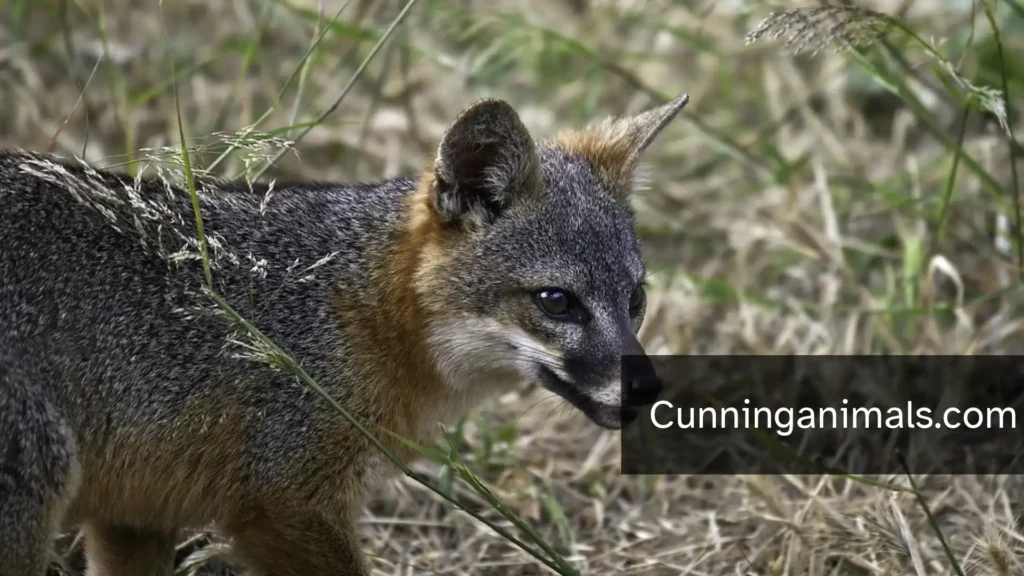
As efficient hunters of small mammals and birds, island foxes have a distinct ecological role in maintaining balance within their limited environment. Their story reflects the importance of island ecosystems and conservation efforts to preserve these enchanting canids.
Gray Fox
Scientific Name: Urocyon cinereoargenteus
Class: Mammalia
Habitat: Forests, grasslands, and urban areas across North America.
The gray fox is one of the few canid species capable of climbing trees, a skill that gives it an edge when avoiding predators. With its striking gray fur and tapered snout, it brings a unique aesthetic to the world of fox-like animals.
These foxes are highly adaptable, feeding on a varied diet that includes fruits and small mammals. Their impressive adaptability showcases the diverse ecological niches that animals that look like foxes can occupy, enriching our natural world.
Interesting Facts About Animals Like Foxes
- Red pandas have reddish fur and bushy tails, but they are not members of the dog family.
- Fennec foxes have enormous ears that help them release heat and detect prey in the desert.
- Coyotes are highly adaptable and can survive in forests, grasslands, deserts, and urban areas.
- Gray foxes are skilled climbers and can climb trees to escape danger or search for food.
- Dholes are social wild dogs that often hunt cooperatively in packs.
- Maned wolves have unusually long legs that help them move through tall grass.
- Raccoon dogs are members of the dog family, despite their raccoon-like facial markings.
- Arctic foxes grow thick fur that helps them survive extremely cold temperatures.
- Red pandas use their long, bushy tails for balance and warmth in cold weather.
- Golden jackals eat a varied diet that can include small mammals, insects, fruit, and carrion.
- Kit foxes have large ears that help them detect prey and release heat in hot environments.
- Island foxes are small foxes native to California’s Channel Islands.
- African wild dogs have unique coat patterns, with no two individuals having exactly the same markings.
- Bobcats may look fox-like from a distance, but they are wild cats with short tails and tufted ears.
- Culpeos are South American canids with fox-like faces and thick reddish coats.
Conclusion
Animals Like Foxes reveal a rich tapestry of wildlife that intrigues and inspires. As we examined animals similar to foxes, it became evident that many species embody the cleverness and agility that make foxes so unique.
Not only do these animals similar to fox enhance our understanding of biodiversity, but they also highlight the importance of conservation efforts. Learning about these animal similar to fox opens up a new perspective on the natural world around us.
FAQs
What Animal Is Similar To A Fox?
Animals similar to a fox include coyotes, jackals, wolves, and domestic dogs. These animals belong to the canine family and share features such as pointed ears, long snouts, and bushy tails.
What Are 10 Wild Animals?
Ten wild animals include lions, tigers, elephants, bears, wolves, foxes, deer, zebras, giraffes, and leopards. These animals live in different habitats, including forests, grasslands, mountains, and deserts.
What Are The 12 Types Of Foxes?
Twelve types of foxes include the red fox, Arctic fox, fennec fox, gray fox, kit fox, swift fox, corsac fox, bat-eared fox, Bengal fox, Tibetan fox, Cape fox, and pale fox. Each species has unique features and adaptations to its environment.
What Looks Like A Fox But Is Not A Fox?
Animals that look like foxes but are not true foxes include the maned wolf, raccoon dog, and bush dog. The maned wolf has a fox-like face and reddish fur, while the raccoon dog has a similar appearance with a bushy tail.