17 Animals Like Horses (With Pictures, Facts & Similarities)
Animals like horses evoke a sense of wonder, with their impressive stature and spirited demeanor drawing us in. Beyond the familiar sights of stable life, many lesser-known horse-like animals share captivating similarities with our beloved steeds.
This article introduces 17 animals similar to horses, providing intriguing insights and vivid pictures. By the end, you’ll not only recognize these horse-like animals but also appreciate the diverse tapestry of wildlife that exists alongside horses.
What Animals Are Like Horses?
Animals that are like horses include various members of the Equidae family, such as donkeys, wild asses, and zebras. These animals share similar physical traits, including hooves, long legs, and herbivorous diets, making them adapted for similar environments. Hybrid species, like mules, further illustrate the genetic connections within this family, as they result from crossing horses and donkeys.
Not all animals that resemble horses are closely related. Species such as moose, tapirs, and llamas, despite having horse-like body shapes or grazing habits, belong to entirely different animal families. This rich diversity highlights the fascinating ways in which evolution shapes species, allowing for both shared traits and distinct lineages across the animal kingdom.
Top 17 Animals Like Horses
| No. | Animal | Scientific Name | Class | Family | Diet |
| 1 | Zebra | Equus quagga | Mammalia | Equidae | Herbivore |
| 2 | Donkey | Equus asinus | Mammalia | Equidae | Herbivore |
| 3 | Mule | Equus mulus | Mammalia | Equidae hybrid | Herbivore |
| 4 | Kiang | Equus kiang | Mammalia | Equidae | Herbivore |
| 5 | Kulan | Equus hemionus kulan | Mammalia | Equidae | Herbivore |
| 6 | Onager | Equus hemionus onager | Mammalia | Equidae | Herbivore |
| 7 | Przewalski’s Horse | Equus ferus przewalskii | Mammalia | Equidae | Herbivore |
| 8 | Okapi | Okapia johnstoni | Mammalia | Giraffidae | Herbivore |
| 9 | Tapir | Tapirus terrestris | Mammalia | Tapiridae | Herbivore |
| 10 | Moose | Alces alces | Mammalia | Cervidae | Herbivore |
| 11 | Eland | Taurotragus oryx | Mammalia | Bovidae | Herbivore |
| 12 | Llama | Lama glama | Mammalia | Camelidae | Herbivore |
| 13 | Alpaca | Vicugna pacos | Mammalia | Camelidae | Herbivore |
| 14 | Camel | Camelus dromedarius | Mammalia | Camelidae | Herbivore |
| 15 | Red Deer | Cervus elaphus | Mammalia | Cervidae | Herbivore |
| 16 | Guanaco | Lama guanicoe | Mammalia | Camelidae | Herbivore |
| 17 | Pronghorn | Antilocapra americana | Mammalia | Antilocapridae | Herbivore |
Zebra
Scientific Name: Equus zebra
Class: Mammalia
Diet: Herbivore
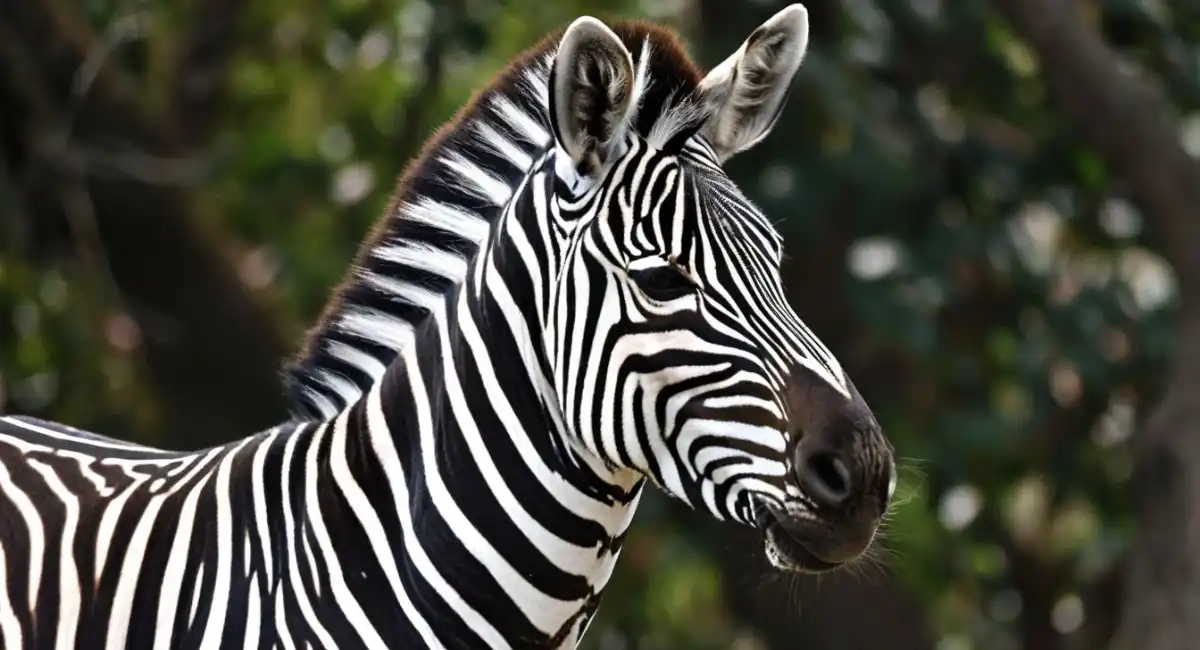
Zebras share the equine family with horses, showcasing an undeniable resemblance in their build and social structures. Known for their iconic black and white stripes, these striking animals are adept at living in herds, much like wild horses.
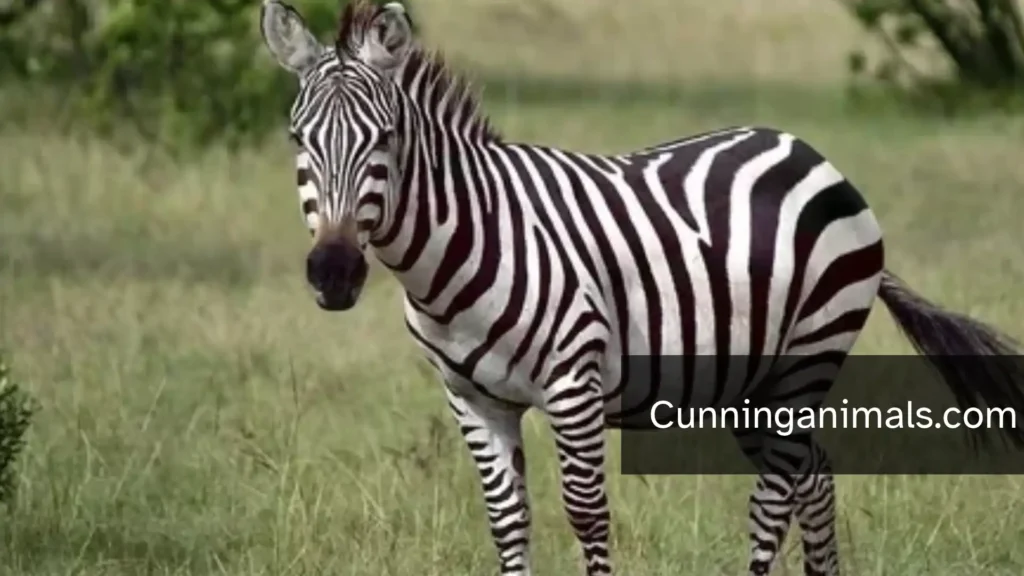
These social creatures utilize their unique patterning as a defense mechanism against predators, confusing them with their motion. In addition, their strong hooves enable them to traverse various terrains, reflecting a shared adaptability with horses.
Donkey
Scientific Name: Equus africanus asinus
Class: Mammalia
Diet: Herbivore
Donkeys are domesticated relatives of horses, celebrated for their intelligence and endurance. Their smaller stature doesn’t diminish their strength; they excel in carrying loads across rugged landscapes, often serving as dependable work animals.
Unlike horses, donkeys possess a unique braying vocalization, which enhances their social interactions. This distinct communication style reveals a different layer of social behavior among equine animals, enriching our understanding of their familial ties.
Mule
Scientific Name: Equus africanus x Equus ferus caballus
Class: Mammalia
Diet: Herbivore
Mules, hybrids of donkeys and horses, inherit the best traits from both parents, resulting in remarkable strength and resilience. Their unique characteristics make them exceptional pack animals, especially prized in mountainous terrains.
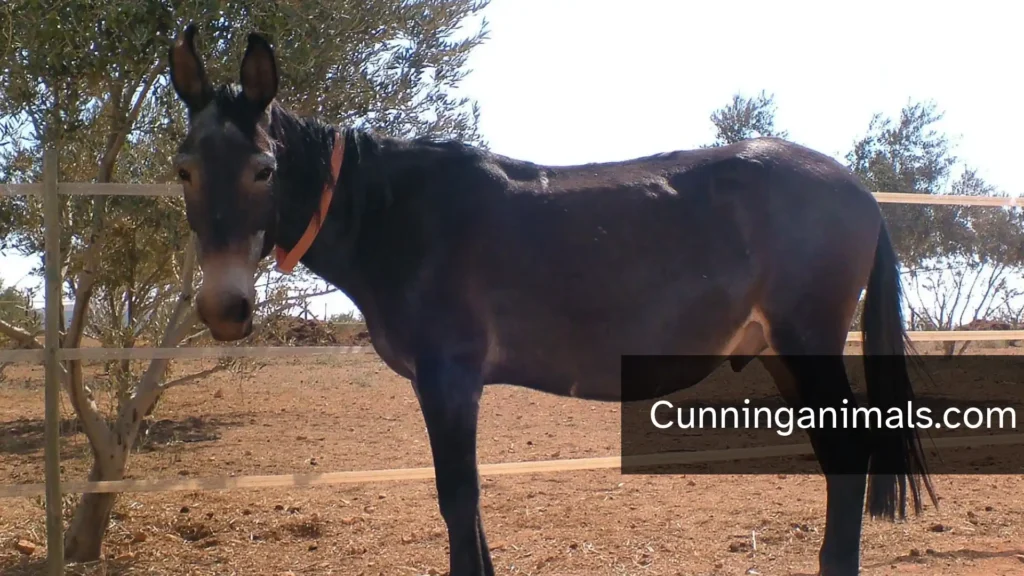
These animals are often considered more patient and sure-footed than horses, making them invaluable in various agricultural and transport roles. Mules also exhibit a unique blend of equine behaviors, highlighting the fascinating diversity within the equine lineage. Mules and donkeys are often described as stubborn, though many people say they are simply cautious and careful. If you enjoy learning about animals with strong wills, check out our list of stubborn animals.
Kiang
Scientific Name: Equus kiang
Class: Mammalia
Diet: Herbivore
The Kiang is the largest wild ass in Asia, thriving in the harsh conditions of the Tibetan plateau. With a distinct build and powerful legs, they exhibit traits akin to both horses and donkeys, allowing them to navigate challenging environments with ease.
Their herding behavior mirrors that of horses, emphasizing their strong social bonds within groups. Kiangs communicate through various sounds, enhancing their social structure and adaptations to life in high altitudes.
Kulan
Scientific Name: Equus hemionus
Class: Mammalia
Diet: Herbivore
The kulan, a wild ass native to Central Asia, has a striking resemblance to horses with a compact build and a mane that stands upright. These animals thrive in arid desert regions, demonstrating remarkable drought resistance and survival skills.
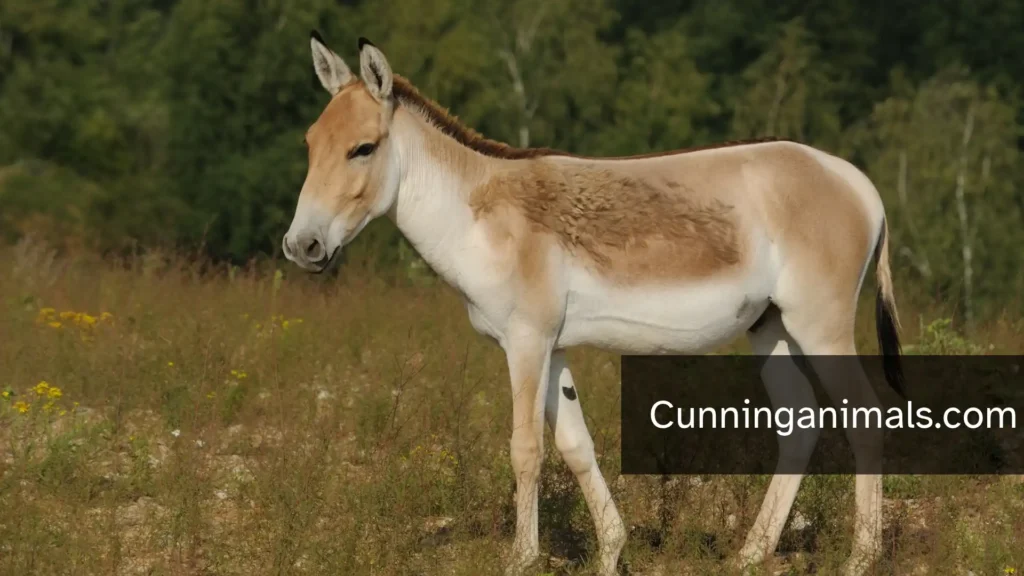
Kulan herds are known for their strong familial bonds and collective protection against predators. Their adaptability and social structure echo those of horses, showcasing the incredible versatility of the equine family. Manes are one of the features that make horses and their wild relatives so easy to recognize, but they are not unique to the equine family. To see which other animals have them, read our guide to animals that have manes.
Onager
Scientific Name: Equus hemionus onager
Class: Mammalia
Diet: Herbivore
Onagers are another wild relative of horses, found in the steppes of Asia. Resilient and agile, they possess a more slender build compared to their equine cousins, which suits their arid habitats perfectly.
These animals form small family groups, often led by a dominant male, showcasing social hierarchies similar to those observed in horse herds. Their vocalizations and interactions add a rich layer to their social dynamics.
Przewalski’s Horse
Scientific Name: Equus ferus przewalskii
Class: Mammalia
Diet: Herbivore
Przewalski’s Horse, often considered the last true wild horse species, exhibits unique adaptations to survive in harsh environments. With a stocky build and a thick coat, they are well-suited for cold climates and tough terrains.
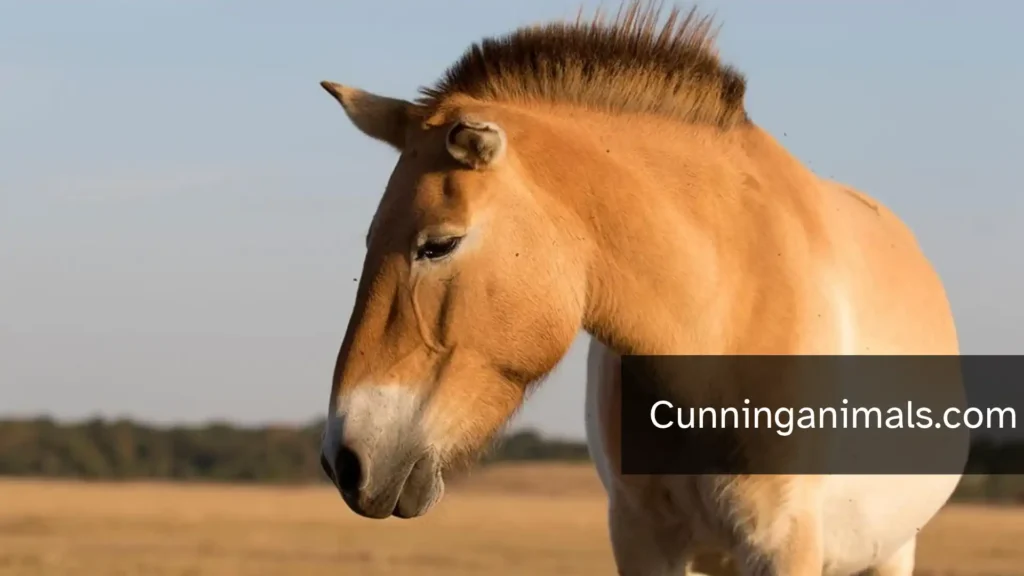
These horses display a remarkable social structure with strong family groups, echoing the tight-knit communities of domestic horse breeds. Their survival story also highlights the importance of conservation efforts for vulnerable species similar to horses.
Okapi
Scientific Name: Okapia johnstoni
Class: Mammalia
Diet: Herbivore
Although resembling a giraffe, the okapi shares a closer genetic link with horses and zebras. This elusive creature, native to the Congo rainforest, showcases a striking combination of features that provide adaptability in dense habitats.
Okapis are known for their unique coloring and markings, which help them blend into their surroundings. Their solitary nature contrasts with typical equine social structures, revealing fascinating distinctions within this eclectic group of animals like horses. Unlike horses, which live in herds, the okapi prefers to spend most of its time alone. Discover more animals that choose a quiet, independent life in our article on solitary animals in the world.
Tapir
Scientific Name: Tapirus
Class: Mammalia
Diet: Herbivore
Tapirs are semi-aquatic animals that bear some resemblance to both horses and rhinoceroses. With a stout body and a flexible snout, they are adept at foraging in dense tropical forests, demonstrating ecological adaptability.
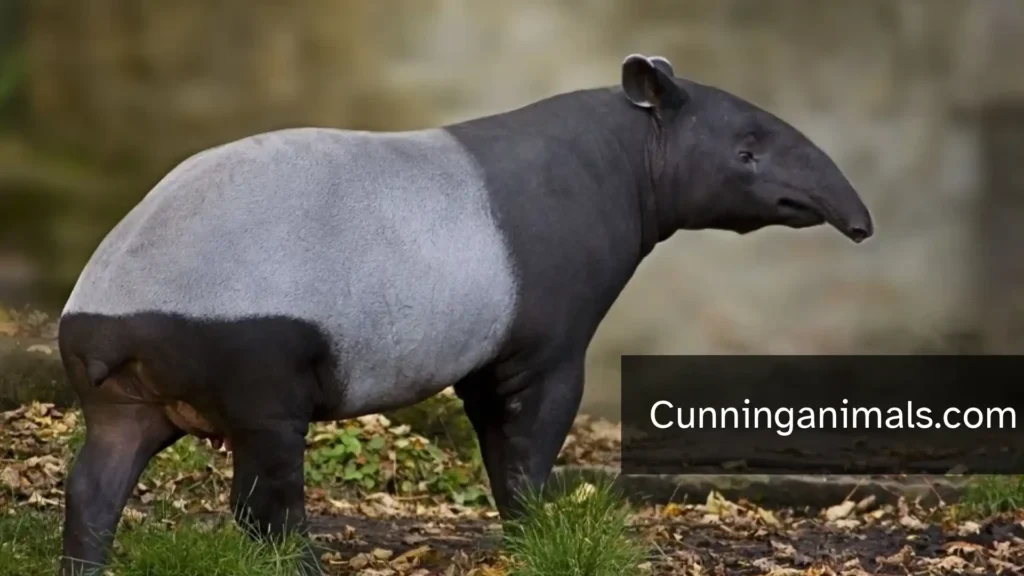
While not directly related to horses, their herbivorous diet and grazing habits highlight a shared niche within the animal kingdom. Tapirs’ solitary and sometimes elusive behaviors further illustrate the diverse lifestyles found among animals like horses.
Moose
Scientific Name: Alces alces
Class: Mammalia
Diet: Herbivore
Moose, the largest members of the deer family, share some physical characteristics with horses, particularly their long legs and sizable bodies. These majestic animals are particularly well-adapted to cold climates, frequently found in northern forests.
Though they primarily feed on aquatic vegetation and shrubs, their unique foraging behaviors and adaptations reveal a different ecological role akin to that of herbivorous horses. Moose are also known for their solitary nature, contrasting with the herd instincts seen in equine species.
Eland
Scientific Name: Tragelaphus oryx
Class: Mammalia
Diet: Herbivore
Elands, often dubbed the “giants of the antelope family,” possess a horse-like build with powerful legs and a majestic presence. Native to sub-Saharan Africa, they can thrive in diverse habitats, from savannas to mountainous regions.
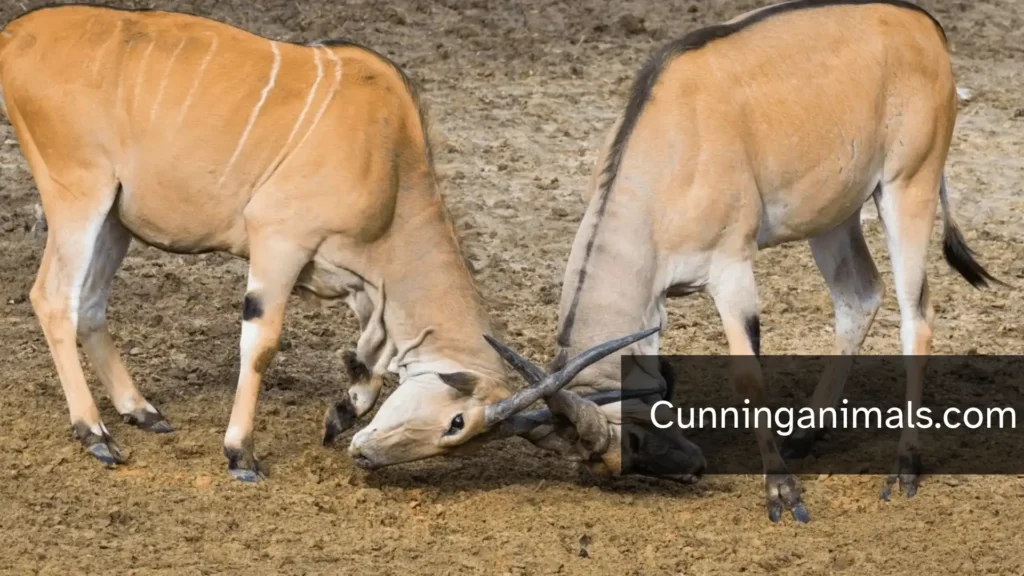
Their unique social structure revolves around small herds led by dominant males, which bears resemblance to horse herding behavior. Eland’s adaptability and strength in traversing tough terrains showcase their prowess among animals like horses.
Llama
Scientific Name: Lama glama
Class: Mammalia
Diet: Herbivore
Llamas have often been compared to horses due to their sturdy build and domesticated nature. Known for their roles in transportation and wool production, they carry heavy loads through the rugged Andes mountains, similar to how horses have been utilized historically.
Unique vocalizations and social behaviors further enhance their charm, allowing them to express emotions and maintain group dynamics. Llamas serve as a reminder of the interconnectedness of domesticated animals like horses in various cultures.
Alpaca
Scientific Name: Vicugna pacos
Class: Mammalia
Diet: Herbivore
Alpacas, closely related to llamas, are renowned for their luxurious fibers and gentle disposition. Though smaller than horses, their social nature and grazing habits showcase behavioral similarities among herd animals.
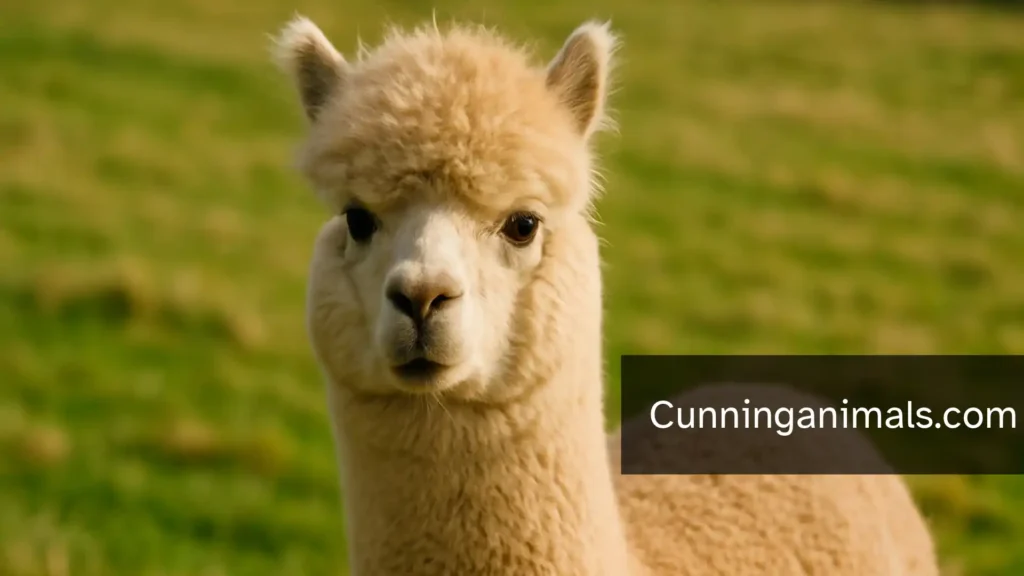
Their inquisitive personalities and social structures echo those of horses, emphasizing the community bonds formed among domesticated species. Alpacas exemplify how diverse the equine family can be, extending beyond traditional perceptions.
Camel
Scientific Name: Camelus dromedarius
Class: Mammalia
Diet: Herbivore
Camels, often referred to as the “ships of the desert,” exhibit some physical similarities to horses, especially in their sturdy build. Well-adapted to arid environments, they can travel long distances while carrying heavy loads, showcasing incredible resilience.
Their unique social structures and communication methods reveal insights into their interactions within herds, much like horse dynamics. Both camels and horses serve pivotal roles in human society, emphasizing their importance as adaptable transport animals.
Red Deer
Scientific Name: Cervus elaphus
Class: Mammalia
Diet: Herbivore
Red deer, among the largest deer species, share a striking similarity with horses in terms of stature and social behavior. Found across Europe and parts of Asia, these majestic animals roam in herds, showcasing strong familial bonds reminiscent of equine groups.
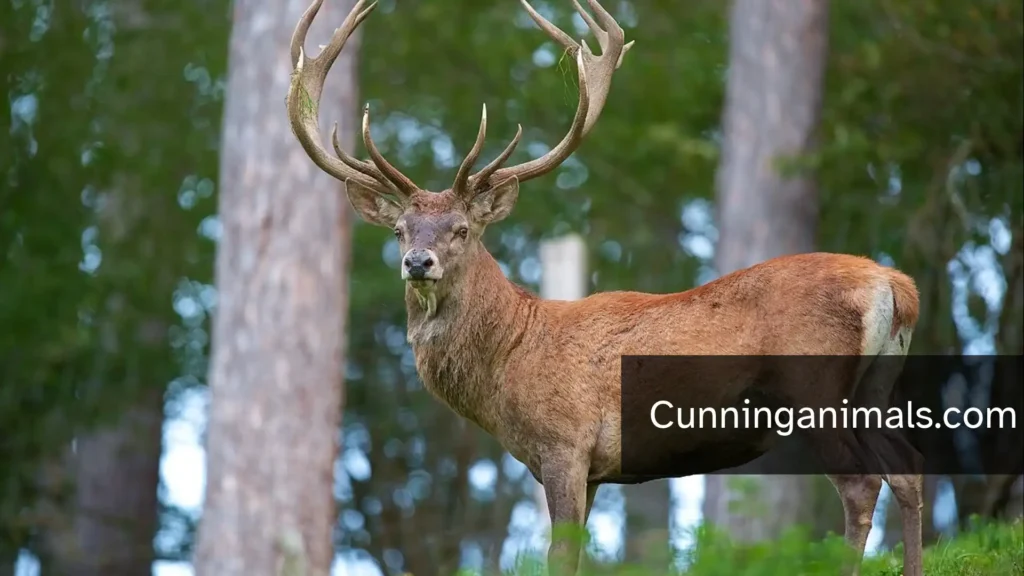
While their diet primarily consists of grass and leaves, their grazing habits and group dynamics highlight their role in maintaining ecosystem balance. Red deer offer a fascinating perspective on social structures shared by animals like horses. Red deer graze on grass and leaves, much like horses, but a deer’s diet changes a lot with the seasons. Learn more about their feeding habits in our guide on what deer eat.
Guanaco
Scientific Name: Lama guanicoe
Class: Mammalia
Diet: Herbivore
Guanacos are wild relatives of llamas, adapted to the harsh environments of South America. With a similar body shape to horses, these animals are well-equipped to navigate mountainous terrains while forming herds for better protection.
Their social structures and maternal instincts echo those found in horse communities, emphasizing a shared understanding of the importance of family. Guanacos are another example of how diverse adaptations within the animal kingdom reflect evolutionary relationships with horses.
Pronghorn
Scientific Name: Antilocapra americana
Class: Mammalia
Diet: Herbivore
Pronghorns, often considered the second-fastest land mammals after the cheetah, exhibit some horse-like features such as strong legs and a sleek body designed for speed. Native to North America, these animals are adapted to open plains and can cover vast distances in search of food.
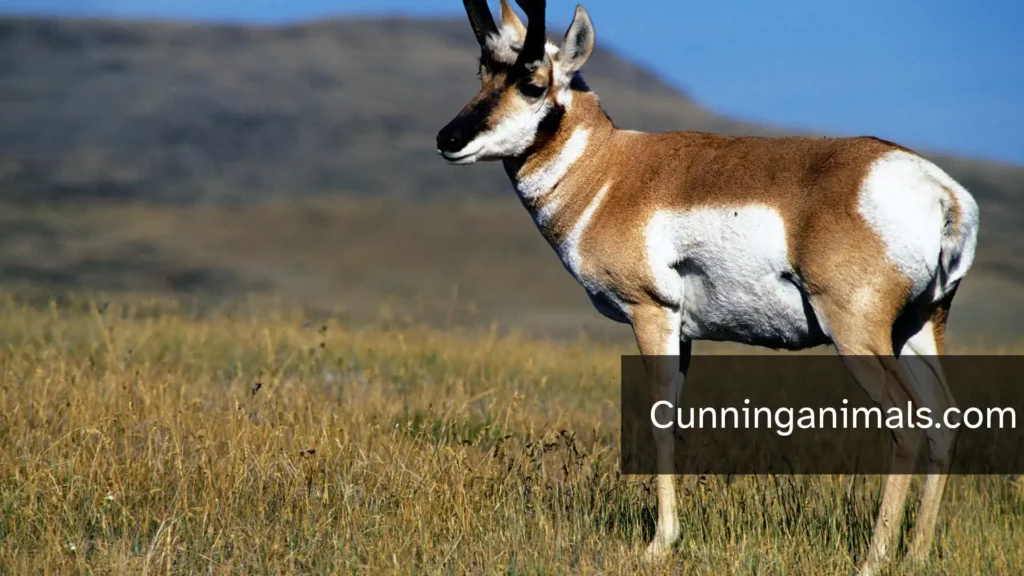
Sharing a herd mentality similar to that of horses, pronghorns rely on each other for safety and thrive in their social structures. Their remarkable speed and agility highlight the unique adaptations found among animals like horses.
Conclsuion
In exploring the fascinating world of animals like horses, we’ve uncovered a diverse array of creatures that share remarkable similarities with these majestic beings. From the elegant zebra to the sturdy mule, these horse-like animals demonstrate a variety of adaptations and characteristics that warrant appreciation.
Whether through their social behaviors, environments, or physical traits, animals like horses offer insights into the evolution of equine species. By understanding these connections, we can foster a greater appreciation for biodiversity and the roles these animals play in their ecosystems.
FAQs
Which Animal Is Like A Small Horse?
A donkey is one of the animals that looks like a small horse because of its body shape, hooves, mane, and long legs. Ponies are also small members of the horse species, while zebras and kiangs have similar horse-like features.
What Is The Cousin Of A Horse?
The zebra is often described as a horse’s cousin because both animals belong to the Equidae family. Donkeys are also close relatives and share a common evolutionary history with horses.
What Animal Is Closest To Horses?
Zebras and donkeys are among the closest living relatives of horses because they belong to the same family, Equidae. Other close relatives include kiangs, onagers, and Przewalski’s horses.
What Is Similar To A Horse?
Zebras, donkeys, and mules are some of the animals most similar to horses. They share features such as hooves, long legs, elongated heads, and grazing habits. Zebras and donkeys are also close relatives of horses.