What Do Deer Eat? Complete Guide to a Deer’s Diet
The diverse diet of deer reveals much about their adaptability and the ecosystems they inhabit, making it essential to understand what do deer eat. While these herbivores primarily thrive on flora, many are curious about their dietary habits, especially concerning winter food sources and the myth surrounding whether deer eat meat.
From luscious greens in the summer to their survival strategies during colder months, this guide will delve into the essential nutrients that deer obtain through a variety of plants, including grasses and other favorites.
What Do Deer Eat In The Wild?
Deer primarily consume grasses, leaves, shoots, fruits, berries, nuts, bark, and twigs. Their diet shifts with the seasons; in spring and summer, they favor tender green shoots and fruits, while in fall and winter, they rely more on hardier options like twigs and bark.
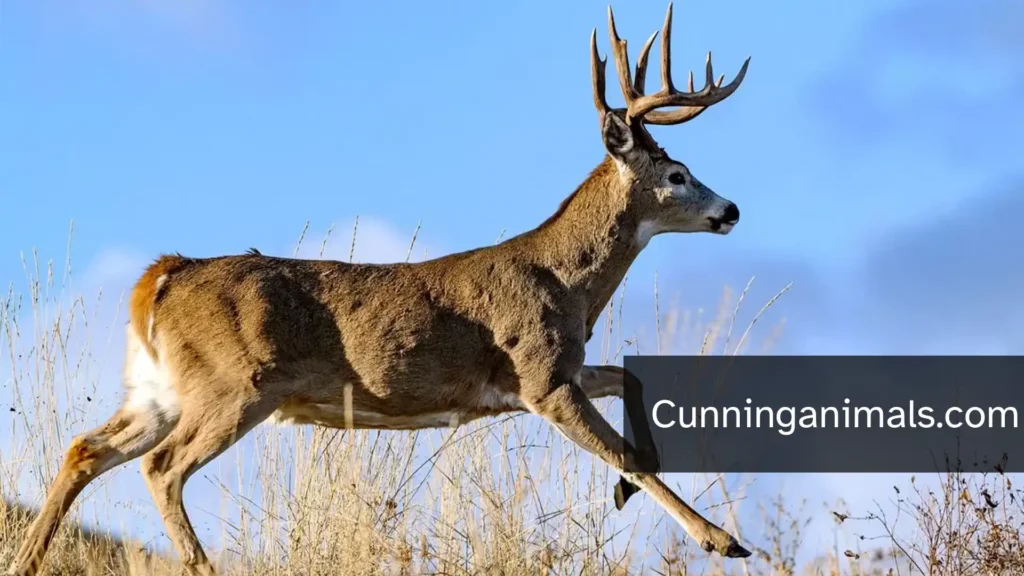
Seasonal changes also affect the availability of different food sources. For instance, during autumn, acorns and other nuts become prominent, while fresh vegetation is scarce in winter. This adaptability not only sustains deer throughout the year but also plays a crucial role in their habitat’s ecosystem by influencing the growth patterns of vegetation.
Top Foods Deer Eat
| Rank | Food | When Deer Eat It | Common in Diet |
| 1 | Grass | Spring–Summer | Yes |
| 2 | Leaves | Spring–Fall | Yes |
| 3 | Shoots | Spring | Yes |
| 4 | Fruits | Summer–Fall | Yes |
| 5 | Berries | Summer–Fall | Yes |
| 6 | Acorns | Fall | Yes |
| 7 | Nuts | Fall | Yes |
| 8 | Bark | Winter | Yes |
| 9 | Twigs | Winter | Yes |
| 10 | Garden Plants | Year-round | Sometimes |
Grass
Grass is one of the primary staples in a deer’s diet, particularly during the lush months of spring and summer when the growth is plentiful. Rich in fiber, it helps support their digestive health and provides essential nutrients for growth.
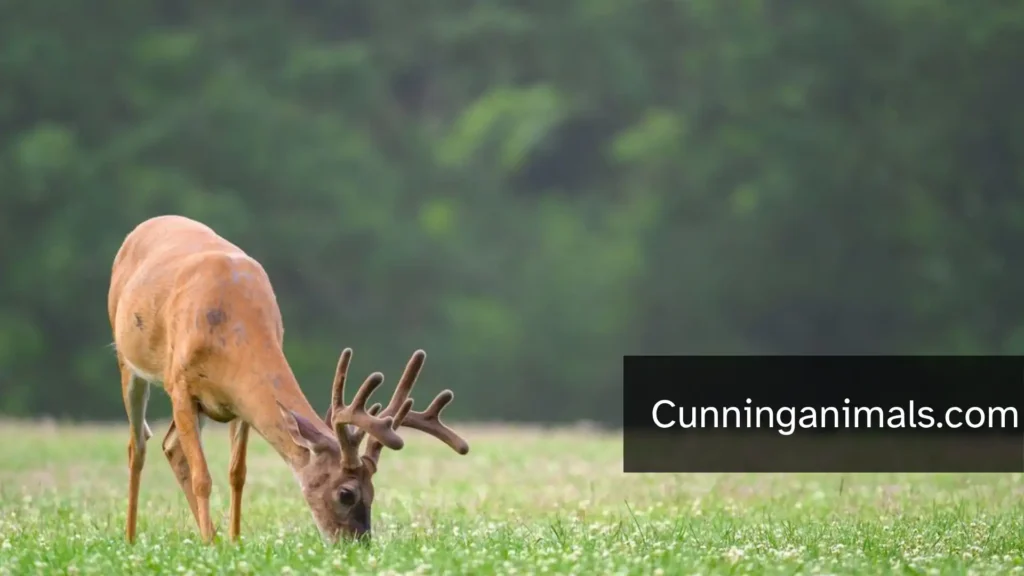
Grass mats provide a protective ground cover, allowing deer to graze while remaining concealed from predators. This dual benefit of nourishment and safety makes grass a vital component of the top foods deer eat.
Leaves
Leaves from various trees and shrubs constitute another important food source for deer, especially in the fall when they are rich in carbohydrates. The tender, succulent leaves are packed with moisture, making them an appealing choice that supports hydration as well.
Deer are selective when foraging for leaves, often preferring those that are high in nutrients and low in toxins. This selective grazing habit exemplifies how deer adapt their diet to the changes in their environment, continually seeking the most beneficial sources.
Shoots
Newly sprouted shoots are a delicacy for deer, offering them a burst of nutrients and energy crucial for their growth. These tender greens emerge in early spring, attracting deer when other food sources might still be limited.
The soft texture and rich nutrients in young shoots make them a favorite among deer. This preference showcases their foraging prowess, allowing them to thrive in diverse habitats by capitalizing on newly available resources.
Fruits
Seasonal fruits are a sweet treat for deer, providing both energy and hydration. Apples, pears, and berries are especially favored during late summer and autumn when these trees and shrubs are laden with ripe produce.
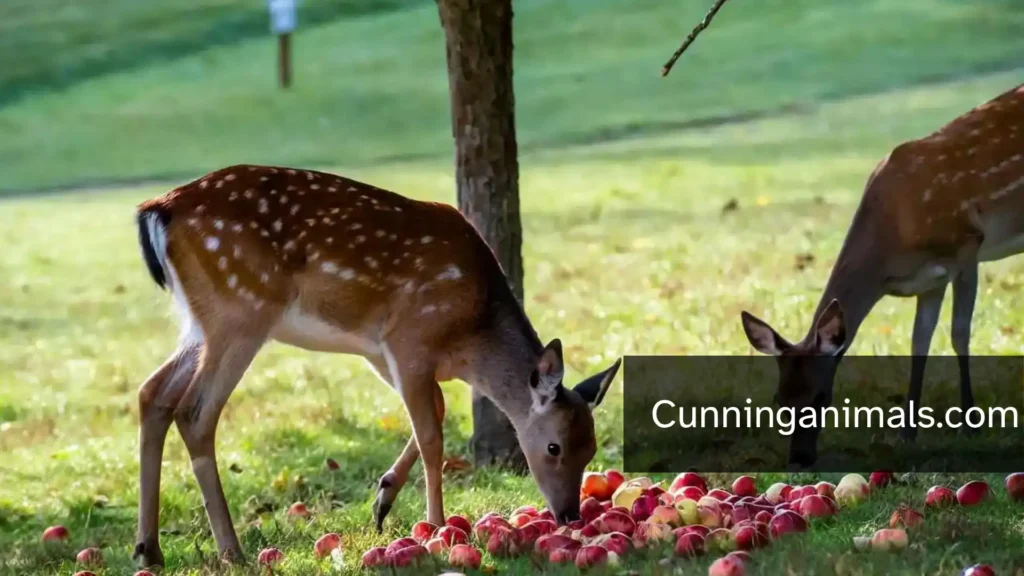
The presence of fruits not only adds variety to a deer’s diet but also encourages social behaviors, as groups often gather around abundant food sources. This communal foraging highlights their adaptability in seeking out sweet rewards in nature.
Berries
Berries are another delightful offering on the menu of top foods deer eat, with species like blackberries and raspberries being particularly popular. Rich in antioxidants and vitamins, these tiny morsels provide essential nourishment during peak growing seasons.
The ability of deer to locate these sugary treats emphasizes their keen sense of smell and foraging skills. Moreover, the seasonal availability of berries helps ensure their dietary variety and health throughout the year.
Acorns
Acorns are an energy powerhouse for deer, especially in the fall when they become a vital source of fat reserves for the winter months ahead. The hard outer shell protects them, allowing deer to forage without significant risk.
During mast years, when oak trees produce an abundance of acorns, deer populations often thrive as these nutrient-dense nuts can sustain them through harsh winters. This natural resource showcases the balance of seasonal ecosystems and their impact on wildlife survival.
Nuts
Other nuts like hickory and chestnuts play a significant role in a deer’s diet. These nutrition-packed morsels are highly sought after for their higher fat content, crucial for energy during colder months.
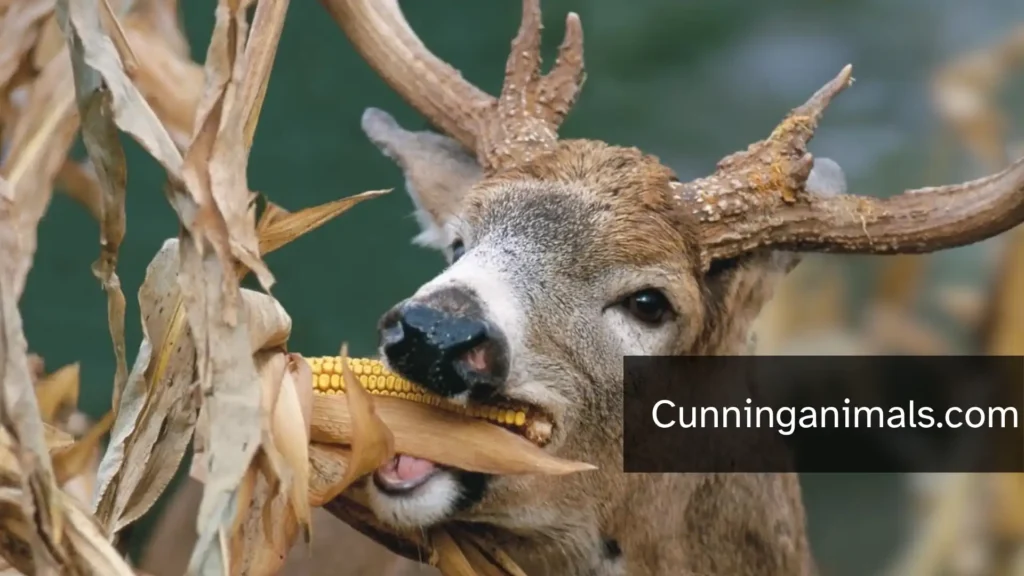
Deer have an innate ability to locate these hidden treasures in the forest floor, showcasing not only their foraging abilities but also their adaptability to utilizing various food sources. This skill contributes to their resilience in ever-changing environments.
Read also Top 14 Animals That Live In Rivers (With Pictures & Facts)
Bark
Bark may seem an unconventional choice, but deer sometimes turn to it as a food source, especially in winter when other options are scarce. The inner bark of certain trees is nutritious and provides essential fibers during leaner times.
This behavior highlights the remarkable adaptability of deer to their surroundings. By chewing on bark, they can sustain themselves even in challenging conditions, demonstrating their survival instincts in the wild.
Twigs
Twigs are often consumed by deer when more desirable vegetation is not available. The tender shoots of twigs provide not just sustenance but also essential minerals that might be lacking in their diets during certain seasons.
Utilizing various plant parts, such as twigs, signifies the resourcefulness of deer. Their ability to adjust their feeding habits ensures resilience, especially in harsher climates or during periods of limited food availability.
Garden Plants
Garden plants can become an attractive target for deer, particularly in suburban areas where food might be in short supply. They are drawn to tender vegetables and flowering plants, causing challenges for gardeners trying to protect their landscapes.
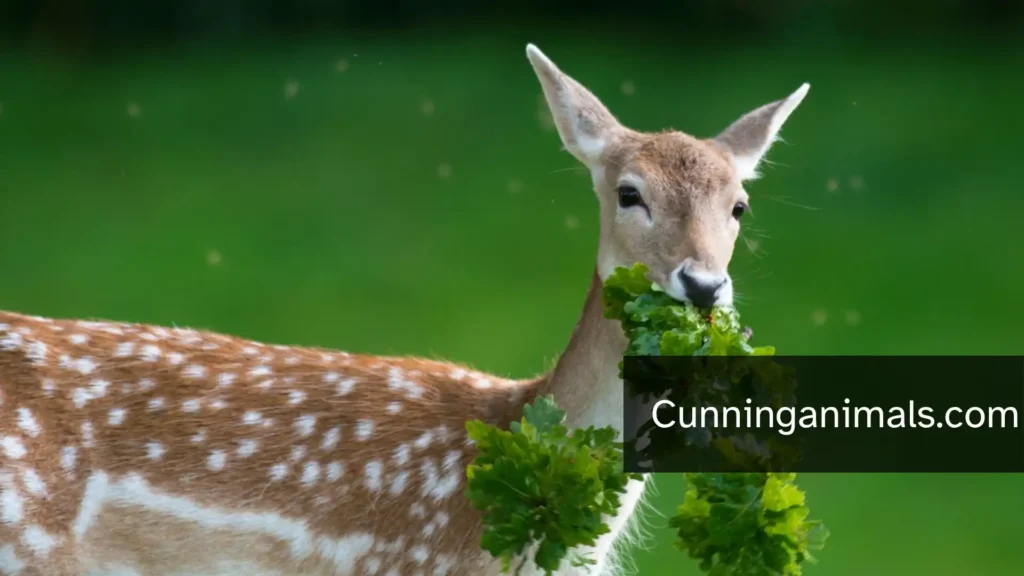
While it may frustrate gardeners, this behavior reflects the adaptability and opportunistic nature of deer in finding food. Understanding their preferences can inspire creative protective measures to safeguard your garden while coexisting with local wildlife.
Interesting Facts About What Deer Eat
The eating habits of deer reveal not only their adaptability but also their ecological role in maintaining plant diversity within their habitats. The variety in their diet highlights the complex interactions between deer and their environment, offering intriguing perspectives for wildlife enthusiasts and researchers alike.
- Deer are herbivores, primarily consuming leaves, twigs, and fruits from various trees and plants.
- Their diets vary by season, including nuts like acorns in the fall for energy storage.
- During summer, they enjoy a buffet of fresh grasses and flowering plants that are rich in nutrients.
- Interestingly, deer also eat mushrooms, showcasing their opportunistic feeding behavior.
- Some species, like the white-tailed deer, have a unique ability to digest cellulose, allowing them to thrive on tough plant material.
- Deer are known to engage in selective feeding, favoring specific plants high in protein for better health.
- In urban areas, they often adapt their diets to include ornamental plants and garden vegetables, making them common garden pests.
- Studying deer diets can provide insights into their habitat preferences and help in wildlife management efforts.
Conclusion
Understanding what do deer eat is crucial for anyone looking to attract or manage these graceful animals. Their diet varies significantly by season, with a notable shift in their food sources as winter approaches. Specifically, the question of what do deer eat in the winter highlights their reliance on woody browse and evergreens when other food options are scarce.
Interestingly, while some may wonder if do deer eat meat, the answer is a firm no; their natural diet consists primarily of plants.To create a thriving environment for deer in your area, consider planting native vegetation.
FAQS
What Can I Leave Out For A Deer To Eat?
For wild deer, it is generally better not to leave food out deliberately. Their natural diet of browse, leaves, shoots, grasses, and other vegetation is more appropriate.
What Foods Are Toxic To Deer?
Avoid giving deer mouldy, spoiled, or contaminated food, and never offer anything containing potentially harmful substances. Sudden changes in diet can also cause serious digestive problems, so feeding should not be improvised.
What Can I Feed Wild Deer In The UK?
In the UK, the safest approach is usually not to feed wild deer at all. If supplementary feeding is genuinely necessary, such as during severe conditions, it should be planned with appropriate deer-management or veterinary advice because diet changes need to be gradual.
Can Deer Eat Carrots?
Yes, deer can eat carrots, but that does not mean carrots should be routinely provided to wild deer. Their normal diet is better suited to their nutritional needs, and repeated supplementary feeding can create health and management problems.
What Is The Cheapest Thing To Feed Deer?
For wild deer, the cheapest and safest option is generally to let them forage naturally rather than buying food. Natural vegetation provides a more appropriate diet, while supplementary feeding can become costly and may increase disease or dependency risks.