Top 26 Mischievous Animals In The World (Funny & Clever Creatures)
Mischievous animals in the world are often the unsung heroes of nature, showcasing a blend of cleverness and playful antics that can leave us in stitches. From stealing food to pranking unsuspecting humans, these remarkable creatures reveal the lighter side of wildlife.
Understanding these playful behaviors not only entertains us but also highlights the intelligence and adaptability of different species. Let’s explore the top 26 animals that embody mischief, providing both laughter and insight into their delightful antics.
What Are Mischievous Animals?
Mischievous animals exhibit playful curiosity that can often lead to unexpected antics, making them a source of entertainment and fascination. This behavior might include sneaking away with an object or playfully interacting with their environment, showcasing their intelligence and adaptability.
Curiosity drives wildlife to engage in playful behavior, forming crucial survival skills through exploration and problem-solving. For instance, a raccoon might rummage through a picnic, not out of malice but rather to discover food sources and learn about their surroundings.
Mischief usually goes hand in hand with intelligence, but not every animal relies on brains to get by. For a look at the other end of the spectrum, check out our list of animals with the lowest IQ.
Top 26 Mischievous Animals In The World
| No. | Animal | Scientific Name | Class | Diet |
| 1 | Raccoon | Procyon lotor | Mammalia | Omnivore |
| 2 | Monkey | Various species | Mammalia | Omnivore |
| 3 | Fox | Vulpes vulpes | Mammalia | Omnivore |
| 4 | Crow | Corvus brachyrhynchos | Aves | Omnivore |
| 5 | Raven | Corvus corax | Aves | Omnivore |
| 6 | Parrot | Order Psittaciformes | Aves | Varies by species |
| 7 | Dolphin | Family Delphinidae | Mammalia | Carnivore |
| 8 | Otter | Subfamily Lutrinae | Mammalia | Carnivore |
| 9 | Goat | Capra hircus | Mammalia | Herbivore |
| 10 | Squirrel | Family Sciuridae | Mammalia | Omnivore |
| 11 | Cat | Felis catus | Mammalia | Carnivore |
| 12 | Dog | Canis lupus familiaris | Mammalia | Omnivore |
| 13 | Hyena | Crocuta crocuta | Mammalia | Carnivore |
| 14 | Capuchin Monkey | Genus Cebus | Mammalia | Omnivore |
| 15 | Kea | Nestor notabilis | Aves | Omnivore |
| 16 | Magpie | Pica pica | Aves | Omnivore |
| 17 | Chimpanzee | Pan troglodytes | Mammalia | Omnivore |
| 18 | Rat | Rattus norvegicus | Mammalia | Omnivore |
| 19 | Ferret | Mustela putorius furo | Mammalia | Carnivore |
| 20 | Coati | Nasua species | Mammalia | Omnivore |
| 21 | Elephant | Loxodonta africana | Mammalia | Herbivore |
| 22 | Orca | Orcinus orca | Mammalia | Carnivore |
| 23 | Sea Otter | Enhydra lutris | Mammalia | Carnivore |
| 24 | Red Panda | Ailurus fulgens | Mammalia | Herbivore/omnivore |
| 25 | Octopus | Class Cephalopoda | Mollusca | Carnivore |
| 26 | Baboon | Genus Papio | Mammalia | Omnivore |
Raccoon
Scientific Name: Procyon lotor
Class: Mammalia
Diet: Omnivore
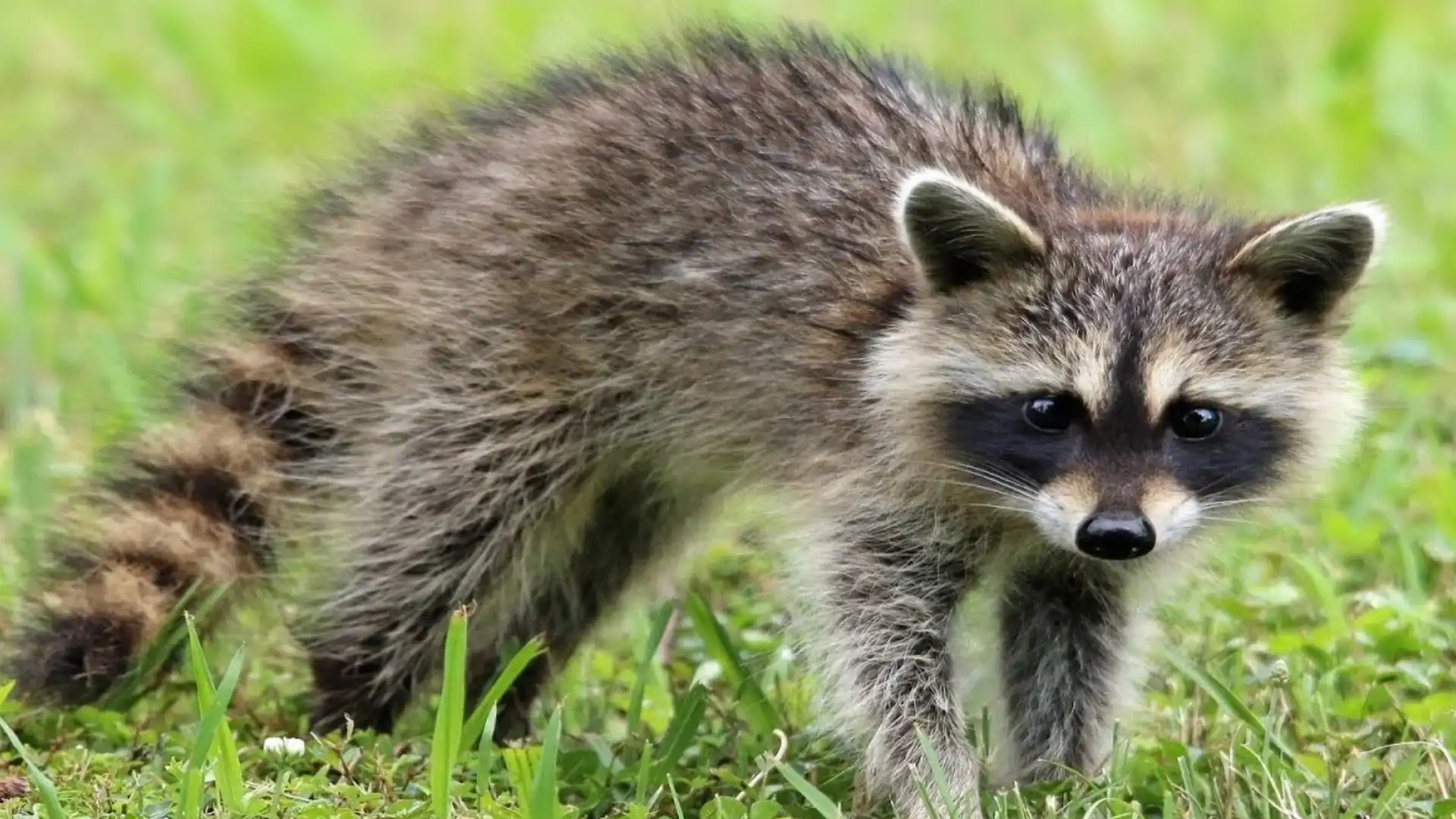
Raccoons are often regarded as the little bandits of the animal kingdom, thanks to their dexterous front paws and incredible problem-solving skills. Known for raiding garbage cans and stealthily maneuvering through urban environments, these mischievous animals leave no stone unturned in their quest for food.
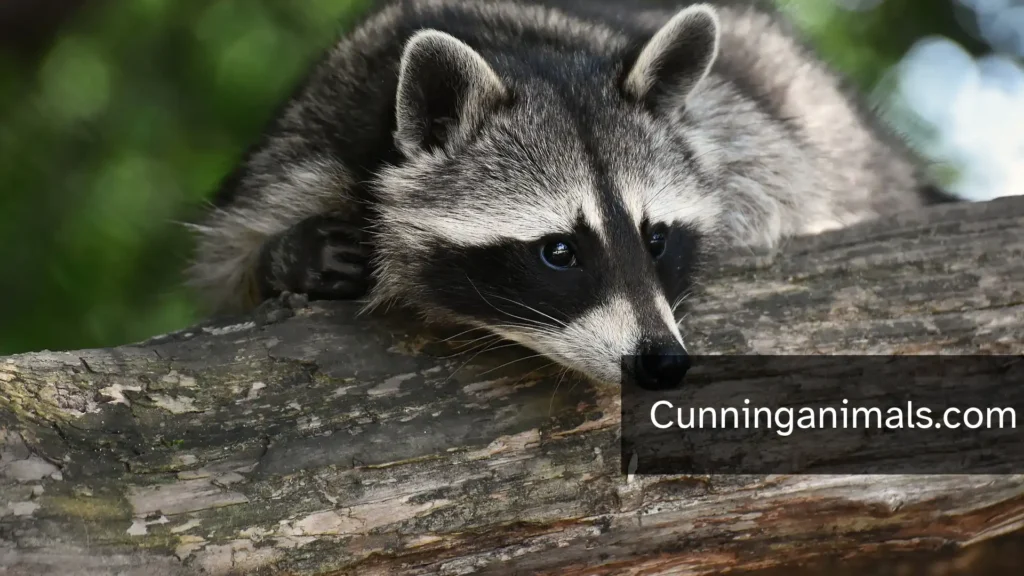
Their intelligence allows them to figure out complex latches and latches, often leaving people amused and exasperated. Observing a raccoon successfully unlock a cooler for its next meal showcases their unparalleled curiosity and cunning nature.
Monkey
Scientific Name: Cebus apella (Common Capuchin)
Class: Mammalia
Diet: Omnivore
Monkeys are some of the most playful and mischievous animals in the world, known for their ability to quickly adapt to various environments. Capuchin monkeys are notorious for stealing objects from unsuspecting tourists, often choosing shiny items for their own amusement.
Their social structure and communication skills also amplify their mischief, as they often engage in coordinated antics to distract and confuse onlookers. Whether they’re swinging from trees or rummaging through backpacks, their playful nature is endearing yet undeniably chaotic.
Fox
Scientific Name: Vulpes vulpes
Class: Mammalia
Diet: Omnivore
Renowned for their cunning behavior, foxes embody the essence of mischief in the animal realm. Their ability to adapt to urban landscapes has made them notorious for pilfering gardens and raiding chicken coops under the cover of night.
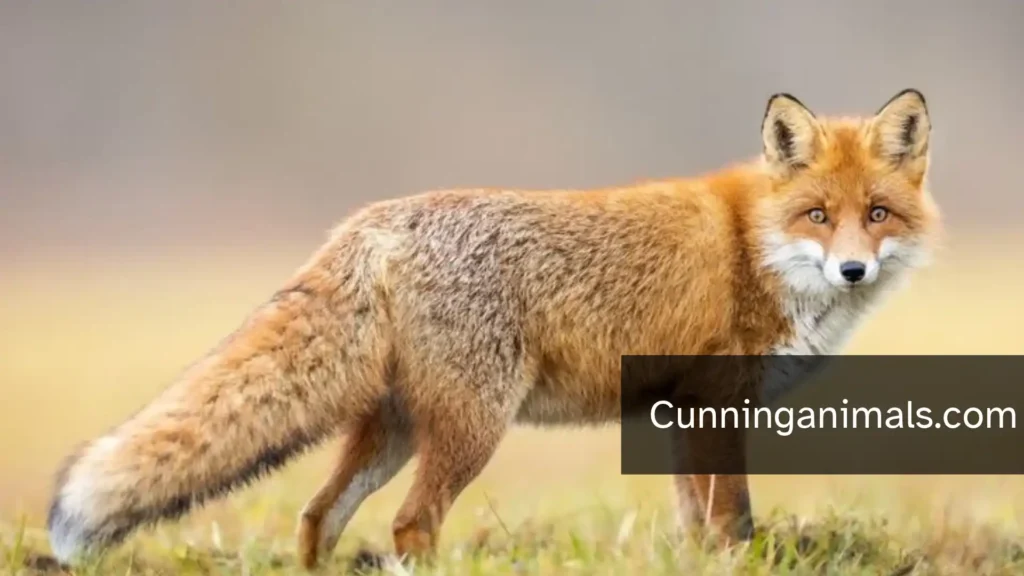
What sets them apart is their clever hunting strategies, which often involve trickery. A fox will sometimes feign injury to lure prey closer, demonstrating intelligence that adds an extra layer of intrigue to their capers.
Crow
Scientific Name: Corvus brachyrhynchos
Class: Aves
Diet: Omnivore
Crows are more than just scavengers; they are among the most intelligent of birds, demonstrating unmatched cunning and playfulness. Known for their sharp problem-solving abilities, these mischievous animals can complete complex puzzles and even fashion tools to acquire food.
Their knack for mimicking sounds not only entertains but also showcases their social adaptability. An encounter with a crow often leaves a lasting impression, as these feathered tricksters know how to engage with their human counterparts in amusing ways.
Raven
Scientific Name: Corvus corax
Class: Aves
Diet: Omnivore
Ravens are often mischaracterized, but their mischief rivals that of their crow cousins. Highly intelligent, they engage in playful antics by sliding down snow-covered roofs or picking up shiny objects to play with.
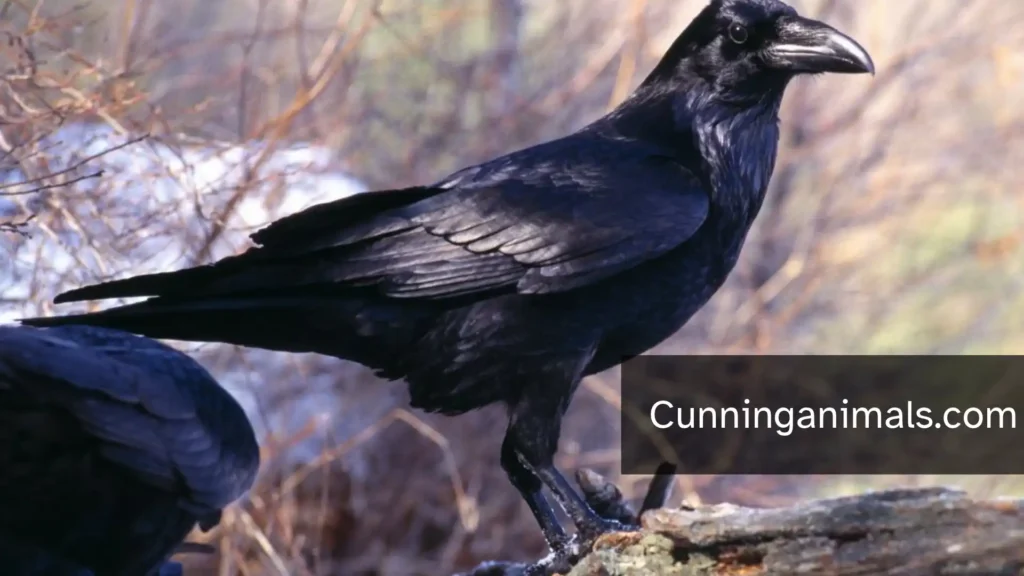
Their social structures allow for engaging in complex games that reflect their social intelligence. Observing a group of ravens demonstrates how mischief and play are integral to their daily lives, captivating anyone fortunate enough to watch.
Parrot
Scientific Name: Psittacidae
Class: Aves
Diet: Herbivore (mainly fruits, seeds, and nuts)
Parrots are well-known for their ability to mimic human speech, but their playful and mischievous nature goes far beyond just talking. These colorful companions often engage in antics that can range from harmless mischief to clever ploys to steal treats.
Their social intelligence drives them to interact and bond, showcasing how their playful behavior can serve as a means of forming relationships. From solving puzzles to playing tag with their owners, parrots have mastered the art of mischief.
Dolphin
Scientific Name: Delphinidae
Class: Mammalia
Diet: Carnivore
Dolphins are not just intelligent creatures they’re also quite the tricksters of the ocean. Their playful jumps, flips, and surfacing antics often mesmerize observers, showcasing their love for play.

More intriguingly, dolphins have been observed engaging in playful behaviors like riding the bow waves of boats or tossing seaweed as a form of play. Their social bonds and collective mischief underscore a deep-seated intelligence that enriches their interactions with one another and humans alike.
Otter
Scientific Name: Lutra
Class: Mammalia
Diet: Carnivore
Otters are undeniably one of the most playful and mischievous animals in aquatic ecosystems. These adorable creatures engage in sliding down mud or snowbanks, turning everyday activities into joyous games.
Their affinity for collaboration is evident when they work together to crack open shells or pass stones to one another. Watching otters at play not only brings joy but also highlights their complex social structures and intelligence.
Goat
Scientific Name: Capra aegagrus hircus
Class: Mammalia
Diet: Herbivore
Goats have earned a reputation as mischievous animals due to their boundless energy and insatiable curiosity. Known for scaling steep cliffs and nibbling on anything in sight, goats often leave a trail of chaos wherever they roam.
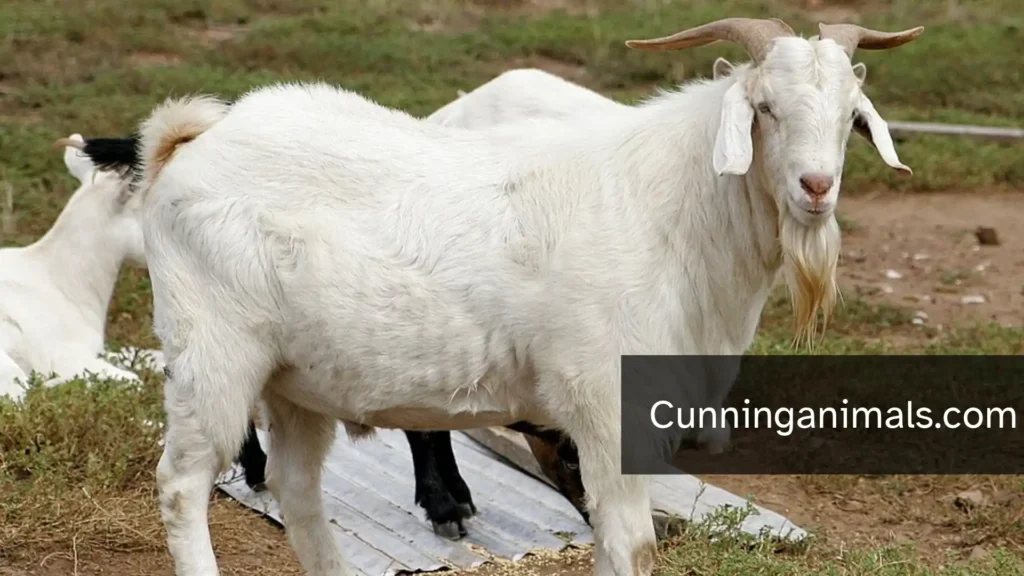
Their antics are not just limited to climbing; they are also known for headbutting and butting into objects, turning any field trip into an adventure of charming foolery. This playful behavior serves both as a survival tactic and as a means of expression in their social groups.
Squirrel
Scientific Name: Sciuridae
Class: Mammalia
Diet: Herbivore
Squirrels are the epitome of mischief, known for darting around parks and gardens in search of food. Their dexterity allows them to navigate obstacles effortlessly, which often leads to amusing scenes — like squirrel heists at bird feeders.
These clever little creatures employ various tactics to outsmart predators, including feigning injury or creating distractions. Their ability to adapt to human environments only showcases their playful and cunning spirit, captivating all who witness their shenanigans.
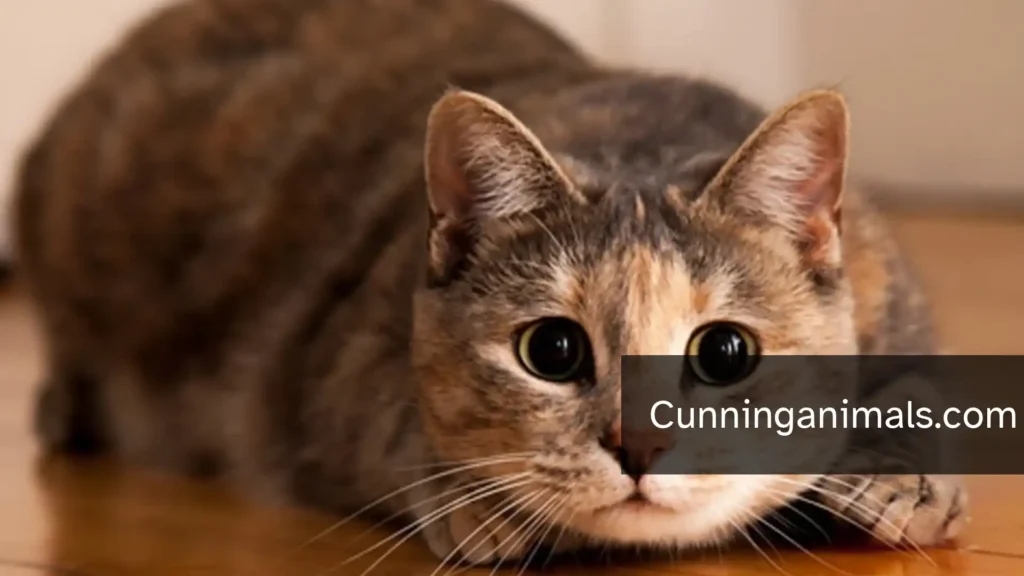
Cat
Scientific Name: Felis catus
Class: Mammalia
Diet: Carnivore
Cats have an undeniable knack for mischief, continuously captivating their owners with their unpredictable antics. Whether it’s stealing a warm spot on the furniture or batting at unsuspecting objects, their subtle antics are both amusing and sometimes frustrating.
Their independent nature adds an element of surprise, as they often engage in playful behaviors that defy all logic — jumping high or hiding in the most unlikely spots. Each day brings a new opportunity for cats to showcase their cunning mischief, endearing them even more to their human companions.
Dog
Scientific Name: Canis lupus familiaris
Class: Mammalia
Diet: Omnivore
Dogs, known for their loyalty and playfulness, often find themselves at the center of mischievous antics. From stealing socks to surprising their owners with playful nudges, their behavior reflects curiosity and a zest for life.
Their ability to understand human emotions allows them to engage in clever schemes, making them both lovable and occasionally perplexing companions. Observing a dog’s playful nature and mischief-filled life reminds us of the joy they bring into our daily existence.
Hyena
Scientific Name: Crocuta crocuta
Class: Mammalia
Diet: Carnivore
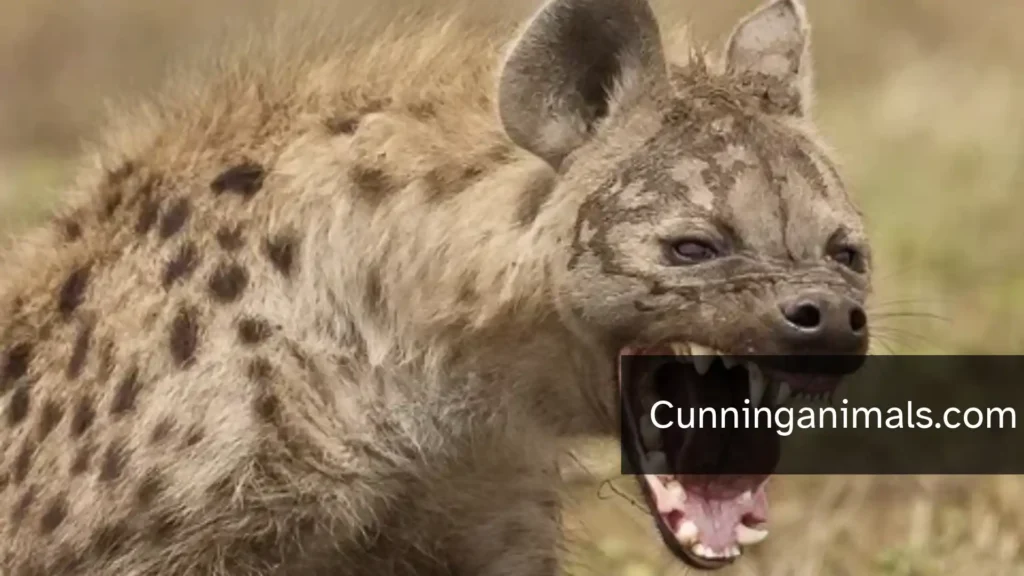
Hyenas are often misunderstood due to their scavenger reputation, but they are also quite the pranksters within their social structures. Their laughter-like calls signify not only social interaction but also a variety of playful behaviors that enhance group dynamics.
The intelligence they demonstrate in hunting strategies, often employing teamwork, showcases their cleverness. Their unique social hierarchy and interactions add layers to their mischief, offering insight into their rich cognitive abilities. Hyenas are easy to recognize thanks to their spotted coats, a pattern that shows up across the animal kingdom for very different reasons. Discover more in our guide to animals with spots.
Capuchin Monkey
Scientific Name: Cebus apella
Class: Mammalia
Diet: Omnivore
More than mere entertainers, Capuchin monkeys exhibit remarkable intelligence through their mischievous antics. Known to engage in stealing food and shiny objects, they often leave people both frustrated and in stitches.
Their dexterity and strategic thinking allow them to navigate complex environments, often surprising observers with their problem-solving skills. Each encounter with a Capuchin showcases their playful personalities, solidifying their status as mischief-makers.
Kea
Scientific Name: Nestor notabilis
Class: Aves
Diet: Omnivore
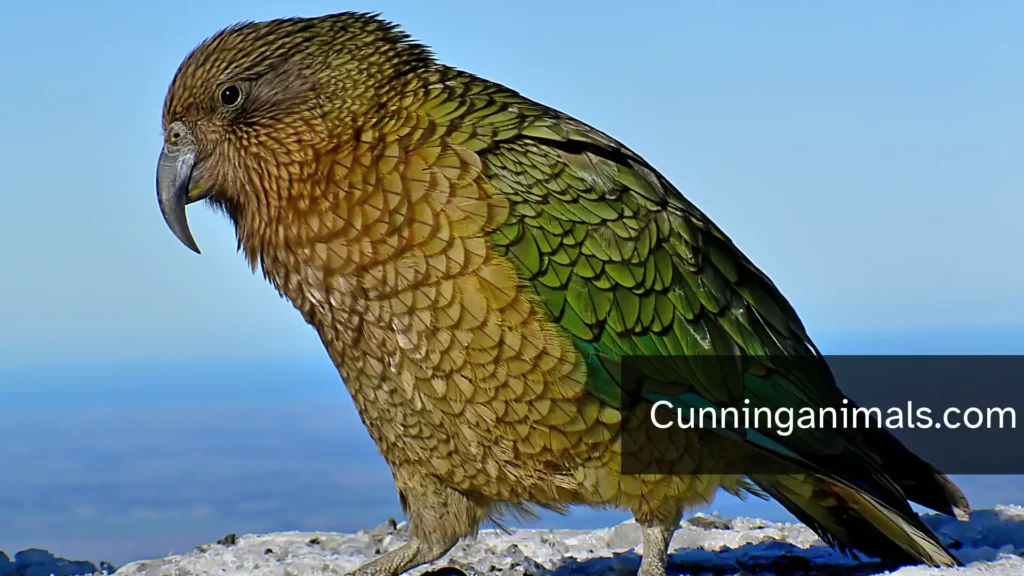
Kea, a parrot species from New Zealand, are notorious for their mischievous behavior, frequently causing trouble in alpine settings. Their curiosity drives them to investigate anything that piques their interest, from backpacks to car tires.
These playful birds possess an intelligence that enables them to solve puzzles and engage in complex social interactions, often leaving curious humans in disbelief as they playfully chewed on outdoor gear. The kea’s blend of intelligence and mischief will certainly captivate any nature enthusiast.
Magpie
Scientific Name: Pica pica
Class: Aves
Diet: Omnivore
Magpies are known for their striking plumage and equally notable curiosity, often engaging in mischievous tactics that can confuse onlookers. Their keen interest in shiny objects often leads them to pilfer items from unsuspecting humans and other animals alike.
These clever birds exhibit remarkable problem-solving skills, using their intelligence to navigate their surroundings. A magpie’s knack for mischief turns even the mundane into an extraordinary display of nimbleness and curiosity, delighting those fortunate enough to observe their antics.
Rat
Scientific Name: Rattus norvegicus
Class: Mammalia
Diet: Omnivore
Rats have garnered a reputation for their cleverness, often leading them into mischievous escapades. These resourceful creatures can navigate narrow spaces and build complex tunnels, making them masters of their environment.
Their social structures encourage playful behavior, which can lead to charming yet chaotic situations. From orchestrating daring moves to outsmart their peers, rats redefine mischief through their resourcefulness and adaptability.
Chimpanzee
Scientific Name: Pan troglodytes
Class: Mammalia
Diet: Omnivore
Chimpanzees are celebrated for their intelligence and social structures, which often lead to amusing displays of mischief. Their playful interactions, from tickling each other to devising funny games, illuminate complex social bonds.
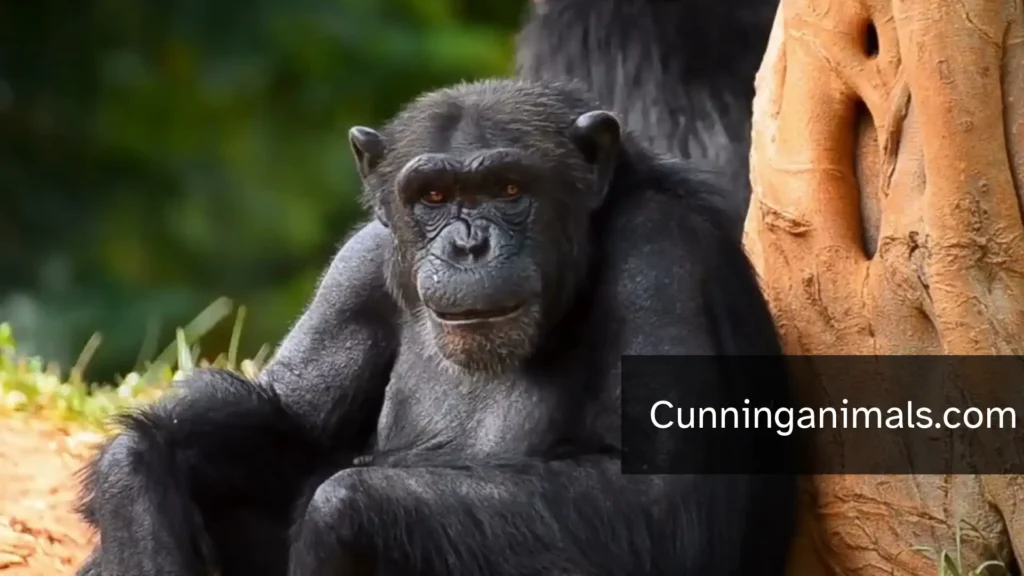
Known to use tools and play tricks on each other, their antics can easily resemble a scene from a comedy show. Observing these lovable tricksters offers insight into their rich emotional lives and the myriad ways they find joy and amusement in their daily interactions. Chimpanzees are known to stand and move on two legs during play and displays, a trait shared by only a handful of other species. See which ones in our article on animals that walk on two legs.
Coati
Scientific Name: Nasua narica
Class: Mammalia
Diet: Omnivore
Coatis are often described as the raccoons of Latin America, showcasing a playful spirit that can easily lead to hilarity. With their long snouts, they’re adept at foraging for food and often uncover treats in the most unexpected places.
Their social dynamics further enrich their mischievous behavior, as coatis often play games with each other, adding a layer of social interaction that captivates observers. Witnessing these playful antics reveals the joy of communal living among these clever animals.
Ferret
Scientific Name: Mustela putorius furo
Class: Mammalia
Diet: Carnivore
Ferrets are known as playful mischief-makers, often engaging in hilarious antics that keep their owners entertained. Their inquisitive nature drives them to explore every nook and cranny, making them adept at finding or creating trouble in the household.
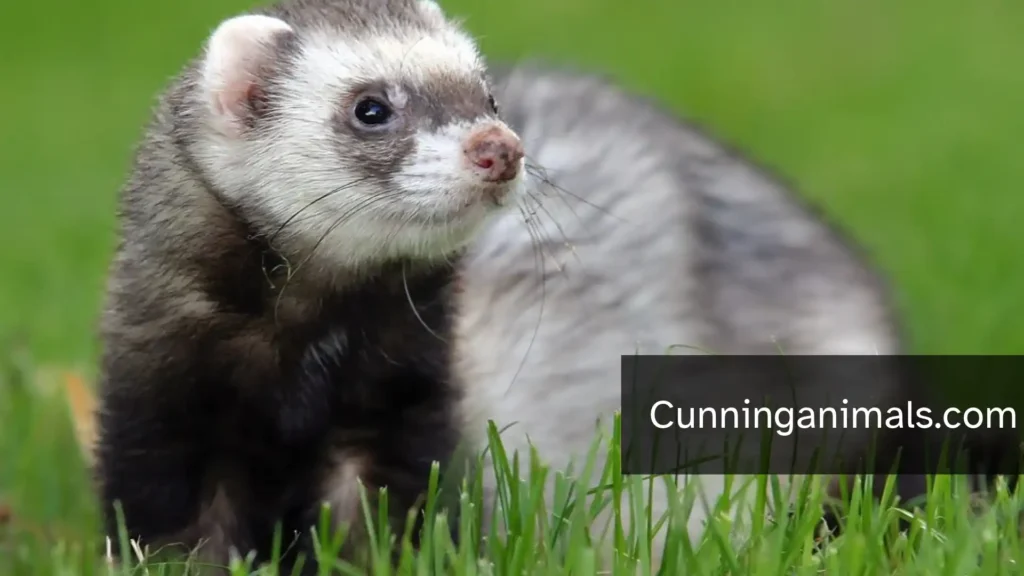
Their playful nature often leads to engaging behaviors like stealing socks or hiding toys, showcasing their cleverness. Observing a ferret at play emphasizes the joys of owning one of these mischievous companions.
Orca
Scientific Name: Orcinus orca
Class: Mammalia
Diet: Carnivore
Orcas, or killer whales, are known for their intelligence and social structure, often engaging in playful behaviors that reflect their mischievous side. These apex predators often partake in intricate hunting techniques, showcasing both strategy and fun.
Their playful breaches and coordinated group movements in the wild reveal a species that values both play and cooperation. Observing orcas at play emphasizes the importance of social bonds within their complex family structures and showcases a mischievous spirit often associated with their captivating nature.
Elephant
Scientific Name: Elephas maximus
Class: Mammalia
Diet: Herbivore
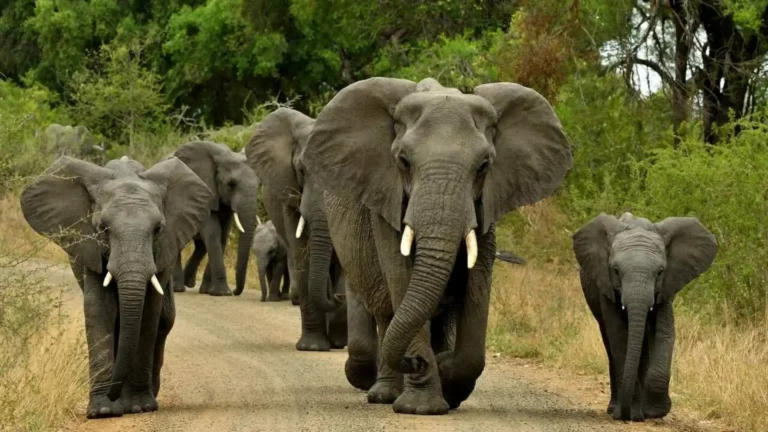
Elephants are not just gentle giants; they also have a spirited side that often showcases their playful nature. Known to engage in mud baths and playful trumpeting, their antics are both charming and a testament to their intelligence.
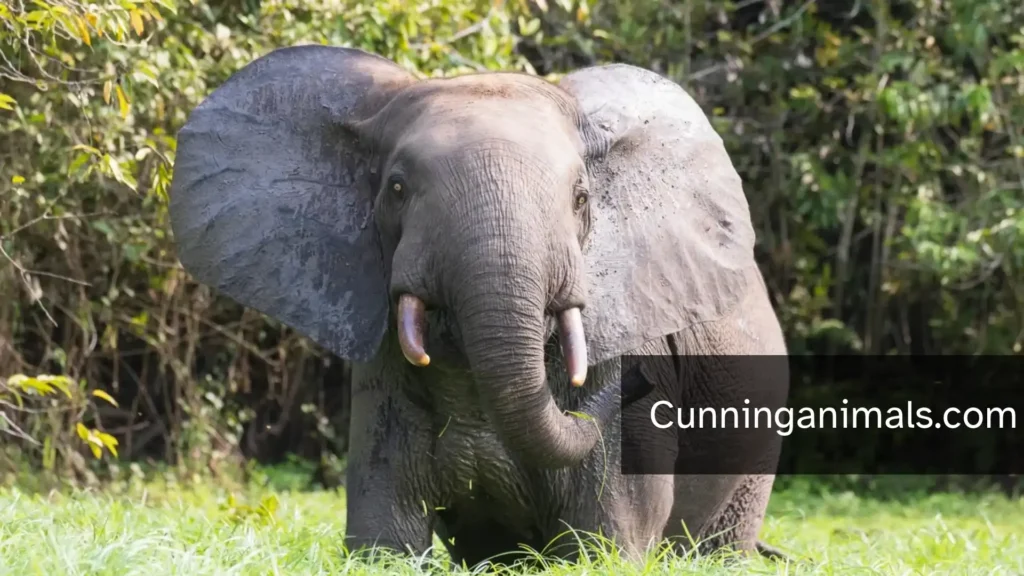
Their strong familial bonds encourage playful behaviors that allow young elephants to learn social interaction. These moments of mischief highlight their rich emotional lives and the importance of play in their development.
Red Panda
Scientific Name: Ailurus fulgens
Class: Mammalia
Diet: Herbivore (bamboo specialist)
Red pandas are the masters of mischief, with their playful tumbling and tree-climbing antics often delighting observers. Their love for play, from rolling down hills to engaging in mock fights, showcases their curious nature and highlights their charm.
Their solitary yet playful demeanor allows for moments of pure joy, whether they’re exploring their environment or sharing a playful interaction. This whimsical side adds depth to their character, making them one of the most endearing mischief-makers of the animal kingdom.
Octopus
Scientific Name: Octopoda
Class: Cephalopoda
Diet: Carnivore
Octopuses are intriguing mischief-makers of the ocean, known for their incredible intelligence and problem-solving skills. Their ability to escape enclosures and manipulate objects showcases an extraordinary level of cunning and adaptability.
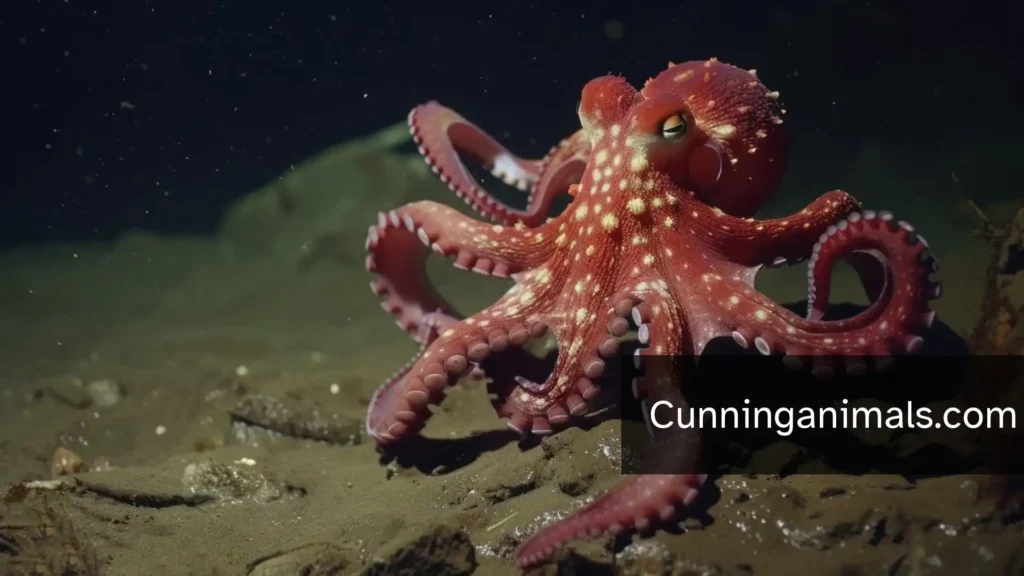
Beyond escaping, they engage in playful behaviors, often using camouflage to surprise or interact with other marine life. Each interaction with an octopus adds to the mystique of these clever creatures, reinforcing their status as captivating masters of mischief.
Sea Otter
Scientific Name: Enhydra lutris
Class: Mammalia
Diet: Carnivore
Sea otters are celebrated not just for their adorable appearance, but also for their vibrant, playful personalities. Known to engage in games of chase and even using tools, these mischievous animals turn the ocean into their playground.
Their habit of floating on their backs, often wrapping themselves in kelp, showcases both playfulness and cleverness. Observing a sea otter at play is a reminder of the joy of youth and the importance of mischief in learning about the world.
Baboon
Scientific Name: Papio
Class: Mammalia
Diet: Omnivore
Baboons are undoubtedly among the most mischievous animals, known for their complex social structures and spirited behavior. Their impressive intelligence reflects in their clever tactics for foraging, often leading them into antics that amuse or annoy nearby humans.
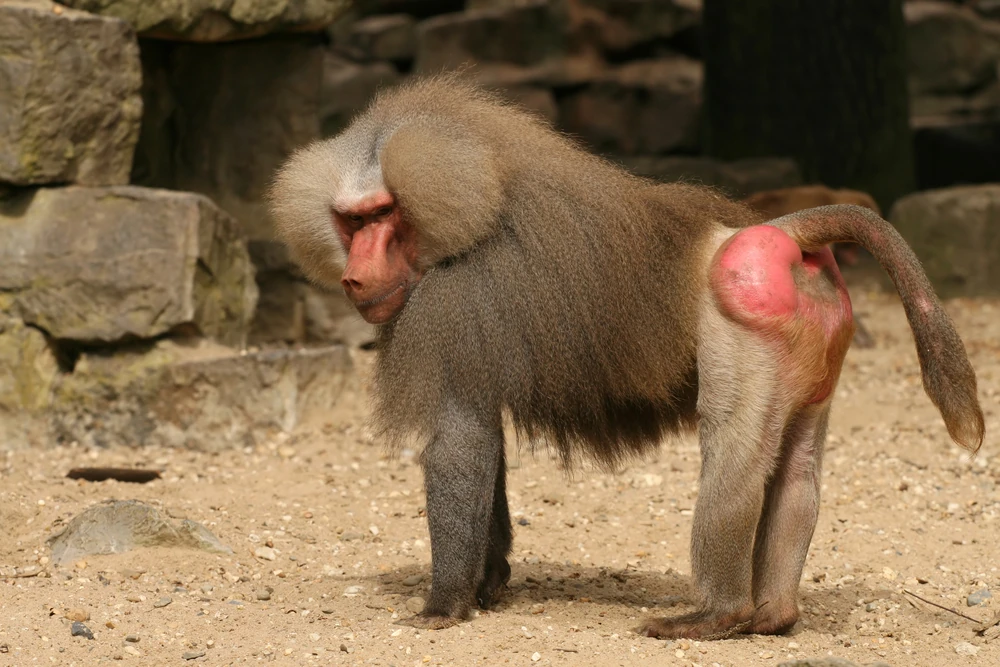
Their social interactions are equally playful, engaging in grooming and playful displays, emphasizing the importance of community among these clever primates. Observing baboons always offers a window into their lively mischief and social bonds, making them endlessly fascinating creatures. Baboons rely on tight-knit troops to thrive, and they’re far from the only animals that get by through teamwork. Explore more social species in our guide to animals that live in groups.
Fun Facts About Mischievous Animals
Mischievous animals reveal just how clever and adaptable creatures in the animal kingdom can be. These behaviors not only provide insight into their intelligence but also highlight the joy and curiosity that exist in the wild.
- Raccoons possess incredibly dexterous front paws that allow them to manipulate objects with precision, making them adept at exploring their surroundings.
- Some crows demonstrate remarkable intelligence by using tools, such as sticks, to access food hidden in hard-to-reach places.
- Keas, the playful parrots of New Zealand, are known for their instinctive curiosity and love for exploring unfamiliar objects, often leading to hijinks.
- Sea otters showcase their cleverness by using rocks as tools to crack open hard-shelled prey, combining playfulness with practicality.
- Goats are natural climbers, often scaling steep and rocky terrains, showcasing their agility and adventurous spirit.
- Chimpanzees exhibit social learning, picking up behaviors from one another, which often leads to mischievous antics in the wild.
- Octopuses are masters of escape; they can squeeze their bodies through surprisingly small openings, making them elusive and crafty escape artists.
- Squirrels are known for their strategic approach to food storage, hiding nuts in various locations to ensure they have enough for leaner times.
- Dolphins engage in complex social play, often participating in coordinated activities that highlight their intelligence and social nature.
- Young elephants frequently practice their social and physical skills through play, helping them build vital connections within their herds.
Conclusion
The list of mischievous animals in the world highlights not only their cleverness but also the enchanting behaviors that make them so intriguing. Each animal on our list engages in playful escapades that often leave us chuckling and scratching our heads in amusement.
Their antics speak to their adaptability and intelligence, reminding us of the fascinating diversity that nature has to offer. Observing these creatures can enhance our appreciation for wildlife and inspire us to protect their habitats.
FAQs
What Is The Most Sexualized Animal In The World?
Bonobos are often discussed in scientific literature for their frequent sociosexual behavior, which can include interactions beyond reproduction. However, the term sexualized is a human description and is not a scientific ranking.
What Animal Is Known For Mischief?
The raccoon is widely known for mischief because it can open containers, explore garbage bins, and use its paws to manipulate objects. Other animals associated with mischief include goats, monkeys, crows, cats, and kea parrots.
What Animal Represents Mischievous Behavior?
The fox commonly represents mischief, cleverness, and trickery in folklore and storytelling. Monkeys and ravens are also associated with mischievous behavior because of their curiosity, intelligence, and playful actions.
What Animal Is Most Mischievous?
What Is the Most Sexualized Animal in the World?
Bonobos are often discussed in scientific literature for their frequent sociosexual behavior, which can include interactions beyond reproduction. However, the term sexualized is a human description and is not a scientific ranking.