18 Dirtiest Animals in the World: Facts, Habits & Pictures
Delving into the realm of the Dirtiest Animals in the World unveils a world filled with extraordinary adaptations and habits that defy conventional notions of cleanliness. While many animals are often judged on their appearance, the truth about these creatures is both captivating and educational.
Our exploration will answer the question of what is the dirtiest animal in the world and will also introduce you to the top 18 dirtiest animals in the world, offering unique insights and engaging visuals to expand your appreciation of nature’s diversity.
What Is the Dirtiest Animal In The World?
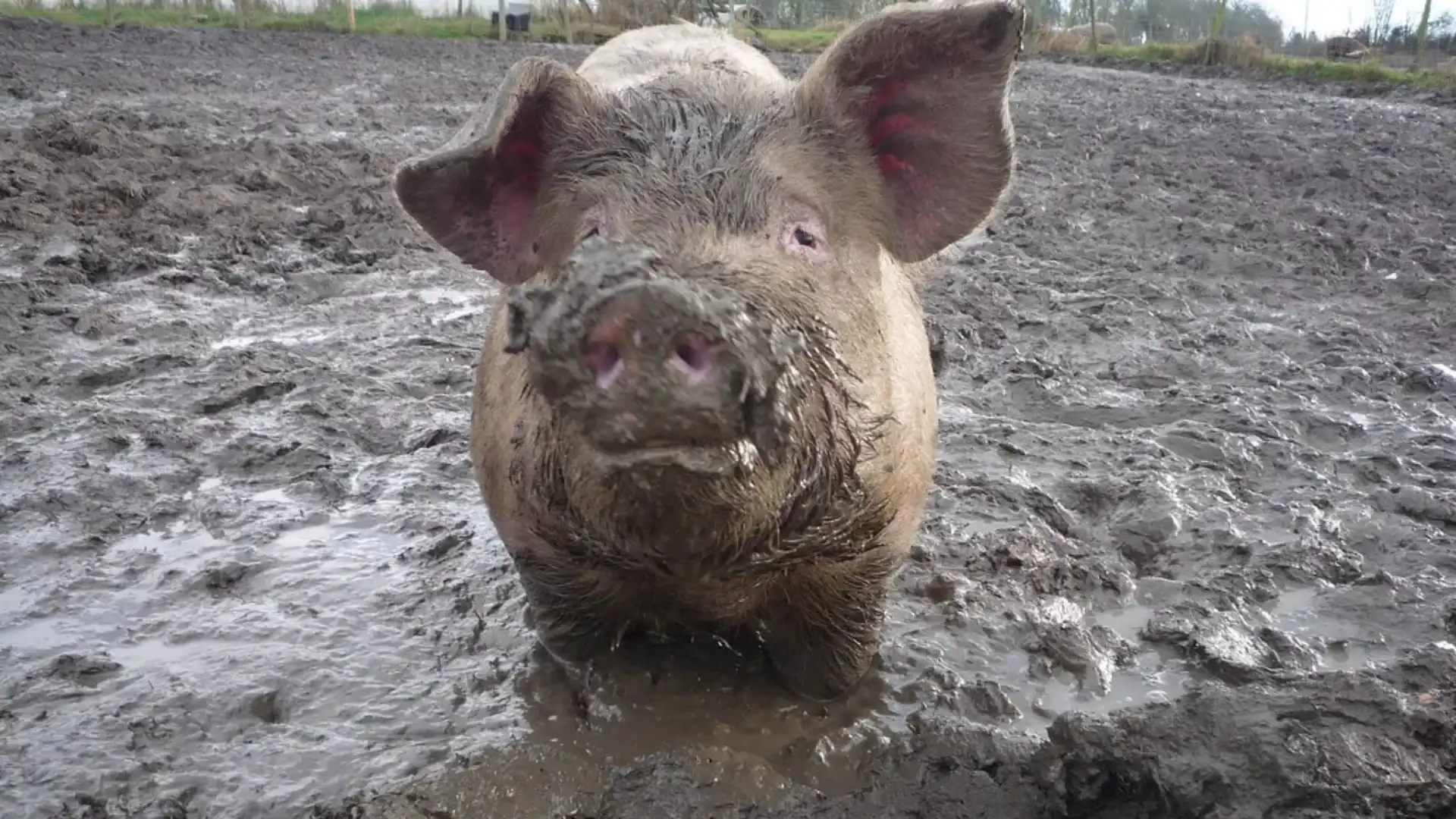
The term “dirtiest animal” lacks a scientific classification and is often subjective. Animals are commonly labeled as dirty due to behaviors like wallowing in mud, scavenging for food, or living in environments rife with bacteria. For instance, pigs, often cited as the dirtiest, thrive in muddy areas that help regulate their body temperature and protect them from parasites.
Rats and crows also qualify as dirty animals by frequently foraging through garbage and living in urban settings. While they may seem gross, these behaviors are survival strategies. Instead of viewing them as unclean, we could appreciate their adaptability and resilience.
Top 18 Dirtiest Animals In The World
| # | Animal | Scientific Name | Class | Diet | Why Considered Dirty |
| 1 | Pigs | Sus scrofa domesticus | Mammalia | Omnivore | Mud wallowing |
| 2 | Cockroaches | Periplaneta americana | Insecta | Omnivore | Contaminated environments |
| 3 | Pigeons | Columba livia | Aves | Omnivore | Urban waste |
| 4 | Rats | Rattus norvegicus | Mammalia | Omnivore | Sewers and garbage |
| 5 | Flies | Musca domestica | Insecta | Omnivore | Waste and decaying matter |
| 6 | Vultures | — | Aves | Scavenger | Feeding on carcasses |
| 7 | Crows | Corvus brachyrhynchos | Aves | Omnivore | Scavenging |
| 8 | Raccoons | Procyon lotor | Mammalia | Omnivore | Trash scavenging |
| 9 | Hippos | Hippopotamus amphibius | Mammalia | Herbivore | Water, mud and waste |
| 10 | Hyenas | Crocuta crocuta | Mammalia | Carnivore | Scavenging |
| 11 | Sloths | Bradypus variegatus | Mammalia | Herbivore | Algae and microbes in fur |
| 12 | Wild Boars | Sus scrofa | Mammalia | Omnivore | Mud and soil |
| 13 | Cape Buffalo | Syncerus caffer | Mammalia | Herbivore | Mud wallowing |
| 14 | Dung Beetles | — | Insecta | Coprophagous | Feed on dung |
| 15 | Frogs | — | Amphibia | Carnivore | Wet, muddy habitats |
| 16 | American Bison | Bison bison | Mammalia | Herbivore | Dust and mud wallowing |
| 17 | Tasmanian Devils | Sarcophilus harrisii | Mammalia | Carnivore | Scavenging and carrion |
| 18 | Turkey Vultures | Cathartes aura | Aves | Scavenger | Carrion feeding |
Pigs
Scientific Name: Sus scrofa
Class: Mammalia
Habitat: Domesticated areas, forests, and grasslands.
Pigs are often underrated, yet they showcase remarkable intelligence and social complexity. Beyond their reputation as farm animals, these creatures exhibit emotional depth and form strong bonds with both humans and their peers. Their playful nature and problem-solving abilities remind us of the joy found in companionship and the importance of kindness in our interactions.
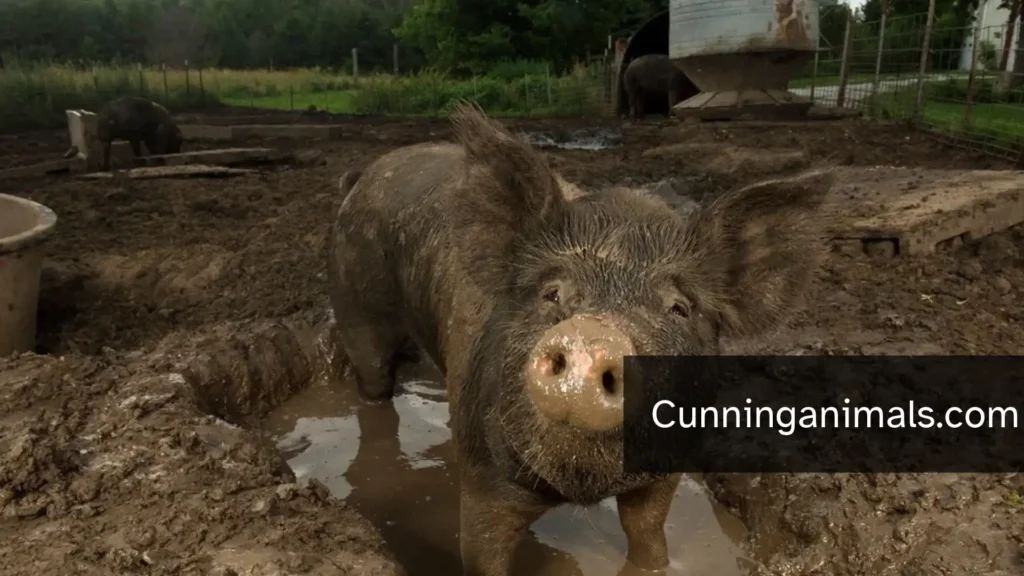
In various cultures, pigs symbolize abundance and provision, representing the blessings of sustenance and community. They serve as a reminder to appreciate the resources we have and to share them generously with others. The humble pig teaches us to embrace our imperfections while still seeking growth and fulfillment in our lives.
Cockroaches
Scientific Name: Blattodea
Class: Insecta
Habitat: Primarily urban areas and damp environments.
Cockroaches are often seen as pests, yet their incredible resilience speaks volumes about survival. These industrious insects have existed for hundreds of millions of years, reflecting nature’s persistence. They remind us that even in the most inhospitable circumstances, life persists, and one can adapt and thrive against the odds.
Symbolically, cockroaches can represent transformation and adaptability. In challenging times, they inspire us to embrace change and find new paths. Their presence serves as a gentle reminder that every obstacle can be an opportunity for growth, pushing us to uncover hidden strengths within ourselves.
Pigeons
Scientific Name: Columba livia
Class: Aves
Habitat: Urban and rural areas around the world.
Pigeons, often seen cooing in city squares, have a unique grace that belies their common status. With astonishing navigation skills, these birds symbolize hope and perseverance, always finding their way back home. Their ability to thrive in various environments showcases the beauty of adaptability and shared companionship.
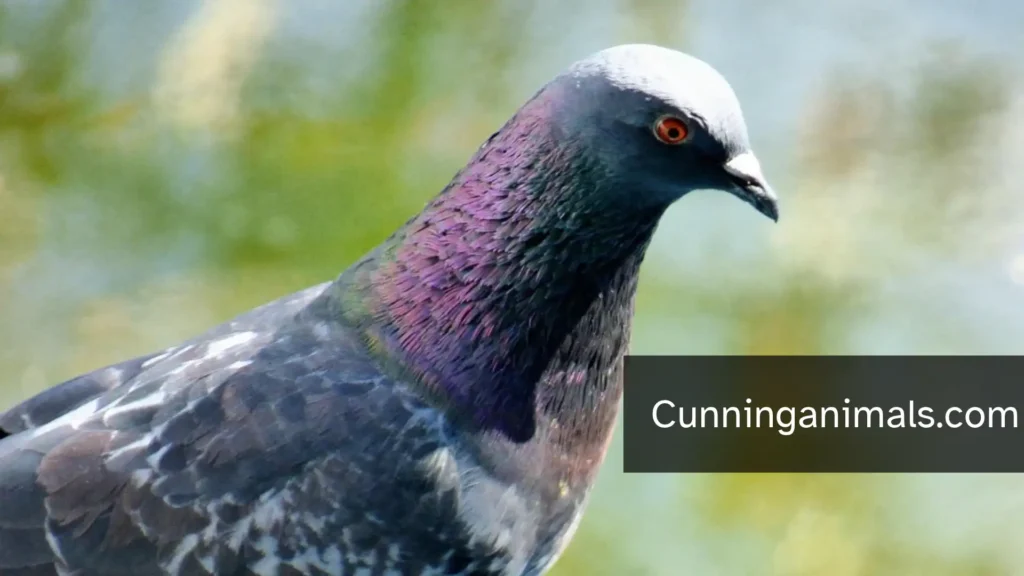
In many cultures, pigeons are viewed as messengers of peace and reconciliation. They serve as a reminder to us to foster understanding and connection in our daily lives. By practicing empathy and love for one another, we can embody the spirit of the humble pigeon, bringing people together for a shared purpose.
Rats
Scientific Name: Rattus
Class: Mammalia
Habitat: Urban areas, sewers, and fields.
Rats may often elicit fear, but they are surprisingly social and intelligent creatures. Their adaptability in various environments is a testament to their resourcefulness and survival skills. Observing their behaviors can teach us about resilience and the importance of community, as they thrive best in groups.
Symbolically, rats can represent the ability to overcome life’s obstacles. Their presence encourages us to look beyond our initial impressions and see the hidden value in all beings. In every challenge we face, like the clever rat, we can find ways to adapt, innovate, and forge ahead toward a brighter tomorrow.
Flies
Scientific Name: Diptera
Class: Insecta
Habitat: Diverse environments, particularly near decaying material.
Though often seen as nuisances, flies play a critical role in the ecosystem as decomposers. Their rapid life cycles enable them to recycle nutrients back into the soil, highlighting the interconnectedness of life. Observing them can inspire appreciation for the often-overlooked contributions of all creatures.
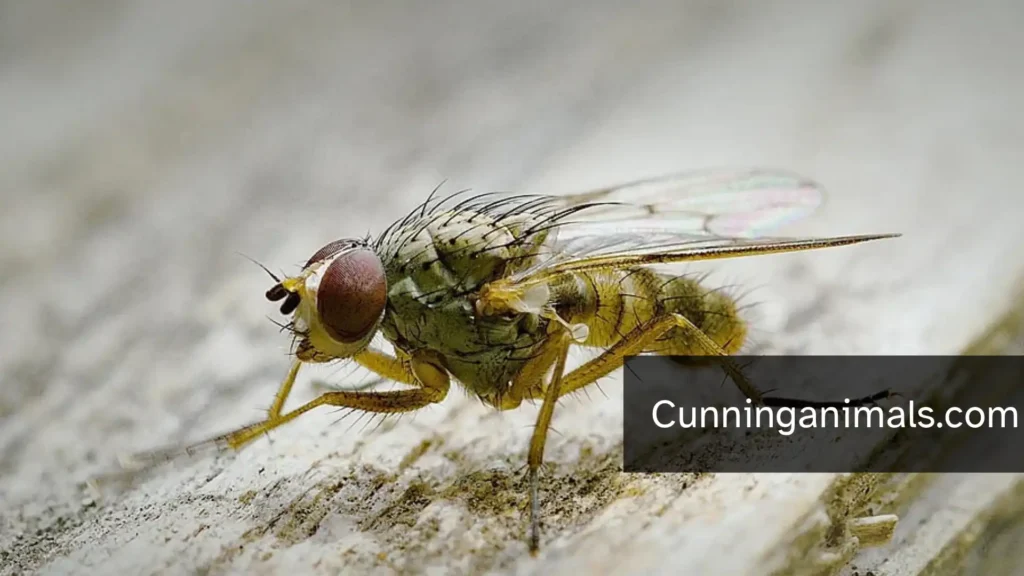
Flies embody the idea of transformation and rebirth, as they undergo complete metamorphosis. They remind us that every ending can lead to new beginnings, encouraging us to embrace change in our lives. By valuing every stage of our journey, we can find beauty and purpose in even the most chaotic moments.
Vultures
Scientific Name: Accipitridae
Class: Aves
Habitat: Open areas like savannas and deserts.
Vultures, soaring high above, are nature’s cleanup crew, playing a vital role in maintaining ecological balance. Their distinctive feeding habits help to prevent the spread of disease, and they symbolize renewal and the cycle of life. Observing these birds teaches us about the importance of clearing away the old to make room for new growth.
Spiritually, vultures represent the ability to rise above challenges and find wisdom in difficult circumstances. Their presence encourages us to embrace our own transformations and seek clarity in life’s complexities. By learning from the past, like the noble vulture, we can embark on a journey toward renewal and replenishment.
Crows
Scientific Name: Corvus
Class: Aves
Habitat: Urban areas, forests, and grasslands.
Crows, with their striking black plumage and keen intelligence, captivate those who observe them. Known for their problem-solving skills and complex social behaviors, they symbolize creativity and adaptability. Their presence encourages us to think critically and embrace our unique perspectives in a world that often seeks conformity.
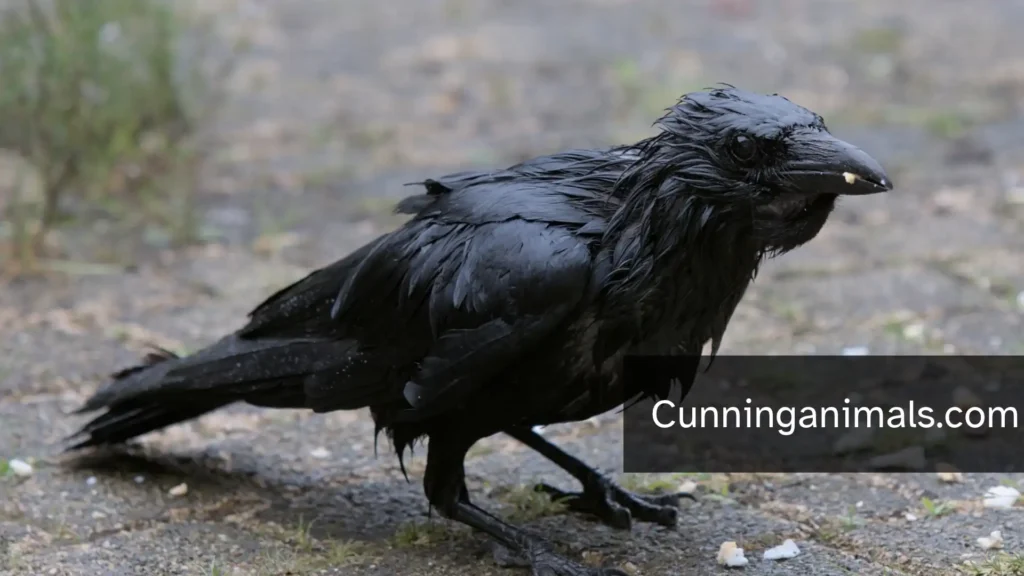
Symbolically, crows are seen as messengers between realms, urging us to explore our own potential. They remind us that every challenge can lead to personal growth and insight. By approaching life with curiosity, like the resourceful crow, we can uncover hidden wisdom and opportunities that lie before us.
Raccoons
Scientific Name: Procyon lotor
Class: Mammalia
Habitat: Urban areas, forests, and wetlands.
Raccoons, with their playful antics and dexterous paws, are often viewed as mischievous explorers. Their resourcefulness in finding food and shelter illustrates the importance of adaptability in various environments. Observing these clever creatures can inspire us to embrace our curiosity and seek joy in our everyday lives.
Culturally, raccoons symbolize intelligence and problem-solving. Their ability to thrive in urban environments calls us to adapt to our surroundings. Embracing our challenges and taking playful risks, like the crafty raccoon, can lead to exciting discoveries and new experiences along our journeys.
Hippos
Scientific Name: Hippopotamus amphibius
Class: Mammalia
Habitat: Rivers, lakes, and swamps in Africa.
Hippos are surprisingly graceful in water despite their hefty stature and powerful jaws. As social animals, they thrive in groups, showcasing a strong sense of community and companionship. Their unique lifestyle teaches us about balancing strength with gentleness, reminding us that true power can often be found in harmony with others.
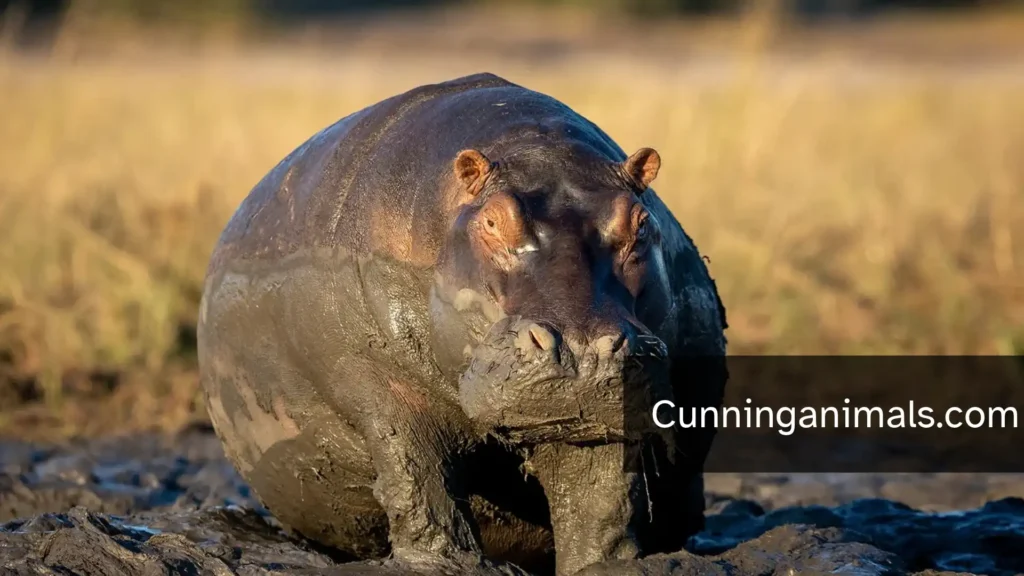
Often viewed as symbols of water and fertility, hippos encourage us to appreciate the gifts of nature. Their presence highlights the importance of preserving our planet’s resources for future generations. Embracing the wisdom of the hippo can inspire us to live in connection with the earth, nurturing and respecting its wonders.
Hyenas
Scientific Name: Crocuta crocuta
Class: Mammalia
Habitat: Savannas and grasslands in Africa.
Hyenas, often misunderstood, are resourceful scavengers known for their intelligence and complex social structures. Their unique vocalizations reflect a sophisticated communication system, showcasing the importance of bonds within their communities. Recognizing these traits invites us to see the value in teamwork and collaboration.
Symbolically, hyenas represent resilience and adaptability in the face of adversity. Their ability to thrive in challenging conditions encourages us to embrace our own unique journeys. Learning from the hyena’s strength in community can motivate us to support one another and seek triumph together, even in the toughest times.
Sloths
Scientific Name: Bradypus
Class: Mammalia
Habitat: Tropical forests in Central and South America.
Sloths are as famous for their slow-paced brains as they are for their slow movements, often appearing on lists of animals with limited problem-solving ability. If you’re curious which other creatures rely more on instinct than intellect, check out our guide to animals with the lowest IQ.
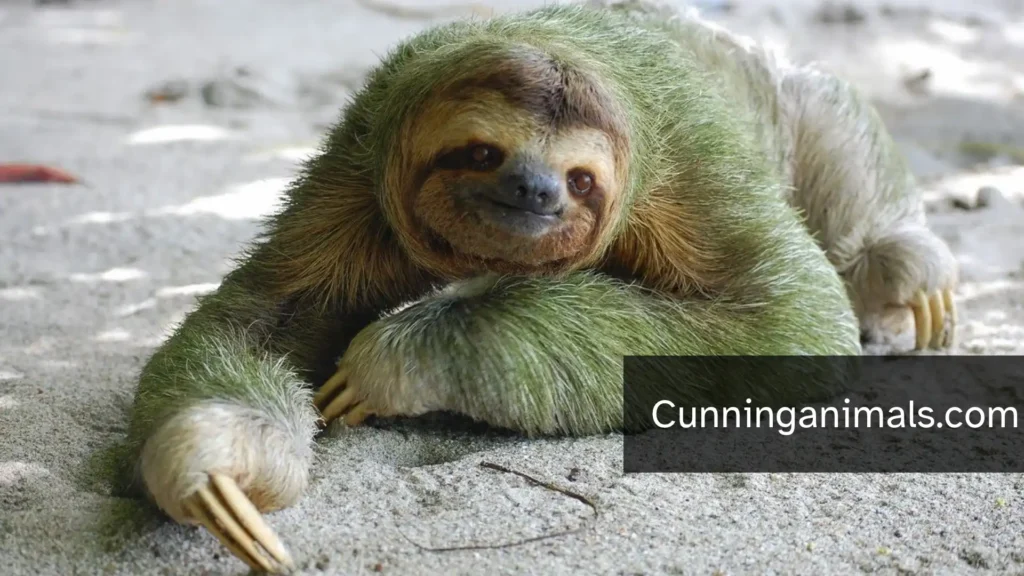
In many cultures, sloths symbolize patience and inner peace. They inspire us to slow down amidst life’s chaos and reflect on our priorities. By embracing the essence of the sloth, we can nurture a deeper connection with ourselves and the world around us, discovering joy within life’s simple pleasures.
Wild Boars
Scientific Name: Sus scrofa
Class: Mammalia
Habitat: Forests, grasslands, and wetlands.
Wild boars wander through the underbrush with a sense of purpose and determination. Known for their strength and impressive adaptability, these creatures remind us to embrace our wild side and explore the depths of our potential. Their social behaviors demonstrate the importance of community bonds, teaching us the value of working together towards common goals.
Wild boars symbolize resilience in tough environments, encouraging us to harness our courage and tenacity. Their presence reminds us to face our fears and challenge ourselves to venture beyond familiar boundaries. By channeling the spirit of the wild boar, we can uncover the strength we have within, ready to take on life’s adventures.
Cape Buffalo
Scientific Name: Syncerus caffer
Class: Mammalia
Habitat: Grasslands and savannas in Africa.
Cape buffalo are formidable creatures known for their distinct appearance and strong herd mentality. With a reputation for being unpredictable yet deeply social, they exemplify the power of collective strength. Observing their interactions encourages us to cultivate loyalty and unity in our own communities.
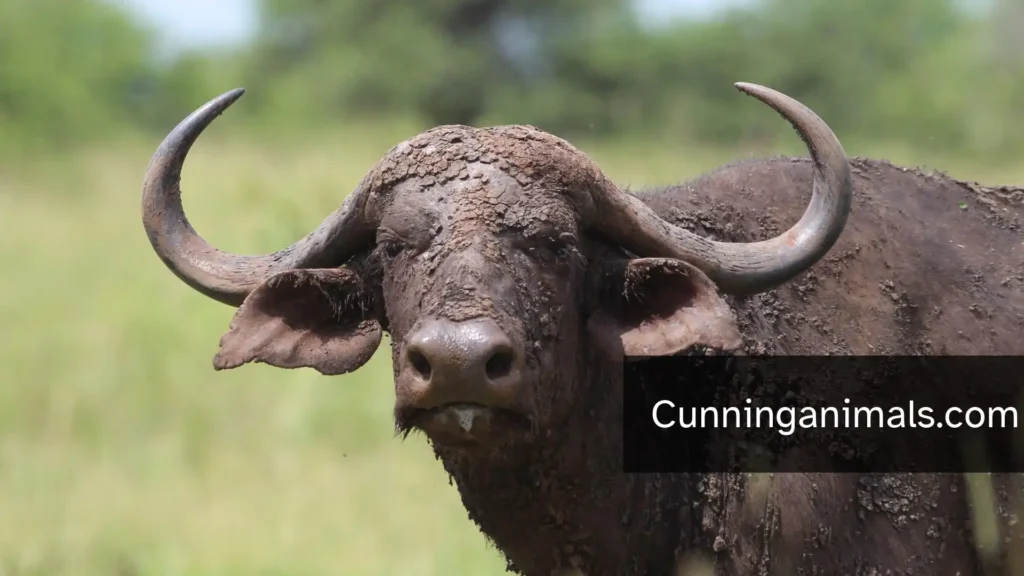
These majestic animals symbolize endurance and courage, embodying the spirit of resilience in challenging circumstances. Cape buffalo teach us to stand firm in the face of challenges, reminding us that we are strongest together. Their journey inspires us to embrace both individual strength and the importance of community support as we navigate life.
Dung Beetles
Scientific Name: Scarabaeidae
Class: Insecta
Habitat: Many ecosystems, particularly grasslands and forests.
Dung beetles might seem unassuming, but they play a crucial role in recycling nutrients in nature. These industrious creatures assist in maintaining ecological balance by breaking down waste, a reminder of how even the smallest beings can have a profound impact. Their tireless work encourages us to find purpose and meaning, no matter our circumstances.
Dung beetles quietly do essential work without recognition, embodying a kind of humility found throughout the animal kingdom. For more unassuming creatures that make a big impact, see our roundup of animals that are humble.
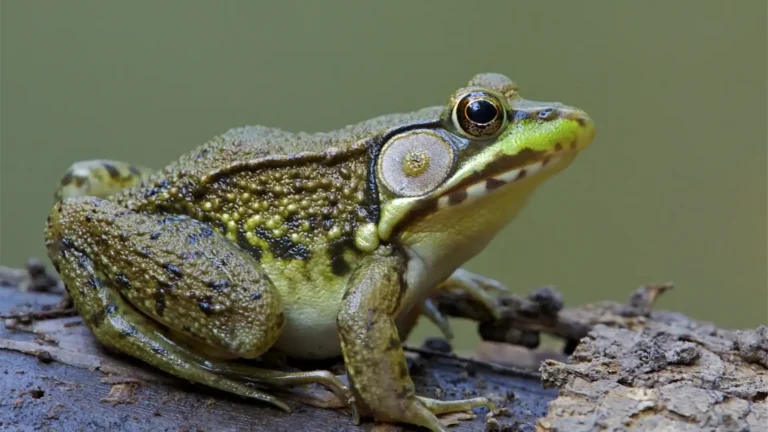
Frogs
Scientific Name: Anura
Class: Amphibia
Habitat: Freshwater ponds, lakes, and wetlands.
Frogs, with their incredible ability to adapt both in water and on land, remind us of the beauty of versatility. Their keen sense of transformation, from tadpole to adult, symbolizes personal growth and the journey of change. Observing these creatures can inspire us to embrace our own transformations in life and find beauty in transitions.
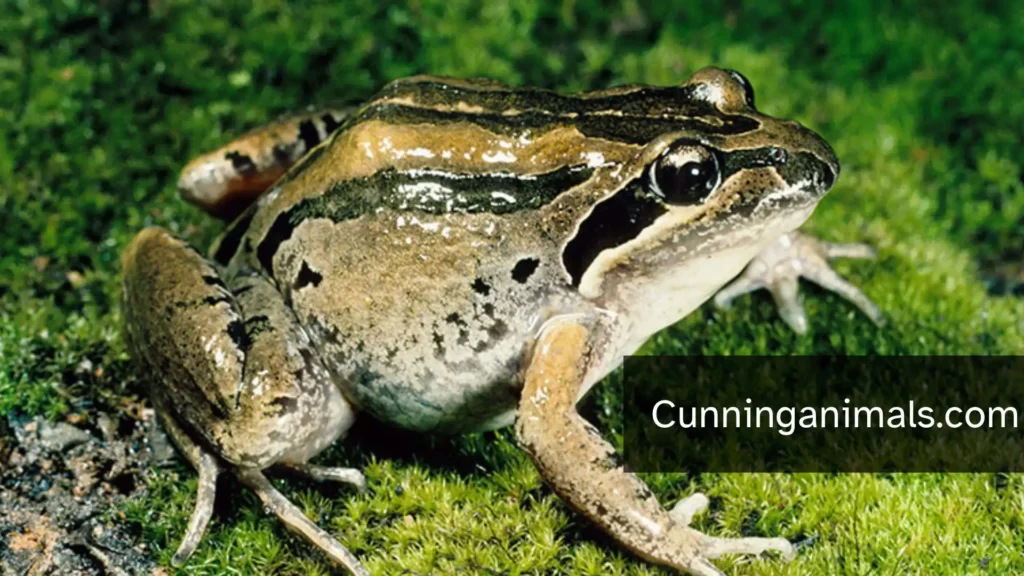
In many cultural contexts, frogs are symbols of fertility and new beginnings. Their croaks often herald the arrival of rain, emphasizing the importance of change in nurturing life. By channeling the spirit of the frog, we can learn to welcome change as an integral part of our journey, nurturing both ourselves and our surroundings along the way.
American Bison
Scientific Name: Bison bison
Class: Mammalia
Habitat: Plains, prairies, and grasslands of North America.
Bison share the plains with other large, hoofed grazers that move in herds and rely on speed and strength to survive. To discover more powerful, horse-like animals that roam open landscapes, take a look at our list of animals like horses.
In Native American cultures, bison embody abundance and provision, symbolizing nourishment and connection to the land. Their presence invites us to reflect on our relationship with nature and the importance of stewardship. By embracing the legacy of the bison, we can cultivate a sense of gratitude for the resources we have and strive to protect our planet for future generations.
Tasmanian Devils
Scientific Name: Sarcophilus harrisii
Class: Mammalia
Habitat: Forests and coastal scrub of Tasmania.
Tasmanian devils are unique and spirited creatures known for their fierce determination and powerful jaws. Despite their small size, they demonstrate immense strength and adaptability in the face of challenges. Their charming tenacity inspires us to confront our own struggles head-on, reminding us that courage can come in many forms.
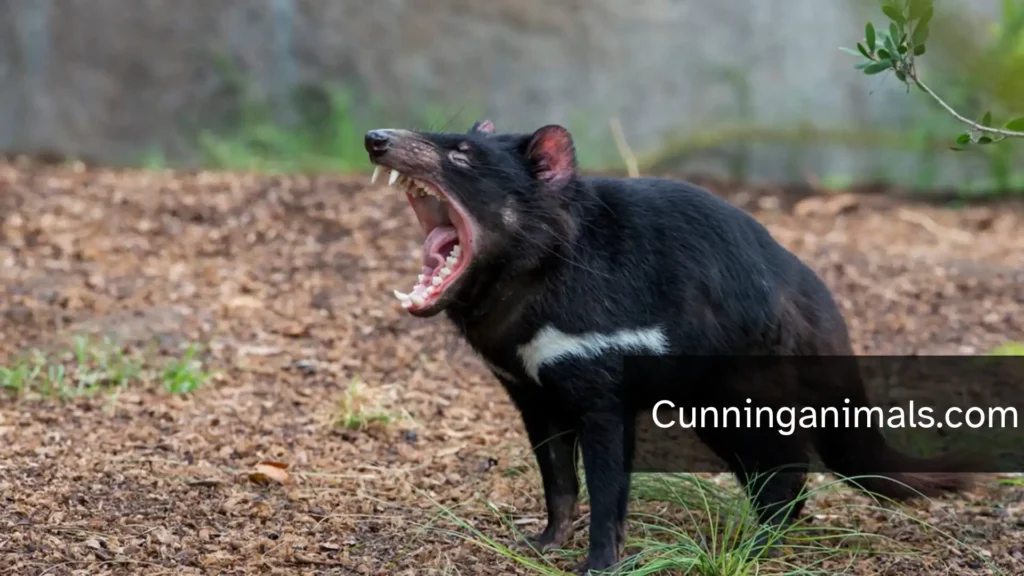
Symbolically, Tasmanian devils represent resilience and survival in adversity. Their challenges have led to efforts to protect and conserve their populations, highlighting the importance of perseverance and hope. By embracing the spirit of the Tasmanian devil, we can learn to advocate for those in need and strive to make a positive impact in our communities.
Turkey Vultures
Scientific Name: Cathartes aura
Class: Aves
Habitat: Open areas, forests, and mountains.
Turkey vultures are remarkable scavengers that play a critical role in maintaining ecological balance. With their keen sense of smell, they help to recycle nutrients and prevent disease, reflecting the importance of purpose-driven actions. Observing these birds encourages us to appreciate the gift of life and the interconnectedness of all beings.
Symbolically, turkey vultures represent renewal and the cycle of life. Their ability to thrive in diverse environments inspires us to embrace change and seek purpose in our own journeys. By learning from the wisdom of these fascinating birds, we can foster gratitude and mindfulness in our lives, celebrating the natural world around us.
Interesting Facts About The Dirtiest Animals
Understanding the world of some of the dirtiest animals reveals a fascinating aspect of nature. While they might seem unappealing, many of these creatures have unique adaptations that help them thrive in their environments, highlighting the intricate balance of ecosystems.
- Some animals use mud as natural protection from heat and parasites.
- Vultures can consume carrion that would be dangerous for many other creatures.
- Dung beetles are vital for recycling nutrients back into the soil.
- Sloth fur supports both algae and tiny organisms, showcasing a unique ecosystem on its own.
- Cockroaches can endure extreme conditions, proving their resilience.
- Rats adapt seamlessly to urban settings, showcasing their intelligence.
- Flies play an essential role in the decomposition process, transforming waste into new life.
- Pigeons have become incredibly adept at navigating city landscapes.
Conclusion
The journey through the Dirtiest Animals in the World has illuminated just how intricate and diverse our animal kingdom truly is. These fascinating creatures often live in environments that many of us would find less than appealing, yet they thrive in their ecosystems.
As we ponder what is the dirtiest animal in the world, it’s essential to understand that “dirtiness” can have varying meanings across species. From the unlikely filth of the common rat to the reputation of the hyena, the top 10 dirtiest animals in the world offer a diverse range of survival strategies.
FAQS
What Are Some Inspirational Thursday Blessings Prayers?
May God bless your Thursday with peace, strength, and renewed hope. May He guide your steps, open beautiful opportunities, protect your loved ones, and fill your heart with gratitude and joy.
Have A Blessed Day Inspirational Quotes?
“May your day be touched by God’s grace, filled with peaceful moments, and brightened by unexpected blessings. Keep faith, stay positive, and trust that beautiful things are ahead.”
What Can I Say Instead Of “Happy Thursday”?
You can say, “Wishing you a beautiful Thursday,” “Have a blessed Thursday,” “May your Thursday be filled with joy,” or “Sending you positive Thursday vibes and warm wishes.”
What Are Some Unique Thursday Captions?
“Thursday glow: grateful for today, hopeful for tomorrow, and blessed for every moment in between.” Another option is, “Walking into Thursday with a thankful heart, peaceful mind, and hopeful spirit.”
How To Wish Someone A Good Day In A Unique Way?
You can say, “May today surprise you with little moments of happiness, bring peace to your heart, and leave you with beautiful memories to smile about tonight. Have a truly wonderful day!”