18 Animals With Spots: Beautiful Creatures You Need to Know
The allure of animals with spots is undeniable, drawing attention wherever they roam. Each spotted creature contributes to the rich tapestry of biodiversity, demonstrating how striking patterns can serve crucial survival functions.
This article delves into 18 incredible animals that have spots, exploring their unique adaptations and the various habitats they thrive in. By the end, you’ll have a newfound admiration for these enchanting creatures and a better understanding of why things with spots are so significant in the natural world.
What Are Animals With Spots?
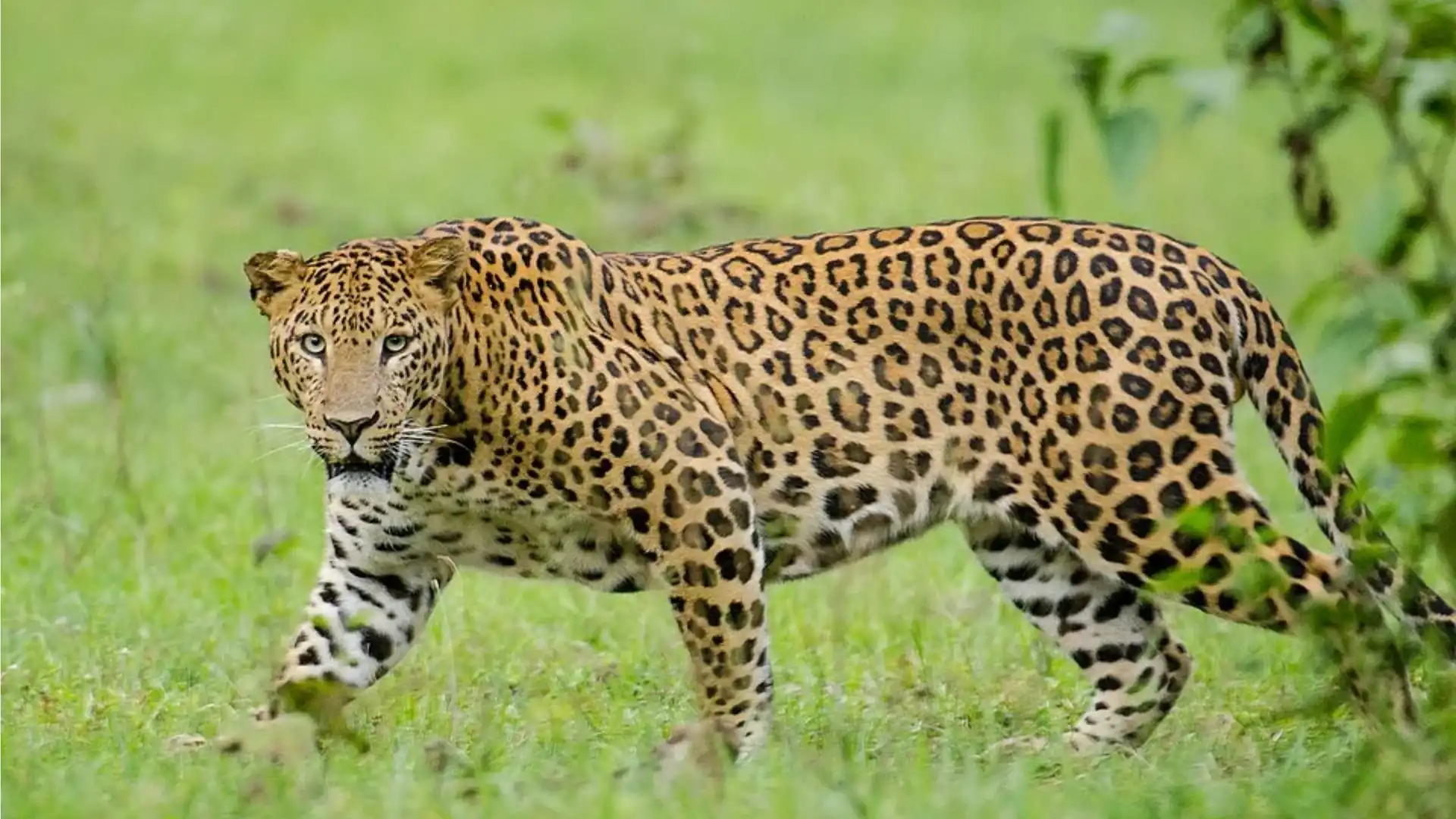
Animals with spots exhibit fascinating adaptations that serve various ecological purposes. For instance, leopards possess rosettes that not only provide effective camouflage among the dappled light of their habitats but also play a role in maintaining individual identity. This unique patterning can help both mates and rivals distinguish one leopard from another in dense foliage.
spotted markings can have an evolutionary advantage beyond mere concealment. In some species, such as the poison dart frog, bright spots function as warning signals to potential predators, indicating toxicity.
Top 18 Animals With Spots
| Rank | Animal | Scientific Name | Class | Habitat |
| 1 | Leopard | Panthera pardus | Mammalia | Forests and grasslands |
| 2 | Cheetah | Acinonyx jubatus | Mammalia | African savannas |
| 3 | Jaguar | Panthera onca | Mammalia | Tropical forests |
| 4 | Giraffe | Giraffa spp. | Mammalia | African savannas |
| 5 | Ocelot | Leopardus pardalis | Mammalia | Forests and scrublands |
| 6 | Spotted Hyena | Crocuta crocuta | Mammalia | Savannas and grasslands |
| 7 | Bobcat | Lynx rufus | Mammalia | Forests and deserts |
| 8 | Deer Fawn | Odocoileus spp. | Mammalia | Forests and grasslands |
| 9 | Dalmatian | Canis lupus familiaris | Mammalia | Domestic environments |
| 10 | Whale Shark | Rhincodon typus | Chondrichthyes | Tropical oceans |
| 11 | Atlantic Spotted Dolphin | Stenella frontalis | Mammalia | Atlantic Ocean |
| 12 | Spotted Eagle Ray | Aetobatus narinari | Chondrichthyes | Tropical coastal waters |
| 13 | Leopard Gecko | Eublepharis macularius | Reptilia | Dry grasslands and deserts |
| 14 | Spotted Salamander | Ambystoma maculatum | Amphibia | Forests and wetlands |
| 15 | Ladybug | Coccinellidae spp. | Insecta | Gardens and grasslands |
| 16 | Guinea Fowl | Numida meleagris | Aves | Savannas and grasslands |
| 17 | Harlequin Shrimp | Hymenocera picta | Malacostraca | Coral reefs |
| 18 | Leopard Frog | Lithobates pipiens | Amphibia | Ponds, marshes, and wetlands |
Leopard
Scientific Name: Panthera pardus
Class: Mammalia
Habitat: Savannas, forests, and mountains
The leopard embodies a graceful resilience, thriving in diverse habitats around the world. Its stunning coat, adorned with beautiful rosettes, reminds us that beauty comes from adaptability and courage. As we observe these magnificent creatures, it inspires us to embrace our unique gifts while navigating life’s challenges with stealth and poise.
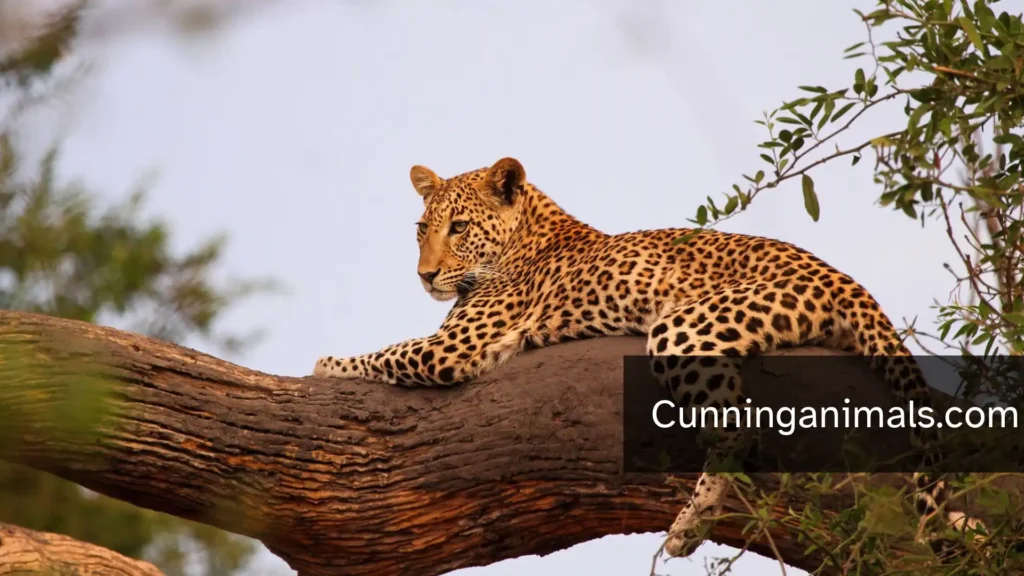
In the quiet of the African night, the leopard reigns as a master hunter, symbolizing strength and determination. Each leap and bound speaks of an unwavering spirit that refuses to be tamed. This poignant reminder encourages us to seek our purpose, blending elegance with tenacity.
Cheetah
Scientific Name: Acinonyx jubatus
Class: Mammalia
Habitat: Grasslands and open savannas
The cheetah races across the plains with astonishing speed, embodying the thrill of life’s pursuit. Known for being the fastest land animal, it reminds us that sometimes, quick action is needed to seize our dreams. This grace and agility inspire us to stay focused on our goals, reminding us that time waits for no one.
In a world where challenges often slow us down, the cheetah’s determination sparks joy and excitement. Its ability to accelerate in the blink of an eye is a testament to the power of perseverance and faith. Just as the cheetah thrives in its environment, we too can harness our potential and move forward with confidence.
Jaguar
Scientific Name: Panthera onca
Class: Mammalia
Habitat: Rainforests, swamps, and grasslands
The jaguar carves through the dense rainforest, a symbol of untamed beauty and strength. Its powerful build and striking coat represent adaptability and resilience in a constantly changing environment. Watching this solitary feline navigate through its lush habitat, we are reminded to embrace our inner strength and confidently face our own paths.
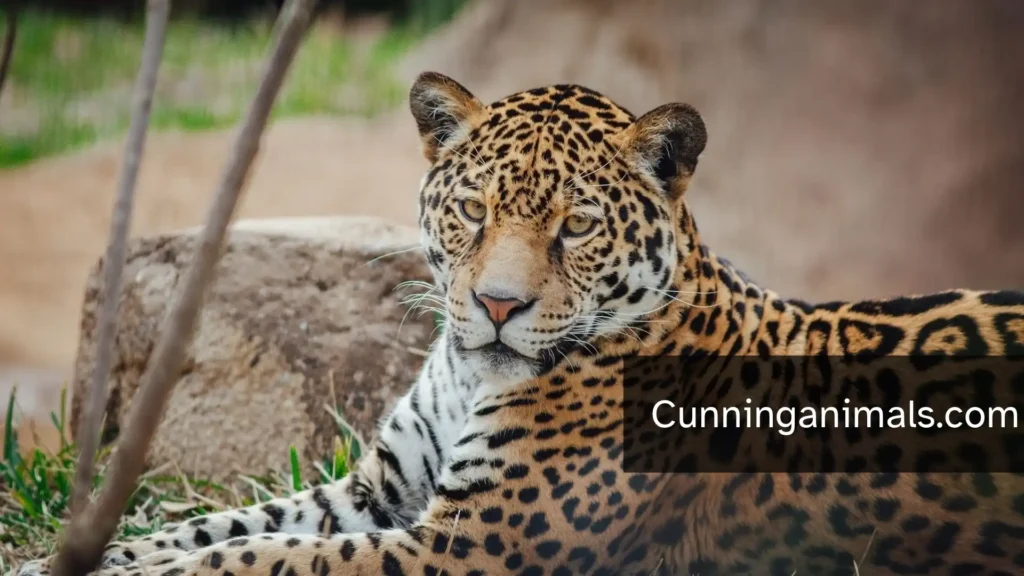
With a reputation as a proficient swimmer, the jaguar teaches us that it’s okay to step outside our comfort zones. Nature’s magnificence often lies in discovering the depths of our abilities and appreciating the journey we take. This majestic creature inspires us to bravely navigate the waters of life, knowing we possess the grace and fierceness to thrive.
Giraffe
Scientific Name: Giraffa camelopardalis
Class: Mammalia
Habitat: Savannas and woodlands
The giraffe, with its towering neck and gentle demeanor, offers a beautiful perspective on life. Its ability to reach for the treetops represents our quest for higher aspirations and dreams. As we admire this incredible creature, we are inspired to look beyond the ordinary and strive for greatness in all we do.
In herds, giraffes reveal the beauty of community and connection, reminding us of the strength found in unity. If you’re curious about other animals that take life slow, check out our article on slow animals. It’s an interesting look at how not every survival strategy depends on speed.
Ocelot
Scientific Name: Leopardus pardalis
Class: Mammalia
Habitat: Rainforests, grasslands, and scrublands
The ocelot, with its captivating spots and sleek form, thrives in diverse habitats, showcasing the beauty of adaptation. As a skilled and elusive hunter, it inspires us to embrace our playful side while remaining grounded in purpose. Each graceful movement reminds us that joy and determination can go hand in hand in our daily lives.
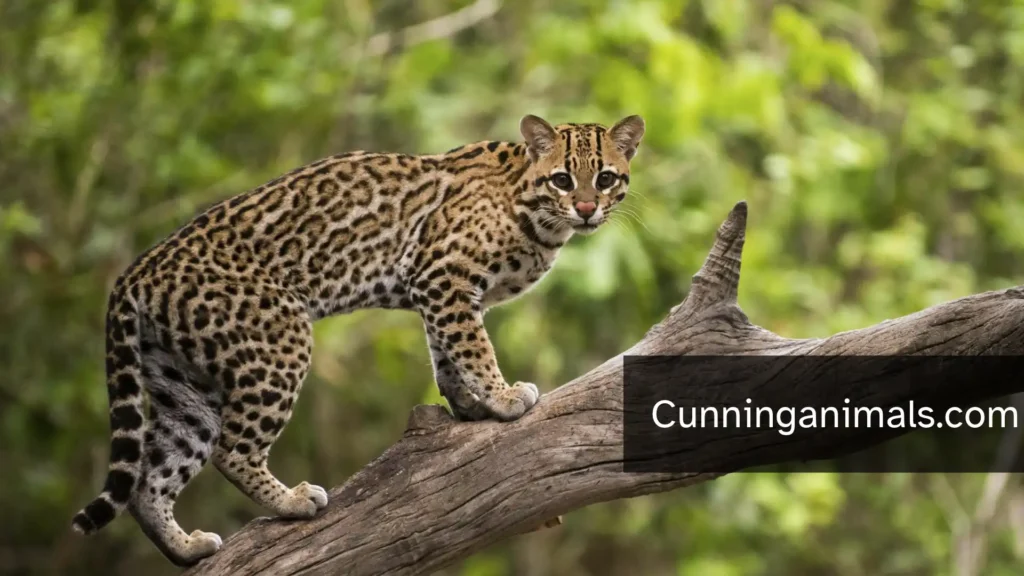
Navigating its territory under the moonlight, the ocelot teaches us the importance of being true to ourselves. Its solitary nature highlights our unique journeys, encouraging us to carve our own paths while respecting the beauty of others. In celebrating our individuality, we can create a tapestry of experiences that enrich our lives and those around us.
Spotted Hyena
Scientific Name: Crocuta crocuta
Class: Mammalia
Habitat: Grasslands and savannas
The spotted hyena often faces misconceptions, yet its intelligence and social structure reveal a depth of character that is both inspiring and vital. Living in clans, these creatures exemplify the power of teamwork and community, reminding us that we are stronger when we stand together. Each cackle and interaction fosters a bond of resilience and loyalty that we can strive to emulate in our own lives.
As they roam across the African landscape, spotted hyenas redefine what it means to thrive in challenging environments. Their resourcefulness encourages a spirit of adaptability and innovation within us. In facing our own adversities with a sense of humor and camaraderie, we can embrace life’s wild adventure with open hearts and minds.
Bobcat
Scientific Name: Lynx rufus
Class: Mammalia
Habitat: Woods, grasslands, and deserts
The bobcat, with its keen eyes and agile frame, gracefully prowls through various landscapes, embodying the essence of curiosity and independence. Its ability to thrive across diverse environments inspires us to explore our own surroundings with wonder and enthusiasm. Each encounter reminds us of the joy found in the small, often unnoticed details of life.
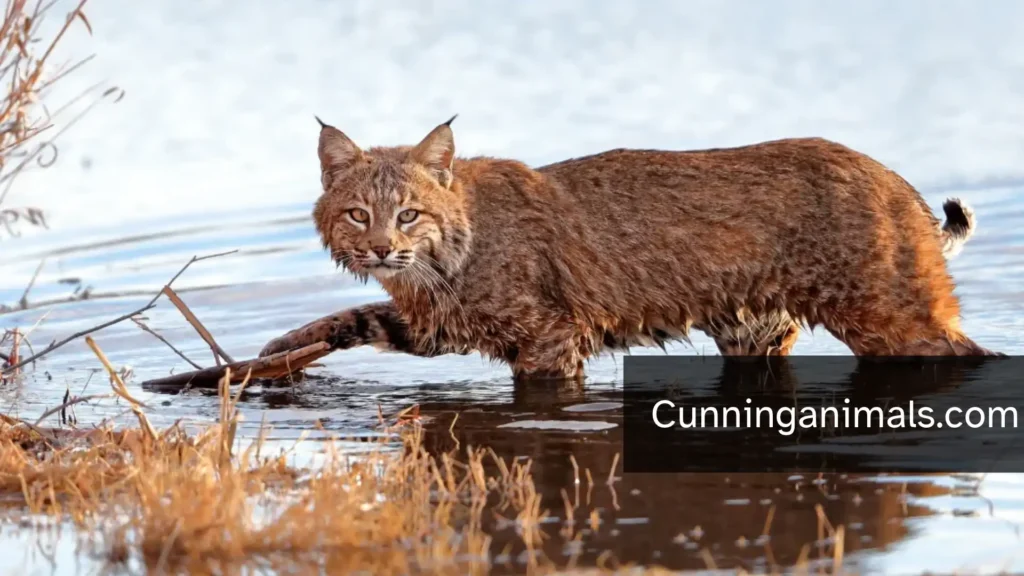
In the quiet calm of the wilderness, the bobcat invites us to embrace our instincts and trust our intuition. This solitary feline teaches us the importance of finding solace in solitude while remaining connected to nature. By honoring our unique paths like the bobcat, we can learn to appreciate our journey and the wisdom that comes with it.
Deer Fawn
Scientific Name: Odocoileus virginianus
Class: Mammalia
Habitat: Forests, fields, and meadows
The gentle presence of a deer fawn evokes a sense of innocence and purity, reminding us of the beauty of new beginnings. With its delicate spots and playful spirit, the fawn represents hope and renewal in our lives, encouraging us to embrace the innocence and joy found in each new step. These little ones symbolize the potential that lies within us all, waiting to blossom.
As the fawn navigates the world with cautious curiosity, we are inspired to approach our own journeys with wonder and gratitude. Every encounter reminds us that life’s greatest gifts often come wrapped in simplicity. By cherishing these moments, we can cultivate a spirit of appreciation that brightens our days and nurtures our souls.
Dalmatian
Scientific Name: Canis lupus familiaris
Class: Mammalia
Habitat: Domestic and urban environments
The Dalmatian, with its iconic black or liver spots, radiates joy and energy wherever it goes. Known for its playful and friendly nature, this breed embodies loyalty and companionship, reminding us of the importance of connection in our lives. Each wagging tail and bark encourages us to find joy in everyday moments and cherish the love that surrounds us.

As Dalmatians are often seen in joyful motion, they inspire us to embrace life’s adventures and appreciate the freedom of movement. Their unique coat symbolizes individuality, teaching us that our differences make us special. By celebrating who we are and the relationships we have, we can paint our lives with bright colors of happiness and warmth.
Whale Shark
Scientific Name: Rhincodon typus
Class: Chondrichthyes
Habitat: Warm ocean waters
The whale shark glides gracefully through the ocean, the gentle giant of the sea with a heart as vast as its size. Its massive form and filter-feeding habits show us that strength and humility can coexist beautifully. This serene creature invites us to reflect on the beauty of grace and kindness in a world that can often feel chaotic.
Observing a whale shark in its natural habitat inspires a sense of wonder, reminding us of the incredible mysteries of the universe. Each encounter with the ocean’s gentle giant teaches us to respect our surroundings and embrace the interconnectedness of all living things. As we navigate our lives, we can aim to embody both strength and tranquility, creating a ripple of positive energy around us.
Atlantic Spotted Dolphin
Scientific Name: Stenella frontalis
Class: Mammalia
Habitat: Tropical and subtropical oceans
The Atlantic spotted dolphin dances through the waves, exuding joy and playfulness that captures the hearts of onlookers. Their acrobatic displays and curious nature remind us to find delight in life’s simple pleasures. Each leap and splash encourages the spirit of adventure within us, inspiring a lightness of being that we can carry into our daily lives.
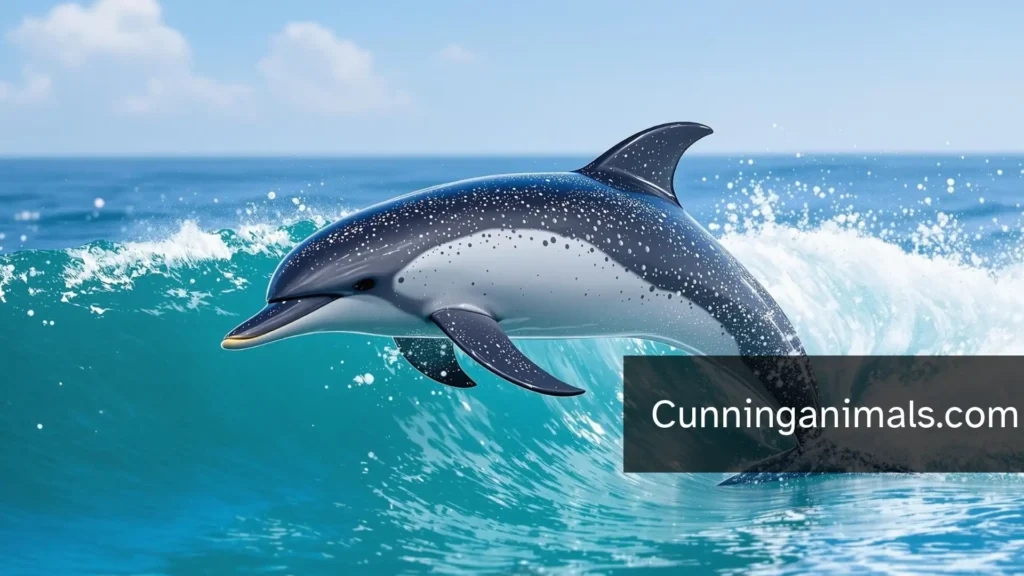
As social animals, these dolphins exemplify the beauty of connection and communication, fostering bonds that enrich their lives and ours. Watching them interact reminds us that shared experiences create laughter and love. By cultivating our own connections, we can add vibrant colors to our life’s palette, celebrating togetherness and community.
Spotted Eagle Ray
Scientific Name: Aetobatus narinari
Class: Chondrichthyes
Habitat: Coastal waters and reef habitats
The spotted eagle ray glides effortlessly through the ocean, its elegant form and stunning spots reflecting the artistry of nature. This magnificent creature invites us to appreciate the beauty around us, reminding us that sometimes, grace lies in motion and the simple act of living. As it dances through the water, we are encouraged to embrace our own rhythms and find joy in the journey.
In the depths of the ocean, the spotted eagle ray’s presence embodies freedom and exploration, inspiring us to venture beyond our comfort zones. Each graceful swoop symbolizes the importance of self-discovery and forging our own paths. Let this majestic ray be a reminder to celebrate our unique journeys and to dance confidently through life’s currents.
Leopard Gecko
Scientific Name: Eublepharis macularius
Class: Reptilia
Habitat: Arid and semi-arid environments
The leopard gecko, with its distinctive spots and captivating eyes, represents a blend of curiosity and resilience. If you’ve ever wondered how well-equipped other reptiles are for climbing, our article on can turtles climb answers that exact question. It’s a fun dive into an often-overlooked reptile skill.
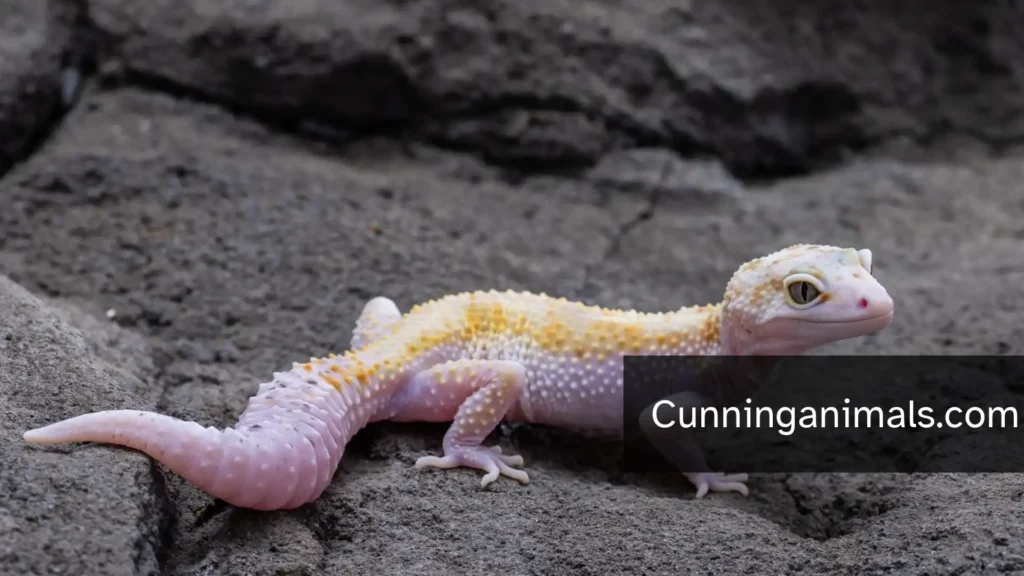
With an ability to shed its skin, the leopard gecko symbolizes renewal and transformation, reminding us that change can lead to growth. Its lively movements inspire us to embrace our own potential and take on new challenges. By being open to change, we unlock doors to new opportunities and beautiful discoveries in our lives.
Spotted Salamander
Scientific Name: Ambystoma maculatum
Class: Amphibia
Habitat: Forests and woodlands
The spotted salamander, cloaked in vibrant spots, represents the magic of transformation and the beauty of life’s cycles. Emerging from the earth with resilience, it invites us to reflect on our own growth journeys through seasons of change. This enchanting amphibian encourages us to appreciate the wonders of nature and the lessons found in stillness.
As the salamander thrives in moist environments, it reminds us of the importance of nurturing our unique ecosystems. Each croak and movement serves as a gentle call to honor the delicate balance of life and to tread lightly on our planet. By embracing our connection to nature, we can foster a deeper understanding of ourselves and the world around us.
Ladybug
Scientific Name: Coccinella septempunctata
Class: Insecta
Habitat: Gardens and fields
The ladybug, often regarded as a symbol of good fortune, graces our gardens with its bright colors and gentle demeanor. These delightful beetles remind us to find joy in life’s small wonders and to approach each day with optimism. Their presence invites gratitude and encourages us to cherish the blessings that surround us.
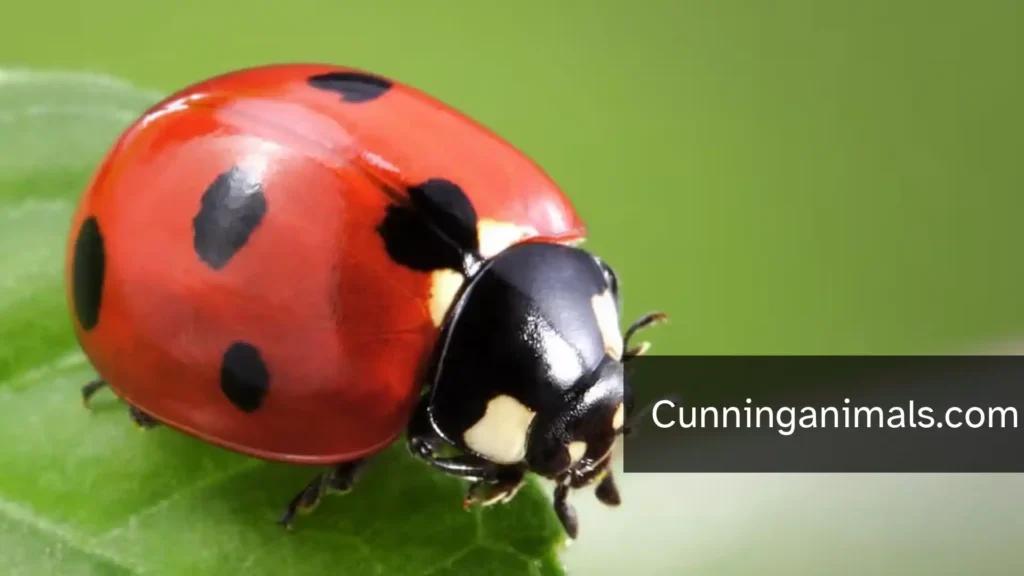
With their natural ability to control pests, ladybugs teach us the importance of balance and harmony within our ecosystems. Their meaningful place in nature inspires us to nurture our own environments while looking out for one another. May each encounter with a ladybug remind us that warmth, joy, and kindness flourish when we care for the world around us.
Guinea Fowl
Scientific Name: Numida meleagris
Class: Aves
Habitat: Grasslands and savannas
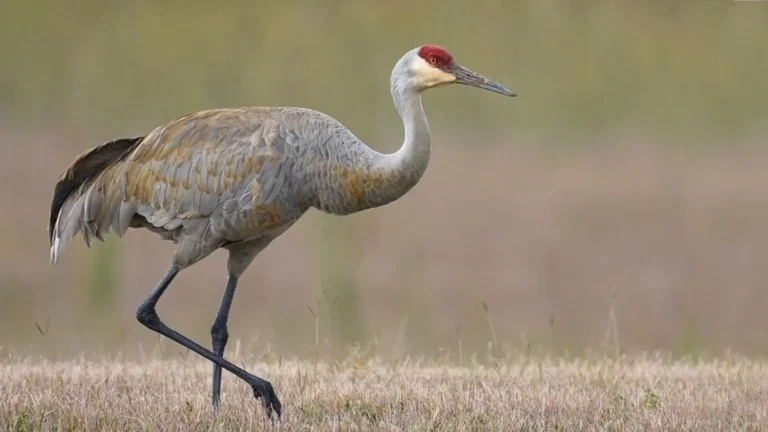
The guinea fowl struts proudly along the ground, its striking plumage and lively personality bringing joy to the vibrant ecosystems. For a closer look at one such group, check out our piece on cranes in Michigan. It’s a great companion read for anyone who enjoys learning about regional birdlife.
With a keen sense of awareness, the guinea fowl showcases the value of vigilance and unity. Their fondness for foraging together reminds us of the strength found in cooperation and teamwork. By embracing community and supporting one another, we can navigate the challenges of life with grace and joy, fostering a spirit of connection that uplifts us all.
Harlequin Shrimp
Scientific Name: Hymenocera picta
Class: Malacostraca
Habitat: Coral reefs in tropical waters
The harlequin shrimp dazzles with its vibrant colors and intricate patterns, a true masterpiece of the ocean. As it scuttles across the coral, this unique creature reminds us of the beauty in diversity and the importance of embracing our individuality. Its striking appearance inspires us to celebrate our uniqueness and to shine brightly in a world that often craves conformity.
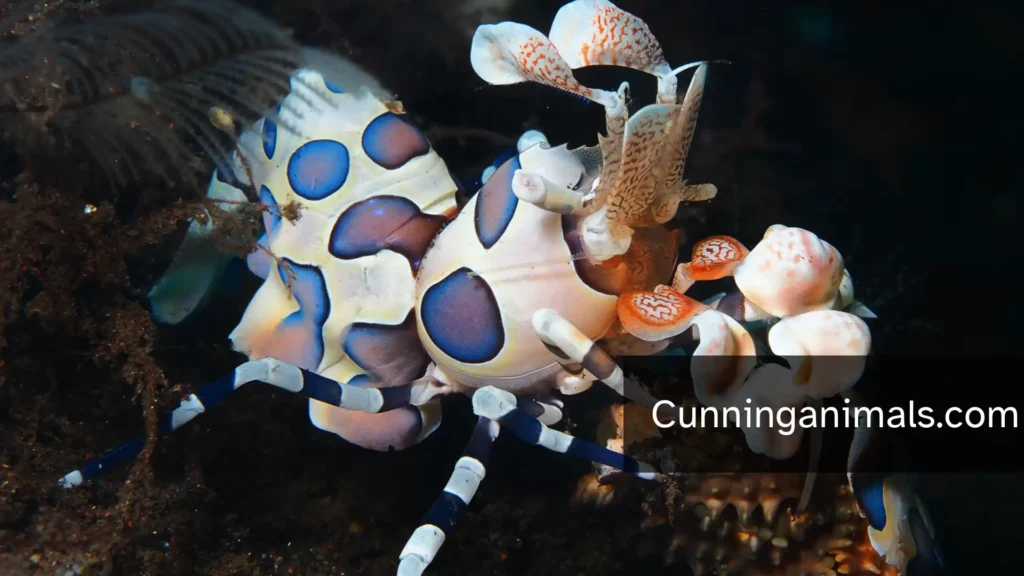
Known for its relationship with anemones, the harlequin shrimp teaches us the value of collaboration and mutual support. Each gentle movement underscores the significance of nurturing the bonds we share with others. By embracing our differences and working together harmoniously, we can create a flourishing community that uplifts and inspires creativity.
Leopard Frog
Scientific Name: Lithobates pipiens
Class: Amphibia
Habitat: Wetlands, ponds, and fields
The leopard frog leaps gracefully across wetlands, its unique spots serving as a reminder of nature’s artistry. These agile amphibians symbolize adaptability and the beauty of thriving in various environments, encouraging us to embrace change and flow with life’s currents. As we observe their elegance, we are inspired to move through challenges with confidence and poise.
In harmony with their surroundings, leopard frogs exemplify the importance of connection and balance within ecosystems. Their presence enriches the environment, reminding us of the impact we can have when we foster our relationships with nature and one another. By nurturing connections and appreciating life’s gifts, we can embody the spirit of the leopard frog and leap boldly into our own journeys.
Interesting Facts About Animals With Spots
The fascinating world of spotted animals reveals a complex interplay between survival tactics and social interactions. For instance, the patterns on a giraffe aren’t just beautiful; they play a vital role in helping them recognize one another in a vast savanna.
- Cheetahs can have thousands of individual black spots, making each one uniquely identifiable.
- Leopard and jaguar rosettes look similar at first glance, but jaguar rosettes are generally more complex, with central spots inside them.
- Every giraffe has a unique pattern of patches, serving as a form of identification among the species.
- Whale sharks sport unique spot patterns that help researchers identify individual animals, much like human fingerprints.
- Deer fawns have white spots that allow them to blend seamlessly into dappled sunlight, providing a natural form of camouflage.
- Some bright spots, like those on poisonous frogs, serve as warning signals to potential predators about their toxicity.
- Not all spots are purely for camouflage; some animals use them for recognition and communication within their species.
Conclusion
The world of animals with spots is not only diverse but also fascinating, showcasing the beauty and uniqueness of nature. From the majestic leopard to the playful dalmatian, these animals that have spots captivate our imagination and highlight the intricacies of evolution.
The various patterns and colors serve essential purposes, such as camouflage and communication, making these creatures even more remarkable. Exploring these things with spots offers a glimpse into the rich tapestry of wildlife around us.
FAQS
Which Animals Have Spots?
Many animals have spots, including cheetahs, leopards, jaguars, giraffes, dalmatians, hyenas, deer, ladybugs, and some fish and birds. Their spots can help with camouflage, identification, or attracting mates.
What Wild Animal Is Spotted?
Several wild animals are known for their spots, especially the cheetah, leopard, jaguar, giraffe, and spotted hyena. Each has a unique spot pattern that helps distinguish it from other animals.
What Are Animals With Spots Called?
Animals with spotted coats or skin are often simply called spotted animals. In scientific descriptions, their markings may also be called spots, blotches, rosettes, or speckles, depending on the shape and pattern.
What Animal Is Spotted?
The cheetah is one of the most famous spotted animals, covered in small, solid black spots. Leopards and jaguars are also spotted, but their markings are usually called rosettes.
Is Cheetah Spotted?
Yes, a cheetah is covered with solid black spots across most of its body. These spots help provide camouflage, while its distinctive black “tear marks” run from the eyes toward the mouth.