23 Animals With Small Ears: Cute Animals With Tiny Ears
The world of animals with small ears is surprisingly diverse, showcasing an array of adorable species that delight our senses. While many animals flaunt their large, expressive ears, others manage to captivate our hearts with their petite ear sizes.
Discovering the significance behind these small features can provide insights into their biology and habits. In exploring 23 animals with small ears, we’ll not only highlight their charm but also answer the intriguing question of what animal has small ears and what animal has the smallest ears among them.
What Are Animals With Small Ears?
Animals with small ears are species that possess proportionately tiny auditory organs, often adapted to their environments. For instance, while some terrestrial mammals like the aardvark have small ears to minimize heat loss, marine animals, such as dolphins and whales, often lack external ear flaps altogether, streamlined for optimal swimming.
The evolutionary significance of small ears can be fascinating. In animals living in arid climates, small ears help reduce water loss and maintain body temperature, showcasing a clever adaptation to harsh conditions. In contrast, marine animals benefit from having no external ear flaps, allowing them to reduce drag in water, enhancing their swimming efficiency.
Top 23 Animals With Small Ears
| Rank | Animal | Scientific Name | Class | Habitat | Main Adaptation |
| 1 | Seal | Phoca spp. | Mammalia | Oceans | Streamlined body |
| 2 | Polar Bear | Ursus maritimus | Mammalia | Arctic | Heat conservation |
| 3 | Mole | Family Talpidae | Mammalia | Underground | Burrowing |
| 4 | Hippopotamus | Hippopotamus amphibius | Mammalia | Rivers & wetlands | Ear-closing ability |
| 5 | Walrus | Odobenus rosmarus | Mammalia | Arctic seas | Reduced ear flaps |
| 6 | Wombat | Family Vombatidae | Mammalia | Australia | Burrowing |
| 7 | Otter | Family Lutrinae | Mammalia | Rivers & coasts | Waterproof ears |
| 8 | Elephant Seal | Mirounga spp. | Mammalia | Marine coasts | Streamlined head |
| 9 | Rhinoceros | Family Rhinocerotidae | Mammalia | Grasslands & savannas | Compact ears |
| 10 | Pig | Sus scrofa | Mammalia | Forests & farms | Compact ears |
| 11 | Armadillo | Order Cingulata | Mammalia | Grasslands & forests | Protected ears |
| 12 | Manatee | Family Trichechidae | Mammalia | Rivers & coastal waters | Small external ears |
| 13 | Sloth | Suborder Folivora | Mammalia | Tropical forests | Small ears |
| 14 | Giant Anteater | Myrmecophaga tridactyla | Mammalia | Grasslands & forests | Small ears |
| 15 | Koala | Phascolarctos cinereus | Mammalia | Australian eucalyptus forests | Rounded ears |
| 16 | Aardvark | Orycteropus afer | Mammalia | African savannas | Compact ears |
| 17 | Capybara | Hydrochoerus hydrochaeris | Mammalia | Wetlands & grasslands | Small ears |
| 18 | Beaver | Castor spp. | Mammalia | Rivers & lakes | Small ears |
| 19 | Musk Ox | Ovibos moschatus | Mammalia | Arctic tundra | Cold adaptation |
| 20 | Pika | Ochotona spp. | Mammalia | Mountains & rocky areas | Small rounded ears |
| 21 | Naked Mole Rat | Heterocephalus glaber | Mammalia | Underground | Burrowing |
| 22 | Quokka | Setonix brachyurus | Mammalia | Australia | Compact rounded ears |
| 23 | Pangolin | Order Pholidota | Mammalia | Forests & grasslands | Small protected ears |
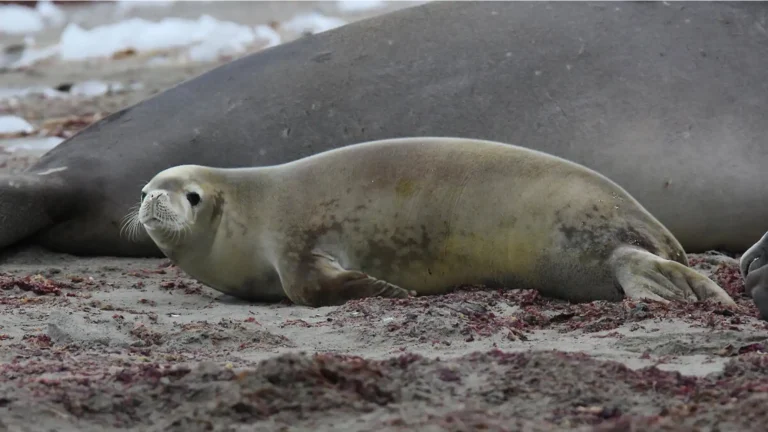
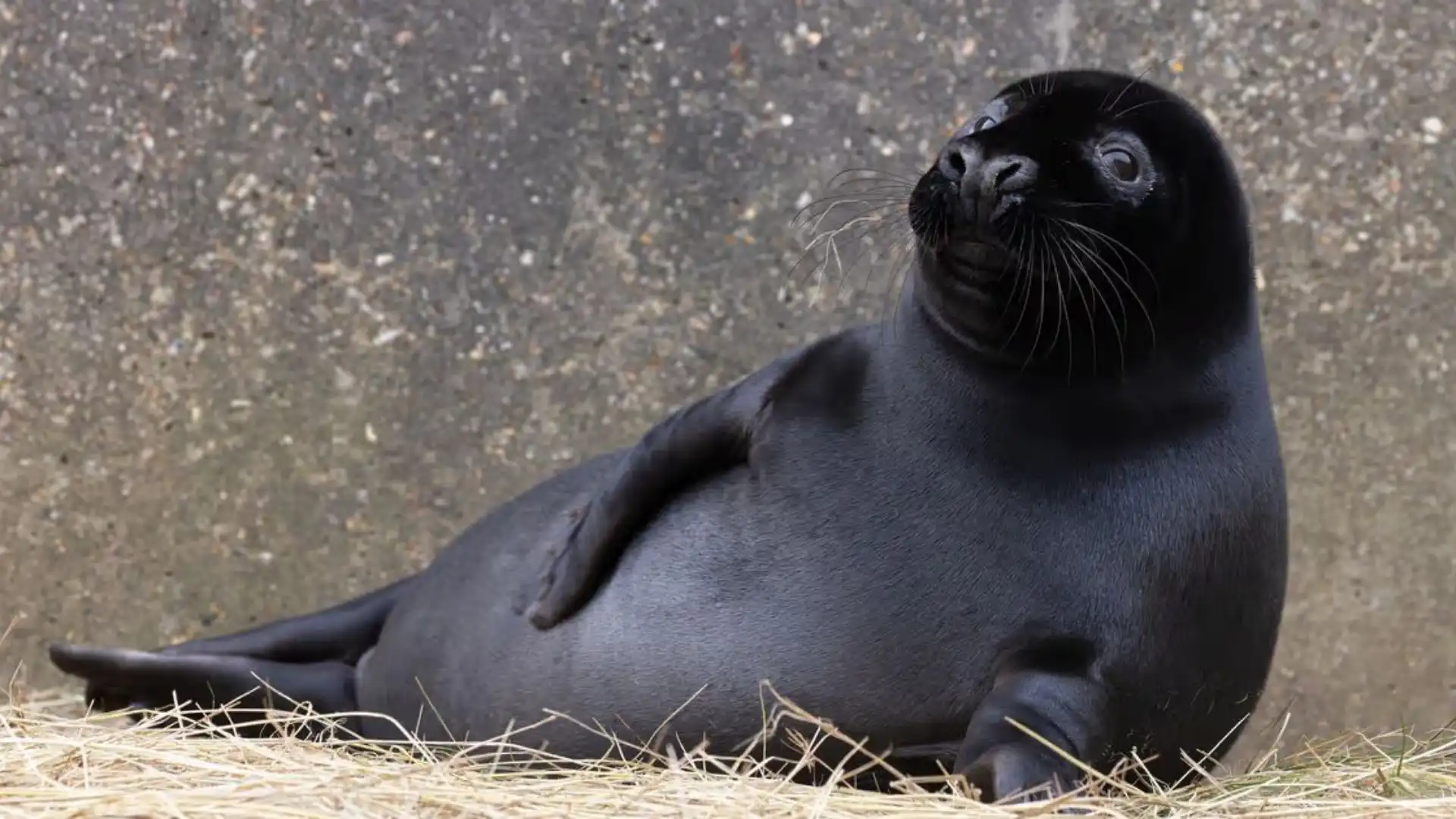
Seal
Scientific Name: Phoca
Class: Mammalia
Habitat: Coastal waters
Seals are remarkable marine mammals known for their playful nature and remarkable agility in the water. Often seen bobbing on waves or basking on rocks, they symbolize the joy of freedom and adaptability. Their vocalizations and social behaviors remind us of the importance of community and expressing ourselves.

In many cultures, seals have been associated with prosperity and good fortune, embodying the spirit of the ocean and its richness. They thrive in various environments, showcasing the beauty of life’s diversity. Through their playful antics, seals teach us to embrace our whims and cherish the joy in simple moments.
Polar Bear
Scientific Name: Ursus maritimus
Class: Mammalia
Habitat: Arctic regions
The polar bear, with its striking white fur and majestic presence, captures the imagination and hearts of many. As the largest land carnivore, it embodies strength and survival in some of the planet’s harshest environments. This magnificent creature reminds us of the resilience found in nature, urging us to protect our planet for future generations.
Beyond their size, polar bears symbolize adaptability and the beauty of life in extreme conditions. They are a testament to the delicate balance between nature and climate, inspiring a collective responsibility to care for our environment. Their stark, icy world reflects the purity of creation and the importance of preserving it.
Mole
Scientific Name: Talpa europaea
Class: Mammalia
Habitat: Grasslands and gardens
Moles are fascinating little creatures that spend most of their lives underground, creating intricate tunnel systems. With their soft fur and powerful front paws, they remind us of the beauty in hard work and persistence. These hidden architects of the soil play a crucial role in aerating the earth, symbolizing the unseen efforts we all contribute to life.
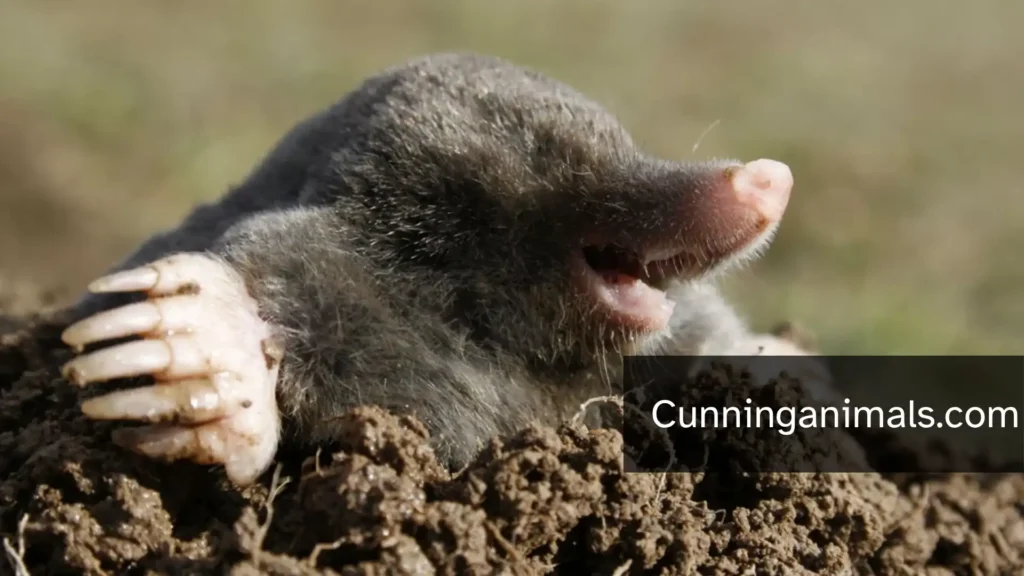
Though often unnoticed, moles invite us to appreciate the hidden treasures in our lives — those small, often overlooked aspects that provide stability and support. Their tireless digging signifies the importance of experience and tenacity, teaching us that every effort, no matter how small, enriches the world around us.
Hippopotamus
Scientific Name: Hippopotamus amphibius
Class: Mammalia
Habitat: Freshwater rivers and lakes
The hippopotamus, known for its enormous size and strong personality, is both awe-inspiring and endearing. These semi-aquatic giants spend much of their time in water, using their massive bodies to navigate life with grace. Their playful nature and strong bonds within their pods remind us of the importance of nurturing relationships and communities.
Hippos are often seen as symbols of strength and confidence, merging tranquility with power as they float through rivers. They encourage us to embrace our individuality while supporting one another, showcasing the balance of strength and compassion in our lives. Their playful antics reveal that life is best enjoyed when shared with loved ones, even in the most challenging circumstances.
Walrus
Scientific Name: Odobenus rosmarus
Class: Mammalia
Habitat: Arctic regions
The walrus, easily identifiable by its long tusks and whiskered face, is a captivating animal known for its social behavior and intelligence. Often found lounging on ice floes or sandy beaches, they symbolize friendship and community, reminding us of the strength that comes from being connected with others.
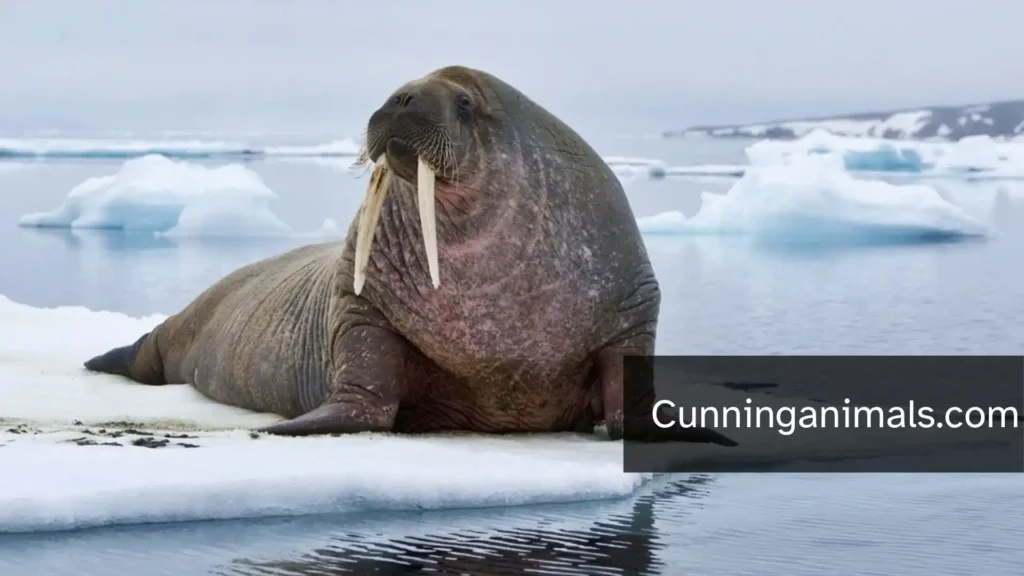
These gentle giants are also known for their playful spirit, exhibiting remarkable curiosity and adaptability, which inspires us to explore and embrace life’s adventures. Their majestic presence and unique characteristics challenge us to appreciate the diverse beauty of life, urging respect for all creatures that share our planet.
Wombat
Scientific Name: Vombatus
Class: Mammalia
Habitat: Forests, grasslands, and heathlands
Wombats are charming marsupials native to Australia, recognized for their sturdy bodies and gentle demeanor. Their burrowing habits create homes beneath the surface, illustrating the significance of having a safe and nurturing space. Wombats remind us to cherish our roots and the comforts of home, no matter how small they may be.
These creatures are symbols of determination, as they navigate their lives with persistence and resilience. Their endearing nature encourages us to slow down, connect with our surroundings, and appreciate the beauty that lies within our own sanctuaries. In a world that often rushes by, wombats teach us the importance of finding peace in the quiet moments.
Otter
Scientific Name: Lutra
Class: Mammalia
Habitat: Rivers, lakes, and coastal areas
Otters are playful aquatic mammals that bring joy wherever they swim. Known for their affectionate social bonds, these creatures remind us of the importance of community, play, and caring for one another. Their lively antics in the water highlight the beauty of joy and connection in our lives.
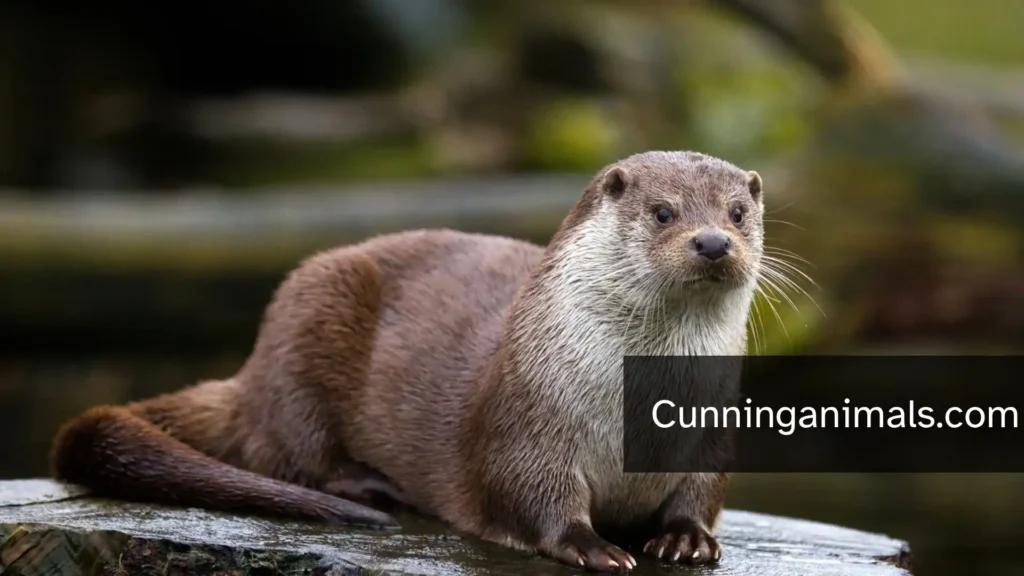
Being adept swimmers, otters show us how to navigate challenges with grace and laughter. Whether sliding down riverbanks or playing with their young, they symbolize a carefree approach to life, emphasizing that happiness is found in the moment. By embracing our playful side, we too can foster connections and find joy in everyday experiences.
Elephant Seal
Scientific Name: Mirounga
Class: Mammalia
Habitat: Coastal beaches
The elephant seal, impressive in size and presence, captivates all who encounter it. These marine mammals are known for their remarkable diving abilities and unique vocalizations, showcasing the diversity and richness of marine life. Their loud bellowing calls symbolize the importance of expressing oneself and being heard.
During their breeding season, elephant seals gather on beaches, where they engage in fascinating social interactions. Their journey through the waves and onto land embodies determination, reminding us of the power of resilience in our own pursuits. As they nurture their young, these seals exemplify the beauty of family and commitment amidst life’s vast ocean.
Rhinoceros
Scientific Name: Rhinoceros
Class: Mammalia
Habitat: Grasslands and savannas
Rhinoceroses are majestic creatures, known for their immense size and iconic horns. As symbols of strength and endurance, they remind us of the power that lies within vulnerability. These noble animals invite us to reflect on our own strength, often found in the quiet determination to stand firm for what we believe in.
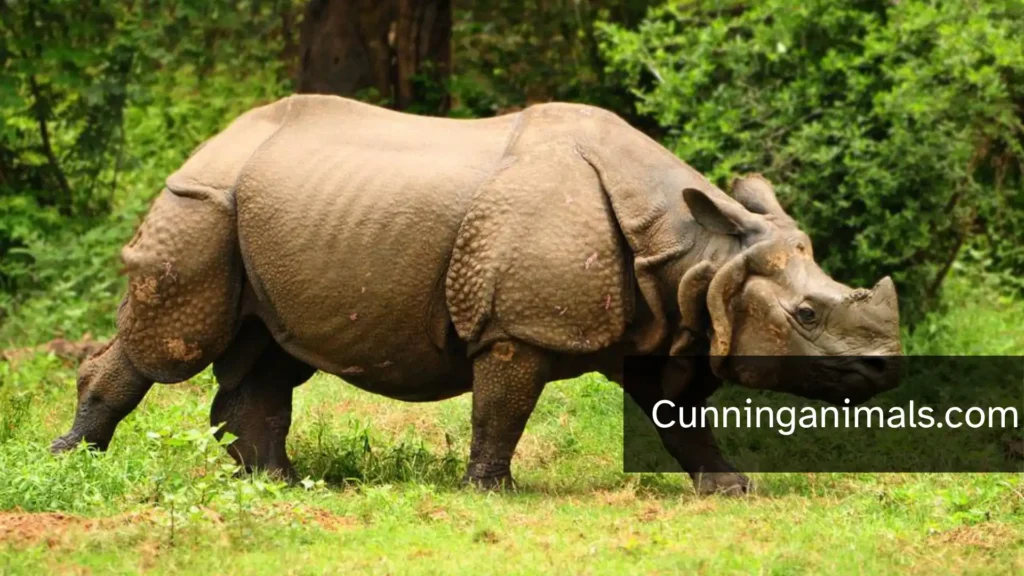
In the face of adversity, rhinos evoke a sense of stewardship for our planet, urging us to protect endangered species and habitats. Their majestic presence serves as a reminder that every creature has a role to play in the circle of life, encouraging us to respect all living things and the delicate balance we share on Earth.
Pig
Scientific Name: Sus scrofa
Class: Mammalia
Habitat: Forests, grasslands, and human settlements
Pigs are remarkable animals known for their intelligence and social nature, often thriving in family groups. Their playful antics and curious personalities reflect the joy found in life’s simplest pleasures, reminding us of the importance of enjoying every moment. Pigs symbolize abundance and nourishment, encouraging us to savor the richness in our own lives.
Often misunderstood, pigs teach us the value of acceptance and kindness. They thrive in various environments, showing us that adaptability is key to finding happiness. Their spirited approach to life inspires us to foster connections and appreciate the precious moments shared with others.
Armadillo
Scientific Name: Dasypodidae
Class: Mammalia
Habitat: Forests, grasslands, and deserts
Clever physical adaptations like this show up across the animal kingdom in surprising ways, especially when it comes to how different species move through their environment. If you’ve ever wondered how well other unusual creatures handle tricky terrain, our piece on can turtles climb is worth a look. It’s an interesting dive into an often-overlooked reptile skill.
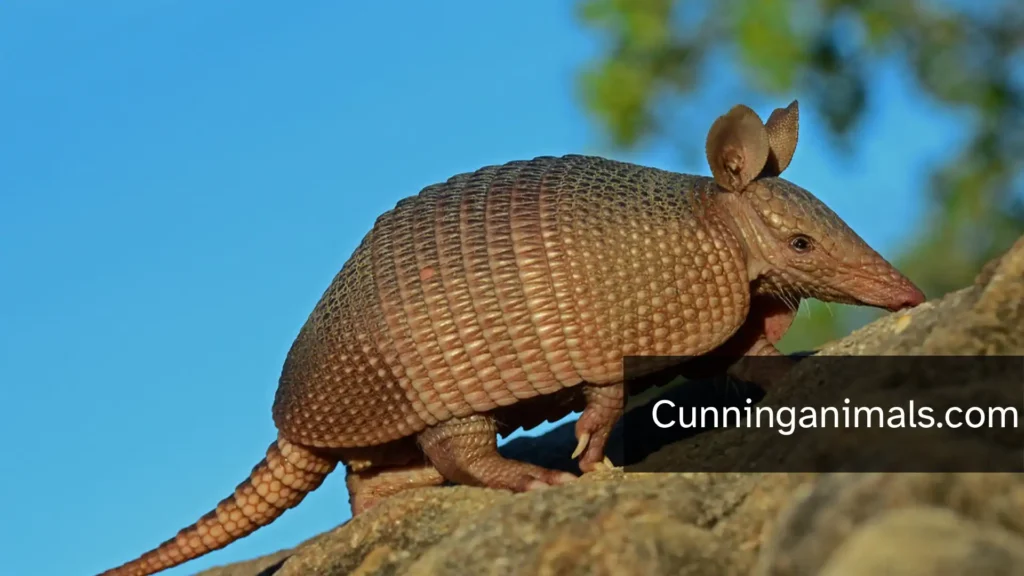
These fascinating creatures play an essential role in their ecosystems, burrowing and aerating the soil as they forage for food. Their gentle and curious nature encourages us to approach the world with an open heart and a spirit of exploration. By embracing our uniqueness, armadillos teach us to thrive within our environments while honoring our individuality.
Manatee
Scientific Name: Trichechus
Class: Mammalia
Habitat: Warm coastal waters and rivers
Manatees, often called “sea cows,” are gentle giants of the waterways, known for their slow-moving grace and friendly demeanor. These peaceful herbivores gather in warm waters, embodying the essence of tranquility and a harmonious connection to nature. Manatees invite us to slow down and appreciate the beauty of stillness and mindful living.
As symbols of compassion and nurturing, manatees remind us of the importance of taking care of our environment and each other. Their presence highlights the need for conservation and protection of precious habitats, encouraging us to advocate for the natural world. In their serene glide through the waters, these delightful creatures inspire us to find our own peace amidst life’s currents.
Sloth
Scientific Name: Bradypus
Class: Mammalia
Habitat: Tropical rainforests
Sloths aren’t the only creatures that thrive by taking life at an unhurried pace — several other species share this same relaxed approach to survival. If you enjoy learning about nature’s slower side, check out our article on slow animals. It’s a great companion read for anyone who appreciates the beauty of moving through life gently.
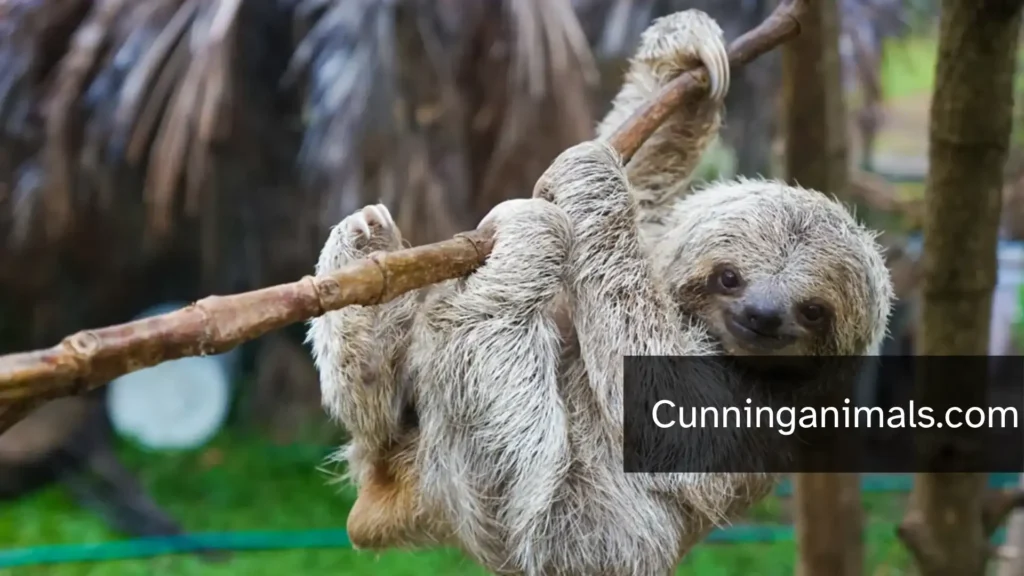
These gentle animals thrive in the lush canopies of the rainforests, symbolizing the balance of energy and rest. Their tranquil nature invites us to build serenity into our routines and appreciate the small joys in life. In a fast-paced world, sloths teach us that embracing simplicity and mindfulness can lead to profound happiness and contentment.
Giant Anteater
Scientific Name: Myrmecophaga tridactyla
Class: Mammalia
Habitat: Grasslands and forests
The giant anteater, with its unique long snout and remarkable claws, stands out as a fascinating example of nature’s wondrous adaptations. Known for its diet of ants and termites, it epitomizes the beauty of niche specialization, encouraging us to appreciate the diversity of life around us. The giant anteater reminds us that each creature plays a vital role in the tapestry of our ecosystems.
With a calm demeanor and gentle curiosity, this remarkable animal exemplifies the importance of patience and perseverance. Its slow, deliberate movements call attention to the need for mindfulness in our own lives, inviting us to reflect on our unique contributions to the world. By embracing our individuality, we can celebrate the richness of life’s diverse experiences.
Koala
Scientific Name: Phascolarctos cinereus
Class: Mammalia
Habitat: Eucalyptus forests
The koala, often seen nestled in eucalyptus trees, embodies the spirit of relaxation and peace. This iconic Australian marsupial’s laid-back lifestyle invites us to slow down and savor the moments that nourish our souls. Koalas teach us the importance of self-care, encouraging us to find comfort in the natural world around us.
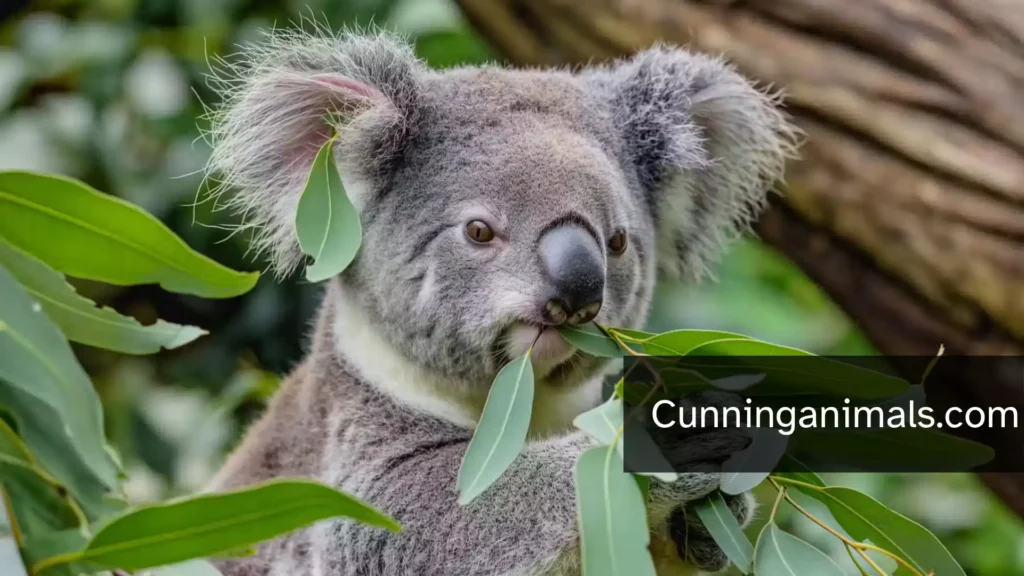
With their adorable faces and gentle demeanor, koalas evoke a sense of warmth and compassion, reminding us of the connection between our well-being and the environment. As this beloved marsupial enjoys the soothing leaves of eucalyptus, we too can find solace in nature’s embrace, fostering a deeper appreciation for the world surrounding us.
Aardvark
Scientific Name: Orycteropus afer
Class: Mammalia
Habitat: Savannas and grasslands
The aardvark, with its distinctive long ears and snout, is a remarkable and often overlooked creature of the African night. Known for its burrowing habits and diet of ants and termites, it represents adaptability in a challenging environment. Aardvarks inspire us to embrace our uniqueness and find strength in our individual paths through life.
As solitary foragers, aardvarks remind us of the importance of independence and self-discovery in our journeys. Their nocturnal nature encourages us to explore the hidden aspects of ourselves and our surroundings, urging us to embrace life’s mysteries. Through their remarkable resilience, aardvarks show that sometimes the quietest of creatures hold the greatest wisdom.
Capybara
Scientific Name: Hydrochoerus hydrochaeris
Class: Mammalia
Habitat: Wetlands and riversides
Capybaras are famous for their easygoing relationships with other species, but they’re far from the only animal known for these kinds of peaceful, shared habitats. For a closer look at another example of wildlife coexisting in a specific region, check out our article on cranes in Michigan. It’s a nice way to explore how different animals build community in their own environments.
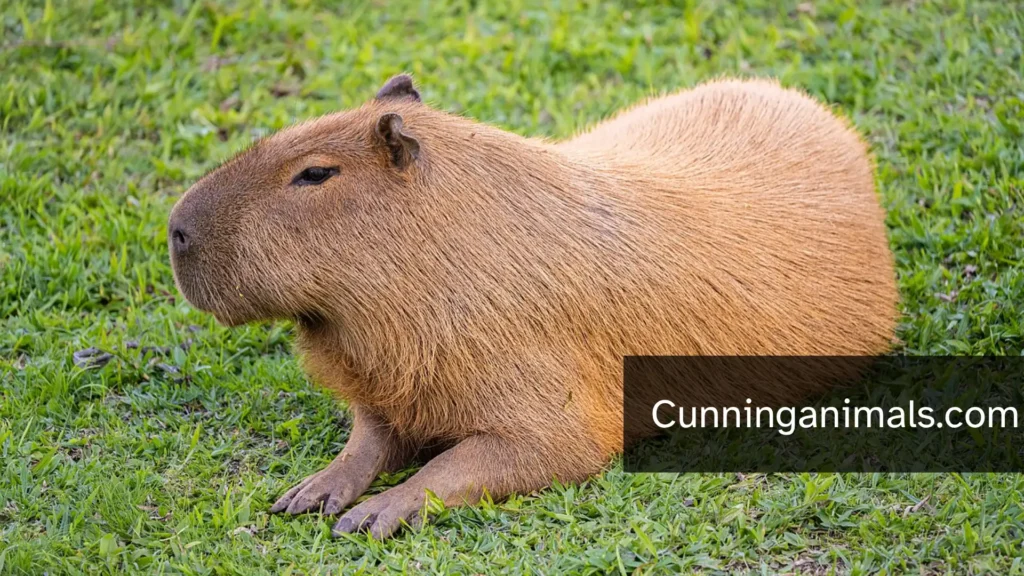
Often seen lounging alongside other wildlife, capybaras promote social bonding and mutual support. Their calm approach to life reminds us of the importance of relaxation and community, inspiring us to connect with others and seek out moments of togetherness. In a world where connection can feel scarce, capybaras invite us to cherish and nurture our friendships.
Beaver
Scientific Name: Castor canadensis
Class: Mammalia
Habitat: Freshwater rivers and lakes
Beavers are industrious builders, known for their exceptional ability to create intricate dams that transform ecosystems. Their natural engineering skills showcase the beauty of hard work, commitment, and teamwork, inspiring us to envision our own creative projects. Beavers remind us that even the smallest actions can have a significant impact on the world around us.
These remarkable creatures also highlight the importance of nurturing habitats and maintaining balance in nature. As they cooperate with one another to build and sustain their homes, beavers teach us valuable lessons about resilience and adaptability. In a world that demands change, they encourage us to unite our talents and work towards a common goal, celebrating the power of collaboration.
Musk Ox
Scientific Name: Ovibos moschatus
Class: Mammalia
Habitat: Arctic tundra
Musk oxen, with their shaggy coats and formidable presence, are symbols of strength and endurance in harsh Arctic environments. Their thick fur and strong herd mentality help them thrive in the cold tundra, reminding us that unity and support are vital for overcoming life’s challenges. Musk oxen teach us the importance of community and resilience in the face of adversity.
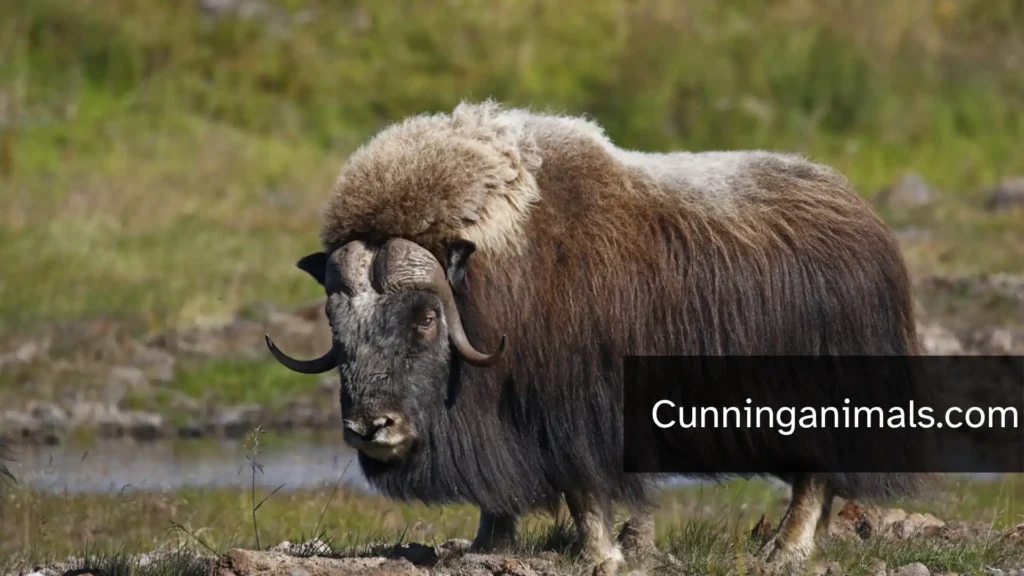
These remarkable animals also evoke a sense of calm and stability, encouraging us to find inner strength amidst turmoil. By embracing their distinctive characteristics, musk oxen remind us that we all have unique gifts to offer. Their ability to adapt showcases the beauty of diversity in nature, inspiring us to cherish our differences and work together for a brighter future.
Pika
Scientific Name: Ochotona
Class: Mammalia
Habitat: Mountainous regions
Pikas are small, charming mammals found in rocky mountain areas, known for their adorable features and lively energy. With a penchant for gathering food and making hay piles for the winter, they exemplify preparation and foresight, encouraging us to plan for the future while enjoying the present. Pikas remind us that every small effort contributes to our overall well-being.
Their social nature and vocal calls reveal the beauty of connection despite their modest size. Pikas teach us the significance of nurturing relationships within our communities and caring for our surroundings. Their steady determination in the face of seasonal challenges reflects the resilience we can find in ourselves, inspiring us to embrace our passions and thrive in all seasons of life.
Naked Mole Rat
Scientific Name: Heterocephalus glaber
Class: Mammalia
Habitat: Underground tunnels
The naked mole rat, a truly unique creature, is known for its hairless appearance and intriguing social structure. Living in large colonies, these fascinating animals symbolize cooperation and teamwork, reminding us of the power of community in achieving common goals. Their underground homes represent the unseen efforts made for family and security.
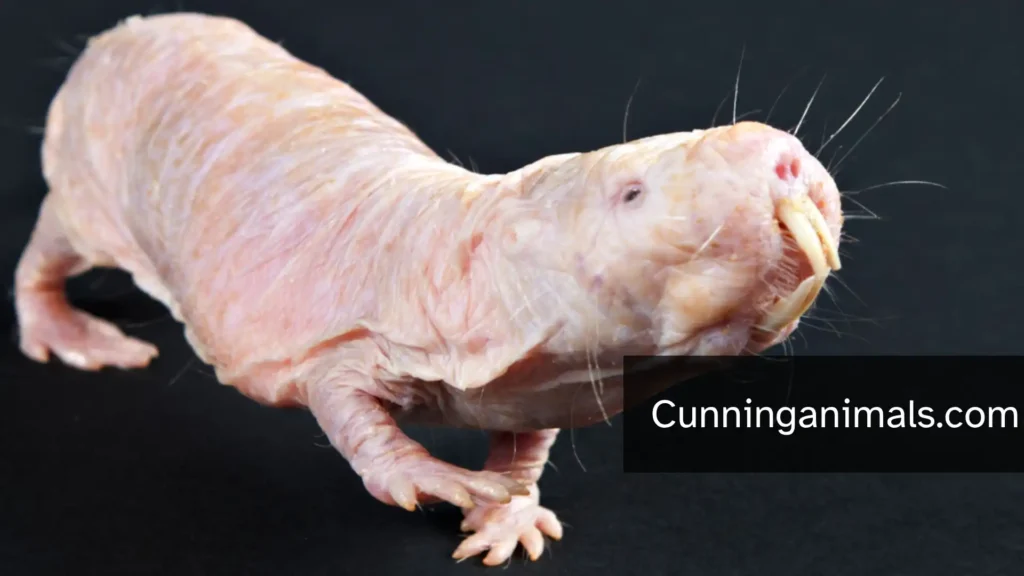
Despite their unusual looks, naked mole rats exhibit remarkable adaptability and resilience in their subterranean world. Their communal living highlights the importance of connection and mutual support, encouraging us to cherish and uplift one another. In their harmonious societies, naked mole rats teach us valuable lessons about loyalty and teamwork in our own lives.
Quokka
Scientific Name: Setonix brachyurus
Class: Mammalia
Habitat: Australian islands and coastal regions
The quokka, often dubbed “the world’s happiest animal,” is beloved for its joyful expression and friendly demeanor. Their cheerful nature invites us to look at life through a positive lens and celebrate the simple joys around us. Quokkas remind us that happiness can be found even in the small moments, encouraging us to cherish our experiences.
These adorable marsupials also foster a sense of curiosity about the world, symbolizing the importance of exploration and discovery. As they roam their habitat with delight, quokkas inspire us to embrace a spirit of adventure and connection to nature. Through their infectious charm, they teach us that a bright outlook can illuminate even the darkest paths.
Pangolin
Scientific Name: Manis
Class: Mammalia
Habitat: Forests and grasslands
Pangolins are unique mammals known for their distinctive armor-like scales and shy demeanor. Often referred to as “scaly anteaters,” they are fascinating reminders of the need for protection and nurturing in nature. Pangolins encourage us to appreciate the diversity of life, advocating for the conservation of all creatures, no matter how small.
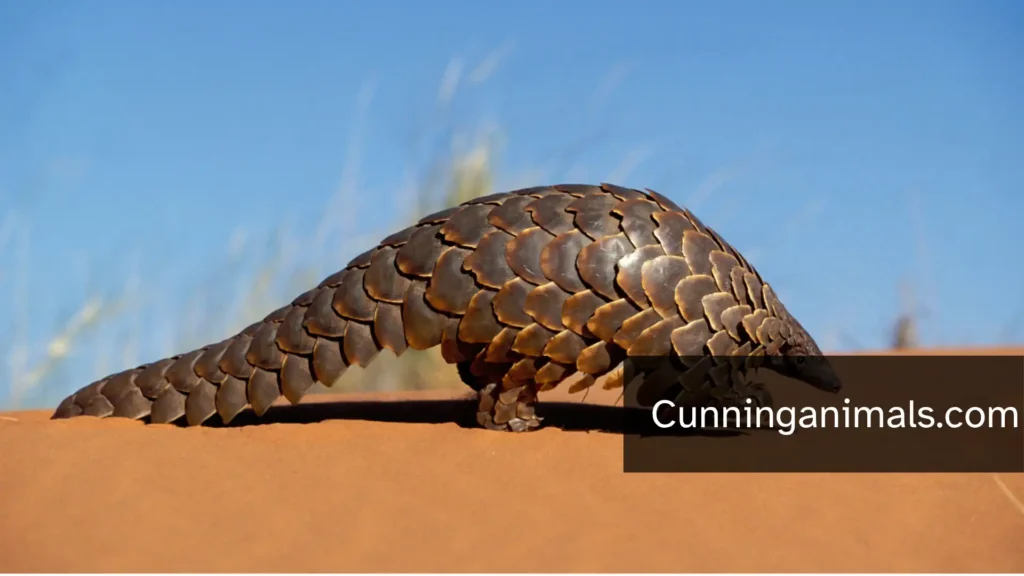
With their remarkable ability to curl up into a protective ball, pangolins symbolize defense and resilience. They inspire us to cultivate love and compassion, reminding us that strength can coexist with vulnerability. As they navigate the world carefully, pangolins teach us to honor our own journeys while advocating for the well-being of all living beings.
Interesting Facts About Animals With Small Ears
Animals with small ears showcase fascinating adaptations that often go unnoticed. Their ear size is intricately linked to their habitat and lifestyle, with many species evolving to thrive in their unique environments. For instance, marine mammals, such as whales and seals, have minimal external ears, which aids in reducing drag while swimming. This distinctive feature reflects their need to conserve energy in vast oceanic expanses.
- Many marine mammals possess tiny ear openings for streamlined movement.
- Small ears in desert animals aid in preventing heat loss.
- Burrowing creatures enjoy safer, dirt-protected ears.
- Tucked-in ears prevent debris from entering ear canals.
- Animals in cold climates benefit from reduced ear surface area.
- Ear size often correlates directly with an animal’s daily activities.
- The evolutionary trait of small ears showcases adaptation to the environment.
Conclusion
The journey through the lives of animals with small ears reveals a captivating blend of cuteness and evolutionary practicality. If you’ve ever wondered what animal has the smallest ears, you might be surprised to find that some of the most diminutive creatures boast the tiniest ear structures.
This exploration encourages us to appreciate the unique adaptations present in nature, particularly among species that showcase what animal has small ears. Each small-eared creature plays a vital role in its ecosystem, underscoring the importance of conservation.
FAQS
Which Ear Shape Is Most Attractive?
There is no single ear shape that is universally considered the most attractive. Preferences vary, but balanced ears that fit naturally with the person’s facial features and proportions are often perceived as aesthetically pleasing.
What Ethnicity Has The Largest Ears?
There is no reliable basis for saying one ethnicity has the largest ears. Ear size varies considerably between individuals, and differences within populations are generally more meaningful than broad ethnic comparisons.
Is Having Sears Attractive?
Yes, small ears can be attractive. Beauty is subjective, and small, proportional ears can create a balanced appearance depending on a person’s overall facial features.
Who Has The Largest Human Ears?
There is no universally recognized record for the largest natural human ears based on a consistently verified measurement. Ear size can be measured in different ways, so claims about a single person should be treated carefully.
What Race Has Elf Ears?
No race naturally has literal “elf ears.” Pointed ears occur as a normal anatomical variation in some individuals across different populations. The distinctive pointed shape is also commonly associated with fictional elves and can be created through cosmetic procedures.