17 Animals That Have Manes and Their Unique Features
The allure of animals with manes is undeniable, symbolizing both power and grace across various species. Many may think of horses and lions when considering what Animals That Have Manes, but the truth is that manned animals encompass a broader spectrum of wildlife than most realize.
This article will take you through 17 fascinating examples, uncovering their diverse qualities and the ecological significance of their manes. Prepare to expand your knowledge about these unique animals and their captivating features that enrich the natural world.
What Are Animals That Have Manes?
A mane is a long, hair-like growth that typically emerges along the neck of certain animals, most famously seen in species like lions and horses. This prominent feature is not just for show; it serves multiple vital functions, contributing to both survival and social interaction. For instance, manes can provide protection from bites and scratches, especially in battles for territory or mates.
In the animal kingdom, manes are also a powerful means of display. A lion’s mane can signal health and vitality to potential mates while intimidating rivals; the larger and darker the mane, the more appealing the individual is considered. In horses, manes help with thermal regulation, offering insulation in colder climates while also playing a role in communication through body language.
Top 17 Animals That Have Manes
| Rank | Animal | Scientific Name | Class |
| 1 | Lion | Panthera leo | Mammalia |
| 2 | Zebra | Equus quagga | Mammalia |
| 3 | Wildebeest | Connochaetes taurinus | Mammalia |
| 4 | Maned Wolf | Chrysocyon brachyurus | Mammalia |
| 5 | Gelada | Theropithecus gelada | Mammalia |
| 6 | Giraffe | Giraffa camelopardalis | Mammalia |
| 7 | Maned Sloth | Bradypus torquatus | Mammalia |
| 8 | Golden Lion Tamarin | Leontopithecus rosalia | Mammalia |
| 9 | Bactrian Camel | Camelus bactrianus | Mammalia |
| 10 | Yak | Bos grunniens | Mammalia |
| 11 | Horse | Equus ferus caballus | Mammalia |
| 12 | Spotted Hyena | Crocuta crocuta | Mammalia |
| 13 | American Bison | Bison bison | Mammalia |
| 14 | Lion-tailed Macaque | Macaca silenus | Mammalia |
| 15 | Sable Antelope | Hippotragus niger | Mammalia |
| 16 | Barbary Sheep (Extra) | Ammotragus lervia | Mammalia |
| 17 | Ibex (Extra) | Capra ibex | Mammalia |
Lion
Scientific Name: Panthera leo
Class: Mammalia
Habitat: Grasslands, savannas, and open woodlands
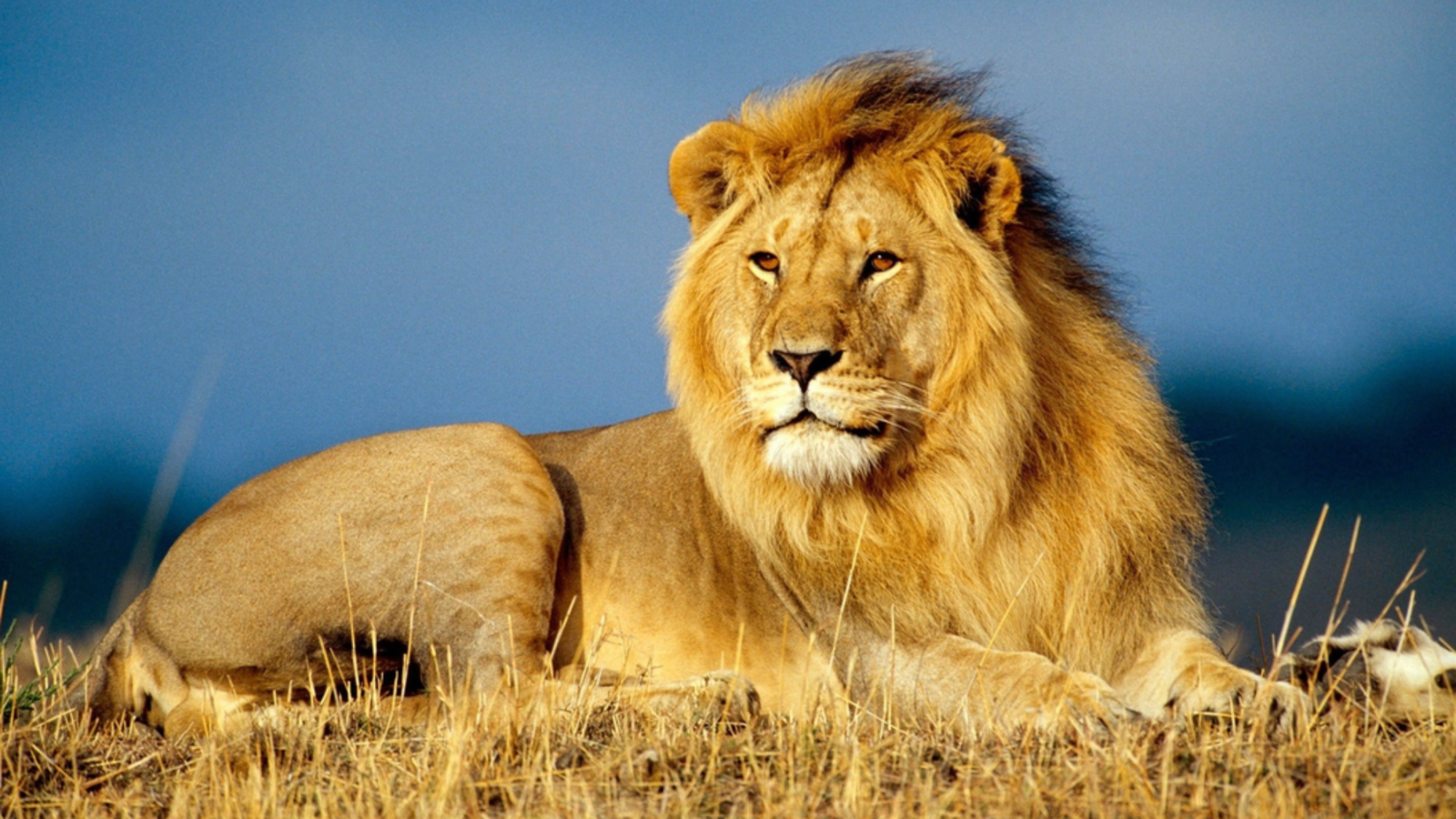
The lion, often dubbed the “king of the jungle,” embodies strength and majesty. These magnificent creatures live in prides, showcasing remarkable social structures. Their roars reverberate across the African plains, a powerful reminder of their role as apex predators and vital cogs in the ecosystem, maintaining balance among species.
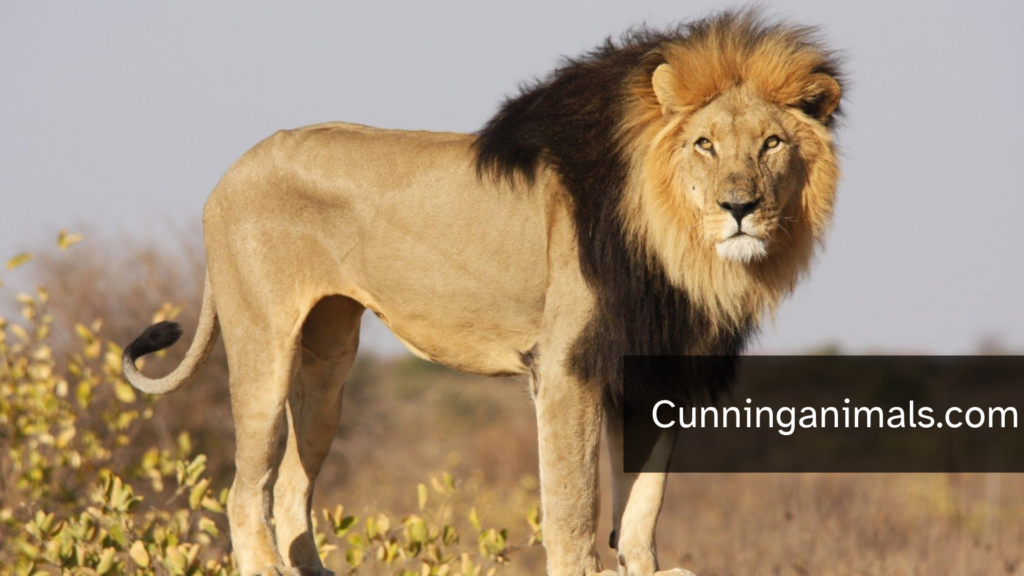
Lions also symbolize courage and bravery, inspiring humans to face their challenges with tenacity. Their communal nature teaches us the importance of teamwork and unity, emphasizing that strength grows when we stand together.
Zebra
Scientific Name: Equus quagga
Class: Mammalia
Habitat: Grasslands and savannas
Zebras, with their stunning black-and-white stripes, are more than just striking animals; they remind us of the beauty of diversity. Each zebra’s unique pattern symbolizes individuality, urging us to celebrate what makes each of us special. Their herding behavior not only provides safety from predators but also illustrates the power of community and belonging.
In the wild, zebras play an essential role in their ecosystems by grazing on grasses, helping to maintain the health of their habitats. Their spirited migrations echo life’s journey, filled with challenges and blessings that shape our experiences.
Wildebeest
Scientific Name: Connochaetes taurinus
Class: Mammalia
Habitat: Grasslands and open woodlands
The wildebeest, or gnu, epitomizes resilience and perseverance through its impressive migratory patterns. Each year, these herds traverse vast distances in search of fresh grass, showcasing the enduring spirit of survival in nature. Their incredible journeys serve as a reminder that together, we can surmount obstacles and thrive amid adversity.
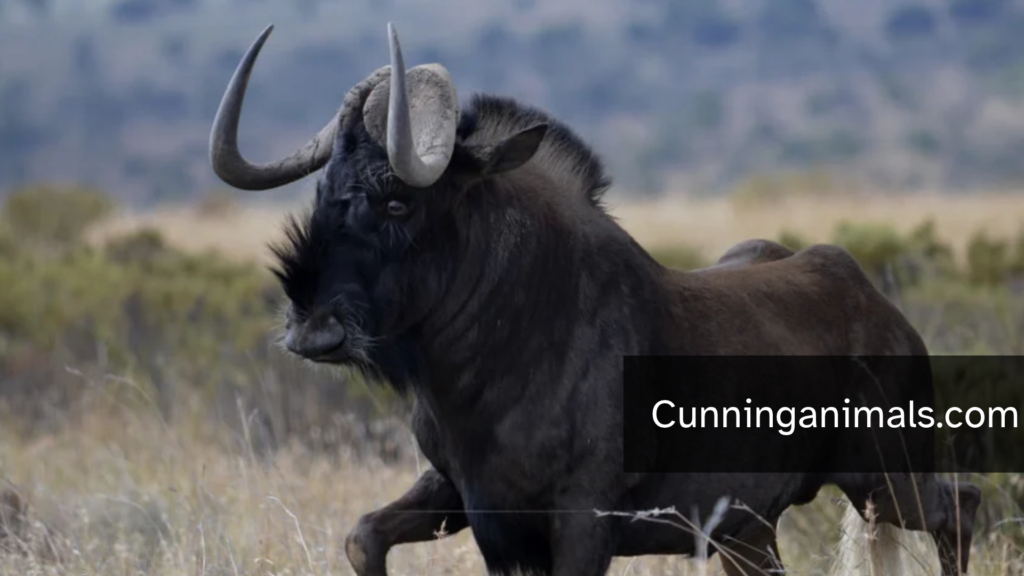
Wildebeests also exhibit teamwork, often traveling in large groups for protection. Their communal approach highlights the significance of friendship and mutual support in our own lives, reminding us that we are stronger together.
Maned Wolf
Scientific Name: Chrysocyon brachyurus
Class: Mammalia
Habitat: Grasslands and scrub forests
The maned wolf stands out with its long legs and distinct mane, representing the uniqueness of every creature in our world. This solitary canid roams the grasslands of South America, using its keen senses to navigate its environment. Its graceful presence serves as a reminder of the beauty of solitude and the power of introspection.
Maned wolves play a crucial role in their ecosystem by controlling rodent populations. Their role illustrates how every being, no matter how solitary or unique, contributes to the greater whole, enriching the tapestry of life.
Gelada
Scientific Name: Theropithecus gelada
Class: Mammalia
Habitat: Rocky grasslands of the Ethiopian Highlands
Often seen perched on rocky outcrops, geladas are fascinating primates known for their social structure and unique behaviors. With their expressive faces and long hair, they symbolize the depth of connection that can exist within a community. If you enjoy learning about wildlife with similar communal instincts, check out our piece on cranes in Michigan.
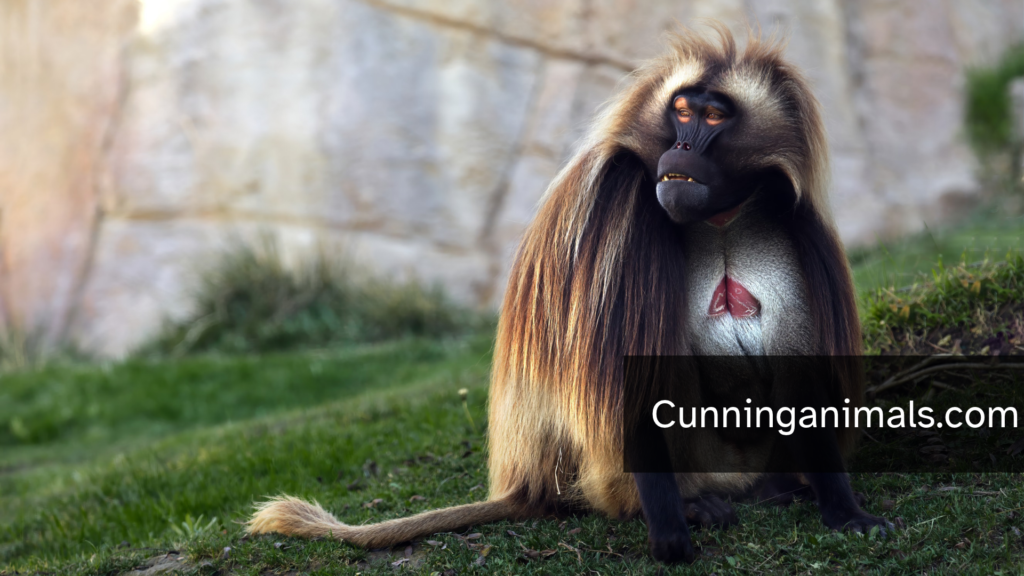
In their search for food, geladas primarily graze on grass, highlighting the beauty of simplicity in life. Their strong family ties remind us that love and connection are the greatest blessings we can share with one another.
Giraffe
Scientific Name: Giraffa camelopardalis
Class: Mammalia
Habitat: Savannas and open woodlands
Giraffes, with their towering heights and striking patterns, invite us to look beyond the ordinary. Their unique structure allows them to reach for leaves high in trees, embodying the idea of aiming for our highest potential. As they move gracefully across the African plains, they remind us to embrace our uniqueness and stand tall against the challenges we face.
Symbolic of grace and elegance, giraffes teach us to appreciate the beauty in nature’s diversity. Their serene presence encourages us to seek wisdom and perspective, urging us to lift our heads and see the world from new heights.
Maned Sloth
Scientific Name: Bradypus torquatus
Class: Mammalia
Habitat: Rainforests of Central and South America
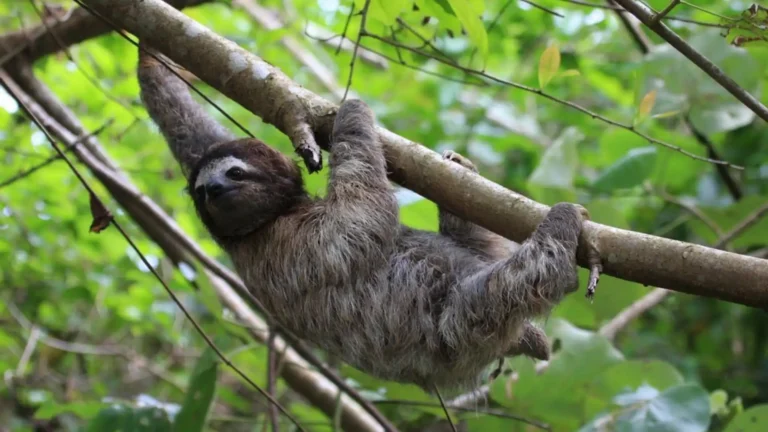
The maned sloth, with its adorable face and leisurely lifestyle, embodies the beauty of taking life at our own pace. This enchanting creature spends most of its time in the trees, reminding us of the importance of slowing down and enjoying the moment.
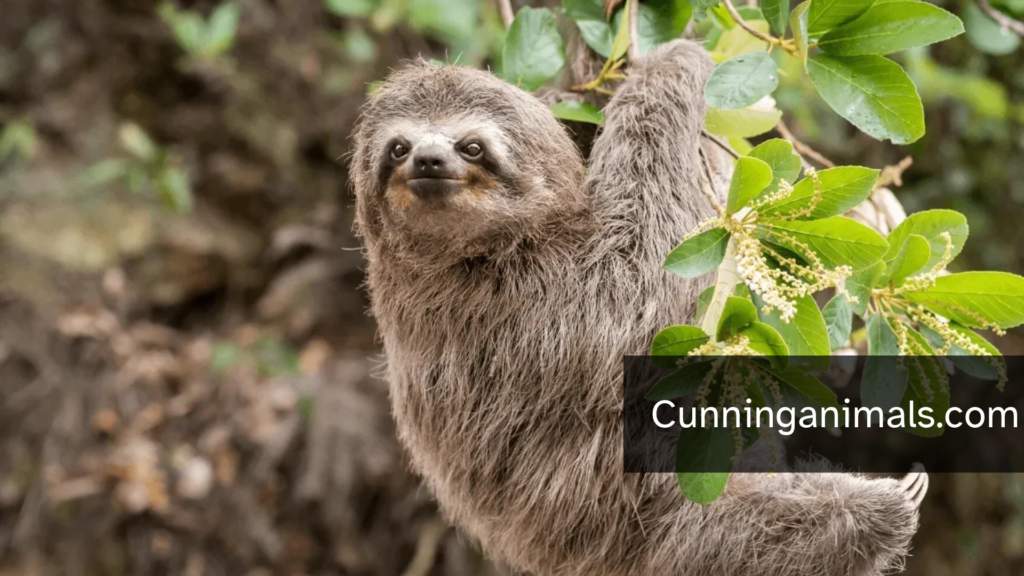
Despite their slow movements, maned sloths play a significant role in their ecosystems by aiding in the dispersal of seeds. Their laid-back lifestyle also teaches us the value of balance, urging us to harmonize activity with rest in our daily lives.
Golden Lion Tamarin
Scientific Name: Leontopithecus rosalia
Class: Mammalia
Habitat: Tropical rainforests of Brazil
The golden lion tamarin dazzles with its bright fur and vibrant personality, representing the joy of life’s vibrant moments. These small primates thrive in familial groups, showcasing the strength of unity through their social structure. Their engaging and playful behavior reminds us to embrace our inner joy and cherish our connections with loved ones.
As an endangered species, the golden lion tamarin also calls attention to our responsibility in conservation. Their resilience inspires collective action, reminding us that we can make a difference by caring for the world around us.
Bactrian Camel
Scientific Name: Camelus bactrianus
Class: Mammalia
Habitat: Deserts and steppes of Central Asia
The Bactrian camel, with its two distinct humps, symbolizes adaptability and endurance in harsh environments. These incredible creatures thrive in arid regions, showcasing the importance of resourcefulness and strength in overcoming life’s challenges.
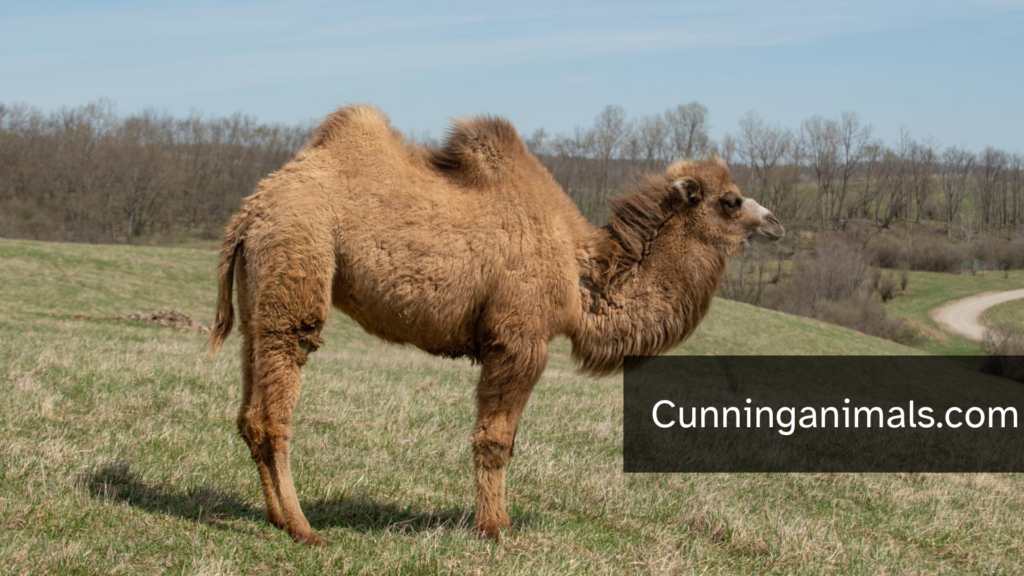
Bactrian camels serve as vital companions for local communities, illustrating the bond between humans and animals. Their reliability reminds us of the blessings that come from collaboration and mutual support in facing life’s hurdles.
Yak
Scientific Name: Bos grunniens
Class: Mammalia
Habitat: Mountain regions of Central Asia
The yak, an emblem of strength and resilience, thrives in some of the world’s harshest environments at high altitudes. These shaggy beasts provide warmth, food, and labor for mountainous communities, symbolizing the importance of giving and sharing.
Yaks also represent harmony with nature, often living in close symbiosis with their surroundings. Their gentle nature encourages us to cultivate kindness and compassion in our relationships, nurturing a sense of community and support.
Horse
Scientific Name: Equus ferus caballus
Class: Mammalia
Habitat: Various environments, including grasslands and forests
Horses, with their gracefulness and strength, embody freedom and spirit. Their deep connection with humans throughout history has forged bonds that transcend mere companionship, showcasing the profound relationship between species.
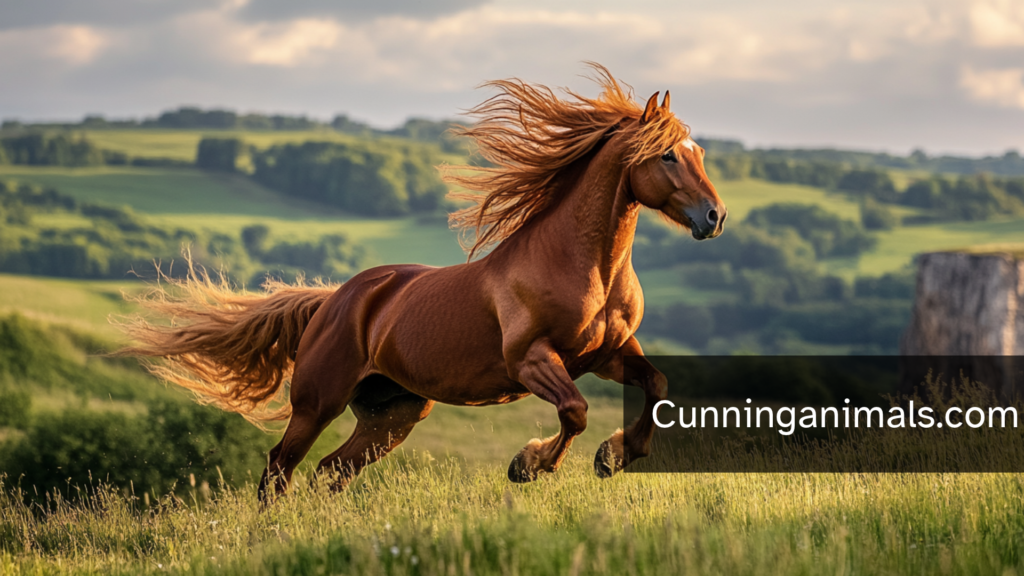
These magnificent creatures also symbolize loyalty and devotion. Their ability to form deep connections reminds us of the importance of trust and collaboration in our lives, encouraging us to build relationships that uplift and empower us.
Spotted Hyena
Scientific Name: Crocuta crocuta
Class: Mammalia
Habitat: Savannas, grasslands, and forests
The spotted hyena often challenges perceptions, showcasing intelligence and social complexity often underestimated in the animal kingdom. With their unique laughter-like calls, these creatures communicate and coordinate in groups, emphasizing the importance of collaboration and mutual support in overcoming challenges.
As scavengers, hyenas play a crucial role in their ecosystem by aiding in the cleanup of carrion. If you’re curious about how these animals get by, check out our article on animals that are deaf.
American Bison
Scientific Name: Bison bison
Class: Mammalia
Habitat: Grasslands and plains
The American bison stands as a symbol of strength and resilience, once roaming the vast plains in massive herds. Their iconic presence embodies the spirit of the American wilderness and a time when nature thrived in harmony.
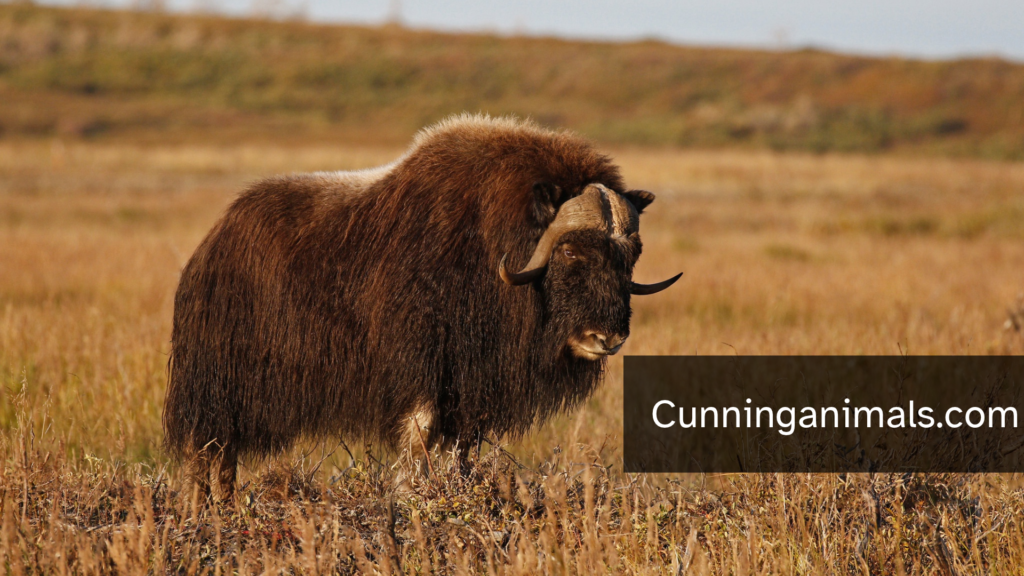
Bison also teach us about the importance of community and cooperation; they often work together to face challenges. Their steadfast nature inspires us to cultivate courage and unity in our own endeavors, reminding us of the power of collective strength.
Lion-tailed Macaque
Scientific Name: Semnopithecus dussumieri
Class: Mammalia
Habitat: Tropical forests of India
The lion-tailed macaque, adorned with a striking mane, is a living testament to the wonders of biodiversity. With their reserved nature and complex social systems, these primates remind us of the importance of community and cooperation in fostering healthy relationships.
As an endangered species, lion-tailed macaques highlight the urgent need for conservation and protection of their habitats. Their presence encourages us to respect our natural world and commit to safeguarding the creatures that enrich our lives.
Sable Antelope
Scientific Name: Hippotragus niger
Class: Mammalia
Habitat: Savanna and woodlands of Southern Africa
The sable antelope, known for its striking horns and graceful stature, embodies elegance and beauty in the wild. These majestic creatures often roam in small herds, showcasing the power of cooperation and teamwork and teaching us the value of unity in our pursuits.
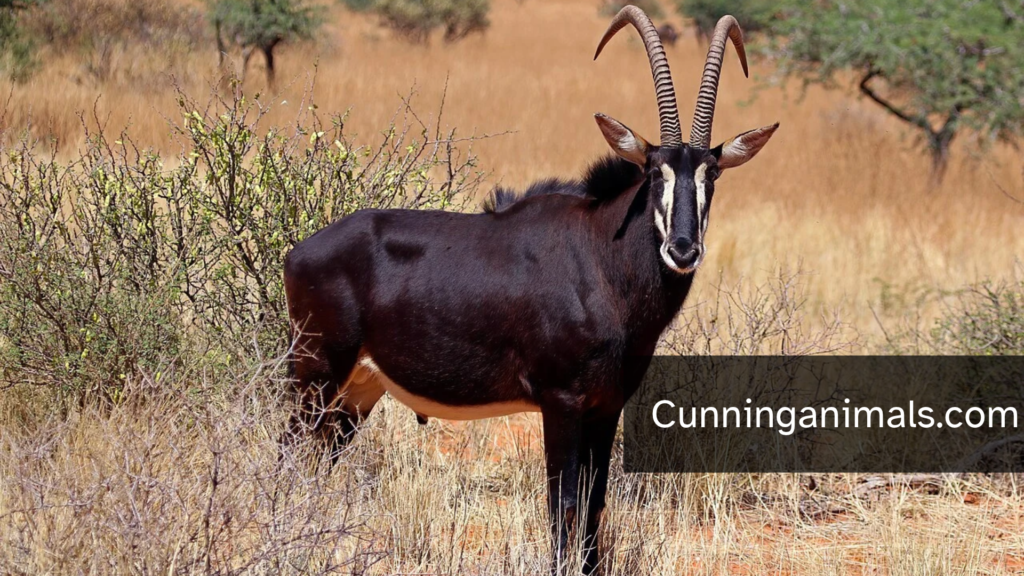
Sable antelopes also play a vital role in their ecosystems, as they help maintain vegetation health through their grazing. Their presence inspires us to nurture our environments, reminding us that our actions can contribute positively to the world around us.
Barbary Sheep
Scientific Name: Ammotragus lervia
Class: Mammalia
Habitat: Rocky mountains and desert areas of North Africa
The Barbary sheep, with its impressive horns and agile movements, represents resilience and adaptability in rugged terrains. Often found in small groups, these animals highlight the importance of social bonds and shared strength, encouraging us to lean on one another in times of need.
Through their grazing habits, Barbary sheep also play a vital role in their ecosystem, helping to maintain the balance of vegetation. Their presence reminds us of the interconnectedness of life and the importance of nurturing harmony in both our personal and communal environments.
Alpine Ibex
Scientific Name: Capra ibex
Class: Mammalia
Habitat: Alpine and mountainous regions of Europe
The Alpine ibex, with its impressive curved horns and remarkable climbing ability, symbolizes courage and determination against the odds.For a closer look at some of these skilled climbers, take a look at our guide on lizards in Florida. It’s an interesting comparison of how different species conquer tricky terrain.Their agile movements inspire us to tackle our challenges with grace and fortitude.
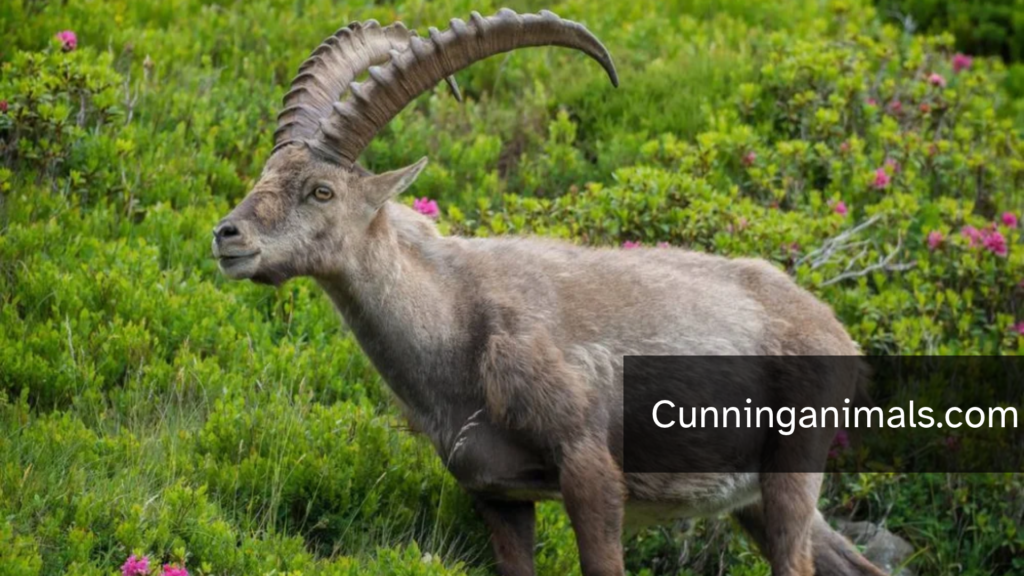
In addition to their impressive physical attributes, Alpine ibexes play a crucial role in maintaining their ecosystem by grazing on mountain vegetation. Their presence in the wild reminds us of our duty to respect and protect our natural habitats, encouraging us to strive for balance within our environment.
Interesting Facts About Animals That Have Manes
Many animals sport manes that serve a variety of fascinating purposes beyond the iconic lion’s version. For instance, these flowing tufts of fur can create an illusion of size, helping species like the male horse or certain deer establish dominance.
- A male giraffe’s mane can signal strength and health to potential mates during courtship displays.
- The well-known mane of a lion is not just decorative; it’s a signal of fitness, with darker, fuller manes indicating better health.
- Some animals, like the alpaca, develop manes that help with thermoregulation, acting like natural insulation against cold.
- In species like zebras and horses, contrasting mane colors can facilitate recognition among individuals, enhancing social structures.
- Interestingly, the development of manes can differ significantly between males and females, showcasing a complex interplay of evolutionary traits.
- For certain wild cats, their manes can also serve as a visual communication tool, helping to establish territory among rivals.
- Mane length and thickness vary vastly across species, from the short bristles of a moose to the luxurious locks of a stallion.
Conclusion
In exploring the fascinating world of Animals That Have Manes, we’ve uncovered a diverse range of species that showcase unique features beyond their striking hairstyles. From the iconic lion to lesser-known species, these manned animals play significant roles in their ecosystems and often symbolize strength and beauty.
Each of these animals with manes has adapted their distinctive characteristics to survive and thrive in their environments. Understanding these majestic creatures enhances our appreciation for biodiversity and the complexities of nature.
FAQS
Which Animal Has A Big Mane?
The male lion is best known for having a large, thick mane around its head and neck. A lion’s mane can make it look bigger and more impressive.
Does A Fox Have A Mane?
No, foxes do not have a true mane. They have thick fur around their neck and cheeks, which can sometimes look mane-like, especially in winter.
Does A Lion Have A Mane?
Yes, male lions usually have a prominent mane. It grows around the head, neck, shoulders, and chest, although its size and color can vary between individual lions.
Do Giraffes Have Manes?
Yes, giraffes have short, upright manes running along the back of their necks. Their manes are much smaller than a lion’s but are clearly visible.
What Animals Have Manes?
Animals with manes or mane-like hair include lions, horses, zebras, giraffes, male hamadryas baboons, maned wolves, and some species of antelope.