17 Animals That Eat Rabbits: Predators With Pictures (2026)
In the intricate web of nature, rabbits serve as both a beloved pet and a crucial prey species, leading to a diverse array of predators known as Animals That Eat Rabbits. From majestic hawks soaring through the sky to cunning foxes prowling through the underbrush, many creatures rely on what eats rabbits for survival.
This article delves into 17 fascinating animals that consume bunnies, providing not only stunning visuals but also insights into their hunting behaviors and ecological significance. Understanding these predators enhances our appreciation of the natural world and the delicate balance within ecosystems where rabbits play a vital role.
What Are Animals That Eat Rabbits?
When exploring the question, “What are animals that eat rabbits?” it’s fascinating to uncover the diverse array of predators that rely on these nimble creatures as a primary food source. Birds of prey, such as hawks and owls, are particularly adept at spotting rabbits from great heights, using their keen vision to swoop in for the kill.
On the terrestrial front, larger mammals like foxes and coyotes play vital roles as rabbit predators. Their cunning nature and ability to navigate various terrains make them effective hunters. Interestingly, domestic dogs, descended from wolves, also exhibit strong predatory instincts when encountering rabbits, often leading to an instinctual chase.
Quick Facts About 17 Animals That Eat Rabbits
| Animal Name | Scientific Name | Class | Habitat | Diet Type |
| Red Fox | Vulpes vulpes | Mammal | Forests, grasslands, farmland | Omnivore |
| Coyote | Canis latrans | Mammal | Deserts, forests, grasslands | Omnivore |
| Bobcat | Lynx rufus | Mammal | Forests, scrublands, deserts | Carnivore |
| Canada Lynx | Lynx canadensis | Mammal | Boreal forests | Carnivore |
| Gray Wolf | Canis lupus | Mammal | Forests, tundra, grasslands | Carnivore |
| Cougar | Puma concolor | Mammal | Mountains, forests, scrublands | Carnivore |
| Golden Eagle | Aquila chrysaetos | Bird | Mountains, open country | Carnivore |
| Red-Tailed Hawk | Buteo jamaicensis | Bird | Fields, woodlands, grasslands | Carnivore |
| Great Horned Owl | Bubo virginianus | Bird | Forests, wetlands, deserts | Carnivore |
| Northern Goshawk | Accipiter gentilis | Bird | Temperate and boreal forests | Carnivore |
| American Badger | Taxidea taxus | Mammal | Prairies, grasslands, open country | Carnivore |
| Stoat | Mustela erminea | Mammal | Woodlands, grasslands, tundra | Carnivore |
| Domestic and Feral Cat | Felis catus | Mammal | Farms, forests, urban areas | Carnivore |
| Large Pythons | Pythonidae | Reptile | Tropical forests, grasslands | Carnivore |
| Large Rattlesnakes | Crotalus spp. | Reptile | Deserts, grasslands, woodlands | Carnivore |
| Great Gray Owl | Strix nebulosa | Bird | Boreal forests, wooded areas | Carnivore |
| Black Bear | Ursus americanus | Mammal | Forests, mountains, woodlands | Omnivore |
Red Fox
Scientific Name: Vulpes vulpes
Class: Mammalia
Habitat: Forests, grasslands, and urban areas.
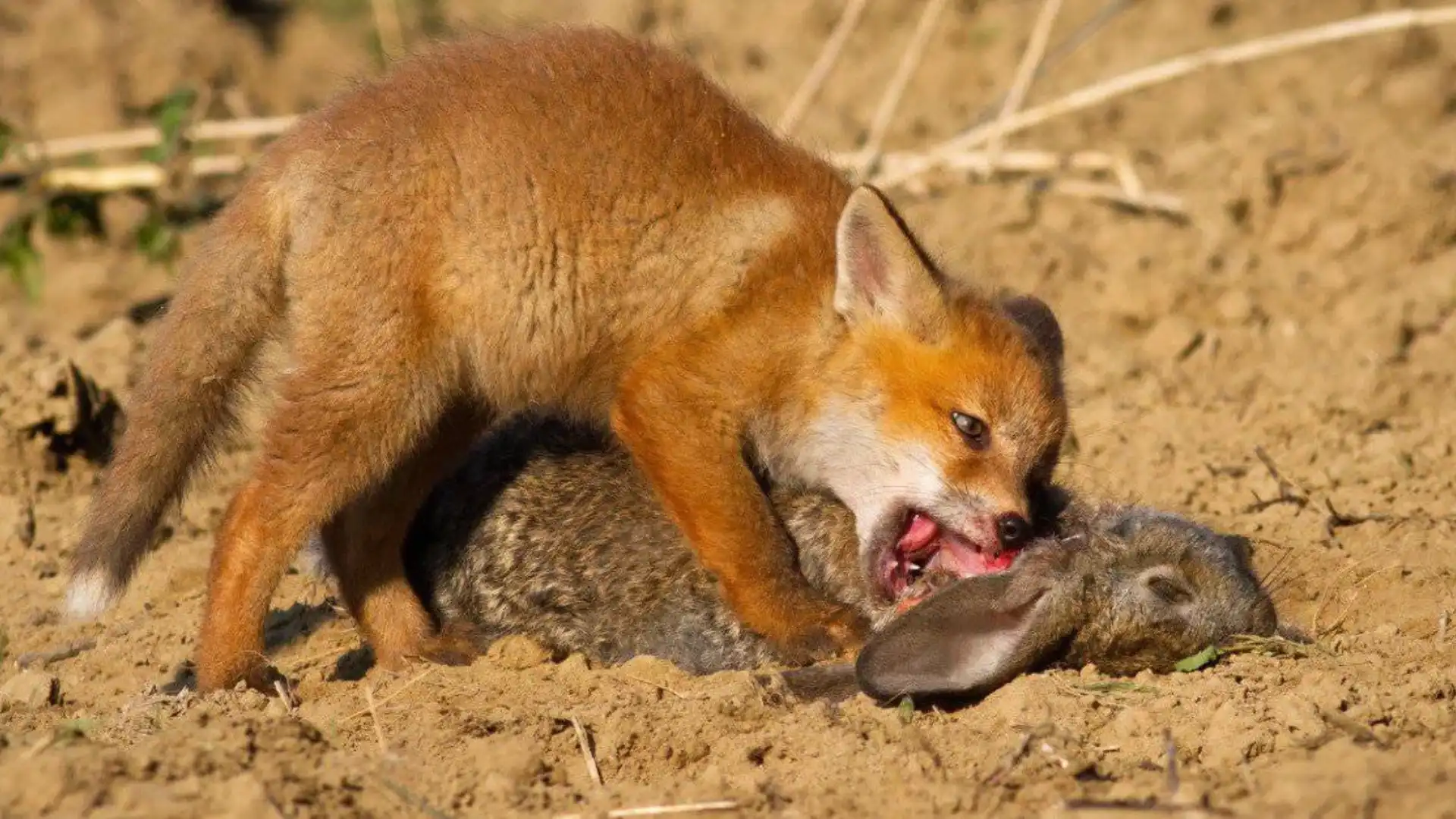
Red foxes are cunning predators, adept at hunting on the ground or through dense brush. Their sharp senses, especially hearing, allow them to detect rabbits from great distances, making them effective hunters in various environments.

With their stunning red fur and bushy tails, these small carnivores use stealth and agility to catch their prey. In urban settings, they’ve adapted to human presence, scavenging for both wild rabbits and food scraps, showcasing their versatility as survivors.The fox’s reputation for outsmarting its prey places it firmly among our list of cunning animals, species known for using cleverness over brute strength to survive.
Coyote
Scientific Name: Canis latrans
Class: Mammalia
Habitat: Deserts, grasslands, and forests.
Coyotes are opportunistic feeders, preying on rabbits when they are plentiful, utilizing their keen senses and pack tactics. They possess remarkable adaptability, allowing them to thrive in diverse environments from rural to urban settings.
The cunning nature of coyotes enables them to employ various hunting techniques, from ambushing solitary rabbits to hunting in packs. This cooperative behavior enhances their success rate, marking them as formidable predators in the animal kingdom.
Bobcat
Scientific Name: Lynx rufus
Class: Mammalia
Habitat: Wooded areas, brushlands, and suburban regions.
Bobcats, with their distinctive tufted ears and spotted fur, have become skilled hunters of rabbits, often using stealth to stalk their prey. Their solitary nature and camouflage allow them to blend seamlessly into their surroundings, increasing their hunting success.
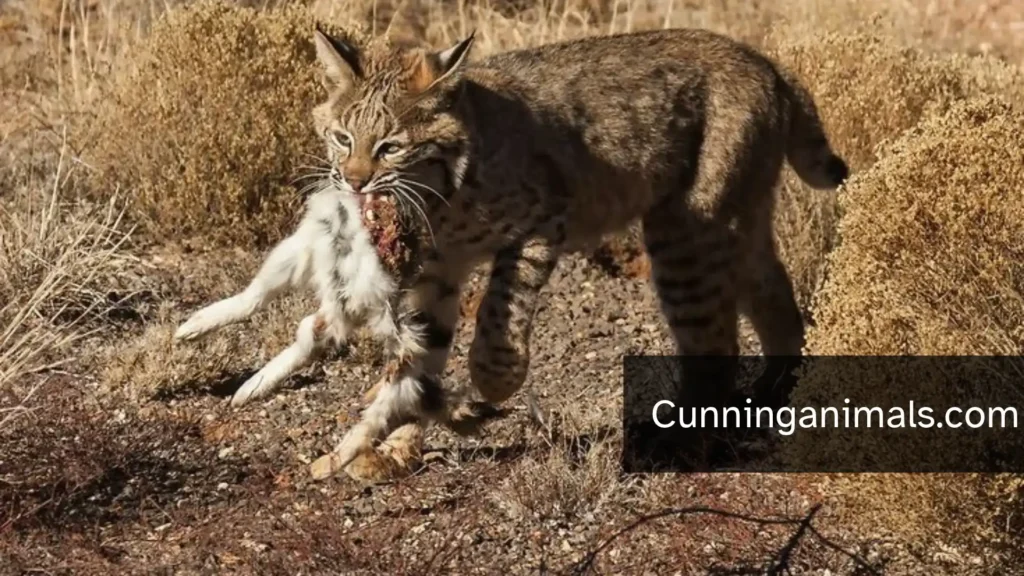
These medium-sized felids rely on ambush tactics, pouncing suddenly to snag their quarry. Their adaptability to various habitats makes them efficient predators and ensures rabbits remain a staple of their diet.
Canada Lynx
Scientific Name: Lynx canadensis
Class: Mammalia
Habitat: Boreal forests and snowy regions.
Canada lynx thrive in snowy environments, where they specifically target snowshoe hares, yet they are known to eat rabbits when necessary. Their long legs and large paws facilitate movement in deep snow, giving them a unique advantage over their prey.
The lynx’s keen eyesight and acute hearing help them detect movements in the underbrush, allowing them to launch surprise attacks. This specialized predation highlights the delicate balance between prey and predator in their cold habitats.
Gray Wolf
Scientific Name: Canis lupus
Class: Mammalia
Habitat: Forests, tundras, and mountainous regions.
Gray wolves travel in packs and are highly strategic hunters, often targeting rabbits when other food sources are scarce. Their collaborative hunting techniques allow them to take down larger prey, but rabbits remain a welcomed addition to their diet.
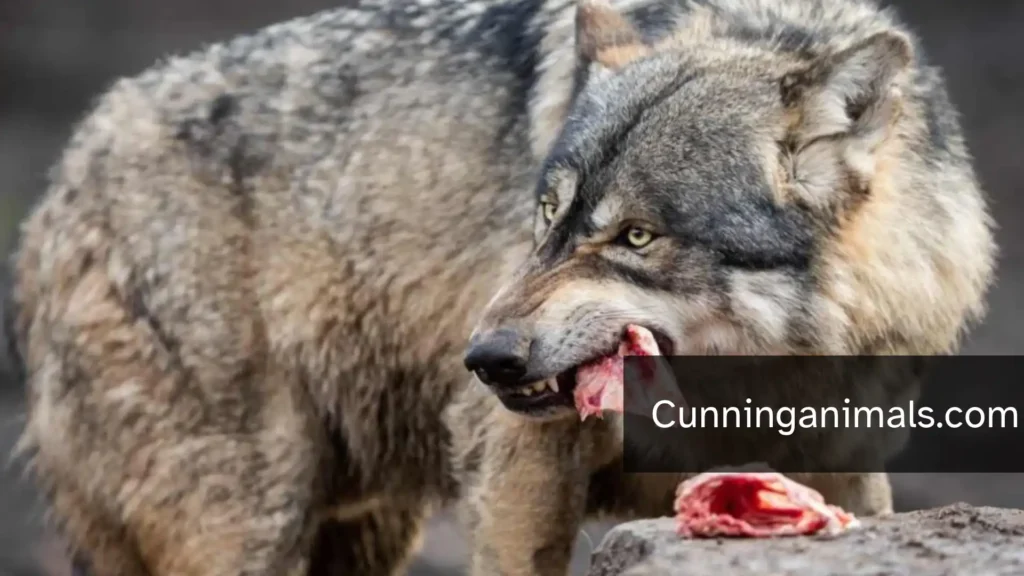
These social animals use vocalizations and coordinated movements to outsmart and trap their quarry. Their ecological role as apex predators ensures population control of rabbit species within their territory.
Cougar
Scientific Name: Puma concolor
Class: Mammalia
Habitat: Mountainous regions and forests.
Cougars, or mountain lions, are powerful and stealthy hunters, approaching their prey including rabbits — with extreme caution. Their superior strength and agility enable them to leap great distances, making it easier to surprise unsuspecting rabbits.
As solitary hunters, cougars use keen sight and hearing to locate their prey at dawn or dusk. Their role as top predators helps maintain ecological balance, keeping rabbit populations in check and contributing to overall biodiversity.Cougars are a prime example of nature’s independent hunters, and you can discover more solitary animals that thrive without relying on a pack or group.
Golden Eagle
Scientific Name: Aquila chrysaetos
Class: Aves
Habitat: Mountains, grasslands, and open spaces.
Golden eagles are masterful hunters capable of spotting a rabbit from incredible heights while soaring effortlessly above the landscape. These raptors use speed and precision, swooping down with lethal accuracy to capture their prey.

With powerful talons and sharp beaks, golden eagles efficiently dispatch their rabbit catch, showcasing their skill as apex avian predators. Their presence in their habitat signifies a healthy ecosystem, as they help regulate prey populations.
Red-Tailed Hawk
Scientific Name: Buteo jamaicensis
Class: Aves
Habitat: Open fields, forests, and urban areas.
Red-tailed hawks are well-known for their striking appearance and keen eyesight, essential for spotting rabbits from perches high above. Their hunting technique typically involves a slow, gliding flight before diving rapidly to snatch their unwitting prey.
These versatile raptors thrive in various habitats, adapting their hunting strategies based on the availability of prey. Their presence not only enriches the ecosystem but also contributes to a fascinating display of aerial hunting prowess.
Great Horned Owl
Scientific Name: Bubo virginianus
Class: Aves
Habitat: Forests, deserts, and urban areas.
Great horned owls, with their iconic tufts and powerful build, are formidable nighttime predators. They rely on acute hearing and excellent night vision to locate rabbits, swooping silently from dense cover to catch them unaware.

Their diverse diet includes various small mammals, and their adaptability allows them to thrive in suburban environments. As nocturnal hunters, they play a crucial role in controlling rabbit populations, particularly during the night when these prey animals are active.
Northern Goshawk
Scientific Name: Accipiter gentilis
Class: Aves
Habitat: Dense forests and woodlands.
Northern goshawks are agile and powerful raptors, adept at navigating through dense vegetation to hunt unwary rabbits. Their speed and strength give them an advantage in capturing prey, showcasing their prowess as skilled hunters.
These birds are known for their aggressive hunting style, often ambushing rabbits from perches or the ground. Their specialized hunting skills underscore the importance of healthy forest ecosystems, where they keep rodent populations in check.
American Badger
Scientific Name: Taxidea taxus
Class: Mammalia
Habitat: Grasslands, forests, and agricultural fields.
American badgers, with their stocky bodies and powerful forelimbs, are proficient diggers and hunters of rabbits. They often create burrows to surprise their prey, showcasing extraordinary adaptability in various habitats.
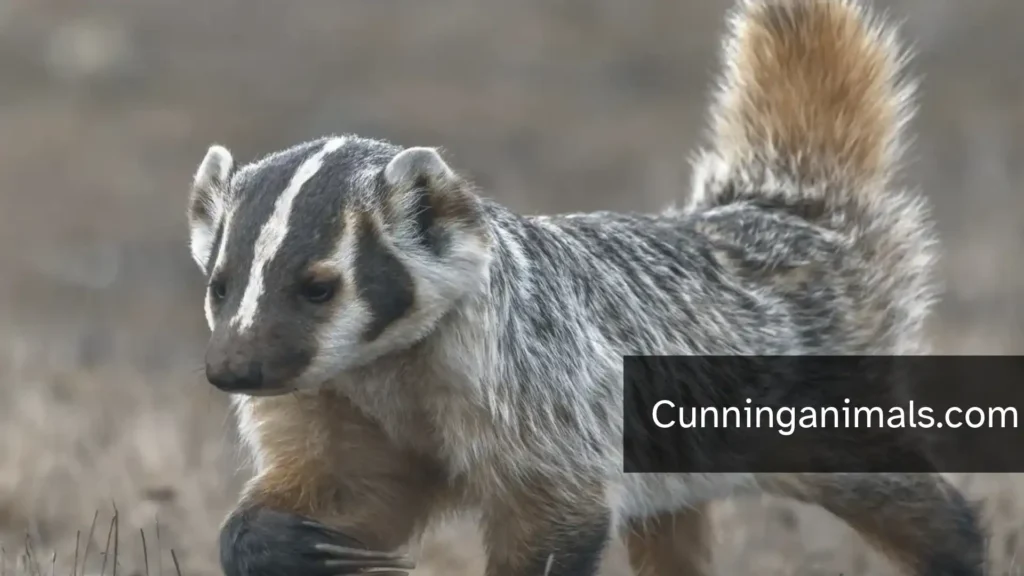
These nocturnal creatures use their sharp claws to dig out rabbits from their burrows, proving they are formidable predators despite their stationary appearance. Their role in the ecosystem highlights their importance in controlling small mammal populations, contributing to ecological balance.If you’re curious how far this species ranges across the country, we’ve also covered whether there are badgers in Maine and what their presence means for local ecosystems.
Stoat
Scientific Name: Mustela erminea
Class: Mammalia
Habitat: Wooded areas, grasslands, and tundra.
Stoats, also known as ermines, are small yet fierce predators with a penchant for hunting rabbits. Their agility and quick reflexes make them proficient at catching prey that may be larger than themselves.
These agile weasels are known for their ability to hunt in various environments, showcasing sharp instincts while pursuing their quarry. Their impact on rabbit populations illustrates the interconnectedness of ecosystems, emphasizing nature’s delicate balance.Since the stoat belongs to the weasel family, you may also enjoy exploring other animals like weasels that share this same ferocious, compact hunting style.
Domestic and Feral Cat
Scientific Name: Felis catus
Class: Mammalia
Habitat: Urban, suburban, and rural areas.
Domestic and feral cats have become notorious hunters of rabbits, especially in suburban areas where populations thrive. Their natural instincts drive them to stalk and pounce, often using ambush tactics similar to their wild counterparts.
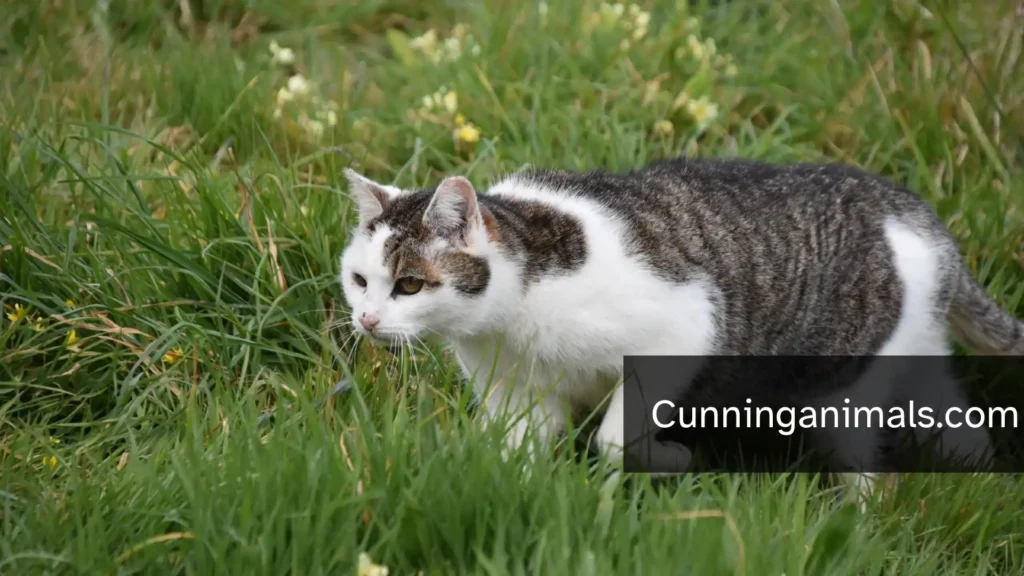
These adaptable felines can significantly impact local wildlife, making them both beloved pets and potential ecological disruptors. As they roam, they help maintain the balance of prey species, albeit with varied consequences for native ecosystems.
Large Pythons
Scientific Name: Pythonidae family
Class: Reptilia
Habitat: Dense forests and wetlands.
Large pythons, such as the Burmese python, are constrictor snakes that may prey on rabbits when the opportunity arises. These powerful serpents use stealth and ambush tactics to catch their prey, showcasing incredible patience and strength.
Their role in the ecosystem as top-level predators helps control rodent populations, although their expansion into non-native areas has raised concerns about ecological balance. Pythons’ hunting success stems from their ability to adapt to various habitats and prey preferences.
Large Rattlesnakes
Scientific Name: Crotalus species
Class: Reptilia
Habitat: Deserts, grasslands, and rocky areas.
Large rattlesnakes, such as the Eastern diamondback, often feed on small mammals, including rabbits, as part of their diet. Equipped with venoms and heat-sensing capabilities, these snakes expertly detect and ambush their prey.

By constricting and immobilizing their catch, rattlesnakes ensure a successful hunt. Their presence in an ecosystem underscores the significance of maintaining predator-prey dynamics and highlights the complexity within their habitats.With their venom and ambush tactics, rattlesnakes often rank among the deadliest animals in the world, a list filled with equally formidable predators.
Great Gray Owl
Scientific Name: Strix nebulosa
Class: Aves
Habitat: Boreal forests and open woodlands.
Great gray owls, with their extraordinary sense of hearing, can locate rabbits beneath thick snow cover. Their large, silent wings allow them to glide silently to ambush their prey, demonstrating exceptional hunting skills.
These majestic owls are crucial in maintaining the balance of their ecosystems, as they primarily feed on small mammals. Their presence signifies a healthy environment and the intricate relationships between predator and prey in boreal ecosystems.
Black Bear
Scientific Name: Ursus americanus
Class: Mammalia
Habitat: Forests, mountains, and swamps.
Black bears, primarily omnivorous, occasionally include rabbits in their diet, especially during spring when food sources are limited. Their keen sense of smell helps them locate food, making them opportunistic feeders in their natural habitat.
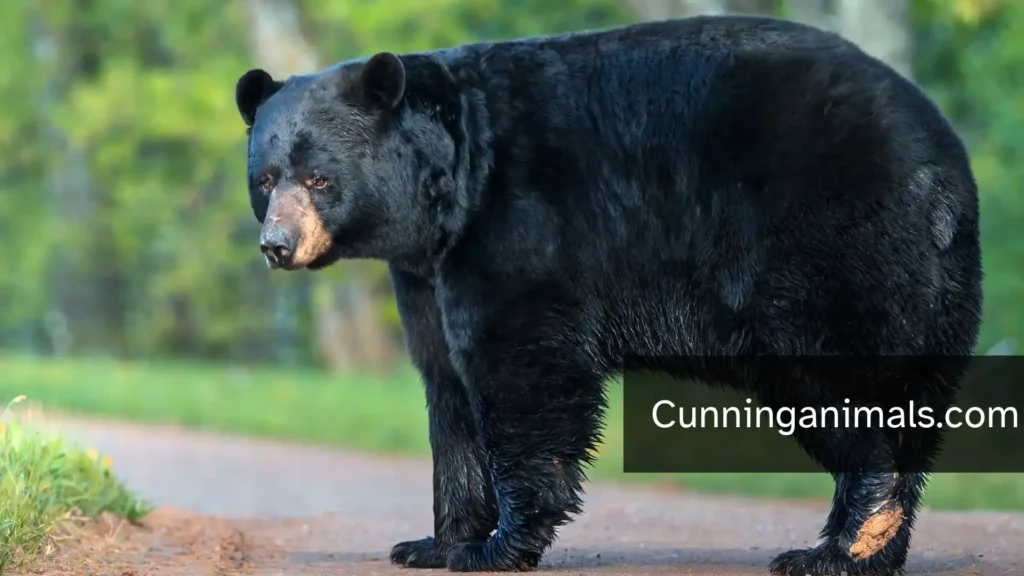
Though not primarily rabbit hunters, their versatile dietary habits allow them to adapt to seasonal changes. Their role as scavengers and foragers contributes to the ecological health of their environments, influencing the populations of various prey species, including rabbits.Since black bears often forage rather than hunt, they share traits with many other scavenger animals that play a vital cleanup role in their ecosystems.
Interesting Facts About Animals That Eat Rabbits
Animals that eat rabbits play a vital role in the ecosystem, acting as both predators and indicators of environmental health. These hunters showcase fascinating adaptations and behaviors, making them intriguing subjects of study. Understanding their role provides insights into the delicate balance of nature.
- Many birds of prey, such as hawks and owls, rely on their keen eyesight to spot rabbits from great distances.
- Foxes utilize a unique hunting technique called “stalking,” allowing them to sneak up on their prey quietly.
- Coyotes have diverse diets and are opportunistic feeders, often hunting in packs to take down larger rabbits.
- Domestic cats are instinctive hunters; studies show that they can reduce local rabbit populations when feral.
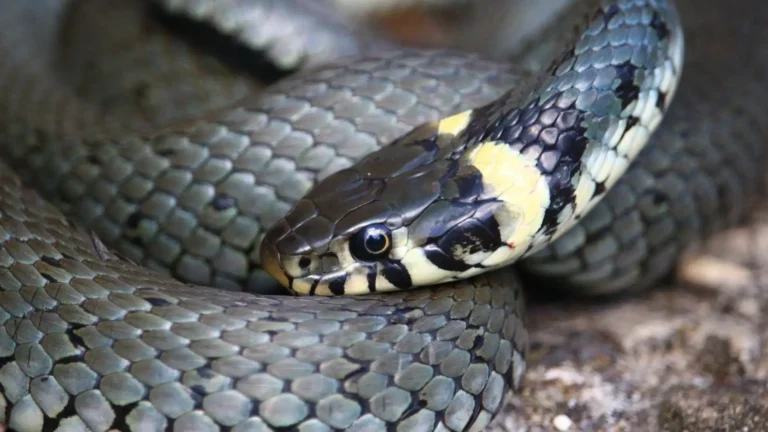
- Even snakes, such as the Eastern garter snake, have been observed preying on young rabbits, showcasing a diverse hunting strategy.
- The snowshoe hare can adapt its fur color to seasonal changes, aiding in its survival against predators.
- Rabbits play a crucial role in the food web, providing critical nutrition for various carnivorous animals.
Conclusion
The exploration of animals that eat rabbits reveals not only the dietary habits of various predators but also the broader dynamics of life in the wild. The question of what eats a rabbit extends beyond just survival; it illustrates the interdependent relationships that sustain our ecosystems.
These predators, from big cats to birds of prey, play crucial roles in maintaining population balance and diversity. By understanding what eats rabbits, we can better appreciate the essential roles these animals play in their environments.
FAQS
What Is A Bunny’s Natural Enemy?
A bunny’s natural enemies include foxes, coyotes, wolves, hawks, owls, eagles, snakes, and wild cats. Rabbits are prey animals and rely on hiding, speed, and alertness to escape predators.
Do Lizards Eat Rabbits?
Most small lizards do not eat rabbits because rabbits are too large for them. However, large predatory reptiles, such as Komodo dragons and some large monitor lizards, may eat young rabbits or other small mammals when available.
What Is Poisonous To Rabbits?
Several common foods and plants are toxic to rabbits, including foxglove, hemlock, lily of the valley, and avocado. Certain chemicals, pesticides, and rodenticides are also dangerous. If a rabbit eats something potentially toxic, contact a veterinarian immediately.
What Kills Rabbits At Night Naturally?
Wild rabbits may be killed at night by nocturnal predators such as owls, foxes, coyotes, and some wild cats. Domestic rabbits kept outdoors can also be vulnerable to predators, so secure hutches and enclosed runs are important for their safety.
What Is The 3-3-3 Rule For Rabbits?
The 3-3-3 rule is sometimes used as a general guide to pet adjustment: about three days to settle down, three weeks to become familiar with a routine, and three months to feel more comfortable in a new home. It is not a scientifically established rule for rabbits, and each rabbit adjusts at its own pace.