26 Animals That Eat Berries (With Pictures, Facts & Feeding Habits)
Animals that eat berries often share the same food sources, from garden shrubs to wild blackberry patches. Birds may swallow berries whole, while mammals browse fruit within reach or forage for fallen berries.
Explore 26 berry-eating animals through pictures, facts, and feeding habits, and learn how these fruits support wildlife, and how some animals help spread the plants’ seeds.
What Animals Eat Berries?
Bears, deer, foxes, raccoons, squirrels, mice, songbirds, and bats may eat berries. Some animals eat berries regularly, while others consume them when berries are available.
Berries can be part of a varied diet, but how often an animal eats them depends on the species and what food is accessible. This range of feeding habits makes berries a food source for many kinds of wildlife.
List Of 26 Animals That Eat Berries
| No. | Animal | Scientific Name | Class | Berry-Eating Habit |
| 1 | Black Bear | Ursus americanus | Mammalia | Regular seasonal food |
| 2 | Raccoon | Procyon lotor | Mammalia | Opportunistic |
| 3 | Deer | Odocoileus virginianus | Mammalia | Seasonal browse |
| 4 | American Robin | Turdus migratorius | Aves | Regular fruit eater |
| 5 | Fox | Vulpes vulpes | Mammalia | Opportunistic |
| 6 | Squirrel | Sciurus spp. | Mammalia | Opportunistic |
| 7 | Virginia Opossum | Didelphis virginiana | Mammalia | Opportunistic |
| 8 | Eastern Chipmunk | Tamias striatus | Mammalia | Seasonal food |
| 9 | Elk | Cervus canadensis | Mammalia | Seasonal browse |
| 10 | Hedgehog | Erinaceus europaeus | Mammalia | Occasional |
| 11 | Wild Boar | Sus scrofa | Mammalia | Opportunistic |
| 12 | Brown Bear | Ursus arctos | Mammalia | Important seasonal food |
| 13 | Domestic Cat | Felis catus | Mammalia | Rarely eats berries |
| 14 | Box Turtle | Terrapene carolina | Reptilia | Opportunistic |
| 15 | Ground Squirrel | Otospermophilus spp. | Mammalia | Opportunistic |
| 16 | Mouse | Peromyscus spp. | Mammalia | Occasional |
| 17 | Badger | Meles meles | Mammalia | Opportunistic |
| 18 | Fruit Bat | Pteropus spp. | Mammalia | Regular fruit eater |
| 19 | Crow | Corvus brachyrhynchos | Aves | Opportunistic |
| 20 | Blue Jay | Cyanocitta cristata | Aves | Seasonal fruit eater |
| 21 | Goat | Capra hircus | Mammalia | Browses on available fruit |
| 22 | Ant | Formicidae | Insecta | Feeds on fruit pulp or sugary material |
| 23 | Weasel | Mustela spp. | Mammalia | Rarely eats berries |
| 24 | Cedar Waxwing | Bombycilla cedrorum | Aves | Strong fruit specialist |
| 25 | Coyote | Canis latrans | Mammalia | Regular seasonal fruit consumer |
| 26 | Blackbird | Turdus merula | Aves | Regular fruit eater |
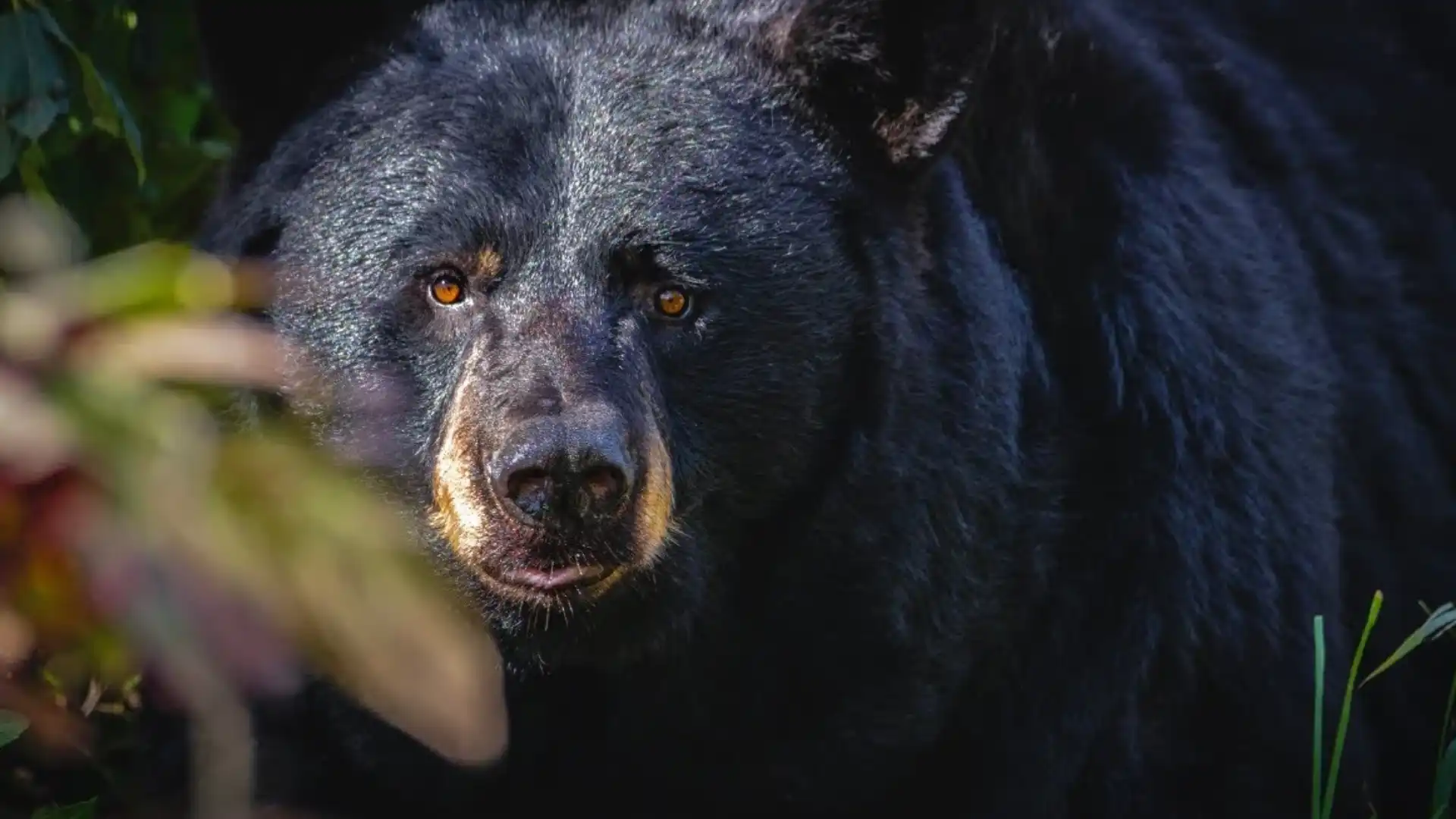
Black Bear
Scientific name: Ursus americanus
Class: Mammalia
Diet: Omnivore
Berries are among the plant foods a black bear may eat when fruit is in season. The species has a broad diet that also includes animal foods.
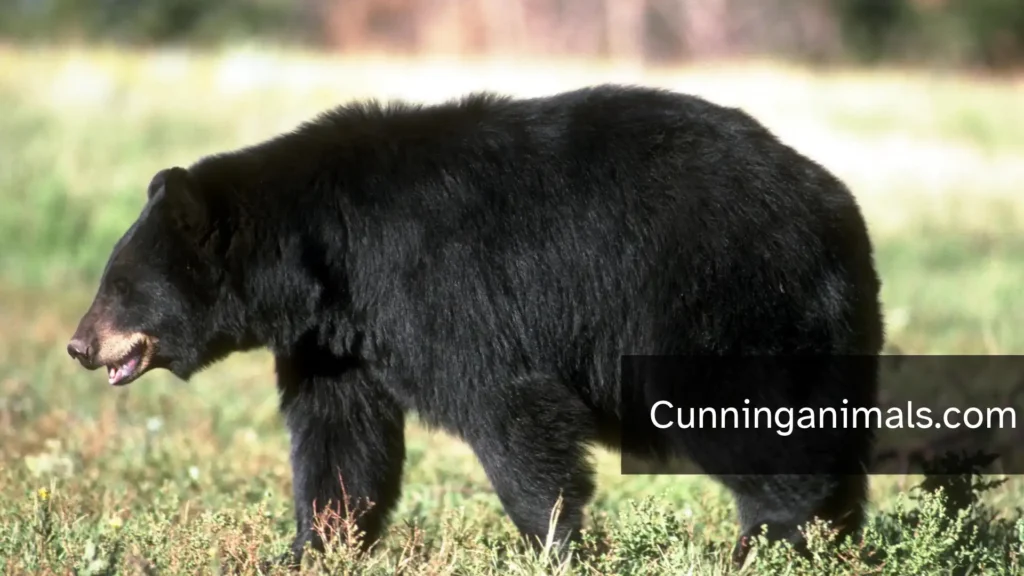
A bear’s food choices vary with habitat and availability. Berry feeding is best understood as one seasonal behavior within that varied diet.
Raccoon
Scientific name: Procyon lotor
Class: Mammalia
Diet: Omnivore
Raccoons are adaptable eaters and may feed on berries or other fruit. They also take advantage of many animal and plant foods.
Fruit is one resource they can use when it is accessible. Their diet changes with the food sources available in their surroundings.
Deer
Scientific name: Odocoileus virginianus (white-tailed deer)
Class: Mammalia
Diet: Herbivore
White-tailed deer may browse on berries along with other vegetation. The fruit they eat depends on what grows within reach in their habitat.
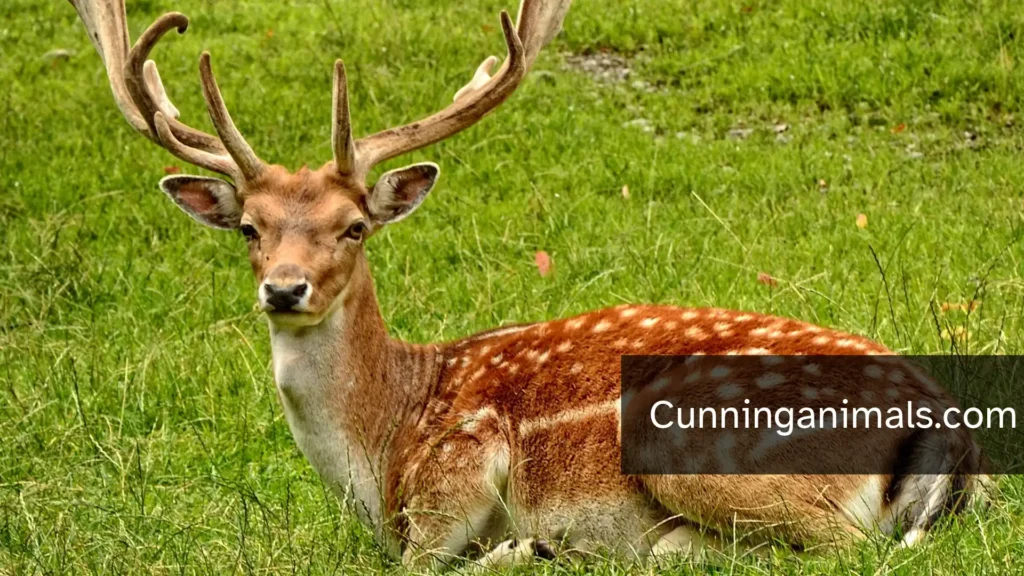
Leaves, grasses, shoots, and woody plants are also part of their plant-based feeding. Berries are a seasonal addition rather than a complete diet. Deer Eat Berries Along With Many Other Plants, Depending On What Grows Nearby. They Also Browse Leaves, Shoots, Grasses, And Woody Plants. Berries Are Usually A Seasonal Addition To Their Diet. To See Their Full Menu, Read What Do Deer Eat.
American Robin
Scientific name: Turdus migratorius
Class: Aves
Diet: Omnivore
Robins feed on berries and other fruit, as well as on invertebrates. They may shift between fruit and ground-foraging as food availability changes.
Shrubs and trees can provide fruit, while the ground offers worms and insects. This varied feeding pattern helps them use different foods through the year.
Fox
Scientific name: Vulpes vulpes (red fox)
Class: Mammalia
Diet: Omnivore
A red fox’s diet can include berries, though it also depends heavily on animal prey. Fruit may provide another food source when available.
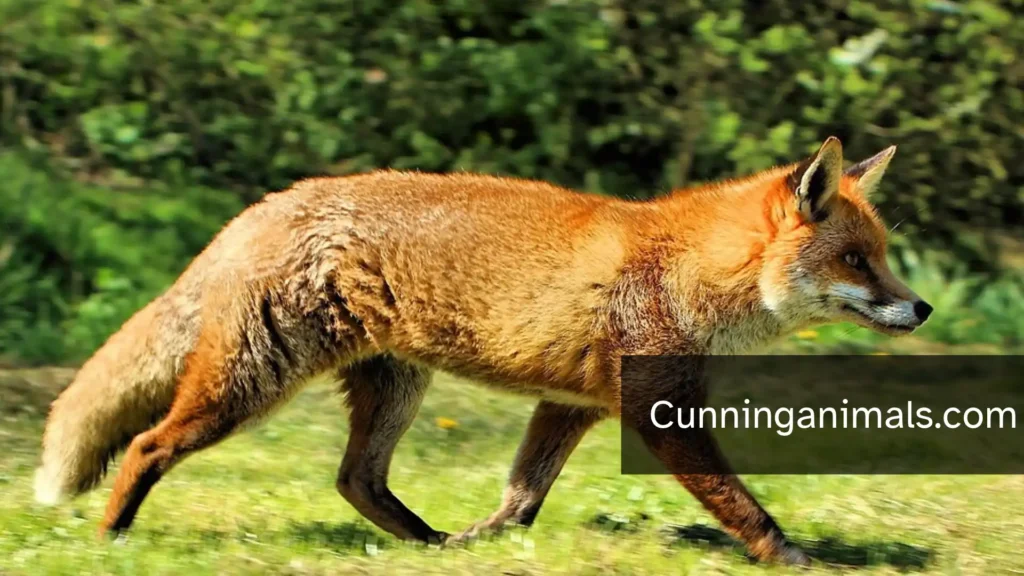
Foxes forage across different settings and use locally available foods. The share of berries in a fox’s diet can vary. Foxes Eat Berries, But They Also Depend Heavily On Small Animal Prey. Fruit Gives Them An Extra Food Source When It Is Available. Their Diet Changes With The Season And Location. If You Like Wild Canines, Explore Animals Like Foxes.
Squirrel
Scientific name: Sciurus carolinensis (eastern gray squirrel)
Class: Mammalia
Diet: Omnivore
Eastern gray squirrels eat berries as well as familiar foods such as nuts and seeds. They can forage for fruit in trees, shrubs, and cultivated areas.
Their diet includes other plant foods, and may include animal foods too. What they eat changes with seasonal availability.
Virginia Opossum
Scientific name: Didelphis virginiana
Class: Mammalia
Diet: Omnivore
Virginia opossums may eat berries as part of a broad, opportunistic diet. They also consume insects and small animals, among other available foods.

They forage for whatever suitable food they encounter. Berries are one possible choice when fruit is accessible, not their sole food.
Eastern Chipmunk
Scientific name: Tamias striatus
Class: Mammalia
Diet: Omnivore
Eastern chipmunks may eat berries while gathering seeds, nuts, and other plant foods. They forage close to the ground and in woodland vegetation.
They also eat insects and store food. Which foods they use depends on the season and what is available nearby.
Elk
Scientific name: Cervus canadensis
Class: Mammalia
Diet: Herbivore
Elk are plant-eaters that may browse on berries when they are accessible. Berries are one of many kinds of vegetation they can consume.

Their feeding also includes grasses, leaves, and woody plants. Local habitat and seasonal growth shape what they eat.
Hedgehog
Scientific name: Erinaceus europaeus
Class: Mammalia
Diet: Omnivore
Hedgehogs primarily forage for invertebrates, but they may eat fruit such as berries. Fruit is a supplementary food rather than the core of their diet.
They search on the ground for a range of food items, including insects and worms. The foods available in their habitat influence what they find and eat.
Wild Boar
Scientific name: Sus scrofa
Class: Mammalia
Diet: Omnivore
Wild boar may eat berries and other fruit while foraging. Their varied diet also includes roots, seeds, and animal foods.
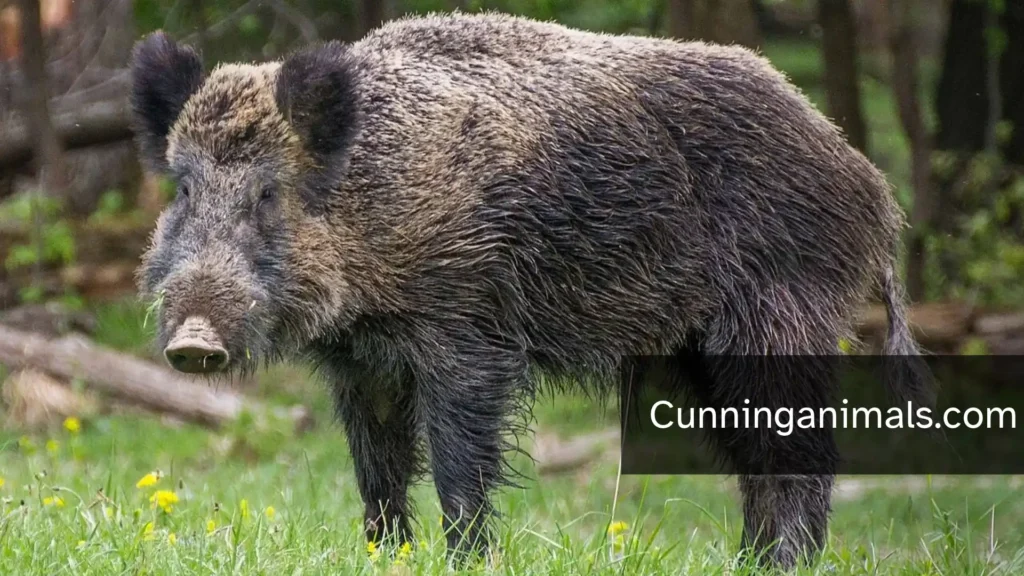
They make use of many resources in their environment. How often berries feature depends on what is available locally.
Brown Bear
Scientific name: Ursus arctos
Class: Mammalia
Diet: Omnivore
Brown bears consume berries along with a range of plant and animal foods. Fruit may be especially useful when it is plentiful in their habitat.
They are not limited to one kind of food and forage seasonally. The importance of berries varies with local conditions and availability.
Domestic Cat
Scientific name: Felis catus
Class: Mammalia
Diet: Obligate carnivore
Cats are obligate carnivores, and berries are not a necessary part of their diet. A cat might show interest in a berry, but that does not make fruit a regular food for the species.

Their nutritional needs call for an appropriate animal-based diet.
Box Turtle
Scientific name: Terrapene carolina (common box turtle)
Class: Reptilia
Diet: Omnivore
Common box turtles can eat fruit, including berries, alongside animal foods. They forage for different foods within their habitat.
Their diet varies with factors such as age and available food. Invertebrates and other vegetation can also feature in their feeding.
Ground Squirrel
Scientific name: Otospermophilus beecheyi (California ground squirrel)
Class: Mammalia
Diet: Omnivore
California ground squirrels may eat berries in addition to seeds and other plant foods. Fruit is a food they can use when it is available nearby.
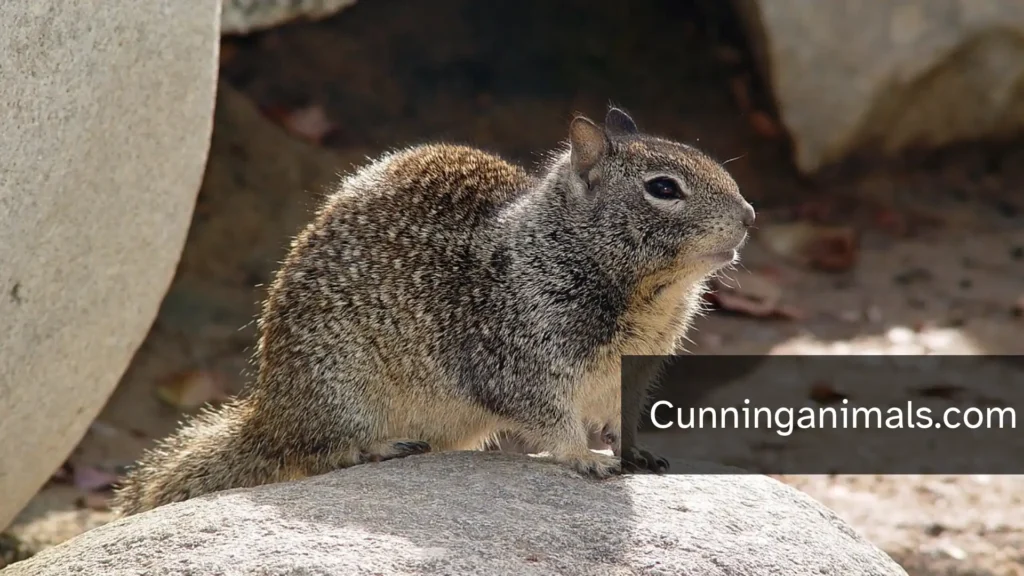
Their diet can also include insects and other foods. Local resources and seasonal conditions influence what they forage for.
Mouse
Scientific name: Mus musculus (house mouse)
Class: Mammalia
Diet: Omnivore
House mice eat varied foods and may consume berries if they can reach them. Fruit is one possible food among many.
They also feed on seeds and other available material. Their feeding habits are shaped in part by what is accessible in their surroundings.
Badger
Scientific name: Meles meles (Eurasian badger)
Class: Mammalia
Diet: Omnivore
Eurasian badgers may eat berries and other fruit while foraging. They also consume animal foods, including earthworms and insects.

Their diet can differ by season and location. Fruit is one option within a broad feeding repertoire.
Fruit Bat
Scientific name: Pteropodidae family (species varies)
Class: Mammalia
Diet: Primarily fruit and nectar
Fruit bats may eat berries, but feeding habits depend on the species and local food supply. Many consume fruit, and some also feed on nectar or pollen.
They commonly seek food in trees, but details differ across the family.
Crow
Scientific name: Corvus brachyrhynchos (American crow)
Class: Aves
Diet: Omnivore
American crows may eat berries as part of an adaptable diet. They also forage for seeds, insects, small animals, and other foods.
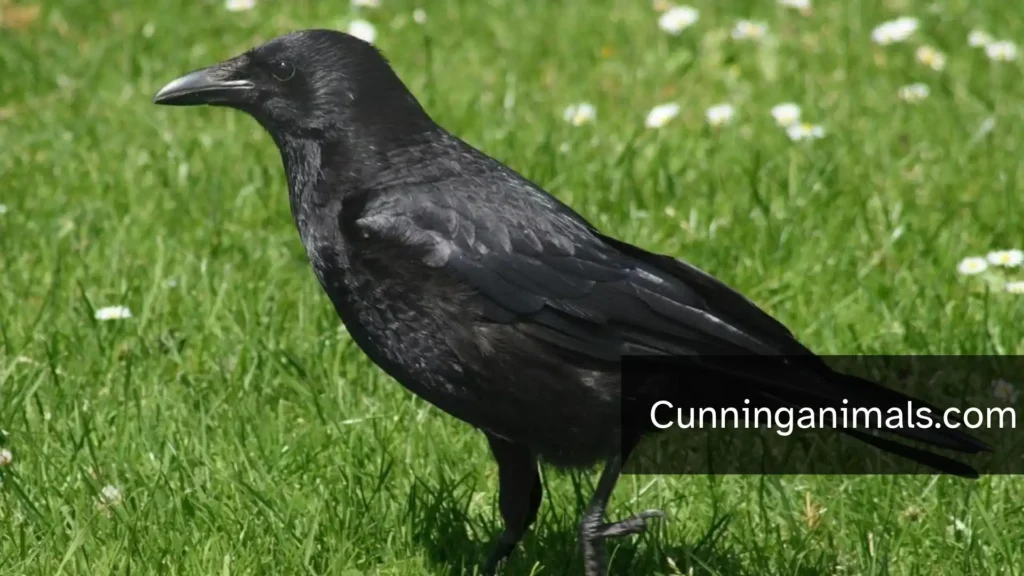
They can use a range of food sources rather than depending on fruit alone. Berry consumption varies with availability. Crows Eat Berries, Seeds, Insects, And Small Animals. They Are Adaptable Feeders That Use Whatever Food Is Easy To Find. This Is Why They Are Often Seen In Farm Fields. To Learn About Other Animals That Raid Crops, Read Animals That Eat Corn.
Blue Jay
Scientific name: Cyanocitta cristata
Class: Aves
Diet: Omnivore
Blue jays may feed on berries and other fruit, along with nuts, seeds, and insects. They forage in places where these different foods are available.
Their food choices can shift with the season. Berries add fruit to a diet that includes both plant and animal foods.
Goat
Scientific name: Capra hircus (domestic goat)
Class: Mammalia
Diet: Herbivore
Goats may browse on berries or other fruit if they can reach them. Their main feeding is based on vegetation such as leaves and shoots.
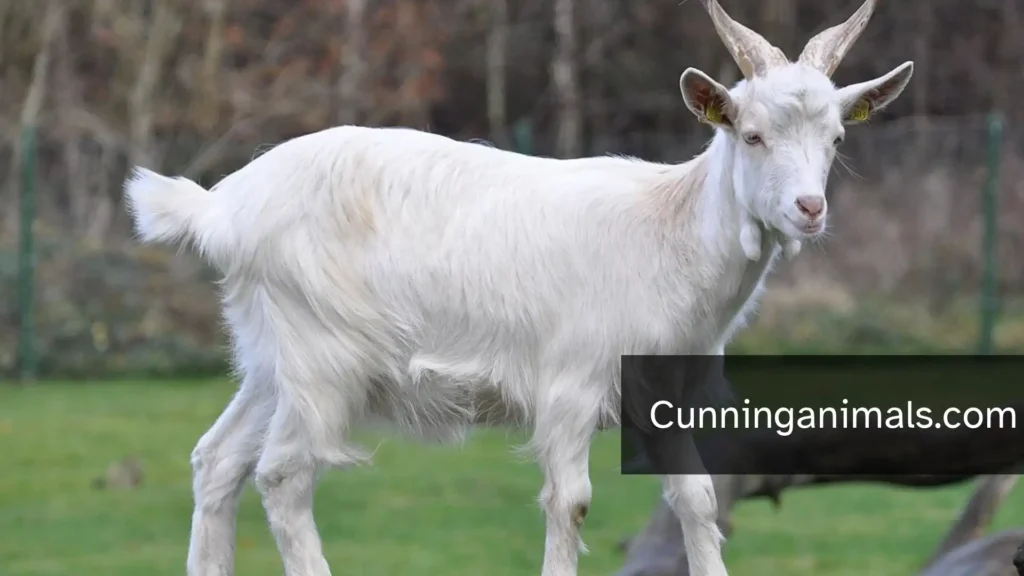
Fruit is an occasional food, not a defining part of their diet. What a goat eats depends on access and how it is managed.
Ant
Scientific name: Formicidae family (species varies)
Class: Insecta
Diet: Varies by species; often includes plant and animal foods
Some ants feed on sugary liquids and may use juices from fruit. Berry use is not the same across all ant species.
Ants can also collect seeds or hunt small prey, depending on the species.
Weasel
Scientific name: Mustela genus (species varies)
Class: Mammalia
Diet: Carnivore
Weasels are carnivores whose diets center on prey, rather than berries. Berry eating should not be described as a typical habit for the group.
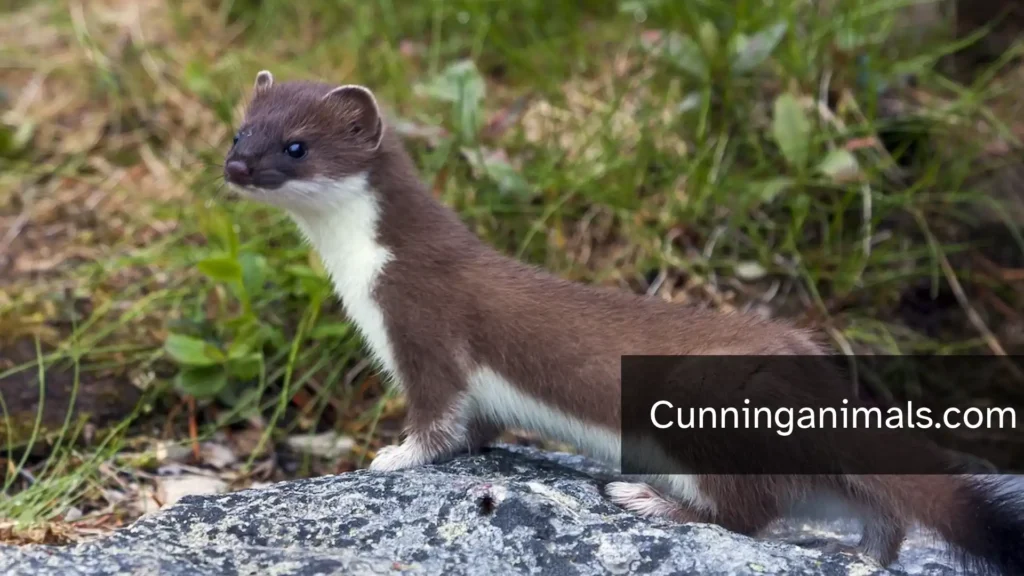
Feeding details can differ among species, so claims about occasional fruit need specific support. Weasels Are Carnivores, So Berries Are Not A Typical Part Of Their Diet. They Mostly Hunt Small Prey. Their Feeding Habits Are Very Different From Omnivores Like Bears And Raccoons. To Compare Them With Similar Small Predators, See Animals Like Weasels.
Cedar Waxwing
Scientific name: Bombycilla cedrorum
Class: Aves
Diet: Primarily fruit; also insects
Cedar waxwings feed heavily on berries and other fruit when it is available. They may gather in groups around fruiting plants.
They also eat insects, particularly in warmer months. Their fruit-focused feeding makes them a strong example of a berry-eating bird.
Coyote
Scientific name: Canis latrans
Class: Mammalia
Diet: Omnivore
Coyotes may eat berries and other fruit, as well as animal prey. Their varied diet lets them use different food sources.
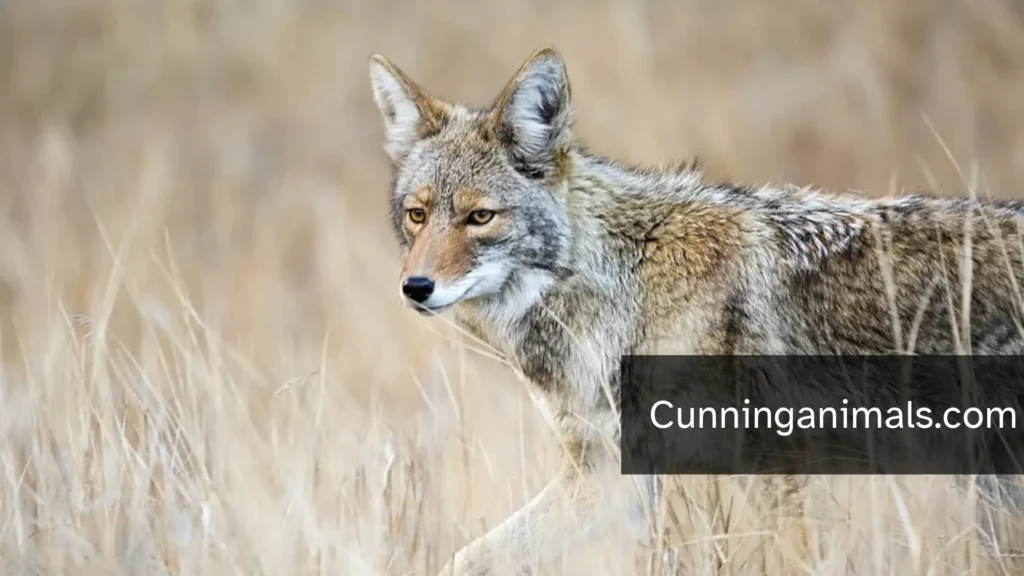
The foods they consume depend on local availability. Berries are a possible supplement, not the only component of their feeding.
Blackbird
Scientific name: Turdus merula (common blackbird)
Class: Aves
Diet: Omnivore
Common blackbirds eat berries and other fruit as well as invertebrates. They may forage among shrubs and trees for ripe fruit.
Their diet changes as food availability shifts through the year. Worms and insects provide other foods alongside berries.
Berry-eating animals often adjust their menus as food availability changes. For several familiar mammals and birds, fruit becomes an important seasonal option.
Interesting Facts About Animals That Eat Berries
- Bears may eat large quantities of berries during late summer and fall.
Bears May Eat Large Quantities Of Berries During Late Summer And Fall. This Helps Them Build Fat Before Winter. Few Animals Can Match Their Appetite At This Time Of Year. To Meet Other Big Eaters, See Animals That Eat A Lot. - Robins change their diets with the seasons, switching between foods such as invertebrates and fruit.
- Squirrels sometimes eat berries when they are available.
- Coyotes can consume considerable amounts of fruit during certain seasons.
- Some birds depend on fruits that remain available through winter.
Berries also connect animals with the plants around them. Some animals mix fruit with other foods, while others help carry seeds to new places.
- Cedar waxwings can swallow many small fruits, including berries.
- Foxes may eat berries as well as small animals.
- Raccoons have highly varied diets that can include berries.
- Fruit bats help disperse seeds over long distances.
- Berry-eating animals help many wild plants reproduce by spreading their seeds.
Conclusion
Animals That Eat Berries include birds, mammals, and other wildlife, but berries are only one part of many species’ diets. What they eat and when can vary with the season and what’s available. Berries Are Only One Of Many Plant Foods That Wildlife Depend On. Some Animals Eat Fruit, While Others Eat Seeds, Leaves, Or Even Cactus. Each Species Adapts To What Its Habitat Offers. For A Very Different Plant Diet, Read Animals That Eat Cactus.
To learn more about the wildlife around you, note which berry plants are nearby and observe animal activity from a respectful distance.
FAQs
What Animals Eat Berries?
Birds, Bears, Foxes, Deer, Raccoons, Squirrels, And Mice All Eat Berries. Birds Like Robins And Cedar Waxwings Are Especially Fond Of Them. Berries Are An Easy, Sugar-Rich Food, Especially In Late Summer And Fall.
What Animals Eat Blackberries?
Bears, Deer, And Birds Such As Robins And Catbirds Eat Blackberries. Foxes, Raccoons, Rabbits, And Mice Also Take The Fruit And Sometimes Gnaw The Canes. Birds Spread The Seeds Through Their Droppings.
What Animals Eat Berries In The Forest?
Forest Bears, Deer, Elk, Foxes, Squirrels, And Chipmunks All Eat Wild Berries. Birds Like Grouse And Thrushes Feed On Berries From Shrubs And Vines. Berries Are A Key Seasonal Food For Forest Wildlife.
Are Berries Good For Wild Animals?
Yes, Wild Berries Are A Natural, Healthy Food For Most Wildlife. However, You Should Not Hand-Feed Wild Animals, Since It Makes Them Lose Their Fear Of People. Planting Native Berry Bushes Is A Safer Way To Help.