16 Animals That Eat Cactus: Amazing Desert Survivors
Animals that eat cactus are more than just curiosities of the desert; they are vital players in maintaining ecological balance in arid ecosystems. From iconic species to lesser-known residents, these animals employ innovative techniques to consume what eats cacti, showcasing their unique adaptations.
In this article, readers will discover a fascinating lineup of 16 remarkable species and learn how their dietary choices influence their environment. Understanding what eats cactus not only enriches our appreciation of these resilient animals but also sheds light on their roles in sustaining biodiversity in challenging landscapes.
What Animals Eat Cactus?
Animals that eat cactus include various species adapted to arid environments. Notably, desert-dwelling creatures like the desert tortoise and certain rodents thrive on the spiny foliage. Additionally, larger animals like birds and jackrabbits consume cactus pads and fruits, utilizing their unique adaptations to overcome the plant’s defenses.
Interestingly, these interactions play a vital role in desert ecosystems. For example, when animals that eat cactus consume the fruit, they inadvertently aid in seed dispersal, promoting plant reproduction. This mutualistic relationship highlights the intricate balance between flora and fauna in harsh habitats, showcasing nature’s resilience.
Top 16 Animals That Eat Cactus
| Rank | Animal | Class | Diet | Cactus They Eat |
| 1 | Bighorn Sheep | Mammal | Herbivore | Prickly pear |
| 2 | Galápagos Tortoise | Reptile | Herbivore | Cactus pads & fruit |
| 3 | Kangaroo Rat | Mammal | Herbivore | Cactus parts |
| 4 | Camel | Mammal | Herbivore | Prickly plants & cactus |
| 5 | Desert Iguana | Reptile | Herbivore | Prickly pear |
| 6 | Javelina | Mammal | Omnivore | Cactus pads & fruit |
| 7 | Prairie Dog | Mammal | Herbivore | Cactus |
| 8 | Pronghorn | Mammal | Herbivore | Cactus pads & fruit |
| 9 | Squirrel | Mammal | Omnivore | Cactus fruit/pads |
| 10 | Cactus Wren | Bird | Omnivore | Cactus fruit |
| 11 | Mule Deer | Mammal | Herbivore | Cactus |
| 12 | Rabbit | Mammal | Herbivore | Cactus pads |
| 13 | Pack Rat | Mammal | Omnivore | Cactus |
| 14 | Desert Tortoise | Reptile | Herbivore | Cactus pads & fruit |
| 15 | Jackrabbit | Mammal | Herbivore | Cactus |
| 16 | Collared Peccary | Mammal | Omnivore | Prickly pear |
Bighorn Sheep
Scientific Name: Ovis canadensis
Class: Mammalia
Habitat: Rocky mountains and hilly terrains
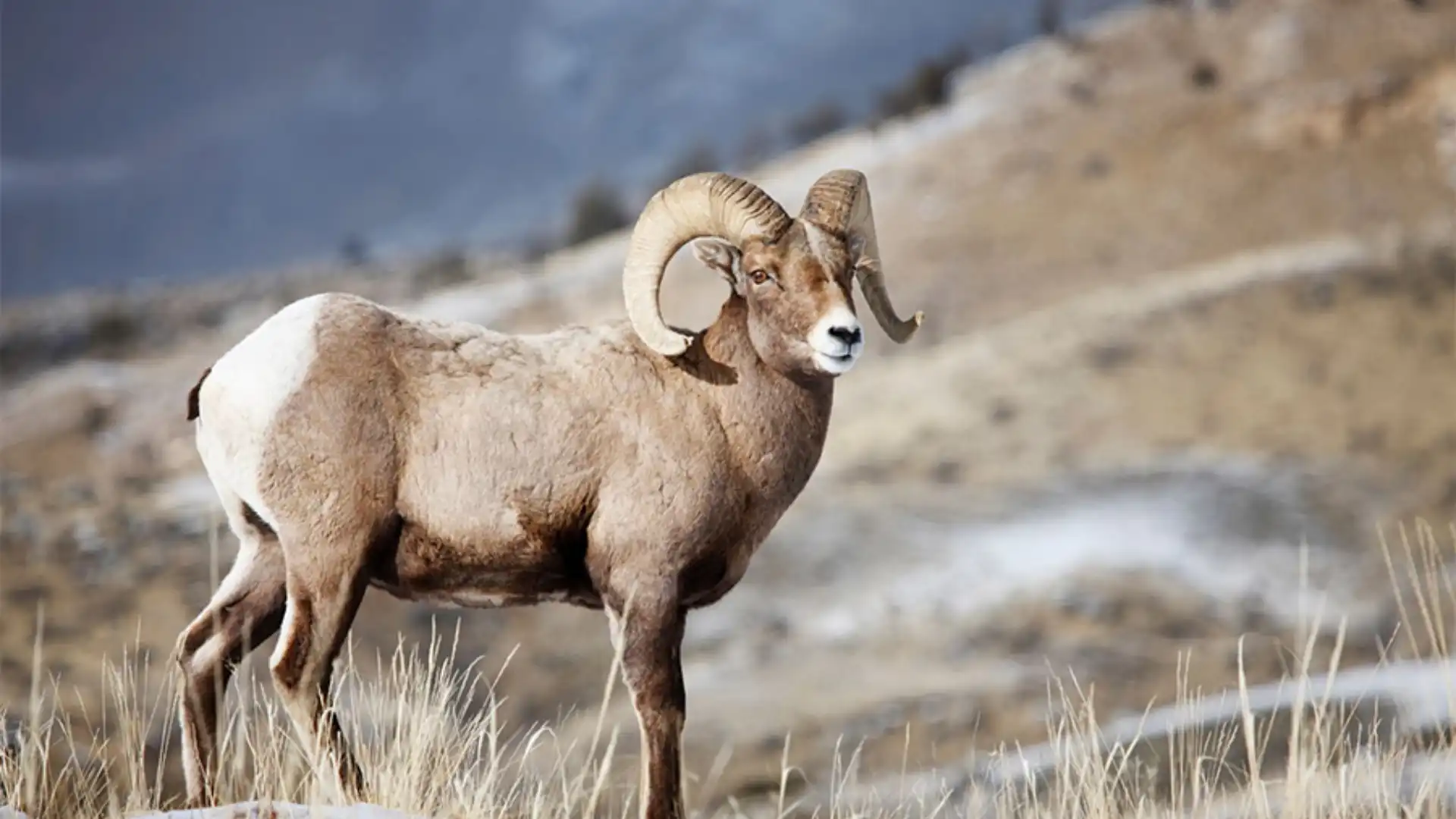
Bighorn sheep are fascinating social animals that roam rugged terrains in tight-knit herds, relying on each other for survival. If you enjoy learning about animals with striking physical features and strong social bonds, check out our guide on Animals That Have Manes for more impressive and majestic creatures worth discovering.
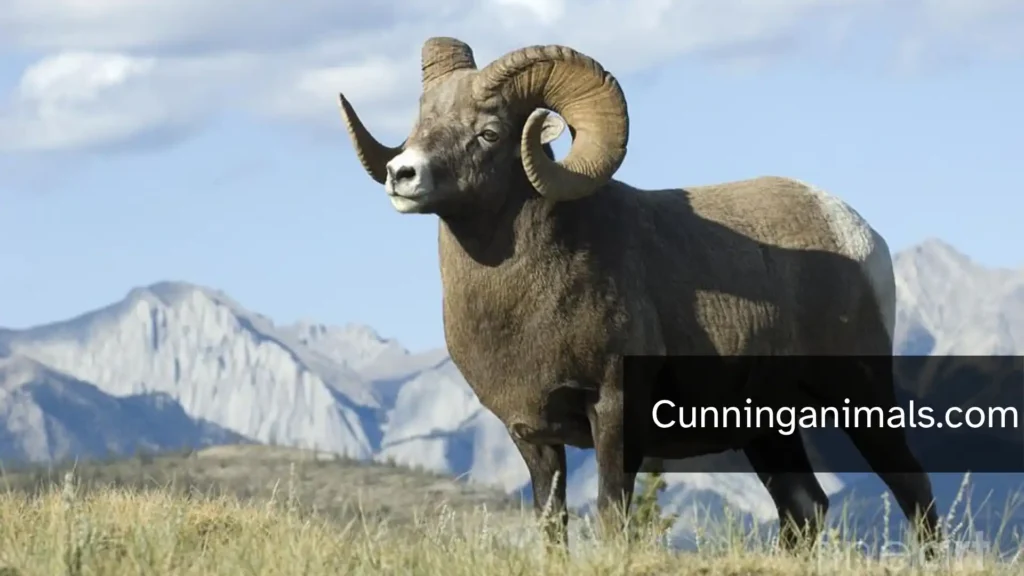
The social structure of bighorn sheep adds to their intriguing nature, as they live in tight-knit groups called herds. Their challenges, from harsh weather to predators, teach valuable lessons about teamwork and social bonds. Together, they face adversities, embodying the spirit of unity and shared survival.
Galápagos Tortoise
Scientific Name: Chelonoidis nigra
Class: Reptilia
Habitat: Galápagos Islands
The Galápagos tortoise is one of the planet’s most iconic creatures, recognized for its impressive longevity and unique adaptations. With lifespans that can exceed a century, these gentle giants evoke a sense of wonder and appreciation for nature’s resilience. Their slow, deliberate movements serve as a reminder to embrace patience and mindfulness in our own journeys.
These tortoises help shape their ecosystem, dispersing seeds and maintaining the delicate balance of their environment. Observing their serene existence inspires a deeper connection to our world, encouraging us to cherish every moment and respect the life that flourishes around us.
Kangaroo Rat
Scientific Name: Dipodomys spp.
Class: Mammalia
Habitat: Desert regions, particularly sandy or loose soil areas
Kangaroo rats, with their remarkable agility and adaptation to arid environments, embody the spirit of survival. These small rodents, champions of the desert, can go for long periods without water, drawing moisture from the seeds they eat. Their ability to thrive against all odds reminds us of the potential for resilience in our own lives, even when challenges seem overwhelming.
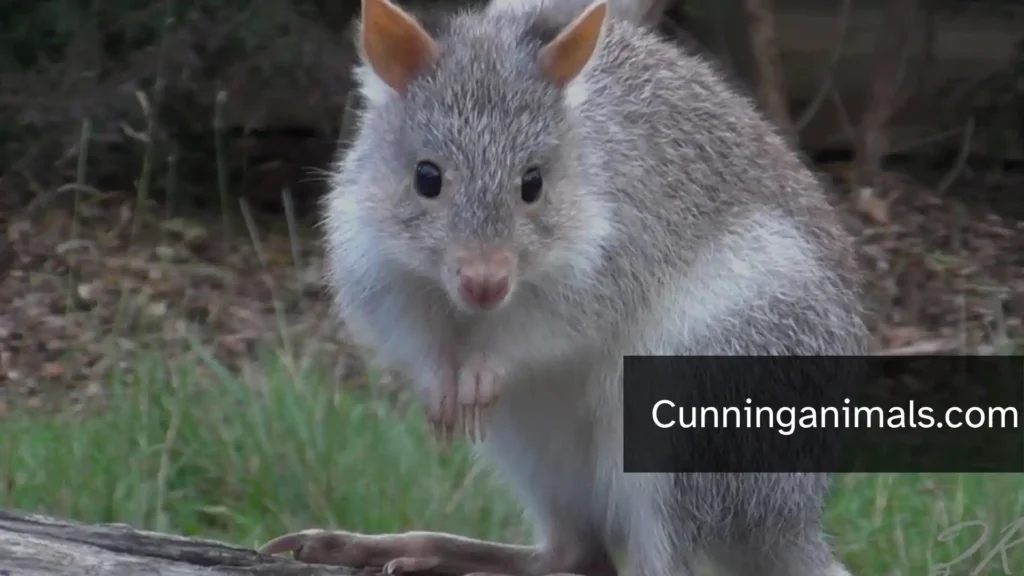
In addition to their impressive physiological adaptations, kangaroo rats contribute significantly to the ecosystem by aerating the soil and dispersing seeds. This illustrates the interconnectedness of life; each creature has a role to play in fostering a healthy environment. Observing their energetic leaps invites us to embrace our own unique journeys with enthusiasm and joy.
Camel
Scientific Name: Camelus spp.
Class: Mammalia
Habitat: Deserts and arid regions
Camels, often referred to as the “ships of the desert,” showcase incredible adaptability to intriguing environments. These animals are designed for endurance, capable of traveling long distances without water in the blistering heat. Their unique adaptations prompt us to reflect on our capacity for resilience, even in the face of life’s harshest conditions.
Beyond their remarkable stamina, camels play an essential role in their habitats, aiding in the transport of goods and offering companionship to nomadic cultures. They remind us of community support and cooperation, encouraging us to stand by one another during challenging times. Observing camels encourages a spirit of gratitude, reminding us of the connections we forge in our own lives.
Desert Iguana
Scientific Name: Dipsosaurus dorsalis
Class: Reptilia
Habitat: Desert environments, particularly arid scrubland
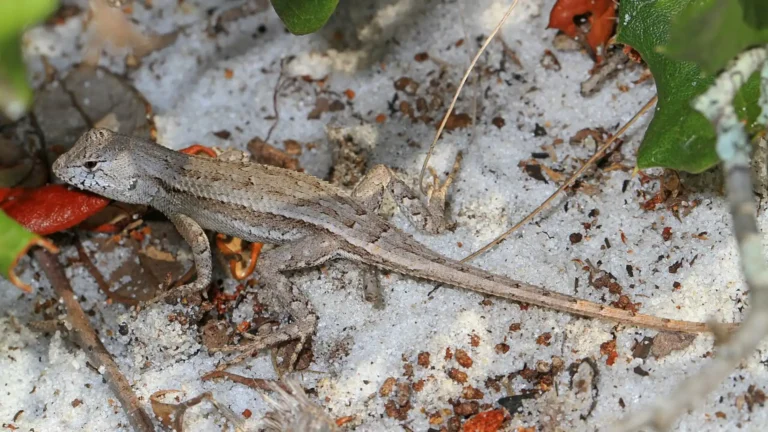
The desert iguana stands as a testament to nature’s ability to thrive in conditions that many would find inhospitable. With its remarkable camouflage and ability to warm itself under the sun, this reptile is a master of the desert. Its unique behaviors serve as a gentle nudge to find comfort and resilience in our own unique situations, no matter how daunting they may seem.
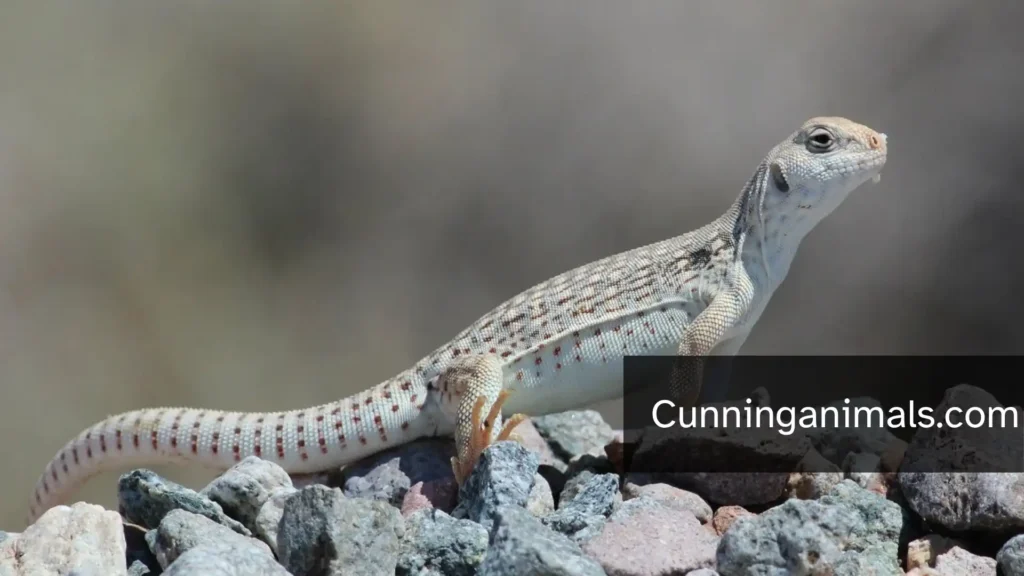
As part of the ecosystem, desert iguanas play a vital role in maintaining the balance of their surroundings. Their presence nourishes the food chain and reminds us that every living being has a purpose. Appreciating these creatures encourages us to seek out the roles we play in our communities, and to celebrate the connections we foster with the world around us.
Javelina
Scientific Name: Pecari tajacu
Class: Mammalia
Habitat: Desert scrub and semi-arid areas
Javelinas, often mistaken for wild pigs, are intriguing creatures that thrive in diverse habitats. Their social nature allows them to live in groups, fostering a sense of community and collaboration. Watching these animals interact invites us to reflect on the importance of camaraderie and teamwork in our own daily lives.
Javelinas are social creatures that inhabit diverse wetland-adjacent and scrub environments, playing a key role in their ecosystems. If you’re curious about animals that thrive in wet and marshy habitats, our guide on Animals That Live in Bogs offers a fascinating look at species adapted to very different but equally unique environments.
Prairie Dog
Scientific Name: Cynomys spp.
Class: Mammalia
Habitat: Grasslands and plains
Prairie dogs are captivating social animals known for their elaborate underground burrows and lively communities. These energetic creatures thrive in close-knit families, displaying leadership and cooperation to ensure the well-being of their colonies. Their communal spirit reminds us that together, we can face challenges and foster a sense of belonging in our lives.
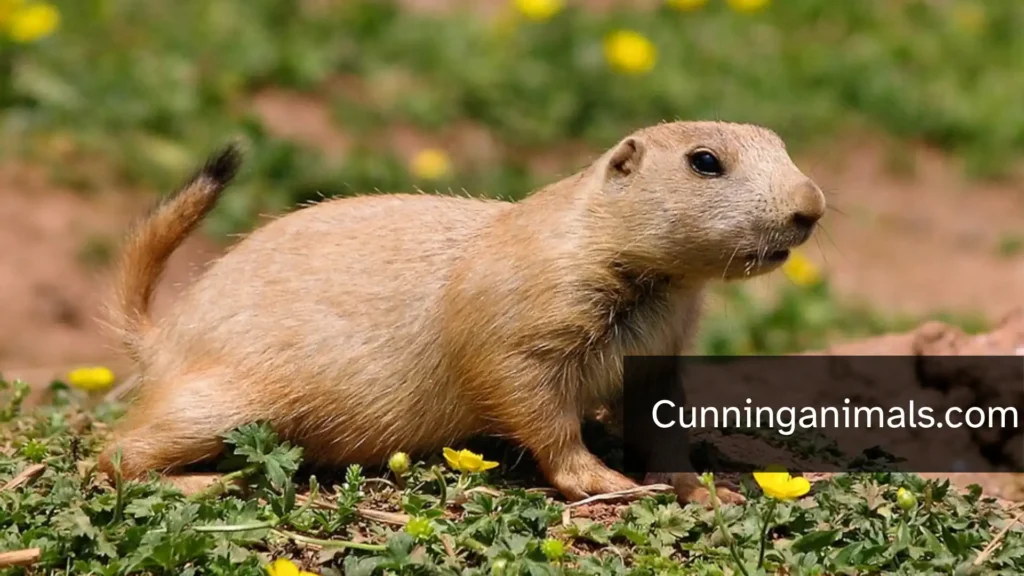
Inhabiting vast grasslands, prairie dogs play a crucial role in their ecosystems, enriching the soil and providing habitats for other species. This interconnectedness underscores the importance of relationships in nature and encourages us to find purpose in our connections with others. Observing prairie dogs serves as a heartfelt reminder to embrace community and nurture the bonds we share.
Pronghorn
Scientific Name: Antilocapra americana
Class: Mammalia
Habitat: Grasslands and open plains
The pronghorn is an extraordinary creature known for its remarkable speed, making it one of the fastest land animals in North America. With their keen eyes and grace, pronghorns navigate wide-open spaces, a symbol of freedom and the exhilaration of life. Their ability to thrive in expansive environments invites us to reflect on the importance of embracing our own journeys with enthusiasm and vigor.
These animals are also key players in their ecosystem, influencing the balance of plant life as grazers. Their instinctual behaviors encourage us to respect our surroundings and appreciate the dynamics of nature. Observing pronghorns inspires a sense of awe for the beauty of wildlife and the connections that weave through our everyday lives.
Squirrel
Scientific Name: Sciurus spp.
Class: Mammalia
Habitat: Forests, woodlands, and urban areas
Squirrels are delightful creatures known for their agility and playful nature, often seen darting from tree to tree. Their resourcefulness in gathering and storing food showcases wonderful lessons in preparation and foresight. Watching squirrels reminds us to approach our tasks with a sense of playfulness and joy, even in the face of life’s challenges.
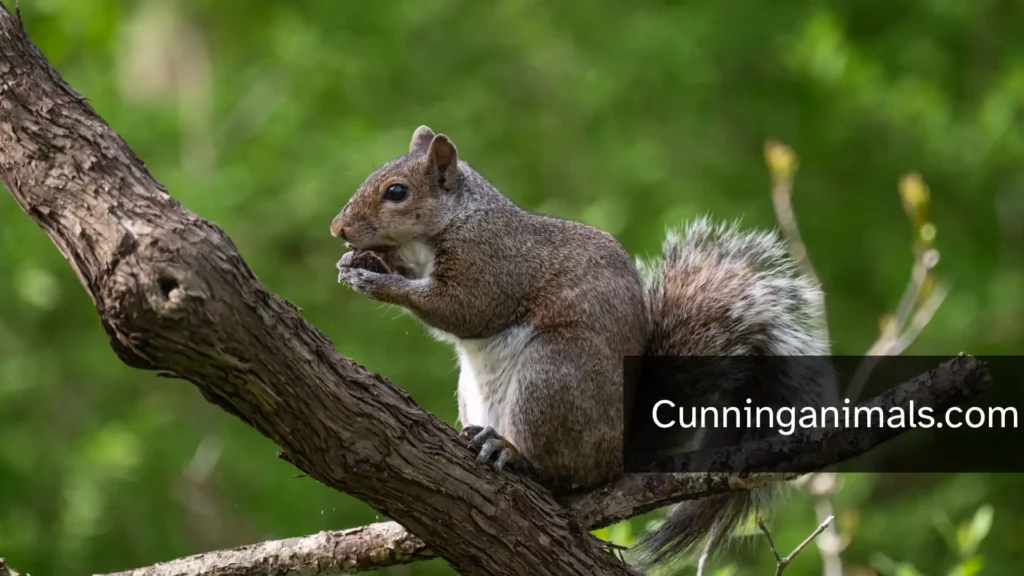
Beyond their charming antics, squirrels play a vital role in forest ecosystems by aiding in the dispersal of seeds, which helps foster plant growth. Their contributions highlight the importance of every creature’s role in maintaining the balance of nature. Embracing the presence of squirrels in our lives encourages us to appreciate the small things that can lead to big impacts.
Cactus Wren
Scientific Name: Campylorhynchus brunneicapillus
Class: Aves
Habitat: Desert regions, especially around cacti and shrubs
The cactus wren is a spirited bird, often seen flitting among the spiny arms of cacti in arid landscapes. Known for its melodic songs and bustling presence, this bird symbolizes the beauty of life thriving in challenging environments. Observing cactus wrens encourages us to celebrate the vibrancy of life, even in seemingly harsh conditions.
These resourceful birds build complex nests, often hidden among thorns for protection, showcasing their cleverness and adaptability. Their behavior highlights the importance of resilience and resourcefulness in our own lives. Watching cactus wrens can inspire a deep appreciation for nature’s creativity and the home we all cultivate in our journeys.
Mule Deer
Scientific Name: Odocoileus hemionus
Class: Mammalia
Habitat: Forests, brushlands, and arid regions
Mule deer are graceful creatures known for their large ears and distinctive black-tipped tails. These gentle animals thrive in diverse habitats, reflecting adaptability in a changing world. Observing mule deer encourages us to find beauty in our surroundings and appreciate the quiet strength that comes from living harmoniously within nature.
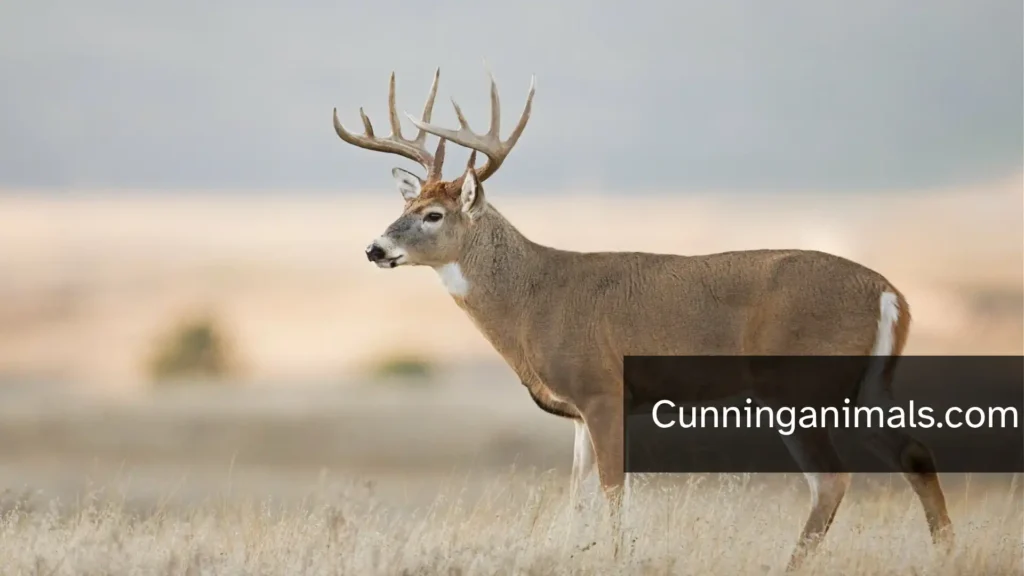
As herbivores, mule deer are integral to their ecosystems, supporting plant health and biodiversity. Their presence serves as a reminder of the significance of each creature’s role in maintaining balance around us. Watching mule deer inspires us to cultivate gratitude for the intricate web of life that connects us all and to treasure our place in that tapestry.
Rabbit
Scientific Name: Oryctolagus cuniculus
Class: Mammalia
Habitat: Grasslands and forests
Rabbits are endearing, nimble creatures known for their soft fur and lively personalities. With their quick movements and long ears, these animals remind us of the magic of nature and the joy found in everyday moments. Observing rabbits invites us to embrace playfulness and to appreciate the simple pleasures in life.
In addition to their charm, rabbits contribute to their ecosystems by promoting plant growth through grazing and serving as prey for numerous predators. They illustrate the delicate balance of life and the importance of interconnectedness. Watching rabbits can inspire a renewed sense of wonder and appreciation for the world around us.
Pack Rat
Scientific Name: Neotoma spp.
Class: Mammalia
Habitat: Desert and scrub environments
Pack rats, or wood rats, are fascinating creatures known for their interesting habits of collecting shiny objects and building elaborate nests. Their resourcefulness and creativity in gathering materials highlight the beauty of adaptation and innovation. Observing pack rats encourages us to see value in the little things and reminds us of the treasures we may overlook in our daily lives.
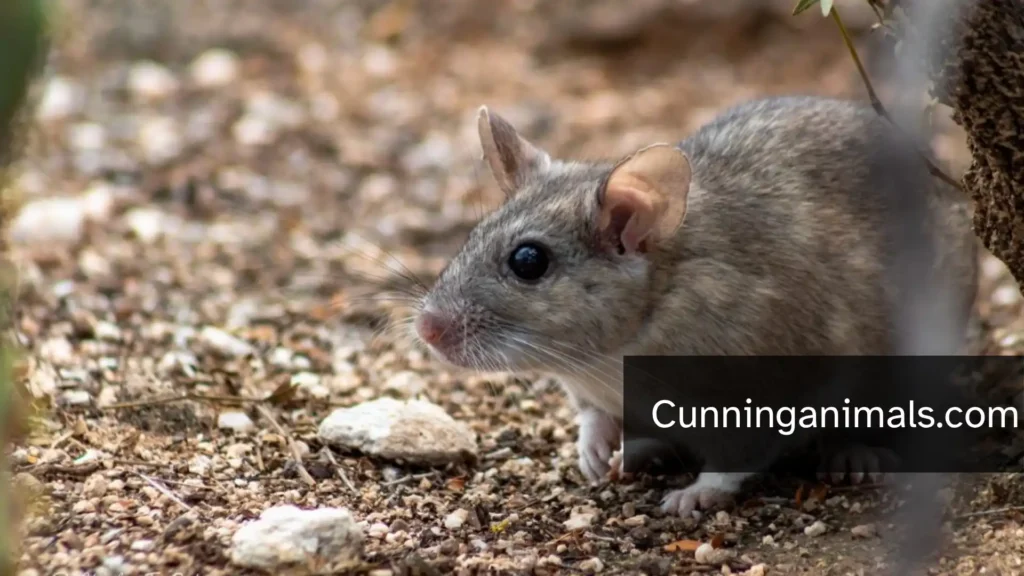
These animals play a significant role in their habitats by contributing to seed dispersal and recycling materials in their environments. Their industriousness serves as a reminder that every contribution matters in the grand scheme of nature. Watching pack rats invites us to embrace the spirit of community and the joy of creating a meaningful life together with others.
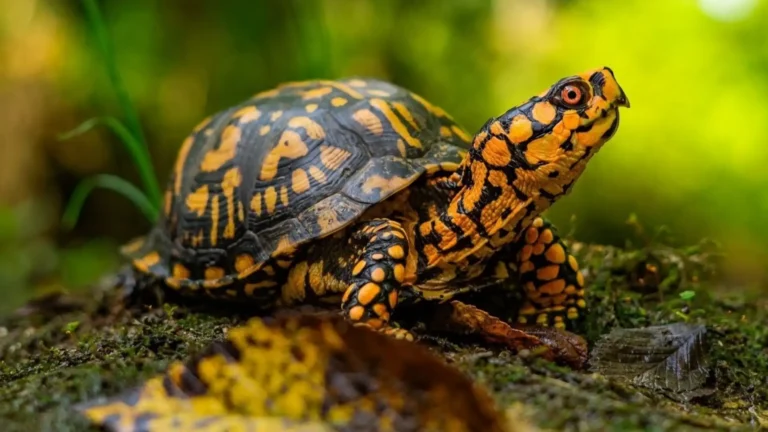
Desert Tortoise
Scientific Name: Gopherus agassizii
Class: Reptilia
Habitat: Desert regions of the southwestern United States
Desert tortoises are solitary survivors that quietly endure some of the harshest conditions nature has to offer. If you’re fascinated by animals that prefer a lone lifestyle, explore our article on Solitary Animals in the World to discover more incredible creatures that thrive on their own terms.
Desert tortoises also play a vital ecological role; their burrowing helps aerate the soil and creates shelters for other species. This interconnectedness illustrates the importance of every creature’s contribution to the health of the environment. Taking the time to appreciate desert tortoises inspires gratitude for the lives we lead and the nurturing of connections in our communities.
Jackrabbit
Scientific Name: Lepus californicus
Class: Mammalia
Habitat: Arid zones, grasslands, and deserts
Jackrabbits are remarkable creatures known for their incredibly long ears and impressive speed, allowing them to thrive in arid environments. These agile animals are a reminder of the freedom found in adaptability and the excitement of life’s unpredictable nature. Observing jackrabbits encourages us to move forward with enthusiasm and embrace the journeys that lie ahead.
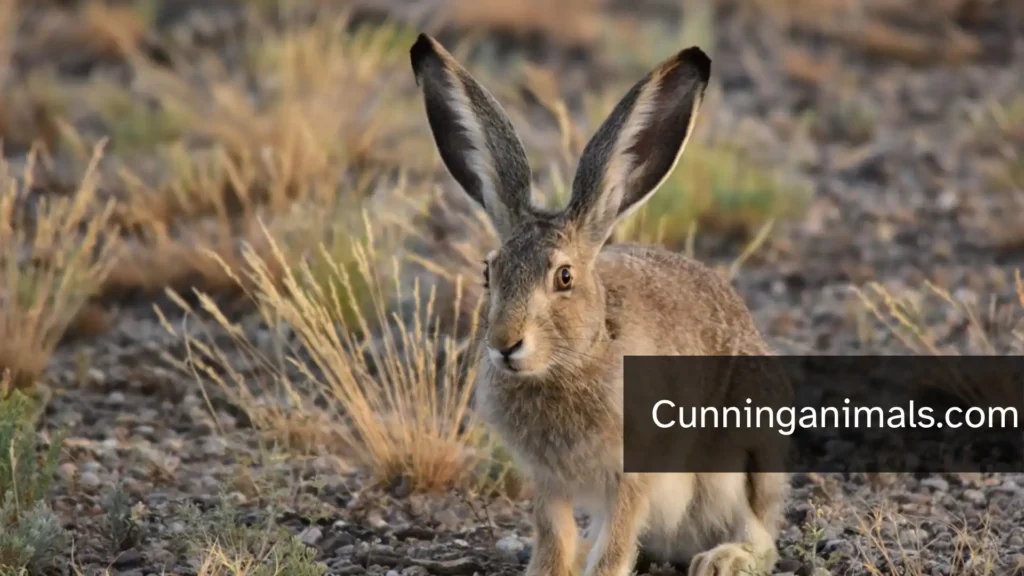
Their presence in ecosystem dynamics also showcases the importance of balance in nature. As prey for numerous predators, jackrabbits contribute to the life cycle, illustrating the interconnected web of existence. Watching them leap with delight can inspire a renewed appreciation for the beauty and resilience of life that surrounds us.
Collared Peccary
Scientific Name: Pecari tajacu
Class: Mammalia
Habitat: Forests, grasslands, and scrub areas
Collared peccaries are social animals known for their strong family bonds and distinctive collar-like band of bristles around their neck. These creatures thrive in a range of habitats, teaching us the significance of community and cooperation. Observing their interactions inspires us to cherish our connections and nurture the relationships that enrich our lives.
In addition to their fascinating behavioral traits, peccaries play an essential role in maintaining the balance of their ecosystems. Their foraging and rooting practices contribute to soil health and vegetable growth. Watching these remarkable animals reminds us of the importance of each being’s role in nature, encouraging gratitude for the interdependence that defines life on Earth.
Amazing Facts About Animals That Eat Cactus
Cacti play a vital role in arid ecosystems, serving as crucial survival resources for various animals. Prickly pear, a type of cactus, is a particular favorite among several species, offering both nourishment and hydration in harsh environments. Animals like grazing cows and javelinas have adapted to munch on these spiny plants, while birds and reptiles also find refuge in their protective cover.
- Javelinas and desert bighorn sheep relish prickly pear pads and fruits for their juicy interiors.
- Birds such as the cactus wren and Gila woodpecker feast on cactus fruit, relying on its sugars for energy.
- Tortoises and certain lizards will consume cactus to sustain themselves, tapping into its moisture content.
- Many mammals, including rodents, use small cacti as a critical water source during drought.
- The cactus’s spines provide an additional benefit, deterring larger herbivores from overgrazing, thus preserving the vital resource.
Conclusion
The stunning variety of animals that eat cactus illustrates the resilience and adaptability of life in the desert. Species such as the javelina and the various birds that feast on cacti demonstrate innovative methods of overcoming the challenges posed by such a harsh ecosystem.
By examining what eats cactus, we can better appreciate the delicate balance of nature and the essential roles these animals play within their environments. Observing these remarkable interactions deepens our understanding of desert ecosystems and emphasizes the need for conservation efforts.
FAQS
What Animals Eat Cactus In The Desert?
Several desert animals eat cactus, including javelinas, desert tortoises, jackrabbits, rodents, and some birds. They may eat the pads, flowers, fruits, or other soft parts, depending on the cactus species.
Does Rat Eat Cactus?
Yes, some rats eat cactus. Desert rodents, including pack rats, may feed on cactus pads and fruits. They can also gnaw on cactus to obtain moisture when water is scarce.
Which Insects Eat Cactus?
Common cactus-eating insects include cactus bugs, cochineal insects, scale insects, mealybugs, and cactus moth larvae. Some feed on the plant’s sap, while others damage the pads, stems, or roots.
What Animal Will Eat A Cactus?
Javelinas are well known for eating cactus, especially prickly pear. They can chew and digest cactus pads despite the spines, while other animals may eat the fruit or softer parts.
What kills Cactus Naturally?
Cacti can naturally die from fungal or bacterial diseases, insect infestations, excessive moisture, root rot, prolonged drought, extreme temperatures, and physical damage. Overwatering is especially dangerous because it can cause the roots to rot.