17 Animals With Big Foreheads You Won’t Believe Exist
The intriguing world of animals with big foreheads reveals surprising adaptations that serve various purposes in nature. Among these fascinating creatures, the dolphin with a big forehead stands out, often gaining attention for its distinctive shape.
From enhanced swimming capabilities to unique communication signals, these features are crucial for survival and social interaction. This article dives into 17 such animals, highlighting their characteristics and exploring which animal has the biggest forehead, enriching our understanding of evolution and biodiversity.
What Animal Has the Biggest Forehead?
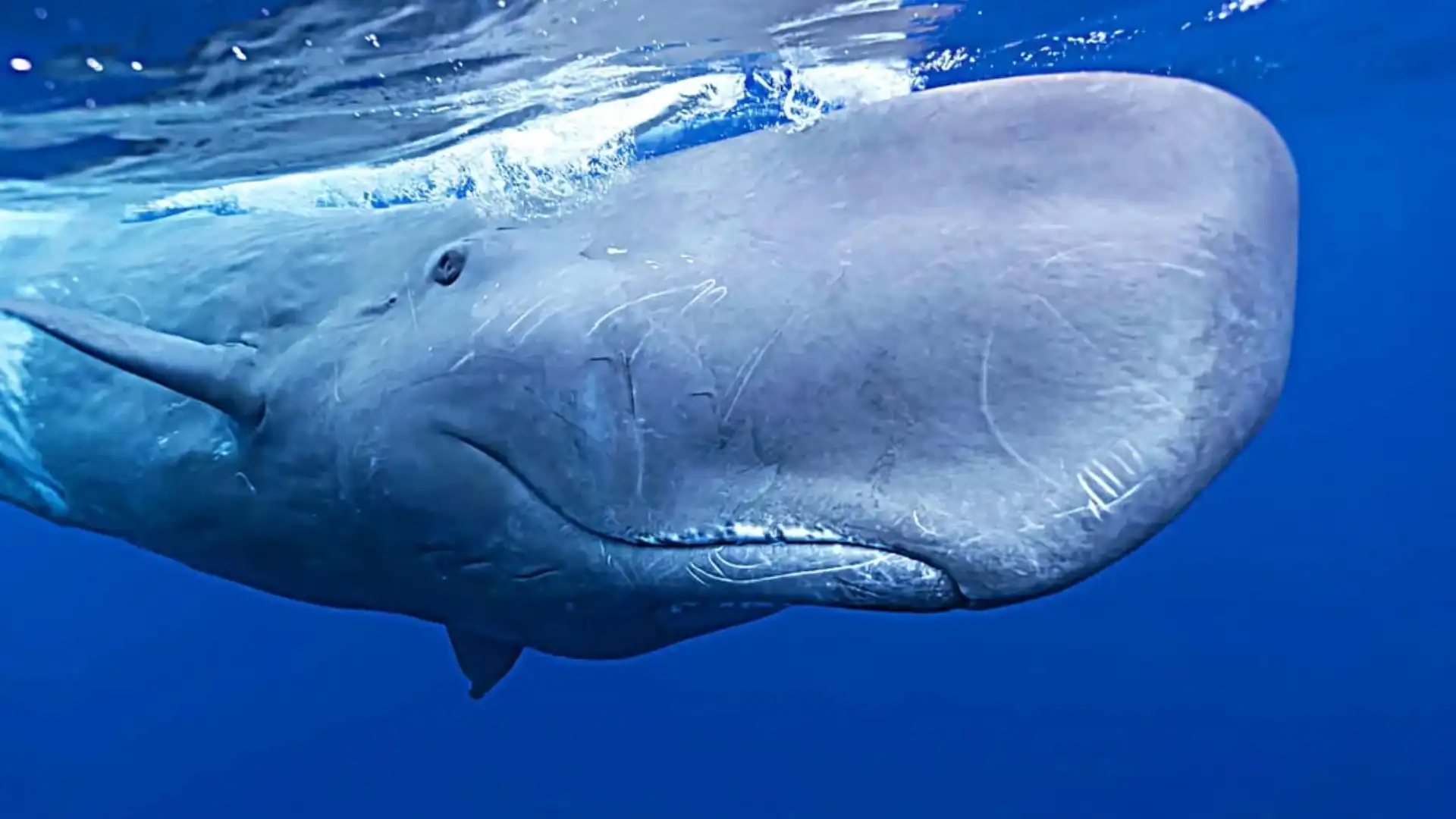
The sperm whale holds the title for the largest forehead in the animal kingdom. This remarkable structure, called the “melon,” comprises fatty tissues that play a crucial role in echolocation. The melon’s unique shape helps focus and modulate sound waves, allowing these deep-sea giants to navigate and hunt effectively in the dark depths of the ocean.
Beyond its impressive size, the sperm whale’s forehead also serves as a fascinating example of evolutionary adaptation. The large head can contain significant amounts of spermaceti, a waxy substance once coveted for oil. This not only provides buoyancy but also aids in thermoregulation.
Top 17 Animals With Big Foreheads
| Rank | Animal | Scientific Name | Class | Key Feature |
| 1 | Sperm Whale | Physeter macrocephalus | Mammalia | Huge block-shaped head |
| 2 | Beluga Whale | Delphinapterus leucas | Mammalia | Rounded melon |
| 3 | Bottlenose Dolphin | Tursiops truncatus | Mammalia | Prominent melon |
| 4 | Asian Elephant | Elephas maximus | Mammalia | Broad forehead |
| 5 | African Elephant | Loxodonta africana | Mammalia | Large rounded forehead |
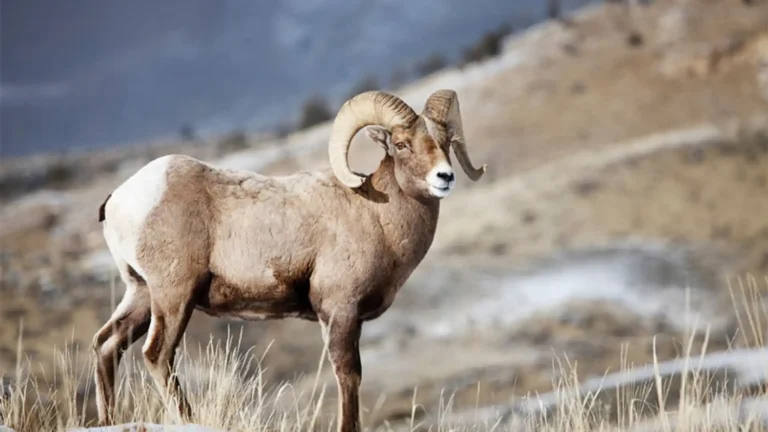
| 6 | Bighorn Sheep | Ovis canadensis | Mammalia | Broad forehead and strong skull |
| 7 | Musk Ox | Ovibos moschatus | Mammalia | Thick, powerful forehead |
| 8 | Water Buffalo | Bubalus bubalis | Mammalia | Broad head |
| 9 | American Bison | Bison bison | Mammalia | Massive forehead and skull |
| 10 | Gorilla | Gorilla gorilla | Mammalia | Pronounced brow ridge |
| 11 | Chimpanzee | Pan troglodytes | Mammalia | Prominent brow region |
| 12 | Baboon | Papio spp. | Mammalia | Pronounced brow and muzzle |
| 13 | Hippopotamus | Hippopotamus amphibius | Mammalia | Massive head |
| 14 | Hammerhead Shark | Sphyrna spp. | Chondrichthyes | Wide hammer-shaped head |
| 15 | Walrus | Odobenus rosmarus | Mammalia | Broad forehead |
| 16 | Orangutan | Pongo spp. | Mammalia | Distinctive broad facial structure |
| 17 | Moose | Alces alces | Mammalia | Large head and broad forehead |
Sperm Whale
Scientific Name: Physeter macrocephalus
Class: Mammalia
Habitat: Deep ocean waters
The sperm whale, often seen gracefully surfacing to breathe, is a true marvel of the ocean depths. Known for its impressive size and intelligence, it communicates with powerful clicks and can dive deeper than any other mammal, showcasing both strength and grace. These gentle giants remind us of the importance of family, as they travel in pods, sharing bonds that last a lifetime.
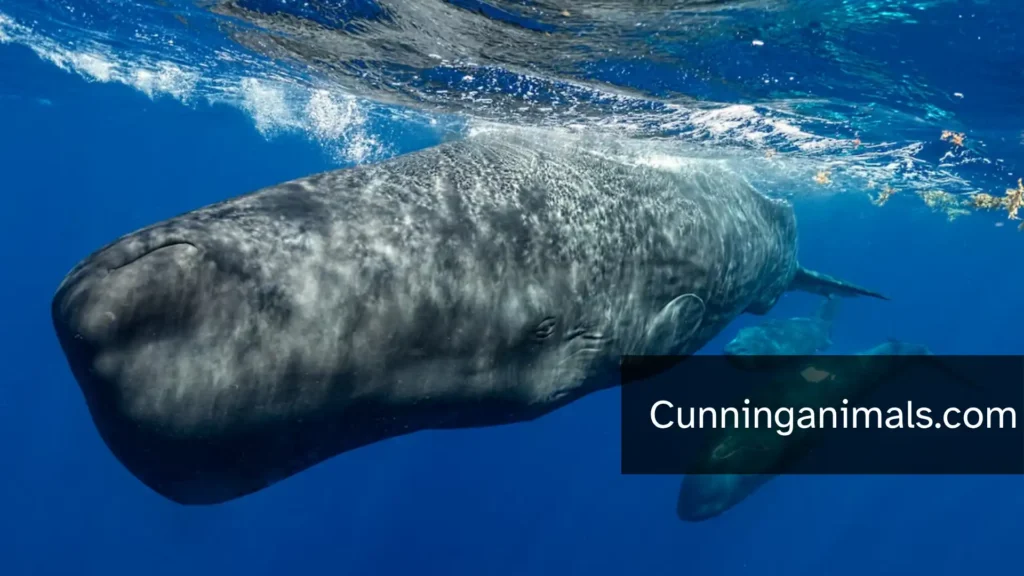
Their immense heads hold the key to their incredible echolocation abilities, allowing them to navigate the deep seas and hunt for squid and fish. The sperm whale’s unique adaptations illustrate nature’s creativity and resilience, encouraging us to appreciate the wonders of life beneath the waves and the connections we share with one another.
Beluga Whale
Scientific Name: Delphinapterus leucas
Class: Mammalia
Habitat: Arctic and sub-Arctic waters
Known as the “canaries of the sea” because of their melodic vocalizations, beluga whales enchant us with their playful nature and striking white color. These social creatures thrive in tight-knit family groups, highlighting the essence of community and friendship in the harsh Arctic environment. Belugas embody a spirit of resilience, reminding us that love and support can flourish even in the coldest of places.
As they adapt to their icy habitats, belugas also demonstrate the importance of communication and relationships among their kind. Their ability to navigate the complexities of their environment reflects the beauty of adaptability, inspiring us to embrace challenges and nurture connections with those we hold dear.
Bottlenose Dolphin
Scientific Name: Tursiops truncatus
Class: Mammalia
Habitat: Coastal and oceanic waters
Bottlenose dolphins are known for their intelligence and charming antics, often seen leaping gracefully through waves or riding the currents alongside boats. Their social structure is complex, with strong bonds formed within pods, offering us a glimpse into the beauty of friendship and collaboration. These playful beings embody joy, teaching us to embrace our own playful spirits and the connections we forge in our lives.

Their remarkable communication skills and problem-solving abilities highlight the importance of community and cooperation in navigating life’s challenges. Bottlenose dolphins remind us that laughter and camaraderie can uplift our hearts and lead us through even the stormiest seas.
Asian Elephant
Scientific Name: Elephas maximus
Class: Mammalia
Habitat: Forests, grasslands, and riverine environments
The magnificent Asian elephant, with its majestic stature and gentle demeanor, captivates all who encounter it. Known for their strong familial bonds, these elephants navigate life together, showcasing the true essence of love and support in the animal kingdom. They serve as a powerful reminder of the importance of nurturing our relationships and the strength we find in unity.
Asian elephants also display remarkable intelligence and emotional understanding, leading them to engage in compassionate behaviors within their herds. Their gentle presence encourages us to appreciate the beauty of empathy and community, inspiring us to create connections that uplift and enrich our own lives.
African Elephant
Scientific Name: Loxodonta africana
Class: Mammalia
Habitat: Savannas, forests, and grasslands
The African elephant stands as a symbol of strength and majesty, with its impressive size and intricate social structures reflecting a deep connection to family. These gentle giants exhibit remarkable intelligence and compassion, showcasing the importance of relationships and community in navigating the vast African landscapes. Their presence carries a message of hope, reminding us that strength can coexist with tenderness.
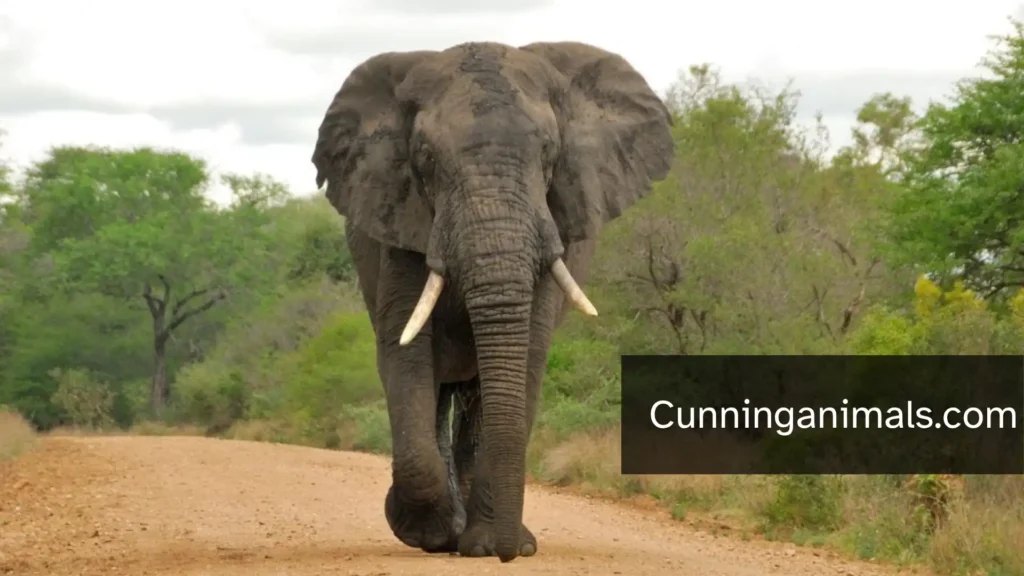
As they forage and travel across the savanna, African elephants illustrate the beauty of harmony in nature. Their protective nature towards their young and the wisdom of their matriarchs inspire us to honor our commitments to loved ones, embracing the values of care and nurturing.
Bighorn Sheep
Scientific Name: Ovis canadensis
Class: Mammalia
Habitat: Rocky mountain ranges and alpine habitats
Bighorn sheep are an awe-inspiring sight as they navigate steep cliffs and rocky terrains with agility and grace. Their impressive horns, which curl dramatically, symbolize strength and resilience, reminding us of the challenges we can overcome with determination. Living in herds, these animals emphasize the importance of community and support among kindred spirits on life’s journey.
Bighorn sheep are highly social, typically found in herds that move together across steep terrain for safety in numbers. Like many other animals that live in groups, this herd structure helps them watch for predators and share knowledge of grazing routes.
In the face of harsh mountain environments, bighorn sheep demonstrate adaptability and teamwork, inspiring us to face our own obstacles with both courage and unity. Their ability to thrive in rugged landscapes teaches us to embrace our unique strengths and the value of solidarity in pursuing our goals.
Musk Ox
Scientific Name: Ovibos moschatus
Class: Mammalia
Habitat: Arctic tundra and subarctic regions
Musk oxen, with their thick coats and sturdy builds, embody the spirit of resilience found in some of the harshest climates on Earth. Their unique social structures highlight the importance of teamwork as they huddle together for warmth during frigid temperatures. These remarkable creatures inspire us to find strength in unity, reminding us that we can thrive together, even when facing life’s chilling circumstances.
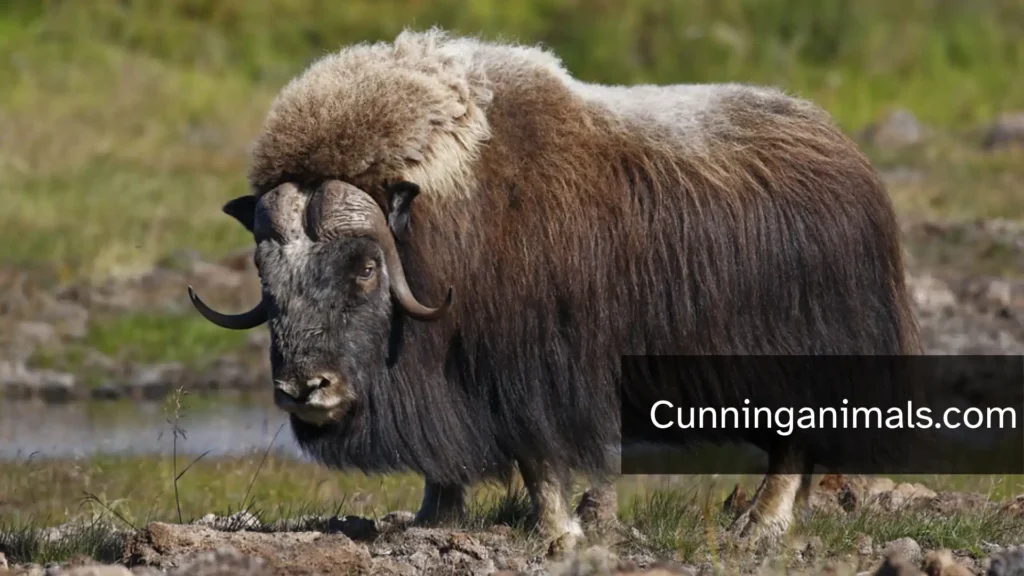
The musk ox’s hardy nature and ability to adapt reflect the beauty of perseverance. Their peaceful demeanor encourages us to appreciate the gentle strength within ourselves and the supportive relationships that nurture our growth amidst life’s challenges.
Water Buffalo
Scientific Name: Bubalus bubalis
Class: Mammalia
Habitat: Swamps, marshes, and river valleys
The water buffalo, with its powerful build and calm disposition, serves as a symbol of hard work and community spirit. Historically utilized in agriculture and transportation, these gentle giants epitomize the bond between humans and animals, showcasing the blessings of cooperation and shared purpose. Their presence reminds us of the rewards of diligence and the importance of nurturing our connections with those around us.
Water buffalo also play a vital role in maintaining healthy ecosystems, demonstrating the interconnectedness of life. Their gentle yet strong nature encourages us to embrace our responsibilities and strive for balance in our own lives.
American Bison
Scientific Name: Bison bison
Class: Mammalia
Habitat: Grasslands, plains, and open forests
The American bison, an iconic symbol of the Great Plains, represents strength and resilience as they gracefully roam vast landscapes. Their massive presence and gentle demeanor evoke a sense of awe, reminding us of the importance of nurturing our environment and protecting the rich tapestry of life. Bison serve as a powerful reminder that we all have a role to play in preserving the natural world.
Bison are also recognized for their shaggy coats and thick manes around the head and shoulders, which provide insulation during harsh winters. These animals with manes use this fur not just for warmth but also as a visual display of dominance.
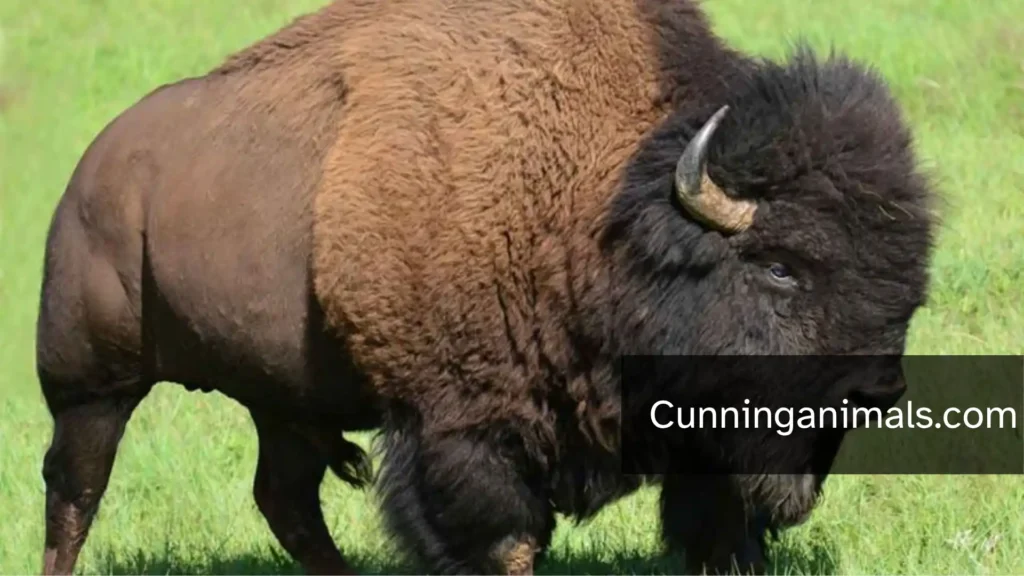
In their herds, they exhibit profound social connections, demonstrating the value of working together in the face of adversity. As we reflect on their journey, we are inspired to strengthen our own communal bonds and honor the interconnectedness of all living beings.
Gorilla
Scientific Name: Gorilla gorilla
Class: Mammalia
Habitat: Tropical and subtropical forests
The majestic gorilla captivates with its gentle strength and social bonds, living in cohesive family groups led by wise silverback males. These intelligent beings express deep emotions and communicate in nuanced ways, reminding us of the importance of empathy and care in our own interactions. Gorillas inspire us to embrace our own emotions and foster meaningful relationships that nurture growth.
Their strong presence in the wild serves as a powerful reminder of the fragility of nature and the need to protect these magnificent creatures. As we admire the gorilla’s grace, we are encouraged to foster a deeper appreciation for the natural world and the responsibility we share to safeguard it for future generations.
Chimpanzee
Scientific Name: Pan troglodytes
Class: Mammalia
Habitat: Tropical forests and savannas
Chimpanzees, with their incredible social structures and expressive behaviors, offer a glimpse into the beauty of familial ties and cooperation. Known for their intelligence and problem-solving skills, they exhibit a wide range of emotions, reminding us to celebrate our own connections with family and friends. Their playful antics inspire us to embrace a sense of wonder and discovery in our everyday lives.
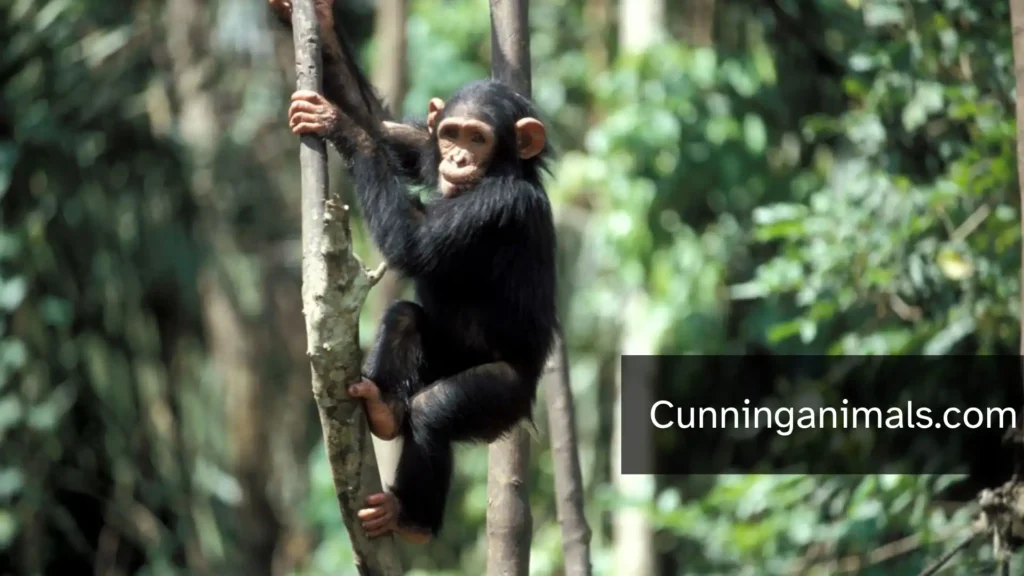
As we observe their interactions, we learn valuable lessons about teamwork and communication. Chimpanzees motivate us to nurture relationships and foster understanding, helping us build communities where everyone feels valued and appreciated.
Baboon
Scientific Name: Papio
Class: Mammalia
Habitat: Savannas, woodlands, and mountains
Baboons, renowned for their striking features and social dynamics, showcase the importance of community and family bonds within their troops. Their unique social hierarchies highlight the interplay of cooperation and individuality, teaching us how to navigate our own relationships with respect and understanding. Baboons embody a zest for life that inspires us to celebrate our own connections and engage fully in the world around us.
With their playful nature, they remind us of the importance of joy and laughter in our daily interactions. Observing baboons encourages us to forge authentic connections and embrace the beauty of shared experiences, enabling us to grow together in harmony.
Hippopotamus
Scientific Name: Hippopotamus amphibius
Class: Mammalia
Habitat: Rivers, lakes, and wetlands
The hippopotamus, though often seen as a gigantic and formidable creature, possesses an undeniable charm and a unique way of life. These semi-aquatic giants reside in water during the day, reinforcing the idea of balance between land and water, much like how we balance various aspects of our own lives. Their strong familial ties reflect the importance of nurturing relationships, showing us that love can flourish even in the most challenging of environments.
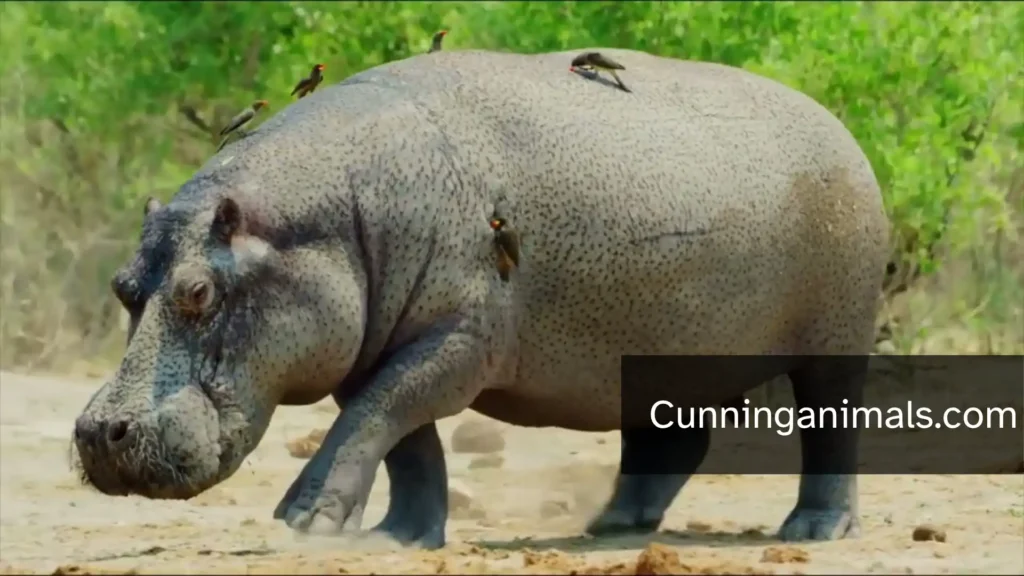
As semi-aquatic creatures, hippos spend most of their day submerged, making them one of the most well-known animals that live in rivers. This lifestyle helps regulate their body temperature and protects their sensitive skin from the sun. At night, they emerge to graze on land before returning to the water.
Hippos are social animals, often found in groups, which adds to their captivating presence. Their playful interactions and protective nature towards their young inspire us to celebrate the joyful moments while highlighting the need for devotion in our communal lives.
Hammerhead Shark
Scientific Name: Sphyrna
Class: Chondrichthyes
Habitat: Coastal warm waters
The hammerhead shark, with its distinctive head shape and remarkable hunting abilities, stands out as a captivating marine predator. Their unique anatomy allows for exceptional sensory perception, enabling them to navigate their environment with precision and confidence. Hammerheads remind us of the importance of embracing our own strengths and using them to carve our path through the complexities of life.
These sharks often gather in schools, showcasing their social nature and teamwork as they navigate the ocean. Their ability to thrive in both collaborative and solitary settings encourages us to build relationships while also embracing our individuality.
Walrus
Scientific Name: Odobenus rosmarus
Class: Mammalia
Habitat: Arctic and sub-Arctic regions
The walrus, with its impressive tusks and whiskered face, is a beloved inhabitant of icy waters, embodying a spirit of resilience and adaptability. Known for their social behavior, walruses often gather in large groups, reminding us of the joy that comes from community and shared experiences. Their playful nature encourages us to celebrate camaraderie in our own lives, even in the face of adversity.
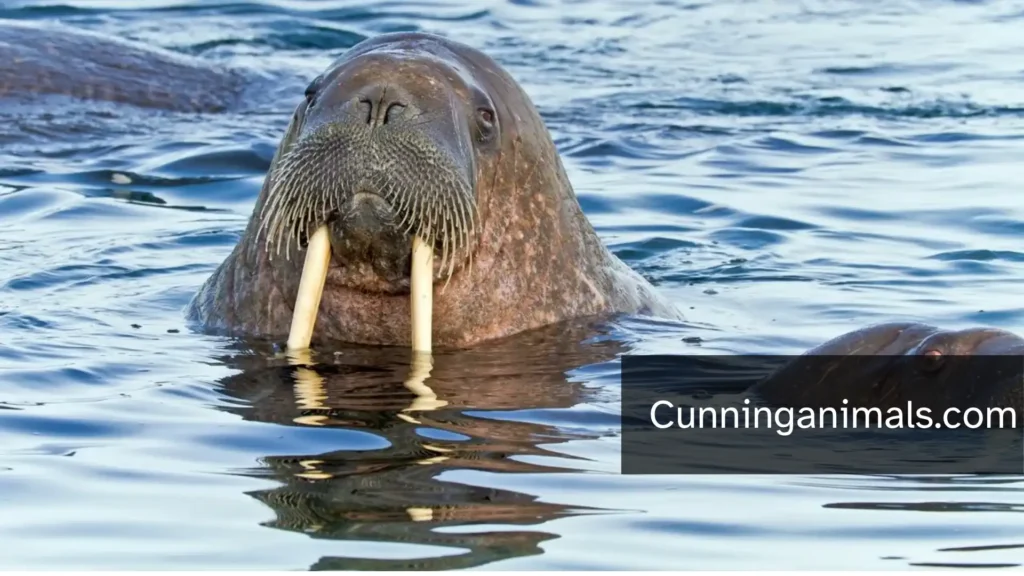
Walruses also play a vital role in their ecosystems, showcasing the interconnectedness of all living beings. Their presence inspires us to appreciate the delicate balance of nature and motivates us to protect the habitats that nurture such incredible creatures.
Orangutan
Scientific Name: Pongo
Class: Mammalia
Habitat: Tropical rainforests
The orangutan, known for its striking red fur and intelligence, captivates all who encounter it in the lush rainforests of Southeast Asia. With a strong emphasis on family, these incredible primates demonstrate the significance of nurturing relationships and the bonds we share with one another. Their gentle, inquisitive nature inspires us to cultivate curiosity and connection in our own lives.
Orangutans are also key players in their ecosystems, highlighting the importance of conservation and environmental stewardship. Their plight prompts us to reflect on our responsibilities towards nature and the steps we can take to protect the beauty of our planet for future generations.
Moose
Scientific Name: Alces alces
Class: Mammalia
Habitat: Boreal forests and northern regions
The moose, with its impressive antlers and majestic presence, represents grace and strength as it navigates the wild landscapes of North America. Known for their solitary nature, these gentle giants remind us of the power of stillness and introspection in a bustling world. Their peaceful demeanor calls us to seek solace in nature and appreciate the beauty of quiet moments.
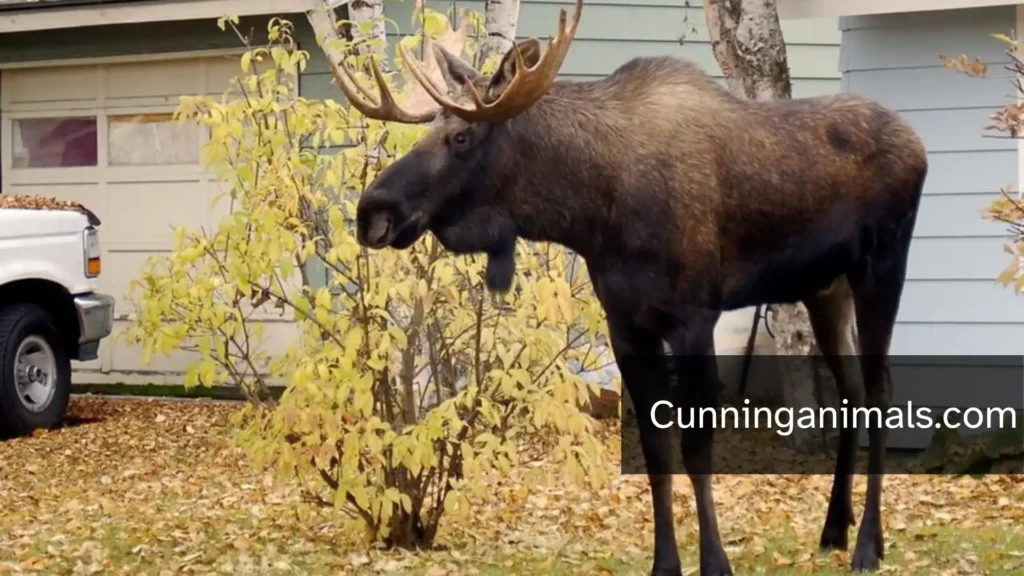
Moose are largely solitary animals, preferring to wander alone through dense boreal forests rather than form herds. This solitary nature allows them to conserve energy while foraging across vast territories. It also means they rely less on group defense and more on their sheer size to deter predators.
Moose are pivotal in maintaining their ecosystems, showcasing how each creature plays a vital role in the web of life. Their resilient spirit inspires us to embrace our unique paths while contributing positively to the environments we inhabit.
Interesting Facts About Animals With Big Foreheads
Animals with big foreheads showcase some of nature’s most fascinating adaptations, each tailored for survival and communication. Take the sperm whale, revered for its colossal head, which houses a specialized organ for echolocation, making it a master of the deep. Similarly, dolphins use their unique melons, soft tissue structures in their foreheads, to focus sound waves effectively during echolocation, navigating through murky waters with ease.
- Beluga whales can morph the shape of their melon to enhance sound clarity.
- Elephants possess massive skulls, enabling them to support their strong trunks and formidable jaws.
- Bighorn sheep have evolved robust skulls specifically designed for the physicality of head-butting during mating displays.
- Hammerhead sharks feature a distinctive cephalofoil, improving their sensory perception in hunting.
- Male moose boast enormous antlers that serve as both tools for foraging and symbols of dominance.
- Male orangutans develop prominent cheek pads, playing a role in attracting mates and signaling maturity.
Conclusion
The diverse traits of animals with big foreheads illustrate the extraordinary adaptations that have evolved in different species. From the intelligence seen in dolphins with big foreheads to the unique social interactions observed in other creatures, these characteristics play a crucial role in their survival.
Understanding these fascinating animals broadens our appreciation for the complexities of nature and reminds us of the intricate connections that exist within ecosystems. As we continue to explore the animal kingdom, let us remain curious and respectful of the wonders it holds.
FAQs
Does Big Forehead Mean High IQ?
No, having a large forehead does not mean someone has a higher IQ. Intelligence is influenced by many factors, and forehead size or shape is not a reliable measure of intelligence.
What Is A LargeForehead Called?
A large forehead is commonly described as a high forehead or broad forehead. In everyday language, people may also say someone has a prominent forehead.
How Big Is The Largest Forehead?
There is no universally recognized world record for the largest forehead in humans. Forehead size varies naturally between individuals and depends on facial structure, hairline, and skull shape.
What Are The Big Forehead Fish Called?
Fish known for a prominent or large forehead include humphead wrasse, flowerhorn cichlids, and some Asian carp species. The humphead wrasse is especially famous for its large, rounded head and forehead.
Which Animal Has A Very Large Forehead?
The humphead wrasse is one of the animals well known for having a very large, prominent forehead. Among land animals, elephants also have a broad and prominent forehead as part of their distinctive head shape.