17 Animals That Eat Corn (With Pictures, Facts & Diets)
Corn is not just a staple for humans; it serves as a vital food source for a variety of wildlife and domestic animals. In fact, there are numerous Animals That Eat Corn, ranging from clever raccoons to curious deer.
These species indulge in different parts of the corn plant, whether it’s delicious kernels, whole ears, or even the stalks themselves. Understanding what animals eat corn and how it impacts their diets highlights the interconnectedness of ecosystems. In this article, we’ll explore 17 fascinating animals that enjoy corn, complete with stunning pictures and intriguing facts.
What Animals Eat Corn?
Many animals eat corn, including squirrels, deer, raccoons, pigs, cows, chickens, horses, goats, rodents, crows, ravens, and other wildlife. This versatile grain appeals to a wide range of creatures due to its high energy content and nutritional value.
In agricultural settings, various livestock and poultry depend on corn as a staple part of their diet, contributing to efficient farm production. Meanwhile, wild animals such as deer and raccoons are often drawn to cornfields, showcasing their adaptability and resourcefulness in finding food sources.
List of Animals That Eat Corn
| No. | Animal | Scientific Name | Class | Diet |
| 1 | Squirrel | Sciurus spp. | Mammalia | Omnivore |
| 2 | Deer | Odocoileus spp. | Mammalia | Herbivore |
| 3 | Pig | Sus scrofa domesticus | Mammalia | Omnivore |
| 4 | Cow | Bos taurus | Mammalia | Herbivore |
| 5 | Chicken | Gallus gallus domesticus | Aves | Omnivore |
| 6 | Horse | Equus caballus | Mammalia | Herbivore |
| 7 | Goat | Capra hircus | Mammalia | Herbivore |
| 8 | Chipmunk | Tamias spp. | Mammalia | Omnivore |
| 9 | Black Rat | Rattus rattus | Mammalia | Omnivore |
| 10 | Deer Mouse | Peromyscus maniculatus | Mammalia | Omnivore |
| 11 | Common Raven | Corvus corax | Aves | Omnivore |
| 12 | American Crow | Corvus brachyrhynchos | Aves | Omnivore |
| 13 | Rabbit | Oryctolagus cuniculus | Mammalia | Herbivore |
| 14 | Raccoon | Procyon lotor | Mammalia | Omnivore |
| 15 | Water Buffalo | Bubalus bubalis | Mammalia | Herbivore |
| 16 | Guinea Pig | Cavia porcellus | Mammalia | Herbivore |
| 17 | Wild Turkey | Meleagris gallopavo | Aves | Omnivore |
Squirrel
Scientific Name: Sciurus
Class: Mammalia
Diet: Herbivore
Squirrels are opportunistic feeders and thrive on a diet rich in grains such as corn. Their dexterous paws help them peel back the husks, making it easier to access the tasty kernels. By storing corn for winter, squirrels demonstrate remarkable foresight, showcasing their adaptability in preparing for seasonal changes.
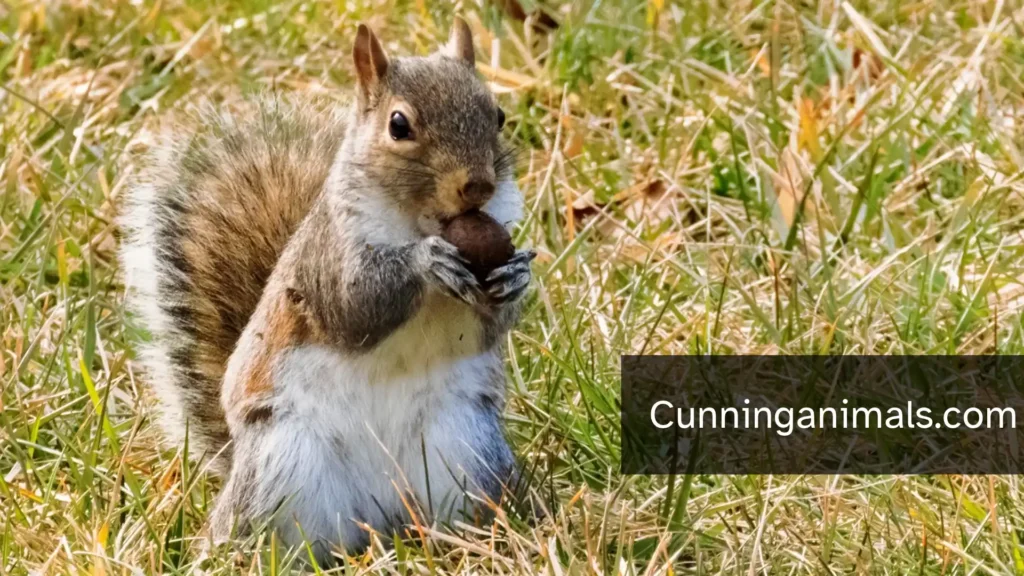
These energetic rodents often scavenge corn from gardens and farms, sometimes leading to conflicts with farmers. Their affinity for corn also plays a crucial role in the ecosystem, as they help disperse seeds while foraging.
Deer
Scientific Name: Odocoileus virginianus
Class: Mammalia
Diet: Herbivore
Deer are known to enjoy a varied diet, with corn being a delightful treat. The sweet, nutritious kernels provide essential energy, especially during the colder months when other food sources are scarce. Deer can often be seen foraging in agricultural fields, where corn is plentiful. Corn is just one part of a much bigger menu, though. Deer shift their eating habits with the seasons and region, browsing on far more than fields. For the full picture, see what deer eat.”
Moreover, they play a significant role in shaping their environment through their feeding habits. By nibbling on corn, they inadvertently promote new plant growth, contributing to the cycle of their habitat’s health.
Pig
Scientific Name: Sus scrofa domesticus
Class: Mammalia
Diet: Omnivore
Pigs are naturally curious animals, and corn serves as a staple in their diet due to its high energy content. Whether rooting through a field or enjoying a formulated feed, corn is essential for their growth and development. Their strong sense of smell helps them locate corn quickly, making them efficient foragers. This big appetite isn’t unique to pigs. Many species eat heavily to fuel fast growth or high energy needs. See how pigs compare in animals that eat a lot.
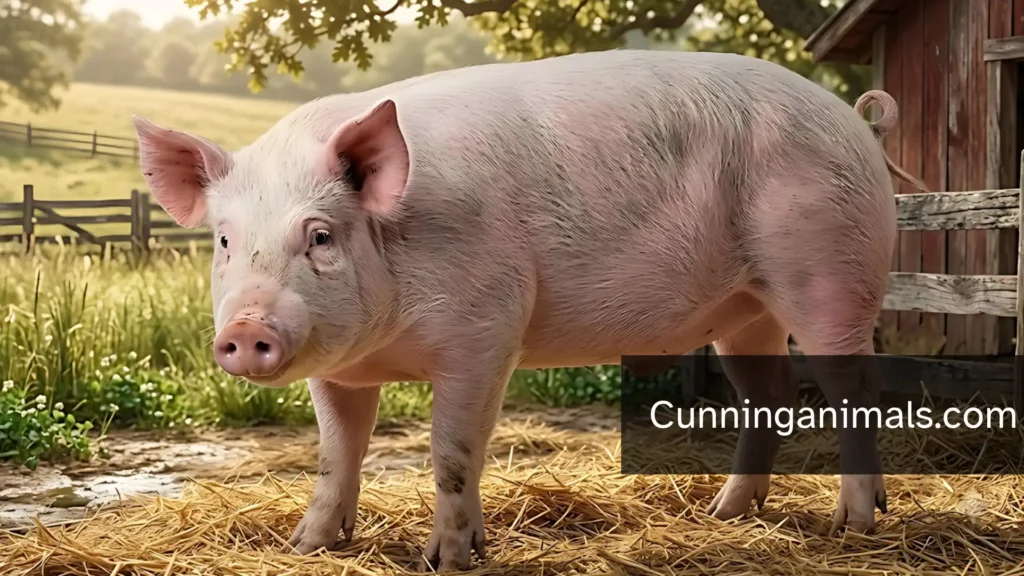
The incorporation of corn into pigs’ diets also has economic implications, as it’s often used in commercial pig farming to enhance weight gain rapidly. Understanding what animals eat corn sheds light on the interconnectedness of agriculture and wildlife.
Cow
Scientific Name: Bos taurus
Class: Mammalia
Diet: Herbivore
Cows are ruminants that thrive on forages, and corn is a popular supplement in their diet to boost milk production and general health. High in energy, corn tends to increase the nutritional value of cattle feed, making it a farmer’s favorite. Either in silage or grain form, corn is adaptable to various feeding methods.
Additionally, the intake of corn helps support the overall health of cows, contributing to better weight management and fertility rates. Their digestive system, specialized for breaking down fibrous plant material, allows them to process corn efficiently, highlighting their unique dietary needs.
Chicken
Scientific Name: Gallus gallus domesticus
Class: Aves
Diet: Omnivore
Chickens are well-known for being grain eaters, and corn serves as a favorite in their diet. From whole kernels to crushed feed, corn enhances the energy content of their meals, supporting growth and egg production. Feeding chickens corn can improve their overall health and vitality, contributing to a rich egg yield.
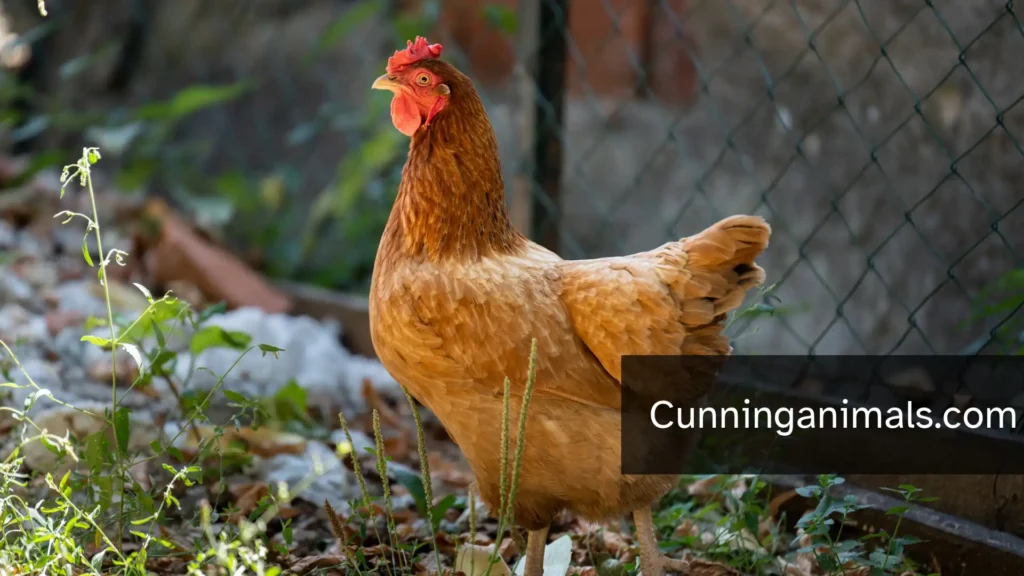
This bird’s social and inquisitive nature often leads them to forage for scattered corn, making mealtime a communal event. Observing chickens as they enjoy corn reveals their instinctual behaviors, such as scratching and pecking, which foster a natural and stimulating environment.
Horse
Scientific Name: Equus ferus caballus
Class: Mammalia
Diet: Herbivore
Horses are grazing animals that appreciate a diet rich in grasses and grains, including corn. While corn is more of a supplement than a staple, it provides valuable energy for performance and endurance. Whether used in racing or leisure riding, the addition of corn can support a horse’s nutritional needs.
It’s essential for horse owners to balance corn intake with other forage to prevent digestive issues. Understanding what eats corn, particularly in equine diets, ensures that these majestic creatures receive the nutrients necessary for optimal health.
Goat
Scientific Name: Capra aegagrus hircus
Class: Mammalia
Diet: Herbivore
Goats are famously curious and adaptable animals, thriving on a mixed diet that often includes corn. Given their tendency to explore and nibble at various plants, corn serves as a nutritious reward during grazing. This grain aids in their growth and reproduction, especially in farm settings where nutrition management is crucial.
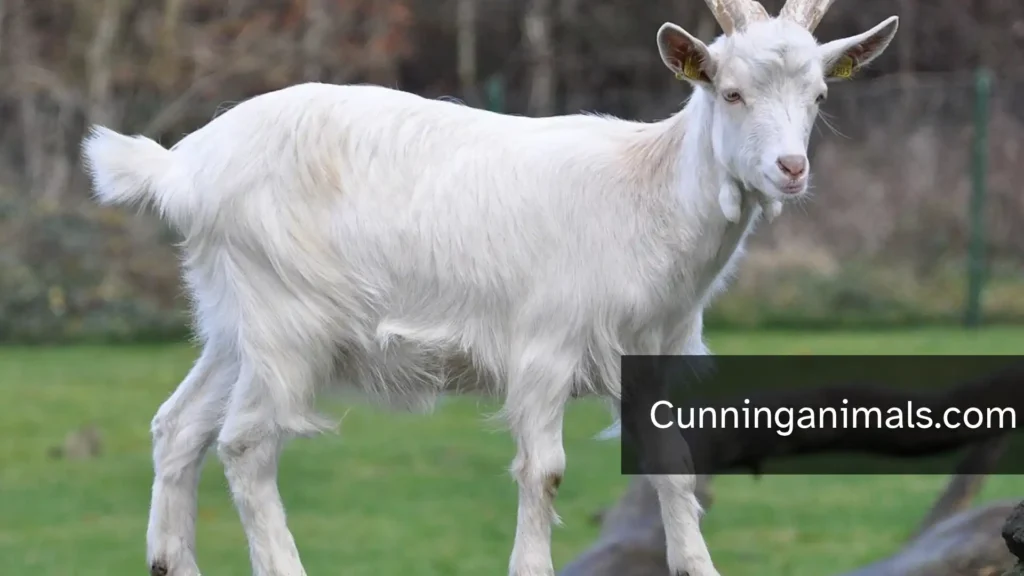
The consumption of corn also influences social interactions among goats, as they often gather during feeding times. This communal behavior nurtures herd dynamics, showing that what animals eat like corn plays a role beyond mere nutrition.
Chipmunk
Scientific Name: Tamias
Class: Mammalia
Diet: Omnivore
Chipmunks are small and agile creatures that relish a variety of seeds and grains, including corn. These lively animals store food, especially corn kernels, in their cheek pouches, which they later stash away for winter. Observing chipmunks in action as they gather corn can be both delightful and educational.
Their foraging habits contribute to seed dispersal, aiding in the growth of new plants. Understanding their relationship with corn reveals how even the smallest animals can impact their environment.
Black Rat
Scientific Name: Rattus rattus
Class: Mammalia
Diet: Omnivore
Black rats are known to adapt to various habitats, often scavenging for food sources like corn in urban and rural settings. Their omnivorous diet allows them to thrive in diverse conditions, making corn a readily accessible energy source. This propensity for foraging can lead to conflicts with farmers, as they often consume stored crops.
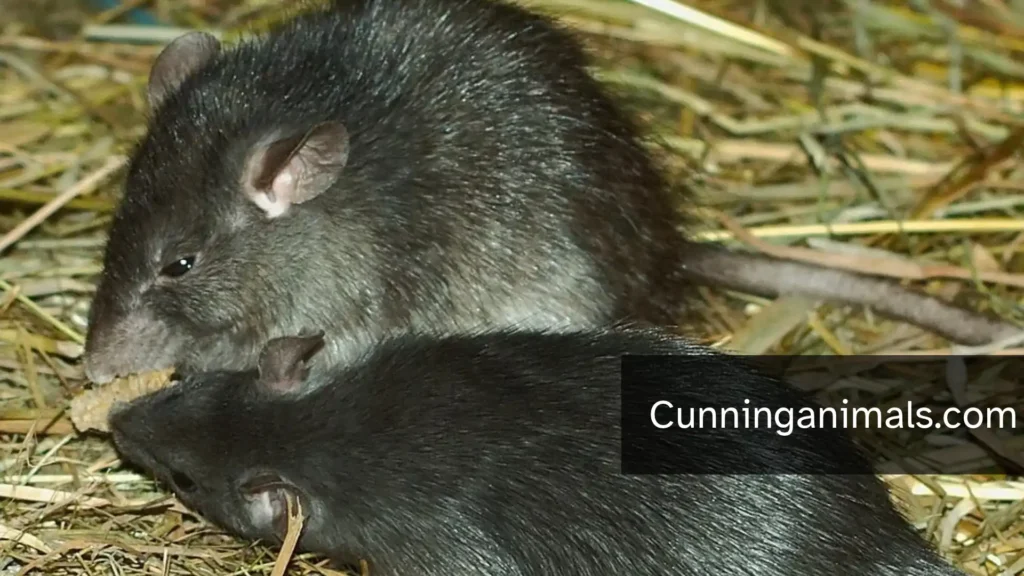
Despite their reputation as pests, black rats play a role in the ecosystem by participating in seed dispersal. Observing their interactions with corn can help us understand the balance of nature, even amidst the challenges they pose for agriculture.
Deer Mouse
Scientific Name: Peromyscus maniculatus
Class: Mammalia
Diet: Omnivore
The deer mouse is a small rodent that often takes advantage of available resources like corn, especially in fields and gardens. They are known for their agility and keen senses, allowing them to quickly locate and consume corn kernels. Their opportunistic feeding habits contribute to their survival in various environments.
These mice also serve as essential prey for larger predators, illustrating the interconnectedness within the food web. What animals eat corn, including deer mice, highlights the complexity of ecosystems where every creature plays a role.
Common Raven
Scientific Name: Corvus corax
Class: Aves
Diet: Omnivore
Common ravens are highly intelligent birds that diversify their diet with items like corn, often scavenging in agricultural areas. Their problem-solving skills and adaptability make them exceptional foragers, capable of exploiting a wide range of food sources. Corn not only provides sustenance but also stimulates their curiosity and playfulness.
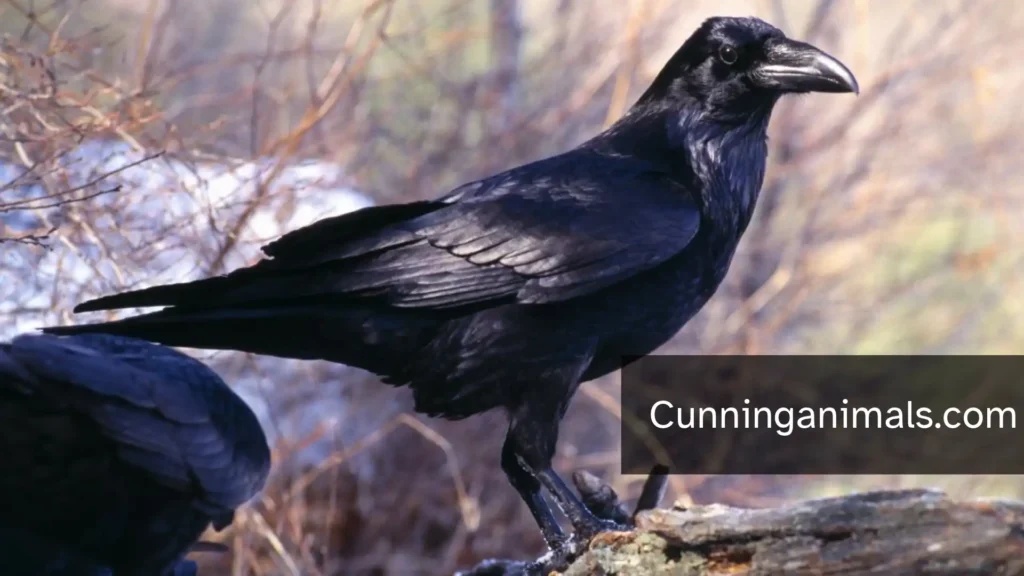
Their interactions with corn reflect their social behaviors, where they often engage in communal feeding. Understanding what eats corn expands our appreciation for the raven’s role in natural landscapes, where they contribute to ecological balance.
American Crow
Scientific Name: Corvus brachyrhynchos
Class: Aves
Diet: Omnivore
American crows are known for their adaptability and intelligence, often foraging for edible treasures like corn. These birds can be quite cunning, using teamwork to access food sources, especially in agricultural settings. Their ability to recognize and remember human faces adds a fascinating layer to their interactions with what eats corn.
The presence of crows in crop fields indicates a dynamic relationship with local ecosystems, where they act as influential scavengers. Their feeding habits, including corn, emphasize the intricate links between animal behavior and agricultural landscapes.
Rabbit
Scientific Name: Oryctolagus cuniculus
Class: Mammalia
Diet: Herbivore
Rabbits are well-known for their herbivorous diets, and corn is a favored treat among these gentle creatures. Their natural instinct to forage leads them to gardens and fields where corn is grown, making them a common sight during twilight hours. The high carbohydrate content of corn provides essential energy necessary for their active lifestyles.
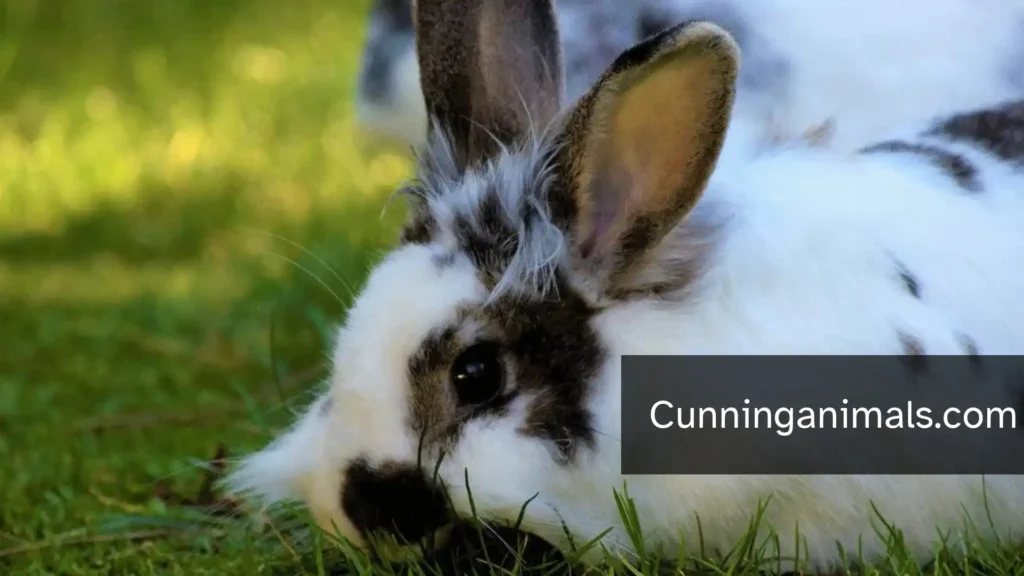
In addition to being tasty, corn also supports their overall health by encouraging a diverse diet. Understanding what animals eat corn, such as rabbits, highlights their role in grassland ecosystems, where they influence plant growth through grazing.
Raccoon
Scientific Name: Procyon lotor
Class: Mammalia
Diet: Omnivore
Raccoons are notorious for their dexterous paws and clever problem-solving skills, which they often utilize to access snacks like corn. As omnivores, they have a diverse palate, making them highly adaptable in urban and rural settings. Corn, being a rich source of energy, can often be found in their menus, especially during harvest seasons. This knack for cracking open cornfields, latches, and trash cans is part of a bigger reputation. Raccoons rank among North America’s smartest wildlife. See how they compare in cunning animals.
Their scavenging behavior not only showcases their intelligence but also offers insights into their ecological role. By consuming corn, raccoons participate in seed dispersal, contributing to the regeneration of the environments they inhabit.
Water Buffalo
Scientific Name: Bubalus bubalis
Class: Mammalia
Diet: Herbivore
Water buffalos thrive in wetland ecosystems and have a diverse diet that includes corn, especially in domestication settings. Corn serves as a significant part of their feed, helping support energy needs for labor and milk production in farming communities. Their capacity to efficiently process corn makes them invaluable to agricultural systems.
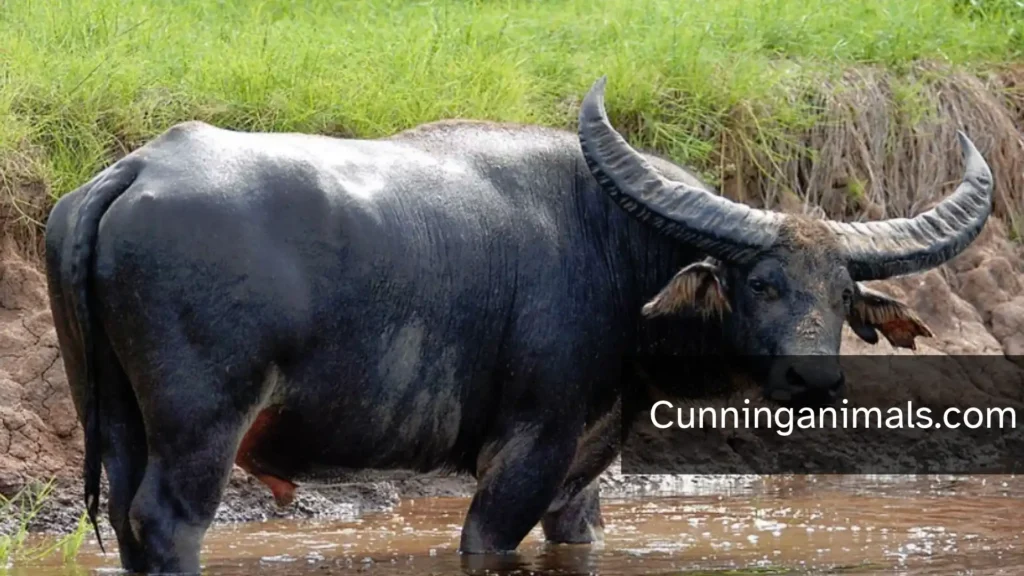
Additionally, these majestic animals are often integrated into traditional farming practices, showcasing the synergy between humans and livestock. Understanding what eats corn, like water buffalos, highlights the importance of sustainable agricultural practices that benefit both the animals and the ecosystem.
Guinea Pig
Scientific Name: Cavia porcellus
Class: Mammalia
Diet: Herbivore
Guinea pigs are delightful pets that enjoy a varied diet, including sweet corn as a treat. This small rodent’s natural inclination to graze makes corn a suitable addition, providing vital nutrients along with fiber necessary for their digestion. Their small size and social nature make feeding time a fun, interactive experience.
Additionally, the enjoyment of corn can also enhance their overall health, promoting bonding with their human caregivers. Knowing what animals eat corn, such as guinea pigs, helps pet owners create balanced diets that cater to the nutritional needs of these affectionate companions.
Wild Turkey
Scientific Name: Meleagris gallopavo
Class: Aves
Diet: Omnivore
Wild turkeys are foragers by nature, and corn is a staple in their diet, particularly during the fall when fields are ripe. Their keen eyesight helps them locate corn in open areas, allowing them to thrive in varying habitats. This adaptability in foraging enhances their survival in wild landscapes and agricultural zones alike.
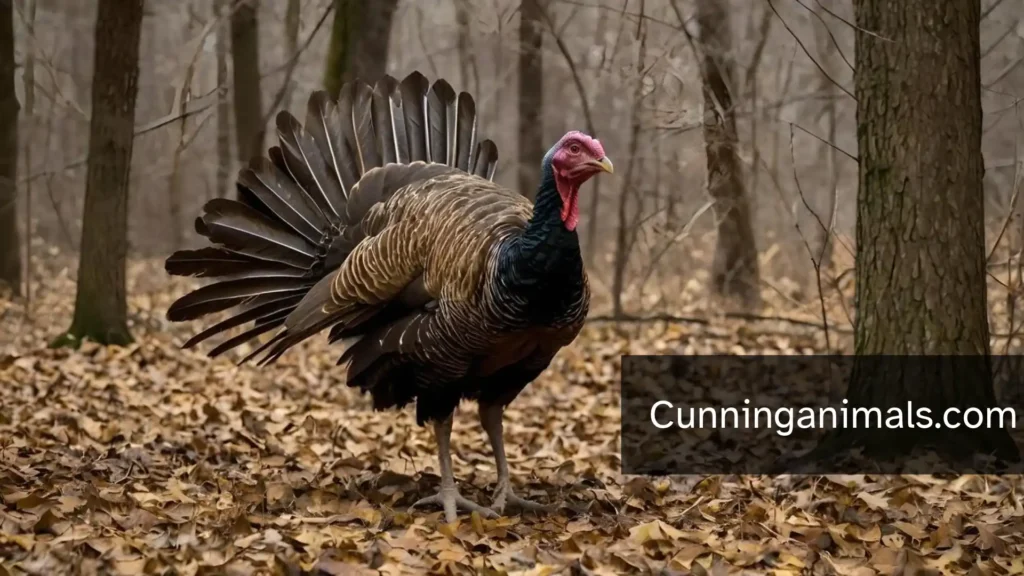
Their social behavior often leads to collective feeding, showcasing interesting group dynamics during mealtime. Understanding what eats corn, including wild turkeys, illuminates the broader impacts of agriculture on wildlife and the ecosystem.
Interesting Facts About Animals That Eat Corn
The diverse array of animals that partake in corn consumption reflects the adaptability and resourcefulness of wildlife. Each species interacts with this staple crop in distinct ways, whether through foraging, feeding, or even causing crop damage. Corn isn’t the only unusual food source wildlife has adapted to. Some animals go even further, eating plants most species avoid entirely. See animals that eat cactus.
- Deer often venture into cornfields to feast on both the kernels and surrounding plant material.
- Squirrels are known for their ability to carry and gnaw on corn kernels, making them adept foragers.
- Crows and ravens possess flexible diets that prominently include grains, with corn being a favored option.
- Pigs can consume corn in various forms, including whole ears, kernels, or processed feed, showcasing their adaptability.
- Corn is a widely utilized energy source in livestock diets, ensuring optimal growth and productivity.
- Chipmunks ingeniously transport food in cheek pouches, allowing them to stash corn for later.
- Raccoons can pose significant threats to crops while foraging for corn, leading to potential agricultural damage.
- Wild turkeys naturally prefer a diverse diet that includes various seeds and grains, often leading them to cornfields.
- Rodents, when feeding on stored grain, can become notorious agricultural pests, especially in corn-rich areas.
- It’s important to note that corn is not a suitable staple for all animals, as some may lack the necessary digestion to process it efficiently.
Conclusion
Understanding the various animals that eat corn provides fascinating insights into the dietary habits of wildlife. From squirrels nibbling on kernels to birds feasting on cornfields, it’s clear that corn is an appealing food source across many species.
Not only do these animals enjoy corn, but they also play significant roles in their ecosystems. Recognizing what eats corn can enhance our appreciation for nature and the interconnectedness of life. If you’re interested in further exploring how these animals thrive in their habitats, consider observing local wildlife or researching their diets to uncover more intriguing facts.
FAQs
Which Animals Can Digest Corn?
Many mammals and birds can digest corn, including pigs, cows, chickens, goats, deer, squirrels, and turkeys. Their digestive systems differ, however, so the way they process corn and how much they can safely consume varies by species.
What Animal Loves Corn On The Cob?
Several animals enjoy corn on the cob, including pigs, squirrels, raccoons, deer, goats, and some poultry. Squirrels and raccoons may gnaw directly on the cob, while farm animals such as pigs and goats can consume both the kernels and parts of the cob.
What Animals Eat Cracked Corn?
Many animals eat cracked corn, including chickens, turkeys, ducks, pigeons, squirrels, deer, quail, and some other birds and mammals. Because the kernels are broken into smaller pieces, cracked corn is easier for many animals to pick up and consume.
Do Foxes Eat Corn?
Yes, foxes can eat corn, especially when they encounter it in fields, gardens, or around farms. However, corn is not a major part of their diet because foxes mainly eat small mammals, birds, insects, fruits, and other available foods.