Top 27 Animals That Eat Monkeys (With Pictures, Facts & Hunting Habits)
The natural world is filled with unexpected interactions, especially when it comes to Animals That Eat Monkeys. These predators showcase the raw and often harsh cycles of life in their ecosystems, reminding us that survival can be ruthless.
In this article, we’ll uncover the top 27 animals that prey on monkeys, complete with captivating visuals and intriguing facts about their hunting strategies. Gaining insight into these predatory relationships provides a greater understanding of animal behavior and highlights the delicate balance of nature.
What Animals Eat Monkeys?
Monkeys face predation from a variety of animals that eat monkeys, depending on their environment and species. Size matters a lot here, because smaller monkeys are easier targets for most hunters. If you want to meet some of the most vulnerable species, explore our guide to small monkey breeds. In dense jungles and savannas, large predators like leopards and jaguars are known for their stealthy hunting techniques, often stalking monkeys that venture too far from safety.
Birds of prey, such as large eagles, and constricting snakes like pythons sometimes add to the list of threats. Crocodilians, lurking near water sources, may ambush monkeys that come too close to the water’s edge. Interestingly, chimpanzees occasionally engage in hunting behaviors toward monkeys, showcasing a more complex interaction within the primate family.
List Of 27 Animals That Eat Monkeys
| No. | Animal | Scientific Name | Class | Diet |
| 1 | Leopard | Panthera pardus | Mammalia | Carnivore |
| 2 | Jaguar | Panthera onca | Mammalia | Carnivore |
| 3 | Tiger | Panthera tigris | Mammalia | Carnivore |
| 4 | Lion | Panthera leo | Mammalia | Carnivore |
| 5 | Clouded Leopard | Neofelis nebulosa | Mammalia | Carnivore |
| 6 | Ocelot | Leopardus pardalis | Mammalia | Carnivore |
| 7 | Margay | Leopardus wiedii | Mammalia | Carnivore |
| 8 | African Wild Dog | Lycaon pictus | Mammalia | Carnivore |
| 9 | Dhole (Asiatic Wild Dog) | Cuon alpinus | Mammalia | Carnivore |
| 10 | Chimpanzee | Pan troglodytes | Mammalia | Omnivore |
| 11 | Baboon | Papio spp. | Mammalia | Omnivore |
| 12 | Harpy Eagle | Harpia harpyja | Aves | Carnivore |
| 13 | Crowned Eagle | Stephanoaetus coronatus | Aves | Carnivore |
| 14 | Martial Eagle | Polemaetus bellicosus | Aves | Carnivore |
| 15 | Philippine Eagle | Pithecophaga jefferyi | Aves | Carnivore |
| 16 | Red-Tailed Hawk | Buteo jamaicensis | Aves | Carnivore |
| 17 | Nile Crocodile | Crocodylus niloticus | Reptilia | Carnivore |
| 18 | American Alligator | Alligator mississippiensis | Reptilia | Carnivore |
| 19 | Green Anaconda | Eunectes murinus | Reptilia | Carnivore |
| 20 | Reticulated Python | Malayopython reticulatus | Reptilia | Carnivore |
| 21 | King Cobra | Ophiophagus hannah | Reptilia | Carnivore |
| 22 | Komodo Dragon | Varanus komodoensis | Reptilia | Carnivore |
| 23 | Gray Wolf | Canis lupus | Mammalia | Carnivore |
| 24 | Coyote | Canis latrans | Mammalia | Omnivore |
| 25 | Boa Constrictor | Boa constrictor | Reptilia | Carnivore |
| 26 | Puma (Cougar) | Puma concolor | Mammalia | Carnivore |
| 27 | Black Caiman | Melanosuchus niger | Reptilia | Carnivore |
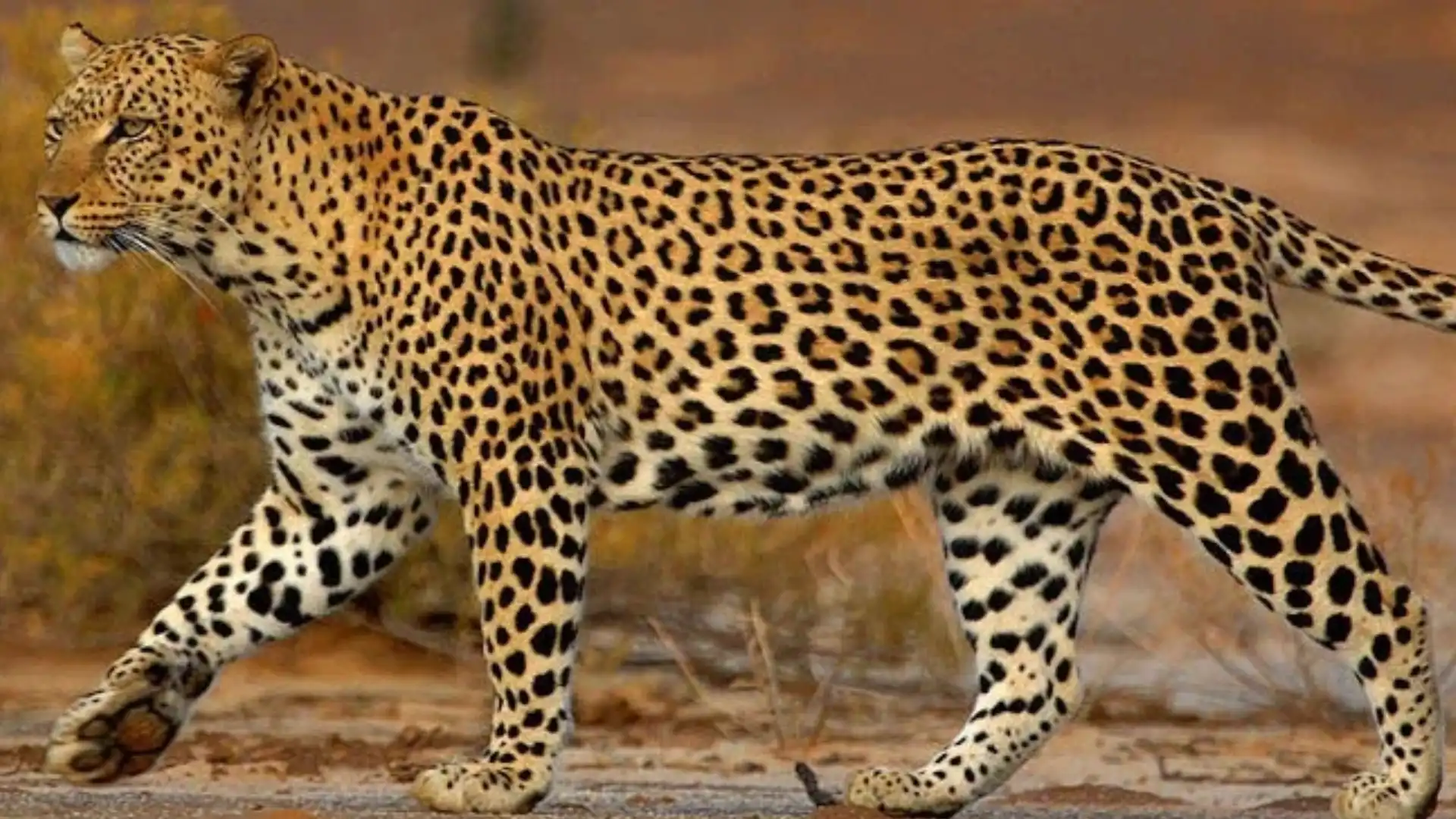
Leopard
Scientific Name: Panthera pardus
Class: Mammalia
Diet: Carnivore
Leopards are stealthy hunters known for their powerful build and remarkable climbing skills. Their agility allows them to stalk and ambush monkeys that dwell in the trees, making them one of the apex predators in their habitat.
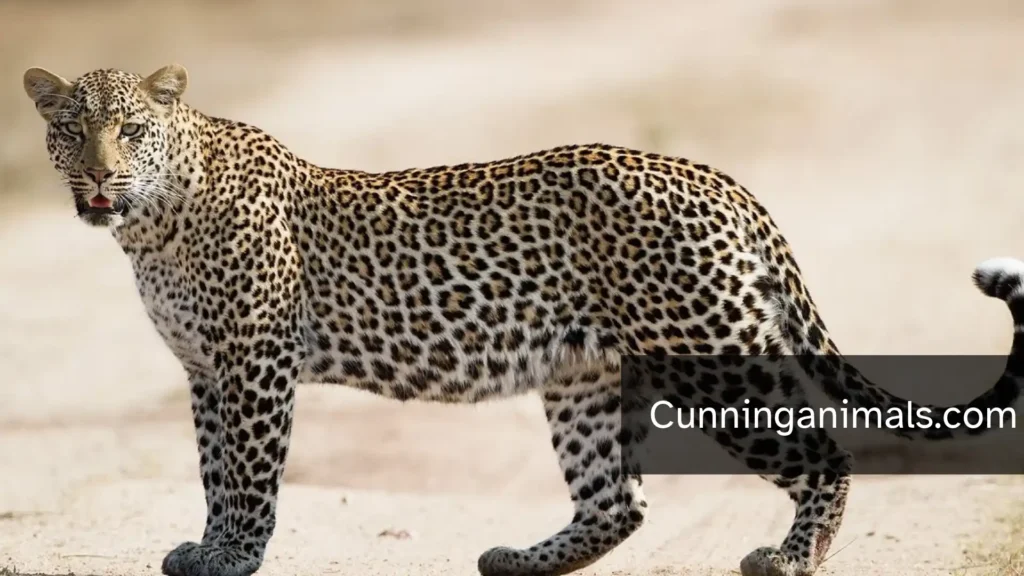
These big cats have a varied diet, but the inclusion of monkeys showcases their adaptability in food sources. Their solitary nature means they can hunt without competition, often waiting patiently for the perfect moment to strike. Leopards are not the only predators that prefer to work alone. You can read about more solitary animals that rely on stealth rather than teamwork.
Jaguar
Scientific Name: Panthera onca
Class: Mammalia
Diet: Carnivore
As the largest big cat in the Americas, jaguars are formidable hunters with incredibly strong jaws. They have been observed preying on monkeys, using their impressive swimming abilities to navigate rivers and wetlands where monkeys often reside.
The powerful bite of a jaguar allows it to crush the skulls of its prey, including the tough skulls of monkeys. This remarkable predatory skill ensures their dominant role in the food web within their ecosystem.
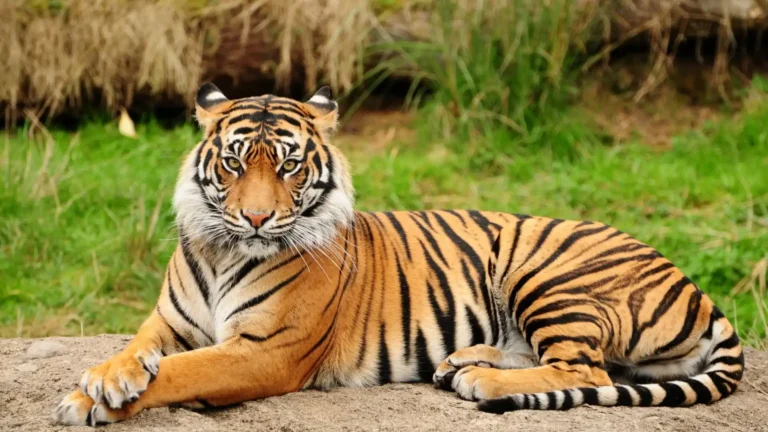
Tiger
Scientific Name: Panthera tigris
Class: Mammalia
Diet: Carnivore
Tigers, the largest members of the cat family, are known for their strength and solitary hunting tactics. They have a diverse diet that sometimes includes monkeys, especially in regions where monkeys are an abundant food source.
Their striking coloration and stealth allow them to blend seamlessly into their surroundings, enabling them to stalk their prey effectively. A tiger’s powerful physique and keen senses make it an apex predator, adept at capturing swift and agile monkeys.
Lion
Scientific Name: Panthera leo
Class: Mammalia
Diet: Carnivore
While lions primarily hunt in prides and focus on larger game, they are opportunistic feeders. In some regions, particularly when resources are scarce, they may resort to preying on smaller animals, including monkeys.
The social structure of a lion pride allows for complex hunting strategies, but it’s less common to see them target monkeys compared to other prey. However, it’s a testament to their adaptability that they can adjust their diet when necessary.
Clouded Leopard
Scientific Name: Neofelis nebulosa
Class: Mammalia
Diet: Carnivore
Clouded leopards are known for their climbing prowess and elusive nature, making them ideal predators of arboreal animals, including monkeys. Their patterned fur provides excellent camouflage in the dappled sunlight of rainforests, aiding their stealthy hunting methods.

These leopards often ambush their prey from above, showcasing their unique hunting technique. Their strong limbs and flexibility allow them to traverse treetops with ease, turning monkeys into a significant part of their diet.
Ocelot
Scientific Name: Leopardus pardalis
Class: Mammalia
Diet: Carnivore
Ocelots are small yet swift felines that rely on their keen senses to hunt. They may include monkeys among their diverse prey, capitalizing on opportunities in their vibrant habitats ranging from forests to grasslands.
With a solitary and nocturnal lifestyle, ocelots ply their skills under the cover of darkness. Their adaptable diet keeps them thriving, ensuring they can find sustenance even in shifting environments.
Margay
Scientific Name: Leopardus wiedii
Class: Mammalia
Diet: Carnivore
Margays are agile, small cats that have a diet heavily reliant on small mammals, including monkeys. Their extraordinary climbing abilities allow them to pursue monkeys through the trees, making them adept at navigating treetop ecosystems.
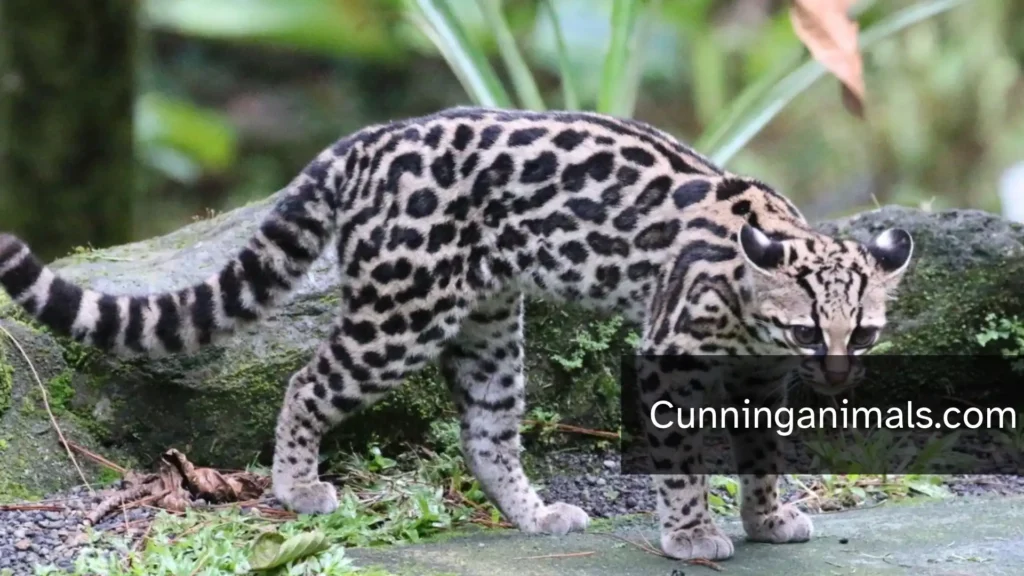
These cats are highly specialized, often mimicking the calls of their monkey prey to lure them in. This unique hunting behavior exemplifies the intricate relationships within the food web of their rainforest habitats.
African Wild Dog
Scientific Name: Lycaon pictus
Class: Mammalia
Diet: Carnivore
Known for their pack mentality, African wild dogs primarily hunt for larger ungulates but are opportunists. In regions where monkeys are plentiful, they can target them as part of their diverse diet.
The cooperative hunting methods of wild dogs allow them to take down swift and agile prey effectively. Pack hunting is a strategy shared by many species, from wild dogs to wolves. To see how other animals that live in groups benefit from working together, check out our full list. Their ability to adapt their hunting strategies further emphasizes their role as effective predators in the wild.
Dhole (Asiatic Wild Dog)
Scientific Name: Cuon alpinus
Class: Mammalia
Diet: Carnivore
Dholes are social canines often found in packs, which enhances their hunting efficiency. While they typically focus on deer and boar, they may also hunt monkeys when the opportunity arises, showcasing their adaptability.
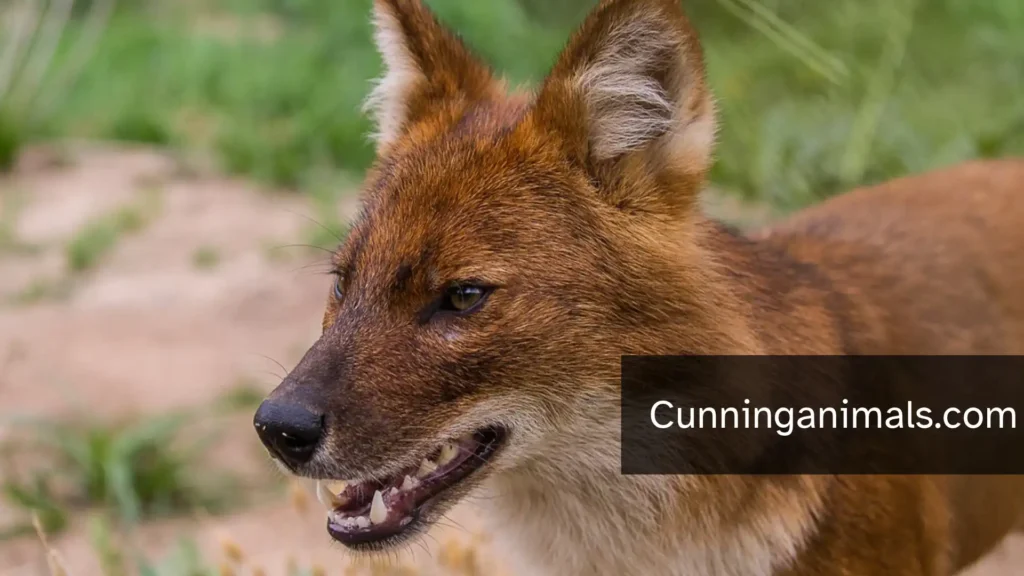
Their unique vocalizations and teamwork make them formidable predators, allowing them to tackle prey much larger than themselves, including nimble monkeys when available.
Chimpanzee
Scientific Name: Pan troglodytes
Class: Mammalia
Diet: Omnivore
Chimpanzees are not just curious primates; they are also skilled hunters. Their social structure often facilitates organized hunts where they may prey on smaller monkeys, providing meat to their diet.
Hunting in groups allows them to coordinate attacks, showcasing their intelligence and social complexity. This behavior emphasizes the intricate balance of interspecies relationships and food webs in the ecosystems they inhabit.
Baboon
Scientific Name: Papio spp.
Class: Mammalia
Diet: Omnivore
Baboons are known for their social structures and adaptable foraging habits. In some areas, they may prey on smaller monkey species, particularly when food is limited or competition is high.
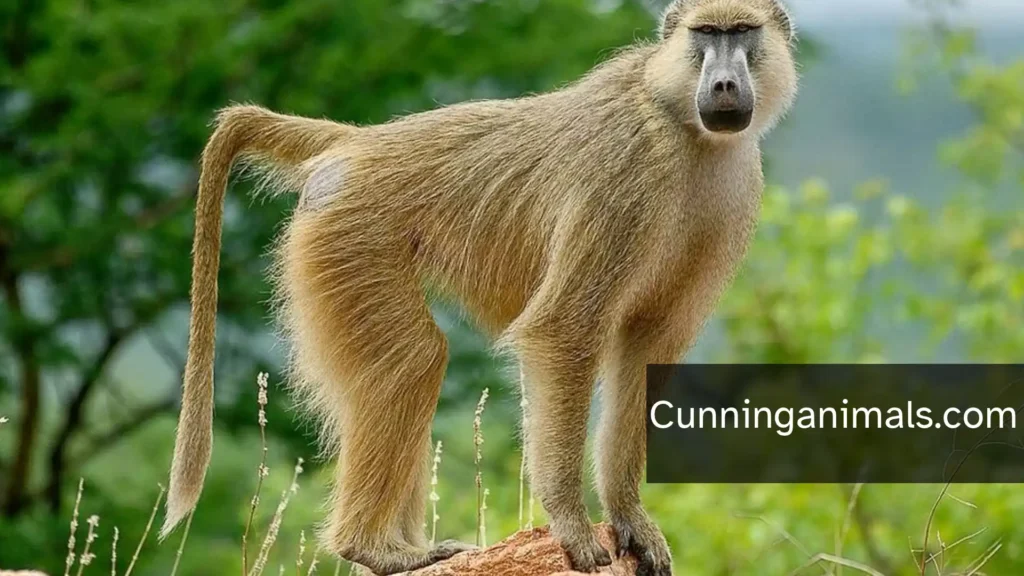
Their aggressive nature and strong social groups enable them to take down small monkeys, showcasing their dominance within the social hierarchy of primates. This predatory behavior amplifies the complex dynamics of survival and resource competition in the wild.
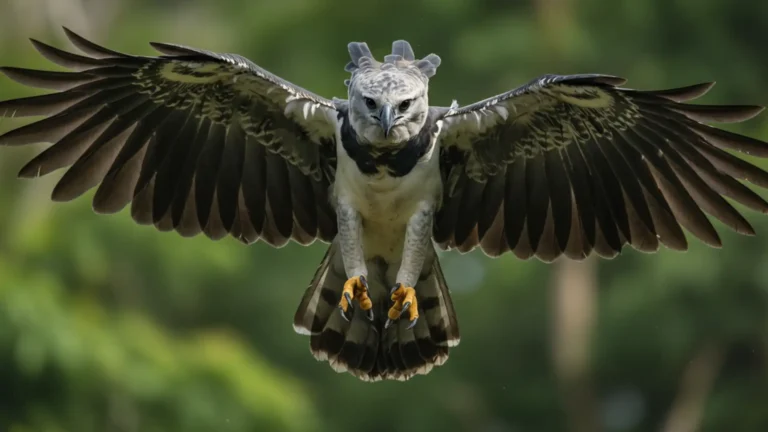
Harpy Eagle
Scientific Name: Harpia harpyja
Class: Aves
Diet: Carnivore
As one of the largest and most powerful eagles, the harpy eagle has formidable hunting skills. Preying on monkeys and sloths alike, it showcases its strength by snatching them from treetops with its powerful talons. That grip is among the most impressive in the bird world. For more raptors and other powerhouses of the sky, see our ranking of the strongest birds.
The harpy eagle’s ability to thrive in dense rainforests is reflected in its specialized diet, making it a critical component of its ecosystem. This bird’s impressive hunting tactics highlight the wild’s intricate balance of predator and prey interactions.
Crowned Eagle
Scientific Name: Stephanoaetus coronatus
Class: Aves
Diet: Carnivore
Crowned eagles are adept at hunting in forested areas where monkeys reside high up in the canopy. Their incredible strength and sharp eyesight enable them to capture these agile primates with remarkable efficiency.
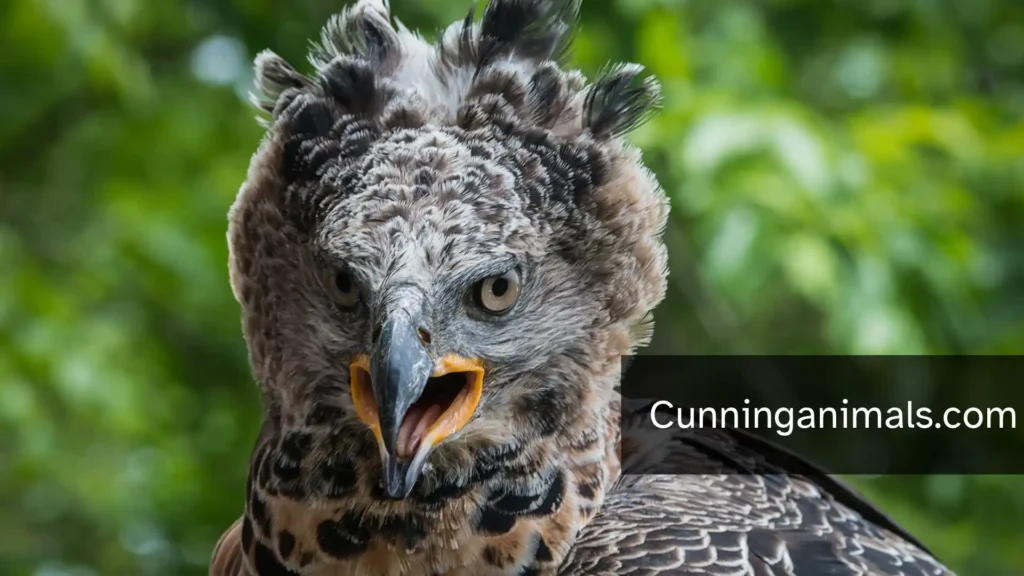
These majestic raptors often use a mix of stealth and speed to ambush their prey, showcasing their position as apex birds of prey in their habitats. Their specialized hunting behaviors ensure that they remain at the top of the food chain.
Martial Eagle
Scientific Name: Polemaetus bellicosus
Class: Aves
Diet: Carnivore
The martial eagle is Africa’s largest eagle and a master of hunting, often targeting medium-sized mammals, including monkeys. Its strong build and large wingspan allow for impressive aerial maneuvers in pursuit of prey.
Highly territorial, martial eagles dominate their hunting grounds, utilizing keen eyesight to spot potential meals from great heights. Their role as fearsome predators reinforces the biodiversity balance in their ecosystems.
Philippine Eagle
Scientific Name: Pithecophaga jefferyi
Class: Aves
Diet: Carnivore
The critically endangered Philippine eagle is renowned for its exceptional hunting skills, preying on a variety of animals, including monkeys. As an apex predator, it plays a vital role in regulating populations within its environment.

These eagles are primarily found in forest habitats, where they utilize their acute vision and powerful talons to capture prey. The reliance on monkeys underscores the interdependence within the food web of the Philippine archipelago.
Red-Tailed Hawk
Scientific Name: Buteo jamaicensis
Class: Aves
Diet: Carnivore
Known for its keen eyesight and adaptability, the red-tailed hawk may occasionally hunt smaller monkeys when other prey is scarce. Its hunting strategy often involves soaring high above the treetops, searching for any movement below.
These hawks are versatile predators, showcasing a remarkable ability to adjust their dietary habits based on availability, including small mammals like monkeys. Their role in the ecosystem highlights the intricate web of predator-prey relationships.
Nile Crocodile
Scientific Name: Crocodylus niloticus
Class: Reptilia
Diet: Carnivore
Nile crocodiles are opportunistic feeders, preying on various animals that venture near the water’s edge, including monkeys. They are known for their stealth and can remain submerged for long periods, waiting for the perfect moment to strike.

The sheer power and ambush tactics of Nile crocodiles present a significant threat to any animal near the water, including the agile monkeys that come to drink. Riverbanks are risky places for many species. To learn what else hides in these waters, browse our list of animals that live in rivers. Their role in the ecosystem emphasizes the crucial balance between predator and prey.
American Alligator
Scientific Name: Alligator mississippiensis
Class: Reptilia
Diet: Carnivore
American alligators are apex predators often found in freshwater environments, where they can easily ambush prey, including monkeys. Their powerful jaws and keen ambush tactics allow them to capitalize on unsuspecting animals approaching the water.
These reptiles exhibit a wide range of feeding behaviors, adapting their diet to include whatever comes within reach, including the occasional monkey. Their presence in wetland ecosystems is vital for maintaining the health of their habitat.
Green Anaconda
Scientific Name: Eunectes murinus
Class: Reptilia
Diet: Carnivore
As one of the heaviest snakes in the world, the green anaconda is a formidable predator that feeds on a range of animals, including monkeys. Its ability to blend into aquatic environments aids in stalking prey effectively.

Using constriction, anacondas subdue their prey quickly, emphasizing their role in the food chain. Their diverse diet illustrates the adaptability of these serpents in various habitats throughout South America. Snakes prove that you don’t need limbs to be an effective hunter. If you are curious about other animals without legs, our guide covers more of these unusual survivors.
Reticulated Python
Scientific Name: Malayopython reticulatus
Class: Reptilia
Diet: Carnivore
Reticulated pythons are among the longest snakes in the world, showcasing their remarkable strength and hunting prowess. They often prey on monkeys, utilizing their powerful bodies to constrict and consume their catch.
These pythons can adapt to various environments, from forests to urban areas, making them versatile predators. Their ability to take down large prey further demonstrates the intricate dynamics of predator-prey interactions within their ecosystems.
King Cobra
Scientific Name: Ophiophagus hannah
Class: Reptilia
Diet: Carnivore
The king cobra, the world’s longest venomous snake, is known for its formidable hunting skills. While primarily feeding on other snakes, it may also target young monkeys, showcasing a flexible diet based on availability.

With its keen senses and ability to strike with precision, the king cobra embodies the apex predator’s role within its habitat. Its presence serves as a reminder of nature’s delicate balance between predator and prey.
Komodo Dragon
Scientific Name: Varanus komodoensis
Class: Reptilia
Diet: Carnivore
The Komodo dragon, the largest lizard in the world, is an apex predator that may also consume monkeys when the opportunity arises. Its formidable size and hunting strategy allow it to tackle various prey, showcasing its adaptability.
With powerful jaws and a keen sense of smell, these reptiles are equipped to bring down larger animals, including monkeys, thus maintaining the balance within their ecosystems. Their predatory role is crucial in ensuring healthy populations of all species in their habitat.
Gray Wolf
Scientific Name: Canis lupus
Class: Mammalia
Diet: Carnivore
Gray wolves are highly social animals, known for their pack behavior and intricate hunting techniques. While their main prey consists of large ungulates, they can also target smaller mammals, including monkeys, particularly in unique ecosystems.

The wolf’s adaptability and intelligence allow them to shift their dietary focus based on environmental circumstances, showcasing their resilience. Their role in the ecosystem is vital as they help maintain population balances among various species, including potential monkey prey.
Coyote
Scientific Name: Canis latrans
Class: Mammalia
Diet: Omnivore
Coyotes are renowned for their adaptability, often thriving in diverse landscapes, including urban areas. While they primarily hunt small mammals, they will opportunistically prey on monkeys when they venture into accessible habitats.
Their cunning nature and vocal communication enhance their hunting success, demonstrating their ability to exploit various environments. This versatility emphasizes the complex interactions within ecosystems and the various roles each species plays.
Boa Constrictor
Scientific Name: Boa constrictor
Class: Reptilia
Diet: Carnivore
Boa constrictors are non-venomous snakes known for their ambush tactics and constriction methods. In their quest for prey, they can target arboreal animals, including monkeys, particularly in tropical forests.
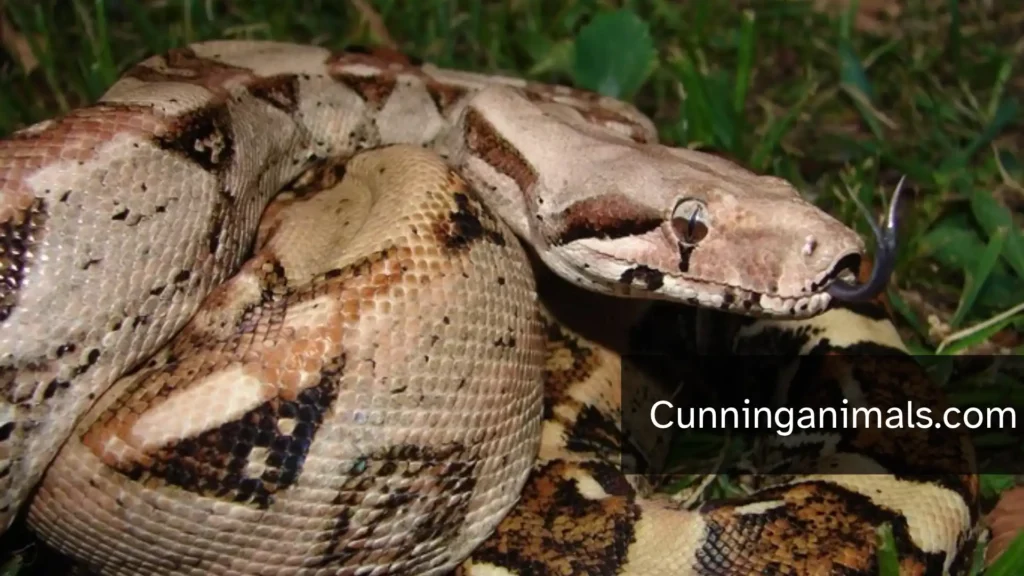
These snakes are skilled climbers, utilizing their strength to overpower and swallow larger prey whole. Their predatory habits showcase the dynamic balance of predator and prey in their habitats, contributing to biodiversity.
Puma (Cougar)
Scientific Name: Puma concolor
Class: Mammalia
Diet: Carnivore
Pumas, also known as cougars, are versatile predators capable of thriving in various ecosystems. While they often hunt larger prey, they can also target monkeys when the opportunity presents itself.
Their solitary nature and ability to cover large territories allow them to adapt their hunting strategies as needed. This adaptability ensures they play a critical role in maintaining ecological balance in their environments.
Black Caiman
Scientific Name: Melanosuchus niger
Class: Reptilia
Diet: Carnivore
Black caimans are massive reptiles primarily found in the Amazon Basin, where they reign as apex predators. They opportunistically hunt a variety of animals, including monkeys that venture too close to the water’s edge.
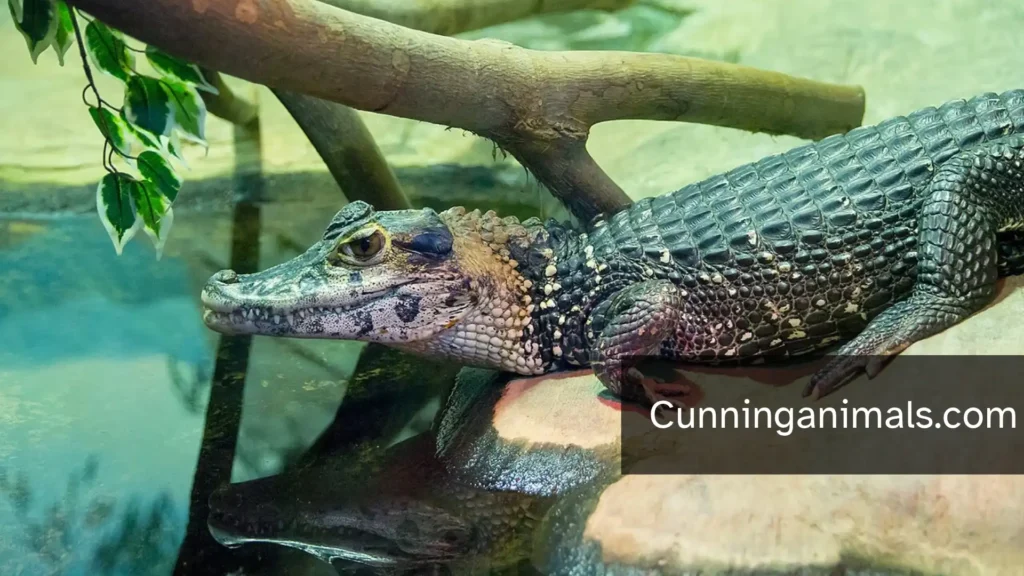
With stealth and power, these caimans demonstrate the vital interactions within aquatic ecosystems. Their predatory role highlights the interconnectedness of life in the wild, emphasizing the importance of each species to the ecosystem’s health.
Interesting Facts About Animals That Eat Monkeys
The interaction between monkeys and their predators reveals the complexity of ecosystem dynamics. Animals that eat monkeys like leopards and harpy eagles demonstrate remarkable adaptations that enhance their hunting success. For instance, leopards utilize their climbing skills to evade risks while securing a meal, showcasing an evolutionary trade-off between hunting and safety.
- Some chimpanzees hunt other primates in coordinated groups, showcasing their intelligence and social skills.
- Harpy eagles are equipped with powerful talons, making them formidable hunters in forest canopies where monkeys reside.
- Leopards are known for their exceptional climbing ability, often dragging their prey into the safety of trees to avoid scavengers.
- Jaguars, adept swimmers, frequently stalk monkeys near rivers and wetlands, employing stealth due to their spotted camouflage.
- Crocodilians, lurking just beneath the water’s surface, can ambush unsuspecting monkeys that venture too close to the edge.
- Large snakes, such as constrictors, can consume prey much wider than their heads, allowing them to take down monkeys efficiently.
- Monkey predators vary significantly across continents; the species hunting them in Africa differ from those in Asia and the Americas.
- Monkeys possess an array of alarm calls that serve to alert their group about impending danger from these predators.
- While some animals are classified as monkey predators, they may only hunt monkeys sporadically due to dietary flexibility.
- A predator’s success in hunting monkeys often depends on its size, habitat, and the abundance of available prey in its environment.
Conclusion
In exploring the diverse world of animals that eat monkeys, we’ve uncovered fascinating insights into the complex relationships within ecosystems. From skilled hunters to opportunistic feeders, these predators highlight the importance of balance in nature.
Understanding the hunting habits and behaviors of these animals not only enriches our knowledge of wildlife but also sheds light on the survival strategies of monkeys themselves. As we reflect on the dynamics of these predator-prey interactions, it becomes evident that every species plays a crucial role in the web of life.
FAQs
Who Are The Main Predators Of Monkeys?
The main predators of monkeys include leopards, large eagles, snakes, and chimpanzees in some regions. Humans are also a threat through hunting and habitat destruction.
What Foods Are Toxic To Monkeys?
Chocolate, caffeine, and alcohol can be harmful or toxic to monkeys. Highly salted and sugary foods should also be avoided, and safe diets vary by monkey species.
Why Don’t We Eat Monkey Meat?
Monkey meat is eaten in some regions, but it is uncommon elsewhere because of cultural beliefs, ethical concerns, conservation laws, and the risk of diseases spreading from animals to humans.
Which Animal Eats A Monkey?
Leopards, jaguars, large eagles, and some snakes prey on monkeys, depending on their habitat and size. Chimpanzees also hunt and eat monkeys in certain regions.