Animals Like Skunks: 10 Skunk Look-Alikes You Should Know
The world of Animals Like Skunks extends far beyond the familiar striped figures often seen scurrying across gardens. Many skunk-like animals showcase impressive adaptations and features that mirror those of skunks. Becoming acquainted with these animals similar to skunks allows us to enhance our understanding of animal survival strategies, camouflage, and behavior.
With this article, you’ll gain insights into seven specific creatures that not only resemble skunks but also hold unique ecological importance. Let’s discover the allure of these remarkable animals that share the same black-and-white look.
What Makes An Animal Look Like A Skunk?
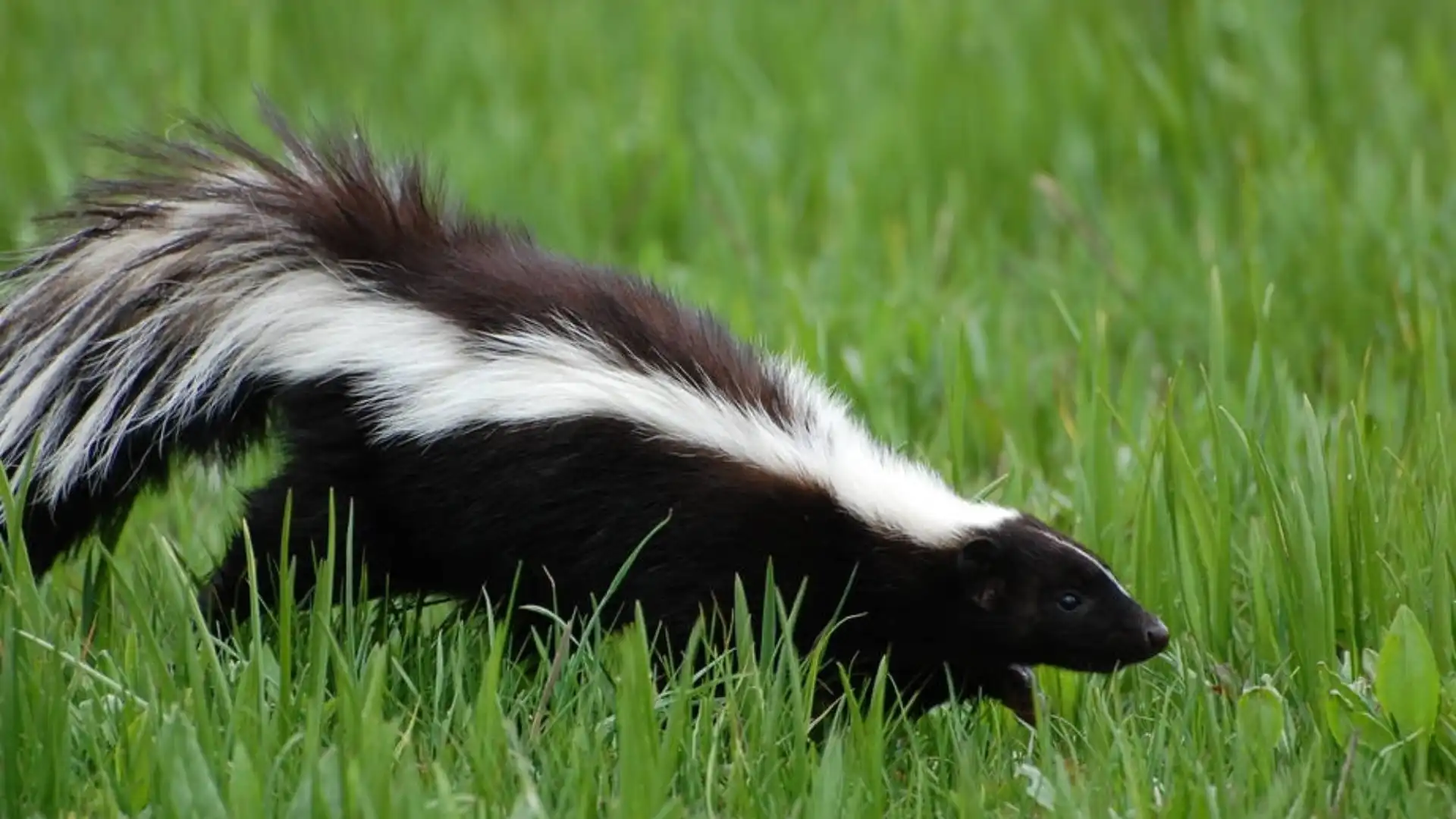
When considering what makes an animal look like a skunk, several key features stand out. The most notable are the iconic black-and-white markings that serve as a warning to potential predators. These bold contrasts are not just for show; they play a crucial role in signaling the animal’s defensive capabilities.
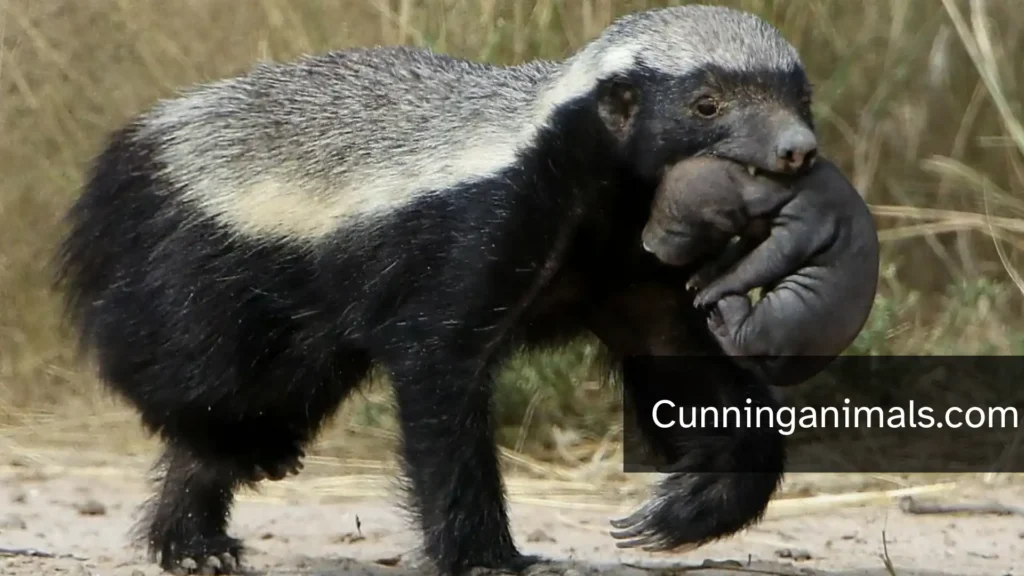
The stocky body and short legs contribute to a skunk-like appearance. Many creatures mimicking skunks adopt a similar posture to enhance their resemblance. The presence of a bushy or distinctive tail further solidifies this similarity, often used as a display mechanism during encounters.
Animals that share skunk-like traits often exhibit comparable defensive behaviors, such as a strong aversion to threats and the ability to emit strong odors as a deterrent. Look-alikes show up across the animal kingdom, not just among skunks. If you enjoy spotting resemblances, you will like our guide to animals that look like a capybara.
Top 10 Animals Like Skunks
| Rank | Animal | Key Similarity | Main Difference |
| 1 | Striped Polecat | Black-and-white pattern | Different species native to Africa |
| 2 | Spotted Skunk | Similar skunk appearance | Smaller body and spotted markings |
| 3 | Zorilla | Bold black-and-white coat | Native to Africa |
| 4 | Badger | Stocky body and distinctive markings | Broader body and powerful digging claws |
| 5 | Stink Badger | Skunk-like appearance and scent defense | Native to Southeast Asia |
| 6 | American Badger | Low body and dark facial markings | Larger, stronger build with a pale stripe on the head |
| 7 | Hog-Nosed Skunk | Similar body shape and striped coat | Distinctive upturned snout |
| 8 | African Civet | Black-and-white markings and scent-based defense | Larger body with spots and stripes |
| 9 | Marbled Polecat | Contrasting dark-and-light coat and bushy tail | Smaller, slender body |
| 10 | Striped Hog-Nosed Skunk | Black-and-white stripes and defensive spray | Distinctive upturned snout |
Striped Polecat
The striped polecat may not enjoy a reputation as a cuddly companion, but its distinct appearance and adaptability are remarkable blessings of nature. This fascinating creature, known for its bold, striped fur, plays a vital role in maintaining the balance within its ecosystem.
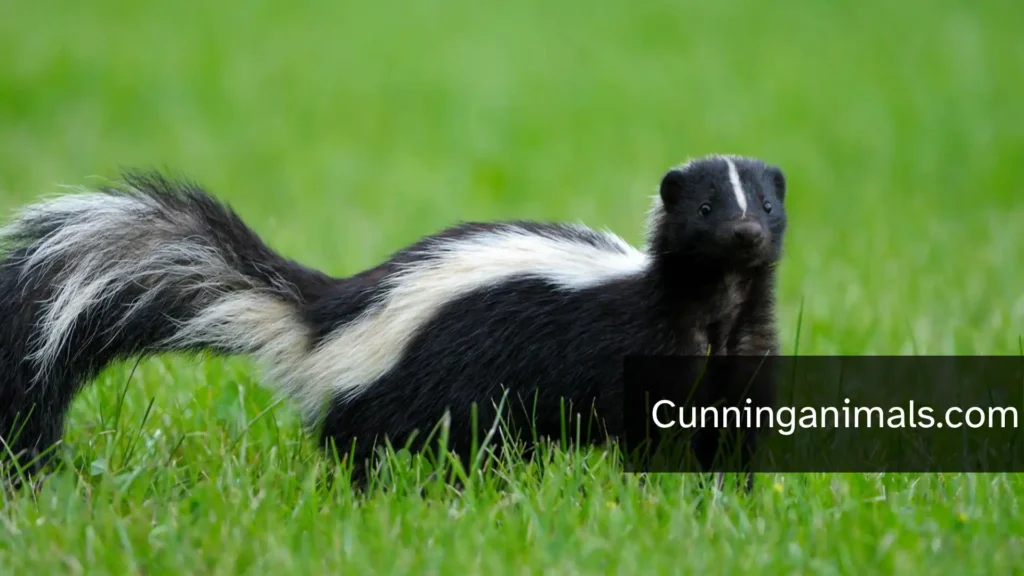
In the wild, striped polecats are skilled foragers, primarily feeding on insects and small rodents. For more examples of resourceful wildlife, take a look at our article on cunning animals. With a strong sense of territory, they confidently defend their space while also demonstrating the importance of community within their habitats.
Spotted Skunk
The spotted skunk, with its charming motley coat and nimble physique, offers a vibrant example of nature’s creativity. Known for its ability to perform acrobatic displays when threatened, the spotted skunk captures our imaginations by showcasing the power of individuality. This remarkable creature inspires us to celebrate our distinct traits and embrace our inner strength as part of a divine plan.

Spotted skunks are primarily nocturnal and exhibit fascinating behaviors, including their unique handstands to ward off predators. Their broken, spotted pattern is part of what makes them so distinctive. To see how other species use markings for camouflage or warning, browse our list of animals with spots. Through their adept hunting skills, they play a vital role in controlling pest populations in their environments.
Zorilla
The zorilla, often mistaken for a skunk due to its similar scent and appearance, captivates with its intriguing blend of elegance and fierceness. Found in parts of Africa, this striking animal showcases the diverse beauty of God’s creations, inspiring us to appreciate the unique traits found in all species. Zorillas convey the blessing of resilience, teaching us that even the smallest creatures can exhibit formidable strength.

Known for their strong odor when threatened, zorillas instinctively protect themselves while also playing a crucial role in their ecosystems. Their foraging habits contribute to controlling insect populations, showcasing their ecological importance. Zorillas are actually close relatives of weasels, sharing many traits within the same wider family. If you’d like to explore more of these connections, our guide on animals like weasels is a great next read.
Badger
The badger is a symbol of determination, burrowing into the earth with an unwavering commitment to its home. With strong claws and a fierce demeanor, this tenacious creature embodies the importance of resilience and stability in our lives. The badger teaches us to dig deep within ourselves to find the strength needed to navigate life’s challenges confidently.
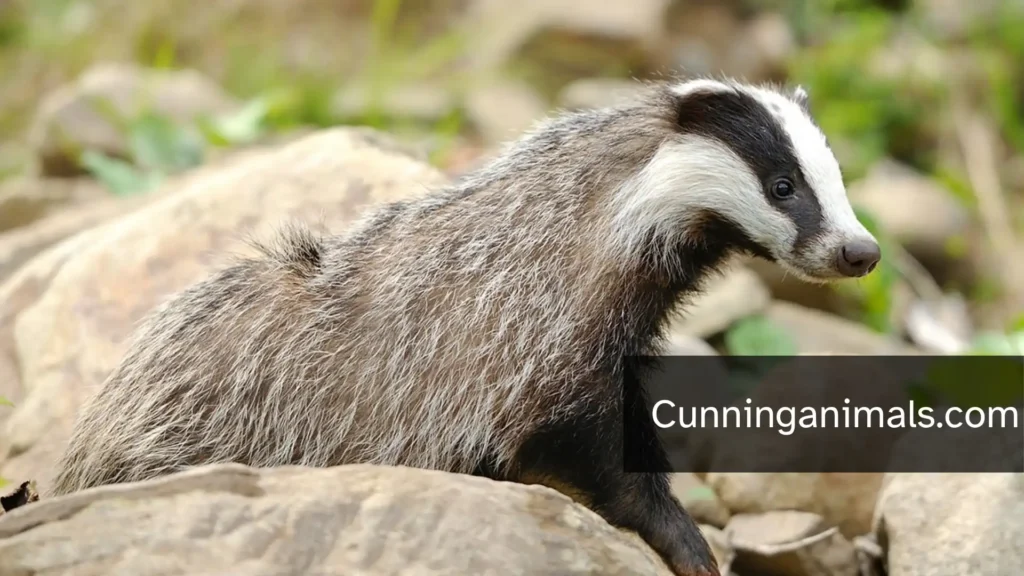
Inhabiting a variety of environments across the globe, badgers are skilled foragers, often seen digging for food or marking their territory with gusto. Many readers wonder where these diggers actually live. If you are curious about the northeastern United States, find out whether you can spot badgers in Maine.
If you enjoy stories of animals that get by through modesty rather than dominance, check out our article on animals that are humble.
Stink Badger
Although the stink badger shares similarities with its striped cousin, it stands apart with its unique characteristics and delightful charm. This creature’s remarkable ability to release a pungent odor as a defense mechanism reminds us of the power of self-protection and the beauty of standing our ground. The stink badger’s presence in nature serves as a testament to the incredible diversity of God’s creations.
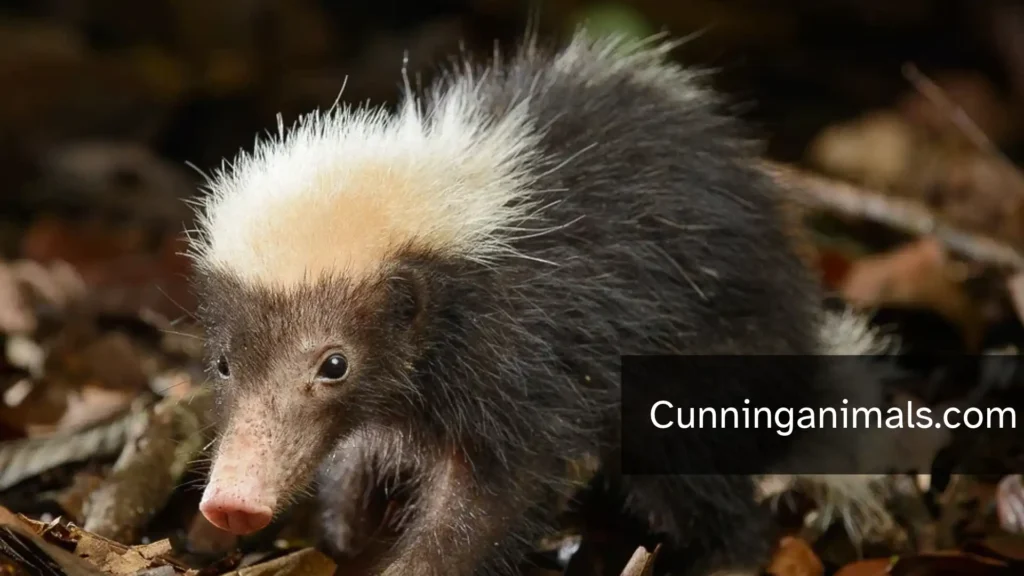
Stink badgers are primarily native to Southeast Asia, adapting well to their environments and showcasing their resourcefulness. They often dig for insects and small creatures, highlighting their keen hunting instincts. Digging is a survival skill shared by many mammals. For more burrowing species with similar habits, take a look at these animals like groundhogs. By learning from the stink badger, we can embrace our own unique defenses and creativity in addressing life’s obstacles, celebrating the different gifts we are given.
American Badger
The American badger epitomizes the spirit of perseverance and resourcefulness that resonates throughout nature. With its sturdy build and powerful claws, this remarkable animal digs deep to create both homes and passageways, reminding us that sometimes we must work hard to secure our place in the world. The American badger’s industrious nature encourages us to approach our own endeavors with commitment and zeal.

American badgers are solitary creatures, often roaming the prairies and grasslands in search of food. Living alone is a successful strategy for many species. You can read about other solitary animals that prefer to hunt and rest on their own. Their diet mainly consists of small mammals, which they capture through determination and stealth. Observing their diligent habits reinforces the value of hard work and self-sufficiency, motivating us to contribute positively to our communities and nurture our individual strengths.
Hog-nosed Skunk
The hog-nosed skunk, with its distinct appearance and adaptable nature, offers a fresh perspective on the diversity of life. Often overlooked due to its peculiar traits, this skunk reminds us that uniqueness can be a source of strength and resilience. The hog-nosed skunk teaches us to celebrate our differences and find joy in the unexpected beauty surrounding us.
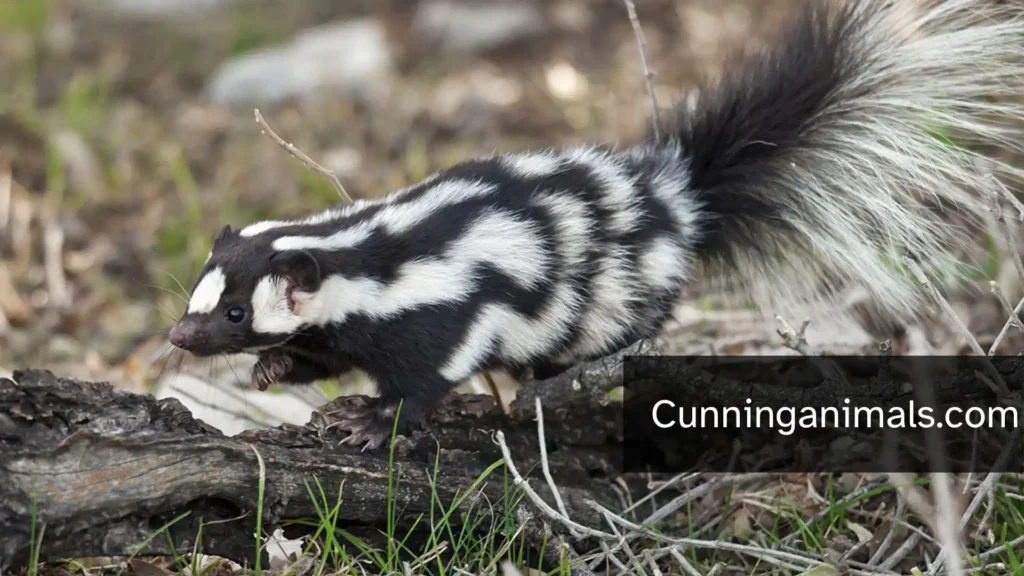
These skunks possess a playful demeanor, often seen foraging for food or engaging in social interactions with others of their kind. As they use their keen sense of smell to navigate their habitats, they play an essential role in maintaining ecological balance.
African Civet
The African Civet is a striking example of animals like skunks, showcasing a unique blend of aesthetics and defense mechanisms.
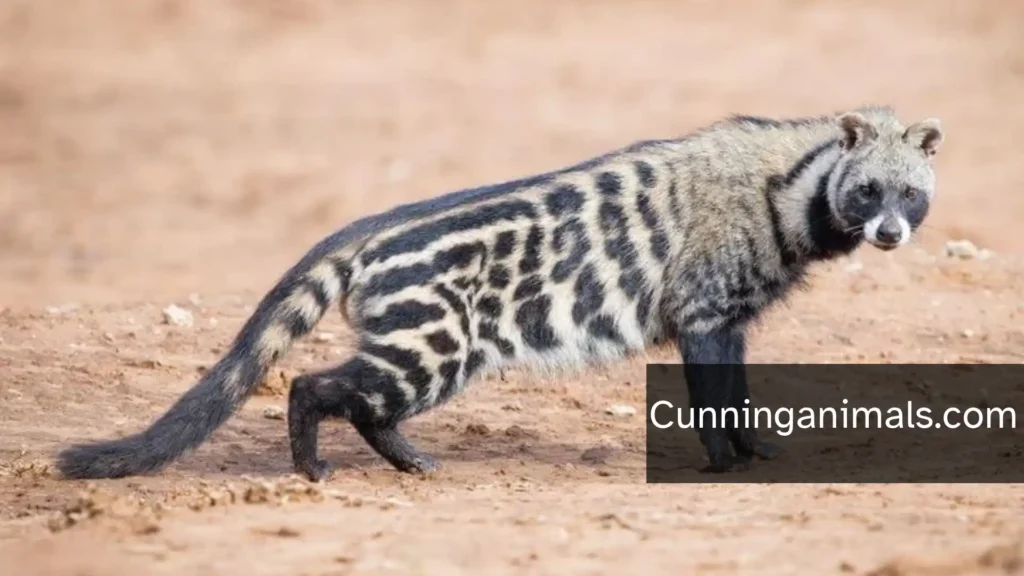
Its notable black-and-white markings serve not just for visual appeal but also a warning to potential predators, while its larger body, adorned with distinctive spots and stripes, adds to its allure. This nocturnal creature often emits a strong musky scent, allowing it to ward off threats, much like its skunk relatives.
Marbled Polecat
In contrast, the Marbled Polecat captures attention with its contrasting dark-and-light coat, making it both beautiful and elusive in its habitat. This smaller, slender mammal utilizes its bushy tail as an aid in balance but is equally dependent on its aggressive demeanor and pungent scent when cornered.

Though it doesn’t possess the potent spray of the skunk, its clever defense mechanisms keep potential threats at bay, embodying the essence of survival in a fierce world.
Striped Hog-Nosed
The Striped Hog-Nosed Skunk, with its striking black-and-white stripes, stands out in the family of animals like skunks. This creature is not only recognizable for its distinct appearance but also for its remarkable ability to deploy a noxious defensive spray that rivals that of its larger cousins.
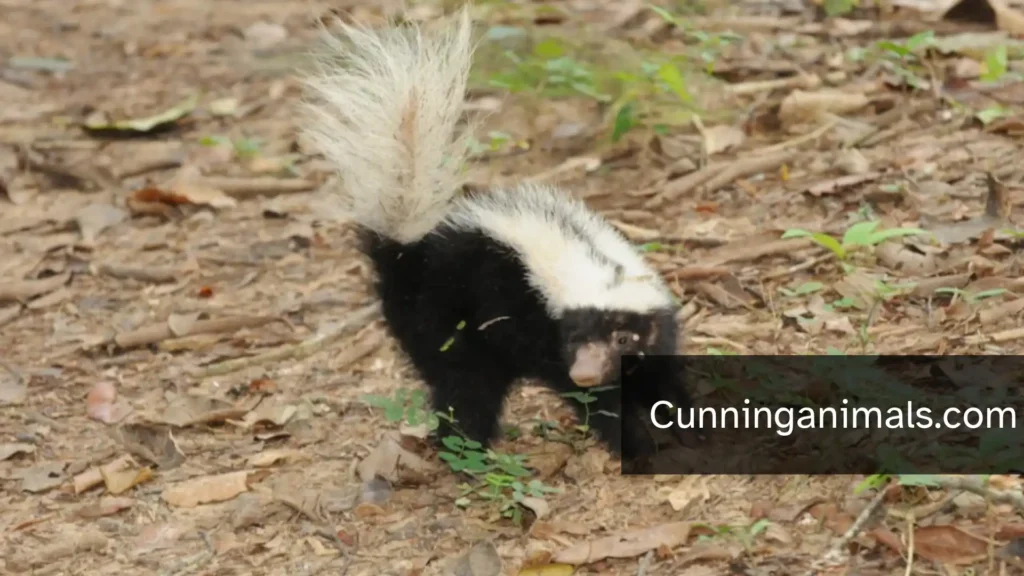
Its upturned snout gives it a unique edge in foraging, proving that even the quirkiest adaptations can lead to success in the wild. Each of these fascinating animals demonstrates the diverse strategies employed in the animal kingdom to thrive and evade danger.
Interesting Facts About Skunk Look-Alikes
These fascinating facts reveal the intricate ways animals adapt to their environments and each other. The mimicry seen in skunk look-alikes highlights the evolutionary arms race between predators and prey, where appearance and behavior play crucial roles in survival. Understanding these dynamics deepens our appreciation for biodiversity and ecological interactions.
- Many animals, like the Eastern chipmunk and certain rodents, mimic the skunk’s appearance to deter predators.
- Skunk look-alikes often inhabit similar environments, such as forests, grasslands, and urban areas.
- The striking black-and-white warning coloration serves as a universal signal to potential threats about their toxicity or unpleasant traits. For more creatures that test our patience, see our list of the most annoying animals in the world.
- While skunks are primarily known for their noxious spray, some look-alikes, like certain African mammals, exhibit similar defensive behaviors without the foul smell.
- Many skunk mimics are nocturnal, adapting their behavior to avoid daytime predators and enhance their survival.
- A variety of look-alikes possess different body shapes, with some being more elongated or compact, showcasing evolutionary diversity.
- The defensive tactics of these creatures often involve not just appearance, but also posturing and vocalizations that imitate true skunks.
Conclusion
Animals like skunks can be found in various environments, showcasing a range of adaptations that make them unique yet similar to skunks. Throughout this article, we’ve highlighted seven remarkable skunk look-alikes, revealing how closely related some of these animals that look like skunks can be.
From their physical traits to their behavior, skunk-like animals often surprise us with their fascinating life stories. By learning about these creatures, we not only expand our knowledge but also foster a deeper connection to the natural world around us.
FAQs
What Animal Is Similar To A Skunk?
Animals similar to skunks include badgers, weasels, ferrets, martens, and otters. Many belong to the Mustelidae (weasel) family, although skunks are now classified in their own family, Mephitidae.
What Are The Top 10 Animals In The Weasel Family?
The Mustelidae family includes many carnivorous mammals. Ten well-known members are weasels, ferrets, stoats, martens, fishers, wolverines, badgers, otters, tayras, and grisons.
What Looks Like A Skunk But It’s Not A Skunk?
The striped polecat can look very similar to a skunk because it has contrasting black-and-white markings and can release a strong-smelling defensive secretion. Other skunk look-alikes include hog-nosed skunks and some badgers, depending on the species.
What Are The 12 Types Of Skunks?
There are more than 12 recognized skunk species, depending on the taxonomic classification used. They include striped skunks, spotted skunks, hooded skunks, hog-nosed skunks, and several species within these groups. The exact number can vary as classifications change.
What Is A Skunk’s Worst Enemy?
Skunks fIace predators such as great horned owls, coyotes, bobcats, foxes, and mountain lions. Their strong-smelling spray is an important defense, but great horned owls are particularly notable because their relatively weak sense of smell makes the skunk’s spray less effective against them.