22 Animals That Eat Frogs (Frog Predators You’ll Never Expect
Frogs are often seen as harmless creatures, but the truth is, they play a pivotal role in the food chain, serving as a meal for a surprising array of animals. In this article, we explore 22 animals that eat frogs, revealing not just the well-known predators, but also some unexpected ones that might astonish you.
Understanding what eats frogs and what are frogs’ predators is essential for grasping the delicate balance of ecosystems. By delving into this fascinating topic, You will gain insight into the predators that shape frog populations and the ecological implications that come with it.
What Animals Eat Frogs?
Frogs face a diverse array of predators in their natural habitats, each employing unique hunting strategies. Common frog predators include snakes, herons, cranes, owls, and alligators, all of which capitalize on the frogs’ amphibious nature and their tendency to inhabit watery environments.
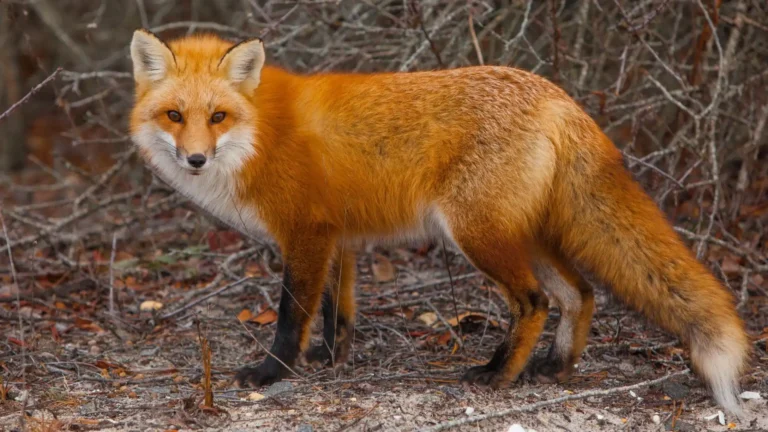
Even some unexpected culprits, like raccoons, otters, and foxes, add to the list of what animals eat frogs. Intriguingly, some frogs are cannibalistic, consuming smaller or weaker members of their own species. This complex food web highlights the crucial role frogs play in various ecosystems while also underscoring the constant struggle for survival in the wild.
List Of Animals That Eat Frogs
| No. | Animal | Scientific Name | Class | Diet |
| 1 | Snakes | Various species | Reptilia | Carnivore |
| 2 | Raccoons | Procyon lotor | Mammalia | Omnivore |
| 3 | Cranes | Gruidae | Aves | Omnivore |
| 4 | Skunks | Mephitidae | Mammalia | Omnivore |
| 5 | Alligators | Alligator mississippiensis | Reptilia | Carnivore |
| 6 | Herons | Ardeidae | Aves | Carnivore |
| 7 | Owls | Strigiformes | Aves | Carnivore |
| 8 | Otters | Lutrinae | Mammalia | Carnivore |
| 9 | Monitor Lizards | Varanus spp. | Reptilia | Carnivore |
| 10 | Pike | Esox spp. | Actinopterygii | Carnivore |
| 11 | Opossums | Didelphidae | Mammalia | Omnivore |
| 12 | Turtles | Testudines | Reptilia | Omnivore |
| 13 | Largemouth Bass | Micropterus salmoides | Actinopterygii | Carnivore |
| 14 | Foxes | Vulpes spp. | Mammalia | Omnivore |
| 15 | Hawks | Accipitridae | Aves | Carnivore |
| 16 | Other Frogs | Anura | Amphibia | Carnivore |
| 17 | Eels | Anguilliformes | Actinopterygii | Carnivore |
| 18 | Crows | Corvus spp. | Aves | Omnivore |
| 19 | Coyotes | Canis latrans | Mammalia | Omnivore |
| 20 | Salamanders | Caudata | Amphibia | Carnivore |
| 21 | Kingfishers | Alcedinidae | Aves | Carnivore |
| 22 | Ducks | Anatidae | Aves | Omnivore |
Snakes
Scientific Name: Serpentes
Class: Reptilia
Diet: Carnivorous
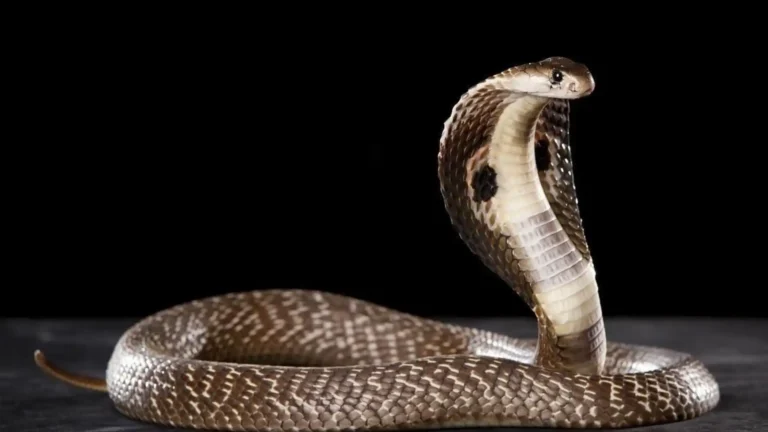
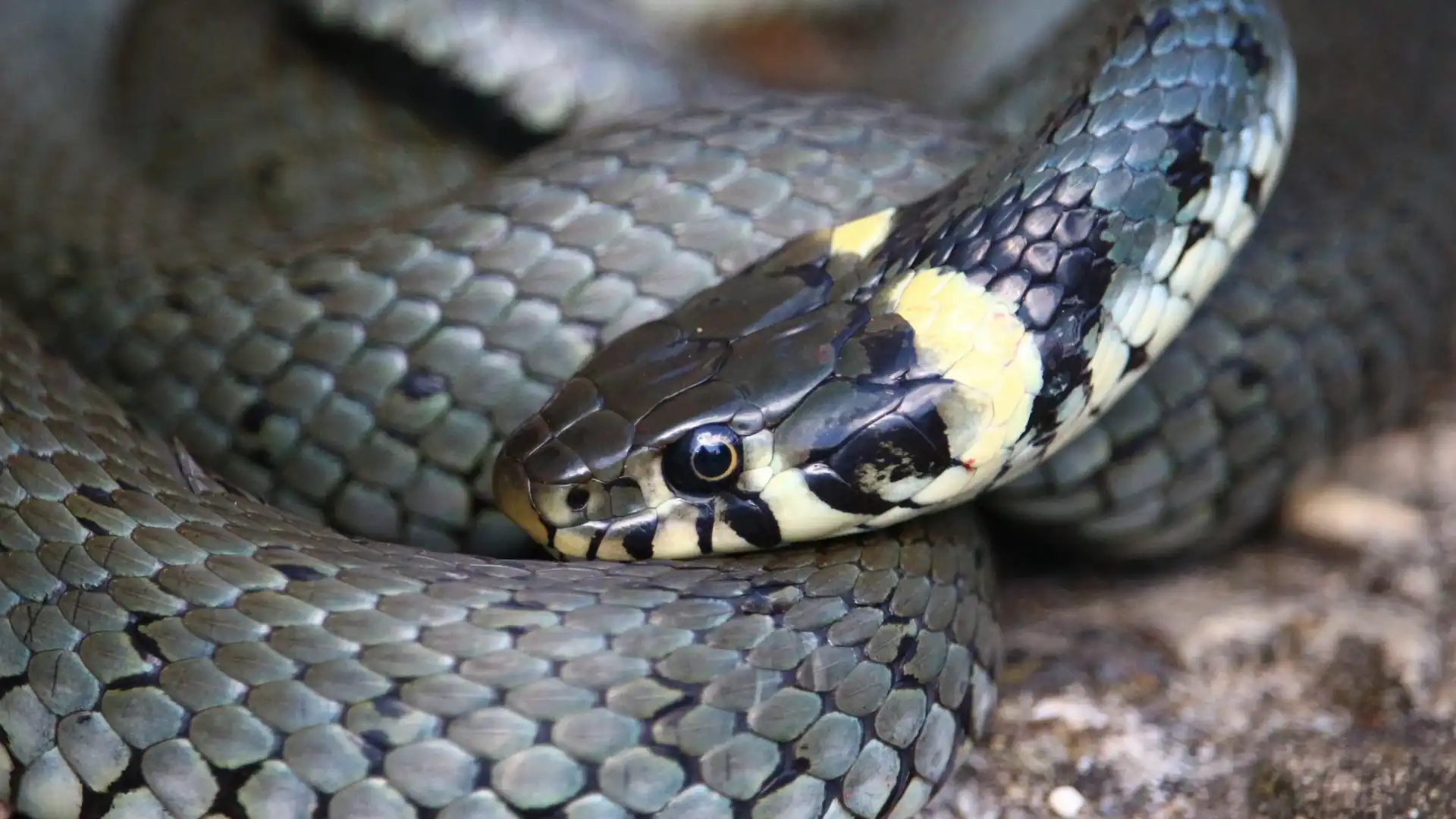
Snakes are one of the most adept hunters of frogs, employing their keen sense of smell and stealthy movements to ambush. Many species, such as garter snakes, specifically target amphibians, making frogs a staple in their diet.
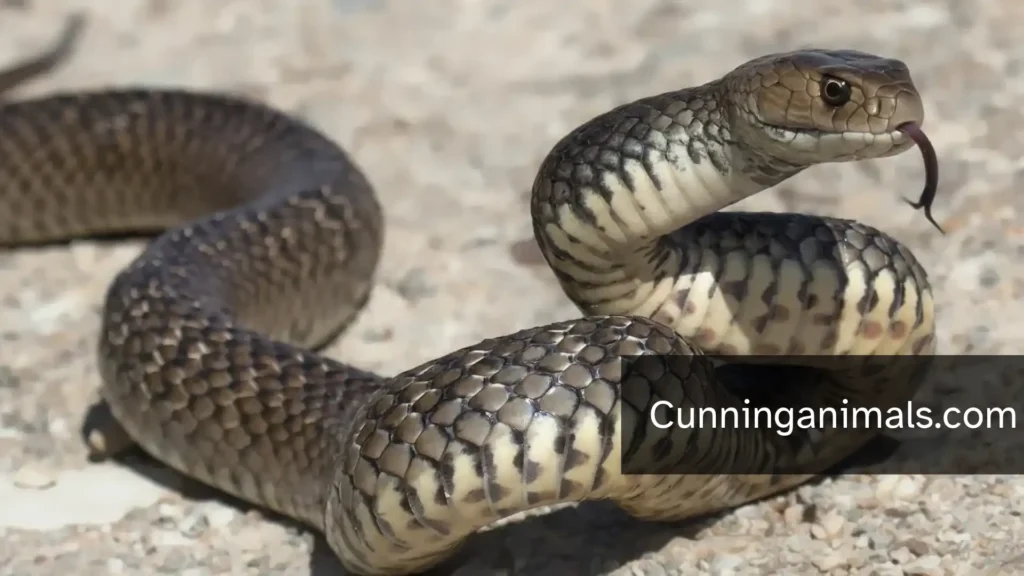
Their flexible jaws allow them to consume frogs whole, often leading to an impressive digestive process that can take several days. This capability enables snakes to exist in diverse habitats, further bringing them into contact with a variety of frog species.
Raccoons
Scientific Name: Procyon lotor
Class: Mammalia
Diet: Omnivorous
Raccoons are known for their dexterous hands and intelligent foraging strategies, making them skilled at catching frogs. These nocturnal animals often probe through shallow waters or wetlands, using their sharp senses to locate amphibians hiding near the water’s edge.
Their penchant for frogs is an extension of their opportunistic diet, encompassing various food sources available in their habitats. This versatility ensures that raccoons can thrive in both urban and rural environments.
Cranes
Scientific Name: Gruiformes
Class: Aves
Diet: Carnivorous
Cranes are tall, elegant birds that often hunt for frogs in shallow wetlands, showcasing their grace in both appearance and behavior. With their long legs and sharp beaks, they swiftly snatch up unsuspecting amphibians, integrating them into their protein-rich diet.
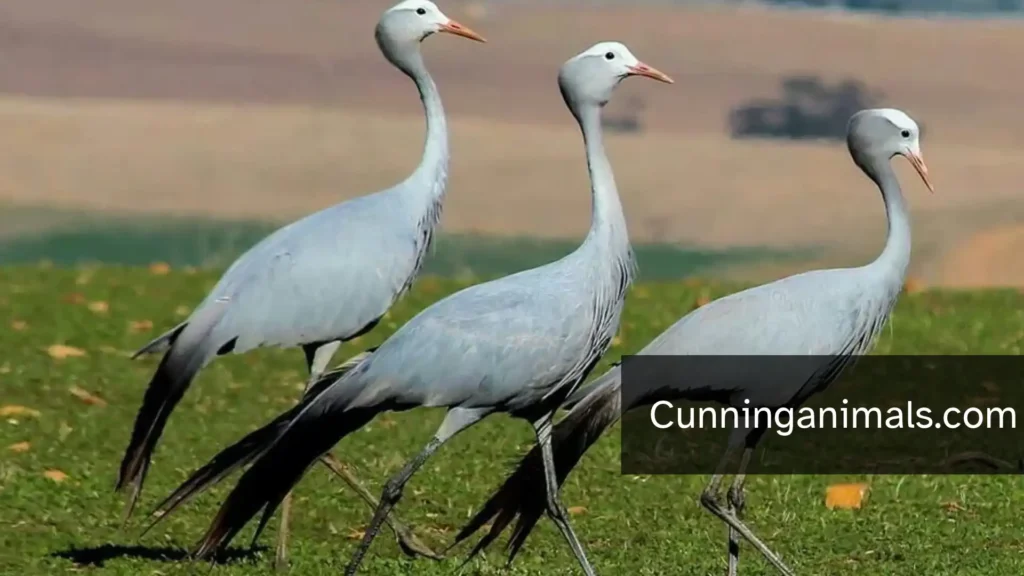
These birds play a crucial ecological role, helping control frog populations that may otherwise surge in absence of their natural predators. Their hunting skills are a testament to the interconnectedness of wetland ecosystems. If you’re curious where these graceful hunters turn up in North America, check out our guide on cranes in Michigan.
Skunks
Scientific Name: Mephitidae
Class: Mammalia
Diet: Omnivorous
Skunks are infamous for their potent spray, but their diet often includes frogs, particularly when other food sources are scarce. Their keen sense of smell aids them in detecting amphibians hiding in grass or near water bodies, showcasing their opportunistic feeding habits.
This unexpected predation can influence local frog populations, especially in areas where skunk populations are high. By consuming frogs, skunks contribute to maintaining a natural balance within their ecosystems.
Alligators
Scientific Name: Alligator mississippiensis
Class: Reptilia
Diet: Carnivorous
Alligators are apex predators in their aquatic environments and feast on various prey, including frogs. Their stealthy ambush tactics allow them to capture amphibians effectively, demonstrating the balance of nature in swamp ecosystems.
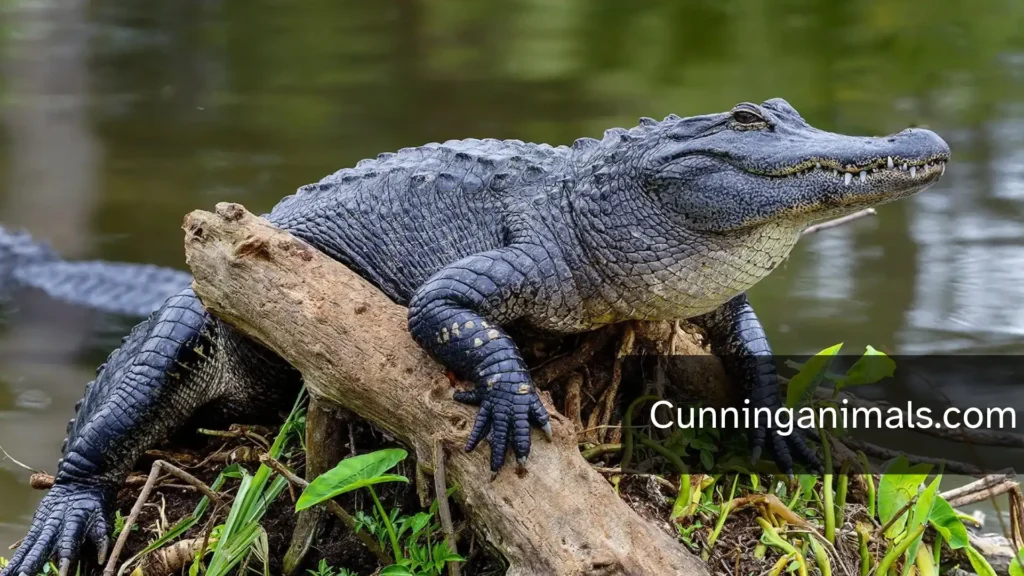
With their powerful jaws and strong swimming abilities, alligators are perfectly adapted to their roles as predators, helping regulate the populations of species like frogs that inhabit their habitats.
Herons
Scientific Name: Ardeidae
Class: Aves
Diet: Carnivorous
Herons are expert hunters, often seen standing still for long periods as they hunt frogs in shallow waters. Their sharp, pointed bills are perfectly designed for spearing amphibians, making them one of the more efficient frog-eating birds.
These elegant birds not only contribute to controlling frog populations but also serve as indicators of ecosystem health. The presence of herons often signifies a thriving wetland habitat.
Owls
Scientific Name: Strigiformes
Class: Aves
Diet: Carnivorous
Owls are nocturnal hunters, taking advantage of their exceptional night vision to hunt frogs primarily during dusk or dawn. With their silent flight, they can approach prey unnoticed, landing accurate strikes with their talons.
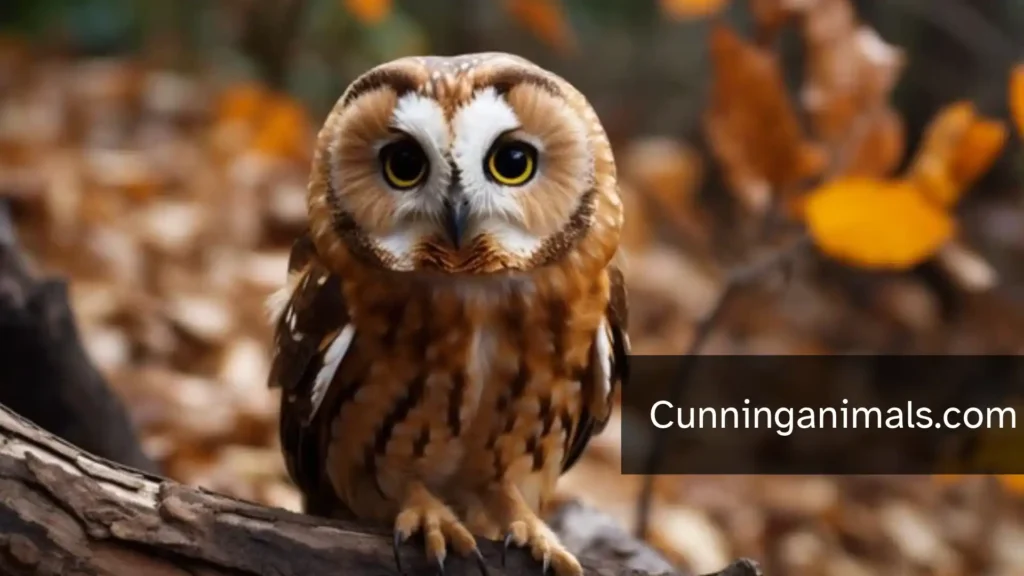
While not their primary food source, frogs can fall prey to owls, especially in environments where amphibians are abundant. This predation adds an interesting layer to their dietary habits, emphasizing the complexity of food webs.
Otters
Scientific Name: Lontra canadensis
Class: Mammalia
Diet: Carnivorous
Otters are playful yet adept hunters that often indulge in frogs when available. They utilize their agility in water to dive and chase down amphibians, showcasing their ability to adapt to various prey.
As social animals, otters may work together to hunt, enhancing their efficiency and success rate. Their frog-eating habits also contribute to the ecological balance of freshwater environments, much like the wider community of animals that live in rivers.
Monitor Lizards
Scientific Name: Varanidae
Class: Reptilia
Diet: Carnivorous
Monitor lizards are formidable predators with a keen sense of smell, making them highly effective at locating frogs. They utilize their sharp claws and powerful jaws to capture and consume amphibians in their habitats.
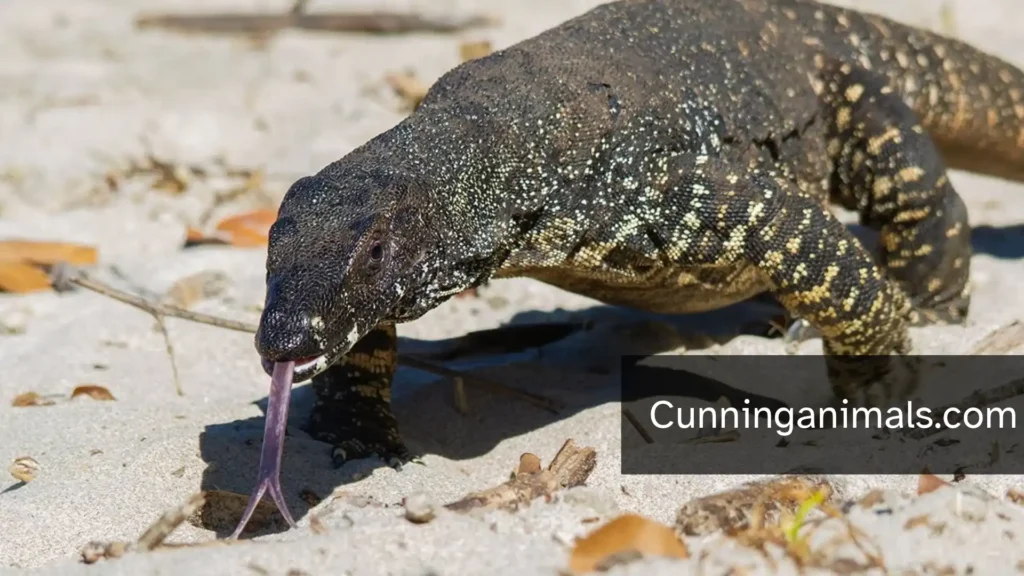
These reptiles are adaptable in their predation, often switching prey based on availability. Their role as predators helps regulate frog populations, impacting local ecosystems significantly. For more on where these reptiles thrive, take a look at our piece on lizards in Florida.
Pike
Scientific Name: Esox lucius
Class: Actinopterygii
Diet: Carnivorous
Pike are fierce freshwater predators that do not shy away from munching on frogs. Their elongated bodies enable them to ambush unsuspecting amphibians, making them efficient hunters in murky waters.
This predatory behavior contributes to the ecological balance of lakes and rivers, keeping frog populations in check and promoting a healthy aquatic ecosystem. Pike’s voracious appetites and stealth tactics underscore their role as top predators in their environments.
Opossums
Scientific Name: Didelphis virginiana
Class: Mammalia
Diet: Omnivorous
Opossums are versatile feeders known for their adaptability, and frogs occasionally join their diet. These nocturnal marsupials use their keen sense of smell to scavenge and hunt for amphibians, demonstrating their omnivorous nature.
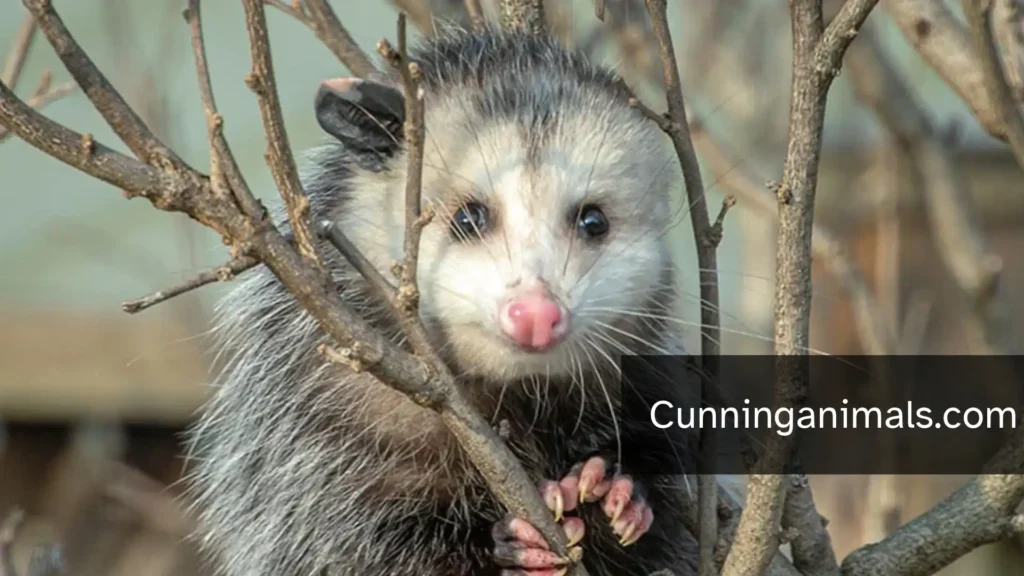
While frogs are not a primary food source, their occasional consumption helps control local populations, highlighting the interconnectedness inherent in ecosystems. Opossums play a valuable role as opportunistic feeders, balancing the food web.
Turtles
Scientific Name: Testudines
Class: Reptilia
Diet: Omnivorous
Depending on the species, turtles can be opportunistic feeders, sometimes including frogs in their diet. Aquatic turtles frequently hunt for frogs in shallow waters, employing stealth and patience to capture their prey.
This predation helps shape the dynamics of aquatic habitats. As turtles continue to thrive in diverse environments, their role in controlling frog populations is a natural component of ecosystem health. Beyond hunting, turtles have some surprisingly agile skills too — find out can turtles climb?
Largemouth Bass
Scientific Name: Micropterus salmoides
Class: Actinopterygii
Diet: Carnivorous
Largemouth bass are known for their robust appetite, and frogs are often on the menu. These predatory fish utilize ambush tactics, darting out from cover to snap up frogs near the surface of the water, demonstrating their hunting prowess.
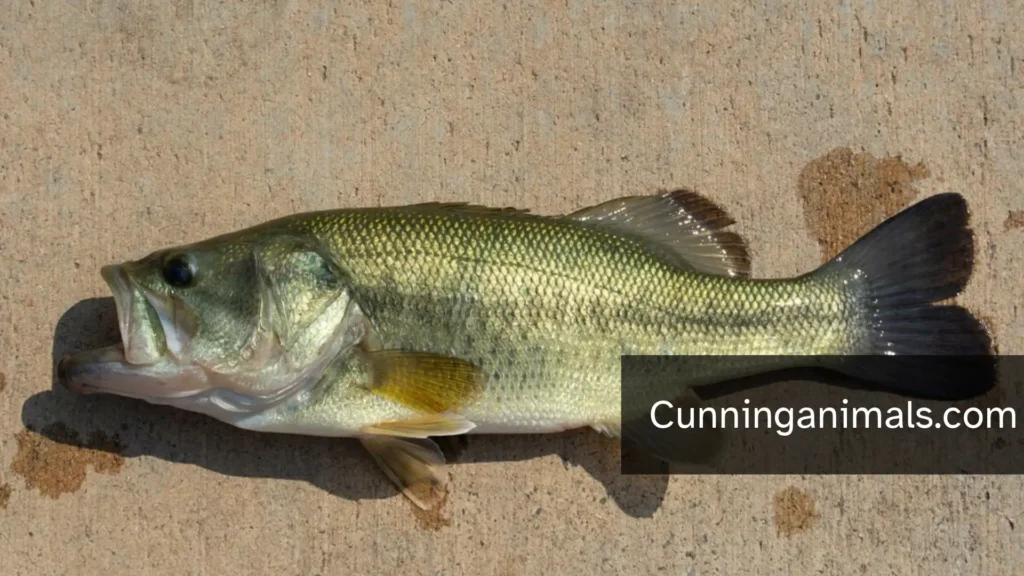
Their presence in various freshwater bodies also indicates a quality habitat, as they often thrive in ecosystems rich in biodiversity, including populations of frogs. This predator-prey relationship illustrates the balance required in freshwater ecosystems.
Foxes
Scientific Name: Vulpes vulpes
Class: Mammalia
Diet: Omnivorous
Foxes are resourceful hunters that may include frogs in their varied diets, particularly during warmer months. Their stealth and acute hearing allow them to locate frogs hidden in tall grass or near water sources.
While frogs might not constitute a large portion of their diet, foxes play a crucial role in controlling amphibian populations, thus contributing to the ecological balance. Their adaptive hunting strategies showcase their intelligence and versatility in foraging.
Hawks
Scientific Name: Accipitridae
Class: Aves
Diet: Carnivorous
Hawks, known for their keen eyesight and sharp talons, are adept at catching frogs from a distance. These birds of prey often spot frogs from high perches before diving down quickly to seize their meal.
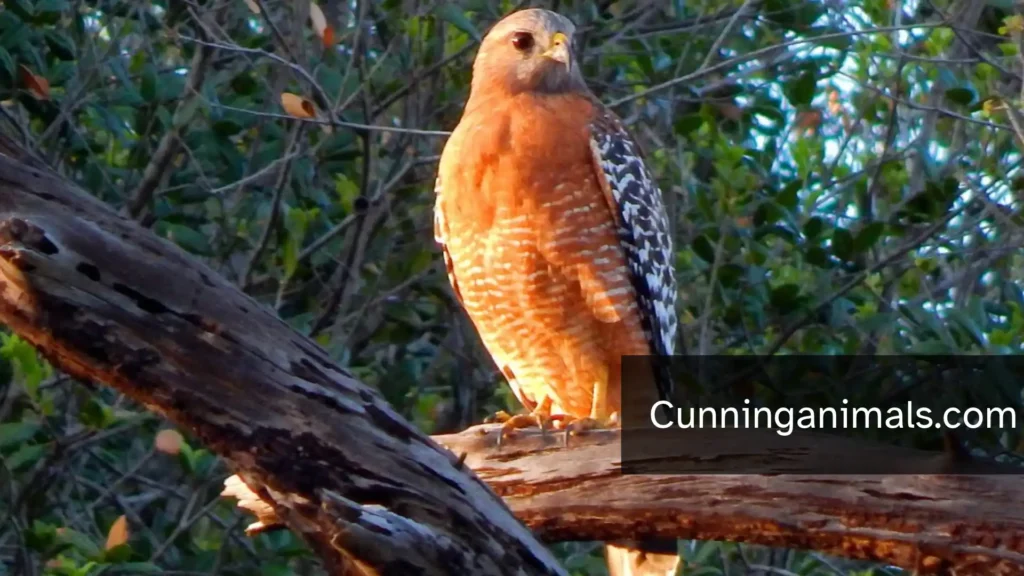
Their predation on frogs also helps control population dynamics, ensuring that frog numbers remain in balance with the available habitat. Consequently, hawks play an integral role in maintaining the health of ecosystems around water bodies.
Other Frogs
Scientific Name: Anura
Class: Amphibia
Diet: Carnivorous/Omnivorous
Interestingly, some frogs are known to consume other frogs, particularly smaller or rival species. This behavior often occurs during times of scarcity and highlights the adaptability of these amphibians in resource-limited environments.
In competitive ecosystems, cannibalistic tendencies can shape population dynamics, affecting breeding and distribution. Such behaviors emphasize the complex survival strategies employed within their habitats.
Eels
Scientific Name: Anguilliformes
Class: Actinopterygii
Diet: Carnivorous
Eels are stealthy predators lurking in bottom waters, sometimes feeding on frogs when the opportunity arises. Their elongated bodies allow them to navigate tight spaces, making them effective ambush hunters.
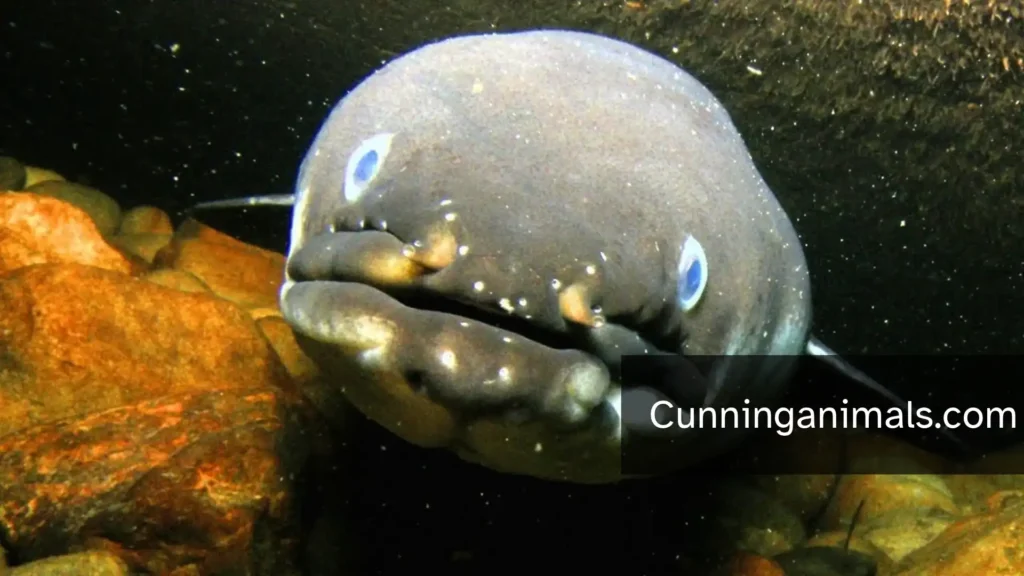
The presence of eels in aquatic ecosystems contributes to the overall food web, where frogs serve as both prey and vital players in nutrient cycling. This relationship illustrates the dynamic interactions among aquatic life forms.
Crows
Scientific Name: Corvus
Class: Aves
Diet: Omnivorous
Crows are highly intelligent birds that often include frogs in their varied diet. Known for their resourceful foraging techniques, these birds can often be seen scavenging or hunting for amphibians, especially when other food sources are limited.
This adaptability accentuates the crows’ ecological role, as they help regulate frog populations while simultaneously benefitting from a diverse food supply. Their presence in ecosystem dynamics attests to their cunning and survival strategies.
Coyotes
Scientific Name: Canis latrans
Class: Mammalia
Diet: Omnivorous
Coyotes are opportunistic feeders that take advantage of various prey, frogs being one of many. These cunning predators often hunt frogs at night, capitalizing on their elusive nature and diverse habitats.
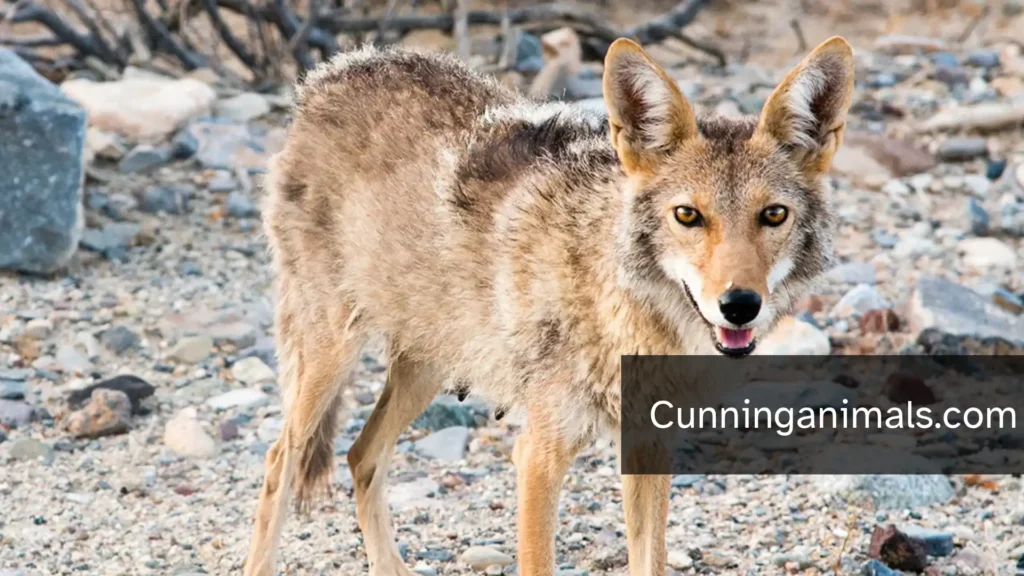
Their predation on frogs helps to manage amphibian populations, reminding us of the interconnectedness between all species within an ecosystem. Coyotes demonstrate the adaptability of the carnivore diet and the importance of their role in ecological balance.
Salamanders
Scientific Name: Caudata
Class: Amphibia
Diet: Carnivorous
Salamanders, though primarily small insectivores, will consume frogs when the size and opportunity allow. Their unique predatory adaptations enable them to hunt juvenile frogs, highlighting the competitive dynamics among amphibians.
This behavior not only demonstrates their varied diet but also plays a part in the complex interactions within wetland ecosystems. Their predation can impact frog populations, influencing broader ecological relationships.
Kingfishers
Scientific Name: Alcedinidae
Class: Aves
Diet: Carnivorous
Kingfishers are striking birds that hunt fish and frogs alike, often found near ponds and streams. With their sharp beaks and remarkable diving skills, they can snatch frogs from the water with impressive agility.
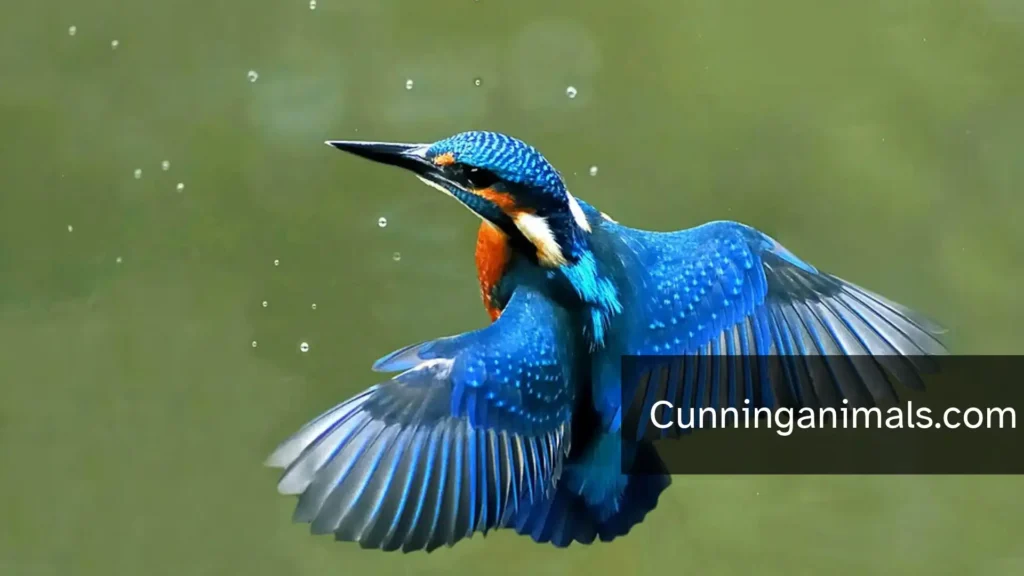
This predatory behavior ensures that they participate in controlling the populations of frogs, showcasing the intricate balance of aquatic ecosystems. Kingfishers serve as important bioindicators, reflecting the health of their habitats.
Ducks
Scientific Name: Anatidae
Class: Aves
Diet: Omnivorous
Ducks are versatile feeders that enjoy a wide range of foods, including frogs, particularly during their breeding season when higher protein sources are necessary. They often dabble or dive in shallow waters to forage for amphibians.
By consuming frogs, ducks contribute to the natural regulation of amphibian populations in their habitats. Their adaptable diets play a pivotal role in maintaining ecological balance, even amidst changing environmental conditions.
Conclusion
In exploring the intriguing world of animals that eat frogs, it becomes clear that these amphibians have a diverse range of predators. From birds to mammals, various creatures partake in the diet of what eats frogs, often in surprising ways.
Understanding what are frogs’ predators not only highlights the complexity of ecosystems but also emphasizes the importance of these animals in maintaining balance within their habitats. Additionally, knowing what eat frogs can deepen our appreciation for the intricate relationships in nature.
FAQs
What Is A Frog’s Biggest Enemy?
Frogs have many predators, including snakes, herons, owls, fish, turtles, alligators, raccoons, and larger frogs. Their biggest threat varies by species, habitat, and life stage.
What Do Frogs Eat Most?
Most frogs primarily eat insects and other small invertebrates, such as flies, beetles, moths, spiders, and worms. Larger frogs may also eat small fish, rodents, reptiles, birds, and even other frogs.
Do Lizards Eat Frogs?
Yes, some lizards eat frogs. Larger predatory lizards, including monitor lizards, may catch and eat frogs when they encounter them near ponds, streams, or other suitable habitats.
Do Birds Eat Frogs?
Yes, many birds eat frogs, especially species that hunt around wetlands and ponds. Herons, cranes, kingfishers, hawks, owls, and crows can all prey on frogs or tadpoles.