17 Animals That Eat Squirrels: Predators, Facts & Hunting Habits
In the intricate web of nature, the balance between prey and predator is a fascinating spectacle, and animals that eat squirrels play a crucial role in maintaining that equilibrium. Squirrels, often seen as playful and harmless, have a variety of squirrel predators that rely on them for sustenance.
From stealthy hunters to opportunistic scavengers, understanding what eats squirrels not only enriches our knowledge of wildlife but also highlights the interconnectedness of ecosystems. This article will delve into 17 diverse animals that target squirrels, exploring their hunting habits and the facts that define their predatory nature.
What Animals Eat Squirrels?
Animals that eat squirrels are diverse, ranging from household pets to formidable predators. This intriguing food web showcases various squirrel predators that rely on these agile creatures for sustenance. Birds of prey, such as hawks and owls, demonstrate exceptional hunting skills, swooping down with precision to catch their unsuspecting quarry.
Moreover, larger mammals, including coyotes and foxes, pose a significant threat to squirrels. These cunning hunters use stealth and speed to ambush their prey in both urban and rural settings. Even domestic cats can be skilled hunters, bringing the hunt into backyards and gardens.
Top 17 Animals That Eat Squirrels
| No. | Animal | Scientific Name | Class | Diet | Hunting Style |
|---|---|---|---|---|---|
| 1 | Hawk | Buteo spp. | Aves | Carnivore | Attacks from above |
| 2 | Raccoon | Procyon lotor | Mammalia | Omnivore | Climbing and opportunistic hunting |
| 3 | Coyote | Canis latrans | Mammalia | Omnivore | Stalking and chasing |
| 4 | Great Horned Owl | Bubo virginianus | Aves | Carnivore | Silent nighttime ambush |
| 5 | Domestic Cat | Felis catus | Mammalia | Carnivore | Stalking and pouncing |
| 6 | Eagle | Aquila spp. | Aves | Carnivore | Aerial attack |
| 7 | Alligator | Alligator mississippiensis | Reptilia | Carnivore | Ambush near water |
| 8 | Snake | Serpentes | Reptilia | Carnivore | Ambush and constriction |
| 9 | Gray Wolf | Canis lupus | Mammalia | Carnivore | Opportunistic hunting |
| 10 | Weasel | Mustela spp. | Mammalia | Carnivore | Chasing and ambushing |
| 11 | Fox | Vulpes spp. | Mammalia | Omnivore | Stealth and pouncing |
| 12 | Bobcat | Lynx rufus | Mammalia | Carnivore | Stalking and ambush |
| 13 | Marten | Martes spp. | Mammalia | Carnivore | Tree pursuit and ambush |
| 14 | Red-Tailed Hawk | Buteo jamaicensis | Aves | Carnivore | Perching and diving |
| 15 | Great Gray Owl | Strix nebulosa | Aves | Carnivore | Silent aerial attack |
| 16 | Raven | Corvus corax | Aves | Omnivore | Opportunistic feeding |
| 17 | Badger | Taxidea taxus | Mammalia | Carnivore | Digging and ground ambush |
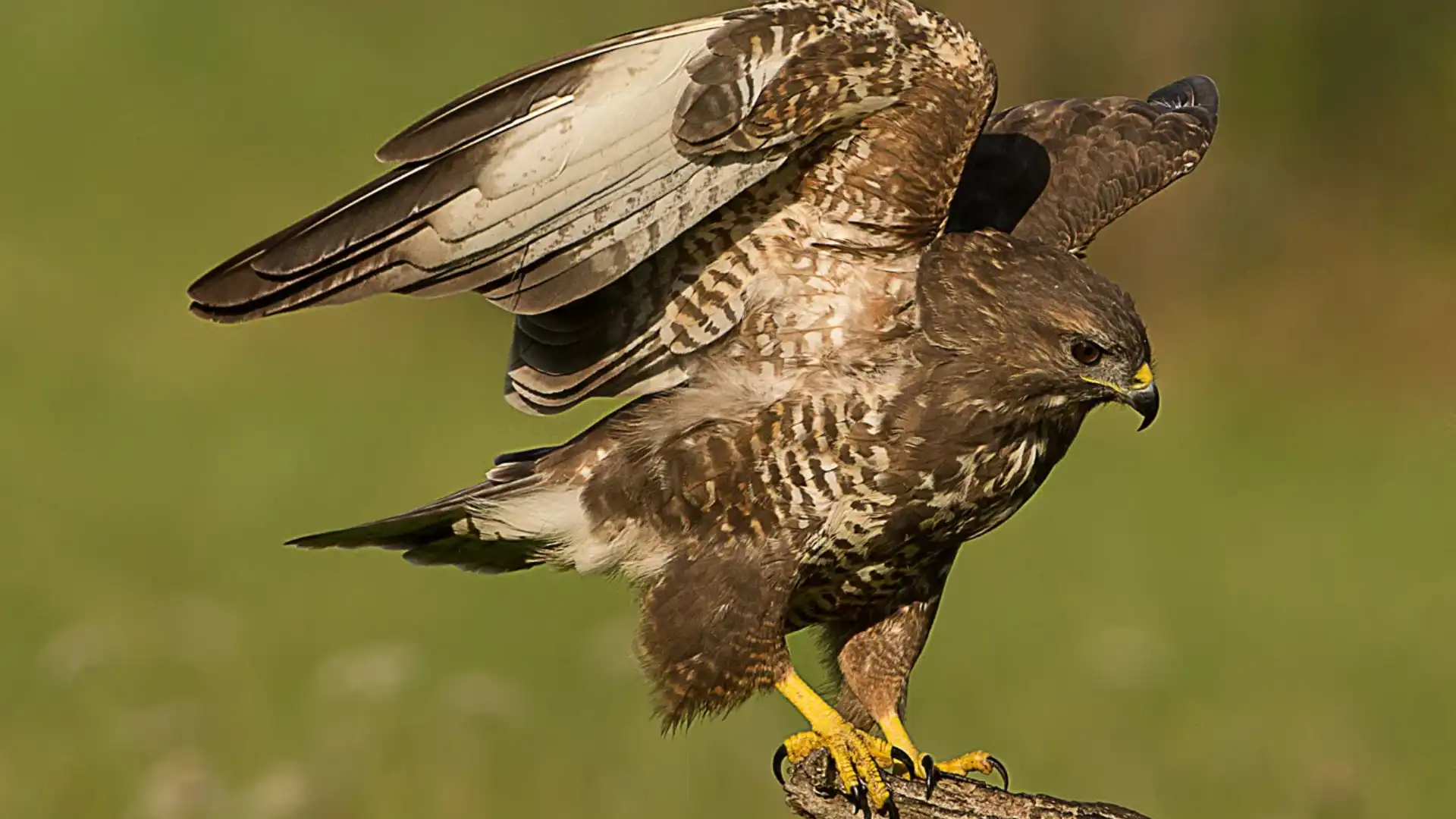
Hawk
Scientific Name: Aquila
Class: Aves
Diet: Carnivore
Hawks are skilled hunters, utilizing their keen eyesight to spot squirrels from high above the treetops. Their sharp talons and powerful beaks make it easy for them to grasp and kill their prey swiftly, showcasing their role in the ecosystem.
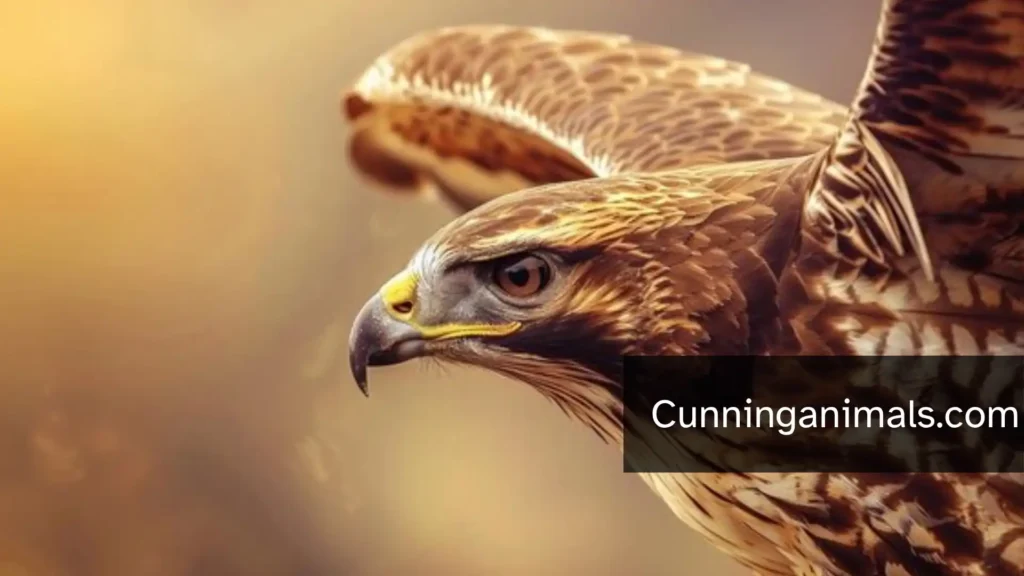
In addition to squirrels, hawks also consume small mammals, birds, and reptiles, helping maintain a balanced food chain. Observing a hawk in action can be a mesmerizing experience as they glide gracefully through the air, always on the lookout for their next meal.
Raccoon
Scientific Name: Procyon lotor
Class: Mammalia
Diet: Omnivore
Raccoons are opportunistic feeders and are known to hunt squirrels when they need a protein boost. Their dexterous front paws allow them to pry open nests, making it easier to access young squirrels.
Moreover, raccoons are intelligent and adaptable, often raiding bird feeders and garbage cans. Their nocturnal habits enable them to encounter squirrels during nighttime foraging, adding an element of surprise to their predatory prowess.
Coyote
Scientific Name: Canis latrans
Class: Mammalia
Diet: Carnivore
Coyotes aren’t picky eaters, and their diet often extends well beyond squirrels to include much larger animals when the opportunity arises. If you’re curious about the eating habits of some of their potential prey, check out our article on what do deer eat. It’s a good look at how grazing animals fit into the same ecosystems these predators roam.
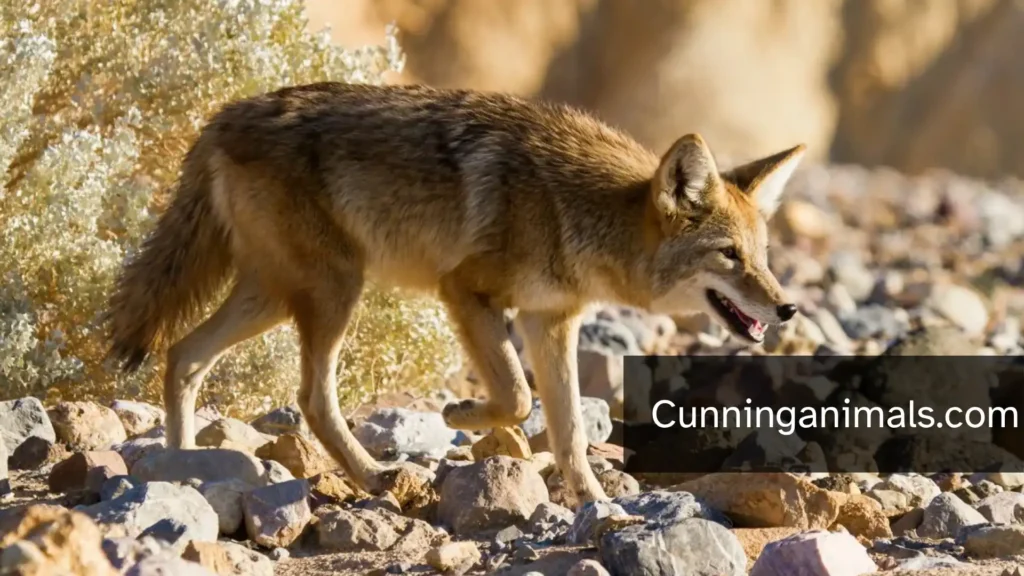
Often hunting in pairs or small groups, coyotes can cover large distances, making it possible to locate and ambush squirrels effectively. Their presence serves as a significant control measure on squirrel populations, illustrating the interconnectedness of nature.
Great Horned Owl
Scientific Name: Bubo virginianus
Class: Aves
Diet: Carnivore
The Great Horned Owl is a formidable predator, known for hunting a wide array of prey, including squirrels. With exceptional night vision and silent flight, these owls are masters of stealth, swooping down unexpectedly on unsuspecting squirrels.
Their varied diet helps keep rodent populations in check, and their haunting call often exemplifies the mystery of the night. Observing a Great Horned Owl engage in its hunting rituals adds to the awe of wildlife watching.
Domestic Cat
Scientific Name: Felis catus
Class: Mammalia
Diet: Carnivore
Domestic cats are often viewed as playful companions, but their hunting instincts reveal a more primal side when they chase after squirrels. Even the most pampered house cat will leap at a chance to catch a squirrel when the opportunity arises.
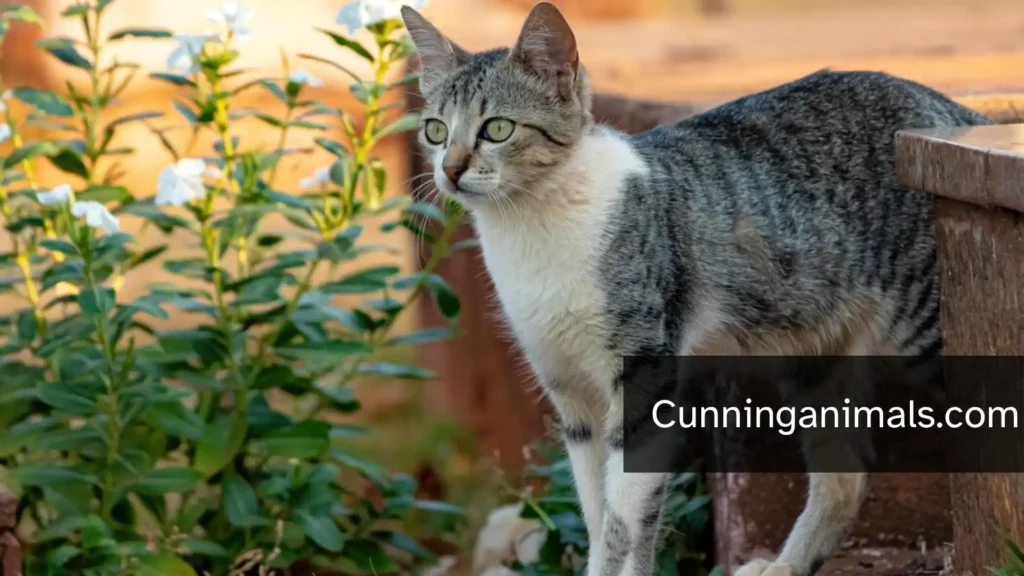
These small felines utilize their sharp reflexes and agility to stalk and pounce on their prey. Their predatory behavior also serves important ecological functions, notably in urban environments where they can help control local rodent populations.
Eagle
Scientific Name: Aquila chrysaetos
Class: Aves
Diet: Carnivore
Eagles are majestic birds of prey that often hunt larger mammals but won’t hesitate to seize the chance to snatch a squirrel. Their incredible eyesight allows them to spot a squirrel from miles away, making them one of nature’s top hunters.
When they dive at incredible speeds, their powerful talons can grip and kill a squirrel in an instant. This efficiency in hunting is a compelling aspect of their survival, illustrating the intricate relationships in their ecosystems.
Alligator
Scientific Name: Alligator mississippiensis
Class: Reptilia
Diet: Carnivore
While alligators are more commonly known to hunt fish and birds, they will not shy away from a squirrel if it wanders too close to the water’s edge. Their patience and stealth make them lethal ambush predators, especially in lush wetland environments.
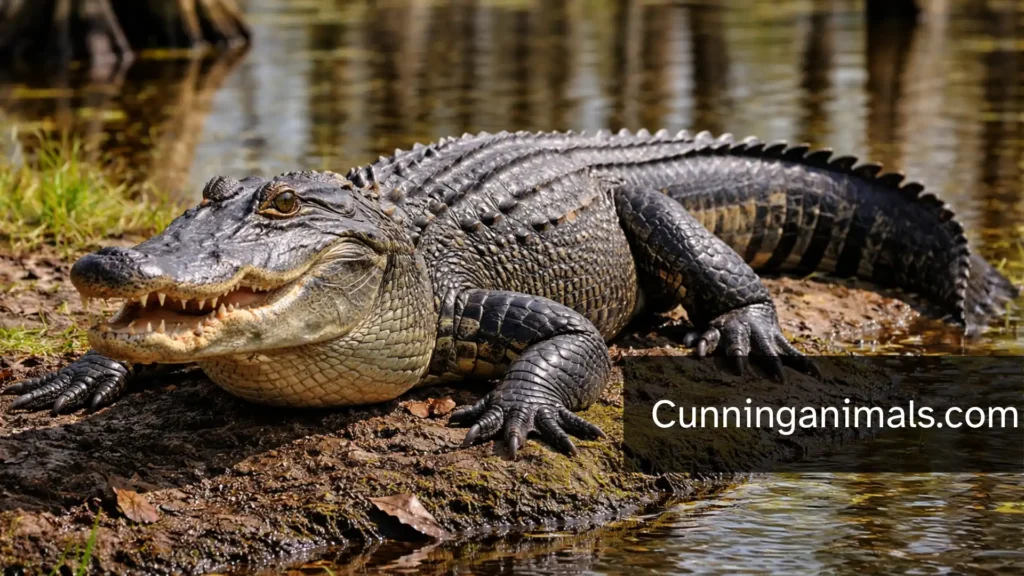
This adaptability in diet highlights the ecological balance in their habitat. An alligator’s surprising ability to consume smaller mammals like squirrels serves as a vital reminder of the diversity in feeding habits across species.
Snake
Scientific Name: Serpentes
Class: Reptilia
Diet: Carnivore
Many species of snakes have expanded their diets to include unsuspecting squirrels. Using their unique ability to camouflage, these reptiles might lie in wait, coiling silently until the unsuspecting squirrel wanders too close.
Once within striking distance, snakes can deliver a quick and lethal bite. Their presence in the ecosystem as predators of small mammals like squirrels emphasizes the intricate and often unseen dynamics of wildlife.
Gray Wolf
Scientific Name: Canis lupus
Class: Mammalia
Diet: Carnivore
Gray wolves are known for their pack mentality and ability to hunt larger prey, but they will opportunistically eat small mammals, including squirrels. Their keen hunting instincts and teamwork make them formidable predators in varied environments.
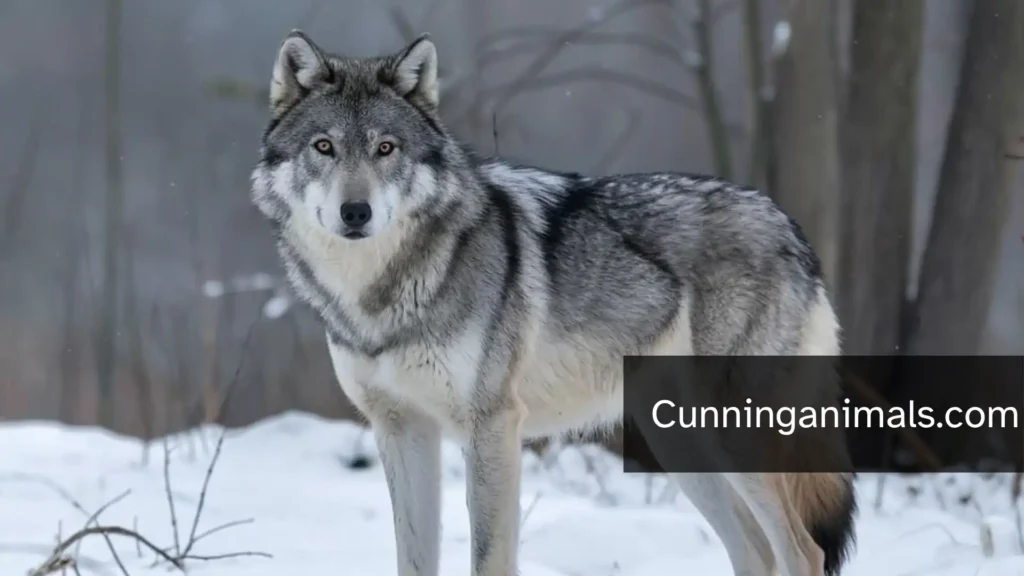
By keeping squirrel populations in check, gray wolves play an important role in maintaining ecological balance. Observing these majestic animals can inspire a deeper appreciation for the intricate relationships within ecosystems.
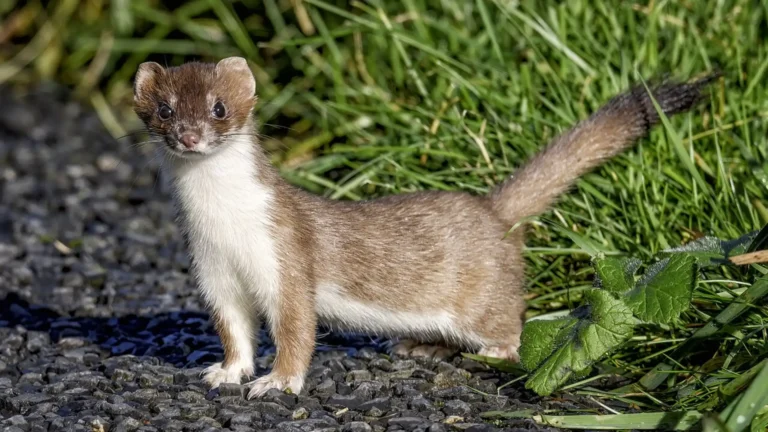
Weasel
Scientific Name: Mustela
Class: Mammalia
Diet: Carnivore
Weasels belong to a wider family of small, agile hunters that share many of these same fierce predatory instincts. If you’re curious about other species built for this kind of relentless pursuit, check out our article on animals like weasels. It’s a great companion read for understanding how this family of predators operates across different habitats.
The weasel’s voracious appetite keeps their populations of small mammals in check, including squirrels. Their high energy levels and quick reflexes illustrate the wild’s relentless cycle of survival.
Fox
Scientific Name: Vulpes vulpes
Class: Mammalia
Diet: Omnivore
Foxes are cunning predators that often hunt squirrels as part of their diverse diet. Their excellent sense of hearing and sharp eyesight allow them to track movements, making them effective hunters even among dense foliage.
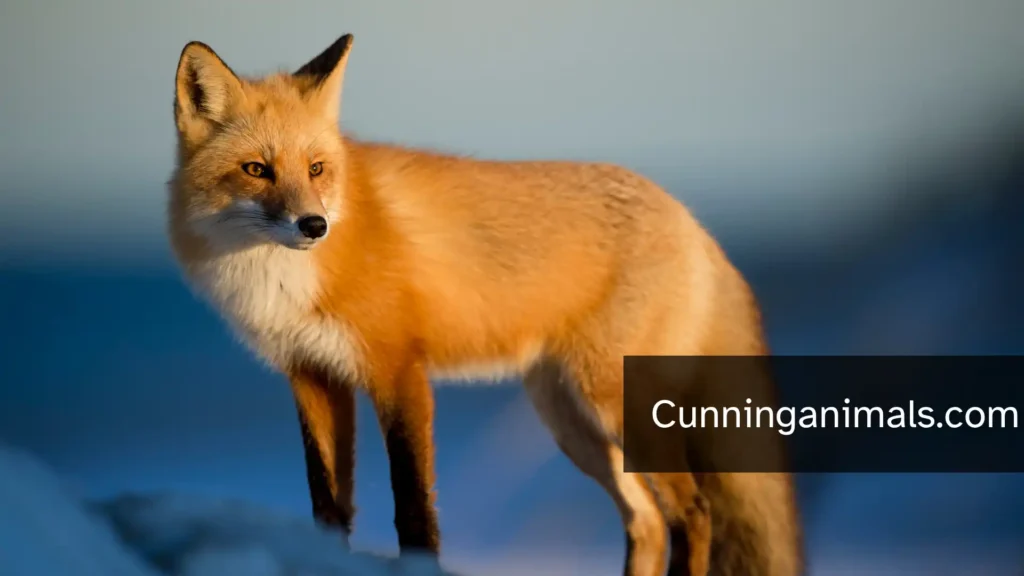
In addition to squirrels, foxes consume fruits and insects, showcasing their adaptability in varied habitats. Their clever hunting strategies and playful demeanor add an alluring charm to their predatory lifestyle.
Bobcat
Scientific Name: Lynx rufus
Class: Mammalia
Diet: Carnivore
Bobcats are elusive predators that utilize their stealth to sneak up on squirrels and other small mammals. With their sharp claws and powerful legs, they can make swift attacks when the moment is right.
Often hunting solo, bobcats thrive in diverse habitats and are essential for maintaining balanced ecosystems. Their beautiful spotted fur and stealthy nature make them a captivating subject for wildlife enthusiasts.
Marten
Scientific Name: Martes
Class: Mammalia
Diet: Carnivore
Martens are agile tree-climbers adept at pursuing squirrels through the canopy. Their slender bodies and sharp claws allow them to navigate branches effortlessly while hunting for these small mammals.
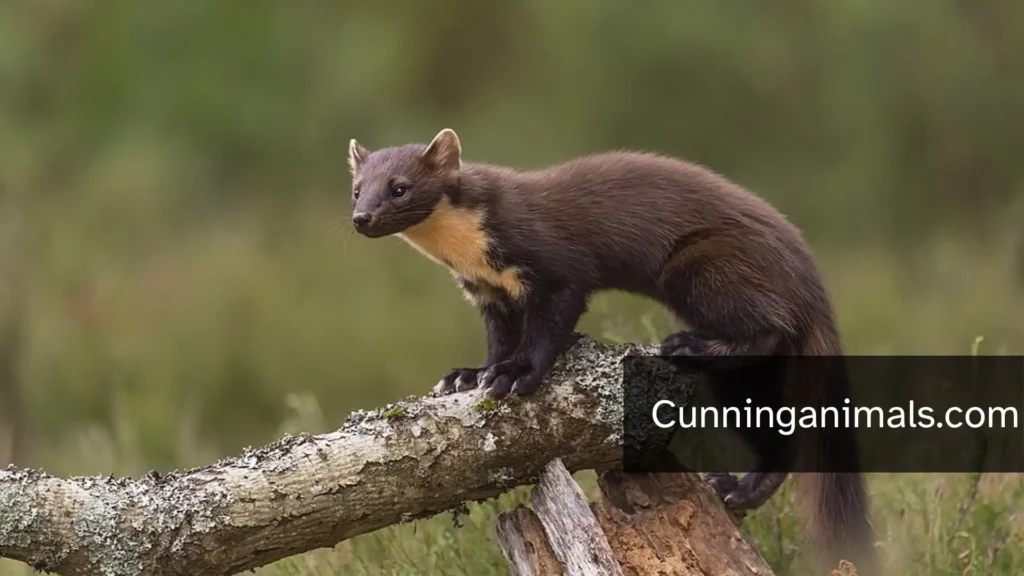
With a diet that comprises primarily small rodents and birds, martens contribute to controlling populations of prey species. Their elusive nature and playful behavior add a fascinating layer to the ecosystem they inhabit.
Red-Tailed Hawk
Scientific Name: Buteo jamaicensis
Class: Aves
Diet: Carnivore
Red-Tailed Hawks are among the most common birds of prey in North America, frequently seen perched in trees scanning for lunch. Their diet often includes squirrels, which they spot from lofty heights before swooping down to catch them.
Their striking plumage and aerial acrobatics captivate bird watchers, while their predatory skills highlight their role in promoting biodiversity. Every glimpse of a Red-Tailed Hawk in action is a testament to nature’s power and efficiency.
Great Gray Owl
Scientific Name: Strix nebulosa
Class: Aves
Diet: Carnivore
The Great Gray Owl, known for its impressive size and large facial disc, is an exceptional hunter in dense forests. They primarily consume small mammals like squirrels, using their acute hearing to track even the faintest movements in the snow.
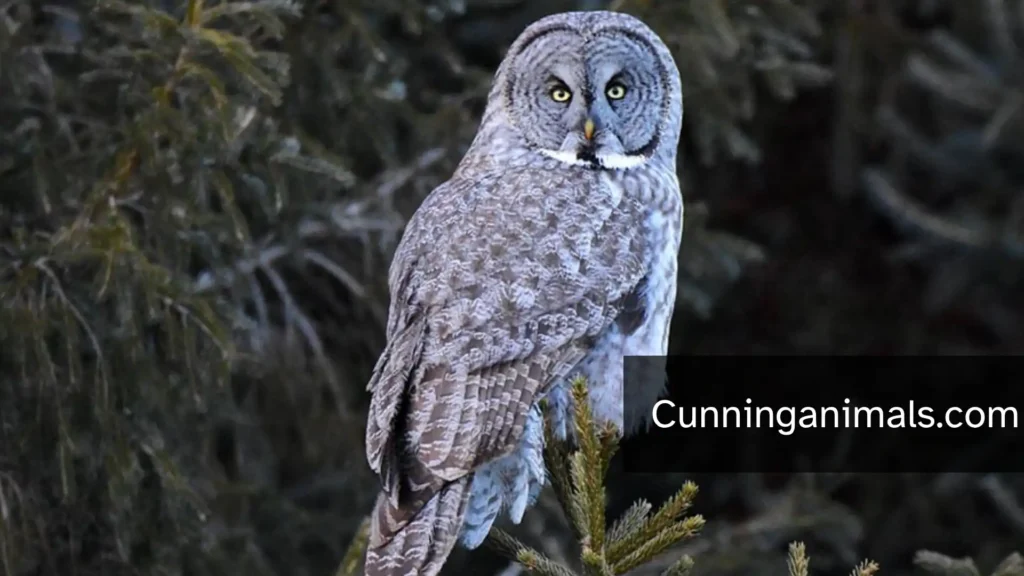
Often hauntingly silent in their approach, Great Gray Owls hunt predominantly at dusk and dawn, which enhances their stealth. Their impressive adaptations showcase the intricate ways in which these birds navigate their environment for survival.
Raven
Scientific Name: Corvus corax
Class: Aves
Diet: Omnivore
Ravens are highly intelligent birds that exhibit opportunistic feeding habits, including hunting squirrels. They often work in pairs, using cunning tactics to distract and hunt smaller mammals.
Their problem-solving skills and adaptability allow them to thrive in diverse habitats, from forests to urban areas. By scavenging and hunting, ravens play a crucial role in the ecosystem, demonstrating their significance as both scavengers and predators.
Badger
Scientific Name: Taxidea taxus
Class: Mammalia
Diet: Omnivore
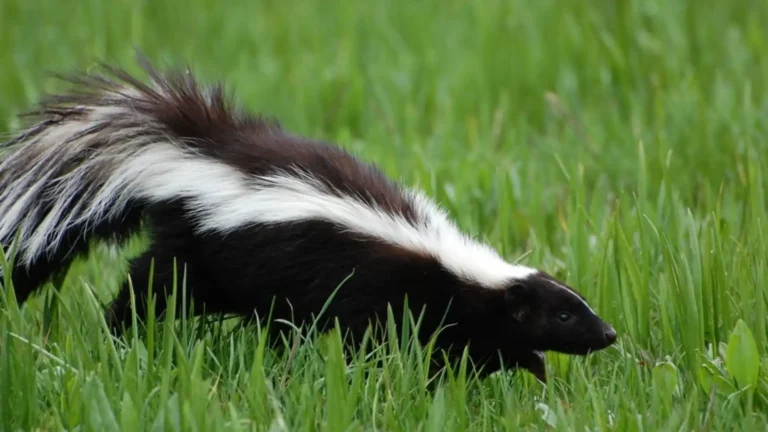
Badgers share their stocky build and tenacious defense instincts with a handful of other black-and-white patterned mammals in the wild. For a closer look at some of these lookalikes, take a look at our guide on animals like skunks. It’s an interesting way to see how similar body types can show up across very different predator and prey relationships.
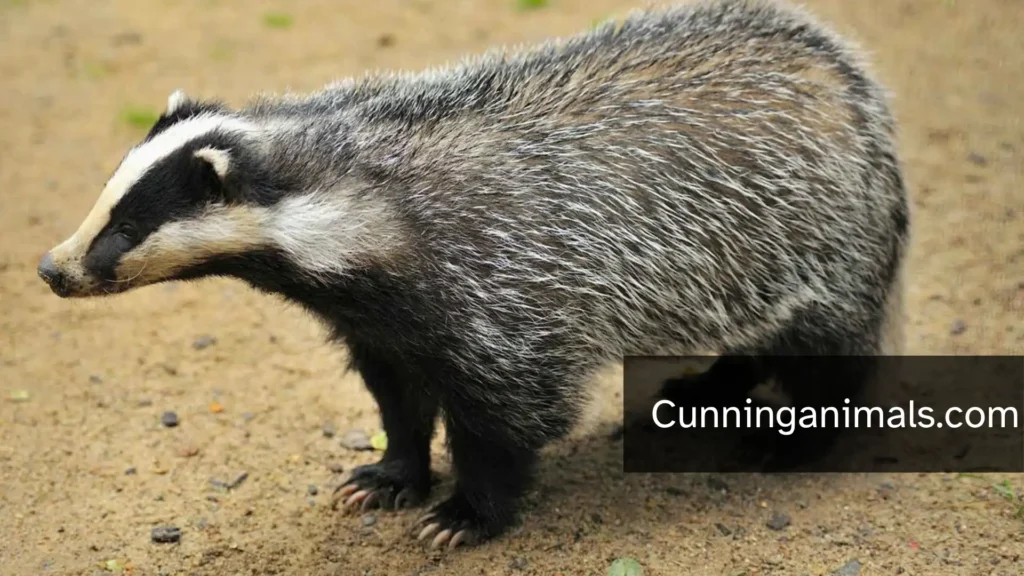
Their tenacity and willingness to confront larger predators for food are reflections of their survival instincts. Badgers contribute diversely to their ecosystems by controlling small mammal populations and aerating the soil through their burrowing activities.
Interesting Facts About Squirrel Predators
Squirrel predators come in various shapes and sizes, showcasing a fascinating array of hunting adaptations. From stealthy ambush tactics to aerial prowess, these predators have evolved unique skills to target their agile prey. Understanding more about these predators not only sheds light on their behavior but also highlights the dynamic relationships in ecosystems.
- Red-tailed hawks use their incredible eyesight to spot squirrels from high altitudes.
- Coyotes can adapt their hunting strategies, often working in packs to corner squirrels in open areas.
- Foxes rely on their keen sense of hearing to detect squirrels’ movements beneath leaf cover.
- Snakes can be effective squirrel predators, utilizing their camouflage to ambush unsuspecting squirrels.
- Weasels have agile bodies and quick reflexes, allowing them to chase down squirrels through burrows.
- Domestic cats contribute to squirrel predation, showing a surprising hunting success rate despite being less agile.
- Owls hunt primarily at night, surprising squirrels with their silent flight capabilities.
- Raccoons are opportunistic feeders, often preying on young or sick squirrels when the chance arises.
Conclusion
The examination of animals that eat squirrels reveals a captivating array of predator behaviors and ecological roles. Squirrel predators illustrate the natural instinct to hunt and can teach us significant lessons about survival in the wild.
Knowing what eats squirrels enables us to recognize the importance of each species within its habitat and the interconnectedness of life forms. Such awareness fosters a deeper respect for wildlife and encourages conservation efforts.
FAQS
What Is A Squirrel’s Worst Enemy?
Squirrels have several natural predators, including hawks, owls, foxes, coyotes, weasels, and some snakes. The exact predator depends on the squirrel species and where it lives.
Do Squirrels Eat Any Other Animals?
Yes. Although squirrels mainly eat nuts, seeds, fruits, and plant material, some species occasionally eat insects, eggs, or small animals. Flying squirrels, for example, may eat insects and even small birds.
Which Animal Loves Almonds?
Squirrels are well known for eating nuts, including almonds. However, almonds should not be considered their only or ideal food, and wild squirrels generally do best with their natural diet.
What Food Is Toxic To Squirrels?
Squirrels can be harmed by poisonous substances such as rodenticides, which can be fatal when eaten directly or indirectly. Human junk foods and inappropriate foods can also cause nutritional problems, so feeding wild squirrels is generally discouraged.
What Food Do Squirrels Hate The Most?
There is no single food that all squirrels hate. Strongly spicy foods, particularly those containing capsaicin, are commonly used to discourage squirrels from bird feeders, while squirrels readily seek out nuts, seeds, and other calorie-rich foods.