
Top 35 Shy Animals In The World (With Pictures, Facts & Habitats)
The richness of the animal kingdom includes numerous shy animals in the world that harbor a mix of intrigue and gentleness. Many of these animals that are quiet and shy exhibit friendly behaviors that reveal a softer side to their personalities.
This article will uncover the stories behind the shyest animal in the world alongside other captivating species, providing readers with enlightening facts and breathtaking visuals. Prepare to embark on a journey that highlights the fascinating lives of these shy quiet animals while enhancing your appreciation for nature’s more timid residents.
What Are Shy Animals?
Shy animals are often characterized by their reluctance to engage with unfamiliar creatures, humans, or potential predators. This behavior manifests as avoidance, where these animals might freeze, retreat, or hide to minimize interaction. Unlike outright aggressive species, shy animals rely on subtlety, displaying unease through body language rather than confrontation.
The distinction between being shy, solitary, cautious, and nocturnal can be intricate. Shy animals often avoid contact; solitary ones thrive alone, while cautious types engage in careful observation before approaching.
Nocturnal creatures, on the other hand, may simply prefer nighttime activity, impacted more by environmental factors than social tendencies. Shyness and solitude often overlap, but they are not the same thing. If you want to see animals that prefer life alone, explore these solitary animals in the world and how they survive without a group.
List of the Top 35 Shy Animals In The World
| No. | Animal | Scientific Name | Class | Diet |
| 1 | Deer | Species-specific name | Mammalia | Herbivore |
| 2 | Slow Loris | Nycticebus spp. | Mammalia | Omnivore |
| 3 | Cheetah | Acinonyx jubatus | Mammalia | Carnivore |
| 4 | Sloth | Species-specific name | Mammalia | Mainly herbivore |
| 5 | Fossa | Cryptoprocta ferox | Mammalia | Carnivore |
| 6 | Platypus | Ornithorhynchus anatinus | Mammalia | Carnivore |
| 7 | Saola | Pseudoryx nghetinhensis | Mammalia | Herbivore |
| 8 | Snow Leopard | Panthera uncia | Mammalia | Carnivore |
| 9 | Koala | Phascolarctos cinereus | Mammalia | Herbivore |
| 10 | Red Squirrel | Sciurus vulgaris | Mammalia | Omnivore |
| 11 | Kiwi | Apteryx spp. | Aves | Omnivore |
| 12 | Quokka | Setonix brachyurus | Mammalia | Herbivore |
| 13 | Okapi | Okapia johnstoni | Mammalia | Herbivore |
| 14 | Tarsier | Species-specific name | Mammalia | Carnivore |
| 15 | Dik-Dik | Madoqua spp. | Mammalia | Herbivore |
| 16 | Hedgehog | Species-specific name | Mammalia | Omnivore |
| 17 | Kakapo | Strigops habroptilus | Aves | Herbivore |
| 18 | Red Panda | Ailurus fulgens | Mammalia | Omnivore |
| 19 | Giant Anteater | Myrmecophaga tridactyla | Mammalia | Insectivore |
| 20 | Pangolin | Species-specific name | Mammalia | Insectivore |
| 21 | Aye-Aye | Daubentonia madagascariensis | Mammalia | Omnivore |
| 22 | Maned Wolf | Chrysocyon brachyurus | Mammalia | Omnivore |
| 23 | Binturong | Arctictis binturong | Mammalia | Omnivore |
| 24 | Meerkat | Suricata suricatta | Mammalia | Omnivore |
| 25 | Fennec Fox | Vulpes zerda | Mammalia | Omnivore |
| 26 | Aardvark | Orycteropus afer | Mammalia | Insectivore |
| 27 | Giant Panda | Ailuropoda melanoleuca | Mammalia | Mainly herbivore |
| 28 | Axolotl | Ambystoma mexicanum | Amphibia | Carnivore |
| 29 | Kangaroo | Species-specific name | Mammalia | Herbivore |
| 30 | Spoon-Billed Sandpiper | Calidris pygmaea | Aves | Invertebrate feeder |
| 31 | Pudu | Pudu puda | Mammalia | Herbivore |
| 32 | Margay | Leopardus wiedii | Mammalia | Carnivore |
| 33 | Mouse Deer (Chevrotain) | Species-specific name | Mammalia | Herbivore |
| 34 | Harbor Seal | Phoca vitulina | Mammalia | Carnivore |
| 35 | Fallow Deer | Dama dama | Mammalia | Herbivore |
Deer
Scientific Name: Cervidae
Class: Mammalia
Diet: Herbivore
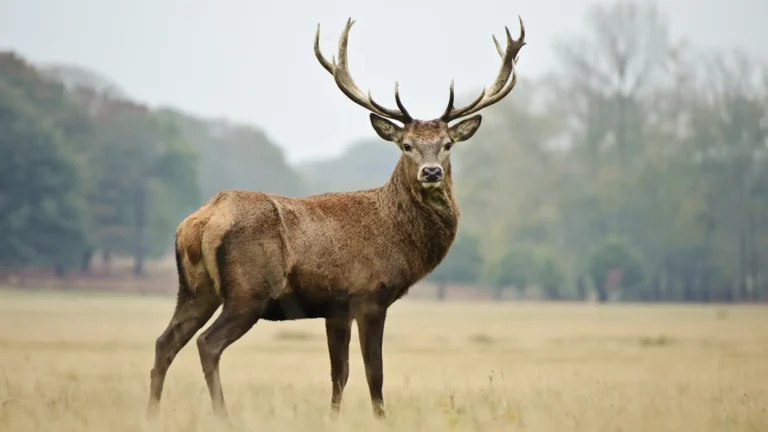
Deer are known for their graceful movements and gentle demeanor, often avoiding direct confrontation with more aggressive animals. These shy creatures tend to blend seamlessly into their surroundings, employing their keen senses to detect danger before it approaches.

In the wild, they often communicate through body language rather than vocalizations, preferring to remain incognito among dense foliage. This keen ability to stay hidden illustrates their instinctive survival strategies in environments fraught with predators.
Slow Loris
Scientific Name: Nycticebus spp.
Class: Mammalia
Diet: Omnivore
The Slow Loris, a nocturnal primate, embodies shyness with its slow, deliberate movements and elusive nature. Its ability to stay motionless for long periods serves as an effective tactic against predation, as it blends effortlessly into the treetops.
Often described as adorable yet mysterious, Slow Lorises only venture out under the cover of darkness, relying heavily on their heightened sense of smell to forage. Their reclusive lifestyle and slow movements give them an almost magical quality in the wild, emphasizing their shy tendencies.
Cheetah
Scientific Name: Acinonyx jubatus
Class: Mammalia
Diet: Carnivore
While celebrated as one of the fastest animals on Earth, the Cheetah can be surprisingly shy, especially when confronted with larger predators. Known for their solitary nature, they often seek refuge in tall grasses, providing them a sense of safety while stalking prey.
Their shyness is not just a physical reaction; it also plays a crucial role in their hunting strategy, allowing them to blend seamlessly into their environment until the perfect moment for a chase arrives. This introverted behavior adds depth to their character as apex hunters.
Sloth
Scientific Name: Bradypodidae
Class: Mammalia
Diet: Herbivore
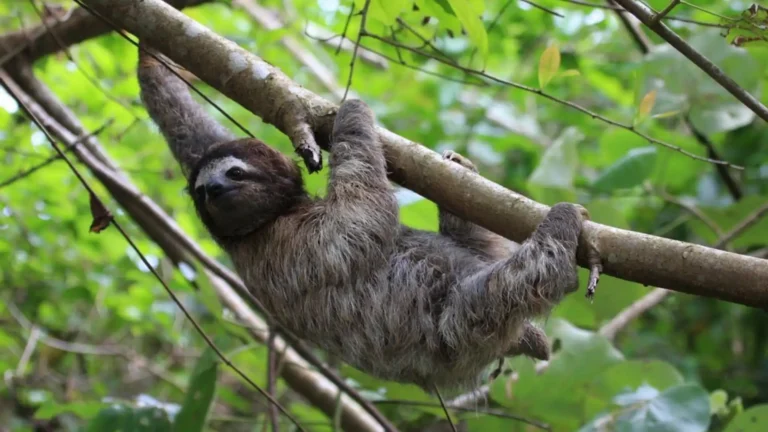
Sloths embody the essence of shyness with their unhurried pace and preference for solitude in the treetops. With an incredibly slow metabolic rate, they spend a majority of their day resting and conserving energy, making them a master of stealth.
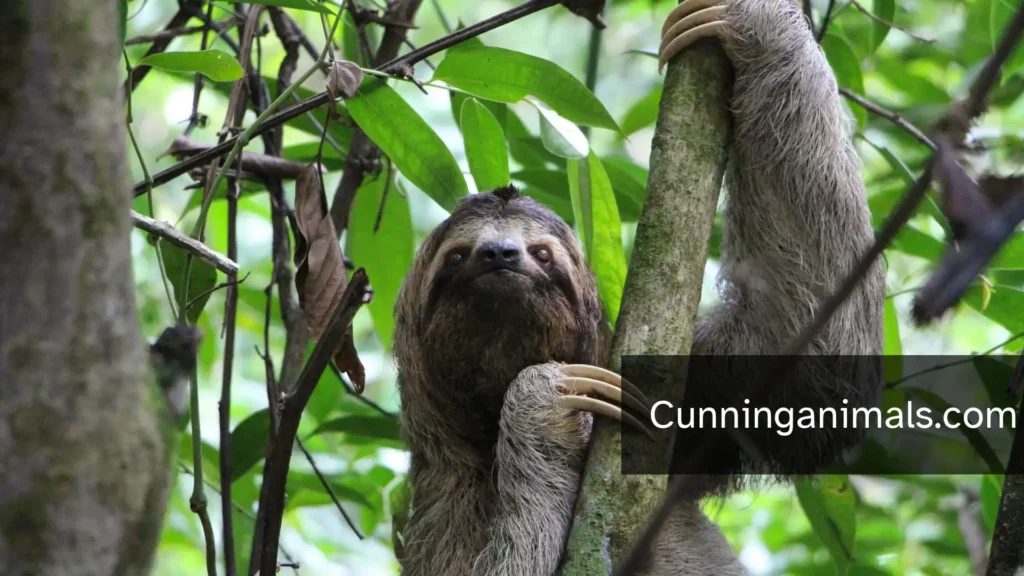
Their shy nature allows them to evade larger predators by remaining motionless and camouflaged among the leaves. This unique adaptation speaks to their survival in an often-dangerous environment. Sloths are not the only creatures that live life in the slow lane. Discover more slow animals that rely on patience and calm movement to stay safe.
Fossa
Scientific Name: Cryptoprocta ferox
Class: Mammalia
Diet: Carnivore
The Fossa, Madagascar’s largest carnivorous mammal, showcases its shyness through its elusive behavior, often avoiding human presence. Despite its feline-like appearance, it behaves more like a solitary hunter, preferring the shadows of the rainforest.
Its shyness contributes to its survival, as this secretive predator relies on stealth and patience while stalking lemurs and other small prey. Such characteristics reveal the Fossa’s adaptability and cunning as it navigates its unique habitat.
Platypus
Scientific Name: Ornithorhynchus anatinus
Class: Mammalia
Diet: Omnivore
The Platypus is one of the most enigmatic shy animals, blending the traits of mammals, birds, and reptiles. This extraordinary creature often shies away from human interaction, opting for a life spent primarily underwater in search of food.
Its reclusive nature is enhanced by its quirky appearance and elusive habits, making it a subject of intrigue for wildlife enthusiasts. The Platypus’s shy demeanor helps it thrive in its aquatic environment while keeping threats at bay.
Saola
Scientific Name: Pseudoryx nghetinhensis
Class: Mammalia
Diet: Herbivore
Often referred to as the “Asian unicorn,” the Saola is an elusive species that embodies shyness. Endemic to the Annamite Range of Vietnam and Laos, its reclusive nature means observers are lucky to catch even a glimpse of this rare beast.
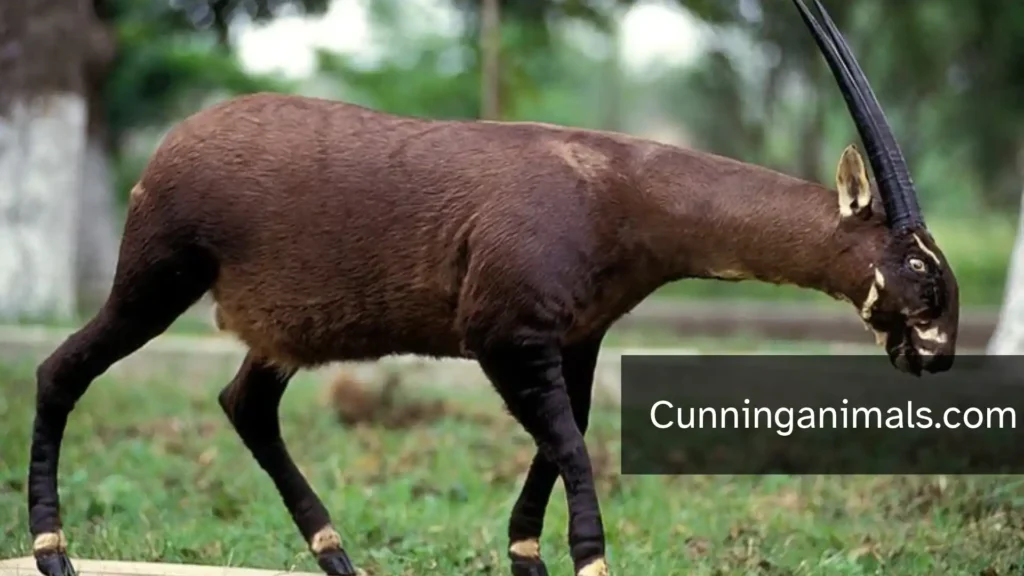
Known for its striking horns and timid behavior, the Saola leads a largely solitary life, using dense forests for cover. Its shyness, combined with its limited habitat, has made it a focal point of conservation efforts.
Snow Leopard
Scientific Name: Panthera uncia
Class: Mammalia
Diet: Carnivore
The Snow Leopard is not just a majestic creature but also a master of concealment, illustrating the art of shyness in the rugged terrains of Central Asia. Its ability to navigate steep, rocky landscapes while remaining unseen exemplifies its strategic avoidance of potential threats.
These solitary cats rely on their thick fur and camouflage to become one with their surroundings, further enhancing their elusive reputation. Their shy disposition is a crucial part of their survival in such a harsh environment.
Koala
Scientific Name: Phascolarctos cinereus
Class: Mammalia
Diet: Herbivore
Koalas are emblematic of Australian wildlife, but their introverted behavior often keeps them high among eucalyptus trees, away from human disturbances. This marsupial prefers a solitary life, spending up to 20 hours a day resting and sleeping.
Their choice of elevation serves as both a hideaway and feeding ground, highlighting a lifestyle that favors secrecy and tranquility. Despite their diminutive stature, their shyness shields them from many of the threats they face.
Red Squirrel
Scientific Name: Sciurus vulgaris
Class: Mammalia
Diet: Herbivore
The Red Squirrel is a shy but industrious little creature, often making its home in the forests of Europe and Asia. While they can be lively among their peers, they tend to be elusive and cautious around humans and other larger animals.
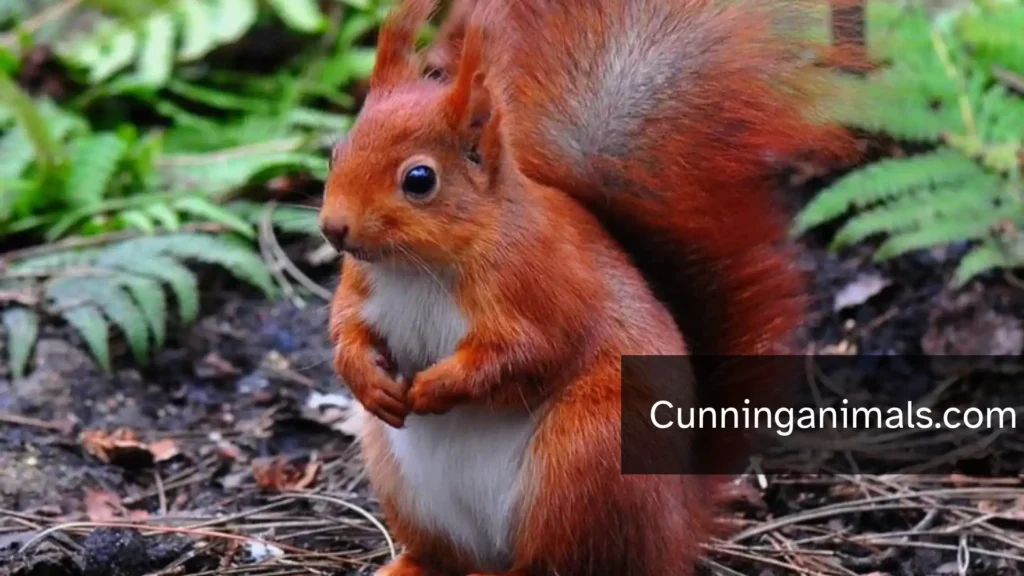
Their acrobatic skills and love for tree-based habitats allow them to stay hidden from predators, reinforcing their shy nature. The contrast of their vibrant fur against the foliage serves as a reminder of their charm coupled with reticent behavior.
Kiwi
Scientific Name: Apteryx spp.
Class: Aves
Diet: Omnivore
Kiwis are flightless birds known for their shyness, often searching for food during the night when they feel_secure. This nocturnal behavior reflects their keen instincts to avoid detection from predators and human interference.
Their curious nature is tempered by a cautious demeanor, making them elusive companions in New Zealand’s forests. This unique blend of curiosity and shyness underscores the kiwi’s adaptation to its environment.
Quokka
Scientific Name: Setonix brachyurus
Class: Mammalia
Diet: Herbivore
The Quokka, often dubbed the “world’s happiest animal,” may look friendly, but it exhibits shyness when approached. These small marsupials prefer the safety of their habitats on Rottnest Island, quickly retreating from potential threats.
While they can be charming in appearance, their shy nature allows them to maintain a protective distance from the hustle and bustle of human activity, contributing to their endearing reputation.
Okapi
Scientific Name: Okapia johnstoni
Class: Mammalia
Diet: Herbivore
The Okapi, often seen as a “forest giraffe,” is both enigmatic and shy, thriving in the dense rainforests of the Congo. Its sturdy body and distinctive stripes, reminiscent of a zebra, help it blend into the foliage while it cautiously forages.
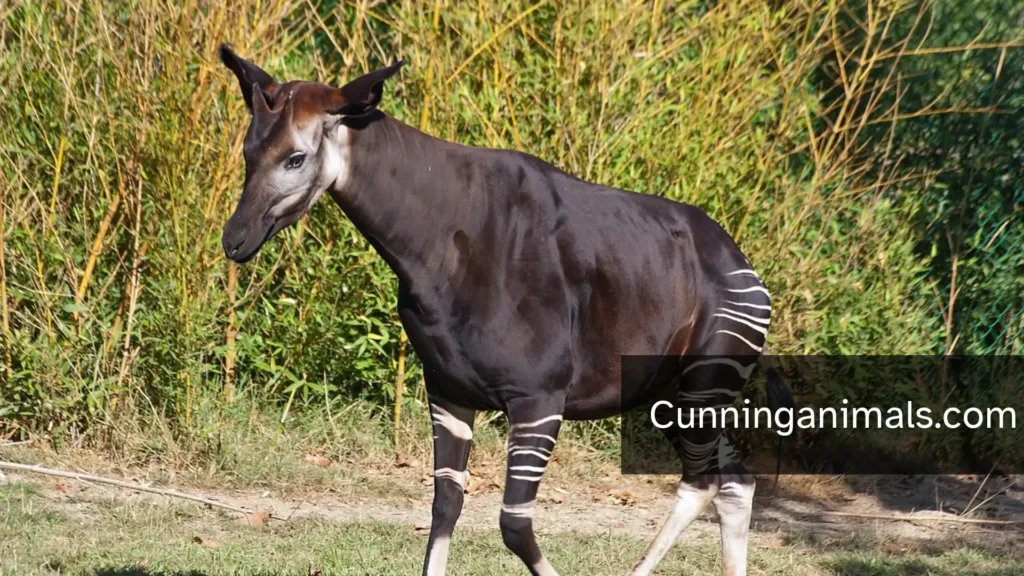
This elusive herbivore relies on its auditory senses to detect danger, often remaining hidden to avoid encounters with larger predators. Its shy demeanor emphasizes the importance of stealth in its survival strategy.
Tarsier
Scientific Name: Tarsius spp.
Class: Mammalia
Diet: Insectivore
Tarsiers are small primates with enormous eyes that enhance their nocturnal vision, allowing them to navigate their tree-dwelling habitats. Their inherently shy nature keeps them hidden amid the branches, avoiding the bright light of day.
This primate’s exceptional ability to blend in with its surroundings reflects its aversion to disruptions, emphasizing its adaptation to a life of solitude. The mystery of the Tarsier captivates researchers and wildlife enthusiasts alike, remaining one of the shyer animals in the world.
Dik-Dik
Scientific Name: Madoqua spp.
Class: Mammalia
Diet: Herbivore
Dik-Diks are small antelope known for their shy demeanor, often retreating into dense bushes when threatened. Their miniature size and rapid movements serve as effective survival traits in the wild, allowing them to escape predators quickly.
These adorable creatures are vigilant and rely on their strong sense of smell to detect danger, preferring to stay hidden whenever possible. This instinctive shyness highlights the delicate balance of life in the wild.
Hedgehog
Scientific Name: Erinaceinae
Class: Mammalia
Diet: Insectivore
Hedgehogs exhibit a delightful yet shy nature, curling into a tight ball when threatened. Their prickly spines provide a formidable defense against predators, allowing them to feel more secure in their hiding spots.

This nocturnal creature forages at night, showcasing its timid avoidance of larger animals while still playfully exploring the world. Their shyness makes them a charming yet discreet presence in gardens and forests.
Kakapo
Scientific Name: Strigops habroptilus
Class: Aves
Diet: Herbivore
The Kakapo, a flightless parrot from New Zealand, showcases its striking feathers while maintaining a shy presence. As one of the most endangered species, they have evolved to avoid predators by opting for a life of seclusion in the forest canopy.
Despite their engaging visual appeal, these birds rely heavily on stealth in their daily routines, avoiding human interaction and opting for night-time foraging. This shyness contributes to their survival strategy as they navigate a world with few left to call their own.
Red Panda
Scientific Name: Ailurus fulgens
Class: Mammalia
Diet: Herbivore
The Red Panda is a charming and shy creature often found nestled among the trees of the eastern Himalayas. With its distinctive facial markings and bushy tail, it prefers to remain hidden among the foliage, retreating at any sign of danger.
These solitary animals are most active at dawn and dusk, relying on their natural camouflage to evade predators. Their reclusive behavior highlights the delicate balance of their habitat, calling attention to their conservation needs.
Giant Anteater
Scientific Name: Myrmecophaga tridactyla
Class: Mammalia
Diet: Insectivore
Giant Anteaters display a shy demeanor through their unique feeding habits, often seeking solace in the dense grasslands of Central and South America. Their long snouts are perfectly adapted for extracting ants and termites, yet they remain wary and cautious.

This solitary creature prefers to avoid confrontation, using its keen sense of smell to navigate its environment. Their innate shyness emphasizes the need for a tranquil habitat free from human disruption.
Pangolin
Scientific Name: Manis spp.
Class: Mammalia
Diet: Insectivore
Pangolins are known for their shyness, as they curl up into a protective ball when threatened. Their unique keratin scales provide both camouflage and defense, leading them to prefer nighttime foraging away from prying eyes.
The shy nature of pangolins, coupled with their low reproductive rates, has made them one of the most trafficked animals in the world. This vulnerability heightens the need for awareness and protection of their habitats.
Aye-Aye
Scientific Name: Daubentonia madagascariensis
Class: Mammalia
Diet: Omnivore
The Aye-Aye, a unique lemur species, is often misunderstood due to its peculiar looks and shy behavior. Found primarily in Madagascar, it uses its long middle finger to tap on trees, searching for larvae to eat, highlighting its secretive feeding strategy.
Despite their quirky appearance, these nocturnal creatures prefer solitude and avoid human presence whenever possible. Their elusive nature adds to their enigmatic charm, showcasing another facet of the shy animals in the world.
Maned Wolf
Scientific Name: Chrysocyon brachyurus
Class: Mammalia
Diet: Omnivore
The Maned Wolf stands apart in appearance with its long legs and red fur, yet its shy personality sets it apart from other canids. Endemic to South American grasslands, it tends to avoid human activity, preferring wide open spaces for roaming at twilight.

This wolf’s shyness is augmented by its unique vocalizations, which carry across the savanna. Their secretive behavior emphasizes their adaptation to the grasslands, highlighting their role as elusive predators.
Binturong
Scientific Name: Arctictis binturong
Class: Mammalia
Diet: Omnivore
The Binturong, often called a “bearcat,” exhibits a shy demeanor, preferring the high canopies of Southeast Asia’s rainforests. This nocturnal creature mainly emits soft sounds to communicate, relying on its covered retreat from the world during daylight hours.
Their shyness, coupled with their climbing abilities, allows them to navigate their forested homes with precision. The Binturong’s unique characteristics highlight its role in the ecosystem as a gentle steward of the treetops.
Meerkat
Scientific Name: Suricata suricatta
Class: Mammalia
Diet: Carnivore
Meerkats are social animals, but individual members often display shyness when interacting with unfamiliar species. Living in large clans, they use combined vigilance, allowing them to be watchful while still hiding in their burrows when threats arise.
While their communal lifestyle fosters sociability, their shy approach to new experiences helps safeguard their survival in the harsh environments of Africa. This fascinating dynamic showcases the balance between shyness and social behavior.
Fennec Fox
Scientific Name: Vulpes zerda
Class: Mammalia
Diet: Omnivore
The Fennec Fox, with its large ears and small stature, thrives in the arid Sahara Desert, exhibiting a shy demeanor amid the vast sandy landscape. Although known for their playful antics, they will quickly retreat into burrows at the first sign of danger.

Their innate shyness allows them to navigate a landscape where predators abounds, ensuring survival through avoidance rather than confrontation. This delicate balance between playfulness and caution is what the Fennec Fox is all about.
Aardvark
Scientific Name: Orycteropus afer
Class: Mammalia
Diet: Insectivore
The Aardvark, known for its long snout and powerful claws, demonstrates its shyness by retreating into underground burrows at the slightest disturbance. This nocturnal creature primarily feeds on ants and termites, using its keen sense of smell to locate them.
While seemingly solitary and reclusive, Aardvarks play a vital role in their ecosystem as natural pest controllers, keeping insect populations in check. Their shyness serves as an effective strategy for survival in the wild.
Giant Panda
Scientific Name: Ailuropoda melanoleuca
Class: Mammalia
Diet: Herbivore
Giant Pandas, often cherished for their cuddly appearance, are surprisingly shy animals that thrive in the mountainous bamboo forests of China. Their preference for solitude reflects their instinctual need to avoid threats, focusing primarily on eating and resting.
These iconic creatures utilize their shyness to help conserve energy, necessary for their bamboo-heavy diet. The interplay between their gentle demeanor and environmental pressures emphasizes their unique role within their specific habitat. Gentle behavior is common among shy species. Meet more most docile animals in the world that stay peaceful, calm, and easy-going in the wild.
Axolotl
Scientific Name: Ambystoma mexicanum
Class: Amphibia
Diet: Carnivore
The Axolotl, a fascinating aquatic salamander, is known for its whimsical appearance and shy behavior. Native to the lakes of Mexico, these creatures tend to hide among rocks and plants when confronted with disturbances, showcasing their timid nature.

Their remarkable regenerative abilities add to their intrigue, yet their preference for solitude underscores their vulnerability in the wild. The Axolotl’s quiet existence highlights the delicate balance of survival in a rapidly changing environment.
Kangaroo
Scientific Name: Macropus spp.
Class: Mammalia
Diet: Herbivore
Kangaroos, while often seen bounding across the landscape, exhibit a shy side when faced with potential threats. These iconic marsupials prefer to graze in relative isolation, seeking cover among shrubs and trees when alarmed.
Their quick reflexes allow them to leap away from danger, but their natural discomfort with human interaction keeps them at a distance. This blend of shyness and agility serves as a reminder of the intricacies of life in Australia.
Spoon-Billed Sandpiper
Scientific Name: Calidris pygmaea
Class: Aves
Diet: Insectivore
The Spoon-Billed Sandpiper is a critically endangered bird that has captivated enthusiasts with its distinctive bill and shy personality. Preferring to forage in muddy wetlands, it often avoids human interaction, relying on its camouflage for safety.
Its shyness is a strategic defense mechanism, enabling it to evade predators and thrive in relatively undisturbed environments. This rare bird’s plight serves as a poignant reminder of the need for conservation efforts worldwide.
Pudu
Scientific Name: Pudu puda
Class: Mammalia
Diet: Herbivore
The Pudu, the world’s smallest deer species, epitomizes shyness with its petite stature and elusive nature. Native to South America, these timid creatures prefer to remain hidden among dense vegetation, navigating their forests with caution.
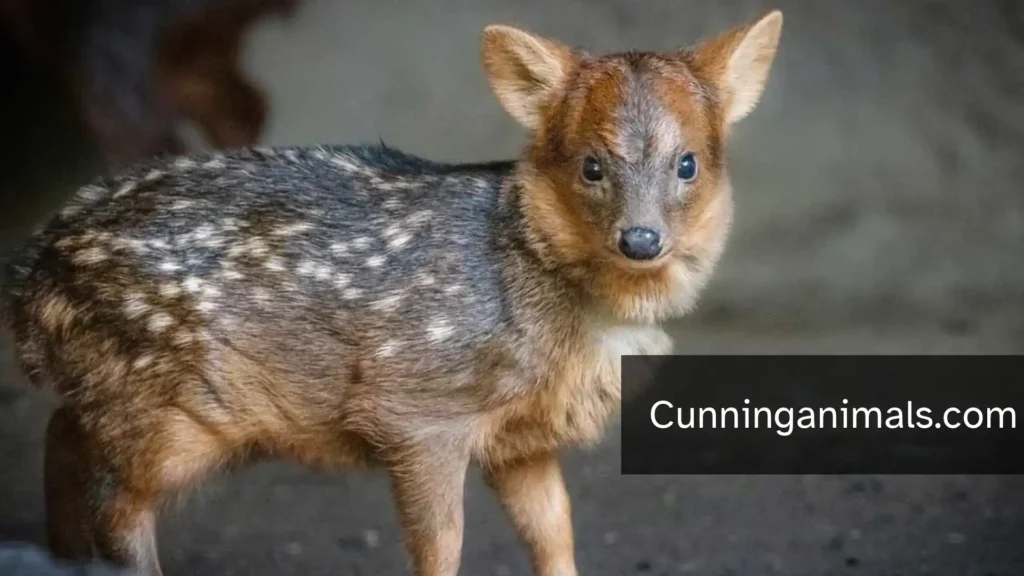
Their natural camouflage and introverted behavior significantly contribute to their survival, evading predators and humans alike. This enchanting deer’s shy tendencies create a sense of mystery surrounding its existence in the wild.
Margay
Scientific Name: Leopardus wiedii
Class: Mammalia
Diet: Carnivore
The Margay, often referred to as an elusive small cat, is a practitioner of shyness as it prowls through the trees and undergrowth of Central and South America. Its remarkable ability to navigate branches showcases a preference for solitude, often remaining out of sight.
This shy mammal utilizes stealth and camouflage to hunt while avoiding larger predators. Its agile nature and reticence add to its reputation as one of the most elusive felines in its ecosystem.
Mouse Deer (Chevrotain)
Scientific Name: Tragulidae
Class: Mammalia
Diet: Herbivore
Mouse deer, commonly known as chevrotains, are diminutive creatures that exhibit an extraordinary level of shyness when faced with danger. Their small size and quiet demeanor lead them to be often overlooked in the dense forests of Southeast Asia.
These elusive animals benefit from their ability to freeze in place, relying on their camouflage to remain unnoticed by both predators and humans. Their innate shyness emphasizes the fragility of their existence, reinforcing the need for habitat conservation.
Harbor Seal
Scientific Name: Phoca vitulina
Class: Mammalia
Diet: Carnivore
The Harbor Seal, found along the coastlines of the northern hemisphere, demonstrates a shy disposition often seen sunbathing on rocky shores. Their preference for solitary retreats reflects their cautious nature when approached by humans or more aggressive species.

These marine mammals use their swimming prowess to evade danger while relying on stealth for foraging. Their shyness has enabled them to maintain a delicate balance in their coastal habitats.
Fallow Deer
Scientific Name: Dama dama
Class: Mammalia
Diet: Herbivore
Fallow Deer are known for their distinctive coloration and graceful demeanor, yet they display shyness in the presence of humans and larger animals. These social creatures often form small herds but still prefer the safety of dense woods or open fields to retreat when alarmed.
Their keen senses help them maintain vigilance, allowing them to evade predators effectively. The Fallow deer’s interactive yet cautious spirit contributes to its unique place within the ecosystem as a shy but social species.
Interesting Facts About Shy Animals
The world of shy animals offers a fascinating glimpse into survival strategies that prioritize caution and stealth. Many of these creatures, such as the platypus and kakapo, illustrate how evolutionary adaptations have allowed them to thrive in their specific environments.
- Some shy animals are primarily active at night, allowing them to avoid daytime predators and human encounters.
- Camouflage is a critical survival strategy, making species like the leaf-tailed gecko nearly invisible among leaves and branches.
- The elusive saola, often dubbed the “Asian unicorn,” is so rare that it is seldom seen in the wild, highlighting the fragility of its habitat.
- Platypuses exhibit a unique trait called electroreception, enabling them to detect electrical signals from prey swimming in murky waters.
- Pangolins, known for their protective keratin scales, can curl into a ball to shield themselves from threats.
- Snow leopards possess thick, patterned coats that provide them with perfect camouflage against their rocky mountainous environments.
- The kakapo, a critically endangered species, is a flightless, nocturnal parrot that relies on its excellent climbing skills for survival.
- Red pandas utilize their bushy tails not only for balance while navigating trees but also to provide warmth during chilly nights.
- Some shy animals, like certain primates, thrive in social groups, whereas others, such as the solitary snow leopard, prefer a life of solitude.
- It’s a common misconception that avoidance of humans equates to friendliness; in reality, many shy animals prioritize their safety over social interaction.
Conclusion
In exploring the fascinating realm of shy animals in the world, we uncover not only their unique behaviors but also their remarkable adaptability to various habitats. Many of these animals, such as the shy but friendly capybara and the quiet and shy red panda, demonstrate how creature comfort often resides in seclusion. Many shy animals also live in near silence, avoiding attention at every step. Read about the quietest animals in the world to learn how they move through nature almost unheard.
Understanding these majestic beings helps us appreciate their tranquil nature and the crucial roles they play within their ecosystems. It’s essential to protect their habitats to ensure they continue to thrive in our changing world.
FAQs
What Animal Is Shy and Gentle?
The red panda, koala, sloth, and giant panda are shy and gentle at the same time. They prefer peaceful, solitary lives high in the trees or deep in bamboo forests, and they avoid conflict whenever they can.
What Are the Shy 5 Animals?
Five of the best-known shy animals are the saola, snow leopard, red panda, pangolin, and okapi. Each one relies on dense forests, rocky mountains, or the cover of darkness to stay out of sight.
Which Animals Are Very Shy?
Many animals avoid contact with humans and predators. Deer, slow lorises, snow leopards, red pandas, kiwis, okapis, pangolins, and fossas are some of the most shy animals. They survive by hiding, staying quiet, and coming out mostly at night or in the early morning.
Which Animal Is Most Shy?
The saola is often called the shyest animal in the world. Known as the “Asian unicorn,” it lives deep in the forests of Vietnam and Laos and is so elusive that scientists have rarely seen it in the wild. The kakapo, the pangolin, and the aye-aye are also extremely secretive.