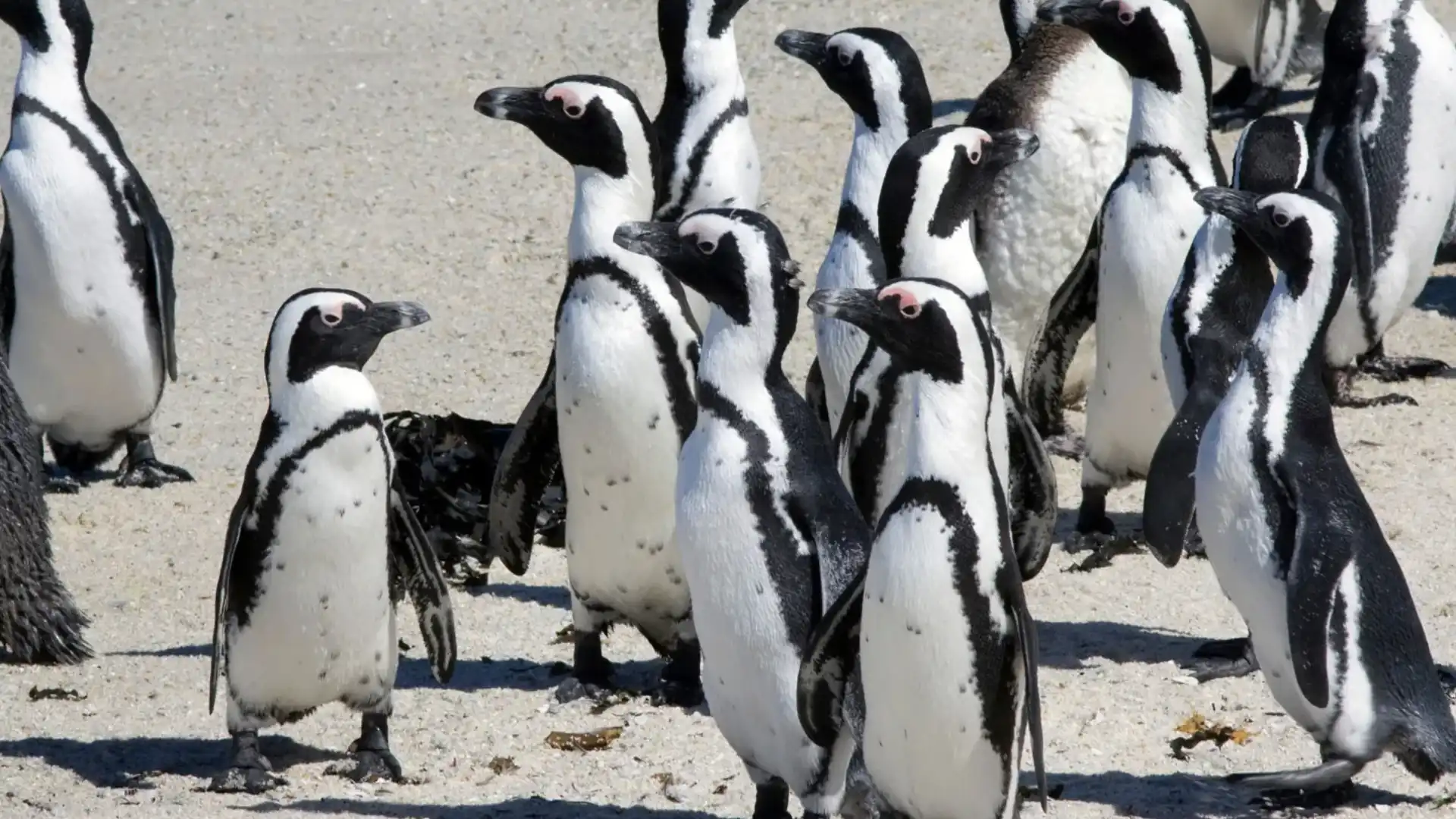
Top 19 Types Of Penguins (With Pictures, Facts & Habitats)
Penguins are not only beloved for their charming waddles but also for their incredible diversity, represented by numerous Types of Penguins found around the globe. Within this avian family, the Smallest Penguin Species, the Fairy Penguin, delights observers with its diminutive size, while fascinating Rare Penguin Species remind us of the challenges they face in their natural habitats. Their flippers, evolved from wings over millions of years, place them among the most distinctive animals with flippers in the natural world.”
This article presents the top 19 Types of Penguins, featuring striking photos and compelling facts that emphasize their unique traits and adaptations. Join us on this informative journey to learn about these captivating creatures and their roles in our ecosystem.
List Of 19 Types Of Penguins
| No. | Penguin Name | Scientific Name | Main Habitat |
| 1 | African Penguin | Spheniscus demersus | Southern Africa |
| 2 | Adélie Penguin | Pygoscelis adeliae | Antarctica |
| 3 | Chinstrap Penguin | Pygoscelis antarcticus | Antarctic and sub-Antarctic islands |
| 4 | Emperor Penguin | Aptenodytes forsteri | Antarctica |
| 5 | Erect-Crested Penguin | Eudyptes sclateri | Sub-Antarctic islands near New Zealand |
| 6 | Fiordland Penguin | Eudyptes pachyrhynchus | New Zealand |
| 7 | Galápagos Penguin | Spheniscus mendiculus | Galápagos Islands |
| 8 | Gentoo Penguin | Pygoscelis papua | Sub-Antarctic islands and Antarctic Peninsula |
| 9 | Humboldt Penguin | Spheniscus humboldti | Peru and Chile |
| 10 | King Penguin | Aptenodytes patagonicus | Sub-Antarctic islands |
| 11 | Little Penguin | Eudyptula minor | Australia and New Zealand |
| 12 | Macaroni Penguin | Eudyptes chrysolophus | Sub-Antarctic islands |
| 13 | Magellanic Penguin | Spheniscus magellanicus | Southern South America |
| 14 | Northern Rockhopper Penguin | Eudyptes moseleyi | Remote South Atlantic and Indian Ocean islands |
| 15 | Royal Penguin | Eudyptes schlegeli | Macquarie Island region |
| 16 | Snares Penguin | Eudyptes robustus | Snares Islands, New Zealand |
| 17 | Southern Rockhopper Penguin | Eudyptes chrysocome | Sub-Antarctic islands and southern South America |
| 18 | Yellow-Eyed Penguin | Megadyptes antipodes | New Zealand |
| 19 | White-Flippered Penguin | Commonly treated as a form of Eudyptula minor | Canterbury region, New Zealand |
African Penguin
Scientific Name: Spheniscus demersus
Class: Aves
Diet: Fish, squid, krill
The African penguin, often found along the southwestern coast of Africa, is known for its distinctive black and white markings. Also referred to as the “jackass penguin” because of its donkey-like braying sounds, it plays a crucial role in its ecosystem by recycling nutrients through its diet.
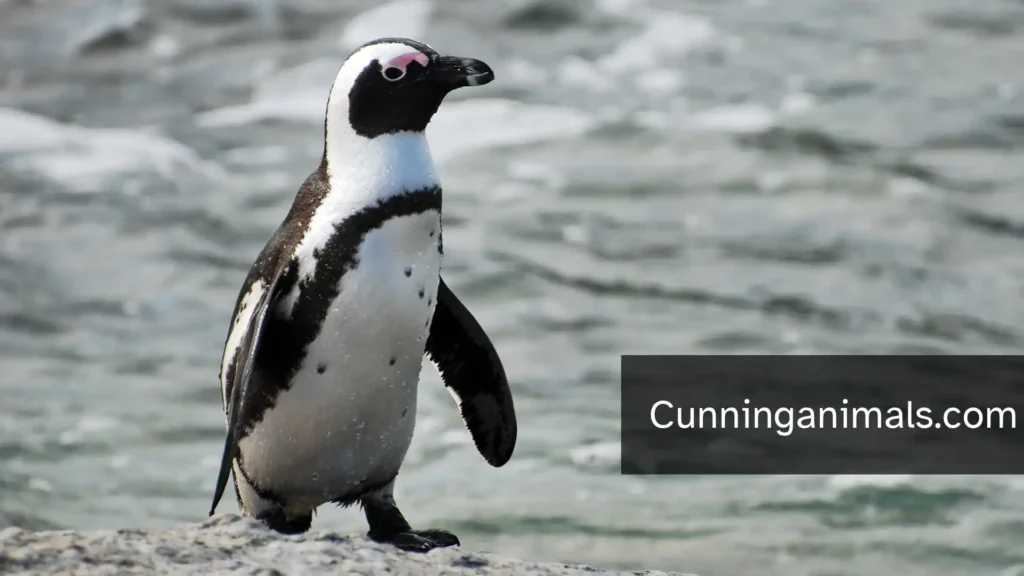
These penguins nest in burrows or under bushes, providing an insight into their unique nesting behaviors that help them evade predators. As a species classified as endangered, conservation efforts are critical for their survival, highlighting the challenges faced due to climate change and habitat destruction.
Adélie Penguin
Scientific Name: Pygoscelis adeliae
Class: Aves
Diet: Krill, fish, and other marine invertebrates
Adélie penguins are charming birds that thrive on the coasts of Antarctica, showcasing their adaptability to freezing climates. Their distinctive features, like the ring of feathers around their eyes, make them easily recognizable in their icy habitat.
These penguins are known for their highly social behavior, forming large colonies that can number in the thousands. Their foraging dives can reach impressive depths, enriching our understanding of their hunting strategies and the dynamics of the Antarctic marine ecosystem.
Chinstrap Penguin
Scientific Name: Pygoscelis antarcticus
Class: Aves
Diet: Krill, fish, and other small marine organisms
The chinstrap penguin, easily identified by the narrow band of feathers under its head, is a lively inhabitant of the sub-Antarctic islands and the Antarctic Peninsula. Their lively disposition and social nature lead to fascinating interactions and complex social structures within their colonies.

Chinstrap penguins excel in swimming, making them adept hunters in the frigid ocean waters. Their productivity and adaptability to changing environmental conditions offer valuable insights into the broader impacts of climate change on polar ecosystems.
Emperor Penguin
Scientific Name: Aptenodytes forsteri
Class: Aves
Diet: Fish, squid, and krill
As the largest of the penguin species, the emperor penguin is an icon of resilience, surviving the harsh Antarctic winters by huddling together for warmth. Notably, they are the only penguins that breed during the darkest winter months, showcasing extraordinary parental care where males incubate the eggs.
Emperor penguins rely on intricate vocalizations to maintain social bonds within their colonies, providing a vivid picture of their rich social lives. Their remarkable adaptations to extreme cold underscore the impacts of climate change on these incredible birds and their habitat.
Erect-Crested Penguin
Scientific Name: Eudyptes sclateri
Class: Aves
Diet: Krill, fish, and squid
The erect-crested penguin, found primarily on the Bounty and Antipodes Islands, is notable for its striking yellow crest that stands upright during courtship displays. This species is an elusive and less-studied penguin, making its behaviors and ecology an intriguing area for research and discovery.

Their unique breeding habits and nesting preferences provide insights into how different environments influence penguin behavior. Understanding their population dynamics is crucial for conservation efforts aimed at protecting this charming but vulnerable species.
Fiordland Penguin
Scientific Name: Eudyptes pachyrhynchus
Class: Aves
Diet: Crustaceans, fish, and squid
The Fiordland penguin, native to New Zealand, is characterized by its bushy yellow eyebrows, which lend a whimsical touch to their appearance. These penguins are known for their secretive nature and often nest in dense, forested areas, making their populations harder to study.
Their foraging behaviors in rugged coastal regions reveal how adaptable penguins can be despite facing significant environmental challenges. Protecting their habitats is critical, as they are considered vulnerable and face threats from habitat destruction and climate variability.
Galápagos Penguin
Scientific Name: Spheniscus mendiculus
Class: Aves
Diet: Fish and other marine organisms
The Galápagos penguin is the only species found north of the equator, uniquely adapted to a warmer climate compared to its cold-water relatives. These small penguins exhibit fascinating behaviors, such as using coastal currents to aid their swimming and hunting efforts.

Their vibrant populations across the Galápagos Islands illustrate the delicate balance of island ecosystems. Conservation initiatives are essential to ensure these unique penguins thrive amid the pressures of tourism and climate change.
Gentoo Penguin
Scientific Name: Pygoscelis papua
Class: Aves
Diet: Krill, fish, and squid
Gentoo penguins are easily spotted by their bright orange beaks and distinctive white stripe across their heads. Found in the sub-Antarctic regions, they are excellent swimmers, capable of reaching speeds of up to 22 miles per hour while hunting for food.
Their unique courtship rituals, including pebble gifting, showcase the fascinating bonding routines among penguins. Understanding these behaviors can lead to deeper insights into their social structures and how environmental changes impact them.
Humboldt Penguin
Scientific Name: Spheniscus humboldti
Class: Aves
Diet: Fish, squid, and crustaceans
Native to the coastal regions of Peru and Chile, the Humboldt penguin thrives in a unique ecosystem influenced by the cold Humboldt Current. Known for their distinctive black stripes across their chests, these penguins display strong social bonds and are often seen in groups.

Their breeding and nesting habits, often in rocky crevices, highlight their adaptability to diverse environments. Given their vulnerable status, ongoing conservation efforts are imperative to support their populations against habitat loss.
King Penguin
Scientific Name: Aptenodytes patagonicus
Class: Aves
Diet: Fish, squid, and krill
The king penguin, second in size only to the emperor, adds grandeur to the penguin family with its striking orange and yellow markings. These majestic birds prefer the sub-Antarctic islands, where they adapt to fluctuating food availability.
Their unique reproductive cycle, which can last up to 16 months, provides scientists with insights into their survival strategies in challenging environments. Evaluating their breeding success in the face of climate change remains crucial for their long-term conservation.
Little Penguin
Scientific Name: Eudyptula minor
Class: Aves
Diet: Fish and various marine invertebrates
The little penguin, also known as the fairy penguin, is the smallest of its kind, standing only about 30 cm tall. Found primarily in Australia and New Zealand, these diminutive birds are well-adapted to coastal environments and are known for their distinctive blue feathers.

Their nocturnal nature and agile swimming skills highlight how these tiny penguins navigate their habitats effectively. Conservation efforts aimed at protecting their beaches are vital, ensuring these charming birds continue to thrive in the wild.
Macaroni Penguin
Scientific Name: Eudyptes chrysolophus
Class: Aves
Diet: Krill, squid, and small fish
The macaroni penguin is easily recognized by its vibrant yellow crest feathers, adding a touch of flamboyance to its personality. A native of the sub-Antarctic islands, these penguins are often found in dense colonies.
Their fascinating breeding behaviors and elaborate courtship displays reveal the complex social structures that characterize their colonies. As one of the most numerous penguin species, monitoring their populations helps scientists assess the health of their marine environments.
Magellanic Penguin
Scientific Name: Spheniscus magellanicus
Class: Aves
Diet: Fish, squid, and crustaceans
The Magellanic penguin is a charismatic species found along the coasts of South America, particularly in Argentina and Chile. Their striking black and white plumage and distinctive two black bands make them easily recognizable among other penguin species.

These penguins exhibit fascinating migratory behaviors, often traveling long distances for foraging. Conservation programs are crucial, as their populations face threats from oil spills and habitat loss.
Northern Rockhopper Penguin
Scientific Name: Eudyptes moseleyi
Class: Aves
Diet: Krill, squid, and crustaceans
The northern rockhopper penguin, distinguished by its golden eyebrows and spunky disposition, is a rugged inhabitant of the Falkland Islands and nearby territories. Their ability to hop from rock to rock in rugged coastal terrains showcases their resilience in challenging environments.
Monitoring their populations is essential, as they face significant risks from climate change and overfishing of their food sources. Understanding their movement patterns can aid in developing targeted conservation strategies.
Royal Penguin
Scientific Name: Eudyptes schlegeli
Class: Aves
Diet: Squid, fish, and crustaceans
Royal penguins, often found on Macquarie Island, are striking for their vibrant yellow crests and charming behaviors. They share similarities with macaroni penguins but sport a unique facial pattern that distinguishes them as a species.
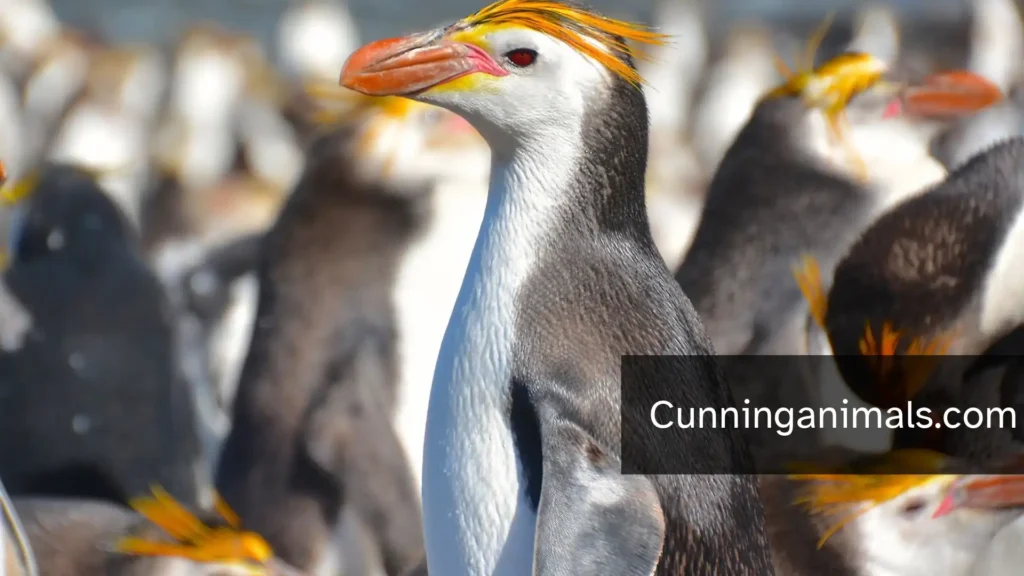
Their breeding colonies illustrate the importance of uninhabited islands for penguin populations, providing safer nesting grounds free from land predators. Protecting these breeding habitats is vital for their conservation.
Snares Penguin
Scientific Name: Eudyptes robustus
Class: Aves
Diet: Krill, squid, and fish
The Snares penguin is a rare species endemic to the Snares Islands near New Zealand, characterized by its striking yellow crest and sociable nature. These birds are less well-known compared to others, making them an exciting subject for research.
Their unique nesting habits, often in dense undergrowth, offer insights into how species adapt to their environments. Conservation efforts on their islands are essential to maintain their populations and mitigate the impact of invasive species.
Southern Rockhopper Penguin
Scientific Name: Eudyptes chrysocome
Class: Aves
Diet: Krill, squid, and fish
The southern rockhopper penguin is celebrated for its energetic personality and striking appearance, characterized by distinctive spiky yellow crests. They inhabit the sub-Antarctic and enjoy a dynamic lifestyle, often hopping around rocky terrains with agility and grace.

These penguins participate in complex social behaviors, especially during mating seasons, often forming strong pair bonds. With decreasing populations due to climate change and habitat encroachment, understanding their life cycles is crucial for ongoing conservation efforts.
Yellow-Eyed Penguin
Scientific Name: Megadyptes antipodes
Class: Aves
Diet: Fish, squid, and marine invertebrates
The yellow-eyed penguin, known for its pale yellow eyes and unique facial markings, is native to New Zealand and is one of the rarest penguin species worldwide. Their preference for dense forest habitats for nesting distinguishes them from other coastal-dwelling penguins.
These solitary birds exhibit fascinating foraging behaviors and are known for returning to the same breeding sites year after year. Their preference for isolation during nesting also places them among New Zealand’s more notable solitary animals. As conservationists work to protect their dwindling populations, understanding their habitat requirements and threats is essential for their survival.
White-Flippered Penguin
Scientific Name: Commonly treated as a form of Eudyptula minor
Class: Aves
Diet: Fish and marine invertebrates
The white-flippered penguin, a localized variant of the little penguin, is primarily found in the coastal regions of New Zealand. Its distinguishing white flippers give it a unique identity among its relatives and highlight the remarkable diversity within penguin species.
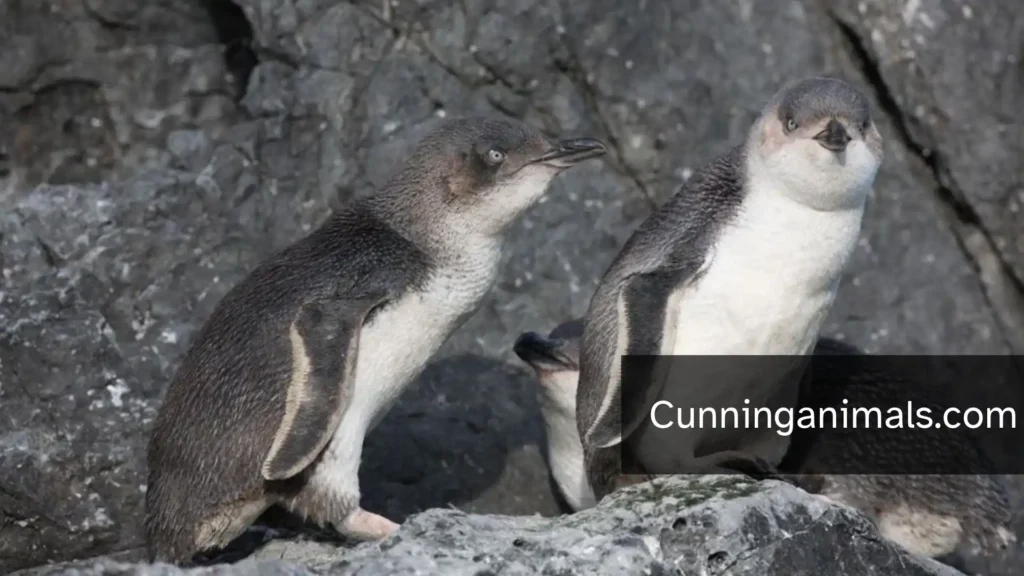
Studies on this variant are critical, as it provides insight into adaptation and evolution among seabird species. Conservation efforts alongside habitat protection are essential for ensuring the survival of this charming, albeit vulnerable, bird in the face of environmental changes.
Interesting Facts About Penguins
Penguins exhibit an incredible range of adaptations that reflect their unique lifestyles and environments. For instance, while they may not take to the skies, their evolved flippers allow them to navigate through ocean waters with agility and speed.
- Penguins are birds, even though they cannot fly.
- Their wings have evolved into flippers, perfect for swimming. On land, their upright posture and distinctive gait make them one of the more recognizable animals that walk on two legs.
- Emperor Penguins are the largest living penguins, reaching heights of up to 4 feet.
- Little Penguins are the smallest living penguin species, typically standing around a foot tall.
- Galápagos Penguins are unique for living near the equator, making them the only penguins that venture into tropical waters.
- Penguins catch a significant portion of their food underwater, primarily feeding on fish and krill.
- Some species nest in burrows, providing shelter against predators and harsh weather.
- Rockhopper Penguins have developed the ability to hop across rocky terrain, a fascinating adaptation for their habitat.
- Different types of penguins exhibit varied breeding behaviors and habitats, showcasing their adaptability.
- Several penguin populations face serious conservation threats, emphasizing the need for continued protection and awareness.
Conclusion
Understanding the various types of penguins enriches our appreciation for these remarkable creatures and their diverse habitats. From the iconic Emperor Penguin to the adorable Little Blue Penguin, each type has unique characteristics and adaptations that allow them to thrive in their specific environments. Despite the challenges of their habitats, penguins are often counted among the most docile animals in the world, rarely showing aggression toward humans in the wild.
As we explored the top 19 types of penguins, it became evident that these birds play crucial roles in their ecosystems and face various challenges due to climate change and human activities. By learning more about these incredible species, we can contribute to their conservation and ensure their survival for future generations.
FAQs
What Do Penguins Eat?
Explain that most penguins eat fish, krill, squid, and other small marine animals.
Can Penguins Fly?
Explain that penguins cannot fly through the air, but their powerful flippers allow them to swim efficiently underwater.
Which Penguin Is The Rarest?
Explain that rarity depends on the population measure used and the latest conservation data. Verify the current figures before naming one species as the rarest.
Do All Penguins Live In Antarctica?
Explain that most penguin species live elsewhere in the Southern Hemisphere, and the Galápagos Penguin lives near the equator.