17 Lizards That Look Like Dragons: Real-Life Dragon-Like Lizards
Among the countless wonders of the animal kingdom, lizards that look like dragons stand out for their striking appearances and unique qualities. These reptilian treasures bear an uncanny resemblance to legendary dragons, making them not only intriguing to observe but also perfect candidates for those seeking exotic pets that look like dragons.
By delving into their characteristics and habitats, readers will gain a deeper appreciation for these dragon-looking lizards. Join us on this journey to uncover 17 extraordinary species that marry fantasy with reality, showcasing the incredible diversity of nature.
What Are Lizards That Look Like Dragons?
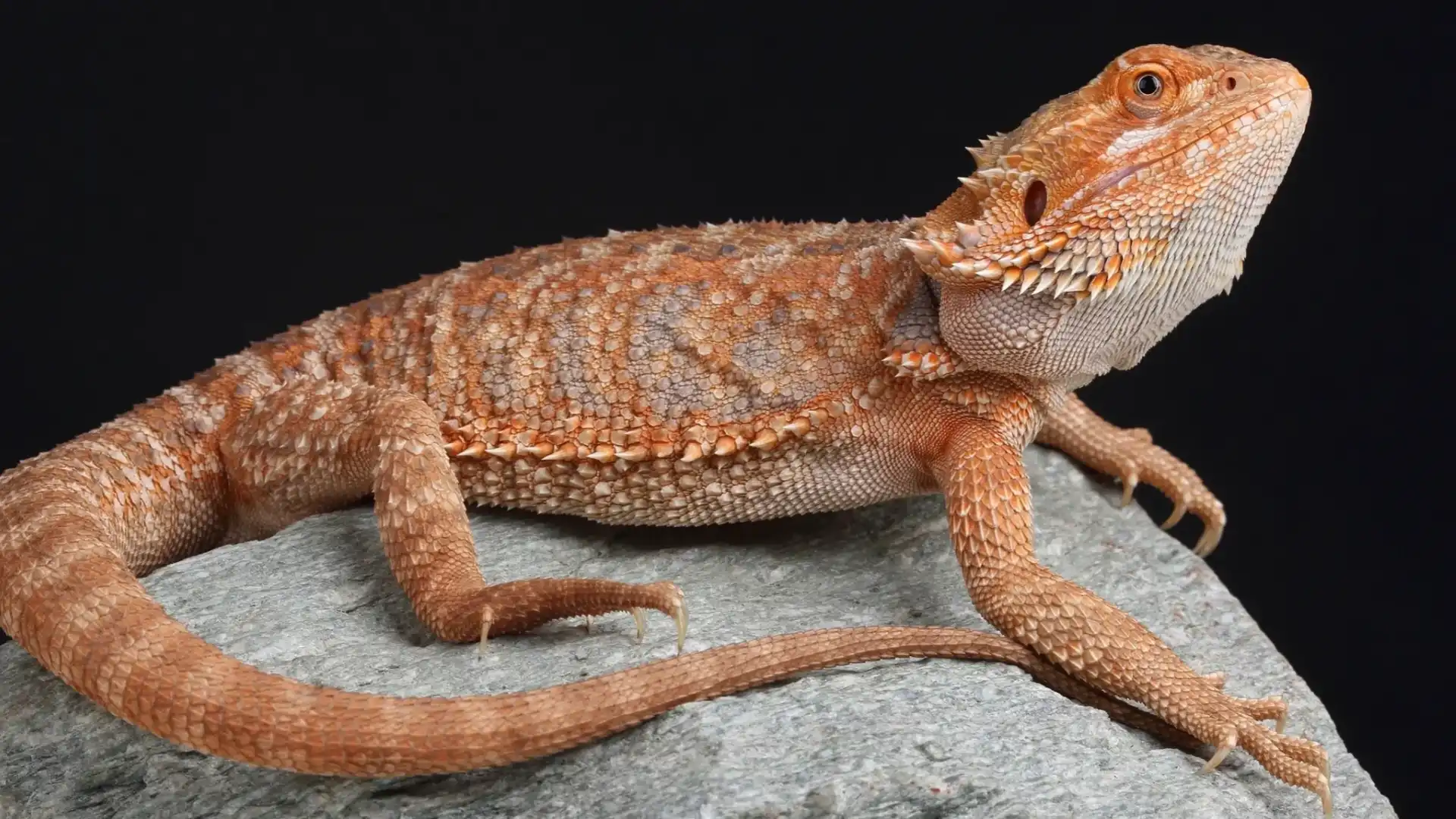
Lizards that look like dragons captivate both reptile enthusiasts and casual observers with their striking features and mythical allure. Among these, the bearded dragon stands out with its distinctive spiky appearance and impressive color variations. Originating from Australia, these lizards can puff out their throat, resembling a dragon’s fierce display and giving them an unmistakable presence.
Beyond aesthetics, these lizards have intriguing behaviors that add to their dragon-like persona. For instance, some species utilize their adaptability to thrive in diverse habitats, much like the legendary dragons of different cultures. Their ability to change colors or patterns not only aids in camouflage but also serves as a form of communication, reflecting their mood and environment.
Top 17 Lizards That Look Like Dragons (With Comparison Table)
| No. | Lizard Name | Scientific Name | Class | Native Habitat | Dragon-Like Feature |
|---|---|---|---|---|---|
| 1 | Bearded Dragon | Pogona vitticeps | Reptilia | Australia | Spiky beard and armored appearance |
| 2 | Common Flying Dragon | Draco volans | Reptilia | Southeast Asia | Wing-like membranes for gliding |
| 3 | Frilled Lizard | Chlamydosaurus kingii | Reptilia | Australia and New Guinea | Large expandable neck frill |
| 4 | Armadillo Girdled Lizard | Ouroborus cataphractus | Reptilia | South Africa | Armored body and spiky scales |
| 5 | Chinese Water Dragon | Physignathus cocincinus | Reptilia | Southeast Asia | Long tail and raised crest |
| 6 | Green Basilisk | Basiliscus plumifrons | Reptilia | Central America | Tall crest and bright green scales |
| 7 | Crested Gecko | Correlophus ciliatus | Reptilia | New Caledonia | Eyelash-like crests |
| 8 | Jackson’s Chameleon | Trioceros jacksonii | Reptilia | East Africa | Three prominent horns |
| 9 | Green Iguana | Iguana iguana | Reptilia | Central and South America | Spiny back and powerful body |
| 10 | Philippine Sailfin Lizard | Hydrosaurus pustulatus | Reptilia | Philippines | Sail-like dorsal crest |
| 11 | Northern Caiman Lizard | Dracaena guianensis | Reptilia | South America | Armored scales and strong jaws |
| 12 | Four-Horned Chameleon | Trioceros quadricornis | Reptilia | Central Africa | Multiple head horns |
| 13 | Parson’s Chameleon | Calumma parsonii | Reptilia | Madagascar | Large head casque and impressive size |
| 14 | Komodo Dragon | Varanus komodoensis | Reptilia | Indonesia | Massive body and powerful bite |
| 15 | Leopard Gecko | Eublepharis macularius | Reptilia | South Asia | Spotted skin and reptilian features |
| 16 | Sudan Plated Lizard | Gerrhosaurus major | Reptilia | Eastern and Southern Africa | Heavy armor-like scales |
| 17 | Chinese Crocodile Lizard | Shinisaurus crocodilurus | Reptilia | Southern China and northern Vietnam | Rough scales and crocodile-like body |
Bearded Dragon
Scientific name: Pogona vitticeps
Class: Reptilia
Habitat: Arid regions and scrublands of Australia
Bearded dragons are known for their distinctive “beard,” a flap of skin that puffs up when threatened. Color variations abound, ranging from sandy yellows to deep browns, mimicking their natural desert habitat.
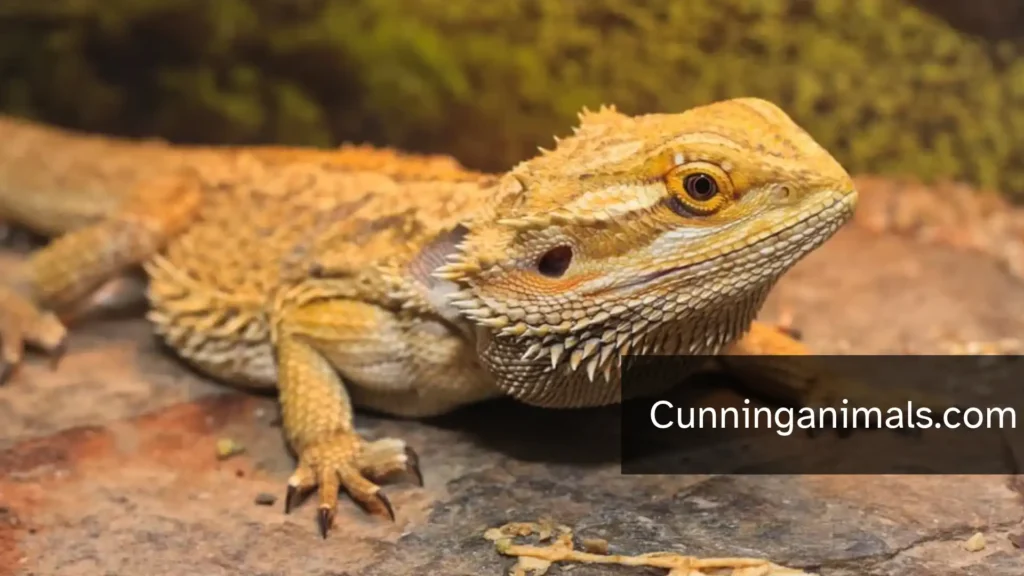
These charming lizards possess a docile temperament, making them popular pets among reptile enthusiasts.Their calm nature is a big reason beginners gravitate toward them. If you enjoy learning about gentle creatures, take a look at some of the most docile animals in the world. You may be surprised how many mild-mannered species there are.
Common Flying Dragon
Scientific name: Draco volans
Class: Reptilia
Habitat: Tropical forests of Southeast Asia
This remarkable lizard can glide through the air using its elongated ribs and skin flaps, resembling a dragon in flight. Found in the canopy, the common flying dragon is a master of arboreal living, expertly navigating between trees.
Their vibrant blue and green hues, coupled with gliding abilities, make the common flying dragon one of the most enchanting types of dragon lizards. Observing them in their natural habitat offers a glimpse into a world where elegance meets functionality.
Frilled Lizard
Scientific name: Chlamydosaurus kingii
Class: Reptilia
Habitat: Woodlands and forests of Australia and New Guinea
Famous for its impressive frill that can extend dramatically when threatened, the frilled lizard exhibits true dragon-like intimidation. This unique feature allows it to appear larger and ward off potential predators.

Beneath its theatrical display, this species is an agile climber, often found perched high in trees. Its fascinating blend of defense and agility showcases the intricate adaptations of lizard dragons in the wild.
Armadillo Girdled Lizard
Scientific name: Cordylus cataphractus
Class: Reptilia
Habitat: Dry regions of southern Africa
With its armored appearance, the armadillo girdled lizard resembles a miniature dragon adorned with protective scales. When threatened, it rolls into a tight ball, showcasing its defensive prowess against predators.
This lizard’s fascinating behavior extends to its social interactions, often seen engaging in playful displays with its peers. Such unique traits enrich the diversity of dragon lizards beyond mere aesthetics.
Chinese Water Dragon
Scientific name: Physignathus cocincinus
Class: Reptilia
Habitat: Rainforests and riversides of China and Southeast Asia
The Chinese water dragon’s vibrant green hue and elongated body give it a striking resemblance to mythic creatures. With its aquatic adeptness, it can swim and cling to branches, embodying the essence of a dragon lizard in its natural realm.
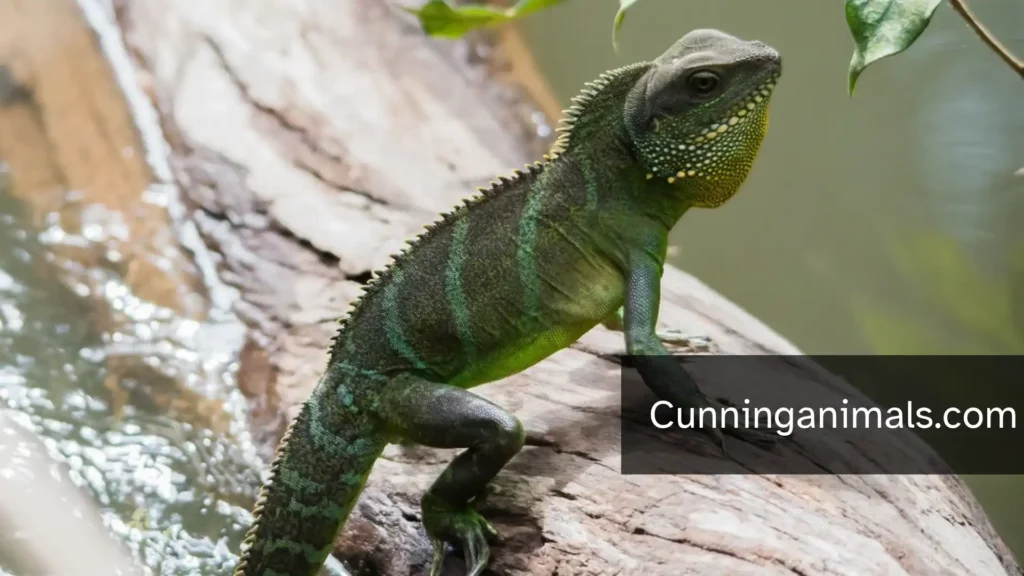
A captivating sight as they bask in sunlight, these lizards often exhibit delightful social behaviors, establishing hierarchies among their habitat. This dynamic social structure adds depth to their dragon-like persona.Life beside the water shapes much of their behavior, from basking spots to quick escapes into the current. If riverside habitats fascinate you, you’ll enjoy reading about other animals that live in rivers and how they’ve adapted.
Green Basilisk
Scientific name: Basiliscus plumifrons
Class: Reptilia
Habitat: Central American rainforests
Known as the “Jesus Christ lizard,” the green basilisk’s ability to walk on water enhances its mythical dragon-like appeal.The basilisk does this sprint across the water on its hind legs, which makes it a standout among animals that walk on two legs. It’s a great example of how upright movement can be a survival tool as well as a quirk.
Its vibrant coloration and crest create an image reminiscent of a creature straight from folklore, making it a favorite among reptile aficionados. Observing these agile lizards can transport viewers to a world where fantasy intertwines with nature.
Crested Gecko
Scientific name: Correlophus ciliatus
Class: Reptilia
Habitat: Rainforests of New Caledonia
The crested gecko boasts a unique crested ridge along its head and eyes, offering a striking resemblance to a dragon’s features. Its vibrant patterns and colors include shades of orange, yellow, and brown, creating a mesmerizing display.
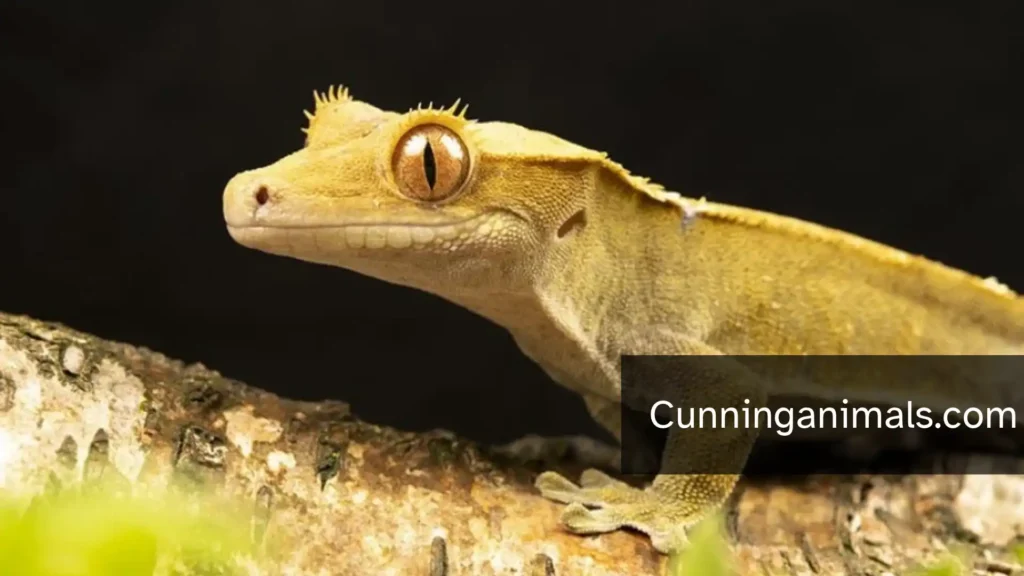
These nocturnal lovers of climbing are adaptive and possess excellent grip, showcasing agile movement across their habitats. Their playful nature and charming appearance capture the hearts of both collectors and casual viewers alike.
Jackson’s Chameleon
Scientific name: Trioceros jacksonii
Class: Reptilia
Habitat: Mountain forests of East Africa
Distinguished by its three horns, Jackson’s chameleon exemplifies the quirky appeal of dragon lizards. Its color-changing abilities contribute to its captivating nature, enhancing camouflage within the lush foliage.
This species demonstrates an interesting behavior of tail curling for balance, showcasing adaptability in navigating complex ecosystems. Indeed, the Jackson’s chameleon continues to enchant enthusiasts with its distinctive dragon-like traits.
Green Iguana
Scientific name: Iguana iguana
Class: Reptilia
Habitat: Tropical rainforests and urban areas of Central and South America
With its long, regal stature and pronounced dorsal crest, the green iguana is a powerful representation of dragon lizards. This vibrant creature thrives in trees, often sunbathing on branches, reminiscent of mythical dragons lounging in their lairs.
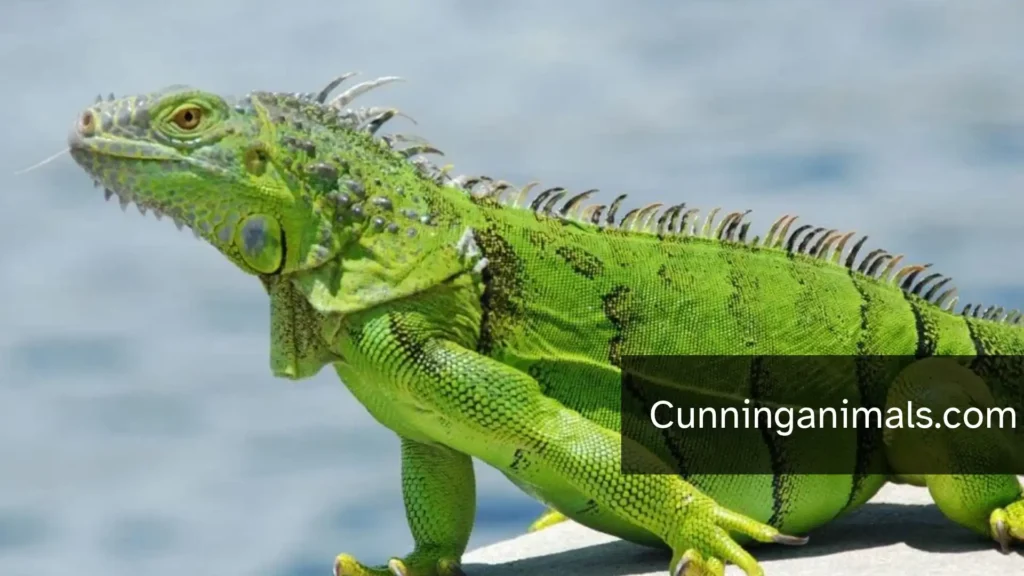
Moreover, their herbivorous diet allows them to roam vast territories in search of leafy greens, showcasing their crucial role in the ecosystem. The green iguana’s majestic appearance and gentle nature make it a favored lizard dragon among exotic pet owners.Green iguanas have also made themselves at home outside their native range, and you can spot them in warmer parts of the US. To see which other reptiles share that climate, explore our guide to lizards in Florida.
Philippine Sailfin Lizard
Scientific name: Hydrosaurus pustulatus
Class: Reptilia
Habitat: Tropical forests and rivers of the Philippines
This aquatic marvel features a stunning sail-like ridge on its back, enhancing its resemblance to dragon-like creatures from lore. Often spotted basking near water bodies, the Philippine sailfin lizard showcases its agility both on land and in water.
Its unique diet, consisting mostly of leaves and fruits, allows it to thrive in humid environments while avoiding predators. The adaptability and captivating look of this lizard enriches the diversity of dragon lizards around the world.
Northern Caiman Lizard
Scientific name: Dracaena guianensis
Class: Reptilia
Habitat: Swamps and marshes of South America
With its robust body and scaled appearance, the northern caiman lizard embodies the essence of a dragon animal. Its semi-aquatic lifestyle allows it to maneuver through its watery habitat with ease, preying on snails and other small creatures.
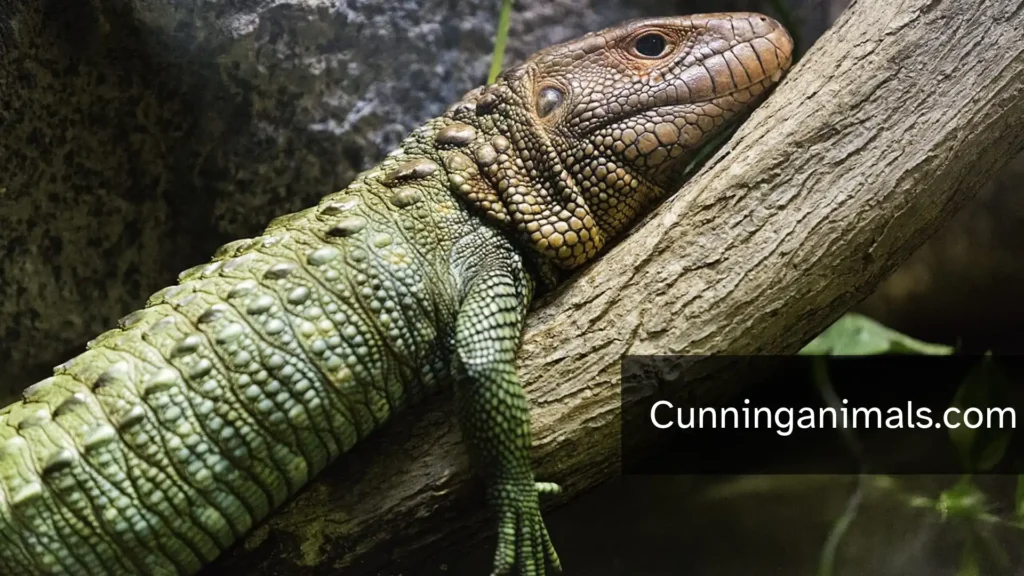
Known for its vivid coloration, this species captures attention in both the wild and captivity, thanks to its almost prehistoric look. The northern caiman lizard serves as a reminder of the fascinating adaptations found within dragon-like reptiles.
Four-Horned Chameleon
Scientific name: Stereosyce multispinosus
Class: Reptilia
Habitat: Forests of Madagascar
The four-horned chameleon’s fascinating physical features resemble a miniature dragon with its menacing-looking horns. Its ability to change colors lets it blend seamlessly into the dense foliage, enhancing its mythical appearance.
Often misunderstood, these intriguing reptiles display behavioral adaptations that ensure survival in their unique habitats. The four-horned chameleon’s blend of whimsy and adaptability makes it a standout among dragon lizards.
Parson’s Chameleon
Scientific name: Calumma parsonii
Class: Reptilia
Habitat: Rainforests of Madagascar
With its gigantic size and vibrant colors, Parson’s chameleon is one of the largest lizards that look like dragons. Its hue changes dramatically with mood, reflecting a broad spectrum from greens to vivid blues, much like a dragon in a tale.
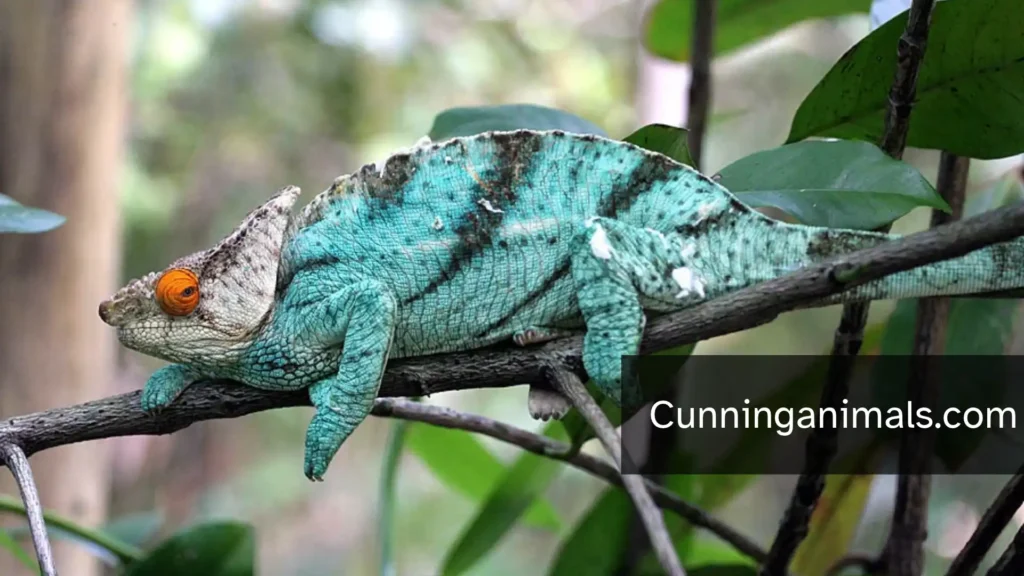
Known for its impressive eyes that swivel independently, this species is a marvel of evolutionary adaptation. The stunning visual display and unique characteristics make the Parson’s chameleon an extraordinary example of dragon lizards.
Komodo Dragon
Scientific name: Varanus komodoensis
Class: Reptilia
Habitat: Islands of Indonesia
As the largest lizard on Earth, the Komodo dragon takes on a fierce and intimidating dragon-like persona. Fierce predators with excellent hunting skills, they can take down larger prey, showcasing their dominance in the ecosystem.
Their unique venomous bite adds an element of mystique, further solidifying their position as dragon animals of the lizard world. With their ancient lineage and powerful presence, Komodo dragons represent the epitome of lizard dragons.Few reptiles command as much respect as this one. If you’re curious about other formidable creatures, our roundup of the deadliest animals in the world is worth a read.
Leopard Gecko
Scientific name: Eublepharis macularius
Class: Reptilia
Habitat: Deserts and grasslands of Central and South Asia
The leopard gecko’s stunning spots and flexible tails offer a lizard dragon appearance that many find irresistible. Despite its small stature, this hardy reptile showcases resilient adaptations to life in arid environments.That spotted pattern is one of its most recognizable traits, and it’s far from unique in the wild. Plenty of animals with spots use similar markings for camouflage or display.

In captivity, their unique personality and playful behavior endear them to pet owners, who cherish their vibrant looks and engaging antics. The leopard gecko serves as a prime example of the charming diversity found within dragon lizards.
Sudan Plated Lizard
Scientific name: Gerrhosaurus major
Class: Reptilia
Habitat: Dry regions and rocky areas of Sudan
Resembling a miniature dragon with its plated scales, the Sudan plated lizard showcases a remarkable defense mechanism against predators. Its robust body and cautious movements help it navigate rocky terrains with ease.
This species is known for its unique behavioral traits, including basking alongside rocks to absorb warmth. The Sudan plated lizard exemplifies how dragon-like adaptations translate into survival strategies within challenging environments.
Chinese Crocodile Lizard
Scientific name: Shinisaurus crocodilurus
Class: Reptilia
Habitat: Rivers and streams in southern China and Vietnam
Known for its unique aquatic adaptability, the Chinese crocodile lizard captivates with a dragon-like form and a tail reminiscent of ancient reptiles. Its striking appearance and behavior showcase a blend of elegance and resilience.

These lizards are often found near water, displaying mutualism in their habitats with surrounding fauna. Their charming demeanor and stunning looks make them a remarkable example within the spectrum of dragon lizards.
Interesting Facts About Lizards That Look Like Dragons
Lizards that resemble dragons showcase a vibrant array of adaptations that make them fascinating creatures. Among these, some lizards glide gracefully between trees, employing specialized skin membranes that allow for an aerial dance from branch to branch. The remarkable green basilisk even develops the ability to run across water, a feat that seems straight out of a mythical tale.
- Frilled lizards display dramatic neck frills as a defense mechanism when threatened.
- Bearded dragons communicate through expressive body language, revealing their emotional states.
- Chameleons are masters of color change, using their vibrant hues for communication beyond mere camouflage.
- The Komodo dragon, the largest living lizard species, exemplifies strength and adaptability in the wild.
- Some dragon-like lizards cloak themselves in natural colors to evade predators effectively.
- However, not every dragon-esque lizard is beginner-friendly, as certain species require specialized care.
Conclusion
Lizards that look like dragons offer an enchanting glimpse into nature’s creativity. Their diverse forms and behaviors not only make them intriguing subjects for study but also perfect candidates for pet ownership.
As you explore the world of these reptile species, you may find that they bring the mythical and magical into your home. Remember to research properly if you’re considering one as a pet, ensuring you provide the best care and environment for these extraordinary creatures.
FAQS
Is A Dragon Lizard Poisonous?
Most lizards called dragon lizards, such as bearded dragons and water dragons, are not poisonous to humans. However, some lizards can bite when threatened, so it is best to handle them carefully.
Is A Komodo Dragon Harmful To Humans?
Yes, Komodo dragons can be dangerous to humans. They have sharp teeth, powerful bodies, and venom that can interfere with blood clotting, making their bites potentially life-threatening.
What Reptile Is Similar To A Dragon?
The Komodo dragon is one of the reptiles most similar to a mythical dragon because of its enormous size, muscular body, sharp claws, and forked tongue. Other examples include monitor lizards, bearded dragons, and Chinese water dragons.
What Lizards Look Like Dragons?
Bearded dragons, Chinese water dragons, frilled lizards, and spiny-tailed lizards have features that resemble mythical dragons. Their spiky scales, distinctive crests, long tails, and dramatic appearances make them especially dragon-like.
Can A Human Survive A Komodo Dragon?
Yes, a human can survive a Komodo dragon encounter, especially with quick medical attention after an attack. However, its bite can cause severe injuries, blood loss, and infection, so anyone bitten should seek emergency medical care immediately.